
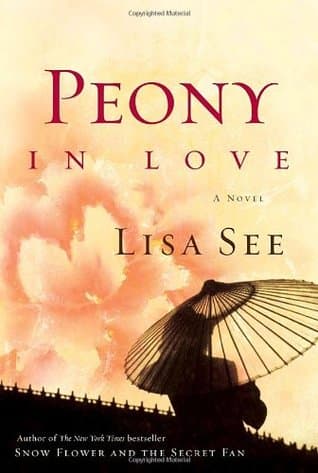
Synopsis
Covers the whole plot, including the ending.
- Difficulty
- Medium
- Pacing
- Moderate
- Mood
- Atmospheric, Melancholy, Romantic, Spiritual
- Read it if
- You enjoy historical fiction with a strong focus on women's lives, Chinese culture, and a touch of the supernatural.
- Skip it if
- You prefer fast-paced plots without much introspection or a lack of fantastical elements.
Peony in Love Plot Summary
Covers the whole plot, including the ending.
A Life of Seclusion and a Fateful Opera
Peony, a sixteen-year-old girl from a prominent scholar-gentry family in Hangzhou, lives a life of extreme seclusion within the women's quarters of her family's estate. Her world is limited to her mother, her nursemaid, and occasional visits from her grandmother. One day, her father, Scholar Chen, decides to host a performance of 'The Peony Pavilion' for his sixtieth birthday, an opera considered scandalous due to its themes of romantic love and female desire. Peony, along with other women of the household, is allowed to secretly watch the performance. The beauty and passion of the opera deeply affect Peony, awakening desires she never knew she possessed and changing her view of her confined existence.
The Awakening of Love and a Secret Betrothal
After seeing 'The Peony Pavilion', Peony begins to compare her own life to that of Du Liniang, the opera's heroine. She becomes consumed by the idea of romantic love. During a secret outing to a garden, a rare event for her, Peony meets a handsome young man, Ren, who is a student of her father's. They share a brief, intense connection, exchanging poems and promises. Without her father's knowledge, Peony and Ren become secretly betrothed, exchanging a scroll painting as a token of their commitment. This secret relationship fills Peony with a joy and purpose previously missing from her life, but also with constant fear of discovery and the societal disapproval it would bring.
The Onset of Lovesickness and Peony's Demise
The intense emotions from the opera and her secret love for Ren begin to affect Peony. She develops a severe case of 'lovesickness,' a recognized affliction in her time, marked by melancholy, loss of appetite, and physical wasting. She believes her love for Ren is an impossible dream, especially as her father begins to arrange a formal, advantageous marriage for her with a different scholar, Wu. Peony's condition worsens, with vivid dreams and a growing detachment from the world. Despite her family's efforts to cure her with traditional remedies, Peony ultimately dies tragically young and unfulfilled in her earthly desires.
A Hungry Ghost's Return
After her death, Peony finds herself trapped, unable to pass into the afterlife. She has become a 'hungry ghost,' bound to the earthly realm by her unfulfilled desires and her lingering attachment to her family and, most importantly, to Ren. As a ghost, she is invisible and intangible to most, but she can observe the living. She witnesses her own funeral rites and her family's grief. Her main torment is her inability to communicate or interact with the living, particularly Ren, and her constant longing for the life she lost and the love she never fully experienced. This new existence is one of deep loneliness and yearning.
The Widow's Struggle and Ren's Betrayal
As a hungry ghost, Peony observes what happens after her death. Her mother, Mrs. Chen, is consumed by grief and begins to dedicate her life to editing and publishing 'The Peony Pavilion' with women's commentaries, hoping to preserve her daughter's memory and validate her passion. Peony also witnesses the arrival of her former fiancé, Ren, who, after a period of mourning, is forced by his family to marry another woman, Lady Gu. This news devastates Peony, confirming her fears that her love was fleeting and that Ren has moved on, leaving her even more desolate and bound to her ghostly existence by her feelings of betrayal and abandonment.
The Three Wives and Shared Obsession
Ren eventually takes on two more wives: Lady Su and Lady Tan. To Peony's surprise, she discovers that all three of Ren's wives are deeply involved with 'The Peony Pavilion.' Lady Gu, his first wife, is a talented artist who paints scenes from the opera. Lady Su, his second wife, is a scholar who is writing commentaries on the opera, much like Peony's mother. Lady Tan, his third wife, is a performer and singer of the opera. Even more surprising, they become interested in Peony's own tragic story, seeing her as a real-life version of Du Liniang. They begin to hold seances and rituals, attempting to communicate with Peony's spirit, accidentally strengthening her connection to the living world.
Communication Across Realms
Driven by her desire to be acknowledged and her story understood, Peony discovers she can influence the living world in subtle ways. She begins to communicate with Ren's wives, particularly Lady Su, through dreams and by guiding their hands as they write. Lady Su, a sensitive and intelligent woman, becomes Peony's main connection. Through this unique connection, Peony shares her experiences, her love for Ren, and the details of her life and death. This communication gives Peony a sense of purpose and a glimmer of hope that she might finally achieve some peace, even as a ghost. The wives believe they are channeling a true lovesick ghost, validating Peony's existence.
The Publication of Peony's Story
Peony's mother, Mrs. Chen, continues her work on 'The Peony Pavilion' and, through shared interests, connects with Ren's wives. Lady Su, guided by Peony's ghostly influence, reveals her channeled writings about Peony's life. Mrs. Chen recognizes her daughter's voice and story within these writings. Together, these women—the mother, the first wife, the second wife, and the third wife—work to publish a unique edition of 'The Peony Pavilion' that includes Peony's own autobiography, written posthumously through Lady Su, and the women's commentaries. This act of collective authorship ensures Peony's story and spirit are preserved and celebrated, giving her a voice from beyond the grave.
Confrontation and Forgiveness
As her story gains recognition, Peony's spiritual power grows. She is eventually able to appear to Ren, confronting him about his apparent betrayal. Ren, who had genuinely loved Peony but was bound by societal expectations and family duty, expresses his remorse and explains his circumstances. This confrontation allows Peony to release some of her resentment and understand the complexities of the living world. Through the love and understanding shown by the living women, especially her mother and Lady Su, Peony begins to find forgiveness and acceptance. Her lingering attachments start to loosen, and her ghostly existence becomes less tormenting.
The Path to Rebirth
With her story told, her love acknowledged, and her resentments softened, Peony's spirit finally finds peace. She recognizes that her earthly desires have been fulfilled through the lasting legacy of her story and the collective efforts of the women who loved her and understood her passion. The novel concludes with Peony's spirit preparing to move on from her existence as a hungry ghost. She senses the possibility of rebirth, a new beginning where she might live a life unburdened by the constraints of her previous existence, carrying the wisdom and love she gained into her next incarnation, symbolizing the eternal cycle of life, death, and renewal.
Peony in Love Characters
Peony
Protagonist
A cloistered young woman who dies of lovesickness and returns as a hungry ghost.
Peony is a sensitive and intelligent young woman, deeply confined by the strictures of 17th-century Chinese society. Her life within the women's quarters is one of extreme isolation, yet she possesses a vibrant inner world. The opera 'The Peony Pavilion' awakens her to the possibilities of romantic love and personal desire, leading to her tragic lovesickness and early death. As a hungry ghost, she is initially consumed by longing, resentment, and a desperate need to be seen and understood. Her journey as a ghost is one of seeking validation and finding a voice.
Relationships: Scholar Chen (Her strict but loving father); Mrs. Chen (Her grieving mother who champions her story); Ren (Her secret fiancé and the object of her lovesickness); Lady Gu (Ren's first wife, an artist); Lady Su (Ren's second wife, a scholar and Peony's primary conduit); Lady Tan (Ren's third wife, a performer)
Ren
Supporting
Peony's secret fiancé, who later marries three women.
Ren is a handsome and educated young scholar, a student of Scholar Chen. He genuinely loves Peony and enters into a secret betrothal with her, sharing her passion for poetry and beauty. However, he is also a product of his time, bound by filial piety and societal expectations. After Peony's death, he is compelled to marry other women to continue his family line and secure alliances. He carries a hidden grief and guilt over Peony's fate, which is only later revealed. He represents the limited agency men also had within the rigid social structure.
Relationships: Peony (Secretly betrothed, object of her enduring love); Lady Gu (His first wife); Lady Su (His second wife); Lady Tan (His third wife)
Mrs. Chen
Supporting
Peony's mother, who dedicates her life to preserving her daughter's memory.
Mrs. Chen is a traditional, aristocratic woman, initially focused on her daughter's proper upbringing and marriage. However, after Peony's death, she is consumed by grief and guilt. She discovers Peony's hidden writings and her passion for 'The Peony Pavilion'. This discovery transforms her, leading her to defy societal norms by collaborating with other women to edit and publish women's commentaries on the opera, including her daughter's story. She becomes a strong advocate for female expression and a keeper of her daughter's legacy, finding purpose in her loss.
Relationships: Peony (Her beloved, deceased daughter); Scholar Chen (Her husband); Lady Su (Collaborator on the commentaries)
Lady Su
Supporting
Ren's second wife, a scholar who becomes Peony's medium.
Lady Su is an intelligent, sensitive, and scholarly woman, deeply interested in literature and particularly 'The Peony Pavilion.' She marries Ren as his second wife and is initially unaware of Peony's existence beyond vague rumors. Her intellectual curiosity and empathetic nature make her uniquely receptive to Peony's ghostly influence. She becomes Peony's primary conduit to the living world, channeling Peony's autobiography and thoughts through her writing. Lady Su plays a crucial role in bringing Peony's story to light and ensuring her legacy, demonstrating the power of female connection and understanding.
Relationships: Ren (Her husband); Peony (The ghost she channels and collaborates with); Mrs. Chen (Collaborator on the commentaries); Lady Gu (Co-wife); Lady Tan (Co-wife)
Scholar Chen
Supporting
Peony's father, a respected but traditional scholar.
Scholar Chen is a prominent and respected scholar, deeply entrenched in Confucian traditions and the patriarchal society of 17th-century China. He loves his daughter but adheres strictly to the conventions of female seclusion and arranged marriages. He initially views 'The Peony Pavilion' as a mere entertainment, unaware of its profound impact on Peony. His grief over Peony's death is genuine, but he struggles to understand the depth of her passions. He represents the benevolent but ultimately restrictive male authority of the era, whose actions, though well-intentioned, contribute to Peony's tragedy.
Relationships: Peony (His daughter); Mrs. Chen (His wife); Ren (His student)
Lady Gu
Supporting
Ren's first wife, an artist who paints scenes from 'The Peony Pavilion'.
Lady Gu is Ren's first wife, chosen through a traditional arranged marriage. She is a talented artist who finds solace and expression in painting scenes from 'The Peony Pavilion.' She is aware of the lingering presence of Peony's memory, though she doesn't initially understand its full scope. Her artistic interpretations of the opera connect her to the shared female experience of desire and longing, and she becomes part of the collective of women who ensure Peony's story lives on through art and shared narrative.
Relationships: Ren (Her husband); Lady Su (Co-wife); Lady Tan (Co-wife)
Lady Tan
Supporting
Ren's third wife, a performer and singer of 'The Peony Pavilion'.
Lady Tan is Ren's third wife, a woman whose passion lies in performing and singing 'The Peony Pavilion.' Her connection to the opera is through its live embodiment, bringing its emotional depth to life through her voice and presence. She represents the performative aspect of the opera's enduring influence and contributes another dimension to the collective female effort to understand and perpetuate the story of Du Liniang and, by extension, Peony. Her role emphasizes the multi-faceted ways women engaged with and interpreted this significant cultural work.
Relationships: Ren (Her husband); Lady Gu (Co-wife); Lady Su (Co-wife)
Du Liniang
Mentioned
The fictional heroine of 'The Peony Pavilion' opera.
Du Liniang is the protagonist of Tang Xianzu's opera 'The Peony Pavilion.' She is a young woman who, like Peony, is confined to her family's garden. She dreams of a handsome young scholar, falls in love with him in her dream, and subsequently dies of lovesickness when she cannot find him in real life. Her spirit then seeks out her lover. Du Liniang serves as a powerful literary parallel and inspiration for Peony, embodying the theme of love transcending death and societal boundaries. Her story is the catalyst for Peony's awakening and her tragic fate.
Relationships: Peony (Peony identifies deeply with her); All female characters (Her story is a central obsession for them)
Peony in Love Themes
The Power of Story and Art
The novel shows how stories, particularly 'The Peony Pavilion,' can cross time and even death, shaping lives and offering comfort. The opera acts as a catalyst for Peony's awakening, but it also becomes a way for her posthumous existence and legacy. The collective effort of Mrs. Chen and Ren's wives to interpret, comment on, and publish the opera, including Peony's own ghost-written autobiography, highlights how art provides a means for women to express themselves and connect across generations, defying the silence imposed by their society. Peony's ultimate peace comes from her story being told.
“A woman's greatest achievement is her reputation. A scholar's greatest achievement is his words.”
Female Confinement and Agency
The novel details the extreme confinement of women in 17th-century China, especially within the scholar-gentry class. Peony's entire life is spent within the walls of her family's compound, her movements and choices severely restricted. Her only escape is through imagination and, later, through her ghostly existence. Despite these limitations, the women in the story find ways to exert agency: Peony through her secret love and posthumous voice, Mrs. Chen through her publishing endeavors, and Ren's wives through their scholarly and artistic interpretations. They create a 'women's world' of shared passion and support that challenges patriarchal control.
“We are like flowers in a vase; once picked, we wither. But the vase is beautiful, and we are safe inside.”
Love, Loss, and Lovesickness
Romantic love, particularly the intense, spiritual kind depicted in 'The Peony Pavilion,' is a central theme. Peony's lovesickness, a recognized ailment of the time, is both a physical and emotional sign of her unfulfilled desires and the impossibility of her love within societal constraints. The novel explores the deep grief associated with lost love and the lasting nature of attachment, even after death. Peony's journey as a hungry ghost is driven by her yearning for Ren and her lost life, showing how love can bind and torment, but also ultimately lead to resolution and peace.
“A dream of love, and a love of dreams. One can die of it, you know.”
The Interconnectedness of Life and Death
The boundary between the living and the dead is permeable in 'Peony in Love'. Peony's existence as a hungry ghost allows her to observe and subtly influence the living world, blurring the lines between realms. Her story is literally written from beyond the grave, showing that death is not an absolute end but a transformation. The interactions between Peony's spirit and the living women, particularly Lady Su, emphasize a spiritual continuity and the lasting impact of individuals on those who come after them. The novel suggests that true death only occurs when one is forgotten, and conversely, remembrance grants a form of immortality.
“A hungry ghost is a spirit whose desires are so strong that they cannot pass on. They remain, yearning for what they lost.”
Plot Devices & Literary Techniques
Hungry Ghost Motif
Peony's post-mortem existence as a spirit bound by unfulfilled desires.
The concept of the 'hungry ghost' is central to the narrative. Peony's inability to move on after death is directly tied to her unfulfilled earthly desires, particularly her love for Ren and her yearning for a life she never fully lived. This device allows Peony to remain an active protagonist even after her physical death, providing a unique perspective on the living world and enabling the exploration of themes like posthumous agency, remembrance, and the lingering power of unrequited love. It's rooted in Chinese folklore and Buddhist beliefs, grounding the fantasy elements.
'The Peony Pavilion' as a Meta-Narrative
The opera within the novel acts as a mirror, catalyst, and subject of commentary.
Tang Xianzu's 'The Peony Pavilion' is not just a backdrop but a character in itself. It serves as a catalyst for Peony's awakening, a mirror to her own experiences, and a shared obsession among the female characters. The novel details the opera's plot, its scandalous reputation, and its profound emotional impact. Furthermore, the act of women writing commentaries on the opera, including Peony's own posthumous writings, creates a meta-narrative, reflecting on the power of storytelling and interpretation within a restrictive society. It blurs the lines between fiction and reality for Peony and the other women.
Epistolary and Channeled Writings
The use of letters, poems, and ghost-written texts to convey inner lives and advance the plot.
The novel incorporates various forms of written communication, including Peony's secret poems and diary entries, the women's commentaries on 'The Peony Pavilion,' and crucially, Peony's autobiography channeled through Lady Su. These writings provide intimate access to the characters' inner thoughts and emotions, especially Peony's, whose voice would otherwise be silenced by death. This device highlights the importance of literacy and written expression for women in a society where their spoken voices were often suppressed, and it serves as the primary means by which Peony achieves posthumous agency and remembrance.
The Women's World (Nei-wei)
The segregated female quarters as a space of confinement and covert empowerment.
The 'nei-wei,' or women's inner quarters, is a significant plot device. It represents both Peony's extreme confinement and, paradoxically, a space where women can forge unique bonds, share forbidden knowledge (like 'The Peony Pavilion'), and develop their own culture. While physically restrictive, this segregated world allows for a form of covert empowerment and solidarity among women, enabling them to collectively preserve and interpret stories, defying the patriarchal gaze. Peony's initial experience of love and her later communication with the living women all occur within or in relation to this 'women's world'.
Peony in Love Quotes
“Perhaps the most important thing I learned was that it is not for me to judge the dead.”
“A woman's greatest weapon is her beauty, but her greatest strength is her mind.”
“The living do not always understand the dead, and the dead do not always understand the living.”
“Love is not a story with a beginning and an end, but an endless river.”
“To be remembered is to live forever, even if only in the hearts of those who loved you.”
“Our lives are but a play, and we are the actors, each with our own part to perform.”
“A girl's heart is like a garden, and if she does not tend it, weeds will grow.”
“There are many kinds of hunger, and not all of them can be satisfied with food.”
“The past is never truly gone; it echoes in the present and shapes the future.”
“Even in death, there are rules, and breaking them can have terrible consequences.”
“A story, once told, takes on a life of its own, independent of its author.”
“To be truly free, one must first be free of one's own desires.”
“Sometimes, the greatest act of love is to let go.”
“The world of the living and the world of the dead are not so far apart as we imagine.”
Quiz
10 questions on the plot and the characters. Each answer comes with a short explanation.
Question 1
What is the name of the opera that deeply affects Peony and is rumored to cause lovesickness and death?
- The Peach Blossom Fan
- The Peony Pavilion
- The Palace of Eternal Youth
- Romance of the Western Chamber
Show answer
B. The Peony Pavilion The central opera in the story, which Peony becomes obsessed with, is 'The Peony Pavilion'.
Question 2
What is Peony's social status at the beginning of the novel?
- A concubine in the imperial court
- A daughter of a wealthy scholar
- A courtesan in a famous pleasure house
- A peasant girl from a rural village
Show answer
B. A daughter of a wealthy scholar Peony is introduced as the cloistered daughter of a wealthy scholar, living a sheltered life.
Question 3
What kind of 'ghost' does Peony become after her death?
- A vengeful spirit
- A guardian spirit
- A hungry ghost
- A wandering soul
Show answer
C. A hungry ghost After her death, Peony returns as a 'hungry ghost', a specific type of spirit in Chinese folklore.
Question 4
What is the primary reason Peony falls ill and eventually dies?
- A plague sweeping through the city
- Lovesickness caused by her intense emotional connection to 'The Peony Pavilion'
- A poisoning orchestrated by a jealous relative
- Malnutrition due to her family's declining wealth
Show answer
B. Lovesickness caused by her intense emotional connection to 'The Peony Pavilion' Peony succumbs to a lovesickness directly attributed to her obsession and emotional investment in 'The Peony Pavilion', as the opera is rumored to cause.
Question 5
Who is the man Peony is betrothed to and later haunts as a ghost?
- Scholar Wu
- Ren
- Master Ling
- The Magistrate
Show answer
B. Ren Peony's fiancé, whom she haunts after her death when he marries another, is Ren.
Question 6
What is a significant challenge Peony faces as a hungry ghost that prevents her from finding peace?
- She cannot interact with the living world at all.
- She struggles to find someone to write her story and give her a proper burial.
- She is constantly pursued by other malevolent spirits.
- She forgets her past life and cannot remember her identity.
Show answer
B. She struggles to find someone to write her story and give her a proper burial. As a hungry ghost, Peony's primary struggle is to find someone to document her life and her love for Ren, often through writing, to achieve proper recognition and move on.
Question 7
What is the historical context of the novel, specifically regarding the decline of the Ming Dynasty?
- The story takes place during a period of great prosperity and stability under the Ming.
- The novel is set during the late Ming Dynasty, characterized by political instability and the threat of Manchu invasion.
- The Ming Dynasty has already fallen, and the Qing Dynasty is firmly established.
- It is set during the early Ming Dynasty, a time of artistic and cultural revival.
Show answer
B. The novel is set during the late Ming Dynasty, characterized by political instability and the threat of Manchu invasion. The novel is set in 17th-century China, during the turbulent late Ming Dynasty, which was marked by internal strife and the encroaching Manchu forces.
Question 8
Beyond Peony, which other woman becomes emotionally entangled with 'The Peony Pavilion' and Ren?
- Peony's mother, Lady Cai
- Peony's younger sister, Willow
- The woman Ren marries after Peony's death, who eventually publishes Peony's writings.
- A famous courtesan named Lotus
Show answer
C. The woman Ren marries after Peony's death, who eventually publishes Peony's writings. The book explicitly mentions 'three women' becoming involved, and the one who marries Ren after Peony's death also becomes deeply connected to the opera and Peony's legacy.
Question 9
What is the significance of women writing and publishing their own commentaries on 'The Peony Pavilion' in the novel?
- It was a common and widely accepted practice for women in 17th-century China.
- It represents a subversive act of female agency and intellectual expression in a patriarchal society.
- The commentaries were primarily used as a form of moral instruction for younger girls.
- It was a way for women to earn money independently from their families.
Show answer
B. It represents a subversive act of female agency and intellectual expression in a patriarchal society. In 17th-century China, women publishing their own literary works, especially on such a passionate topic, was a rare and significant act of defying societal norms and asserting their intellectual and emotional voices.
Question 10
How does Peony, as a ghost, attempt to influence the living world to achieve her goals?
- She physically manipulates objects and causes disturbances.
- She appears in dreams and whispers ideas to people, particularly those connected to her past.
- She possesses the bodies of living individuals to act on her behalf.
- She leaves written messages for the living to discover.
Show answer
B. She appears in dreams and whispers ideas to people, particularly those connected to her past. Peony's primary method of influencing the living as a ghost is through dreams, subtly guiding and inspiring those who can help her achieve recognition and peace.
Peony in Love FAQ
What is the central premise of 'Peony in Love'?
The novel follows Peony, a young woman in 17th-century China, who falls deeply in love with the opera 'The Peony Pavilion.' After succumbing to lovesickness and dying, she returns as a hungry ghost, entangled in the lives of her former fiancé, Ren, and his new wife, Chang, all while navigating the complex world of women's writing and spiritual beliefs.
Who is Peony, and what is her initial life like?
Peony is the cloistered daughter of a wealthy scholar, forbidden from interacting with the outside world or men. Her life is confined to the inner chambers, focused on domestic duties and the strictures of Confucian society, until she discovers 'The Peony Pavilion' and her world expands through its romantic narrative.
How does 'The Peony Pavilion' opera influence Peony's life and death?
The opera profoundly affects Peony, inspiring intense longing and romantic ideals that clash with her constrained reality. She becomes so consumed by its story of love beyond death that she believes she can manifest a similar fate, ultimately dying of lovesickness, believing her soulmate will find her.
What is a 'hungry ghost' in the context of the novel?
A hungry ghost is a spirit trapped between worlds, unable to move on due to unresolved desires or attachments. Peony becomes a hungry ghost because of her unfulfilled love for Ren and her desire to experience life and love, preventing her from ascending to the afterlife.
What role do women's writing and poetry circles play in the narrative?
Women's writing, particularly the practice of composing responses to 'The Peony Pavilion,' serves as a crucial outlet for expression and connection among women. Peony discovers a vibrant intellectual and emotional world through these shared poems, revealing a hidden intellectual life among cloistered women.
What is the significance of the three 'lives' Peony experiences?
Peony lives three distinct lives: her initial mortal life as a cloistered girl, her spectral life as a hungry ghost, and her final incarnation as a wife. Each life allows her to experience different facets of love, loss, and societal roles, ultimately leading to her spiritual progression and understanding of true devotion.
How does Peony's relationship with her mother evolve throughout the story?
Initially, Peony's mother represents the strictures of tradition, enforcing the rules that confine Peony. However, after Peony's death, her mother secretly preserves Peony's writings, demonstrating a hidden love and respect for her daughter's intellectual life, a detail Peony only discovers much later as a ghost.
Are there any subtle indications of Peony's presence before she fully manifests as a ghost to Ren and Chang?
Yes, subtle signs like misplaced objects, sudden chills, or unexplained drafts often precede Peony's more direct interactions. These small disturbances hint at her spectral presence, gradually building to her more overt haunting and communication with the living, particularly Chang.
What is the true nature of Ren's love for Peony versus his love for Chang?
Ren's love for Peony is initially an idealized, romanticized love, born from shared literary passion and youthful longing. His love for Chang, however, develops into a more mature, grounded affection based on companionship, shared responsibility, and the realities of married life, contrasting with the ethereal nature of his first love.
How does Peony's journey as a hungry ghost reflect the psychological stages of grief and acceptance?
Peony's ghost state mirrors denial and anger, as she clings to her past and resents Chang. Her eventual acceptance of Ren's new life and her role in it, along with her efforts to help Chang, represent her moving through bargaining and depression towards a form of acceptance and peace, allowing her to eventually move on.
What psychological impact does the constant presence of the hungry ghost have on Chang?
Chang experiences significant psychological distress, initially believing she is going mad due to the ghost's manifestations and the pressure of fulfilling Peony's legacy. This leads to paranoia, anxiety, and a struggle for her own identity within her marriage, until she learns to communicate and even cooperate with Peony's spirit.
How does Peony's perspective on love evolve from idealization to a more mature understanding?
Initially, Peony idealizes love as a grand, poetic passion, fueled by 'The Peony Pavilion.' Through her experiences as a ghost, observing Ren and Chang, she learns that love also encompasses companionship, sacrifice, and the quiet devotion of everyday life, moving beyond her youthful, romanticized notions.
Is Peony's ultimate fate truly a 'happy ending' given her prolonged suffering and eventual reincarnation?
This is debatable. While Peony eventually finds peace and a more complete life, her journey is marked by immense suffering and an extended period of spiritual limbo. Some might argue her 'happy ending' is bittersweet, achieved only after significant emotional and spiritual trials, highlighting the costs of unfulfilled desires.
To what extent is 'The Peony Pavilion' a catalyst for liberation versus a source of dangerous delusion for the women in the book?
'The Peony Pavilion' acts as both. It liberates women by providing an outlet for emotional and intellectual expression, fostering a sense of community. However, for some, like Peony, its romantic ideals become dangerously intertwined with reality, leading to delusion, lovesickness, and even death, highlighting the risks of internalizing fiction too deeply.
Does the novel endorse the idea of reincarnation or simply use it as a narrative device?
The novel deeply embeds reincarnation within its spiritual framework, drawing heavily from Buddhist beliefs prevalent in 17th-century China. It portrays Peony's multiple lives and eventual rebirth not merely as a narrative trick, but as a genuine journey of spiritual progression and karmic resolution, suggesting an endorsement of the concept.
How does the novel portray the conflict between individual desire and societal expectations for women in Imperial China?
The novel starkly illustrates this conflict through Peony's life. Her desire for romantic love and intellectual fulfillment clashes with the rigid societal expectations of cloistered women, who are meant for domesticity and obedience. Her rebellion, even in death, highlights the immense pressure and limited avenues for self-expression.
What is the significance of Peony's choice to help Chang, her rival, rather than hinder her?
Peony's decision to help Chang signifies her growth and transcendence of selfish desires. It represents her moving beyond jealousy and embracing a more compassionate, selfless love, recognizing Chang's goodness and her own role in ensuring Ren's happiness. This act is crucial for her spiritual progress and release.
How does the novel explore the concept of authorship and legacy, especially for women?
The novel highlights the challenges women faced in gaining recognition for their writing, often publishing anonymously or under male pseudonyms. Peony's mother preserving her writings and Chang's eventual role in publishing them underscore the importance of women supporting each other's legacies and ensuring their voices are heard across generations.
About the author

Lisa See is an American writer and novelist. Her books include On Gold Mountain: The One-Hundred-Year Odyssey of My Chinese-American Family (1995), a detailed account of See's family history, and the novels Flower Net (1997), The Interior (1999), Dragon Bones (2003), Snow Flower and the Secret Fan (2005), Peony in Love (2007) and Shanghai Girls (2009), which made it to the 2010 New York Times bestseller list. Both Shanghai Girls and Snow Flower and the Secret Fan received honorable mentions from the Asian/Pacific American Awards for Literature.
Similar books
- Snow Flower and the Secret Fan
Lisa See
4.1 (339k) average on GoodreadsHistorical FictionExplores the lives of women in historical China and themes of female friendship.
- The Ghost Bride
Yangsze Choo
3.8 (23k) average on GoodreadsFantasyFeatures a young woman navigating the afterlife and traditional Chinese customs.
- Dream of the Red Chamber
Cao Xueqin
4.1 (4k) average on GoodreadsHistorical FictionA classic Chinese novel that delves into complex family dynamics and social commentary, referenced within 'Peony in Love'.
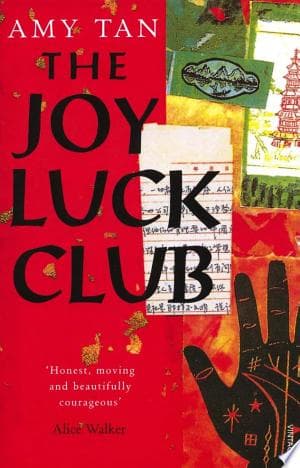
- The Joy Luck Club
Amy Tan
3.9 (598k) average on GoodreadsHistorical FictionWhile both novels explore Chinese culture and female relationships, The Joy Luck Club is set in a contemporary context, focusing on the immigrant experience and generational differences between Chinese-American mothers and daughters. Peony in Love, by contrast, is a historical novel set entirely within 17th-century China, emphasizing aristocratic life and supernatural elements rather than modern cultural assimilation.
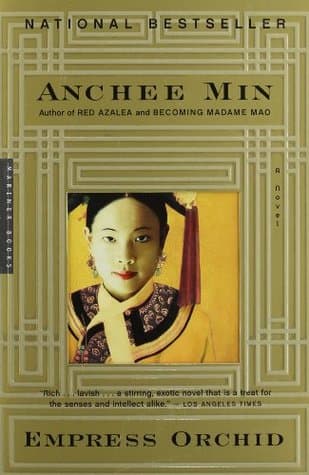
- Empress Orchid
Anchee Min
3.9 (22k) average on GoodreadsHistorical FictionBoth Peony in Love and Empress Orchid are historical novels set in China, focusing on the lives of influential women. However, Min's novel is a more traditional historical biography of Empress Cixi, grounded in political intrigue and historical accuracy without significant fantastical elements. See's novel, while historically rich, heavily incorporates a ghost narrative and the supernatural to explore themes of love and artistic legacy, distinguishing its genre and thematic approach.
- Harry Potter and the Sorcerer's Stone
J.K. Rowling
4.5 (7M) average on GoodreadsFantasyRescued from a miserable life under the stairs, an orphaned boy discovers he's a wizard destined for a magical school, where he uncovers a dangerous secret tied to the dark wizard who murdered his parents.

Enjoyed the summary?
A summary gives you the shape of the book. The book itself has the detail, the examples and the voice.
Find Peony in Love on AmazonAs an Amazon Associate, BookBrief earns from qualifying purchases. How we're funded