

Synopsis
Covers the whole plot, including the ending.
- Difficulty
- Medium
- Pacing
- Slow
- Mood
- Melancholy, Reflective, Grand, Poetic
- Read it if
- You enjoy epic historical sagas with deep character development, intricate family dynamics, and a blend of romance, philosophy, and social commentary.
- Skip it if
- You prefer fast-paced plots, clear-cut happy endings, or are not interested in detailed portrayals of aristocratic life and philosophical musings.
Dream of the Red Chamber Plot Summary
Covers the whole plot, including the ending.
The Stone's Origin and the Divine Romance
The story starts with the mythical origins of a sentient stone, which the goddess Nüwa rejected for mending the heavens. This stone, later called the Stone of Spiritual Understanding, remains at the foot of Greensickness Peak. Over time, it gains sentience and a wish to experience the human world. A Buddhist monk and a Taoist priest, seeing its potential, turn it into a piece of jade and allow it to descend to the mortal realm. There, it is destined to be born as Jia Baoyu, the main character. Before its reincarnation, the Stone sees the Crimson Pearl Fairy, who grew from a flower, crying tears of thanks for the dew it gave her. She promises to repay this kindness in the human world by crying for him, hinting at the tragic romance between Baoyu and Lin Daiyu.
Introduction to the Rongguo and Ningguo Mansions
The story moves to the wealthy Rongguo and Ningguo Mansions, homes to two branches of the powerful Jia clan in the capital. The Jia family is very rich and influential, holding high positions in the imperial court. The Rongguo branch, led by Grandmother Jia (Shi Taijun), is especially prominent. We meet many characters, including Baoyu's parents, Jia Zheng and Lady Wang, and numerous cousins, servants, and retainers. The family's wealth is clear in their lavish life, complex social structure, and the large number of people living in their homes. The story sets the stage for the drama, showing the grandeur and complexity of this aristocratic world, though hinting at hidden weaknesses.
The Arrival of Lin Daiyu
After her mother Jia Min (Baoyu's aunt) dies, the delicate and intelligent Lin Daiyu, Baoyu's maternal cousin, comes to live in the Rongguo Mansion under Grandmother Jia's care. Her arrival causes excitement; everyone notices her ethereal beauty and refined manners. Baoyu, meeting her, feels an immediate, deep connection, recognizing her from a 'previous life.' Daiyu, however, is very aware of her dependent status and the complexities of the large household, which makes her feel insecure and melancholic. Her presence immediately sets up the main romantic entanglement, as her sensitive nature contrasts with the more outgoing and practical members of the Jia family.
Xue Baochai's Introduction and the Golden Lock
Soon after Daiyu arrives, another cousin, Xue Baochai, from the wealthy Xue family (Lady Wang's brother's family), also comes to live in the Rongguo Mansion. Baochai is the opposite of Daiyu: strong, friendly, practical, and skilled in household management and classical learning. She wears a golden lock with words that match the inscription on Baoyu's jade, leading to family speculation about their destined union. Her presence creates a love triangle, as she represents a more conventional and socially beneficial match for Baoyu. Baochai's calm manner and diplomatic skills quickly make her popular in the household, including with Grandmother Jia and Lady Wang, who see her as an ideal daughter-in-law.
The Grand View Garden is Built
To celebrate the upcoming imperial visit of Jia Yuanchun, Baoyu's eldest sister who became an Imperial Concubine, the Jia family builds the Grand View Garden (Daguan Yuan). This grand garden is a masterpiece of classical Chinese landscape design, with pavilions, rockeries, ponds, and various plants. Its construction shows the Jia clan's great wealth and influence. When it is finished, Yuanchun visits and is impressed, telling her younger siblings and cousins, including Baoyu, Daiyu, and Baochai, to write poetry in its beautiful settings. The garden becomes the main home for Baoyu and the girls, a utopian sanctuary where they spend their youth, developing their literary talents and deepening their relationships, but also isolating them from the harsher outside world.
Youthful Pleasures and Poetic Societies
Inside the Grand View Garden, Baoyu, Daiyu, Baochai, and their female cousins and friends live a life of poetry, art, and leisure. They form literary clubs, like the Crab-Apple Club and the White-Seagull Club, where they write verses, engage in witty talk, and enjoy the garden's beauty. These scenes show the intellectual and artistic pursuits of the aristocratic youth, highlighting their education and refinement. While seemingly carefree, these gatherings also subtly reveal the characters' personalities, their growing affections, jealousies, and the tensions, especially between the sensitive Daiyu and the more practical Baochai, as they compete for Baoyu's attention and affection. This period marks the peak of the Jia family's wealth and the innocence of the young characters.
Growing Tensions and Misunderstandings
As Baoyu, Daiyu, and Baochai grow up, the unspoken tensions of their love triangle become clearer. Daiyu's delicate health and sensitive nature make her prone to jealousy and sadness, often causing arguments and misunderstandings with Baoyu. Her frequent crying, fulfilling her mythical promise, becomes a key part of their relationship. Baochai, with her composed and sensible manner, often appears as a more stable and suitable match in the eyes of the family elders, especially Lady Wang, who values her practicality. Baoyu is torn between his spiritual connection with Daiyu and the societal expectations Baochai represents. These emotional struggles are made worse by gossip and schemes from servants and the household's strict social rules, slowly chipping away at the garden's youthful happiness.
The Decline of the Jia Family
Underneath the surface of wealth, the Jia family's fortunes begin to decline. Poor financial management by incompetent male heirs, uncontrolled extravagance, and corruption among their servants slowly reduce their wealth. The once-strict discipline in the mansions loosens, leading to scandals and moral decay, especially in the Ningguo branch. The story introduces characters like Jia She, Baoyu's greedy and immoral uncle, and Jia Lian, Baoyu's dissolute cousin. These internal weaknesses combine with external pressures, as the imperial court becomes less favorable to the Jia clan. These early signs of decline foreshadow the inevitable collapse of their once-great house, marking a shift from the Grand View Garden's idyllic setting to a more somber reality.
Daiyu's Tragic End
The family elders, especially Lady Wang and Grandmother Jia, increasingly prefer Baochai as Baoyu's bride. They believe her to be a more suitable and practical match, given Daiyu's frail health and perceived melancholic nature. A cruel trick is planned: Baoyu is led to believe he is marrying Daiyu, but it is Baochai who is brought to him in the wedding ceremony. Overwhelmed by grief and betrayal, and her long illness made worse by her heartbreak, Lin Daiyu dies alone, shedding her last tears, just as Baoyu learns the truth of the trick. Her death is a tragic turning point in the novel, symbolizing how worldly concerns and family manipulation destroy pure, spiritual love. Baoyu is devastated, and the Grand View Garden loses its last bit of innocence.
The Imperial Raid and Family Ruin
The long-feared downfall of the Jia clan finally happens. Imperial officials, acting on accusations of corruption, embezzlement, and other crimes, raid both the Rongguo and Ningguo Mansions. The once-grand residences are ransacked, valuables seized, and many family members arrested or exiled. The extent of their mismanagement and moral decay is revealed. Baoyu, now married to Baochai but heartbroken by Daiyu's death, is mostly unaware or indifferent to the material losses. This devastating event shatters the illusion of the Jia family's invincibility and marks their complete ruin, forcing them to face their past excesses and the consequences of their actions. The Grand View Garden, once a paradise, is now desolate and abandoned, reflecting the family's shattered fortunes.
Baoyu's Spiritual Awakening and Departure
After Daiyu's tragic death, the forced marriage to Baochai, and the complete destruction of his family's prestige and wealth, Jia Baoyu experiences a deep spiritual awakening. The illusions of the mortal world, its attachments, and its suffering become clear to him. Despite Baochai's continued devotion and her giving birth to a son, Baoyu feels an overwhelming detachment from earthly concerns. He achieves the highest literary honor by passing the imperial examinations, fulfilling his father's long-held wish. Immediately after, he gives up his worldly life. He leaves his family, including his wife and child, to follow the Buddhist monk and Taoist priest who first brought him to the human world, shedding his jade and embracing a life of asceticism and spiritual enlightenment. His departure symbolizes the ultimate rejection of the 'red dust' of the mortal realm.
The Legacy of the Jia Family
The story ends by reflecting on the scattered remnants of the once-powerful Jia family. Some members face poverty, others exile, and a few adapt to their drastically changed circumstances. Baochai, left to raise their child alone, shows resilience and quiet suffering. The Grand View Garden lies in ruins, a physical symbol of their lost glory. The story reinforces Buddhist themes of impermanence, karma, and the illusory nature of worldly attachments. Baoyu's transformation into a monk signifies a return to his spiritual origins as the sentient stone. The novel leaves a poignant message about the cyclical nature of prosperity and decline, the futility of human ambition, and the lasting power of both love and suffering, all set against the backdrop of a vanished aristocratic world.
Principal Figures
Jia Baoyu
Protagonist
The spiritual and sensitive heir to the Rongguo Mansion, destined for a tragic love and ultimate enlightenment.
Jia Baoyu is the central protagonist, born with a piece of jade in his mouth, symbolizing his divine origin as the sentient stone. He is highly intelligent, artistic, and deeply empathetic, but also rebellious against the rigid Confucian expectations of his father, Jia Zheng. He prefers the company of women, whom he sees as pure and untainted, over the corrupting influence of men. He despises the pursuit of wealth, fame, and officialdom, instead cherishing beauty, poetry, and emotional sincerity. His primary drive is to understand the nature of love and existence, and he struggles with the earthly attachments that bind him.
Relationships: Lin Daiyu (Soulmate, tragic romantic love, spiritual connection); Xue Baochai (Wife, pragmatic and conventional match, intellectual companionship); Grandmother Jia (Beloved grandson, doted upon and protected); Jia Zheng (Strict and disapproving father, source of conflict over Baoyu's lifestyle)
Lin Daiyu
Protagonist / Love Interest
Baoyu's sensitive, intelligent, and melancholic cousin, his soulmate and tragic lover.
Lin Daiyu is Baoyu's maternal cousin, characterized by her ethereal beauty, sharp wit, poetic genius, and profound sensitivity. She is the reincarnation of the Crimson Pearl Fairy, destined to repay Baoyu with tears. Her delicate health, orphan status, and keen awareness of her dependence make her insecure and prone to melancholy and jealousy. She represents pure, spiritual love and artistic sensibility, often clashing with the more pragmatic and worldly values of the Jia household. Her love for Baoyu is intense and all-consuming, making her vulnerable to heartbreak.
Relationships: Jia Baoyu (Soulmate, tragic romantic love, spiritual connection); Grandmother Jia (Beloved granddaughter, provided refuge and care); Xue Baochai (Rival for Baoyu's affection, intellectual peer, often a source of quiet tension)
Xue Baochai
Love Interest / Supporting
Baoyu's poised, sensible, and pragmatic cousin, his eventual wife.
Xue Baochai is Baoyu's paternal cousin, a woman of striking beauty, intelligence, and exemplary virtue. In contrast to Daiyu, she is robust, diplomatic, and practical, possessing a deep understanding of household management, social etiquette, and classical learning. She embodies the ideal Confucian woman, making her a favorite of the family elders. Baochai is reserved and outwardly calm, but she harbors deep feelings for Baoyu and a quiet ambition to be a good wife. She represents the conventional, worldly ideal of a partner, offering stability and social acceptance, though she ultimately cannot win Baoyu's heart fully.
Relationships: Jia Baoyu (Husband, object of her affection, pragmatic and conventional match); Lin Daiyu (Rival for Baoyu's affection, intellectual peer, often a source of quiet tension); Lady Wang (Niece, favored as a potential daughter-in-law)
Wang Xifeng (Phoenix)
Supporting / Antagonist
Jia Lian's shrewd, beautiful, and ruthless wife, who manages the Rongguo household.
Wang Xifeng, often called Phoenix, is Jia Lian's wife and Lady Wang's niece. She is exceptionally beautiful, intelligent, and charismatic, but also notoriously cunning, ruthless, and manipulative. She manages the vast Rongguo household with an iron fist, displaying extraordinary administrative skills and financial acumen. While fiercely loyal to the Jia family's interests, she is also driven by personal gain and is not above using deceit, bribery, and even murder to achieve her goals. She is a fascinating, complex character, representing both the power and corruption within the aristocratic system, admired for her competence but feared for her cruelty.
Relationships: Jia Lian (Husband, often in conflict due to his infidelity); Lady Wang (Niece, trusted confidante and household manager); Grandmother Jia (Favored granddaughter-in-law, admired for her competence)
Grandmother Jia (Shi Taijun)
Supporting
The matriarch of the Rongguo Mansion, wise, benevolent, and highly respected.
Grandmother Jia is the elderly matriarch of the Rongguo Mansion, Baoyu's paternal grandmother. She is the ultimate authority figure in the household, deeply respected and loved by most. She is generally benevolent, doting particularly on Baoyu and Daiyu, and enjoys a life of comfort and entertainment. While she largely oversees the household, she leaves daily management to Xifeng. Her wisdom and experience are often sought, but she can also be swayed by family politics and societal expectations, ultimately playing a role in the tragic decisions regarding Baoyu's marriage. She represents the old guard and the traditional values of the aristocratic family.
Relationships: Jia Baoyu (Beloved grandson, doted upon and protected); Lin Daiyu (Beloved granddaughter, provided refuge and care); Lady Wang (Daughter-in-law, respectful but with differing views on certain matters)
Jia Zheng
Supporting
Baoyu's strict, Confucian-minded father, who disapproves of his son's unconventional ways.
Jia Zheng is Baoyu's father, a serious and upright official, deeply committed to Confucian morality and classical scholarship. He represents the patriarchal authority and traditional expectations of the Jia family. He is constantly frustrated by Baoyu's lack of interest in official careers and his preference for the company of women and poetic pursuits. Jia Zheng believes in strict discipline and often punishes Baoyu, hoping to steer him towards a more conventional and respectable path. Despite his stern exterior, he genuinely cares for his son's future and the family's honor, but his rigid worldview creates a significant emotional distance between them.
Relationships: Jia Baoyu (Son, source of frustration and disapproval, but also deep concern); Lady Wang (Wife, shares traditional values); Jia Yuanchun (Daughter, imperial concubine, source of family pride)
Lady Wang
Supporting
Baoyu's mother, a devout Buddhist and a key figure in the marriage plot.
Lady Wang is Baoyu's mother, a kind-hearted but often weak-willed woman. She is a devout Buddhist and generally benevolent, but she lacks the forceful personality of Xifeng or the ultimate authority of Grandmother Jia. She is heavily influenced by her sister-in-law, Aunt Xue, and her own preferences, particularly regarding Baoyu's marriage. She favors Baochai over Daiyu, seeing Baochai as a more suitable, healthy, and pragmatic daughter-in-law. Her actions, often driven by a desire for family stability and her son's well-being, inadvertently contribute to the tragic deception that leads to Daiyu's death.
Relationships: Jia Baoyu (Son, deeply loves him but struggles to understand his nature); Jia Zheng (Husband, shares traditional values); Xue Baochai (Niece, favored as a potential daughter-in-law); Wang Xifeng (Niece, trusted with household management)
Qingwen
Supporting
Baoyu's spirited and beautiful head maid, known for her sharp tongue and loyalty.
Qingwen is one of Baoyu's most favored maids, known for her striking beauty, quick wit, and fiery temper. She is fiercely loyal to Baoyu and often expresses her opinions boldly, even when it puts her at risk. Her independent spirit and refusal to conform to the subservient role expected of a maid ultimately lead to her downfall. She is a symbol of the innocent and talented individuals who are crushed by the rigid social hierarchy and the jealous machinations within the Jia household. Baoyu holds a deep affection for her, seeing her as a kindred spirit.
Relationships: Jia Baoyu (Master, deeply admired and cared for, a close confidante); Lady Wang (Mistress, views Qingwen with suspicion and disapproval)
Themes & Insights
The Illusion of Worldly Prosperity and the Impermanence of Life
The novel details the Jia family's great wealth and grandeur, only to show its inevitable collapse. This theme highlights the Buddhist idea of 'red dust' – the transient and ultimately illusory nature of worldly attachments, including power, wealth, and even human relationships. The construction and subsequent desolation of the Grand View Garden perfectly show this, changing from a lively paradise to a desolate ruin. The downfall of the Jia clan serves as a strong symbol for the fleeting nature of all material things and the cyclical pattern of rise and fall.
“What is real is unreal, what is unreal is real. Where there is nothing, there is something. Where there is something, there is nothing.”
The Conflict Between Spiritual and Worldly Love
The central love triangle between Baoyu, Daiyu, and Baochai shows this conflict. Daiyu represents a pure, spiritual, and often melancholic love, based on a past-life connection and intellectual closeness. Baochai, in contrast, represents a more practical, conventional, and socially acceptable love, emphasizing stability, family duty, and worldly success. Baoyu is torn between these two ideals. His final choice to renounce the world after Daiyu's death and his marriage to Baochai means spiritual detachment wins over earthly attachments, suggesting that true love, in its purest form, cannot exist in the 'red dust' of the mortal realm.
“Though they are of the same heart and mind, they are not destined to be together.”
The Oppression of Women and Patriarchal Society
Despite the presence of strong female characters like Xifeng and the intelligence of Daiyu and Baochai, the novel consistently illustrates the limits and suffering placed on women in a patriarchal Confucian society. Their lives are largely controlled by male authority, arranged marriages, and the expectation to have male heirs. Even powerful figures like Xifeng are eventually restricted and judged by male-dominated structures. The tragic fates of many female characters, including Daiyu's death, Qingwen's unjust expulsion, and the general confinement of women to the inner quarters, highlight the systemic oppression and lack of control they face, regardless of their talents or virtues.
“A girl is a pearl before she leaves her parents' house, but after she marries, she turns into a fish's eye.”
The Decay of Aristocratic Society and Moral Corruption
The Jia family's downfall is not only due to outside forces but is largely a result of its internal moral decay. The novel exposes widespread corruption, extravagance, mismanagement, and moral laxity within the mansions. Characters like Jia She's greed, Jia Lian's womanizing, and Xifeng's ruthless schemes contribute to the family's ruin. The once-strict Confucian principles that supposedly govern the clan are shown to be hollow or applied inconsistently. This theme criticizes the decadent and corrupt nature of the aristocratic class, suggesting that their fall is a fair consequence of their departure from true virtue and responsible governance.
“The great family is decaying, and the new shoots are not thriving.”
Plot Devices & Literary Techniques
The Sentient Stone and Crimson Pearl Fairy Mythology
A framing device that establishes the divine origins and fated romance of Baoyu and Daiyu.
This opening mythical framework establishes the fantastical origins of Jia Baoyu (the sentient stone) and Lin Daiyu (the Crimson Pearl Fairy). It explains their fated connection and Daiyu's vow to repay Baoyu with tears in the mortal world. This device imbues their love story with a sense of cosmic destiny and tragedy from the outset, elevating it beyond a mere human romance. It also introduces the Buddhist and Taoist philosophical underpinnings of the novel, foreshadowing Baoyu's eventual spiritual awakening and renunciation of the 'red dust' of the mortal realm. It provides a meta-narrative layer, suggesting that the entire story is but a dream or an illusion.
The Grand View Garden (Daguan Yuan)
A microcosm of the Jia household and a symbolic paradise for its youthful inhabitants.
The Grand View Garden is more than just a setting; it's a central plot device. Initially built for an imperial concubine, it becomes the primary residence for Baoyu and the girls, serving as a utopian sanctuary for their youth, poetry, and developing relationships. It functions as a microcosm of the Jia family's prosperity and its eventual decline. Its beauty mirrors the innocence and idealism of the young inhabitants, while its eventual desolation reflects the family's ruin and the loss of that innocence. The garden isolates the characters from the harsher realities outside, making their eventual confrontation with those realities all the more impactful.
Baoyu's Jade and Baochai's Golden Lock
Symbolic objects representing destiny and societal expectations in the love triangle.
Baoyu's magical jade, born with him, and Baochai's golden lock, inscribed with matching words, serve as powerful symbolic plot devices. The matching inscriptions are interpreted by the family as a sign of their destined union, fueling the societal pressure for Baoyu to marry Baochai. The jade represents Baoyu's spiritual essence and his connection to the divine, while the golden lock, given by a monk, represents the worldly protection and conventional blessings associated with Baochai. Their pairing creates a tangible manifestation of the conflict between Baoyu's spiritual connection to Daiyu and the worldly expectations embodied by Baochai, ultimately contributing to the tragic marriage deception.
Prophetic Dreams and Visions
Supernatural elements that foreshadow future events and reveal deeper truths.
Throughout the novel, characters, especially Baoyu, experience vivid dreams and visions that serve as prophetic warnings or reveal underlying truths about their destinies. The most significant is Baoyu's visit to the Land of Illusion, where he sees the 'Register of the Twelve Beauties of Jinling,' which foreshadows the tragic fates of many of the female characters. These dreams function as a narrative device to hint at future plot developments, reinforce the theme of predestination, and provide a metaphysical commentary on the illusory nature of the human world. They often serve to deepen the sense of impending doom and highlight the characters' helplessness against fate.
Dream of the Red Chamber Quotes
“If a man has no talent, that is a virtue.”
“The flowers will fade, and the beauty will pass.”
“All things are determined by fate, and nothing is accidental.”
“Better to be a jade than a tile.”
“The world is full of sorrow, and life is but a dream.”
“When the tree falls, the monkeys scatter.”
“A beautiful woman is a bane of contention.”
“The road to enlightenment is paved with suffering.”
“One day, when the jade and gold are gone, who will care for them?”
“Even the most beautiful banquet must come to an end.”
“The heart of a woman is a needle at the bottom of the sea.”
“Love is a snare, and passion a delusion.”
“To be born into a noble family is a blessing, but also a curse.”
“The prosperity of a great house will not last forever.”
Quiz
10 questions on the plot and the characters. Each answer comes with a short explanation.
Question 1
Which prominent family does Jia Baoyu belong to, and which family is closely related to them by marriage?
- The Wang family and the Xue family
- The Jia family and the Wang family
- The Lin family and the Shi family
- The Jia family and the Lin family
Show answer
B. The Jia family and the Wang family Jia Baoyu is a central figure of the Jia family, and the Wang family is closely related through marriages, particularly his mother, Lady Wang.
Question 2
What unique object is Jia Baoyu said to have been born with in his mouth?
- A jade hairpin
- A golden locket
- A piece of precious jade
- A silken scroll
Show answer
C. A piece of precious jade Jia Baoyu was born with a piece of 'Precious Jade' in his mouth, which is a significant symbol throughout the novel, linking him to his celestial origins.
Question 3
Which character is Jia Baoyu's primary love interest and cousin, known for her delicate beauty and melancholic nature?
- Xue Baochai
- Shi Xiangyun
- Lin Daiyu
- Wang Xifeng
Show answer
C. Lin Daiyu Lin Daiyu is Baoyu's first cousin and soulmate, with whom he shares a deep, tragic love. She is often depicted as frail and prone to sadness.
Question 4
What is the primary theme explored through the decline of the Jia family and the ultimate fate of its members?
- The triumph of good over evil
- The cyclical nature of time and reincarnation
- The transience of worldly glory and the inevitability of decline
- The importance of filial piety in maintaining family wealth
Show answer
C. The transience of worldly glory and the inevitability of decline A central theme is the decline of the Jia family, symbolizing the transience of wealth, power, and human happiness, reflecting Buddhist and Daoist philosophies.
Question 5
What major architectural feature is built for Jia Yuanchun's imperial visit, symbolizing the family's peak of prosperity?
- The Grand View Garden (Daguanyuan)
- The Hall of Harmonious Virtue
- The Pavilion of Celestial Splendor
- The Mountain Villa for Escaping the Heat
Show answer
A. The Grand View Garden (Daguanyuan) The Grand View Garden is constructed at immense cost for Jia Yuanchun's brief visit, becoming the primary setting for many of the novel's events and symbolizing the family's temporary peak.
Question 6
How does Jia Baoyu ultimately react to his arranged marriage with Xue Baochai, believing he is marrying Lin Daiyu?
- He accepts it with quiet resignation, understanding his family's duty.
- He is initially overjoyed but quickly realizes the deception and becomes distraught.
- He refuses to go through with the ceremony, causing a family scandal.
- He feigns illness to avoid the wedding, hoping to delay it indefinitely.
Show answer
B. He is initially overjoyed but quickly realizes the deception and becomes distraught. Baoyu is tricked into marrying Baochai, believing her to be Daiyu. When he discovers the truth, he is devastated, further contributing to Daiyu's decline.
Question 7
What is the symbolic significance of the 'Dream' in the novel's title, particularly in relation to the main characters' experiences?
- It represents the literal dreams Baoyu has, which predict future events.
- It suggests that the entire world of the novel, with its joys and sorrows, is ultimately illusory and impermanent.
- It refers to the characters' aspirations and unfulfilled desires.
- It highlights the escape from reality that characters seek in their leisure activities.
Show answer
B. It suggests that the entire world of the novel, with its joys and sorrows, is ultimately illusory and impermanent. The 'Dream' signifies the transient and illusory nature of the earthly world, aligning with Buddhist themes of emptiness and the impermanence of all phenomena, including the family's glory and the characters' lives.
Question 8
Which character is known for her exceptional administrative skills and cunning, effectively managing the Ningguo and Rongguo households for a period, though often through ruthless means?
- Granny Liu
- Lady Wang
- Wang Xifeng
- Jia Yuanchun
Show answer
C. Wang Xifeng Wang Xifeng (Phoenix) is a formidable and intelligent character who manages the household with great efficiency, though her methods are often manipulative and lead to her downfall.
Question 9
What is the ultimate fate of Jia Baoyu after the decline of his family and the death of Lin Daiyu?
- He commits suicide out of grief and despair.
- He becomes a successful scholar and restores his family's honor.
- He renounces the world and becomes a Buddhist monk.
- He lives a quiet life with Xue Baochai, raising their children.
Show answer
C. He renounces the world and becomes a Buddhist monk. After the cumulative tragedies and the realization of life's emptiness, Baoyu ultimately renounces his worldly ties and becomes a Buddhist monk, symbolizing his spiritual awakening.
Question 10
Beyond the central love triangle, what broader societal critique does the novel offer regarding the aristocratic class in 18th-century China?
- It praises their unwavering commitment to tradition and moral rectitude.
- It highlights their intellectual superiority and contributions to society.
- It exposes their corruption, decadence, internal strife, and ultimate inability to adapt, leading to their downfall.
- It romanticizes their opulent lifestyle and political influence.
Show answer
C. It exposes their corruption, decadence, internal strife, and ultimate inability to adapt, leading to their downfall. The novel offers a profound critique of the aristocratic class, depicting their moral decay, extravagance, infighting, and ultimate inability to maintain their status, reflecting broader societal issues of the time.
Dream of the Red Chamber FAQ
What is the central premise of 'Dream of the Red Chamber'?
'Dream of the Red Chamber' chronicles the decline of two aristocratic families, the Jia and the Wang, through the eyes of their effeminate, sensitive, and somewhat spoiled heir, Jia Baoyu. It primarily focuses on his complex relationships with numerous female relatives and maids, particularly his intense, fated love for his sickly cousin Lin Daiyu, and his eventual marriage to the more pragmatic Xue Baochai.
Who are the three main characters in the central love triangle?
The central love triangle involves Jia Baoyu, the protagonist and scion of the Jia clan; Lin Daiyu, his emotionally fragile and highly intelligent cousin, whom he deeply loves; and Xue Baochai, another cousin, who is beautiful, sensible, and poised, and ultimately becomes his wife. Their intertwined destinies drive much of the novel's emotional and plot development.
What role does the Grand View Garden play in the novel?
The Grand View Garden is a magnificent, sprawling garden estate built for the imperial consort Jia Yuanchun's visit, and subsequently becomes the residence for Baoyu and his female cousins and maids. It symbolizes a utopian world of youthful innocence, artistic pursuits, and female companionship, largely isolated from the harsh realities of the outside world, until its eventual closure mirrors the family's decline.
How does the novel portray the decline of the Jia family?
The Jia family's decline is depicted through several stages: initial extravagance and corruption, mounting debts, internal conflicts, and ultimately, raids by imperial authorities and confiscation of their property. This downfall is exacerbated by the moral failings of many family members, despite the efforts of capable figures like Wang Xifeng and Jia Zheng.
What is the significance of the 'red chamber' in the title?
The 'red chamber' refers to the private chambers of young ladies in wealthy households, often decorated in red. It symbolizes the cloistered world of the female characters, their dreams, passions, and sorrows, and the beauty and fragility of their youth within the confines of their aristocratic lifestyle, which Baoyu is deeply immersed in.
What is the mythical backstory involving Baoyu, Daiyu, and the Crimson Pearl Flower?
The novel opens with a mythical preface revealing that Jia Baoyu is the reincarnation of a divine Stone, and Lin Daiyu is the reincarnation of the Crimson Pearl Flower. The Stone watered the Flower in its celestial form, and the tears Daiyu sheds in her earthly life are her way of repaying that kindness, establishing their fated, sorrowful connection.
How does the 'Precious Jade' that Baoyu wears relate to his destiny?
Baoyu's 'Precious Jade' is a magical stone he is born with, inscribed with his destiny and warnings. Its loss and subsequent recovery often coincide with significant events in his life and the family's fortunes. It symbolizes his otherworldly origins and his connection to the spiritual realm, distinguishing him from ordinary mortals.
What is the symbolic meaning of the 'Twelve Beauties of Jinling'?
The 'Twelve Beauties of Jinling' is a list of the most prominent female characters whose fates are revealed to Baoyu in a dream, presented as a register in the Land of Illusion. This list, and the accompanying enigmatic poems and drawings, foreshadows their tragic destinies, including deaths, marriages, and exiles, underscoring the novel's pervasive sense of predetermined sorrow.
Beyond the main love triangle, what other significant relationships does Baoyu have?
Baoyu maintains deep and complex relationships with many other women, including his capable and sharp-witted cousin Wang Xifeng, his kind and maternal elder sister-in-law Li Wan, and his various intelligent and loyal maids like Aroma (Hua Xiren) and Clear-Scent (Qingwen). These relationships offer different facets of his personality and provide insight into the diverse roles of women in the household.
Analyze Jia Baoyu's psychological development throughout the novel.
Jia Baoyu begins as a pampered, sensitive youth who cherishes female company and despises conventional male pursuits like bureaucracy. His psychological journey involves a gradual disillusionment with the earthly world, marked by the deaths of beloved women and the decline of his family. This culminates in his eventual renunciation of worldly ties, driven by profound grief and a search for spiritual truth.
How does Lin Daiyu's chronic illness contribute to her character's psychology?
Lin Daiyu's chronic illness, often manifesting as coughing and frailty, deeply influences her melancholic, hypersensitive, and often suspicious personality. Her physical weakness amplifies her emotional vulnerability and sense of impending doom, making her prone to fits of jealousy and self-pity, which are integral to her tragic romantic ideal.
What psychological factors contribute to Xue Baochai's composure and pragmatism?
Xue Baochai's composure and pragmatism stem from a combination of her upbringing, which emphasized traditional virtues and practical skills, and a strong sense of self-control. She actively suppresses her emotions and desires, prioritizing harmony, family duty, and social propriety. This makes her appear sensible and adaptable, contrasting sharply with Daiyu's emotional intensity.
Discuss the psychological impact of arranged marriages on the female characters.
Arranged marriages have a profound and often detrimental psychological impact on the female characters, frequently leading to a loss of agency, personal happiness, and sometimes even life. Characters like Yuan-chun, Ying-chun, and even Baoyu's eventual wife Baochai, are forced into unions that serve family interests rather than personal affection, leading to resignation, despair, or quiet endurance.
Is 'Dream of the Red Chamber' primarily a romance or a social commentary?
While 'Dream of the Red Chamber' is famously a poignant romance, it functions equally as a profound social commentary. The love story is intricately woven into a detailed critique of Qing dynasty aristocratic society, exposing its corruption, hypocrisy, patriarchal structures, and the inevitable decline of powerful families, offering a panoramic view of its culture and customs.
How does the novel explore themes of fate versus free will?
The novel strongly emphasizes fate, particularly through the mythical backstory and the prophecies of the Land of Illusion, suggesting that the characters' destinies are largely predetermined. However, glimpses of free will appear in characters' choices and moral struggles, though these often seem insufficient to alter the larger, tragic trajectory set by karma and societal forces.
What is the significance of Baoyu's ultimate decision to become a monk?
Baoyu's decision to become a monk signifies his complete disillusionment with the earthly world, its attachments, and its suffering, particularly after the deaths of Daiyu and the collapse of his family. It represents his spiritual awakening and a final rejection of the material world's illusions, seeking enlightenment and liberation from the cycle of sorrow, fulfilling his original divine purpose.
How does the novel challenge traditional gender roles of its time?
The novel subtly challenges traditional gender roles by presenting Baoyu as a sensitive, artistic, and 'effeminate' male who prefers the company of women and disdains masculine pursuits like officialdom. It also showcases the intelligence, strength, and resourcefulness of many female characters, like Wang Xifeng, demonstrating their capability often surpasses that of their male counterparts.
Discuss the novel's portrayal of Buddhism and Taoism.
Buddhism and Taoism are pervasive in the novel, often appearing through the figures of the Monk and the Taoist, who guide Baoyu spiritually and comment on earthly illusions. These philosophies provide a framework for understanding the transient nature of life, the inevitability of suffering, and the path to enlightenment, culminating in Baoyu's final renunciation of the world.
What is the enduring appeal of 'Dream of the Red Chamber' to modern readers?
The enduring appeal of 'Dream of the Red Chamber' lies in its timeless exploration of universal themes: love, loss, family, societal decline, and spiritual awakening. Its intricate plot, rich character development, poetic language, and profound philosophical insights continue to resonate, offering a deeply human story set against a meticulously detailed historical and cultural backdrop.
About the author

Cáo Xuěqín ; was a Chinese novelist and poet during the Qing dynasty. He is best known as the author of Dream of the Red Chamber, one of the Four Great Classical Novels of Chinese literature. His given name was Cáo Zhān (曹霑) and his courtesy name was Mèngruǎn.
Similar books
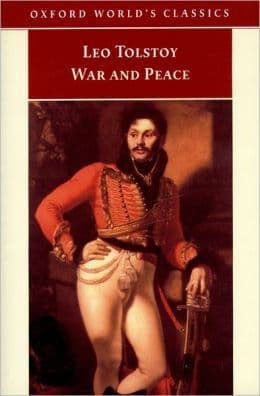
- War and Peace
Leo Tolstoy
4.1 (265k) average on GoodreadsHistorical FictionBoth are epic novels detailing the lives of aristocratic families against a backdrop of societal change and philosophical reflection.
- One Hundred Years of Solitude
Gabriel García Márquez
4.1 (753k) average on GoodreadsLiterary FictionFeatures a multi-generational saga of a prominent family with elements of magical realism and a sense of fated decline.
- To Kill a Mockingbird
Harper Lee
4.3 (4.5M) average on GoodreadsHistorical FictionIn the 1930s Jim Crow South, Harper Lee writes about racial injustice, moral growth, and the quiet courage of a lawyer father, Atticus Finch, as seen through his young daughter's eyes.
- The Great Gatsby
F. Scott Fitzgerald
3.9 (3.8M) average on GoodreadsHistorical FictionIn the opulent Roaring Twenties, a mysterious millionaire's lavish parties hide his desperate, tragic pursuit of a lost love, exposing the emptiness within the American Dream.
- Pride and Prejudice
Jane Austen
4.3 (3M) average on GoodreadsHistorical FictionIn a society focused on status and money, Elizabeth Bennet navigates love and pride, challenging Mr. Darcy and social expectations to find true affection.
- Angels & Demons
Dan Brown
3.9 (2.7M) average on GoodreadsThrillerA Harvard symbologist races through Rome's ancient sites, deciphering cryptic clues to unmask the Illuminati and stop a vengeful plot to destroy the Vatican with a stolen antimatter weapon.





Enjoyed the summary?
A summary gives you the shape of the book. The book itself has the detail, the examples and the voice.
Find Dream of the Red Chamber on AmazonAs an Amazon Associate, BookBrief earns from qualifying purchases. How we're funded