

Synopsis
Covers the whole plot, including the ending.
- Difficulty
- Easy
- Pacing
- Moderate
- Mood
- Heartwarming, Reflective, Hopeful, Tender
- Read it if
- You enjoy heartwarming stories about found family, the power of art, and overcoming past traumas, especially with a focus on a resilient young protagonist.
- Skip it if
- You prefer fast-paced plots with high stakes or stories without a strong emotional focus on character development.
Pictures of Hollis Woods Plot Summary
Covers the whole plot, including the ending.
The Old Woman and the Artist
Twelve-year-old Hollis Woods, a 'difficult' orphan known for running away and getting into trouble, is placed with Josie Cahill, an elderly, eccentric art teacher. Hollis initially resists, feeling the familiar urge to flee, but Josie's kind, understanding nature and her own artistic passion begin to disarm her. Josie, also an artist, sees the world through a creative lens and immediately recognizes Hollis's talent for drawing, particularly her focus on faces and human emotion. Hollis, who carries a sketchbook everywhere, finds a kindred spirit in Josie, who encourages her to express herself through art. Despite Hollis's internal struggles and her fear of attachment, Josie's gentle persistence and the calm, creative atmosphere of her home start to offer Hollis a sense of peace she hasn't known in years.
Remembering the Regans
As Hollis settles in with Josie, her thoughts often drift back to the Regan family, her previous foster placement, which she considers her only true home. She remembers their summer house in the country, the warmth of Izzy Regan, the stern but loving presence of her husband, John, and especially their son, Steven. Hollis draws pictures of them in her sketchbook, meticulously capturing their faces and the joy she felt. She recalls simple, happy moments: fishing with Steven, learning to drive John's truck, and the feeling of belonging. These memories are tinged with a deep sadness, as Hollis believes she ruined her chance to stay with them, leading to her current cycle of placements and escapes. She yearns for the stability and love she experienced with the Regans, a stark contrast to her current transient existence.
The Summer with the Regans Begins
Hollis remembers arriving at the Regan's summer home. She was initially withdrawn and distrustful, as was her pattern. Izzy Regan, a warm and artistic woman, tried to make her feel welcome, while John Regan, a more reserved man, observed her cautiously. Steven, close to Hollis's age, was initially curious and then became a companion. Hollis recalls their first interactions, the quiet meals, the vastness of the woods, and the lake. She kept to herself, drawing in her sketchbook, but the Regans' consistent kindness slowly chipped away at her defenses. She remembers Steven showing her how to fish and explore the surrounding nature, beginning to forge a bond that made her feel, for the first time, like she truly belonged somewhere.
Growing Bonds and a Birthday Wish
Hollis's memories continue to focus on the summer with the Regans. She and Steven become inseparable, exploring the woods, swimming in the lake, and sharing secrets. Hollis finds a sense of freedom and companionship she's never known. She recalls a specific memory of her birthday, where Izzy bakes her a cake and the family celebrates her. It's during this time that Hollis begins to truly wish she could stay with the Regans forever, to be a permanent part of their family. She sees them as 'the family she wants,' and the thought of leaving them becomes increasingly painful. These memories are juxtaposed with her current reality with Josie, highlighting the deep longing Hollis feels for that past life.
Josie's Forgetfulness and Hollis's Concern
Back in the present, Hollis observes Josie's behavior more closely and notices troubling signs of forgetfulness. Josie often misplaces things, forgets what she was doing, and sometimes struggles to remember names or recent events. Hollis, having experienced instability and neglect in her life, becomes increasingly concerned about Josie's ability to live alone and care for herself. She starts taking on more responsibilities around the house, cooking meals, and trying to keep track of Josie's medications. Hollis's protective instincts kick in, but she also feels a growing fear that if Josie's condition worsens, she will be moved again, losing the one place where she feels somewhat secure and needed. This fear reignites her old impulse to run.
The Fishing Trip and the Accident
Hollis's memories return to the event that led to her leaving the Regans. She recalls a fishing trip with Steven in John's truck. Steven, still learning to drive, was behind the wheel. They were having fun, but a sudden swerve to avoid something in the road caused the truck to veer off, resulting in an accident. Steven hit his head and was momentarily unconscious. In a panic, believing she had caused the accident and fearing she would be blamed and sent away, Hollis fled the scene. She ran deep into the woods, convinced she had ruined everything and that the Regans would no longer want her. This act of running, fueled by fear and a sense of responsibility, becomes the defining moment that separates her from the family she loved.
Seeking a 'New Place'
Hollis's concern for Josie intensifies when she overhears a social worker discussing Josie's health and potential need for more care. Interpreting this as a threat that Josie will be taken away and that she herself will be moved again, Hollis makes a drastic decision. She convinces Josie, who is becoming increasingly disoriented, to leave with her. Hollis believes that if they can find a 'new place' where no one knows them, they can avoid being separated. She packs essentials, including Josie's art supplies, and they embark on a journey to an old, isolated cabin in the woods that Josie owns, a place Hollis hopes will be their sanctuary.
Life in the Cabin
Hollis and Josie arrive at the remote, rustic cabin. Life there is challenging. Hollis takes on the complete responsibility of caring for Josie, who is now more forgetful and frail. Hollis chops wood, cooks simple meals, and tries to keep Josie comfortable and engaged with her art. Despite the hardships, Hollis feels a deep sense of purpose and protectiveness towards Josie. She continues to draw, often sketching Josie, and finds solace in her art. However, the isolation and the burden of care weigh heavily on Hollis, and she begins to realize the unsustainability of their situation. She misses the outside world and the support she implicitly rejected.
The Return of Steven
While at the cabin, Hollis vividly replays the memory of the truck accident. She draws it repeatedly, trying to make sense of the past. As she sketches, a detail she had repressed comes back: Steven's final words before she ran, telling her to 'go.' This realization shifts her understanding of the event. It wasn't just her fault; Steven, in his dazed state, had also prompted her to flee. This new perspective doesn't fully absolve her, but it begins to chip away at the crushing guilt she has carried for so long. She starts to wonder if the Regans truly blamed her or if her own fear had distorted the truth.
Reaching Out for Help
The harsh realities of winter and Josie's deteriorating health force Hollis to confront the truth: she cannot sustain their life in the cabin alone. Josie becomes sicker, and Hollis, despite her fierce independence, realizes she needs help. In a moment of desperation and love for Josie, Hollis decides to break her own rule about running and reaches out. She finds a way to contact the social worker, feeling a mix of fear and relief. This act marks a significant turning point for Hollis, as she chooses connection and responsibility over her ingrained impulse to flee, demonstrating her growth and the profound bond she has formed with Josie.
The Reunion and the Truth
After Hollis contacts the social worker, she and Josie are found. The social worker, along with the Regans, arrive. Hollis is finally reunited with the Regan family. The truth about the accident is revealed: Steven had recovered, and the family had never blamed Hollis. In fact, they had been desperately searching for her, wanting her back. They explain that Steven's last words, 'go,' were a confused attempt to protect her, not a rejection. Hollis finally understands that her running away was based on a misunderstanding and her own deep-seated fear of rejection. This revelation is a profound relief, lifting the heavy burden of guilt she has carried for years.
A New Family, A New Home
With the truth revealed, Hollis is finally able to accept the love and belonging offered by the Regans. They express their desire to officially adopt her. More surprisingly, and with the support of the social worker, they arrange for Josie to live with them as well. Josie, whose health requires more consistent care, becomes an integral part of their expanded family. Hollis, no longer an orphan on the run, has found not just one family, but two: the Regans and Josie. She continues to draw, now with a sense of peace and belonging, her pictures reflecting the happiness and love of her new, unconventional home. Hollis Woods, the 'difficult' child, has finally found where she belongs.
Principal Figures
Hollis Woods
Protagonist
A talented but troubled 12-year-old orphan with a passion for art.
Hollis is a fiercely independent and artistic 12-year-old orphan who has been bounced between numerous foster homes. She carries a deep-seated fear of abandonment and a strong impulse to run whenever she feels threatened or responsible for something going wrong. Her sketchbook is her constant companion, a place where she records faces and moments, often as a way to process her emotions and remember the past. Despite her 'difficult' label, Hollis possesses immense loyalty, protectiveness, and a desire for a true home and family, though her fear often prevents her from accepting it.
Relationships: Josie Cahill (Foster parent and artistic mentor, developing into a beloved family member Hollis deeply protects.); Izzy Regan (Warm, loving foster mother figure who sees Hollis's good heart.); John Regan (Stern but ultimately loving foster father figure who eventually accepts Hollis fully.); Steven Regan (Close friend and brother figure, a source of joy and later, the focal point of her guilt and eventual understanding.)
Josie Cahill
Supporting
An elderly, eccentric artist and Hollis's foster mother.
Josie is a kind, free-spirited, and somewhat eccentric elderly woman who lives alone and teaches art. She quickly recognizes Hollis's artistic talent and provides a gentle, encouraging environment. Josie suffers from increasing memory loss and signs of Alzheimer's, making her vulnerable but also providing Hollis with a sense of purpose and a bond of protectiveness. Her love for art and her unwavering acceptance of Hollis are crucial in helping Hollis to open up and eventually find her true home. Despite her decline, Josie maintains a joyful spirit and a deep appreciation for beauty.
Relationships: Hollis Woods (Foster daughter and eventual adopted family member, with a deep, mutually protective bond.)
Izzy Regan
Supporting
The warm, artistic foster mother from Hollis's past.
Izzy Regan is the kind, artistic, and nurturing mother of the Regan family, with whom Hollis spent her happiest foster placement. She is intuitive and understanding, quickly seeing past Hollis's defenses to the loving child underneath. Izzy is the primary source of warmth and acceptance for Hollis within the Regan household, and her desire to make Hollis feel like a true member of the family is evident throughout Hollis's memories. She represents the ideal mother figure Hollis longs for and eventually finds.
Relationships: Hollis Woods (Loving foster mother figure who longs to adopt Hollis.); John Regan (Husband.); Steven Regan (Son.)
John Regan
Supporting
The stern but ultimately loving foster father from Hollis's past.
John Regan is Izzy's husband and Steven's father. Initially, he appears more reserved and somewhat gruff, observing Hollis with caution. He is a practical man who works as a 'Wiz,' designing and building things. Despite his initial distance, John grows to care for Hollis, teaching her to drive his truck and showing her affection in his own quiet ways. His eventual acceptance and desire to adopt Hollis demonstrate his deep, if less outwardly expressed, love for her.
Relationships: Hollis Woods (Initially cautious foster father, later a loving adoptive father.); Izzy Regan (Wife.); Steven Regan (Son.)
Steven Regan
Supporting
The adventurous son of the Regan family and Hollis's closest friend.
Steven Regan is the son of Izzy and John, and Hollis's closest companion during her time with the Regans. He is adventurous, kind, and quickly forms a deep bond with Hollis, becoming her first true friend and brother figure. He teaches her to fish, explores the woods with her, and shares in her joys. Steven is central to Hollis's most cherished memories and also to the traumatic event that caused her to run away. His character embodies the innocent companionship and familial love that Hollis desperately seeks.
Relationships: Hollis Woods (Close friend and brother figure, central to her past and future.); Izzy Regan (Mother.); John Regan (Father.)
The Social Worker (Ms. Rose)
Supporting
Hollis's social worker, responsible for her placements.
The social worker, though not frequently named, represents the external system overseeing Hollis's foster care. She is responsible for placing Hollis with Josie and is the one who eventually helps facilitate Hollis's reunion with the Regans. She is portrayed as well-meaning but initially unable to fully understand Hollis's complex emotional needs and her deep-seated fear of abandonment. Her involvement becomes crucial in the climax, ensuring Hollis and Josie find a stable and loving home.
Relationships: Hollis Woods (Professional overseer of Hollis's foster care.)
Themes & Insights
The Search for Home and Family
This is the central theme of the novel. Hollis, as an orphan, constantly yearns for a permanent home and a family that truly loves her, but her fear of abandonment and past trauma prevent her from fully accepting love. Her journey is defined by her search for a place where she belongs, a 'new place' that eventually is a return to the love she already experienced with the Regans, augmented by Josie. The theme explores how 'family' can be unconventional and built on love and acceptance rather than just blood, as seen in the final merging of the Regans and Josie into one household.
“I was a picture of a girl who had a family, and that was the family I wanted.”
Art as Expression and Healing
Hollis's art is not merely a hobby but a tool for her emotional processing and self-expression. Her sketchbook is a safe space where she draws the faces of people she encounters and the memories she holds, particularly those of the Regans. Drawing allows her to revisit, understand, and eventually heal from her past trauma, especially the truck accident. Josie, as an artist herself, encourages this, recognizing the therapeutic power of creativity. Art provides Hollis with a voice when she struggles to articulate her feelings, and it becomes a bridge between her inner world and her ability to connect with others.
“I drew a picture of a girl, a girl with a face like a storm, and I called it 'Hollis Woods.'”
Guilt and Forgiveness
Hollis carries immense guilt over the truck accident involving Steven, believing she was entirely responsible and that her actions led to her abandonment by the Regans. This guilt fuels her tendency to run away and her inability to trust. The narrative slowly unravels this burden as Hollis revisits the memory through her art and eventually learns the truth from the Regans. The theme explores how misinterpretations and unaddressed guilt can cripple an individual, and how true forgiveness—both from others and for oneself—is essential for healing and moving forward.
“And I knew, I knew, that I was the one who had wrecked everything.”
The Nature of Memory and Perspective
The story is structured around Hollis's memories of the Regan family, which are presented as fragmented 'pictures' in her mind. As the narrative progresses, these memories are re-examined and reinterpreted, particularly the event of the truck accident. Hollis's initial memory is clouded by fear and guilt, but through her present-day experiences and her art, she gains new perspective and clarity. This theme highlights how personal history is not static but can be understood differently over time, and how a change in perspective can lead to emotional shifts and healing.
“A picture is a moment, and some moments you want to keep forever.”
Intergenerational Bonds and Caretaking
The relationship between Hollis and Josie exemplifies a powerful intergenerational bond. Initially, Josie cares for Hollis as a foster parent, but as Josie's memory declines, Hollis takes on a caretaking role. This reversal of roles strengthens their connection, providing Hollis with a sense of purpose and a deep, protective love for Josie. The theme explores how different generations can support each other, and how the act of caring for another can foster growth and responsibility, transforming Hollis from a dependent child into a nurturing figure.
“I was taking care of her, and I knew how to take care of someone.”
Plot Devices & Literary Techniques
Framed Narrative (Past and Present Intertwined)
The story alternates between Hollis's present life with Josie and her past memories with the Regans.
The novel employs a framed narrative structure, constantly shifting between Hollis's current experiences with Josie and her vivid recollections of her time with the Regan family. This device allows the reader to understand Hollis's present emotional state, her guardedness, and her artistic expressions through the lens of her past traumas and joys. The juxtaposition of the two timelines builds suspense around the 'why' of her past and slowly reveals the full picture of her journey toward finding a permanent home. It also emphasizes the lingering impact of past events on present behavior.
Hollis's Sketchbook
A physical manifestation of Hollis's inner world and a tool for processing memories.
Hollis's sketchbook is a crucial plot device. It serves as her confidante, her emotional outlet, and a literal record of her life. The drawings within it are not just illustrations; they are her memories, her fears, and her hopes. As she draws faces and scenes, she revisits and reinterprets her past, particularly the events surrounding the truck accident. The sketchbook allows the reader access to Hollis's internal monologue and emotional state, providing insight into her character development and her journey towards healing. It's a symbol of her unique way of seeing and understanding the world.
The 'Pictures' (Memories)
Hollis's fragmented recollections of her past, which she mentally labels as 'pictures.'
Hollis organizes her memories into distinct 'pictures' in her mind, often focusing on specific scenes or faces from her time with the Regans. These 'pictures' are initially incomplete or distorted by her guilt and fear. As the story progresses, and Hollis processes her experiences, these 'pictures' become clearer, new details emerge, and her understanding of events (especially the accident) evolves. This device allows for a gradual reveal of the backstory, mirroring Hollis's own journey of self-discovery and the re-evaluation of her past. It emphasizes the subjective and evolving nature of memory.
The Isolated Cabin
A temporary sanctuary that forces Hollis to confront the realities of her independence and caretaking.
The remote cabin, where Hollis takes Josie to escape the social worker, serves as a symbolic and practical plot device. It represents Hollis's desire for ultimate independence and control, an attempt to create her own 'new place' free from external interference. However, the harsh realities of living there, coupled with Josie's declining health, force Hollis to confront the limits of her self-sufficiency. The cabin becomes a crucible where Hollis realizes she cannot manage alone, pushing her to seek help and ultimately leading to her reunion with the Regans, thus facilitating a major turning point in her arc.
Pictures of Hollis Woods Quotes
“I was Hollis Woods, I was eleven years old, I was a foster child, and I was on my own.”
“Each picture had a story. Sometimes a good story. Sometimes a sad story. Sometimes a story that was still waiting to be finished.”
“Sometimes you just have to take the chance. Sometimes you just have to say yes.”
“It was like she was a little bird, and her wings were broken, and she couldn't fly.”
“I wanted to be part of something. I wanted a family.”
“The best pictures were the ones that told you something without saying a word.”
“Sometimes you have to leave to find out where you belong.”
“It wasn't just a picture. It was a promise.”
“She was old, but she wasn't broken. Not really.”
“Families aren't just people who look like you. Families are people who love you.”
“I had a secret. A big secret. And it was going to change everything.”
“It was a good feeling, like finding a lost piece of yourself.”
“Maybe it wasn't about being perfect. Maybe it was about being real.”
“Some things you can't erase, no matter how hard you try.”
Quiz
10 questions on the plot and the characters. Each answer comes with a short explanation.
Question 1
What is Hollis's primary artistic talent?
- Sculpting clay figures
- Drawing pictures
- Painting landscapes
- Writing poetry
Show answer
B. Drawing pictures Hollis is constantly drawing pictures, especially of the Regans and then of Josie, which gives the book its title.
Question 2
What unique characteristic does Josie, Hollis's new foster mother, have?
- She is a retired teacher.
- She is a professional chef.
- She is an artist with failing eyesight.
- She owns a large farm.
Show answer
C. She is an artist with failing eyesight. Josie is an elderly artist who is losing her eyesight, which makes her dependent on Hollis.
Question 3
What is the name of the family Hollis stayed with previously, whom she remembers so fondly?
- The Davies
- The Smiths
- The Regans
- The Williams
Show answer
C. The Regans Hollis constantly reflects on her time with the Regan family, wishing she could return to them.
Question 4
Why did Hollis leave the Regan family's foster care?
- She ran away because she didn't like them.
- She was removed by social services due to a misunderstanding.
- The Regans decided they didn't want a foster child.
- She turned 18 and aged out of the system.
Show answer
B. She was removed by social services due to a misunderstanding. Hollis believed she was protecting Steven by causing an accident, which led to her being removed from the Regans' care by social services.
Question 5
Who is the 'Old Man' that Hollis frequently visits and learns from in her memories of the Regans?
- Mr. Regan, Steven's father
- A neighbor who taught her to fish
- Josie's old art teacher
- Her social worker's father
Show answer
A. Mr. Regan, Steven's father Hollis refers to Mr. Regan, Steven's father, as the 'Old Man' and often recalls his wisdom and their fishing trips together.
Question 6
What is the primary reason Hollis feels she is 'a troublesome girl'?
- She frequently steals from stores.
- She has been in many foster homes and caused problems in each.
- She often gets into fights at school.
- She refuses to do any chores or homework.
Show answer
B. She has been in many foster homes and caused problems in each. Hollis's self-perception as 'troublesome' stems from her history of being moved from one foster home to another, often feeling she was the cause of her own displacement.
Question 7
What significant event happens to Josie that forces Hollis to take on more responsibility?
- Josie decides to move to Florida.
- Josie has a fall and breaks her hip.
- Josie's eyesight deteriorates rapidly, and she becomes very ill.
- Josie's house is damaged in a storm.
Show answer
C. Josie's eyesight deteriorates rapidly, and she becomes very ill. Josie's health declines significantly, including her rapidly worsening eyesight, which makes her increasingly frail and dependent on Hollis.
Question 8
What does Hollis attempt to do to ensure she can stay with Josie permanently?
- She tries to convince Josie to marry her social worker.
- She attempts to contact her birth parents.
- She tries to find Josie's estranged family members.
- She tries to find a 'new Old Man' for Josie to care for her.
Show answer
D. She tries to find a 'new Old Man' for Josie to care for her. Hollis's plan is to find a husband for Josie, a 'new Old Man,' believing that a male figure would provide the stability and care Josie needs, mimicking the family structure she remembers with the Regans.
Question 9
What is the significance of the 'pictures' Hollis draws throughout the book?
- They are for a school art project.
- They serve as a visual diary of her memories and current experiences.
- She draws them to sell and earn money.
- They are clues to a hidden treasure.
Show answer
B. They serve as a visual diary of her memories and current experiences. Hollis uses her drawings as a way to process her past with the Regans and her present with Josie, capturing key moments and emotions that she struggles to express verbally.
Question 10
How does Hollis ultimately define 'home' by the end of the story?
- A place with a large house and many possessions.
- A place where she is accepted and loved, regardless of who the people are.
- A quiet place where she can be alone and draw.
- A place where she is completely independent and doesn't need anyone.
Show answer
B. A place where she is accepted and loved, regardless of who the people are. By the end, Hollis realizes that 'home' isn't just about the Regan family, but about finding a place where she belongs and is loved, which she eventually finds with Josie and the Regans together.
Pictures of Hollis Woods FAQ
What is the central conflict Hollis Woods faces throughout the story?
Hollis's central conflict is her deep-seated fear of abandonment and her belief that she is 'trouble,' which causes her to run away from good situations. She yearns for a permanent family but constantly sabotages her chances, convinced she doesn't deserve happiness or that she will inevitably be sent away.
Who is Josie Cahill, and what role does she play in Hollis's life?
Josie Cahill is an elderly, eccentric artist who becomes Hollis's new foster mother. Josie provides a safe and loving home, encouraging Hollis's artistic talents and offering unconditional acceptance. She is crucial in helping Hollis confront her past and realize her own worth.
Describe the 'Long Island family' and their significance to Hollis.
The 'Long Island family' consists of Izzy, the mother; the Old Man, her husband; and Steven, their son. They were the first foster family where Hollis truly felt loved and belonged, offering her stability and a sense of home. Her memories of them represent her ideal family and the happiness she lost.
What event caused Hollis to run away from the Long Island family?
Hollis ran away after an incident where she and Steven went fishing, and she accidentally caused the Old Man's truck to roll down a hill, injuring him. Believing she was 'trouble' and responsible for the accident, and fearing she would be sent away, she fled before they could tell her to leave.
How does Hollis's art function within the narrative?
Hollis's art, specifically her drawings, serves as a visual diary, a coping mechanism, and a way for her to process her past. Each 'picture' she draws, especially of the Long Island family, helps her piece together her fragmented memories and understand her feelings, ultimately leading to self-discovery.
What is the significance of the name 'Hollis Woods' itself?
Hollis Woods is a name given to her by a social worker, found on an abandoned baby. The 'Woods' part could symbolize her feeling lost or wild, like someone from the woods, while 'Hollis' might represent a hollow space she feels inside. It highlights her lack of a true family name and identity.
What specific details does Hollis remember about the Old Man that reveal his character?
Hollis remembers the Old Man's quiet strength, his love for fishing, and how he taught her to drive the truck, showing his trust in her despite her youth. She also recalls his kindness and patience, which contrasts with her perception of herself as 'trouble' and highlights his unconditional acceptance.
How does Josie's failing memory subtly influence Hollis's decision-making?
Josie's increasingly poor memory makes Hollis feel needed and responsible, shifting her focus from her own desire to run away to caring for Josie. This responsibility forces Hollis to mature and consider someone else's well-being, ultimately grounding her and making her realize the importance of staying.
What is the symbolic meaning behind Hollis's repeated attempts to run away?
Hollis's running away symbolizes her deep-seated fear of attachment and her self-fulfilling prophecy of being 'trouble' and unwanted. Each escape is an attempt to control her own abandonment, preferring to leave before she can be left, stemming from her early experiences as an orphan.
How does Steven's character act as a mirror or foil for Hollis?
Steven acts as a foil because he represents the stable, loving family life Hollis craves but believes she can't have. He is patient and kind, reflecting the positive aspects of the family she missed. His consistent presence in her memories helps her to re-evaluate her perception of the accident and her role in it.
Discuss the psychological impact of Hollis's status as an orphan on her identity.
Hollis's orphan status profoundly impacts her identity, leading to feelings of unworthiness, a lack of belonging, and a constant fear of being rejected. This shapes her self-perception as 'trouble' and drives her protective, independent, yet ultimately lonely, behavior throughout the story.
How does the author use the shifting timeline (past memories vs. present) to build suspense and character development?
The author uses the shifting timeline to gradually reveal Hollis's past, slowly piecing together the events that led to her current situation. This fragmented approach builds suspense around the 'accident' and allows the reader to understand Hollis's emotional journey as she confronts her memories and grows in the present.
What message about the definition of 'family' does the book convey?
The book conveys that family is not solely defined by blood ties but by love, acceptance, and a sense of belonging. Hollis finds family first with the Long Island family and then with Josie, demonstrating that true family is built on care, understanding, and the willingness to stay together.
Is Hollis truly 'trouble,' or is that a label she internalizes?
Hollis is not truly 'trouble'; rather, it is a label she has internalized due to her experiences as an abandoned child and her fear of rejection. While she makes mistakes, her actions are driven by fear and a desire for belonging, not malice. The story is about her shedding this self-perception.
How does Josie's character challenge societal perceptions of old age and mental decline?
Josie's character challenges perceptions by showing that despite her memory loss and eccentricities, she possesses profound wisdom, artistic talent, and an immense capacity for love and care. She proves that even with mental decline, an individual can offer invaluable emotional support and a sense of home.
What is the significance of the final 'picture' Hollis draws or imagines?
The final 'picture' is of herself with the Long Island family, including Josie, symbolizing her integration of her past and present into a complete, loving family. It signifies her acceptance of her place with them and her understanding that she is truly home, finally shedding her fear of abandonment.
How does Beatrice, Josie's cousin, contribute to the plot's resolution?
Beatrice initially serves as a practical, somewhat stern figure who worries about Josie's care, but she ultimately facilitates the reunion. Her decision to allow Hollis to stay with Josie, and later to support Hollis's integration into the Long Island family, is crucial for the happy ending.
What role does the setting of the 'winter house' play in Hollis's emotional journey?
The 'winter house,' with its starkness and isolation, mirrors Hollis's internal emotional state at the beginning of her stay with Josie. As Hollis opens up and bonds with Josie, the house transforms from a cold, temporary dwelling into a warm, safe home, reflecting Hollis's own internal healing and sense of belonging.
Similar books
- Walk Two Moons
Sharon Creech
4.0 (151k) average on GoodreadsChildren'sFeatures a young girl on a journey of self-discovery, dealing with loss and family, with a reflective narrative style.
- Bridge to Terabithia
Katherine Paterson
4.0 (445k) average on GoodreadsFantasyExplores themes of friendship, imagination, and coping with difficult life events in a sensitive way.
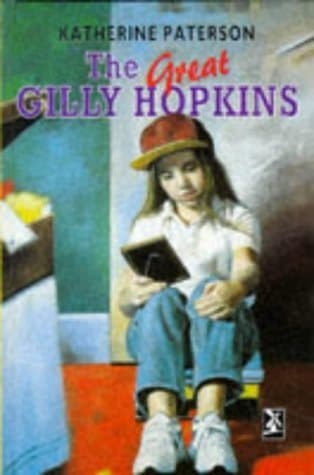
- The Great Gilly Hopkins
Katherine Paterson
3.8 (21k) average on GoodreadsChildren'sFocuses on a feisty foster child who struggles to find her place and ultimately discovers the meaning of family.
- The Giver
Lois Lowry
4.1 (1.8M) average on GoodreadsFantasyLowry's dystopian novel, while thematically different, also explores the concept of family, memory, and belonging. However, The Giver presents a far more ambiguous and challenging conclusion regarding the protagonist's search for connection and truth, forcing readers to confront difficult ethical questions. Pictures of Hollis Woods, in contrast, offers a more straightforward and emotionally comforting resolution regarding the formation of a new family unit.
- Harry Potter and the Sorcerer's Stone
J.K. Rowling
4.5 (7M) average on GoodreadsFantasyRescued from a miserable life under the stairs, an orphaned boy discovers he's a wizard destined for a magical school, where he uncovers a dangerous secret tied to the dark wizard who murdered his parents.
- The Hobbit, or There and Back Again
J.R.R. Tolkien
4.3 (2.9M) average on GoodreadsFantasyA comfort-loving hobbit named Bilbo Baggins is whisked away by a mischievous wizard and a band of dwarves on an unexpected journey to reclaim stolen treasure from a fearsome dragon, discovering courage and a magical ring along the way.





Enjoyed the summary?
A summary gives you the shape of the book. The book itself has the detail, the examples and the voice.
Find Pictures of Hollis Woods on AmazonAs an Amazon Associate, BookBrief earns from qualifying purchases. How we're funded