
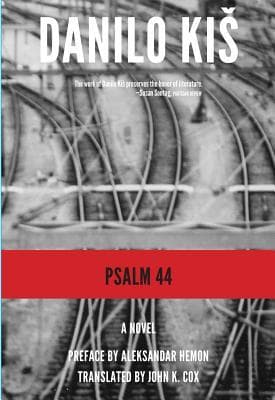
Synopsis
Covers the whole plot, including the ending.
- Difficulty
- Medium
- Pacing
- Moderate
- Mood
- Dark, Atmospheric, Haunting, Lyrical, Resilient
- Read it if
- You are interested in a stark, lyrical, and unflinching portrayal of the human spirit in a concentration camp, with a focus on individual experience and the early work of a literary master.
- Skip it if
- You prefer less direct or emotionally intense narratives, or are looking for a plot-driven thriller rather than a character-focused exploration of trauma and survival.
Psalm 44 Plot Summary
Covers the whole plot, including the ending.
Arrival at the Camp
Anna, a young woman, arrives at an unnamed concentration camp with her newborn son, Andreas. The journey has been difficult and traumatic. They arrive at a place of barbed wire, watchtowers, and the constant threat of death. She is immediately separated from her few belongings and processed, an experience meant to remove individuality. The guards and the camp's bleak architecture create an immediate sense of dread. Her main concern is Andreas's survival, a fragile life in a place meant for extinction. She watches the other new arrivals and the existing prisoners, a silent community of suffering, trying to understand the unwritten rules of this new, terrifying world.
The Infirmary and Dr. Mengele
By desperate luck or a calculated decision by the camp authorities, Anna is assigned to work in the infirmary. This offers a small break from hard manual labor but exposes her to a different kind of horror. Here, she often encounters Dr. Mengele, called the 'Doctor' or 'Professor,' a chillingly detached figure who performs cruel and unethical medical experiments on prisoners. Anna sees his cold manner and the suffering of his subjects. She learns to navigate the dangerous infirmary, knowing that any mistake could lead to her or Andreas becoming a subject of the Doctor's morbid curiosity. The infirmary, meant for healing, is a place of systematic torture and death.
Survival Strategies
Anna quickly learns that surviving in the camp depends on obedience, resourcefulness, and occasional defiance. She forms a cautious alliance with Vera, an older, more experienced inmate. Vera teaches Anna the unspoken rules, how to find extra food, how to avoid the guards' attention, and how to keep some hope. They share stories and small acts of kindness, creating a fragile network of human connection amid the desolation. Anna's motherly instinct for Andreas drives her determination, pushing her to endure daily deprivations and psychological torment for his sake.
The Doctor's Interest in Andreas
To Anna's horror, Dr. Mengele begins to pay special attention to Andreas. His interest is not compassion but scientific curiosity, seeing the infant as another potential subject for his experiments. This terrifies Anna, as she knows the Doctor's 'research' means certain death or unimaginable suffering. She becomes very watchful, trying to shield Andreas from his gaze, but the camp offers little privacy or protection. This increased threat forces Anna to consider desperate measures to protect her son, knowing that Mengele's attention is a death sentence.
The Resistance Network
Through Vera and other trusted inmates, Anna gradually learns about a secret resistance network in the camp. This network is dangerous, involving small acts of sabotage, intelligence gathering, and planning potential escapes or uprisings. While not directly involved, Anna learns of their existence, offering a sliver of hope that the camp's oppressive regime might not be absolute. Knowing about this resistance gives her a psychological boost, reminding her that not everyone has given up hope, and that others are fighting back in their own quiet ways.
A Plan for Andreas
Recognizing the immediate danger Andreas faces from Dr. Mengele, the resistance network, with Anna's desperate consent, plans to smuggle the infant out of the camp. The plan is risky, requiring precise timing, the cooperation of several inmates, and exploiting a moment of guard carelessness. Anna is torn between the unbearable thought of separation and the certainty of Andreas's death if he stays. She makes the difficult decision to trust the network, understanding it's his only chance to survive. The preparations are done in utmost secrecy, under the constant threat of discovery and brutal punishment.
The Smuggling Attempt
The night of the smuggling attempt arrives, filled with tension and fear. Anna says a tearful, silent goodbye to Andreas, placing him with the resistance members. The escape details are vague to her for security reasons, adding to her anxiety. She waits, alone and terrified, for news, knowing that failure means Andreas's capture and severe repercussions for everyone involved. The camp seems more ominous than ever, every sound a potential sign of disaster. The act is a desperate gamble, showing a mother's love and the human spirit's refusal to completely give in to oppression.
The Aftermath and Rumors
After the smuggling attempt, Anna is in agonizing uncertainty. She receives no immediate news, and the camp's daily routine continues its brutal course, making her wait even more unbearable. Rumors, both hopeful and grim, spread among the prisoners, but none offer concrete information about Andreas. The general atmosphere in the camp becomes more chaotic as the war outside progresses, leading to more erratic behavior from the guards and increased desperation among the inmates. Anna clings to the slim hope that Andreas is safe, even as the camp threatens to consume her entirely.
The Camp's End
As the war ends, the camp experiences a final surge of violence and then, abruptly, liberation. Allied forces arrive, and the gates open. The scene is one of both joy and deep sorrow, as the emaciated survivors deal with their freedom and the immense trauma they have endured. Anna, weak but alive, witnesses the guards' departure and the liberators' arrival. The experience is overwhelming, a mix of relief, disbelief, and a deep emptiness from years of suffering and loss. Her main thought, even in this moment of freedom, remains Andreas.
A Glimmer of Hope
In the chaos of liberation, Anna begins her desperate search for Andreas. With help from the surviving resistance members, she starts to piece together what happened after his smuggling. Information is scarce and often contradictory, but a faint trail suggests that Andreas might have made it out. The outside world is as disorienting as the camp was oppressive, but Anna's resolve is strong. She is determined to find her son, to reclaim the life stolen from them both. The book ends with Anna starting this journey, showing the lasting power of maternal love and the human spirit's capacity for hope even after unimaginable suffering.
Psalm 44 Characters
Anna
Protagonist
A young mother fighting for her infant son's survival in a concentration camp.
Anna is a resilient and deeply maternal young woman. Thrust into the unimaginable horrors of a concentration camp, her primary drive is the protection and survival of her infant son, Andreas. She is initially naive but quickly adapts, learning to navigate the brutal realities of camp life. Her quiet strength and unwavering determination are central to her character. She embodies the struggle for humanity and hope in the face of systematic dehumanization. Her actions are consistently motivated by love and self-preservation for her child.
Relationships: Andreas (Her infant son, the primary focus of her survival.); Vera (A supportive and experienced fellow inmate who guides Anna.); Dr. Mengele (Her son's tormentor, representing the ultimate threat.)
Andreas
Supporting
Anna's infant son, a symbol of innocence and the future, constantly imperiled.
Andreas is Anna's newborn son, a vulnerable and innocent presence in the brutal camp environment. He serves as a potent symbol of hope, the future, and the ultimate reason for Anna's fight for survival. His fragility highlights the extreme cruelty of the camp, as even an infant is not spared its horrors. Dr. Mengele's interest in him underscores the arbitrary and dehumanizing nature of the camp's 'medical' practices. Andreas's eventual smuggling represents a desperate act of faith and the potential for life to escape the clutches of death.
Relationships: Anna (His mother and protector.); Dr. Mengele (The doctor who views him as a subject for experimentation.)
Vera
Supporting
An experienced inmate who offers guidance and support to Anna.
Vera is an older, more seasoned inmate who has endured the camp for a longer period. She acts as a mentor and confidante to Anna, providing crucial advice on how to survive, where to find resources, and how to navigate the camp's complex social dynamics. Vera represents the resilience of the human spirit and the importance of solidarity among prisoners. She is pragmatic and world-weary but retains a spark of humanity and compassion. Her knowledge and network are instrumental in the plan to save Andreas.
Relationships: Anna (A trusted friend and mentor.)
Dr. Mengele (The Doctor/Professor)
Antagonist
The chillingly detached camp doctor who conducts horrific experiments.
Dr. Mengele, referred to as the 'Doctor' or 'Professor,' is the primary antagonist of the novel. He is a cold, calculating, and utterly devoid of empathy, viewing prisoners not as human beings but as subjects for his perverse medical experiments. His interest in Andreas is not a sign of compassion but a chilling foreshadowing of his intent to use the infant for his research. He embodies the scientific and moral depravity of the Nazi regime, representing the systematic dehumanization and cruelty inherent in the concentration camp system. His presence casts a constant shadow of fear over Anna and Andreas.
Relationships: Anna (Her son's persecutor.); Andreas (His potential experimental subject.)
The Resistance Network
Supporting
A clandestine group of inmates working to undermine the camp's authority and aid fellow prisoners.
The Resistance Network is not a single character but a collective of anonymous inmates who secretly work to defy the camp authorities. They represent the human capacity for rebellion and hope even in the most dire circumstances. Their actions, though often small and dangerous, provide a counterpoint to the camp's overwhelming oppression. They are responsible for devising and executing the plan to smuggle Andreas out of the camp, demonstrating solidarity and a shared commitment to preserving life and fighting against the regime. Their existence provides a glimmer of agency and defiance.
Relationships: Anna (Their ally in saving Andreas.)
Psalm 44 Themes
Maternal Love and Sacrifice
A mother's love is central to the story. Anna's every action and endured hardship are driven by her strong desire to protect her infant son, Andreas. This theme is clear when Anna makes the difficult decision to let Andreas be smuggled out of the camp, knowing it means separation but offers his only chance to survive. Her love goes beyond the camp's horrors, giving her the strength to resist despair and fight for her child's future. It highlights the ultimate sacrifice a parent might make, giving up their child's presence for their life.
“''In the place of dragons... covered with the shadow of death,' there can still be poetry.”
Dehumanization and Resilience
The novel shows the systematic dehumanization in concentration camps, from losing possessions and identity upon arrival to the guards' arbitrary cruelty and Dr. Mengele's scientific depravity. Prisoners become numbers, their lives expendable. However, resilience appears through characters like Anna and Vera, who hold onto their humanity through small acts of kindness, shared stories, and the will to survive. The resistance network further shows this resilience, demonstrating active defiance against the oppressive system, even when facing death.
“The Doctor's interest was not one of compassion, but of scientific curiosity, viewing the infant as another potential subject.”
Hope and Despair
The story balances the camp's crushing despair with fragile moments of hope. The constant threat of death and daily atrocities push characters to the edge of hopelessness. Yet, Andreas's birth, the resistance network's formation, and the plan to smuggle Andreas out all represent strong symbols of hope. Anna's lasting belief that Andreas might survive, even after liberation, shows the human ability to hold onto hope against overwhelming odds. This tension between hope and despair is a driving force, showing how even a tiny spark of possibility can sustain life in the darkest times.
“Anna clung to the slim hope that Andreas was safe, even as the camp threatened to consume her entirely.”
The Nature of Evil
The novel explores evil through Dr. Mengele, who embodies a chillingly detached, scientific form of malice. His evil comes not from passion but from a cold, rationalized cruelty that sees human life as material for experimentation. The camp itself embodies systemic evil, where bureaucratic processes enable mass murder and torture. This theme questions how such depravity can arise and how individuals become tools of such a monstrous system. It highlights the terrifying efficiency of institutionalized evil, contrasted with individual acts of humanity and resistance.
“He represents the scientific and moral depravity of the Nazi regime, representing the systematic dehumanization and cruelty inherent in the concentration camp system.”
Plot Devices & Literary Techniques
The Infant as Symbol
Andreas represents innocence, the future, and the ultimate stakes of survival.
Andreas, Anna's infant son, serves as a powerful symbol throughout the novel. His innocence starkly contrasts with the camp's brutality, highlighting the extreme cruelty of the regime that would target even a baby. He represents the future, the hope of a generation that might survive the horrors, and the profound stakes of the struggle. Dr. Mengele's interest in him underscores the absolute depravity, as even the most vulnerable are not exempt from the camp's twisted logic. Andreas's survival becomes a symbol of triumph over evil and the enduring power of life.
The Unnamed Camp
The lack of a specific camp name universalizes the experience of the Holocaust.
By not naming the concentration camp, Kiš universalizes the experience of the Holocaust. This deliberate ambiguity allows the camp to represent any of the numerous death camps, making the horrors depicted applicable to all who suffered in similar places. It emphasizes the systematic nature of the atrocities rather than focusing on the specificities of one location. This device also allows the reader to project their understanding of the Holocaust onto the narrative, creating a more immediate and emotionally resonant experience without being constrained by historical specifics of a single camp.
The Resistance Network (as plot driver)
A clandestine group of inmates whose actions drive key plot developments.
The Resistance Network functions as a crucial plot device, driving key developments and offering a path for agency within the oppressive camp environment. It is through this network that Anna learns of possibilities beyond mere survival, and it is their plan that offers the only viable hope for Andreas's escape. The network's existence introduces elements of secrecy, danger, and collective action, providing moments of tension and hope. It also showcases the human capacity for organized defiance, even when facing overwhelming odds, and facilitates the pivotal turning point of Andreas's smuggling.
Foreshadowing (Dr. Mengele's Interest)
Dr. Mengele's early interest in Andreas hints at the grave danger to come.
The subtle but persistent interest Dr. Mengele shows in Andreas serves as a chilling instance of foreshadowing. His initial observations and questions about the infant, though seemingly innocuous to a casual observer, immediately signal to Anna (and the reader) that Andreas is in grave danger. This foreshadowing builds tension and suspense, creating a sense of impending doom that drives Anna's desperate actions to protect her son. It highlights the arbitrary and predatory nature of the Doctor's 'scientific' endeavors, making his presence a constant, ominous threat.
Psalm 44 Quotes
“The past is never dead. It's not even past.”
“We are all born with the disease of memory.”
“Every man has his own hell, and it is built out of his own memories.”
“The world is a stage, but the play is a tragedy.”
“To forget is to die a second death.”
“Silence is the most terrible of all lies.”
“The only thing worse than an executioner is a witness who remains silent.”
“History is a nightmare from which I am trying to awake.”
“The language of suffering is universal.”
“Even in the darkest night, there is a star.”
“We build our lives on ruins, and we call it progress.”
“The truth is a weapon, but it can also be a shield.”
“The greatest prison is not made of stone, but of fear.”
“To be human is to be a question mark.”
Quiz
10 questions on the plot and the characters. Each answer comes with a short explanation.
Question 1
Which of the following historical figures is depicted as a warder in 'Psalm 44'?
- Adolf Eichmann
- Josef Mengele
- Rudolf Höss
- Heinrich Himmler
Show answer
B. Josef Mengele The novel features characters based on actual inmates and warders, explicitly mentioning 'the abominable Dr. Mengele' as one of them.
Question 2
What is the primary setting of 'Psalm 44'?
- A post-war refugee camp
- A concentration camp during World War II
- A partisan hideout in occupied territory
- A dilapidated apartment in a bombed-out city
Show answer
B. A concentration camp during World War II The description mentions 'the place of dragons... covered with the shadow of death' and characters based on inmates and warders, strongly implying a concentration camp setting.
Question 3
What is unique about the age at which Danilo Kiš wrote 'Psalm 44'?
- It was written in his late teens, making it his earliest work.
- He wrote it at the age of twenty-five, before his more famous works.
- It was a posthumously published work, compiled from his notes.
- He wrote it during a period of forced exile, reflecting his isolation.
Show answer
B. He wrote it at the age of twenty-five, before his more famous works. The introductory text explicitly states, 'Written when he was only twenty-five, before embarking on the masterpieces that would make him an integral figure in twentieth-century letters.'
Question 4
The novel is described as showcasing Kiš 'at his most lyrical and unguarded.' What does this suggest about its style compared to his later works?
- It is more experimental and structurally complex.
- It features a more direct and emotionally raw expression.
- It employs a greater degree of irony and metafiction.
- It relies heavily on historical documentation and less on personal experience.
Show answer
B. It features a more direct and emotionally raw expression. Being 'lyrical and unguarded' implies a more direct, emotional, and less mediated style, contrasting with the 'starkness or immediacy' it possesses compared to his future works.
Question 5
What is a central theme that 'Psalm 44' shares with Kiš's later, more acclaimed works?
- The exploration of utopian societies and their failures.
- The nature of memory, truth, and historical injustice.
- The complexities of intergenerational wealth and class struggle.
- The challenges of artistic creation in a totalitarian state.
Show answer
B. The nature of memory, truth, and historical injustice. The text states 'Psalm 44 is a baring of many of the themes, patterns, and preoccupations Kiš would return to in future.' Given the context of concentration camps and historical figures, themes of memory, truth, and injustice are consistent with Kiš's known body of work.
Question 6
The phrase 'even in “the place of dragons... covered with the shadow of death,” there can still be poetry' suggests what about the novel's outlook?
- It is primarily a work of historical documentation, devoid of artistic embellishment.
- It finds beauty and artistic expression even amidst extreme suffering.
- It argues that poetry is irrelevant in the face of such profound evil.
- It romanticizes the suffering experienced by the characters.
Show answer
B. It finds beauty and artistic expression even amidst extreme suffering. The phrase directly implies that poetry and beauty can emerge even from the darkest and most horrific circumstances, highlighting a resilience of the human spirit or artistic impulse.
Question 7
How does 'Psalm 44' distinguish itself from Kiš's later masterpieces in terms of its emotional impact?
- It is more detached and intellectual.
- It is less focused on individual suffering.
- It possesses a greater starkness and immediacy.
- It is more overtly political and didactic.
Show answer
C. It possesses a greater starkness and immediacy. The text states that Kiš would return to these themes 'albeit never with the same starkness or immediacy,' indicating these qualities are particularly strong in 'Psalm 44.'
Question 8
What does the title 'Psalm 44' likely allude to, given the context of the novel?
- A celebration of victory and divine favor.
- A lament for suffering and a plea for divine intervention amidst persecution.
- A call to arms and defiance against oppressors.
- A meditation on the beauty of nature and creation.
Show answer
B. A lament for suffering and a plea for divine intervention amidst persecution. Psalm 44 in the Bible is a lament where the speaker questions why God has abandoned his people to suffering and defeat, despite their faithfulness. This resonates strongly with the themes of a concentration camp narrative.
Question 9
The description states 'Featuring characters based on actual inmates and warders.' What literary technique does this suggest Kiš employs in the novel?
- Pure fantasy and mythological allegory.
- Historical fiction with elements of realism and biographical inspiration.
- Stream of consciousness with no grounding in external reality.
- Satirical parody of historical events and figures.
Show answer
B. Historical fiction with elements of realism and biographical inspiration. Basing characters on 'actual inmates and warders' and including a figure like Mengele firmly places the novel within historical fiction, using real-world inspiration for its narrative and characters.
Question 10
Given its early composition and thematic continuity with his later work, what role might 'Psalm 44' play in understanding Kiš's literary development?
- It represents a complete stylistic break from his mature writing.
- It serves as a foundational text, outlining core concerns he would refine later.
- It is an anomaly, unrepresentative of his broader artistic vision.
- It primarily demonstrates his early interest in lighthearted, optimistic narratives.
Show answer
B. It serves as a foundational text, outlining core concerns he would refine later. The text states it 'is a baring of many of the themes, patterns, and preoccupations Kiš would return to in future,' indicating its significance as an early articulation of his enduring artistic concerns.
Psalm 44 FAQ
What is the central premise of 'Psalm 44'?
The novel 'Psalm 44' explores the harrowing experiences within a concentration camp, focusing on the resilience of the human spirit amidst unimaginable suffering. It delves into the daily lives, struggles, and psychological states of inmates and warders, painting a stark picture of life and death in 'the place of dragons.'
Who are the main characters based on in 'Psalm 44'?
The characters in 'Psalm 44' are inspired by actual historical figures, including both inmates and warders from concentration camps. Notably, the abominable Dr. Mengele is a character, providing a chilling depiction of the real-life 'Angel of Death' through Kiš's early literary lens.
What historical period and setting does 'Psalm 44' depict?
'Psalm 44' is set within the confines of a Nazi concentration camp during World War II, a period of immense human tragedy and systematic extermination. The setting is crucial to understanding the characters' plight and the novel's exploration of extreme human conditions.
How does Kiš's youth influence the style and tone of 'Psalm 44'?
Written when Kiš was only twenty-five, 'Psalm 44' exhibits a lyrical and unguarded quality, demonstrating a raw immediacy and starkness that would evolve in his later, more refined works. This early stage allows for a direct, almost visceral engagement with the themes of suffering and survival.
What is the significance of the title 'Psalm 44'?
The title 'Psalm 44' refers to a biblical psalm that laments God's apparent abandonment of His people amidst oppression, declaring 'For thy sake are we killed all the day long; we are counted as sheep for the slaughter.' This resonance underscores the profound suffering and existential questioning faced by the characters in the concentration camp.
Are there specific instances of literary foreshadowing of Kiš's later works in 'Psalm 44'?
'Psalm 44' serves as a crucible for many themes, patterns, and preoccupations Kiš would master in his later masterpieces, such as the exploration of memory, identity, and the nature of evil. Though presented with a youthful starkness, the seeds of his mature literary concerns are clearly visible.
How does the character of Dr. Mengele in 'Psalm 44' compare to historical accounts?
Kiš's portrayal of Dr. Mengele, while fictionalized, aims to capture the essence of his historical monstrosity, depicting his chilling detachment and the horrific nature of his experiments. The novel contributes to the literary representation of this historical figure, emphasizing his role as an embodiment of ultimate evil within the camp system.
Are there any subtle allusions to other literary or philosophical works within 'Psalm 44'?
Beyond the direct biblical reference in the title, 'Psalm 44' subtly engages with existentialist themes and the philosophical problem of evil, echoing concerns found in works by authors like Camus or Wiesel. Kiš's early exploration of these profound questions suggests a deep engagement with the intellectual currents of his time.
How do the inmates maintain their humanity in 'the place of dragons'?
Despite the brutal dehumanization, inmates in 'Psalm 44' cling to their humanity through small acts of resistance, shared memories, and the power of storytelling. These moments, often fleeting and dangerous, highlight the enduring spirit and the psychological struggle to retain dignity in an undignified world.
What psychological impact does the constant threat of death have on the characters?
The omnipresent threat of death in 'Psalm 44' profoundly shapes the characters' psychology, leading to a spectrum of responses from resignation and despair to fierce determination and a heightened appreciation for life. This constant pressure reveals the fragility and resilience of the human mind under extreme duress.
How does Kiš explore the psychology of the warders in the camp?
Kiš delves into the complex psychology of the warders, including figures like Dr. Mengele, revealing a spectrum from sadistic cruelty to bureaucratic indifference. This exploration challenges simplistic notions of good and evil, suggesting the various ways individuals become complicit in or perpetrate atrocities.
What is the role of memory and forgetting for the characters in 'Psalm 44'?
Memory serves as both a comfort and a torment for the characters, preserving their past identities and loved ones, while also reminding them of what they have lost. Forgetting, on the other hand, can be a survival mechanism, a way to numb the pain, but also a threat to their sense of self.
How does 'Psalm 44' contribute to the broader Holocaust literature canon?
'Psalm 44' offers a unique, early perspective from a writer who would become a master, distinguished by its raw lyricism and immediate engagement with the trauma. It complements other works by emphasizing the starkness of the experience and the nascent development of themes Kiš would later refine, making it a valuable piece in understanding the evolution of Holocaust narratives.
Is 'Psalm 44' primarily a historical account or a literary exploration of themes?
While grounded in historical reality and featuring characters based on actual inmates and warders, 'Psalm 44' is fundamentally a literary exploration. Kiš uses the historical backdrop to delve into universal themes of suffering, survival, humanity, and the power of art, rather than merely documenting events.
What does Kiš mean by 'even in “the place of dragons... covered with the shadow of death,”there can still be poetry'?
This quote suggests that even in the darkest, most desolate circumstances, art and beauty can emerge as acts of defiance and affirmation of life. 'Poetry' here symbolizes the human capacity for creation, meaning-making, and finding solace or expression amidst unimaginable horror, offering a glimmer of hope.
How does Kiš's personal background inform the themes in 'Psalm 44'?
Danilo Kiš, having a Jewish-Hungarian father who perished in the Holocaust, brought a deeply personal, though perhaps indirect, understanding to the themes of persecution and loss. This personal resonance likely fueled the novel's starkness and immediacy, giving it an authentic emotional core despite being written before his mature works.
What is the enduring message or lesson of 'Psalm 44' for contemporary readers?
'Psalm 44' serves as a powerful reminder of the atrocities of the past and the enduring human capacity for both cruelty and resilience. It urges contemporary readers to confront the darkest aspects of history and to recognize the importance of empathy, vigilance, and the preservation of human dignity in all circumstances.
About the author
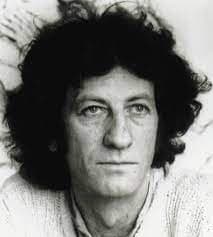
Danilo Kiš was a Yugoslav novelist, short story writer, essayist and translator. His best known works include Hourglass, A Tomb for Boris Davidovich and The Encyclopedia of the Dead.
Similar books
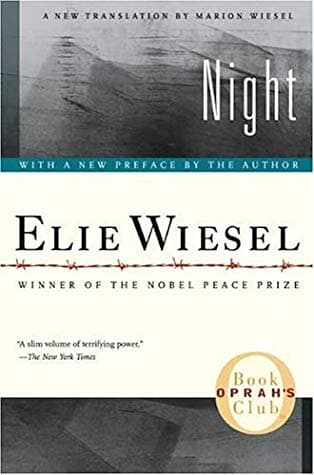
- Night
Elie Wiesel
4.3 (970k) average on GoodreadsBiographyShares a focus on personal experience and the horrors of the Holocaust, written with stark immediacy.
- Nineteen Eighty-Four
George Orwell
4.2 (5.5M) average on GoodreadsFictionWinston Smith dreams of truth and rebellion in a world where Big Brother watches all, but he confronts the terrifying power of a regime that controls not just actions, but thoughts.
- The Frozen River
Ariel Lawhon
4.4 (600k) average on GoodreadsFictionIn 1789 Maine, a heroic midwife's diary helps her expose a murder and get justice in a town that wants to silence her.
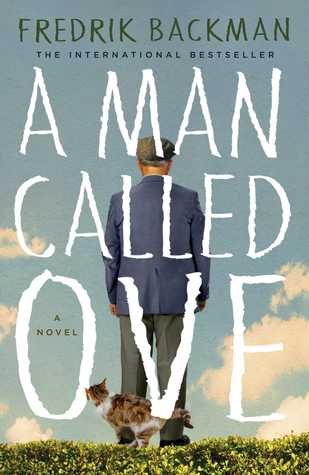
- A Man Called Ove
Fredrik Backman
4.4 (569k) average on GoodreadsFictionA stubborn widower, who lives by strict rules, finds his quiet world changed by a lively new family next door, making him face his past and find happiness in human connection.
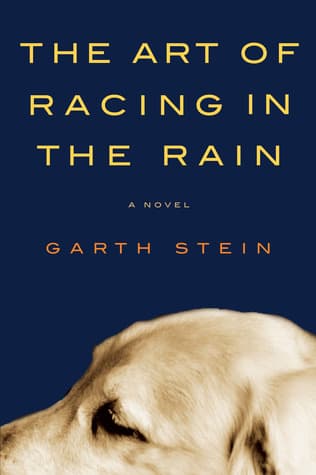
- The Art of Racing in the Rain
Garth Stein
4.2 (452k) average on GoodreadsFictionThrough the eyes of Enzo, a wise and observant dog, a race car driver's family navigates a journey of love, loss, and resilience, learning that life's most important lessons often come in the curves, not just on the straightaways.
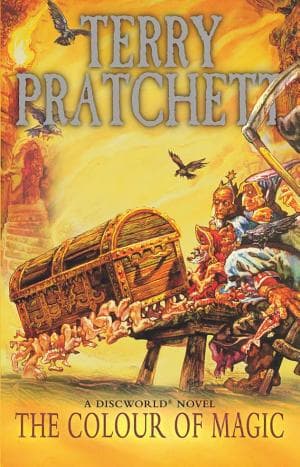
- The Colour of Magic
Terry Pratchett
4.0 (425k) average on GoodreadsFictionOn a discworld hurtling through space on the back of a giant turtle, an inept wizard and his naive, walking-luggage-toting tourist embark on a chaotic, belief-fueled journey to the very edge of their flat planet, encountering dragons that only exist if you believe in them.


Enjoyed the summary?
A summary gives you the shape of the book. The book itself has the detail, the examples and the voice.
Find Psalm 44 on AmazonAs an Amazon Associate, BookBrief earns from qualifying purchases. How we're funded