

Synopsis
Covers the whole plot, including the ending.
- Difficulty
- Medium
- Pacing
- Variable
- Mood
- Witty, Philosophical, Satirical, Reflective, Ironic
- Read it if
- You enjoy experimental narratives, unreliable narrators, and satirical takes on society and human nature. Perfect for those who appreciate a blend of humor, philosophy, and a unique narrative voice.
- Skip it if
- You prefer linear plots, straightforward character development, or find digressions and philosophical musings tedious. Not for readers who dislike metafiction or a protagonist who is openly flawed and self-serving.
The Posthumous Memoirs of Brás Cubas Plot Summary
Covers the whole plot, including the ending.
The Author's Death and Dedication
The novel opens with Brás Cubas, the narrator, declaring himself a 'deceased author.' He died at sixty-four of pneumonia and then, out of boredom and a desire to leave a legacy, decided to write his memoirs from the afterlife. He humorously dedicates his book 'to the first worm that gnawed on the cold flesh of my cadaver,' setting an irreverent and philosophical tone. Brás explains his method: he will jump around in time, providing a non-linear account of his life, unconstrained by earthly conventions. This introduction immediately establishes the unique narrative perspective and the novel's meta-fictional nature, inviting the reader to a posthumous reflection on a life lived.
Childhood and Early Mischief
Brás reflects on his privileged and undisciplined childhood in Rio de Janeiro, where his parents doted on him. He admits to being a 'demolisher of toys, a tormentor of slaves, a restless and impulsive boy.' A key episode involves his cruel treatment of Prudêncio, a young house slave, whom Brás would ride like a horse, beating him with a whip. This early display of power and lack of empathy shows Brás's self-centered character. He recalls his mother's death, which he describes with a detached, almost philosophical air, more concerned with the inconvenience it caused than genuine grief. This period highlights the societal norms of the time and Brás's inherent flaws.
First Love and Betrayal: Marcela
Sent to study in Coimbra, Portugal, Brás falls into a life of leisure and dissipation rather than serious study. Upon returning to Brazil, he becomes infatuated with Marcela, a beautiful and expensive courtesan. He is utterly captivated by her, showering her with gifts and spending a significant portion of his inheritance to satisfy her extravagant demands. His father, seeing Marcela as a threat to the family's finances and reputation, plans to separate them. Brás eventually breaks up with Marcela, not out of a change of heart, but due to his father's manipulative intervention and the realization of his dwindling funds. This episode marks Brás's first significant romantic entanglement, characterized by youthful impulsiveness and a superficial understanding of love.
The Political Career and Virgília
After the Marcela affair, Brás's father pushes him towards a political career, arranging a marriage with Virgília, the daughter of a prominent politician. However, Virgília rejects Brás, choosing instead to marry Lobo Neves, a man with more promising political prospects. Despite this, Brás eventually enters politics and, years later, encounters Virgília again. He discovers that she is unhappy in her marriage to Lobo Neves, who has become a provincial governor. They begin a secret affair, which becomes the central, enduring romantic entanglement of Brás's life. This relationship, marked by deceit and social transgression, forms a significant part of Brás's adult experiences, highlighting his moral ambiguity and his pursuit of personal gratification.
The Affair with Virgília and Quincas Borba
The secret affair between Brás and Virgília continues for several years, filled with secret meetings and a constant fear of exposure. Brás finds a peculiar confidant in Quincas Borba, an eccentric philosopher and former schoolmate. Quincas Borba introduces Brás to his absurd philosophical system, 'Humanitism,' which posits that everything is a struggle for survival and that the strong devour the weak. Brás, while often dismissive of Quincas's theories, is nonetheless intrigued and occasionally uses them to rationalize his own behavior. This period shows Brás's intellectual dabbling and the moral compromises he makes, contrasting his personal life with the philosophical musings of his friend.
The Invention of the 'Humanitarian Plaster'
Later in life, Brás conceives of a grand invention: the 'Humanitarian Plaster,' a universal cure for all maladies. He envisions it as his legacy, a way to immortalize his name and benefit humanity. He dedicates himself to its development, despite lacking any scientific expertise. The plaster, however, remains a figment of his imagination and a symbol of his grand, yet ultimately unfulfilled, aspirations. This invention is a metaphor for Brás's life itself: ambitious in concept, but lacking substance and practical application. His obsession with the plaster reflects his desire for fame and recognition, even if his means are entirely impractical.
The Death of Lobo Neves and Virgília's Widowhood
Lobo Neves, Virgília's husband, eventually dies. Brás, expecting their affair to resume or even for them to marry, finds himself disappointed. Virgília, now a widow, chooses to live a more respectable life, dedicating herself to her children and social decorum. The passion that once bound them has faded, or perhaps their circumstances have simply changed too much. Brás reflects on this with a characteristic blend of self-pity and philosophical detachment, observing how time and societal expectations alter human relationships. This event marks the definitive end of Brás's most significant romantic connection, leaving him to contemplate his past alone.
Eugeninha and the Unfulfilled Love
In his later years, Brás contemplates marriage with Eugeninha, a young, intelligent, and virtuous woman. He sees in her a potential for a respectable and peaceful companionship, a stark contrast to his tumultuous past with Marcela and Virgília. However, before their relationship can fully develop, Eugeninha falls ill and dies prematurely. Brás reflects on this lost opportunity with a sense of melancholic irony, noting how fate seems to conspire against his attempts at conventional happiness. This episode underscores the recurring theme of unfulfilled potential and the arbitrary nature of life and death in Brás's narrative.
The Philosopher's Demise: Quincas Borba's Last Days
Quincas Borba, the eccentric philosopher, gradually succumbs to madness. Brás visits him and observes his increasingly delusional pronouncements about 'Humanitism,' which now includes visions of a universal war and a new, perfected human race. Despite his friend's mental decline, Brás continues to find a strange fascination in Quincas's ideas, even as they become utterly nonsensical. Quincas eventually dies in an asylum. Brás's account of his friend's demise is both poignant and darkly humorous, highlighting the fine line between genius and madness, and offering a cynical commentary on the pursuit of abstract knowledge.
The Legacy of Nothingness
Towards the end of his posthumous narrative, Brás Cubas takes stock of his life. He lists his various endeavors, relationships, and aspirations, only to conclude that he achieved nothing of genuine significance. He notes that he died without an heir, leaving no children to carry on his name. His 'Humanitarian Plaster' was never realized, his political career was mediocre, and his loves were either fleeting or illicit. He finds a peculiar satisfaction in this absolute lack of legacy, proclaiming that he had 'the negative advantage of not having transmitted to anyone the legacy of our misery.' This final reflection encapsulates Brás's cynical worldview and his ultimate acceptance of his own insignificance.
The End and the Beginning
Brás Cubas brings his memoirs to a close, reiterating his unique position as a narrator from beyond the grave. He reinforces the idea that his perspective is unburdened by earthly concerns, allowing him to be brutally honest and profoundly detached. His final words often circle back to the themes of death, nothingness, and the futility of human ambition. He closes his narrative with a final, ironic flourish, leaving the reader to ponder the meaning, or lack thereof, of his life and the very act of writing a memoir from such a singular vantage point. The ending is a summation of his philosophical journey, confirming his status as an 'epitaph of a small winner.'
The Posthumous Memoirs of Brás Cubas Characters
Brás Cubas
Protagonist
A deceased, self-absorbed aristocrat narrating his life from the grave.
Brás Cubas is the eponymous protagonist and narrator of the novel, an upper-class Brazilian man who recounts his life story from beyond the grave. He is characterized by his profound egocentrism, intellectual dilettantism, and emotional detachment. Brás is a man of leisure, prone to philosophical musings and grand, yet ultimately unfulfilled, ambitions. He views the world and the people in it primarily through the lens of how they affect him, often with a cynical and ironic wit. Despite his flaws, his honesty about his own vanity makes him a compelling, if not always sympathetic, figure.
Relationships: Marcela (First, passionate, and financially draining love affair.); Virgília (Long-term, illicit affair, his most significant romantic entanglement.); Quincas Borba (Friend and philosophical mentor, whose ideas Brás often satirizes.); Prudêncio (Childhood slave, victim of Brás's early cruelty.); Lobo Neves (Political rival and Virgília's husband.)
Virgília
Supporting
Brás's long-term mistress, married to his political rival.
Virgília is Brás Cubas's most significant love interest, a beautiful and ambitious woman who initially rejects Brás to marry Lobo Neves for social and political advancement. Despite her marriage, she engages in a long-standing, clandestine affair with Brás. She is portrayed as pragmatic and somewhat calculating, valuing social standing and reputation, yet capable of deep affection for Brás. Her character highlights the societal constraints on women in 19th-century Brazil and the complexities of forbidden love.
Relationships: Brás Cubas (Long-term, illicit affair.); Lobo Neves (Husband, a political figure.)
Quincas Borba
Supporting
An eccentric philosopher and friend of Brás Cubas, creator of 'Humanitism.'
Quincas Borba is an old schoolmate and friend of Brás Cubas, an eccentric philosopher who develops his own bizarre philosophy called 'Humanitism.' This system postulates that life is a perpetual struggle, and the strong must devour the weak for the progress of humanity. He is a source of both intellectual stimulation and comic relief for Brás, who often satirizes his ideas while also finding a strange resonance in them. Quincas's eventual descent into madness serves as a commentary on the fragility of intellect and the absurdity of grand philosophical systems.
Relationships: Brás Cubas (Friend and intellectual foil.)
Marcela
Supporting
Brás's first love, an expensive courtesan.
Marcela is Brás Cubas's first significant romantic entanglement. She is a beautiful and extravagant courtesan who captivates young Brás, leading him to spend a considerable portion of his inheritance on her. She embodies youthful infatuation and the allure of forbidden pleasure. Her character serves to illustrate Brás's early impulsiveness and his father's attempts to control his son's excesses. She represents a period of reckless abandon and financial imprudence in Brás's life.
Relationships: Brás Cubas (Passionate, financially draining love affair.)
Lobo Neves
Supporting
Virgília's husband and Brás's political rival.
Lobo Neves is a political figure who marries Virgília, thereby becoming Brás Cubas's rival both in love and in politics. He is portrayed as a somewhat dull but ambitious man, embodying the conventional path to success that Brás often disdains but occasionally covets. His marriage to Virgília is one of convenience and social climbing. His eventual death opens the door for Brás to hope for a renewed relationship with Virgília, a hope that ultimately remains unfulfilled.
Relationships: Virgília (Husband.); Brás Cubas (Political rival and rival in love.)
Prudêncio
Mentioned
A young house slave from Brás's childhood.
Prudêncio is a young house slave in the Cubas household during Brás's childhood. He is a victim of Brás's early cruelty, forced to act as Brás's 'horse' and endure beatings. His brief appearance highlights the casual brutality of slavery and Brás's privileged, undisciplined upbringing. Later, Brás encounters Prudêncio as a freedman who owns his own slave, offering a glimpse into the complexities of post-abolition Brazilian society and the perpetuation of oppressive systems.
Relationships: Brás Cubas (Master during childhood.)
Eugeninha
Mentioned
A virtuous young woman Brás briefly considers marrying.
Eugeninha is a young, intelligent, and virtuous woman whom Brás Cubas considers marrying in his later years. She represents a potential for a more stable and respectable life, a contrast to his earlier tumultuous affairs. Her premature death before their relationship can fully develop is another example of Brás's unfulfilled aspirations and the arbitrary nature of fate. She serves as a symbol of lost opportunity for conventional happiness.
Relationships: Brás Cubas (Potential spouse.)
Dona Plácida
Supporting
A discreet seamstress who facilitates Brás and Virgília's affair.
Dona Plácida is a poor, respectable woman who, out of financial necessity, agrees to rent a small house where Brás and Virgília can conduct their affair discreetly. She becomes their unwitting accomplice, a silent witness to their illicit romance. Her character highlights the economic desperation of the lower classes and the moral compromises individuals are forced to make to survive. Brás often reflects on her quiet suffering and her role in facilitating his own pleasures, seeing her as a symbol of human endurance.
Relationships: Brás Cubas (Patron, employer of her services.); Virgília (Patron, employer of her services.)
The Posthumous Memoirs of Brás Cubas Themes
The Futility of Human Endeavor
Brás Cubas's entire life, as narrated from the grave, shows the ultimate pointlessness of human ambition, love, and achievement. He fails to secure lasting political power, his great invention (the 'Humanitarian Plaster') never materializes, and his most significant romantic relationships are either fleeting or illicit and unfulfilled. His final conclusion, that he 'had no children, did not transmit to anyone the legacy of our misery,' encapsulates this theme. The novel suggests that despite our striving, life ultimately amounts to nothing, a 'negative advantage' of not passing on suffering. This is evident in his detached recounting of even his mother's death, or his unfulfilled love for Eugeninha.
“I had no children, did not transmit to anyone the legacy of our misery.”
The Nature of Memory and Narrative
The novel explores how memory shapes narrative and how a story is constructed. Brás Cubas, as a deceased narrator, claims unparalleled freedom to jump through time, omit details, and comment on his own writing process. He frequently breaks the fourth wall, addressing the reader directly and questioning the conventions of autobiography. This allows for a subjective, fragmented, and often unreliable account of his life, where the act of remembering is as important as the events themselves. His self-awareness of being a 'deceased author' grants him a unique license to manipulate and comment on his own story, as seen in his dedication 'to the first worm'.
“I began these memoirs after my death.”
Social Hypocrisy and Class Privilege
Machado de Assis critiques the rigid social structures and moral hypocrisy of 19th-century Brazilian society, particularly the upper class. Brás Cubas, born into privilege, lives a life of leisure, shielded from the consequences of his actions. His casual cruelty towards the slave Prudêncio in childhood, his financially reckless affair with Marcela, and his long-term illicit relationship with Virgília all highlight the moral laxity afforded to the wealthy. The novel subtly exposes the performative nature of social decorum, where appearances are maintained despite underlying corruption and personal failings, as seen in Virgília choosing 'respectability' after her husband's death.
“My father's idea was to send me to Coimbra, in order to make a man of me... a man, that is, who would not lose his fortune on Marcela.”
The Absurdity of Philosophy and Human Reason
Through Quincas Borba and his philosophy of 'Humanitism,' the novel satirizes grand philosophical systems and the human tendency to rationalize self-interest and cruelty. Quincas's ideas, which evolve from eccentric to outright insane, reflect the arbitrary and often self-serving nature of abstract thought. Brás himself often uses philosophical detachment to distance himself from his own moral failings. The intellectual games played by Brás and Quincas show that reason can be twisted to justify anything, ultimately leading to little more than intellectual vanity or madness. The 'Humanitarian Plaster' is another example of a grand, absurd idea.
“Humanitism is the law of life... the strong devour the weak.”
Love, Desire, and Disillusionment
Brás Cubas's romantic life is a series of passionate but ultimately unfulfilling encounters, each leading to disillusionment. His youthful infatuation with Marcela drains his finances, his long affair with Virgília is secret and ends without commitment, and his potential for a stable marriage with Eugeninha is cut short by her death. The novel portrays love not as a transcendent force, but as a complex interplay of desire, social convention, and self-interest, often leading to more pain than joy. Brás's detached tone in recounting these affairs highlights his inability to truly connect or find lasting happiness in love.
“Love is not a passion, it is a calculation.”
Plot Devices & Literary Techniques
Posthumous Narration
The protagonist narrates his life from beyond the grave, offering a unique, detached perspective.
The entire novel is narrated by Brás Cubas after his death. This device grants the narrator omniscient insight into his own life, allowing him to comment on events with an ironic distance and a complete lack of earthly consequence. It frees him from the constraints of linearity, enabling him to jump backward and forward in time, and to interject philosophical digressions. This perspective also allows for a profound level of self-awareness and self-criticism, often delivered with a cynical wit, as Brás recounts his failings without the need for apology or redemption.
Metafiction / Breaking the Fourth Wall
The narrator frequently acknowledges the act of writing and directly addresses the reader.
Brás Cubas constantly breaks the fourth wall, directly addressing the 'reader' and commenting on the conventions of his own memoir. He discusses his chapter structure, his narrative choices, and even apologizes for occasional digressions. This metafictional approach draws attention to the constructed nature of the story, reminding the reader that they are engaging with a written text. It enhances the novel's playful and ironic tone, making the reader a co-conspirator in Brás's posthumous literary project and undermining the illusion of a straightforward narrative.
Irony and Satire
The novel employs pervasive irony and satire to critique society, philosophy, and human nature.
Irony and satire are central to the novel's tone and message. Brás Cubas's narration is replete with ironic observations about himself, his family, his society, and the human condition. He satirizes political ambition, romantic love, and especially the grand philosophical systems, most notably through Quincas Borba's 'Humanitism.' This pervasive irony allows Machado de Assis to deliver sharp social commentary and philosophical critiques without being didactic, instead inviting the reader to find humor and truth in the absurdities of life and the narrator's own self-delusions.
Non-Linear Narrative
The story jumps freely through time, unconstrained by chronological order.
Brás Cubas explicitly states his intention to write his memoirs without adhering to a strict chronological order, arguing that death provides him the freedom to do so. The narrative frequently moves between different periods of his life, interweaving childhood anecdotes with adult affairs and philosophical reflections. This non-linear structure mirrors the way memory functions, often recalling events out of sequence or connecting them thematically rather than chronologically. It also contributes to the novel's experimental feel and allows for a more fragmented, multifaceted portrayal of Brás's life.
The Posthumous Memoirs of Brás Cubas Quotes
“Marcela loved me for fifteen months and eleven contos; nothing more.”
“I had no children, I transmitted to no one the legacy of our misery.”
“Each era takes its own form of madness.”
“For a long time I thought that the best thing about life was to live it, but I soon realized that the best thing about it was to narrate it.”
“The greatest advantage of being dead is no longer having to wear shoes.”
“There are ideas that are like a fly, they buzz around your head for a while and then disappear.”
“My greatest fault was to have been born.”
“Human nature, my dear, is a complicated mechanism.”
“To be born, to live, to die: this is the story of us all.”
“My pen is not a pen, it is a scalpel. It dissects the living and the dead.”
“The truth is that I was never a great man, but I was a man of some importance.”
“What do you want? I'm dead. I don't care about the world anymore.”
“The greatest pleasure of love is the illusion that it is eternal.”
“I began to suspect that the world was not made for me, but rather I for the world.”
Quiz
10 questions on the plot and the characters. Each answer comes with a short explanation.
Question 1
To whom does Brás Cubas explicitly dedicate his posthumous memoirs?
- Virgília, his lifelong love interest
- The worms gnawing at his corpse
- His loyal servant, Prudêncio
- The future generations of Brazil
Show answer
B. The worms gnawing at his corpse Brás Cubas dedicates his memoirs to the worms, setting a cynical and unconventional tone from the very beginning of the novel.
Question 2
What is the name of the 'humanitarian' invention Brás Cubas devises, intended to alleviate human suffering?
- The 'Brás Cubas' flying machine
- The 'Anti-Melancholy Plaster'
- A universal language translator
- A device for perpetual motion
Show answer
B. The 'Anti-Melancholy Plaster' Brás Cubas invents the 'Anti-Melancholy Plaster,' a satirical jab at his own misguided philanthropic ambitions and the futility of such endeavors.
Question 3
Which character is Brás Cubas's primary love interest and the subject of his prolonged, often unrequited, affection?
- Eugênia
- Marcela
- Virgília
- Lohmann
Show answer
C. Virgília Virgília is the central figure of Brás Cubas's romantic life, despite her marriage to Lobo Neves, leading to a long-standing affair.
Question 4
What is the philosophical concept Brás Cubas develops, which he calls 'Humanitism'?
- A theory advocating for universal human rights and equality
- A system where the individual is the ultimate measure of all things, akin to a god
- A political ideology promoting a benevolent dictatorship
- A scientific method for achieving immortality
Show answer
B. A system where the individual is the ultimate measure of all things, akin to a god Brás Cubas's 'Humanitism' is a self-serving, grandiose philosophy that places the individual, particularly himself, at the center of the universe, mocking grand philosophical systems.
Question 5
What is the primary reason Brás Cubas gives for his decision to write his memoirs after his death?
- To reveal a hidden truth about his family's past
- To prove that he lived a truly virtuous life
- To pass the time in his grave and entertain himself with his past follies
- To warn others about the dangers of political ambition
Show answer
C. To pass the time in his grave and entertain himself with his past follies Brás Cubas, as a deceased narrator, explicitly states his intention to write his memoirs to distract himself from the boredom and decay of the grave, highlighting the novel's meta-fictional and playful nature.
Question 6
What significant event occurs between Brás Cubas and his former slave, Prudêncio, later in their lives?
- Prudêncio becomes Brás Cubas's business partner
- Brás Cubas discovers Prudêncio has become a wealthy landowner
- Brás Cubas witnesses Prudêncio beating his own slave
- They reconcile and become close friends
Show answer
C. Brás Cubas witnesses Prudêncio beating his own slave This encounter is a poignant and ironic moment, where the formerly enslaved Prudêncio is seen replicating the violence of slavery, demonstrating the insidious nature of power and its legacy.
Question 7
What is the ultimate 'negative' conclusion Brás Cubas draws about his life in the final chapter?
- He regrets not having pursued a political career more vigorously
- He concludes that he had no children, and thus passed on no legacy of his misery
- He wishes he had married Virgília and lived a simple life
- He feels he should have dedicated more time to his invention, the plaster
Show answer
B. He concludes that he had no children, and thus passed on no legacy of his misery In a characteristically cynical fashion, Brás Cubas finds his 'greatest advantage' in life to be having no children, thus avoiding the 'inheritance of our misery' – a final, bleak assessment of his existence.
Question 8
Which of these literary techniques is NOT prominently used by Machado de Assis in 'The Posthumous Memoirs of Brás Cubas'?
- Direct address to the reader
- Non-linear narrative structure
- Extensive use of stream of consciousness
- Metafiction and self-referential commentary
Show answer
C. Extensive use of stream of consciousness While the novel is highly experimental and modernist, it predates the widespread use of stream of consciousness as seen in authors like Joyce. Machado de Assis employs a more direct, conversational, and often ironic narrative voice.
Question 9
What is the name of Brás Cubas's half-brother, who also serves as a minor antagonist and rival?
- Lobo Neves
- Quincas Borba
- Cotrim
- Damasceno
Show answer
D. Damasceno Damasceno is Brás Cubas's half-brother, and their relationship is marked by rivalry and a degree of animosity, particularly over family inheritance.
Question 10
What is the primary narrative mode of the novel?
- Third-person omniscient
- First-person from beyond the grave
- Epistolary (through letters)
- Multiple perspectives from various characters
Show answer
B. First-person from beyond the grave The defining characteristic of the novel's narrative is that Brás Cubas is writing his memoirs as a deceased man, offering a unique and detached perspective on his life.
The Posthumous Memoirs of Brás Cubas FAQ
Who is Brás Cubas and what is the unusual premise of his memoir?
Brás Cubas is the deceased narrator of the novel, an aristocratic Brazilian man who decides to write his autobiography from beyond the grave. His unique perspective allows him to reflect on his life with cynical honesty, unbound by societal expectations or the need for self-preservation, often addressing the reader directly.
To whom does Brás Cubas dedicate his memoirs, and what does this reveal about his character?
Brás Cubas dedicates his memoirs to the worms that are gnawing at his corpse, a morbid and darkly humorous gesture. This dedication immediately establishes his irreverent, cynical, and somewhat nihilistic personality, suggesting he finds more companionship or purpose in decay than in the living world he left behind.
What are some of the key romantic relationships Brás Cubas recounts, and how do they typically conclude?
Brás recounts several romantic entanglements, including his childhood crush on Marcela, his affair with Virgília (who is married to his political rival Lobo Neves), and his brief engagement to Eugênia. Most of these relationships are marked by his own indecisiveness, self-interest, or external circumstances, ultimately failing to bring him lasting happiness or commitment.
What is the 'Humanitism' philosophy Brás Cubas invents, and what does it satirize?
Humanitism is Brás Cubas's absurd and self-serving philosophical system, which he believes will bring him posthumous fame. It is a convoluted and ultimately meaningless concept that he struggles to articulate, primarily serving as a vehicle for Machado de Assis to satirize intellectual vanity, the pursuit of empty fame, and the inherent contradictions of human thought.
How does Brás Cubas's social class and privilege influence his life choices and perspective?
As a wealthy aristocrat, Brás Cubas enjoys significant privilege that allows him to pursue his whims without much consequence. His class insulates him from genuine hardship, fostering a detached and often lazy approach to life, where he can indulge in half-hearted ambitions and failed romances without ever truly suffering the repercussions.
What is the significance of the 'law of the equivalent of the equivalent' that Brás Cubas discusses?
The 'law of the equivalent of the equivalent' is Brás Cubas's cynical observation that every good deed or positive outcome in life is balanced by a negative one, or that happiness is always offset by sorrow. This concept subtly reflects the novel's overarching theme of futility and the inherent paradoxes of human existence, suggesting a universal balance of fortune.
How does the structure of the novel, with its numerous short chapters, contribute to its overall effect?
The novel's structure, featuring 160 short chapters, many starting on a new page, creates a fragmented, episodic reading experience that mirrors Brás Cubas's own scattered thoughts and lack of sustained purpose. This unconventional format enhances the sense of digression, wit, and the narrator's playful control over the narrative, inviting the reader into his disjointed reflections.
What role does the character of Quincas Borba play, and what is his connection to Humanitism?
Quincas Borba is Brás Cubas's eccentric friend and fellow philosopher who later develops his own, even more convoluted, philosophy called 'Humanitism,' building upon Brás's original, half-formed ideas. His character serves as a foil and a mirror, exaggerating Brás's intellectual pretensions and further satirizing the absurdities of philosophical speculation and the pursuit of recognition.
How does Brás Cubas's relationship with his slave, Prudêncio, subtly highlight the hypocrisy of his aristocratic world?
Brás Cubas's casual cruelty towards Prudêncio in his youth, such as riding him like a horse, is recounted with a detached amusement that reveals his ingrained sense of superiority and the normalized dehumanization of slavery. This brief but potent detail underscores the moral blindness and hypocrisy inherent in his privileged aristocratic upbringing, even as he later attempts to appear enlightened.
How does Brás Cubas's narrative voice demonstrate a profound sense of psychological detachment?
Brás Cubas's narrative voice is characterized by a remarkable psychological detachment, allowing him to dissect his past actions and motivations with a cool, often self-deprecating irony. This detachment stems from his post-mortem perspective, freeing him from shame or the need for self-justification, resulting in a candid yet emotionally distant portrayal of his own life.
What psychological complexities are revealed through Brás Cubas's relationship with Virgília?
Brás Cubas's affair with Virgília reveals his capacity for both genuine affection and profound selfishness. He is drawn to her, yet their relationship is framed by convenience and societal transgression, highlighting his inability to commit fully and his tendency to prioritize his own desires over the emotional well-being of others, ultimately leading to a bittersweet and unfulfilled connection.
How does Brás Cubas's constant pursuit of fame and recognition, particularly through Humanitism, reflect a deeper insecurity?
Brás Cubas's persistent, albeit half-hearted, pursuit of fame, especially through his philosophical endeavors, suggests a deeper insecurity and a craving for validation. Despite his aristocratic background, he seeks an external affirmation of his worth, indicating an underlying emptiness or lack of intrinsic purpose in his privileged but ultimately unfulfilling life.
In what ways does Brás Cubas's reflections on death and his own mortality shape his psychological outlook?
As a deceased narrator, Brás Cubas's reflections on death grant him a unique psychological vantage point. His mortality shapes his outlook by stripping away illusions, allowing him to view his life's follies and achievements with a cynical clarity. This post-mortem perspective fosters a sense of the futility of human striving, leading to his often melancholic yet witty observations.
Is Brás Cubas a reliable narrator, and how does Machado de Assis play with reader trust?
Brás Cubas is deliberately an unreliable narrator, constantly interrupting himself, contradicting past statements, and openly admitting to manipulating the narrative. Machado de Assis uses this unreliability to challenge reader trust, forcing them to question the nature of truth, memory, and autobiography itself, making the reader an active participant in interpreting the story.
How does the novel satirize the literary conventions of autobiography and romanticism?
The novel brilliantly satirizes autobiographical conventions by having a dead narrator, subverting the very idea of a life being recounted. It also mocks romanticism through Brás Cubas's failed, often self-serving romances and his ironic commentary on love, passion, and grand gestures, exposing them as often superficial or driven by ego rather than genuine emotion.
What is the ultimate message or 'moral' of Brás Cubas's life, as presented in the final chapter?
In the final chapter, Brás Cubas concludes that he 'had no children, transmitted to no one the legacy of our misery,' implying that his greatest achievement was avoiding the perpetuation of human suffering. This cynical 'moral' suggests a profound pessimism about life's value and purpose, reinforcing the novel's themes of futility and the absurdity of existence.
How does the novel's humor, often dark and satirical, contribute to its enduring appeal?
The novel's dark and satirical humor provides a critical lens through which to examine human folly, societal pretensions, and existential questions. This wit makes the often bleak themes palatable and engaging, allowing readers to confront uncomfortable truths about life, death, and human nature with a sense of playful intellectual enjoyment rather than despair.
What makes 'The Posthumous Memoirs of Brás Cubas' a pioneering work of magical realism or metafiction?
The novel is considered pioneering due to its use of a deceased narrator, a clear element of the fantastic that predates much magical realism. Furthermore, its self-aware narrator, who comments on the act of writing, addresses the reader directly, and discusses the novel's own structure, firmly places it within the realm of metafiction, decades before the term became common.
About the author
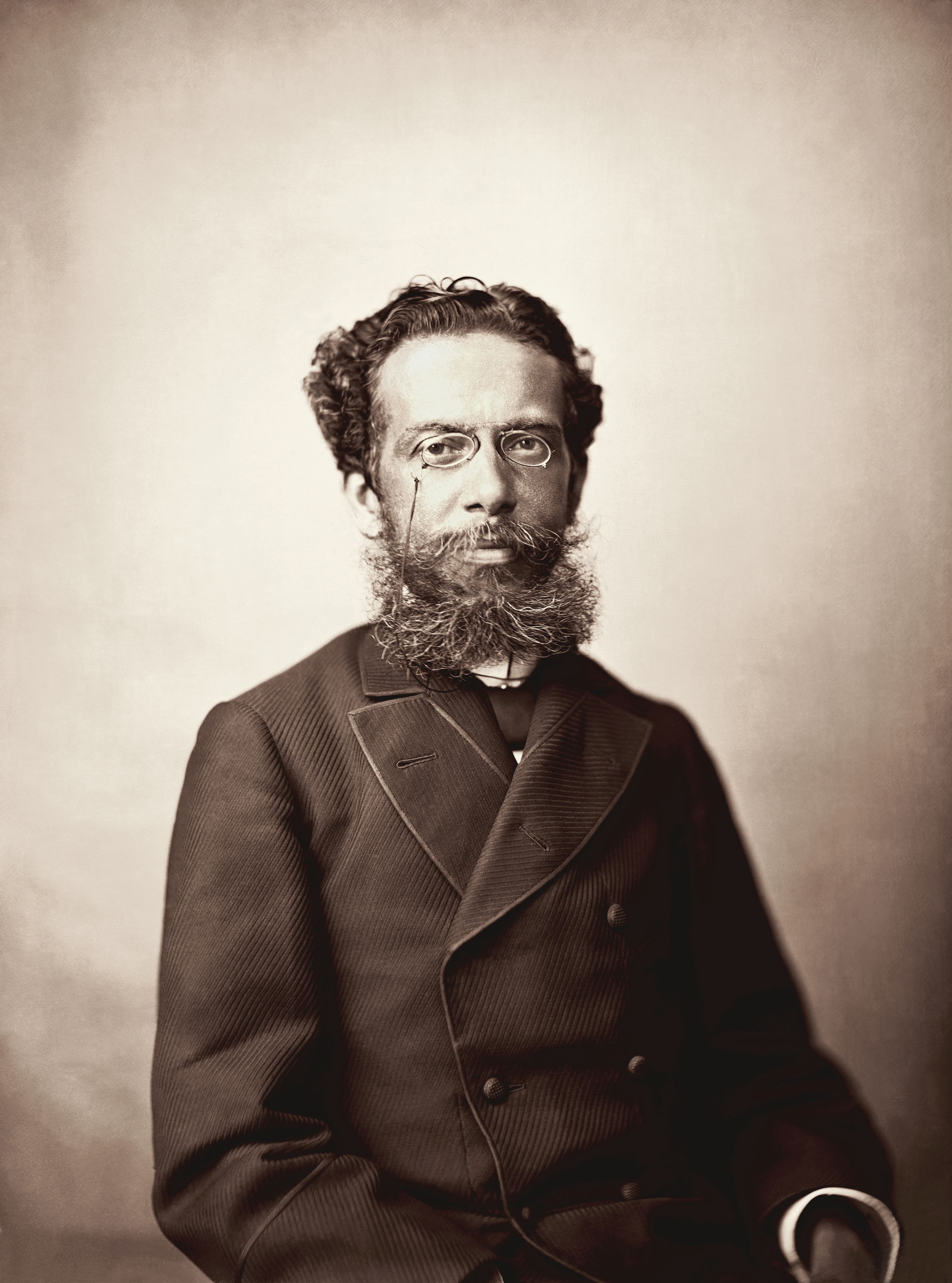
Joaquim Maria Machado de Assis
Joaquim Maria Machado de Assis, often known by his surnames as Machado de Assis, Machado, or Bruxo do Cosme Velho, was a pioneer Brazilian novelist, poet, playwright and short story writer, widely regarded as the greatest writer of Brazilian literature. Nevertheless, Assis did not achieve widespread popularity outside Brazil during his lifetime. In 1897, he founded and became the first President of the Brazilian Academy of Letters. He was multilingual, having taught himself French, English, German and Greek later in life.
Similar books
- A Confederacy of Dunces
John Kennedy Toole
3.9 (231k) average on GoodreadsLiterary FictionFeatures a disagreeable, self-important protagonist and sharp social satire with a unique, memorable voice.
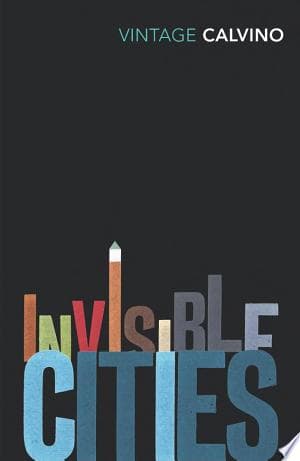
- Invisible Cities
Italo Calvino
4.1 (62k) average on GoodreadsFantasyExplores philosophical ideas through a fragmented, non-linear structure and imaginative prose.
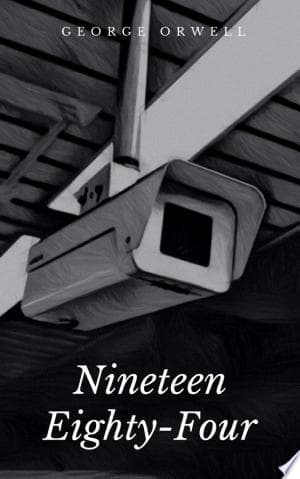
- Nineteen Eighty-Four
George Orwell
4.2 (5.5M) average on GoodreadsFictionWinston Smith dreams of truth and rebellion in a world where Big Brother watches all, but he confronts the terrifying power of a regime that controls not just actions, but thoughts.
- The Frozen River
Ariel Lawhon
4.4 (600k) average on GoodreadsFictionIn 1789 Maine, a heroic midwife's diary helps her expose a murder and get justice in a town that wants to silence her.
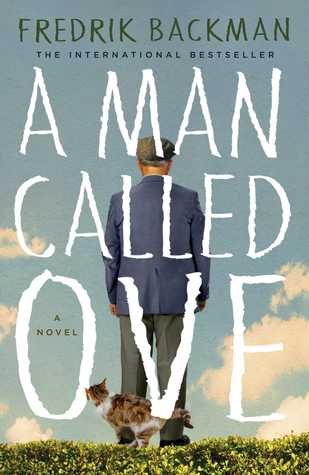
- A Man Called Ove
Fredrik Backman
4.4 (569k) average on GoodreadsFictionA stubborn widower, who lives by strict rules, finds his quiet world changed by a lively new family next door, making him face his past and find happiness in human connection.
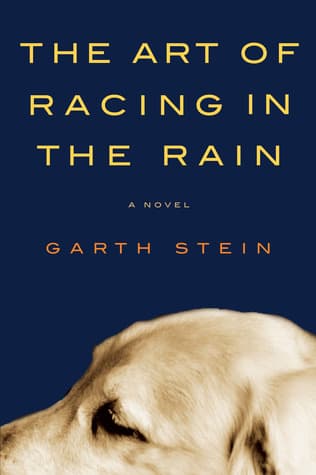
- The Art of Racing in the Rain
Garth Stein
4.2 (452k) average on GoodreadsFictionThrough the eyes of Enzo, a wise and observant dog, a race car driver's family navigates a journey of love, loss, and resilience, learning that life's most important lessons often come in the curves, not just on the straightaways.


Enjoyed the summary?
A summary gives you the shape of the book. The book itself has the detail, the examples and the voice.
Find The Posthumous Memoirs of Brás Cubas on AmazonAs an Amazon Associate, BookBrief earns from qualifying purchases. How we're funded