
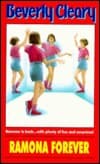
Synopsis
Covers the whole plot, including the ending.
- Difficulty
- Easy
- Pacing
- Moderate
- Mood
- Heartwarming, Humorous, Relatable, Reflective
- Read it if
- You enjoy heartwarming stories about childhood, family dynamics, and the often-humorous struggles of growing up.
- Skip it if
- You prefer high-fantasy adventures or complex adult narratives.
Ramona Forever Plot Summary
Covers the whole plot, including the ending.
A New Teacher and a New Baby
Ramona Quimby, now in second grade, has a new teacher, Mrs. Ramm, who is pregnant and often tired. Mrs. Ramm's fatigue makes her less patient than Ramona's previous teacher. She sometimes scolds Ramona for her imaginative quirks. At home, Ramona's mother is also pregnant. This causes a mix of excitement and worry for Ramona and her older sister, Beezus. Ramona worries about how a new baby will change their family and if she will still be loved as much. She watches her mother's belly grow and the preparations for the baby. She feels both curious and a little jealous of the attention the unborn sibling gets.
The World's Oldest Living Dinosaur
Mrs. Ramm asks the class to draw the 'World's Oldest Living Dinosaur.' Ramona draws a detailed, wrinkled dinosaur, taking the assignment literally. However, Mrs. Ramm expects a more artistic, fantastical drawing and criticizes Ramona's. She calls it 'pedestrian.' This misunderstanding deeply frustrates Ramona. She feels her literal drawing was correct and that her teacher is unfair. She struggles to explain her reasoning and feels a growing sense of injustice. This further strains her relationship with Mrs. Ramm and makes her feel misunderstood in class.
Staying Home Alone
With her mother's pregnancy advancing, Ramona's parents decide she is old enough to stay home alone for short times after school until Beezus arrives. Ramona first enjoys the independence. She likes the quiet house and the freedom to do as she pleases. However, the solitude soon turns to worry when she hears unfamiliar noises. Her imagination runs wild, making her feel uneasy and a little scared. She carefully follows her mother's instructions. But the experience shows her budding maturity mixed with lingering childhood fears. She realizes independence is not always as exciting as it seems.
The New Baby Arrives
The day Mrs. Quimby goes to the hospital arrives. Ramona and Beezus stay with a neighbor and wait anxiously for news. Finally, Mr. Quimby calls with the exciting news: they have a new baby sister, Roberta. Ramona is first overwhelmed by the tiny infant. She feels a mix of wonder and slight disappointment that the baby is not immediately interactive. She watches the changes in the house, with focus shifting to Roberta's needs and her parents' extra responsibilities. Ramona handles her new role as a middle sister, no longer the youngest, and the reality of sharing her parents' attention.
Sharing and Sibling Jealousy
Ramona struggles with baby Roberta's constant demands, especially how she takes up Mrs. Quimby's time and attention. Ramona often feels overlooked or shushed when Roberta cries or needs feeding. Ramona tries to get attention by being overly helpful or by making noise. This sometimes leads to her getting into trouble. She feels jealous at times, wishing she could be a baby again to get the same care. This time is a big adjustment for Ramona. It forces her to face sibling rivalry and find new ways to feel special and loved in her changing family.
A Visit from Aunt Bea and Uncle Hobart
Aunt Bea, Mrs. Quimby's sister, and her husband, Uncle Hobart, visit the Quimbys. Ramona enjoys their visit, especially Uncle Hobart, who is playful and understanding. During their visit, Aunt Bea and Uncle Hobart announce their engagement. This news brings excitement to the house, and Ramona is particularly happy about a wedding. The visit gives a temporary break from the baby and introduces a new, joyful event for the family to look forward to. Ramona finds comfort and entertainment in her aunt and uncle's presence, liking the break from the baby-focused routine.
The Wedding Plans
With Aunt Bea and Uncle Hobart's engagement, wedding plans begin. Ramona is very happy about the wedding. She imagines herself as a flower girl or playing an important role. She loves the idea of a celebration and the glamour of weddings. The family discusses the details, and Ramona eagerly joins in the conversations. She offers her opinions and gets caught up in the excitement. The wedding becomes a new focus for Ramona. It offers anticipation and a break from her daily worries about school and her new sister. She dreams of the beautiful dress she might wear and the festive atmosphere.
The Wedding Day
The wedding day arrives. Ramona, dressed in her best, is happy to be part of the celebration. She watches Aunt Bea and Uncle Hobart get married, feeling the magic and happiness of the occasion. Ramona enjoys the reception, the food, and the festive atmosphere. She especially loves seeing her family happy and celebrating together. The wedding is a joyful event that brings the family together. It provides a memorable experience for Ramona, strengthening the themes of family love and togetherness. It is a day of pure happiness and wonder for her, a sharp contrast to some of her recent struggles.
A Family Portrait
After the wedding, the Quimby family decides to take a family portrait, now including baby Roberta. This is hard because Roberta is uncooperative. Ramona and Beezus struggle to keep smiling and composed. The attempt at a perfect family photo becomes a funny and slightly frustrating experience. It reflects the real chaos and imperfections of a growing family. Despite the difficulties, trying to capture their family as a whole shows their love and commitment to each other, even with the added stresses and changes from the new baby.
Growing Up and Forever
As the story ends, Ramona starts to understand that 'forever' does not mean things never change. Instead, it means some things, like family love, last despite changes. She has adjusted to having Roberta. She has found new ways to connect with her parents and learned to value her role as a middle sister. Ramona realizes that growing up involves both challenges and new joys. She accepts that her family is changing, but the core bonds remain strong. The book ends with Ramona looking ahead, understanding that while life is full of adjustments, her family's love will last forever.
Principal Figures
Ramona Quimby
Protagonist
An imaginative and spirited second-grader navigating family changes.
Ramona is a highly imaginative and energetic second-grader who often finds herself in amusing and sometimes challenging situations due to her unique perspective on the world. She is fiercely independent but also deeply sensitive, craving attention and understanding from her family and teachers. Her vivid imagination sometimes clashes with the expectations of adults, leading to misunderstandings. Ramona is an active participant in her own life, always questioning and trying to make sense of the world around her, even when it leads to mischief or misinterpretations.
Relationships: Beezus Quimby (Older sister, often exasperated but ultimately supportive); Mrs. Quimby (Mother, loving but sometimes overwhelmed); Mr. Quimby (Father, understanding and encouraging); Roberta Quimby (Baby sister, source of both affection and jealousy); Mrs. Ramm (Second-grade teacher, often misunderstands Ramona's literal interpretations)
Beezus Quimby
Supporting
Ramona's sensible and often exasperated older sister.
Beezus is Ramona's older sister, more conventional and responsible. She often finds Ramona's antics frustrating and embarrassing but also displays underlying affection and protectiveness. Beezus is a calming influence in the family, though she too grapples with the changes brought by the new baby and her own growing-up challenges. She provides a contrast to Ramona's wild imagination, often acting as a voice of reason or a mediator in family situations, even if she sometimes wishes her younger sister were a bit more 'normal'.
Relationships: Ramona Quimby (Younger sister, often exasperates her but deeply cared for); Mrs. Quimby (Mother, seeks approval and guidance from); Mr. Quimby (Father, respects and relies on)
Mrs. Quimby
Supporting
Ramona's loving mother, navigating pregnancy and a growing family.
Mrs. Quimby is Ramona and Beezus's mother, a loving and patient figure who is pregnant for much of the story. She experiences the joys and fatigue of pregnancy, and later, the demands of a newborn. She tries her best to balance the needs of her three children and manage the household, sometimes feeling overwhelmed but always striving to be fair and understanding. Her love for her children is evident, even when she's tired or frustrated by Ramona's antics, and she works hard to ensure her daughters feel loved and secure.
Relationships: Ramona Quimby (Daughter, loves deeply but sometimes struggles to understand); Beezus Quimby (Daughter, relies on for help and support); Mr. Quimby (Husband, partner in parenting and life); Aunt Bea (Sister)
Mr. Quimby
Supporting
Ramona's supportive and understanding father.
Mr. Quimby is Ramona and Beezus's father, a kind and understanding presence in the family. He is often the one to offer a different perspective or a moment of levity during stressful times. He works hard to provide for his family and is a loving husband and father, always ready to comfort his daughters or share a joke. He supports his wife through her pregnancy and the challenges of a new baby, and he values family togetherness, finding joy in simple moments.
Relationships: Ramona Quimby (Daughter, often shares a special understanding with); Beezus Quimby (Daughter, provides guidance and support to); Mrs. Quimby (Wife, partner in parenting and life)
Roberta Quimby
Supporting
The new baby sister, whose arrival changes family dynamics.
Roberta is the new baby sister of Ramona and Beezus. Though she is an infant, her arrival is a central catalyst for many of the changes and adjustments within the Quimby family. She is initially perceived by Ramona as a demanding, non-interactive presence, but gradually becomes a beloved, if sometimes challenging, member of the family. Roberta represents the natural progression of life and the expansion of the family unit, forcing the older sisters to adapt and grow.
Relationships: Ramona Quimby (Older sister, initially source of jealousy, later affection); Beezus Quimby (Older sister, also adjusts to her presence); Mrs. Quimby (Mother); Mr. Quimby (Father)
Mrs. Ramm
Supporting
Ramona's pregnant second-grade teacher.
Mrs. Ramm is Ramona's new second-grade teacher. Being pregnant, she is often tired and less patient than Ramona's previous teacher. She struggles to understand Ramona's literal interpretations and imaginative tendencies, often leading to misunderstandings and scolding. While not intentionally unkind, her fatigue and different teaching style create friction for Ramona, making school a more challenging environment than before. She represents the external world's occasional inability to fully grasp Ramona's unique way of thinking.
Relationships: Ramona Quimby (Student, often misunderstands and scolds)
Aunt Bea
Supporting
Mrs. Quimby's sister, who gets engaged.
Aunt Bea is Mrs. Quimby's sister and a beloved aunt to Ramona and Beezus. Her visit brings excitement and the news of her engagement to Uncle Hobart, leading to a family wedding. She is a warm and supportive presence, offering a break from the everyday family dynamics and adding a joyful event to the Quimby's lives. Aunt Bea represents the broader family network and the celebrations that bring everyone together.
Relationships: Mrs. Quimby (Sister); Uncle Hobart (Fiancé/Husband); Ramona Quimby (Niece); Beezus Quimby (Niece)
Uncle Hobart
Supporting
Aunt Bea's kind and playful fiancé.
Uncle Hobart is Aunt Bea's fiancé and later husband. He is a kind, understanding, and playful man who quickly endears himself to Ramona and Beezus. His presence brings a lighthearted energy to the Quimby household, and he is particularly good at connecting with Ramona. He represents a positive male role model outside of Mr. Quimby and contributes to the joyful atmosphere surrounding the wedding.
Relationships: Aunt Bea (Fiancé/Husband); Ramona Quimby (Niece-in-law, shares a playful bond with); Beezus Quimby (Niece-in-law)
Themes & Insights
Family Changes and Adaptation
The main theme is how the Quimby family, especially Ramona, adjusts to big changes. Baby Roberta's arrival forces Ramona to face her jealousy and the shifting attention from her parents. She learns that while change can be hard, it also brings new kinds of love and responsibility. This theme shows in Ramona's struggle with Roberta's constant needs, her adjustment to being a middle child, and the family's efforts to include a new member, as seen in the chaotic but loving attempt at a family portrait.
“Ramona knew that families grew and changed, but she had always thought of change as something that happened to other people, not to her own family.”
Growth and Maturity
Ramona's journey throughout the book is one of significant personal growth. She moves from a self-centered view, where she struggles to share attention, to a more understanding and empathetic view of her family. Her experience staying home alone is a step towards independence. Her acceptance of Roberta shows emotional maturity. She learns that growing up means facing new challenges and responsibilities, but also gaining new insights and a deeper appreciation for her family. Her changing understanding of 'forever' sums up this growth.
“And Ramona knew, for the first time in her life, what 'forever' really meant. It meant that some things never changed, even when other things did.”
The Power of Imagination and Misunderstanding
Ramona's vivid imagination causes both joy and frustration. While it lets her see the world in unique ways, it often leads to misunderstandings with adults, especially her teacher, Mrs. Ramm. Her literal drawing for the 'World's Oldest Living Dinosaur' assignment shows this clash between her imaginative world and others' literal expectations. This theme explores how Ramona handles a world that does not always appreciate her unique perspective. It also shows how she learns to balance her inner world with outside realities.
“Why did grown-ups always have to make things so complicated?”
Sibling Relationships
The complex and changing relationships between Ramona, Beezus, and baby Roberta are central to the story. Ramona's initial jealousy and later acceptance of Roberta, as well as her ongoing dynamic with Beezus, show the realities of sibling bonds. These relationships have a mix of affection, rivalry, and support. The book realistically portrays the challenges of sharing parents' attention and the gradual formation of new family roles. It emphasizes that despite squabbles, a deep love connects the sisters.
“Sometimes she wished she was an only child, but then she thought of all the fun she had with Beezus, and she changed her mind.”
Plot Devices & Literary Techniques
Foreshadowing
Hints at future events, particularly the baby's arrival.
Foreshadowing is used primarily to build anticipation for the new baby. Mrs. Ramm's pregnancy mirrors Mrs. Quimby's, creating a consistent theme of impending change. Early mentions of Mrs. Quimby's fatigue, her growing belly, and the preparations for a nursery all subtly hint at Roberta's arrival, allowing Ramona (and the reader) to prepare for the significant shift in family dynamics. This device helps manage the reader's expectations and makes the eventual arrival feel like a natural, if impactful, progression.
Symbolism
Objects or events representing deeper meanings.
The 'World's Oldest Living Dinosaur' drawing symbolizes Ramona's unique literal interpretation of the world and the frequent misunderstandings she faces with adults. It represents her struggle to conform to expectations that don't align with her imaginative and direct way of thinking. The family portrait at the end, despite its chaos, symbolizes the enduring love and unity of the Quimby family, even as it expands and changes, capturing a moment of their 'forever' love and growth.
Internal Monologue
Reveals Ramona's thoughts and feelings directly to the reader.
The narrative frequently delves into Ramona's internal thoughts and feelings, allowing readers direct access to her fears, joys, frustrations, and imaginative interpretations. This device is crucial for understanding Ramona's character, as her inner world is often richer and more complex than her outward actions suggest. For example, her anxieties about the new baby and her literal interpretation of school assignments are best understood through her internal monologue, fostering empathy and connection with her perspective.
Situational Irony
A contrast between expectation and reality, often for humorous effect.
Situational irony occurs when Ramona's earnest efforts or literal interpretations lead to unexpected or humorous outcomes, often in conflict with adult expectations. Her drawing of the 'World's Oldest Living Dinosaur' is a prime example; she expects praise for her accurate, detailed depiction, but instead receives criticism for not being 'creative' enough. This irony highlights the disconnect between Ramona's child-logic and the often arbitrary rules of the adult world, creating moments of both humor and poignant misunderstanding.
Ramona Forever Quotes
“Ramona felt a tear trickle down her nose, a tear that tasted salty and real. She was going to have a baby sister or brother. A little human being that belonged to her. It was a wonderful thought.”
“No matter how much she wanted to be grown up, there was always a part of Ramona that still wanted to be little.”
“She was a big sister now, a really truly big sister, and she had to be responsible.”
“Being a big sister was a lot more complicated than she had expected.”
“Ramona knew that families grew and changed, but she had not realized how much that change could affect her.”
“It was not easy being a middle child, especially when the youngest was so cute and the oldest was so perfect.”
“She had to learn to share, not just her toys, but her parents' time and attention.”
“A baby was a lot of work, but a baby was also a lot of love.”
“Sometimes she wanted to shout, 'Look at me!' But she knew that would not help.”
“It was hard to be a good example when you felt like being a bad one.”
“She was Ramona Quimby, and she was not going to be ignored forever.”
“Even though things were different, some things would always stay the same. Like her family loving her.”
“Growing up meant learning to accept things, even the things you didn't particularly like.”
“She hugged her mother, a grown-up hug that meant, 'I understand.'”
Quiz
10 questions on the plot and the characters. Each answer comes with a short explanation.
Question 1
What significant event happens early in the book that changes the Quimby family's living situation?
- Mr. Quimby gets a new, higher-paying job.
- Ramona's Aunt Bea moves in with them.
- The Quimbys decide to sell their house.
- Beezus gets accepted into a boarding school.
Show answer
C. The Quimbys decide to sell their house. The Quimbys decide to sell their house due to financial reasons, which is a major plot point early in the story.
Question 2
What animal does Ramona try to 'adopt' that belongs to a neighbor?
- A lost dog
- A stray cat
- A pigeon
- A hamster
Show answer
C. A pigeon Ramona tries to befriend and 'adopt' a pigeon that she sees frequently, even giving it a name, before realizing it belongs to a neighbor.
Question 3
Who is the 'Dawn Patrol' that Ramona refers to?
- The early morning school bus drivers.
- The neighborhood children who wake up early to play.
- The family of cats that roam the neighborhood at dawn.
- The garbage collectors.
Show answer
D. The garbage collectors. Ramona calls the garbage collectors the 'Dawn Patrol' because they come by early in the morning, making noise and waking her up.
Question 4
What is the primary reason the Quimby family considers moving to a different house?
- They want a bigger yard for Ramona and Beezus.
- Their current house needs too many expensive repairs.
- They need to save money on housing costs.
- Mr. Quimby's new job requires them to relocate.
Show answer
C. They need to save money on housing costs. The Quimby family is struggling financially, and selling their house for a smaller, less expensive one is a way for them to save money.
Question 5
What new family member is introduced at the end of the book?
- A new pet kitten.
- A baby sister.
- A cousin from out of town.
- A new neighbor child Ramona befriends.
Show answer
B. A baby sister. The book concludes with Mrs. Quimby giving birth to a new baby sister, Roberta, which is a significant and joyful event for the family.
Question 6
How does Ramona react to the news that her mother is going to have a baby?
- She is immediately excited and starts planning for the baby.
- She is worried about being replaced and ignored.
- She is indifferent, not understanding the implications.
- She is angry, believing it will only add to the family's problems.
Show answer
B. She is worried about being replaced and ignored. Ramona feels a mixture of curiosity and anxiety, primarily worried that a new baby will take away attention from her and make her less important.
Question 7
What is the significance of the 'Klickitat Street' setting in the book?
- It's where Ramona's school is located.
- It's a made-up street name that represents childhood.
- It's the familiar neighborhood that the Quimby family considers leaving.
- It's the name of the new street they eventually move to.
Show answer
C. It's the familiar neighborhood that the Quimby family considers leaving. Klickitat Street is their home, their familiar world. The possibility of leaving it due to financial struggles is a central theme, representing the challenges of growing up and facing change.
Question 8
How does Ramona attempt to help her family with their financial struggles?
- She tries to sell lemonade to neighbors.
- She attempts to collect discarded cans for recycling money.
- She offers to do chores for her neighbors for payment.
- She suggests they grow their own vegetables to save on groceries.
Show answer
B. She attempts to collect discarded cans for recycling money. Ramona, in her earnest but sometimes misguided way, tries to help by collecting cans she thinks are worth money, demonstrating her concern for her family's financial situation.
Question 9
What is the primary theme explored through Ramona's experiences with her family's financial difficulties and the arrival of a new sibling?
- The importance of academic achievement.
- The challenges and adjustments of growing up and family change.
- The joy of making new friends.
- The excitement of discovering new hobbies.
Show answer
B. The challenges and adjustments of growing up and family change. Ramona's story in this book is largely about adapting to significant family changes, including financial stress and the arrival of a new baby, which are common aspects of growing up.
Question 10
What specific 'Ramona' moment occurs when she tries to be like a grown-up and prepare a meal for her family?
- She accidentally burns the toast while making breakfast.
- She attempts to cook a complicated recipe, making a huge mess.
- She tries to make supper using only canned food, resulting in an unappetizing meal.
- She bakes cookies without permission, using too much sugar.
Show answer
C. She tries to make supper using only canned food, resulting in an unappetizing meal. Ramona, wanting to be helpful and grown-up, attempts to make supper on her own, using various canned goods, which turns out to be a rather unappealing concoction.
Ramona Forever FAQ
What is the primary conflict Ramona faces at the beginning of 'Ramona Forever'?
Ramona's primary conflict is her deep unhappiness about her mother returning to work full-time as a bookkeeper. This change means less time with her mother and an increased sense of responsibility and independence thrust upon Ramona, contributing to her feelings of neglect and frustration.
How does the arrival of Aunt Beatrice and Uncle Hobart impact the Quimby family dynamics?
The arrival of Aunt Beatrice and Uncle Hobart, along with their baby, creates significant upheaval in the Quimby household. Their extended stay in the Quimby's already small house leads to cramped living conditions, increased noise, and a strain on resources, exacerbating Ramona's feelings of being overlooked and disrupting the family's routine.
What significant event occurs with Mrs. Quimby that causes a major shift in the family's life?
Mrs. Quimby discovers she is pregnant, a revelation that initially shocks and worries the family, especially Ramona. This unexpected news prompts discussions about financial strain, the need for a larger house, and the impending changes to their family structure, causing both excitement and apprehension.
How does Ramona's relationship with Beezus evolve throughout the book?
Ramona's relationship with Beezus continues its typical pattern of sibling rivalry mixed with underlying affection, but it also matures. While they still bicker, there are moments of mutual understanding and support, especially as they both grapple with the changes in their family and the stress of their parents' situation.
What is the resolution regarding the Quimby family's housing situation?
The Quimby family ultimately decides not to move into a larger house, despite the initial discussions and house hunting. Instead, they choose to make do with their current home, emphasizing that their love and togetherness are more important than a bigger space, especially with the impending arrival of the new baby.
What is the significance of the 'dawnzer' song Ramona sings?
The 'dawnzer' song, a mishearing of 'Don't you ever,' represents Ramona's innocent yet persistent attempts to grasp adult language and concepts. It highlights her childlike perspective and her tendency to interpret the world through her own unique lens, often leading to humorous misunderstandings that reveal her inner thoughts.
How does the character of Picky-Picky, the cat, serve as a subtle metaphor?
Picky-Picky, the Quimby family cat, often reflects the family's internal state and Ramona's anxieties. His finicky eating habits and occasional disappearances mirror the family's financial struggles and the periods of emotional distance or uncertainty experienced by Ramona, making him a subtle barometer of the household's well-being.
What is the underlying reason for Mr. Quimby's occasional grumpiness or quietness?
Mr. Quimby's moods are often a subtle reflection of the financial and professional pressures he faces as he tries to support his family. His art career is not always stable, and the added expenses of a growing family, especially with Mrs. Quimby returning to work, weigh heavily on him, contributing to his stress and quiet demeanor.
What does Ramona's 'Grow-Up Chart' reveal about her internal struggles?
Ramona's 'Grow-Up Chart' is a poignant manifestation of her desire to be perceived as mature and responsible, while simultaneously struggling with the emotional demands of growing up. It shows her longing for independence and adult privileges, but also her frustration with the unfairness and challenges that accompany these expectations.
How does Ramona's jealousy of the new baby manifest psychologically?
Ramona's jealousy of the impending baby stems from a deep-seated fear of being replaced and losing her parents' attention and affection. Psychologically, she perceives the baby as a rival for resources and love, leading to moments of acting out, seeking attention, and expressing her anxieties about her changing role in the family.
Analyze the psychological impact of Mrs. Quimby returning to work on Ramona.
Mrs. Quimby returning to work has a significant psychological impact on Ramona, leading to feelings of abandonment, loneliness, and a perceived loss of security. Ramona struggles with the shift in her mother's availability, interpreting it as a personal slight rather than a financial necessity, which fuels her acting out and attention-seeking behaviors.
What psychological coping mechanisms does Ramona employ when feeling overwhelmed?
When overwhelmed, Ramona often employs imaginative play, humor, and sometimes defiance as coping mechanisms. She retreats into her own world of make-believe, uses silly songs or actions to lighten tension, or acts out in frustration to express emotions she cannot articulate, all serving to manage her intense feelings.
Is 'Ramona Forever' primarily about the joys of family, or the challenges of growing up?
'Ramona Forever' is arguably more about the challenges of growing up within a family context, seen through Ramona's perspective. While there are moments of familial joy, the narrative largely focuses on the struggles with change, financial strain, sibling rivalry, and Ramona's personal battles to understand and adapt to her evolving world.
Does the book suggest that children should always be perfectly understanding of adult problems?
No, the book subtly argues against the idea that children should always be perfectly understanding of adult problems. Ramona's reactions, often self-centered and emotional, highlight that children process events differently. It shows that while adults explain things, a child's emotional world often overrides logical comprehension, emphasizing the need for patience and empathy.
What is the deeper meaning behind Ramona's desire for a 'real' grown-up name instead of 'Ramona'?
Ramona's desire for a 'real' grown-up name reflects her yearning for respect, agency, and a more defined identity separate from her childlike self. It symbolizes her struggle to transition from being a 'little kid' to someone with more maturity and control, hoping that a different name might magically confer these desired qualities upon her.
How does the ending of the book, with the arrival of the new baby, reflect a broader theme?
The ending, with the arrival of Roberta and the family's decision to stay in their beloved home, reflects a broader theme of finding contentment and strength within existing circumstances rather than constantly seeking external solutions. It emphasizes that love, adaptability, and the warmth of family bonds are more valuable than material possessions or a 'perfect' situation.
Does the book present a realistic portrayal of a middle-class family's financial struggles?
Yes, 'Ramona Forever' offers a remarkably realistic portrayal of a middle-class family's financial struggles, especially for its time. It doesn't shy away from showing the parents' worries, the need for Mrs. Quimby to work, discussions about budgeting, and the difficult choices families face when unexpected expenses or additions, like a new baby, arise.
About the author
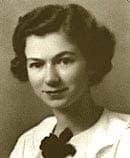
Beverly Cleary was a beloved American children's author, celebrated for her realistic and humorous portrayal of childhood. Her iconic characters, including Ramona Quimby and Henry Huggins, resonated with generations of readers. Cleary's extensive body of work, featuring titles like 'The Mouse and the Motorcycle' and 'Ramona the Brave,' earned her numerous accolades, including the Newbery Medal and the National Medal of Arts.
Similar books
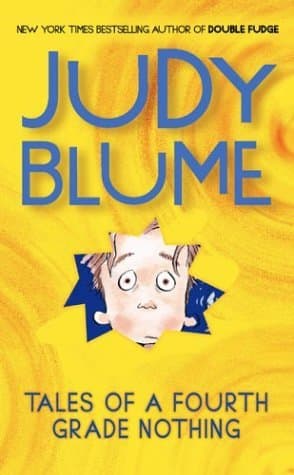
- Tales of a Fourth Grade Nothing
Judy Blume
4.1 (132k) average on GoodreadsChildren'sFeatures a relatable child protagonist dealing with sibling rivalry and family changes.
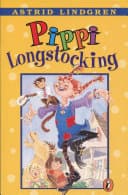
- Pippi Longstocking
Astrid Lindgren
4.1 (168k) average on GoodreadsFantasyWhile both Pippi Longstocking and Ramona Quimby are strong, unconventional female protagonists who challenge norms, their narratives diverge significantly. Pippi represents pure, unbridled fantasy and freedom, living without adult supervision and defying all rules with her superhuman strength and whimsical adventures. Ramona, in contrast, is firmly grounded in reality, navigating the everyday challenges of family life, school, and growing up. Cleary's strength lies in making the ordinary extraordinary through Ramona's perspective, whereas Lindgren thrives on the utterly extraordinary. Ramona Forever offers a world young readers can recognize and relate to, while Pippi Longstocking provides an escape into imaginative wish fulfillment.
- Harry Potter and the Sorcerer's Stone
J.K. Rowling
4.5 (7M) average on GoodreadsFantasyRescued from a miserable life under the stairs, an orphaned boy discovers he's a wizard destined for a magical school, where he uncovers a dangerous secret tied to the dark wizard who murdered his parents.
- The Hobbit, or There and Back Again
J.R.R. Tolkien
4.3 (2.9M) average on GoodreadsFantasyA comfort-loving hobbit named Bilbo Baggins is whisked away by a mischievous wizard and a band of dwarves on an unexpected journey to reclaim stolen treasure from a fearsome dragon, discovering courage and a magical ring along the way.
- Harry Potter and the Goblet of Fire
J.K. Rowling
4.6 (2.6M) average on GoodreadsFantasyA bewildered Harry Potter, underage and thrust into a deadly Triwizard Tournament, must brave dragons, mermaids, and a resurgent dark magic to survive a year that will forever alter the wizarding world.
- Harry Potter and the Order of the Phoenix
J.K. Rowling
4.5 (2.5M) average on GoodreadsFantasyIn a year of oppressive secrets and the threat of Voldemort, Harry Potter and Dumbledore's Army secretly train for war, shown through Jim Kay and Neil Packer's dark illustrations.




Enjoyed the summary?
A summary gives you the shape of the book. The book itself has the detail, the examples and the voice.
Find Ramona Forever on AmazonAs an Amazon Associate, BookBrief earns from qualifying purchases. How we're funded