
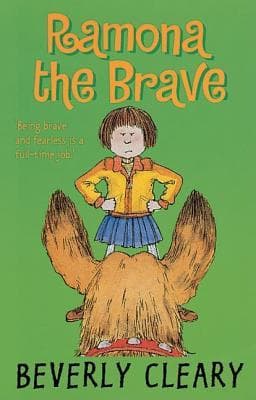
Synopsis
Covers the whole plot, including the ending.
- Difficulty
- Easy
- Pacing
- Moderate
- Mood
- Heartwarming, Relatable, Humorous, Slightly Anxious
- Read it if
- You enjoy stories about spirited children navigating everyday challenges and learning to be themselves.
- Skip it if
- You prefer complex plots or adult themes; this is a straightforward children's narrative.
Ramona the Brave Plot Summary
Covers the whole plot, including the ending.
The New Bedroom
Ramona Quimby, now five and about to start kindergarten, is happy when her parents add onto their house, giving her a room all to herself. She used to share a room with her older sister, Beezus. While excited about privacy and decorating her own space, Ramona also feels lonely and scared in her new, unfamiliar room, especially at night. The empty space under her bed causes anxiety, and the sounds of the old house seem louder. Her initial joy is mixed with a growing worry about being alone in the dark.
Starting Kindergarten
Ramona starts kindergarten at Cedarhurst School, full of excitement. She wants to learn and make friends. However, her first day is not what she expected. Her teacher, Miss Binney, seems kind, but the class is noisy. Ramona struggles to 'sit quietly' and often gets into minor trouble for her energy and creative interpretations of rules. A boy named Danny bothers her by making fun of her blue elephant drawing. Ramona's independent spirit clashes with the structured environment of kindergarten.
The Elephant Incident
During an art class, when told to draw, Ramona draws a blue elephant. When Miss Binney asks about the color, Ramona explains it's a 'fierce blue elephant' and defends her artistic choice. However, her classmates, especially Danny, mock her. Feeling misunderstood, Ramona continues to show her individuality, which leads to a small disagreement with Miss Binney, who tries to encourage more traditional drawing. This event shows Ramona's struggle to fit in and her wish for self-expression, even if it makes her different from others.
The Dawn Scare
One morning, still dark before dawn, Ramona wakes to a strange noise. Looking out her window, she sees a man in a ski mask trying to break into her house. Terrified, she screams, alerting her parents, who call the police. The man runs away before the police arrive. This scary experience leaves Ramona shaken and strengthens her fears about being alone in her room at night. She struggles to process the event, feeling both brave for screaming and vulnerable for seeing such a disturbing act so close to her.
Fear of the Dark
After the attempted break-in, Ramona's fear of the dark and the imagined monsters under her bed grows stronger. She invents detailed ways to deal with her fear, such as keeping her eyes closed until she's under the covers, or imagining a protective 'force field' around her bed. Her parents try to comfort her, but they do not fully understand her deep terror. Ramona feels alone in her fear, unable to explain the specific worries that trouble her when the lights go out.
The Mean Dog
On her walk to school, Ramona sees a large, growling dog that scares her. Instead of running, she stands still, staring the dog down until it eventually backs away. This experience makes Ramona feel brave and strong, boosting her confidence for a moment. She tells her family the story, proud of her ability to face a real threat. This event contrasts sharply with her internal fears about the dark, showing her capacity for courage in outside situations.
The Classroom Cat
One day, Ramona finds a stray cat and, feeling sorry for it, decides to bring it to school for 'show and tell.' The cat, however, escapes from its box during class, causing chaos as it runs around the classroom. Miss Binney is annoyed, and Ramona is embarrassed and sent to the principal's office. While the principal understands, Ramona feels misunderstood and that her good intentions often lead to trouble. This event further shows Ramona's impulsive nature and her struggle with school rules.
The Big 'R'
Ramona's continuous struggle to fit in during kindergarten reaches a breaking point. During a drawing activity, she is frustrated by the expectation to draw something 'nice' and feels her creativity is stopped. She becomes more annoyed by Danny, who is still teasing her. Unable to control her emotions, Ramona grabs a large 'R' from the alphabet cards and, feeling overwhelmed, uses it to hit Danny on the head, shouting 'R is for Ramona!' This dramatic outburst leads to her being sent home from school.
Sent Home
After hitting Danny with the 'R', Ramona is sent home from school. She feels deep shame and failure, believing she is a 'nuisance' and not brave at all. Her mother understands but is firm, explaining the importance of controlling one's temper. Ramona spends the afternoon feeling very unhappy, convinced she is the worst child in the world. This experience forces her to face the results of her actions and the inner conflict between her desire for self-expression and the need to follow rules.
The Night Light
Seeing how much Ramona is affected by her fear of the dark, her mother suggests getting a night light. Ramona first resists, feeling it is a childish solution. However, when the night light is plugged in, the soft glow changes her room, making the shadows less scary and the space feel safer. The simple presence of light lessens much of her anxiety. This small act of understanding and practical help from her parents makes a big difference in Ramona's ability to cope with her fears.
Finding Her Bravery
With the night light in place, Ramona starts to feel safer in her own room. She realizes that bravery is not just about facing big, outside threats like a mean dog or a burglar, but also about facing her internal fears, like the monsters under her bed. She begins to understand that it is okay to be scared sometimes, and that asking for help or finding simple solutions can be a form of bravery. She learns that true bravery means recognizing fear and finding ways to live with it, rather than pretending it does not exist.
A Brave New Day
Ramona returns to school, still her lively self, but with a new understanding of herself and her place in the world. She remains imaginative and energetic, but she also learns to handle the challenges of kindergarten with more self-control. She accepts that she is unique and that being herself is most important. The book ends with Ramona feeling more at ease in her own room and with herself, ready to face the world with her unique courage, knowing that being brave does not mean never being afraid.
Ramona the Brave Characters
Ramona Quimby
Protagonist
A spirited and imaginative kindergartner striving for independence and bravery.
Ramona is a five-year-old girl with an active imagination and an irrepressible spirit. She is highly sensitive, easily frustrated by rules and expectations that stifle her creativity, and deeply desires to be brave. She struggles with the transition to kindergarten and the challenges of having her own room, which brings both excitement and new fears. Ramona is often impulsive, leading to comical and sometimes troublesome situations, but her intentions are usually good. She wants to be understood and respected for who she is, even if it means being different.
Relationships: Beezus Quimby (Older sister, often exasperated by Ramona but also protective.); Mrs. Quimby (Dorothy) (Mother, patient and understanding, but firm when needed.); Mr. Quimby (Robert) (Father, supportive and tries to understand Ramona's unique perspective.); Miss Binney (Kindergarten teacher, initially seen as strict but ultimately caring and tries to guide Ramona.); Danny (Classmate who often teases Ramona, a source of her frustration.)
Beezus Quimby
Supporting
Ramona's older sister, often the voice of reason and sometimes exasperation.
Beezus is Ramona's older sister, already in elementary school. She is generally more composed and rule-abiding than Ramona, often finding her younger sister's antics embarrassing or annoying. Despite their sibling squabbles, Beezus cares for Ramona and sometimes offers her a sense of security, particularly when Ramona is scared. She represents a more conventional path of childhood, contrasting with Ramona's more rebellious nature. She is a reliable presence in Ramona's life, even if she doesn't always understand her.
Relationships: Ramona Quimby (Younger sister, a source of both love and frustration.); Mrs. Quimby (Daughter, generally well-behaved and responsible.); Mr. Quimby (Daughter, shares a typical father-daughter relationship.)
Mrs. Quimby (Dorothy)
Supporting
Ramona's mother, a patient and understanding figure who provides guidance and comfort.
Mrs. Quimby is a loving and supportive mother who tries her best to understand Ramona's unique personality and challenges. She is patient but also firm when necessary, setting boundaries and teaching Ramona about responsibility and appropriate behavior. She is the primary comforter for Ramona's fears and anxieties, eventually finding a practical solution to her fear of the dark. She represents the nurturing and guiding force in Ramona's life, always striving to help her daughters grow into well-adjusted individuals.
Relationships: Ramona Quimby (Mother, provides comfort, discipline, and understanding.); Beezus Quimby (Mother, has a more straightforward relationship with her.); Mr. Quimby (Wife, shares parenting responsibilities and mutual support.)
Mr. Quimby (Robert)
Supporting
Ramona's father, who offers a more relaxed and often humorous perspective.
Mr. Quimby is Ramona's father, who is generally more laid-back than Mrs. Quimby. He is supportive of his daughters and often uses humor to defuse tense situations. He is the one who builds Ramona's new room, signifying his desire to provide for his family. While he may not always grasp the depth of Ramona's emotional struggles as immediately as her mother, he is always there to offer comfort and reassurance. He represents a stable and loving paternal presence in Ramona's life.
Relationships: Ramona Quimby (Father, offers comfort and a sense of security.); Beezus Quimby (Father, shares a loving relationship.); Mrs. Quimby (Husband, a partner in parenting and life.)
Miss Binney
Supporting
Ramona's kindergarten teacher, who tries to guide her through the school environment.
Miss Binney is Ramona's kindergarten teacher. She is a kind but firm educator who tries to maintain order in her classroom and teach her young students. She is often challenged by Ramona's energetic and unconventional behavior, but she genuinely cares for her students. While sometimes exasperated by Ramona's antics, she also recognizes Ramona's unique spirit and tries to guide her towards more acceptable behavior within the school setting. She represents the first formal authority figure Ramona encounters outside her family.
Relationships: Ramona Quimby (Teacher, attempts to educate and discipline her.)
Danny
Supporting
A classmate who often teases Ramona, serving as a source of conflict.
Danny is a boy in Ramona's kindergarten class who frequently teases her, particularly about her drawings and unique ideas. He acts as a foil to Ramona, representing the conventional and sometimes cruel aspects of childhood peer interactions. His taunts often push Ramona to her breaking point, leading to her outbursts. While not malicious in a deep sense, his behavior significantly contributes to Ramona's frustration and feelings of being misunderstood at school.
Relationships: Ramona Quimby (Classmate and antagonist, often teases her.)
Ramona the Brave Themes
The Nature of Bravery
The book explores what bravery truly means. Ramona first thinks bravery involves facing outside threats like a mean dog or a burglar, and never being afraid. However, her journey shows that true bravery also means facing internal fears, like the monsters under her bed, and admitting when one needs help. Her scream during the attempted break-in, her stand against the dog, and her eventual acceptance of a night light all help her understand that bravery is not the lack of fear, but the ability to act despite it, or to find ways to manage it. This theme is central to Ramona's personal growth.
“Ramona wasn't sure what bravery was, but she was sure she wanted to be brave.”
Individuality vs. Conformity
Ramona's lively nature often conflicts with expectations to conform, especially in kindergarten. Her blue elephant, her cat in the classroom, and her 'R is for Ramona!' outburst all show her struggle to express her unique self in an environment that often demands sameness. She resists being 'ordinary' and wants her ideas and creativity to be valued. The book suggests that while some conformity is needed for social harmony, keeping one's individuality is important for personal happiness. Ramona's journey is about finding a balance between these two forces.
“Why couldn't an elephant be blue? Why did everything have to be the same?”
Coping with Fear and Anxiety
A big part of Ramona's story is her strong fear of the dark and the unknown in her new bedroom. This fear is made worse by the real trauma of the attempted break-in. The book realistically shows childhood anxieties, from imaginary monsters to real threats. Ramona's attempts to cope, from closing her eyes tightly to creating a 'force field,' show the inventive ways children try to handle their fears. The solution of a simple night light, given by her understanding parents, emphasizes that sometimes, practical support and acknowledging fear are the best ways to overcome it.
“The dark was not just dark; it was full of possibilities, all of them bad.”
The Challenges of Growing Up
Ramona's move to kindergarten and having her own room represent important steps in growing up. These changes bring new freedoms but also new responsibilities and worries. Ramona learns to understand social rules, manage her emotions, and navigate the complexities of school. Her experiences, both good and bad, are part of learning about the world and her place in it. The book shows growing up as a messy, sometimes frustrating, but ultimately rewarding journey of self-discovery.
“Growing up was hard work, sometimes.”
Plot Devices & Literary Techniques
Symbolism of the Bedroom
The new bedroom represents Ramona's journey into independence and confronting fears.
Ramona's own bedroom is more than just a physical space; it symbolizes her transition from sharing a room with Beezus to gaining independence. It initially represents freedom and excitement, but quickly becomes a crucible for her fears of the dark, loneliness, and the unknown after the attempted break-in. The space under her bed, initially just empty, becomes a repository for her anxieties. The eventual introduction of the night light transforms this symbolic space into one of security and peace, reflecting Ramona's internal growth in managing her fears.
The Blue Elephant
A symbol of Ramona's individuality and artistic freedom.
Ramona's drawing of a blue elephant is a powerful symbol of her unique perspective and her refusal to conform to conventional expectations. When questioned by Miss Binney and mocked by Danny, Ramona fiercely defends her choice, asserting her right to imagine and create as she pleases. This incident highlights her struggle against the pressure to be 'normal' and emphasizes her strong desire for self-expression. The blue elephant becomes a recurring motif for her individuality and her brave spirit in the face of judgment.
The Attempted Break-in
A turning point that grounds Ramona's abstract fears in a tangible reality.
The attempted break-in serves as a pivotal plot device, transforming Ramona's vague, imaginary fears of the dark and monsters into a very real and traumatic experience. This event intensifies her anxieties about being alone in her room, making her fear legitimate and understandable. It also provides a concrete instance where Ramona acts bravely (by screaming), which later helps her understand the true nature of courage. This incident adds a layer of seriousness to her struggles, making her eventual triumph over fear more impactful.
First-Person Limited Perspective (Implied)
The narrative primarily follows Ramona's thoughts and feelings, deepening character empathy.
While not strictly first-person, the narrative is tightly focused on Ramona's perspective, allowing readers deep insight into her thoughts, feelings, and frustrations. We experience events largely through her eyes, from the excitement of her new room to the terror of the dark and the exasperation of kindergarten. This limited perspective fosters strong empathy for Ramona, making her struggles with bravery, conformity, and fear highly relatable. It allows the reader to understand her motivations and the emotional weight of her experiences.
Ramona the Brave Quotes
“Ramona had a feeling that this year was going to be different, and she was right.”
“It was impossible to be brave and angry at the same time.”
“She longed to be in the in-between place, not a little kid and not a big kid.”
“Ramona felt a surge of power. She was a person, a real person, and she could decide things for herself.”
“The worst thing about being a grown-up was that you had to be sensible all the time.”
“She was not a pest. She was Ramona.”
“What was the good of being brave if nobody knew you were brave?”
“She was not a nuisance, she was a person with feelings, and she was not going to be ignored.”
“Sometimes it was hard to be brave when you were all alone.”
“Ramona hated being the youngest. She hated being the one who always had to be careful.”
“She was not a little girl anymore. She was a first grader, and first graders did not cry over spilled milk.”
“It was hard work being brave, much harder than being a pest.”
“Ramona felt as if she had been running for a long time, and now she could stop and breathe.”
“She wanted to be a person who was not afraid to be herself.”
Quiz
10 questions on the plot and the characters. Each answer comes with a short explanation.
Question 1
What significant change happens in Ramona's living situation at the beginning of 'Ramona the Brave'?
- She moves to a new house with her family.
- She gets her own bedroom instead of sharing with Beezus.
- She starts sleeping in a different room with her parents.
- Beezus moves out, leaving Ramona with the shared room.
Show answer
B. She gets her own bedroom instead of sharing with Beezus. Ramona is thrilled and a little apprehensive about having her own bedroom after years of sharing with Beezus, a major plot point at the start of the book.
Question 2
What is the primary reason Ramona has trouble being brave in her new bedroom?
- She misses Beezus and feels lonely.
- She is afraid of the dark and imagined monsters.
- Her room is too big and echoey.
- She hears strange noises from outside her window.
Show answer
B. She is afraid of the dark and imagined monsters. Ramona's bravery is tested by her active imagination, leading her to believe there might be monsters, especially under her bed, when she's alone in her new room at night.
Question 3
What does Ramona do with her old bedroom door that causes a problem?
- She paints it a bright color without permission.
- She draws a picture of a scary monster on it.
- She writes 'Ramona's Room' on it with a crayon.
- She accidentally breaks the doorknob off.
Show answer
C. She writes 'Ramona's Room' on it with a crayon. Ramona, wanting to mark her territory and assert her independence, writes 'Ramona's Room' on the door, which upsets her parents.
Question 4
What does Ramona's father give her to help her feel brave in her new room?
- A nightlight shaped like a star.
- A special blanket to keep her warm.
- A stuffed animal to guard her.
- A piece of wood to prop against the door.
Show answer
D. A piece of wood to prop against the door. Ramona's father gives her a piece of wood to wedge against her door, a 'brave stick,' which makes her feel more secure against any imagined intruders.
Question 5
Who is the new character Ramona meets at school who becomes a source of frustration for her?
- Davy
- Susan
- Howie Kemp
- Danny
Show answer
B. Susan Ramona encounters Susan, a quiet girl who draws perfect curly pigs, which Ramona finds incredibly annoying and tries to copy, leading to trouble.
Question 6
What specific incident involving a drawing of a pig causes Ramona to get into trouble at school?
- She draws a pig on the classroom wall.
- She rips up Susan's perfect pig drawing.
- She tries to copy Susan's pig and then ruins her own paper.
- She refuses to draw a pig, unlike the rest of the class.
Show answer
C. She tries to copy Susan's pig and then ruins her own paper. Ramona's frustration with Susan's perfect pig drawing leads her to try and imitate it, resulting in a crumpled, frustrated mess and a scolding from her teacher.
Question 7
What is the ultimate resolution to Ramona's fear of monsters under her bed?
- Her parents buy her a new bed that is closer to the floor.
- She convinces Beezus to sleep in her room some nights.
- She eventually realizes there are no monsters and the fear subsides on its own.
- Her father installs a special light under the bed to scare them away.
Show answer
C. She eventually realizes there are no monsters and the fear subsides on its own. Over time, Ramona's imagination and fears lessen. She eventually comes to the realization that the 'monster' under her bed was just her own imagination, a sign of her growing maturity.
Question 8
Why does Ramona feel 'brave' after confronting the imagined monster under her bed?
- She used her 'brave stick' to ward it off.
- She understood that her imagination was creating the fear, not a real monster.
- Her parents praised her for being so courageous.
- She found a toy under her bed and realized it was harmless.
Show answer
B. She understood that her imagination was creating the fear, not a real monster. Ramona's bravery isn't about fighting a physical monster, but about overcoming her own internal fears and realizing the 'monster' was a product of her own mind. This self-discovery makes her feel truly brave.
Question 9
What is Ramona's initial reaction to the idea of having her own room?
- She is scared and wants to keep sharing with Beezus.
- She is excited and feels important, like a grown-up.
- She is indifferent, seeing it as just another room.
- She is angry because she wanted to move to a different house.
Show answer
B. She is excited and feels important, like a grown-up. Ramona initially feels a surge of pride and excitement about having her own private space, seeing it as a sign of her growing independence.
Question 10
What does Ramona's desire to be 'brave' primarily represent in the context of the book?
- Her wish to impress her older sister, Beezus.
- Her struggle to navigate new experiences and control her own emotions.
- Her ambition to be the strongest and fastest kid in her class.
- Her need to prove to her parents that she is responsible.
Show answer
B. Her struggle to navigate new experiences and control her own emotions. Ramona's quest for bravery is a central theme, illustrating her internal struggle to manage her vivid imagination, fears, and frustrations as she grows up and encounters new challenges, like having her own room and dealing with school.
Ramona the Brave FAQ
What significant change does Ramona Quimby experience at the beginning of 'Ramona the Brave'?
Ramona's family moves into a new house, and for the first time, she gets her very own bedroom. This newfound privacy and space are initially exciting, but also bring new challenges, particularly with her imagination running wild at night.
How does Ramona attempt to assert her independence and bravery in her new room?
Ramona tries to prove her bravery by sleeping with the door open, believing it makes her 'the bravest girl in the whole world.' She also attempts to overcome her fear of the dark and potential monsters by confronting them head-on, often with humorous and imaginative results.
What is the 'dawnzer lee light' and why is it important to Ramona?
The 'dawnzer lee light' is Ramona's misinterpretation of the phrase 'dawn's early light' from 'The Star-Spangled Banner.' It represents her unique way of understanding and interacting with the world, and she finds comfort in its arrival as it signals the end of her nightly fears.
How does Ramona's relationship with her older sister, Beezus, evolve in this book?
With Ramona having her own room, the sisters experience less direct conflict over shared space, though sibling dynamics still play out. Beezus often tries to be understanding and helpful, but Ramona's independent spirit and sometimes dramatic reactions can still be a source of exasperation for her older sister.
What major event involving Ramona's art project causes her distress at school?
Ramona creates an elaborate owl drawing, which her teacher, Miss Griggs, misinterprets as a bat due to its unique style. This misunderstanding leads to Ramona feeling unheard and unappreciated, culminating in her dramatic 'bad day' at school and her refusal to draw owls again.
What specific detail about the new house contributes to Ramona's nighttime fears?
The new house has an old-fashioned, rattling furnace in the basement, which makes unsettling noises that Ramona attributes to monsters or unknown presences under her bed or in her closet. The sounds fuel her vivid imagination and make her attempts at bravery more challenging.
How does Ramona's 'Growly' game with her father, Mr. Quimby, reflect her processing of fear?
The 'Growly' game, where Mr. Quimby pretends to be a monster and Ramona 'defeats' him, allows Ramona to playfully confront and conquer her fears in a safe, controlled environment. It's a way for her to practice bravery and exert control over scary scenarios, with her father's loving participation.
What subtle detail reveals Ramona's underlying desire for recognition and understanding from adults?
Ramona's intense frustration when Miss Griggs misidentifies her owl drawing as a bat, and her subsequent refusal to draw owls, highlights her yearning for adults to see and appreciate her unique perspective and efforts. Her 'bad day' is a direct result of feeling misunderstood and invalidated.
How does Ramona's imaginative play with her stuffed elephant, Ella, serve a psychological purpose?
Ramona's conversations and scenarios with Ella allow her to externalize her thoughts, fears, and desires, processing complex emotions in a safe, private space. Ella acts as a confidante and a proxy for Ramona's own internal monologue, helping her work through anxieties about her new room and school.
Analyze Ramona's 'bad day' at school from a psychological perspective. What triggers it and what does it reveal about her?
Ramona's 'bad day' is triggered by the profound frustration of being misunderstood by her teacher regarding her owl drawing, compounded by the general pressures of school. It reveals her strong sense of self, her need for validation, and her difficulty in articulating complex emotions, leading to a dramatic, physical manifestation of her distress.
How does Ramona's struggle with bravery in her own room reflect a common developmental stage?
Ramona's fears of the dark and imagined monsters in her new room are typical for children her age, as they develop a stronger sense of self and an active imagination. Her journey reflects the universal childhood challenge of confronting internal fears and learning to self-soothe in the absence of constant adult supervision.
What psychological comfort does the 'dawnzer lee light' provide Ramona, beyond just the end of night?
The 'dawnzer lee light' offers Ramona not just the physical comfort of daylight, but a psychological anchor, a predictable marker that signals the return of safety, order, and the familiar world. It represents the triumph of light over darkness, and her unique connection to a larger, comforting pattern.
Is Ramona truly 'brave' by the end of the book, or does she simply learn to cope with her fears?
Ramona doesn't become fearless, but she certainly learns to cope and manage her fears more effectively. Her bravery isn't about the absence of fear, but her persistent efforts to confront it, even if it means resorting to imaginative solutions or seeking comfort from her family. Her journey is about developing resilience.
The book ends with Ramona feeling more secure. What specific realization or action contributes most to this newfound security?
Ramona's security at the end comes from a combination of factors, including her parents' understanding, her continued engagement in imaginative play (like 'Growly'), and her own internal resilience. A key realization is that her fears are manageable, and that her family is a consistent source of comfort, even if they don't always fully understand her.
How does 'Ramona the Brave' challenge traditional notions of what it means for a child to be 'brave'?
'Ramona the Brave' shows that bravery isn't about being unafraid, but about facing fears, however small they may seem to adults. Ramona's struggles with her imagination, her attempts to sleep with the door open, and her dramatic reactions to being misunderstood all demonstrate a unique, child-centric form of courage and resilience.
Could Ramona's 'bad day' at school be interpreted as a form of protest against adult authority or misunderstanding?
Yes, Ramona's 'bad day' can be strongly interpreted as a protest. Her refusal to draw owls, her dramatic display of frustration, and her feeling of being wronged by Miss Griggs are her ways of asserting her autonomy and expressing her deep dissatisfaction with adults who fail to understand her unique perspective and creative efforts.
What is the significance of the title 'Ramona the Brave' in relation to the overall narrative?
The title is significant because it highlights Ramona's internal aspiration and her ongoing struggle to live up to that ideal. It emphasizes that bravery is a process, not a fixed state, and that even small acts of courage in the face of childhood fears are valid and meaningful. It celebrates her persistent spirit.
About the author
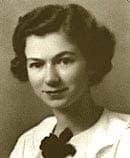
Beverly Cleary was a beloved American children's author, celebrated for her realistic and humorous portrayal of childhood. Her iconic characters, including Ramona Quimby and Henry Huggins, resonated with generations of readers. Cleary's extensive body of work, featuring titles like 'The Mouse and the Motorcycle' and 'Ramona the Brave,' earned her numerous accolades, including the Newbery Medal and the National Medal of Arts.
Similar books
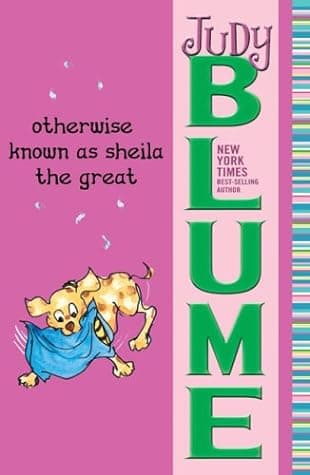
- Otherwise Known as Sheila the Great
Judy Blume
4.0 (38k) average on GoodreadsChildren'sExplores a child's internal struggles with fears and self-perception.
- Harry Potter and the Sorcerer's Stone
J.K. Rowling
4.5 (7M) average on GoodreadsFantasyRescued from a miserable life under the stairs, an orphaned boy discovers he's a wizard destined for a magical school, where he uncovers a dangerous secret tied to the dark wizard who murdered his parents.
- The Hobbit, or There and Back Again
J.R.R. Tolkien
4.3 (2.9M) average on GoodreadsFantasyA comfort-loving hobbit named Bilbo Baggins is whisked away by a mischievous wizard and a band of dwarves on an unexpected journey to reclaim stolen treasure from a fearsome dragon, discovering courage and a magical ring along the way.
- Harry Potter and the Goblet of Fire
J.K. Rowling
4.6 (2.6M) average on GoodreadsFantasyA bewildered Harry Potter, underage and thrust into a deadly Triwizard Tournament, must brave dragons, mermaids, and a resurgent dark magic to survive a year that will forever alter the wizarding world.
- Harry Potter and the Order of the Phoenix
J.K. Rowling
4.5 (2.5M) average on GoodreadsFantasyIn a year of oppressive secrets and the threat of Voldemort, Harry Potter and Dumbledore's Army secretly train for war, shown through Jim Kay and Neil Packer's dark illustrations.
- The Lightning Thief
Rick Riordan
4.3 (2M) average on GoodreadsFantasyThrust into a world of mythological monsters and divine treachery, an ordinary boy discovers he's the son of Poseidon and must embark on a perilous quest across modern America to prevent an Olympian war.





Enjoyed the summary?
A summary gives you the shape of the book. The book itself has the detail, the examples and the voice.
Find Ramona the Brave on AmazonAs an Amazon Associate, BookBrief earns from qualifying purchases. How we're funded