

Synopsis
Covers the whole plot, including the ending.
- Difficulty
- Easy
- Pacing
- Moderate
- Mood
- Heartwarming, Relatable, Gentle Humor, Hopeful
- Read it if
- You enjoy heartwarming stories about overcoming fears and self-discovery, especially if you're a young reader or looking for a nostalgic read.
- Skip it if
- You prefer complex plots, high stakes, or stories with a darker tone.
Otherwise Known as Sheila the Great Plot Summary
Covers the whole plot, including the ending.
The Grand Illusion of Sheila the Great
Sheila Tubman, almost eleven, is shown dealing with her social life, especially through 'Slam Books' where friends write anonymous opinions about each other. Sheila is proud that she can hide her many fears—dogs, spiders, the dark, thunder, swimming, and even not knowing about things like yo-yos or Washington Irving. She believes no one, especially her friends, knows the 'real' Sheila Tubman, the one full of worries. Her public image, 'Sheila the Great,' is confident, witty, and fearless. She works hard to keep this image, even while battling constant worries that she thinks would make her seem weak or uncool. Her biggest fear is being seen as less than perfect.
Summer in Tarrytown: A New Beginning (and New Fears)
Sheila's carefully built world changes when her parents say they are renting a house in Tarrytown for the summer. This news brings fear because the house comes with a dog named Jennifer, a golden retriever, and a swimming pool – two of Sheila's biggest fears. To make things worse, Sheila has to sleep in the bedroom of the previous tenants' son, a boy's room, which she finds uncomfortable. Her older sister, Libby, is happy about the change, but Sheila is filled with worry about the new challenges and facing her fears. She immediately plans how to avoid the dog and the pool, determined to keep her 'Sheila the Great' image.
First Encounters and New Friendships
When they arrive in Tarrytown, Sheila meets the Ellis family next door. Mrs. Ellis offers to give Sheila swimming lessons, which Sheila dreads. Sheila quickly becomes friends with Mouse Ellis, a girl her age who is everything Sheila is not: a good swimmer, a dog lover, and a junior yo-yo champion. Mouse is also direct and sees through Sheila's 'great' act. Sheila is both drawn to Mouse's confidence and intimidated by her skills. Mouse's younger sister, Merle, also adds to the busy atmosphere. Sheila feels uneasy, trying to hide her discomfort around Jennifer the dog and the swimming pool, while also trying to impress Mouse.
Swimming Lessons and Public Humiliation
Sheila's fear of swimming makes the lessons with Mrs. Ellis hard. She tries many ways to avoid getting in the water, like pretending to be sick or not interested. But Mrs. Ellis is persistent and patient. During one lesson, Sheila panics and causes a scene, embarrassing herself in front of Mouse and other kids. This public display of her fear breaks her 'Sheila the Great' image, at least in her mind. The experience makes her even more set on avoiding the pool, strengthening her belief that she is a failure at swimming. She feels shame and inadequacy, especially compared to how easily Mouse handles the water.
The Yo-Yo Challenge and Unexpected Talent
Inspired by Mouse's yo-yo skills, Sheila decides to try learning herself, hoping to find something she can be good at. She practices secretly, determined to master the tricks. She finds she has a natural talent for it. This small success gives her a needed boost of confidence, a rare feeling for her in Tarrytown. She learns several tricks and even performs them for Mouse, who is impressed. This experience contrasts with her struggles with swimming and gives her hope that she is not completely bad at everything. It is a small step towards accepting that she does not have to be perfect at everything.
The Dog Dilemma and a Budding Connection
Sheila's fear of Jennifer stays strong, but as the summer goes on, she has to be closer to the dog. She sees Jennifer's gentle nature, especially around Mouse and Merle. Slowly, her terror starts to lessen. She begins to notice Jennifer's playful actions and the affection the dog shows to others. One day, Sheila is alone with Jennifer and, in a moment of unexpected bravery, she carefully reaches out and pets the dog. This small act is a big step for Sheila, a crack in her 'Sheila the Great' armor, as she faces one of her deepest fears directly and finds it less scary than she thought. The fear does not completely disappear, but it gets much less.
Overcoming the Dark and Thunderstorm
One night, a bad thunderstorm hits Tarrytown, making the house dark and filling it with loud thunder. Sheila, scared of both the dark and thunder, has to face these fears. She first hides under her covers, but the storm's strength makes it impossible to ignore. Her parents comfort her, and she eventually finds a way to deal with the noise and darkness, realizing she is safe. This experience, while scary, helps her understand that she can get through frightening situations and that her fears, while real, do not have to stop her. It is another step in her journey of admitting and getting over her hidden worries.
Swimming Progress and Self-Acceptance
Despite her first resistance, Sheila continues her swimming lessons with Mrs. Ellis. With encouragement from Mouse and Mrs. Ellis's patient help, Sheila slowly starts to make progress. She learns to put her face in the water, blow bubbles, and eventually, to float. The moment she realizes she can float on her back is a big discovery, a true success. She begins to feel the joy of being in the water, something she never thought possible. This progress is not just about swimming; it is about Sheila learning to trust herself, to face a challenge she once thought impossible, and to accept that it is fine to struggle and then succeed.
The End of Summer and New Perspectives
As the summer in Tarrytown ends, Sheila thinks about her experiences. She has not become a champion swimmer or completely fearless, but she has made big improvements. She can now float, she is no longer afraid of Jennifer the dog, and she has learned to deal with the dark and thunder. Most importantly, she has learned that it is fine to admit her fears and that doing so does not make her any less 'great.' She realizes that her friends, especially Mouse, like her for who she is, not for the perfect image she tried to keep. Sheila feels a strong sense of achievement and a new comfort in being herself, understanding that true strength comes from facing one's weaknesses.
Returning Home, a Changed Sheila
When it is time to go back to New York City, Sheila is a different person. She packs her yo-yo, a sign of her unexpected talent and new confidence. She says a fond goodbye to Mouse and the Ellis family, valuing the friendship and lessons learned. The thought of sleeping in her own room, which she once found boring, now feels comforting. She looks forward to seeing her old friends, not with the worry of keeping up an image, but with quiet confidence in her more real self. Sheila realizes that the summer, with all its challenges, was much more rewarding than any trip to Disneyland, giving her the gift of self-discovery and the courage to be 'Otherwise Known as Sheila Tubman' instead of just 'Sheila the Great.'
Principal Figures
Sheila Tubman
Protagonist
A fearful ten-year-old who meticulously hides her anxieties behind a confident facade.
Sheila is a complex ten-year-old girl who desperately tries to project an image of 'Sheila the Great' – fearless, witty, and knowledgeable. Internally, she is plagued by numerous phobias, including dogs, spiders, the dark, thunder, and a profound inability to swim. She goes to great lengths to conceal these fears from her peers and even her family, believing they would make her seem weak or uncool. Her summer in Tarrytown forces her to confront many of these anxieties, leading to significant personal growth. She values her reputation and is initially very image-conscious.
Relationships: Mouse Ellis (Close summer friend, catalyst for growth); Libby Tubman (Older sister, often a source of irritation but also a foil); Mrs. Ellis (Swimming instructor, patient and encouraging mentor); Jennifer (The dog, initially a source of intense fear, later a symbol of overcoming anxiety)
Mouse Ellis
Supporting
Sheila's confident, skilled, and perceptive summer friend.
Mouse Ellis is Sheila's summer friend in Tarrytown, who is everything Sheila wishes she could be: an excellent swimmer, a dog lover, and a junior yo-yo champion. Mouse is straightforward, kind, and perceptive, quickly seeing through Sheila's 'Sheila the Great' facade. She is a loyal friend who encourages Sheila to face her fears, particularly around swimming and dogs, without being judgmental. Her natural confidence and abilities serve as both an inspiration and a challenge for Sheila, pushing her out of her comfort zone.
Relationships: Sheila Tubman (Close summer friend); Merle Ellis (Younger sister); Mrs. Ellis (Mother, also Sheila's swimming instructor)
Libby Tubman
Supporting
Sheila's older sister, often teasing but also providing a contrasting perspective.
Libby is Sheila's older sister, a typical sibling who often teases Sheila but also provides a more grounded perspective. She is generally more relaxed and less prone to the anxieties that plague Sheila. Libby is excited about the summer in Tarrytown and doesn't share Sheila's specific fears, making her a foil to Sheila's character. While sometimes annoying to Sheila, Libby represents a more carefree attitude that Sheila slowly learns to appreciate and emulate.
Relationships: Sheila Tubman (Younger sister); Mr. and Mrs. Tubman (Parents)
Mrs. Ellis
Supporting
Mouse's mother and Sheila's patient swimming instructor.
Mrs. Ellis is Mouse's mother and a kind, patient woman who takes on the task of teaching Sheila to swim. She is observant and understanding of Sheila's fears, but also firm in her belief that Sheila can overcome them. Her gentle persistence and encouragement are crucial to Sheila's eventual progress in the water. She embodies a supportive, non-judgmental adult figure who helps Sheila build confidence.
Relationships: Mouse Ellis (Daughter); Merle Ellis (Daughter); Sheila Tubman (Swimming student, neighbor)
Jennifer
Supporting
The golden retriever at the Tarrytown house, initially a source of terror for Sheila.
Jennifer is a golden retriever belonging to the owners of the rented Tarrytown house. For Sheila, Jennifer represents one of her most intense phobias – dogs. Jennifer is portrayed as a gentle, friendly, and playful dog, completely oblivious to Sheila's terror. Her presence forces Sheila into constant proximity with her fear, ultimately leading to Sheila's gradual acceptance and even a small degree of affection for the animal. Jennifer serves as a symbol of Sheila's journey in overcoming her anxieties.
Relationships: Sheila Tubman (Object of fear, then reluctant acceptance)
Mr. and Mrs. Tubman
Supporting
Sheila's parents, who support her summer experiences.
Sheila's parents are loving and supportive, though sometimes a bit oblivious to the depth of Sheila's internal struggles and fears. They arrange the summer rental in Tarrytown, unknowingly placing Sheila in a situation that forces her to confront her anxieties. They encourage her to take swimming lessons and try new things, acting as a stable background presence. While they offer comfort during the thunderstorm, much of Sheila's personal growth happens independently.
Relationships: Sheila Tubman (Daughter); Libby Tubman (Daughter)
Merle Ellis
Mentioned
Mouse's younger sister, a minor character.
Merle is Mouse's younger sister. She is portrayed as a typical energetic younger sibling, often present during Sheila's interactions with the Ellis family. While not a central figure, her presence adds to the lively atmosphere of the Ellis household and shows Jennifer's gentle nature through her interactions with the dog.
Relationships: Mouse Ellis (Older sister); Mrs. Ellis (Mother)
Themes & Insights
Identity and Self-Acceptance
The main theme is Sheila's struggle to match her 'Sheila the Great' image with her real, fearful self. During the summer, Sheila learns that admitting her weaknesses and fears does not make her less worthy, but lets her be more real and truly 'great.' Her journey shows how important self-acceptance is over keeping a false image to get approval. She finds that real strength comes from acknowledging and working through one's weaknesses, rather than pretending they do not exist.
“Sometimes I think I am really two people. I am the only one who knows Sheila Tubman—afraid of dogs, spiders, the dark, thunder...can't swim, work a yo-yo, never heard of Washington Irving. Everyone else knows only SHEILA THE GREAT—knowledgeable, witty, afraid of nothing.”
Overcoming Fear
This theme is shown through Sheila's many fears: dogs, swimming, the dark, and thunder. The summer in Tarrytown makes her face these fears directly. Through slow exposure, patient teaching from Mrs. Ellis, and Mouse's friendship, Sheila learns that fears can be managed and even overcome. Her progress with Jennifer the dog and her ability to float in the pool are important steps, showing that facing what scares you is the only way to beat it, rather than avoiding it.
“Maybe it wasn't so bad being afraid of some things. Maybe it was even good to admit it.”
The Power of Friendship
Mouse Ellis helps Sheila change. Mouse's real acceptance, her lack of judgment, and her constant encouragement help Sheila relax. Unlike Sheila's city friends, Mouse is not fooled by the 'Sheila the Great' image and gives Sheila a safe place to be herself. Their friendship shows how good peer relationships can help build self-confidence and personal growth, allowing people to face challenges they might otherwise avoid.
“Mouse didn't make fun of me. She just looked at me. Then she nodded, as if she understood.”
Growth Through Discomfort
Sheila's summer in Tarrytown first fills her with dread because it takes her out of her comfort zone. Sleeping in a boy's room, living with a dog, and facing swimming lessons are all things Sheila tries to avoid. However, these uncomfortable situations are what help her grow. The story shows that real development often happens when people are pushed beyond what they think they can do, leading to new skills, ways of thinking, and a stronger sense of self. The 'disneyland' comparison at the end makes this point clear.
“I decided that sleeping in a boy's room, sharing the rented house with a dog, and taking those dread swimming lessons were not so bad, after all, perhaps even better than a trip to Disneyland.”
Plot Devices & Literary Techniques
First-Person Narration
Provides direct access to Sheila's internal thoughts and fears.
The story is told entirely from Sheila Tubman's perspective. This allows the reader direct access to her internal monologues, anxieties, and the detailed machinations of her 'Sheila the Great' persona. It effectively highlights the discrepancy between her outward presentation and her inner turmoil, making her struggles with fear and self-acceptance deeply personal and relatable. The reader experiences her every worry, triumph, and moment of embarrassment alongside her, creating strong empathy for her character.
The 'Sheila the Great' Persona
A facade Sheila uses to hide her insecurities, serving as a central conflict.
This is Sheila's carefully constructed public identity, designed to mask her numerous fears and perceived flaws. It acts as a central plot device because much of the story's conflict stems from Sheila's efforts to maintain this facade, and her subsequent journey involves slowly dismantling it. The persona highlights themes of identity, self-deception, and the pressure to conform to an idealized image, making her eventual shedding of it a significant mark of her growth.
The Tarrytown Summer Setting
A new environment that forces Sheila to confront her fears.
The summer in Tarrytown serves as a controlled environment designed to challenge Sheila's fears. The rented house comes with a dog (Jennifer) and a swimming pool, directly confronting her two biggest phobias. Being away from her familiar surroundings and old friends also removes her established social safety nets, forcing her to build new relationships (with Mouse) and face her anxieties without her usual coping mechanisms. The setting is crucial in facilitating her personal growth.
Symbolism of Swimming
Represents Sheila's deepest fears and her journey towards self-mastery.
Sheila's inability and fear of swimming is a potent symbol for her overall anxieties and lack of confidence. The swimming pool and her lessons become a battleground where she confronts not just the water, but her fear of failure, embarrassment, and vulnerability. Her eventual ability to float and enjoy the water symbolizes her growth in self-acceptance, her willingness to face challenges, and her mastery over her own internal resistance, signifying a broader emotional liberation.
The Yo-Yo
A symbol of unexpected talent and a boost to Sheila's self-esteem.
Initially, the yo-yo is something Sheila knows nothing about, contrasting with Mouse's expertise. When Sheila secretly learns to yo-yo and discovers a natural talent, it becomes a crucial symbol of her ability to learn new things and succeed in areas she never expected. This small victory provides a much-needed boost to her self-esteem, showing her that she doesn't have to be 'great' at everything to be good at something, and that genuine skill can emerge from unexpected places.
Otherwise Known as Sheila the Great Quotes
“I'm not afraid of anything. Except maybe swimming.”
“I'm not a baby. I'm ten years old.”
“I'm not going to let a little thing like a spider scare me.”
“I'm Sheila the Great. I can do anything.”
“I don't need anybody to help me. I can do it myself.”
“Maybe it's okay to be scared sometimes.”
“I'm not going to cry. I'm too old for that.”
“I wish I could be brave like my friends.”
“It's not fair that everyone else can swim and I can't.”
“I'm going to try, even if I'm scared.”
“Being brave doesn't mean you're not afraid.”
“I'm not perfect, and that's okay.”
“Sometimes you have to do things you don't want to do.”
“I'm still Sheila, even if I'm scared.”
Quiz
10 questions on the plot and the characters. Each answer comes with a short explanation.
Question 1
What is the main activity that Sheila and her friends engage in that reveals their true thoughts about each other?
- Writing in their Slam Books
- Playing yo-yo competitions
- Taking swimming lessons together
- Sharing secrets in a diary
Show answer
A. Writing in their Slam Books In the book, Sheila and her friends write in Slam Books, where they honestly express their opinions about each other, which challenges Sheila's carefully constructed image.
Question 2
What does Sheila believe about how others perceive her compared to her true self?
- They think she is always afraid, but she is actually brave.
- They know only SHEILA THE GREAT—confident and fearless—while she knows her fearful, insecure side.
- They see her as a poor swimmer, but she is actually skilled.
- They think she loves dogs, but she secretly dislikes them.
Show answer
B. They know only SHEILA THE GREAT—confident and fearless—while she knows her fearful, insecure side. Sheila feels she has two personas: the public 'SHEILA THE GREAT' who seems knowledgeable and fearless, and the private 'sheila tubman' who has many fears and insecurities.
Question 3
Who is Mouse Ellis, and how does she relate to Sheila's character development?
- She is Sheila's older sister who teaches her to swim.
- She is a new friend who sees through Sheila's facade and helps her overcome fears.
- She is a teacher who assigns the Slam Book project.
- She is a neighbor who owns the dog Sheila fears.
Show answer
B. She is a new friend who sees through Sheila's facade and helps her overcome fears. Mouse Ellis is the Junior Yo-yo Champion of Tarrytown, a swimmer, and dog lover who becomes Sheila's friend and helps her confront and overcome her fears by being genuine and supportive.
Question 4
Which of the following is NOT one of Sheila's fears mentioned in the book?
- Dogs
- The dark
- Heights
- Spiders
Show answer
C. Heights Sheila's fears include dogs, spiders, the dark, and thunder, but heights are not specifically mentioned as one of her fears in the provided summary.
Question 5
What does Sheila learn to do by the end of the book that shows her growth?
- Admit her fears and things she doesn't know, leading to personal acceptance.
- Win a yo-yo championship against Mouse Ellis.
- Convince her family to move permanently to Tarrytown.
- Become completely fearless in all situations.
Show answer
A. Admit her fears and things she doesn't know, leading to personal acceptance. Sheila's character arc involves learning to admit her fears and limitations, which helps her overcome them and find that experiences like swimming lessons and living with a dog are not as bad as she thought.
Question 6
Why does Sheila think she doesn't have to worry about what her friends think of her at the beginning?
- Because she has no friends to judge her.
- Because she is careful to hide her bad points from them.
- Because her friends always praise her in the Slam Books.
- Because she believes she is perfect and has no flaws.
Show answer
B. Because she is careful to hide her bad points from them. Sheila believes that by keeping her insecurities and fears hidden, she can maintain the image of 'SHEILA THE GREAT' and thus not worry about others' opinions.
Question 7
What event does Sheila compare her summer experiences to at the end of the book?
- A trip to Disneyland
- Winning a swimming competition
- Moving to a new city
- Overcoming her fear of spiders
Show answer
A. A trip to Disneyland Sheila reflects that facing her fears—such as sleeping in a boy's room, living with a dog, and taking swimming lessons—turned out to be 'perhaps even better than a trip to Disneyland,' highlighting her positive growth.
Question 8
Which skill is Mouse Ellis specifically noted for in the book?
- Being a champion swimmer
- Being the Junior Yo-yo Champion of Tarrytown
- Writing insightful Slam Book entries
- Training dogs professionally
Show answer
B. Being the Junior Yo-yo Champion of Tarrytown Mouse Ellis is introduced as the 'Junior Yo-yo Champion of Tarrytown,' which is a specific detail that contrasts with Sheila's inability to work a yo-yo and adds to their friendship dynamic.
Question 9
What does the Slam Book activity reveal about Sheila's relationships with her friends?
- That her friends are unaware of her true feelings and fears.
- That her friends see through her facade and notice her insecurities.
- That her friends are all afraid of the same things she is.
- That her friends do not care about her opinions at all.
Show answer
B. That her friends see through her facade and notice her insecurities. The Slam Books show 'chinks in Sheila's carefully wrought armor,' indicating that her friends are not completely fooled by her confident exterior and are aware of some of her vulnerabilities.
Question 10
How does Sheila's attitude toward her summer experiences change from the beginning to the end of the book?
- She starts by enjoying them and ends by regretting them.
- She begins with dread and fear but concludes with acceptance and even appreciation.
- She remains consistently fearful and avoids all challenges.
- She becomes overconfident and dismissive of her initial fears.
Show answer
B. She begins with dread and fear but concludes with acceptance and even appreciation. Initially, Sheila is apprehensive about activities like swimming lessons and living with a dog, but by the end, she admits her fears and finds value in these experiences, showing significant personal growth.
Otherwise Known as Sheila the Great FAQ
What is 'Otherwise Known as Sheila the Great' about?
The book follows Sheila Tubman, a 10-year-old girl who spends a summer in Tarrytown, New York, where she grapples with her insecurities and fears. Through interactions with new friends like Mouse Ellis and the revealing 'Slam Books,' Sheila confronts her hidden anxieties about dogs, swimming, and appearing perfect, ultimately learning to accept her true self.
Why should I read 'Otherwise Known as Sheila the Great'?
This book offers a relatable and humorous exploration of childhood insecurities and self-acceptance, making it ideal for young readers navigating similar feelings. Judy Blume's authentic portrayal of Sheila's growth from hiding her fears to embracing them provides valuable lessons about honesty and friendship.
What is the background/setting of 'Otherwise Known as Sheila the Great'?
The story is set during a summer in the 1970s in Tarrytown, New York, where Sheila's family rents a house. This suburban environment contrasts with her usual life in New York City, exposing her to new experiences like swimming lessons and interactions with a dog, which challenge her comfort zone.
What are the most memorable quotes from 'Otherwise Known as Sheila the Great'?
Key quotes include Sheila's internal reflection: 'Sometimes I think I am really two people... Everyone else knows only SHEILA THE GREAT—knowledgeable, witty, afraid of nothing,' and her realization at the end: 'sleeping in a boy's room, sharing the rented house with a dog, and taking those dread swimming lessons were not so bad, after all.'
What writing style does Judy Blume use in this book?
Judy Blume employs a first-person narrative from Sheila's perspective, using conversational and introspective prose that captures a child's voice. The style blends humor with emotional depth, making Sheila's fears and growth feel authentic and engaging for young readers.
What minor details add significant meaning to the story?
Details like Sheila's inability to work a yo-yo or her never having heard of Washington Irving subtly highlight her insecurities about appearing knowledgeable. The Slam Books, where friends write honest opinions, serve as a catalyst for Sheila's self-reflection, revealing how small moments can drive personal change.
What are some subtle foreshadowing moments in the book?
Early mentions of Sheila's fear of swimming and dogs foreshadow her eventual lessons and interactions with Mouse's dog. Her initial dismissal of Tarrytown as boring hints at the transformative experiences she will have, leading to her growth by the summer's end.
What unexpected character connections exist in the story?
Sheila's connection with Mouse Ellis is unexpected because Mouse embodies the qualities Sheila fears—she's a skilled swimmer, dog lover, and yo-yo champion. Their friendship challenges Sheila's defenses, as Mouse sees through her 'SHEILA THE GREAT' persona and helps her embrace her vulnerabilities.
What are unspoken character motivations in the book?
Sheila is motivated by a deep fear of rejection and a desire to maintain a perfect image, which drives her to hide her anxieties. Mouse's motivation is subtly rooted in empathy, as she patiently supports Sheila without judgment, helping her overcome fears through gentle encouragement.
What psychological complexities do characters exhibit?
Sheila exhibits complexity through her dual identity—the confident 'SHEILA THE GREAT' versus the insecure Sheila Tubman—showcasing how children often mask vulnerabilities. Mouse displays emotional intelligence by recognizing Sheila's fears and offering non-confrontational support, highlighting the nuances of childhood friendships.
What are the major emotional turning points in the story?
Key turning points include the Slam Books revealing Sheila's friends' honest thoughts, her first swimming lesson where she confronts her fear, and her decision to sleep in a boy's room. Each moment chips away at her armor, leading to her final realization that facing fears can be rewarding.
How do relationship dynamics evolve between Sheila and Mouse?
Initially, Sheila views Mouse with skepticism due to her contrasting skills and confidence. As Mouse consistently shows kindness and understanding, their dynamic shifts from superficial acquaintances to genuine friends, with Mouse helping Sheila lower her defenses and embrace her true self.
Which parts of the book remain ambiguous or open-ended?
The book leaves some ambiguity about whether Sheila fully overcomes all her fears or if she will revert to her old habits back in New York City. Additionally, the long-term impact of her summer growth on her friendships and self-image is not explicitly resolved, inviting reader interpretation.
What are controversial scenes or decisions in the story?
Some readers might find the use of Slam Books controversial, as they involve peers writing honest, sometimes critical, opinions about each other, which could be seen as promoting gossip. Sheila's initial dishonesty about her fears might also spark debate about the ethics of hiding one's true self.
How does 'Otherwise Known as Sheila the Great' end, and what does it mean?
The book ends with Sheila reflecting that her summer experiences—like swimming lessons and living with a dog—were 'not so bad, after all,' implying she has grown to accept her fears. This suggests that self-acceptance and facing challenges can lead to personal fulfillment, even surpassing idealized pleasures like a trip to Disneyland.
About the author

Judith Blume is an American writer of children's, young adult, and adult fiction. Blume began writing in 1959 and has published more than 25 novels. Among her best-known works are Are You There God? It's Me, Margaret. (1970), Tales of a Fourth Grade Nothing (1972), Deenie (1973), and Blubber (1974). Blume's books have significantly contributed to children's and young adult literature. She was named one of the 100 most influential people in the world by Time magazine in 2023.
Similar books
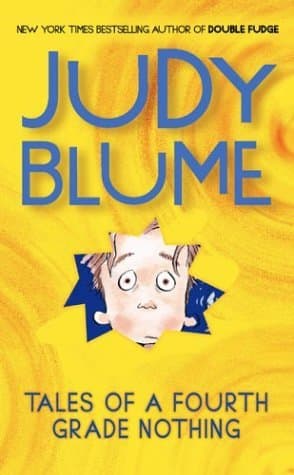
- Tales of a Fourth Grade Nothing
Judy Blume
4.1 (132k) average on GoodreadsChildren'sAnother Judy Blume classic focusing on family dynamics and relatable childhood struggles.
- Bridge to Terabithia
Katherine Paterson
4.0 (445k) average on GoodreadsFantasyBoth explore childhood complexities and self-discovery. Paterson's novel deals with heavier themes of grief, imagination, and friendship amidst tragedy, offering a more emotionally intense experience. Blume's 'Sheila the Great' focuses on everyday anxieties and personal fears with a lighter, more accessible tone.
- Harry Potter and the Sorcerer's Stone
J.K. Rowling
4.5 (7M) average on GoodreadsFantasyRescued from a miserable life under the stairs, an orphaned boy discovers he's a wizard destined for a magical school, where he uncovers a dangerous secret tied to the dark wizard who murdered his parents.
- The Hobbit, or There and Back Again
J.R.R. Tolkien
4.3 (2.9M) average on GoodreadsFantasyA comfort-loving hobbit named Bilbo Baggins is whisked away by a mischievous wizard and a band of dwarves on an unexpected journey to reclaim stolen treasure from a fearsome dragon, discovering courage and a magical ring along the way.
- Harry Potter and the Goblet of Fire
J.K. Rowling
4.6 (2.6M) average on GoodreadsFantasyA bewildered Harry Potter, underage and thrust into a deadly Triwizard Tournament, must brave dragons, mermaids, and a resurgent dark magic to survive a year that will forever alter the wizarding world.
- Harry Potter and the Order of the Phoenix
J.K. Rowling
4.5 (2.5M) average on GoodreadsFantasyIn a year of oppressive secrets and the threat of Voldemort, Harry Potter and Dumbledore's Army secretly train for war, shown through Jim Kay and Neil Packer's dark illustrations.





Enjoyed the summary?
A summary gives you the shape of the book. The book itself has the detail, the examples and the voice.
Find Otherwise Known as Sheila the Great on AmazonAs an Amazon Associate, BookBrief earns from qualifying purchases. How we're funded