
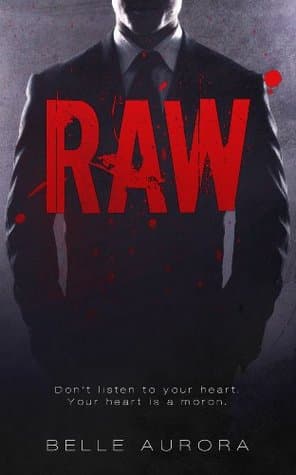
Synopsis
Covers the whole plot, including the ending.
- Difficulty
- Medium
- Pacing
- Variable
- Mood
- Dark, Disturbing, Intense, Psychological, Unsettling
- Read it if
- You're looking for a dark, psychological romance that explores the dangerous side of obsession and love, and don't mind morally gray characters and unsettling themes.
- Skip it if
- You prefer traditional, heartwarming romances, are sensitive to themes of stalking and emotional manipulation, or dislike ambiguous or disturbing relationships.
Raw Plot Summary
Covers the whole plot, including the ending.
A Life Built on Independence
Willow de la Vega, twenty-six, built her life after leaving an abusive home at sixteen. She is educated, employed, and independent, valuing her friends above all else. She works as a barista and lives in a small apartment, feeling safe in her routine. Despite her confident appearance, Willow hides deep emotional scars from childhood, even from her closest friends. She believes she controls her life and emotions, determined never to be vulnerable again.
The Unsettling Gaze
Willow notices a man watching her. At first, it is a brief glance, a feeling of being observed. Soon, his presence becomes constant, appearing at her coffee shop, outside her apartment, and following her on errands. He never approaches directly, but his intense gaze and silent surveillance create a growing sense of unease. Willow tries to dismiss it as paranoia, but his regular presence makes it impossible to ignore. She feels a primal fear mixed with a strange fascination with the man she knows only as 'him'.
Confrontation and Revelation
Driven by fear and a need for answers, Willow confronts the man, later identified as Julian. Julian does not deny his actions. He confesses to watching her because he feels a deep connection, claiming he understands her pain and sees her true self. He reveals details about her life that only someone observing her closely would know, further unsettling Willow. Despite her initial terror, Julian's vulnerability and his seemingly genuine desire to protect her begin to weaken her defenses, starting a complex and morally ambiguous relationship.
Tentative Steps Towards Trust
Julian remains a constant presence in Willow's life, but his actions become less overtly threatening and more protective. He anticipates her needs, offering comfort and support subtly. He shares parts of his own dark past, hinting at a life of abuse and isolation that mirrors Willow's experiences. This shared trauma creates an unexpected bond. Willow, despite her caution, is drawn to his intensity and how he seems to understand her without her speaking. Her friends, however, remain suspicious and concerned about Julian's influence.
The Unraveling of Control
As Willow spends more time with Julian, her emotional barriers begin to break down. His unwavering devotion and his ability to see past her defenses make her feel seen and understood in a way no one ever has. He offers her a sense of security and belonging she had never known, despite their unconventional relationship. This new emotional vulnerability is terrifying for Willow, who has always relied on her independence. She struggles with falling for a man who initially stalked her, questioning her own judgment.
A Glimpse of Darkness
While Julian's affection is intense and protective, it also becomes possessive and controlling. He grows jealous of Willow's friends, especially her male friends, and subtly tries to isolate her. He makes decisions for her, claiming it is for her own good, and his reactions to perceived threats against Willow are often extreme. Willow, initially affected by his devotion and her own need for connection, slowly starts to recognize these warning signs. The line between protection and control blurs, and she begins to feel suffocated by the very love that once seemed like salvation.
The Breaking Point
A specific incident, perhaps Julian overreacting to a perceived threat or directly interfering with Willow's autonomy, marks a major turning point. This event forces Willow to assess the reality of her relationship with Julian. She realizes that his 'love' is not healthy, but a manifestation of his own deep-seated issues and a desire for control. The incident shatters the illusion she had built around their connection, making her confront the dangerous path she had taken. Her friends' warnings echo in her mind, and she feels a renewed sense of fear.
Escaping the Web
Recognizing the danger, Willow tries to distance herself from Julian. This is difficult, as Julian's possessiveness intensifies when he senses her pulling away. He uses emotional manipulation, guilt, and subtle threats to try and keep her by his side. Willow struggles with her lingering feelings for him, the fear of being alone again, and the immense pressure he exerts. She confides more deeply in her friends, who support her and offer a safe haven. This period is marked by intense emotional turmoil and a constant fight for her independence.
The Aftermath and Reflection
After successfully separating from Julian, Willow begins a long and painful journey of healing. She grapples with the lingering trauma of both her childhood and her relationship with Julian. She reflects deeply on how she could have fallen for someone who initially stalked her, examining her own vulnerabilities and how her past made her susceptible to such an intense, unhealthy connection. This period involves self-discovery, therapy, and a renewed commitment to her own well-being and the genuine, healthy relationships she has with her friends. She understands that love can be destructive when it comes from brokenness.
A New Beginning, Marked by Lessons Learned
Willow, changed by her experiences, emerges stronger and more aware. She learned important lessons about love, control, and self-preservation. She embraces her independence with new clarity, understanding that true love should empower, not imprison. While the scars from her past and her relationship with Julian remain, she is no longer defined by them. She continues to build her life with a deeper understanding of her own worth and the kind of healthy relationships she deserves, showing resilience and growth.
Raw Characters
Willow de la Vega
Protagonist
A fiercely independent woman grappling with past trauma and an unconventional, dangerous love.
Willow is a twenty-six-year-old barista who has meticulously crafted a life of independence after a traumatic childhood. She is intelligent, resilient, and outwardly self-sufficient, but harbors deep emotional wounds and a fear of vulnerability. She values her chosen family of friends above all else, seeing them as her anchor. Her past has made her wary of intimacy, yet also, paradoxically, susceptible to intense connections that promise understanding.
Relationships: Julian (Stalker turned intense, possessive lover); Sarah (Close friend, roommate, and confidante); Other friends (Supportive chosen family)
Julian
Antagonist/Love Interest
Willow's stalker who becomes her intense, possessive, and ultimately destructive lover.
Julian is a mysterious and intensely focused man who initially stalks Willow. He is intelligent, observant, and deeply troubled, carrying his own significant childhood trauma. He sees Willow as a kindred spirit, believing he alone understands her pain and can protect her. His love is all-consuming, bordering on obsessive, and manifests as extreme possessiveness and controlling behavior. He genuinely believes he is acting out of love, unable to recognize the harm he inflicts.
Relationships: Willow de la Vega (Object of his obsession and possessive love)
Sarah
Supporting
Willow's loyal best friend and roommate, who provides a voice of reason and concern.
Sarah is Willow's closest friend and roommate. She is pragmatic, protective, and deeply concerned for Willow's well-being. She has her own history of hardship, which makes her empathetic but also gives her a strong sense of caution when it comes to Julian. Sarah is often the first to voice doubts and warnings about Julian's behavior, acting as a grounding force for Willow and representing healthy, reciprocal friendship.
Relationships: Willow de la Vega (Best friend and roommate)
Ethan
Supporting
One of Willow's friends, offering a male perspective and concern.
Ethan is part of Willow's close-knit group of friends. He is generally laid-back but becomes increasingly worried about Julian's presence in Willow's life. He offers a male perspective on the situation and is another voice of reason, though perhaps less vocal than Sarah initially. He represents a safe, platonic male relationship for Willow, contrasting sharply with Julian's intensity.
Relationships: Willow de la Vega (Friend); Sarah (Friend)
Willow's Mother (mentioned)
Mentioned
The source of Willow's childhood trauma and the catalyst for her independence.
Willow's mother is not an active character but is frequently mentioned as the primary source of Willow's childhood abuse and neglect. Her actions instilled in Willow a deep fear of vulnerability and a fierce need for self-reliance. She represents the toxic, unloving environment Willow escaped, shaping many of Willow's coping mechanisms and her initial attraction to Julian's intense, albeit unhealthy, attention.
Relationships: Willow de la Vega (Abusive mother-daughter relationship)
Raw Themes
The Nature of Love and Obsession
The novel challenges traditional notions of love by presenting a relationship born from stalking that becomes deeply possessive and controlling. Julian's actions, though he sees them as love, are rooted in obsession and a desire for control, blurring the lines between protection and imprisonment. Willow's initial attraction to this intensity shows how trauma can make people susceptible to unhealthy attachments, mistaking profound attention for genuine care. The story explores how love, without respect for autonomy, can become destructive, showing 'love gone wrong.' Julian's 'love' is a twisted reflection of Willow's own need for connection, revealing the dark side of devotion.
“I’m sure you’re wondering how a person falls in love with their stalker. So am I. This isn’t a story. This is my life.”
Trauma and Vulnerability
Both Willow and Julian carry significant childhood trauma, which deeply influences their behaviors and relationship. Willow's past abuse leads her to build strong emotional walls, making her independent but also lonely and starved for genuine connection. Julian's own unaddressed trauma appears as an inability to form healthy attachments and an intense need to control. The story illustrates how shared trauma can create a powerful, though dangerous, bond, as each character initially sees their own pain reflected in the other. It explores how vulnerability, when exposed to unhealthy dynamics, can lead to more harm.
“Growing up the way I did, you’d think I’d be more screwed up than what I actually am.”
Autonomy vs. Control
A central conflict in the novel is Willow's struggle to maintain her autonomy against Julian's increasing control. After escaping an abusive home and building her life on independence, Willow initially values her freedom. However, Julian's gradual intrusion into her life, disguised as protection and love, slowly erodes her sense of self and her ability to make her own choices. The story details the subtle and overt ways control can be exerted in a relationship, showing how a person can lose their agency without fully realizing it until it is almost too late. Willow's journey becomes a fight to reclaim her self-ownership.
“He makes me feel. It’s unconventional. But it’s real.”
The Importance of Chosen Family and Healthy Relationships
Willow's friends, her chosen family, act as a counterpoint to her toxic relationship with Julian. They represent healthy, supportive, and reciprocal love, offering Willow a lifeline and a reality check. Unlike Julian, her friends respect her autonomy, offer genuine concern, and provide a safe space without expectation or manipulation. Their unwavering support is instrumental in Willow's eventual realization of the danger she is in and her ability to break free. This theme highlights the vital role of healthy social connections in healing from trauma and navigating dangerous relationships.
“My friends have become my family. Like me, they know what it’s like to grow up unloved.”
Plot Devices & Literary Techniques
First-Person Narrative (Willow's POV)
The entire story is told through Willow's subjective lens.
The novel is exclusively narrated by Willow, allowing readers direct access to her thoughts, fears, and internal struggles. This device is crucial for understanding her complex emotional journey, her initial attraction to Julian, and her gradual realization of the danger. It immerses the reader in her perspective, making the experience of being stalked and then falling for the stalker more intimate and unsettling. It also limits the reader's information, mirroring Willow's own uncertainty and confusion about Julian's true nature, making his possessiveness more insidious as it unfolds.
Foreshadowing (Author's Note and Willow's Internal Monologue)
Hints and warnings are given about the dark nature of the 'love story'.
The author's note explicitly states, 'This is not a love story. This is a story of love gone wrong,' immediately setting a dark tone. Throughout Willow's internal monologue, there are subtle hints and growing anxieties about Julian's intensity and her own unsettling feelings. She often questions her sanity and the unconventional nature of their connection, signaling that something is amiss. This foreshadowing builds tension and prepares the reader for the inevitable unraveling of their relationship, emphasizing that the 'romance' is inherently flawed and dangerous.
The 'Stalker as Protector' Trope
Julian's initial stalking is framed as a twisted form of protection and understanding.
This device is central to the novel's premise. Julian's stalking is not purely malicious; he genuinely believes he is protecting Willow and understanding her in a way no one else can. He uses his knowledge gained from observing her to anticipate her needs and offer comfort, which initially disarms Willow. This trope explores the dangerous allure of intense, unwavering attention for someone who has felt unloved and unseen, making the transition from fear to a misguided sense of safety and even love more plausible, yet ultimately revealing the inherent toxicity of such a dynamic.
Isolation
Julian subtly isolates Willow from her support system.
As Julian's influence grows, he subtly works to isolate Willow from her friends, her chosen family. He expresses jealousy, manipulates situations to spend more time alone with her, and casts doubt on her friends' intentions. This isolation is a classic tactic in abusive relationships, weakening the victim's support system and making them more dependent on the abuser. For Willow, who already had a small circle, this makes her even more vulnerable to Julian's control, highlighting the gradual erosion of her external connections as her internal world becomes increasingly dominated by him.
Raw Quotes
“I was raw. He was raw. It was what made us so perfect. We were two broken pieces that fit just right.”
“Sometimes the most beautiful things are found in the most unexpected places, like a wildflower blooming in a concrete jungle.”
“He wasn't my knight in shining armor. He was the darkness that understood my own, and that was so much more.”
“Pain was a language we both spoke fluently, and in that, we found our common ground.”
“You don't just fall in love with someone's good parts. You fall in love with their broken parts too, the ones they try to hide.”
“My heart was a fortress, but he found a way to scale its walls, not with force, but with understanding.”
“We were a beautiful mess, and I wouldn't have it any other way.”
“Sometimes the quietest moments hold the loudest truths.”
“He didn't try to fix me. He just held my hand while I put myself back together.”
“My past was a shadow, but with him, I started to see the light.”
“Love isn't always pretty. Sometimes it's messy and painful, but it's real.”
“He was the storm I never knew I needed, and I was willing to drown in him.”
“You can't heal what you don't acknowledge. And sometimes, you need someone to help you see the wound.”
“We were two halves of a whole, not because we completed each other, but because we understood each other's incompleteness.”
Quiz
10 questions on the plot and the characters. Each answer comes with a short explanation.
Question 1
What age was the protagonist when she left her home?
- Eighteen
- Sixteen
- Twenty
- Fourteen
Show answer
B. Sixteen The protagonist explicitly states, 'Soon as I turned sixteen, I left that bump in the road I called home.'
Question 2
How does the protagonist describe her current life at age twenty-six, after leaving home?
- Struggling to find employment and still on the streets.
- Educated, employed, and good at her job.
- Lonely and without any close friends or family.
- Constantly moving from place to place, unable to settle down.
Show answer
B. Educated, employed, and good at her job. The text states, 'Now, at the age of twenty six, I’m educated, employed and damn good at my job.'
Question 3
What is the author's specific note about the nature of this story?
- This is a typical romance novel.
- This is a story of love gone wrong, not a love story.
- This is a lighthearted comedy about relationships.
- This is a fantasy adventure with romantic elements.
Show answer
B. This is a story of love gone wrong, not a love story. The author's note explicitly states: 'This is not a love story. This is a story of love gone wrong.'
Question 4
How does the protagonist view her friends?
- As casual acquaintances with whom she rarely connects.
- As her chosen family, understanding her past experiences.
- As rivals in her professional field.
- As people she needs to impress to maintain her social standing.
Show answer
B. As her chosen family, understanding her past experiences. The protagonist states, 'My friends have become my family. Like me, they know what it’s like to grow up unloved.'
Question 5
What is the protagonist's general outlook on her future and goals before 'him' enters the picture?
- She feels lost and unsure of her direction in life.
- She knows where she's going and plans to get there on her own terms.
- She is waiting for someone else to guide her path.
- She believes success is impossible given her past.
Show answer
B. She knows where she's going and plans to get there on her own terms. She clearly states, 'I know where I’m going and I’ll get there eventually. On my own terms and at my own pace.'
Question 6
What specific actions does 'him' take that the protagonist observes?
- He tries to openly engage her in conversation and ask her out.
- He watches her and hides in plain sight, making her feel his eyes on her.
- He leaves her anonymous gifts and letters at her workplace.
- He is a new colleague at her job who is overly friendly.
Show answer
B. He watches her and hides in plain sight, making her feel his eyes on her. The text describes him: 'I feel his eyes on me. I see him hiding in plain sight. He watches me.'
Question 7
What does the protagonist imply about her upbringing when she says, 'Growing up the way I did, you’d think I’d be more screwed up than what I actually am'?
- She had a very privileged and sheltered childhood.
- Her upbringing was difficult and potentially traumatic, leading to expectations of negative outcomes.
- She was raised in a highly structured and disciplined environment.
- She experienced a typical, uneventful childhood.
Show answer
B. Her upbringing was difficult and potentially traumatic, leading to expectations of negative outcomes. The phrase 'screwed up' and her description of home as a 'bump in the road' and having 'grown up unloved' strongly suggest a challenging and possibly traumatic upbringing.
Question 8
The protagonist questions, 'I’m sure you’re wondering how a person falls in love with their stalker. So am I.' What does this reveal about her internal conflict?
- She is completely comfortable with the situation and sees no conflict.
- She acknowledges the unconventional and potentially problematic nature of her feelings, mirroring reader confusion.
- She is simply stating a fact without any personal emotional involvement.
- She is mocking the reader for their lack of understanding.
Show answer
B. She acknowledges the unconventional and potentially problematic nature of her feelings, mirroring reader confusion. Her statement indicates she is aware that loving a stalker is unusual and even she, experiencing it, finds it perplexing and perhaps difficult to reconcile, highlighting an internal conflict.
Question 9
What is the significance of the protagonist stating, 'This isn’t a story. This is my life'?
- She is denying that the events she describes are real.
- She is emphasizing the raw, unembellished, and deeply personal reality of her experiences.
- She means that the narrative lacks a clear beginning, middle, and end.
- She is suggesting that the events are too mundane to be considered a story.
Show answer
B. She is emphasizing the raw, unembellished, and deeply personal reality of her experiences. By differentiating 'life' from 'story,' she underscores the authenticity and intense personal impact of her experiences, implying they are not fictionalized or dramatized.
Question 10
What characteristic is shared between the protagonist and her friends?
- They all work in the same profession as the protagonist.
- They have all experienced growing up unloved.
- They were all educated at the same institution.
- They all left home at exactly sixteen years old.
Show answer
B. They have all experienced growing up unloved. The text states, 'My friends have become my family. Like me, they know what it’s like to grow up unloved.'
Raw FAQ
What is the core premise of 'Raw' and who is the protagonist?
Raw is narrated by a twenty-six-year-old woman who recounts her life story, specifically her unconventional relationship with a man who initially stalks her. The book explores themes of trauma, survival, and the complex nature of love, emphasizing that it's not a typical romance but a story of 'love gone wrong.'
How does the protagonist's past influence her current life and relationships?
Having left a difficult home at sixteen and growing up 'unloved,' the protagonist is educated and employed, with a strong sense of self-reliance. Her past trauma shapes her ability to connect with others, leading her to form a chosen family of friends who also experienced unloving upbringings, making her susceptible to unconventional forms of attachment.
What is the nature of the protagonist's relationship with the man she describes?
The protagonist describes an intense and 'unconventional' relationship with a man who initially watches and stalks her. Despite the disturbing beginning, she acknowledges feeling his presence and a profound connection, leading her to question how one falls in love with their stalker, indicating a deeply complex and possibly unhealthy dynamic.
What is the author's explicit warning about the book's genre?
The author explicitly states, 'This is not a love story. This is a story of love gone wrong.' This warning sets the tone for readers, indicating that the narrative will explore the darker, more problematic aspects of love and relationships, rather than a traditional happily-ever-after romance.
What does the protagonist mean by 'My friends have become my family. Like me, they know what it’s like to grow up unloved'?
This statement reveals the protagonist's experience of creating a 'found family' with individuals who share similar backgrounds of neglect and emotional deprivation. This shared trauma likely fosters deep bonds of understanding and support, providing a sense of belonging that was absent in their biological families.
Are there any subtle clues about the stalker's identity or background in the provided text?
The text offers no explicit clues about the stalker's identity or background, only that 'he watches me. He makes me feel.' The mystery surrounding him is central to the initial intrigue, leaving readers to wonder about his motives and who he truly is in relation to the protagonist.
What might be the significance of the protagonist stating, 'This isn’t a story. This is my life'?
This statement emphasizes the raw, unfiltered, and deeply personal nature of the narrative. It suggests that the events depicted are not fictionalized for entertainment but are a genuine, perhaps cathartic, recounting of her lived experience, aiming for authenticity over conventional storytelling.
Could the protagonist's past trauma contribute to her attraction to a stalker?
Yes, her history of growing up 'unloved' and leaving home at sixteen could make her vulnerable to intense, albeit unhealthy, forms of attention. The stalker's persistent gaze might be misinterpreted as profound interest or even a twisted form of care, fulfilling a deep-seated need for connection that was previously unmet.
How does the protagonist's resilience manifest despite her difficult upbringing?
Her resilience is evident in her determination to become 'educated, employed and damn good at my job' after leaving home at a young age. She actively built a stable life for herself and formed a supportive network of friends, demonstrating an incredible capacity for self-improvement and survival.
What psychological factors might explain the protagonist's internal conflict of loving her stalker?
The protagonist's internal conflict likely stems from a complex interplay of trauma bonding, a deep-seated desire for love and attention, and a potential desensitization to conventional boundaries due to her difficult past. She might confuse intense obsession with profound love, especially if she lacks a healthy framework for what love truly entails.
How does the 'unloved' theme resonate with the development of the protagonist's identity?
Growing up unloved likely instilled in her a fierce independence and a drive to define her own path, as seen in her statement 'I know where I’m going and I’ll get there eventually. On my own terms and at my own pace.' However, it also leaves a void that makes her susceptible to intense, even problematic, connections.
Is the protagonist's self-awareness ('I’m sure you’re wondering how a person falls in love with their stalker. So am I.') a sign of hope or further psychological complexity?
Her self-awareness is a sign of profound psychological complexity. While it indicates an ability to critically observe her own feelings, it doesn't necessarily mean she can easily escape the dynamic. It highlights the internal struggle and the confusing nature of her emotions, suggesting a deep, perhaps unhealthy, entanglement.
What could be the author's purpose in titling the book 'Raw'?
The title 'Raw' likely signifies the unvarnished, intense, and perhaps painful authenticity of the story. It suggests an emotional rawness, an unfiltered look at trauma, and the stark reality of a love that deviates from societal norms, aligning with the author's note about 'love gone wrong.'
How might the narrative challenge traditional notions of romance and love?
By presenting a story where the protagonist falls for her stalker and explicitly stating it's 'not a love story,' the narrative directly challenges traditional romance tropes. It forces readers to confront the darker, more ambiguous aspects of human connection, questioning what constitutes 'love' when boundaries are blurred and origins are unsettling.
What is the potential message the author wants to convey about 'love gone wrong'?
The author likely aims to explore the destructive and complex facets of love, particularly how trauma and unmet needs can lead individuals into unhealthy relationships. The message might be a cautionary tale, a psychological exploration, or an attempt to humanize the often-demonized aspects of problematic attachments, showing the blurred lines between obsession and affection.
Could the stalker represent something symbolic in the protagonist's life?
It's possible the stalker symbolizes an embodiment of the protagonist's past trauma, a manifestation of her deep-seated need for attention, or even a twisted reflection of her own internal struggles. His constant presence might represent an inescapable aspect of her emotional landscape.
How does the phrase 'The world makes way for those who know where they are going' relate to the protagonist's journey with the stalker?
This phrase initially describes the protagonist's self-assured independence, but the introduction of the stalker complicates it. His presence disrupts her controlled trajectory, suggesting that even with a clear path, unforeseen and unconventional forces can derail or redefine one's journey, forcing a confrontation with the unexpected.
What is the significance of the protagonist's statement: 'It’s unconventional. But it’s real'?
This statement highlights the protagonist's acceptance of the unusual nature of her feelings and relationship, while emphasizing its profound impact on her. It suggests that despite societal judgments or the disturbing origins, the emotional connection she feels is undeniably authentic and deeply felt by her, even if it's not healthy.
Similar books
- You
Caroline Kepnes
3.9 (151k) average on GoodreadsThrillerExplores the perspective of a stalker and the dark side of obsession in a relationship.
- The Collector
John Fowles
3.9 (29k) average on GoodreadsThrillerFocuses on abduction and psychological captivity stemming from obsession.
- Verity
Colleen Hoover
4.3 (158k) average on GoodreadsThrillerA dark, suspenseful romance with morally ambiguous characters and intense psychological drama.
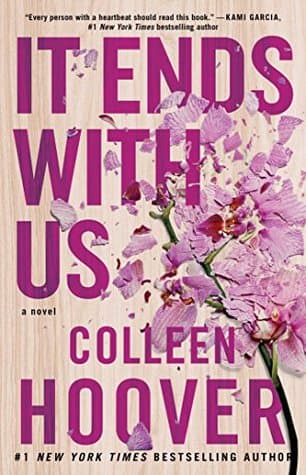
- It Ends with Us
Colleen Hoover
4.4 (212k) average on GoodreadsYoung Adult'It Ends With Us' also tackles difficult themes like domestic abuse and finding a 'New Beginning' after trauma. Hoover's work is often lauded for its emotional rawness and realistic portrayal of complex relationships, providing a benchmark for how such sensitive topics can be handled with depth. 'Raw' would need to demonstrate similar narrative finesse to avoid sensationalizing its darker elements.
- The Hunger Games
Suzanne Collins
4.3 (6.4M) average on GoodreadsFantasyIn a future where children fight to the death on live television, Katniss Everdeen volunteers for the arena, turning a death sentence into a fight for survival and a spark of rebellion.
- The Great Gatsby
F. Scott Fitzgerald
3.9 (3.8M) average on GoodreadsHistorical FictionIn the opulent Roaring Twenties, a mysterious millionaire's lavish parties hide his desperate, tragic pursuit of a lost love, exposing the emptiness within the American Dream.


Enjoyed the summary?
A summary gives you the shape of the book. The book itself has the detail, the examples and the voice.
Find Raw on AmazonAs an Amazon Associate, BookBrief earns from qualifying purchases. How we're funded