

Synopsis
Covers the whole plot, including the ending.
- Difficulty
- Medium
- Pacing
- Variable
- Mood
- Dark, Brooding, Passionate, Tragic, Intense
- Read it if
- You love intense, passionate, and dark romances with complex characters and a focus on generational conflict and revenge. Perfect for those who enjoy exploring the destructive power of love and hate.
- Skip it if
- You prefer lighthearted stories, clear-cut heroes and villains, or straightforward narratives. The bleak atmosphere and often unlikable characters might not appeal to everyone.
Wuthering Heights Plot Summary
Covers the whole plot, including the ending.
A New Tenant at Thrushcross Grange
In 1801, Mr. Lockwood, a rich but private gentleman, rents Thrushcross Grange in the isolated Yorkshire moors. He visits his landlord, Mr. Heathcliff, at Wuthering Heights. Lockwood finds Heathcliff dark, quiet, and rude. The house is also unwelcoming, with a young, pale woman (later identified as Cathy Heathcliff, born Linton), a rough young man named Hareton Earnshaw, and a few servants. A snowstorm forces Lockwood to stay the night. He is given a room where he finds old diary entries and writing belonging to Catherine Earnshaw. He has a terrifying dream where he sees Catherine's ghost asking to be let in, which leads to a confrontation with Heathcliff, who is very upset by the name Catherine.
Nelly Dean Begins Her Tale
After his disturbing experience, Lockwood returns to Thrushcross Grange and falls ill. Confined to his bed, he asks his housekeeper, Nelly Dean, to tell him about Heathcliff and Wuthering Heights. Nelly, who has been a servant at both Wuthering Heights and Thrushcross Grange for decades, agrees. She begins her story over thirty years earlier, telling about Heathcliff's arrival at Wuthering Heights. Old Mr. Earnshaw brings a mysterious, dark-skinned orphan boy named Heathcliff home to live with his family. This greatly displeases his son, Hindley, but his daughter, Catherine, is at first curious and later deeply fond of him.
Childhood at Wuthering Heights
Nelly describes the childhood of Catherine, Heathcliff, and Hindley. Old Mr. Earnshaw favors Heathcliff, ignoring his own son, Hindley, who becomes increasingly cruel to the orphan. Catherine and Heathcliff, however, become inseparable, spending their days exploring the moors, forming a wild and passionate bond. After Mr. Earnshaw's death, Hindley becomes master of Wuthering Heights. He treats Heathcliff as a servant, denying him an education and treating him badly. Despite this, Catherine and Heathcliff's love grows stronger, beyond their social differences, though Catherine also starts to show a more refined, ambitious side.
Catherine's Betrayal and Heathcliff's Disappearance
One day, Catherine and Heathcliff watch the Linton family at Thrushcross Grange. Catherine is bitten by their dog and must stay with the Lintons for five weeks. During this time, she changes into a refined young lady. She becomes attracted to Edgar Linton, admiring his gentle manners and wealth. When she returns, she tells Nelly that she loves Heathcliff, but cannot marry him because it would lower her social standing. She famously says, "I am Heathcliff!" but decides to marry Edgar for social advancement. Overhearing only the part about her marrying Edgar, a heartbroken Heathcliff leaves Wuthering Heights in despair, disappearing for three years.
Catherine Marries Edgar and Heathcliff's Return
Three years later, Catherine marries Edgar Linton and moves to Thrushcross Grange. Their life is peaceful at first, but their happiness is broken by Heathcliff's unexpected return. He has become a wealthy, educated, and impressive gentleman, though his quiet intensity remains. Heathcliff immediately seeks out Catherine, restarting their intense, complicated relationship, much to Edgar's worry. He also begins to get revenge on Hindley Earnshaw, who has become a reckless gambler and alcoholic since his wife, Frances, died. Heathcliff lends Hindley money, slowly gaining control over Wuthering Heights and Hindley's son, Hareton.
Jealousy, Conflict, and Catherine's Decline
Heathcliff's return creates a tense situation. He often visits Thrushcross Grange, which displeases Edgar. Isabella Linton, Edgar's younger sister, becomes attracted to Heathcliff, despite warnings from Catherine and Edgar. Heathcliff, seeing a chance for more revenge on Edgar, encourages Isabella's feelings. A violent fight happens between Edgar and Heathcliff, forcing Catherine to choose between them. Torn and deeply upset by the conflict, Catherine locks herself in her room, refusing to eat. She becomes very ill, showing signs of mental distress and a strong desire for the moors and her childhood with Heathcliff.
Isabella's Escape and Catherine's Death
Despite Edgar's pleas, Isabella runs away with Heathcliff, only to discover his true, cruel nature. He treats her terribly, confirming Catherine's warnings. Isabella eventually escapes from Wuthering Heights and flees to London, giving birth to Heathcliff's son, Linton Heathcliff, soon after. Meanwhile, Catherine's health quickly worsens. In a final, passionate, and heartbreaking scene, Heathcliff visits Catherine on her deathbed. She dies that night after giving birth to a daughter, Cathy Linton. Heathcliff is devastated and curses Catherine for leaving him, asking her spirit to haunt him.
The Second Generation: Linton and Cathy
After Catherine's death, Edgar raises his daughter, Cathy, at Thrushcross Grange, protecting her from the harshness of Wuthering Heights. Hindley Earnshaw dies six months after Catherine, leaving Hareton completely under Heathcliff's control. Heathcliff, now master of Wuthering Heights, abuses Hareton, denying him an education and making him an uneducated farmhand, just as Hindley treated Heathcliff. Twelve years later, Isabella dies, and her son, the sickly Linton Heathcliff, is brought to Wuthering Heights to live with his father, Heathcliff. Heathcliff treats his son with disdain but sees him as a way to get more revenge.
Heathcliff's Final Scheme
Cathy Linton, now a lively and curious young woman, secretly meets Linton Heathcliff on the moors. Heathcliff, seeing a way to get Thrushcross Grange, encourages their relationship. He manipulates Cathy into visiting Linton at Wuthering Heights, often using Linton's fake illness as an excuse. Heathcliff eventually traps Cathy and Nelly at Wuthering Heights, forcing Cathy to marry the dying Linton Heathcliff against her will, just before Edgar's death. This ensures that when Linton dies, Thrushcross Grange will become Heathcliff's, completing his revenge against the Linton family.
The End of Heathcliff's Vengeance
Linton Heathcliff dies shortly after the forced marriage, making Heathcliff the legal owner of both Wuthering Heights and Thrushcross Grange. Cathy is trapped at Wuthering Heights, treated cruelly by Heathcliff. However, Cathy and Hareton Earnshaw, who despite his rough appearance has a kind heart, slowly form a bond. Heathcliff, having achieved all his revenge, finds himself increasingly troubled by visions and the clear presence of Catherine's ghost. He loses interest in food, sleep, and even his own life, wanting only to reunite with Catherine. He becomes thin and wild, roaming the moors.
Reconciliation and New Beginnings
Heathcliff is found dead in Catherine's old room, having seemingly achieved his desired reunion with her spirit. He is buried next to Catherine. With Heathcliff gone, the heavy atmosphere at Wuthering Heights lifts. Cathy and Hareton, who had been secretly teaching him to read, can now openly show their affection for each other. Their love, gentle and supportive, contrasts sharply with the destructive passion of Catherine and Heathcliff. Nelly Dean finishes her story to Lockwood, who sees the growing affection between Cathy and Hareton. They plan to marry on New Year's Day and move to Thrushcross Grange, suggesting a new, hopeful future for the estates.
Wuthering Heights Characters
Heathcliff
Protagonist/Antagonist
A dark, brooding, and vengeful orphan, driven by his obsessive love for Catherine.
Heathcliff is a mysterious orphan brought to Wuthering Heights by Mr. Earnshaw. He forms an intense, almost spiritual bond with Catherine Earnshaw, which becomes the defining force of his life. After Catherine chooses Edgar Linton, Heathcliff disappears, returning years later as a wealthy gentleman, consumed by a burning desire for revenge against those he believes wronged him. He is cruel, manipulative, and often violent, yet his actions are always rooted in his profound, undying love for Catherine. He eventually achieves his revenge but finds no satisfaction, only a longing for Catherine, which ultimately leads to his death.
Relationships: Catherine Earnshaw (obsessive, passionate, soulmate love); Edgar Linton (rival, object of hatred); Hindley Earnshaw (abuser, object of revenge); Isabella Linton (manipulated wife, object of contempt); Linton Heathcliff (abused son, tool for revenge); Hareton Earnshaw (abused ward, tool for revenge)
Catherine Earnshaw Linton
Protagonist
A wild, spirited, and ultimately tragic figure torn between passion and social ambition.
Catherine is the daughter of Mr. Earnshaw, growing up wild and free on the moors with Heathcliff, with whom she shares an unparalleled, visceral connection. She is intelligent, willful, and deeply passionate. However, she also possesses a desire for social standing and refinement, which leads her to marry Edgar Linton, despite her profound love for Heathcliff. This decision, driven by societal pressures and a misunderstanding of her own heart, ultimately leads to her emotional torment, madness, and early death. Her ghost and memory continue to haunt Heathcliff long after her passing.
Relationships: Heathcliff (soulmate, intense, destructive love); Edgar Linton (husband, source of refinement and stability, but not true passion); Hindley Earnshaw (brother, antagonistic relationship); Nelly Dean (confidante, servant)
Edgar Linton
Supporting
The gentle, refined, but ultimately weak husband of Catherine Earnshaw.
Edgar Linton is a wealthy, well-mannered, and cultured gentleman from Thrushcross Grange. He represents the civilized, domestic world, contrasting sharply with the wildness of Heathcliff and Wuthering Heights. He genuinely loves Catherine and tries to provide her with a stable and comfortable life. However, he lacks the passionate intensity to truly understand or satisfy Catherine's deeper nature, and he is powerless against Heathcliff's malevolence. His weakness and inability to protect his family from Heathcliff's revenge ultimately lead to his sorrowful decline and the loss of his estate.
Relationships: Catherine Earnshaw (husband, devoted but unable to fully understand); Heathcliff (rival, object of hatred); Isabella Linton (sister); Cathy Linton (daughter, doting father)
Nelly Dean
Supporting
The primary narrator and a pragmatic, observant servant who witnesses the entire saga.
Ellen 'Nelly' Dean serves as the main narrator of the novel, recounting the events to Mr. Lockwood. She is a loyal and pragmatic servant who has worked at both Wuthering Heights and Thrushcross Grange, giving her a unique, intimate perspective on all the characters and their intertwined histories. While generally sensible and well-meaning, Nelly is not entirely impartial; she sometimes judges the characters and actively participates in certain events, making her a complex and somewhat unreliable narrator. Her presence provides continuity and a moral compass, albeit a flawed one, throughout the generations.
Relationships: Earnshaw Family (servant, confidante); Linton Family (servant, confidante); Mr. Lockwood (storyteller, housekeeper)
Hindley Earnshaw
Supporting
Catherine's older brother, whose jealousy and cruelty lead to his own downfall.
Hindley is Catherine's older brother and Heathcliff's principal tormentor in childhood. Resentful of his father's favoritism towards Heathcliff, Hindley becomes a cruel and abusive master after Mr. Earnshaw's death, degrading Heathcliff to a servant. The death of his beloved wife, Frances, plunges him into alcoholism and gambling, making him vulnerable to Heathcliff's manipulative revenge. He squanders his inheritance and loses Wuthering Heights to Heathcliff, ultimately dying a ruined and bitter man, leaving his son, Hareton, to Heathcliff's care.
Relationships: Heathcliff (abuser, later victim of revenge); Catherine Earnshaw (brother, antagonistic); Frances Earnshaw (wife, deeply loved); Hareton Earnshaw (son, neglected)
Isabella Linton Heathcliff
Supporting
Edgar Linton's naive sister, who falls in love with Heathcliff and suffers greatly.
Isabella is Edgar Linton's younger sister, a beautiful but spoiled and naive young woman. Despite warnings from Catherine and Edgar, she becomes infatuated with Heathcliff's dark allure. She elopes with him, only to discover his true, sadistic nature. Heathcliff treats her with extreme cruelty and contempt, using her as a tool to further his revenge against Edgar. She eventually escapes his tyranny, flees to London, and gives birth to their son, Linton Heathcliff, whom she raises alone until her death.
Relationships: Heathcliff (husband, object of infatuation and later abuse); Edgar Linton (brother); Catherine Earnshaw (sister-in-law, initially friendly, later rival); Linton Heathcliff (son)
Cathy Linton Heathcliff Earnshaw
Supporting
Catherine and Edgar's daughter, a spirited girl who ultimately brings hope to Wuthering Heights.
Cathy is the daughter of Catherine Earnshaw and Edgar Linton, inheriting her mother's spirited nature and her father's refinement. She grows up sheltered at Thrushcross Grange but possesses a strong will and a curious mind. She is initially manipulated by Heathcliff into marrying his sickly son, Linton, to secure his inheritance. Despite her suffering at Wuthering Heights, she eventually finds love and companionship with Hareton Earnshaw, breaking the cycle of hatred and bringing a new, hopeful future to the two estates. She represents a blend of the wild and the civilized.
Relationships: Catherine Earnshaw (mother); Edgar Linton (father, beloved); Linton Heathcliff (first husband, manipulated into marriage); Hareton Earnshaw (second husband, loving and redemptive relationship); Heathcliff (tyrannical father-in-law)
Hareton Earnshaw
Supporting
Hindley's son, abused and uneducated by Heathcliff, but ultimately finds redemption through love.
Hareton is the son of Hindley and Frances Earnshaw. After his parents' deaths, he falls under Heathcliff's guardianship. Heathcliff, in an act of petty revenge against Hindley, deliberately raises Hareton as an illiterate, rough farmhand, denying him education and social graces. Despite this harsh upbringing, Hareton possesses a kind heart and a strong, though often hidden, sense of loyalty and pride. He is initially resentful of Cathy but eventually falls in love with her, and through her influence, he begins to learn and develop, representing the potential for redemption and a break from the past's bitterness.
Relationships: Hindley Earnshaw (father, neglected by); Heathcliff (abusive guardian, object of revenge); Cathy Linton (love interest, second husband, redemptive relationship)
Linton Heathcliff
Supporting
Heathcliff and Isabella's sickly, whiny son, used as a tool for his father's revenge.
Linton is the frail, effeminate, and perpetually ill son of Heathcliff and Isabella Linton. He is brought to Wuthering Heights after his mother's death and is immediately treated with contempt by his father, who despises his weakness. Heathcliff manipulates Linton, forcing him to court and marry Cathy Linton, solely to secure his inheritance of Thrushcross Grange. Linton is cowardly, selfish, and constantly complaining, a stark contrast to his father's formidable presence. He dies shortly after his marriage to Cathy, a pathetic figure who serves only as a pawn in Heathcliff's vengeful schemes.
Relationships: Heathcliff (abusive father); Isabella Linton (mother); Cathy Linton (first husband, manipulated into marriage)
Mr. Lockwood
Mentioned
The initial narrator and tenant of Thrushcross Grange, through whom the story is primarily told.
Mr. Lockwood is a wealthy, somewhat self-important, and reclusive gentleman who rents Thrushcross Grange. He serves as the frame narrator for the majority of the novel, as Nelly Dean recounts the history of Wuthering Heights to him. His initial impressions of Heathcliff and the household are often mistaken, and his presence highlights the isolation and strangeness of the moors. He is a somewhat detached observer, representing the 'outside' world's perspective on the passionate, turbulent lives of the Earnshaws and Lintons. His curiosity sets the narrative in motion, but he remains largely an outsider to the deep emotional currents of the story.
Relationships: Heathcliff (landlord); Nelly Dean (housekeeper, storyteller)
Wuthering Heights Themes
Love and Passion (Destructive vs. Redemptive)
The novel looks at different kinds of love. The main theme is the wild, raw, and destructive passion between Catherine and Heathcliff, a love that goes beyond social rules and even death, consuming them both. This is different from the more civilized, calmer love between Catherine and Edgar, which offers stability but lacks the raw intensity Catherine desires. The later, gentler love between Cathy Linton and Hareton Earnshaw shows a healing force, able to fix past hurts and stop cycles of hatred, suggesting a more balanced and lasting kind of affection.
“My love for Linton is like the foliage in the woods: time will change it, I'm well aware, as winter changes the trees. My love for Heathcliff resembles the eternal rocks beneath: a source of little visible delight, but necessary. Nelly, I am Heathcliff!”
Revenge and Obsession
Heathcliff's adult life is focused on getting revenge on those he believes wronged him: Hindley Earnshaw for his childhood abuse, and Edgar Linton for 'taking' Catherine. His obsession with Catherine's memory drives his cruelty, leading him to manipulate and torment the next generation, including Hareton, Linton, and Cathy. This theme shows how hatred, combined with unfulfilled desire, can corrupt and destroy not only its targets but also the person seeking revenge, ultimately leaving Heathcliff empty and wanting death.
“I have not pitied any one, ever since I was doomed to have a vacant world to myself. I have not oppressed any one, I have not wronged any one, but I have suffered, and I have inflicted suffering; and I will have my revenge.”
Nature vs. Civilization
This theme is shown by the different settings of Wuthering Heights and Thrushcross Grange. Wuthering Heights, on the wild, bleak moors, represents untamed nature, raw passion, and basic instincts, linked to Heathcliff and the young Catherine. Thrushcross Grange, with its gardens and refined interiors, symbolizes civilization, social order, and polite society, linked to the Lintons and the older Catherine. The novel explores the tension and conflict when these two worlds meet, suggesting that hiding one's natural, passionate self for social acceptance can lead to great unhappiness and destruction.
“I was a half-civilized savage at best: he did not like me to hear him speak of Catherine, and I did not like him to hear me speak of her.”
Social Class and Upward Mobility
The strict social class system of 19th-century England greatly affects the tragic events. Heathcliff, as an orphan of unknown background, is first treated as inferior, then made a servant by Hindley. Catherine's desire for a higher social position and her awareness that marrying Heathcliff would lower her status directly influence her decision to marry Edgar Linton. This choice, driven by a desire for respectability and wealth, ultimately dooms her and Heathcliff. The novel criticizes the limiting nature of class, showing how it can prevent true love and continue cycles of resentment and revenge.
“It would degrade me to marry Heathcliff now; so he shall never know how I love him: and that, not because he's handsome, Nelly, but because he's more myself than I am.”
The Supernatural and Gothic Elements
The novel has a strong sense of the supernatural, adding to its Gothic feel. Catherine's ghost, especially in Lockwood's dream and Heathcliff's later troubled visions, blurs the line between the living and the dead. The wild, desolate moors, the isolated Wuthering Heights with its stormy nights, and the characters' intense, almost demonic passions, all create a sense of dread and psychological terror. This theme suggests that powerful emotions and unresolved conflicts from the past continue to haunt and affect the present.
“I've been a waif for twenty years; and I've been a ghost more than a hundred. I'm not afraid of you, Heathcliff; I'm afraid of myself. I'm afraid of my own thoughts, and my own passions. They make me mad.”
Plot Devices & Literary Techniques
Frame Narrative
The story is primarily told by an unreliable narrator to an even more detached outsider.
The novel employs a complex frame narrative structure. The outermost frame is Mr. Lockwood's account of his time at Thrushcross Grange and Wuthering Heights. Within this, the bulk of the story is narrated by Nelly Dean, the housekeeper, to Lockwood. Nelly's narration is itself interspersed with direct quotes from other characters, letters, and her own interpretations. This layered narrative allows for multiple perspectives, creates suspense, and emphasizes the subjective nature of truth, as Nelly's biases and selective memory shape the reader's understanding of events.
Dual Settings (Wuthering Heights & Thrushcross Grange)
Two contrasting houses symbolize opposing forces in the novel.
Wuthering Heights and Thrushcross Grange are more than just locations; they are symbolic representations of the novel's core conflicts. Wuthering Heights, dark, exposed to the elements, and often chaotic, embodies wildness, passion, and the untamed forces of nature, mirroring Heathcliff and Catherine's intense love. Thrushcross Grange, in contrast, is refined, sheltered, and orderly, representing civilization, social decorum, and emotional restraint, associated with the Linton family. The constant movement and interaction between these two settings highlight the clash between nature and culture, passion and reason, and ultimately, destruction and potential peace.
Gothic Elements
Supernatural occurrences, dark atmosphere, and intense emotions create a sense of dread.
Wuthering Heights is saturated with Gothic elements. The isolated, desolate setting of the Yorkshire moors, the crumbling, oppressive manor house of Wuthering Heights, and the frequent storms contribute to a brooding, eerie atmosphere. The spectral presence of Catherine's ghost, particularly haunting Heathcliff, blurs the line between life and death. Characters driven by extreme, almost supernatural passions, acts of cruelty, and psychological torment all contribute to the novel's dark, unsettling tone, immersing the reader in a world where intense emotions often lead to horrific consequences.
Foreshadowing and Symbolism
Hints of future events and recurring symbols deepen the novel's meaning.
Brontë uses extensive foreshadowing, such as Lockwood's initial dream of Catherine's ghost, which immediately sets a supernatural and tragic tone for the story. Symbolism is also rich, with the moors representing freedom and wild passion, the weather reflecting character moods (e.g., storms for turmoil), and the recurring motif of windows symbolizing barriers and the desire for connection. The inscribed names of Catherine, Heathcliff, and Linton on the window ledge in Catherine's old room at Wuthering Heights symbolically bind the characters and their intertwined destinies, hinting at the enduring nature of their relationships and conflicts.
Wuthering Heights Quotes
“Whatever our souls are made of, his and mine are the same.”
“I am Heathcliff! He's always, always in my mind: not as a pleasure, any more than I am always a pleasure to myself, but as my own being.”
“Treachery and violence are spears pointed at both ends; they wound those who resort to them worse than their enemies.”
“He's more myself than I am. Whatever our souls are made of, his and mine are the same.”
“I have not broken your heart—you have broken it; and in breaking it, you have broken mine.”
“Be with me always—take any form—drive me mad! Only do not leave me in this abyss, where I cannot find you!”
“If all else perished, and he remained, I should still continue to be; and if all else remained, and he were annihilated, the universe would turn to a mighty stranger.”
“I wish I were a girl again, half savage and hardy, and free.”
“Catherine Earnshaw, may you not rest as long as I am living! You said I killed you—haunt me, then!”
“The tyrant grinds down his slaves and they don't turn against him; they crush those beneath them.”
“I have dreamt in my life, dreams that have stayed with me ever after, and changed my ideas; they have gone through and through me, like wine through water, and altered the colour of my mind.”
“Nelly, I am Heathcliff! He's always, always in my mind: not as a pleasure, any more than I am always a pleasure to myself, but as my own being.”
“I cannot live without my life! I cannot live without my soul!”
“He shall never know how I love him: and that, not because he's handsome, Nelly, but because he's more myself than I am.”
Quiz
10 questions on the plot and the characters. Each answer comes with a short explanation.
Question 1
What is the name of the estate where most of the story takes place?
- Thrushcross Grange
- Wuthering Heights
- Pemberley
- Manderley
Show answer
B. Wuthering Heights Wuthering Heights is the name of the isolated, stormy estate on the Yorkshire moors where Heathcliff and the Earnshaw family live. It serves as the primary setting for the novel's intense drama and conflicts.
Question 2
Who is the narrator that begins the story by renting Thrushcross Grange?
- Heathcliff
- Catherine Earnshaw
- Mr. Lockwood
- Nelly Dean
Show answer
C. Mr. Lockwood Mr. Lockwood is the frame narrator who rents Thrushcross Grange from Heathcliff and becomes curious about the strange happenings at Wuthering Heights. His experiences prompt Nelly Dean to tell the main story.
Question 3
What does Heathcliff do to seek revenge on Hindley Earnshaw?
- He marries Hindley's sister Catherine
- He takes over Wuthering Heights and reduces Hindley to a servant
- He kills Hindley in a duel
- He frames Hindley for a crime
Show answer
B. He takes over Wuthering Heights and reduces Hindley to a servant After Hindley abuses Heathcliff as a child, Heathcliff returns as a wealthy man and exploits Hindley's gambling addiction to gain control of Wuthering Heights, making Hindley dependent and degraded.
Question 4
Why does Catherine Earnshaw decide to marry Edgar Linton instead of Heathcliff?
- She loves Edgar more deeply than Heathcliff
- She believes marrying Heathcliff would degrade her socially
- Heathcliff refuses to marry her
- Edgar threatens to harm Heathcliff if she doesn't
Show answer
B. She believes marrying Heathcliff would degrade her socially Catherine confesses to Nelly that she loves Heathcliff as her soulmate, but she chooses Edgar for his wealth and social status, believing marrying Heathcliff—a poor orphan—would be beneath her. This decision sets off the novel's central tragedy.
Question 5
What is the relationship between Hareton Earnshaw and Cathy Linton?
- They are cousins who eventually marry
- They are siblings separated at birth
- They are master and servant with no familial ties
- They are aunt and nephew
Show answer
A. They are cousins who eventually marry Hareton is the son of Hindley Earnshaw, and Cathy is the daughter of Catherine Earnshaw and Edgar Linton, making them first cousins. Their marriage at the end of the novel symbolizes hope and the breaking of Heathcliff's cycle of revenge.
Question 6
Which theme is most prominently explored through Heathcliff's character?
- The innocence of childhood
- The destructive power of revenge and obsession
- The joys of rural life
- The importance of religious faith
Show answer
B. The destructive power of revenge and obsession Heathcliff's life is driven by his obsession with Catherine and his desire for revenge against those who wronged him, leading to suffering for multiple generations. This highlights the novel's exploration of how vengeance can consume and destroy.
Question 7
How does Heathcliff die?
- He is killed in a fight with Hareton
- He starves himself while haunted by Catherine's ghost
- He drowns in a storm on the moors
- He is poisoned by Isabella
Show answer
B. He starves himself while haunted by Catherine's ghost In his final days, Heathcliff becomes increasingly obsessed with reuniting with Catherine's spirit, stops eating, and is found dead in her old chamber. His death suggests a supernatural connection and release from his earthly torment.
Question 8
What symbolic role do the moors play in the novel?
- They represent civilization and order
- They symbolize the wild, untamed passion of the characters
- They are a place of safety and refuge from conflict
- They signify economic prosperity through farming
Show answer
B. They symbolize the wild, untamed passion of the characters The bleak, stormy Yorkshire moors mirror the intense emotions and chaotic relationships in the story, particularly the bond between Catherine and Heathcliff, which is as wild and enduring as the landscape itself.
Question 9
Which character serves as the primary internal narrator for most of the story?
- Heathcliff
- Catherine Earnshaw
- Nelly Dean
- Edgar Linton
Show answer
C. Nelly Dean Nelly Dean, the housekeeper at Wuthering Heights and later Thrushcross Grange, recounts the events of the past to Mr. Lockwood. Her narration provides intimate details but is also biased, shaping the reader's perspective on the characters.
Question 10
What is the significance of the ghostly encounter Mr. Lockwood has at Wuthering Heights?
- It foreshadows Heathcliff's redemption
- It introduces the supernatural element and Catherine's lingering presence
- It reveals Nelly Dean's deceit
- It explains the origin of the estate's name
Show answer
B. It introduces the supernatural element and Catherine's lingering presence Early in the novel, Mr. Lockwood dreams of Catherine's ghost scratching at the window, which establishes the supernatural theme and hints at her unresolved connection to Heathcliff and Wuthering Heights, driving the plot's mystery.
Wuthering Heights FAQ
What is 'Wuthering Heights' about?
'Wuthering Heights' follows the passionate, destructive love between Heathcliff and Catherine Earnshaw on the Yorkshire moors. After Catherine marries Edgar Linton for social status, Heathcliff seeks revenge on both families, leading to decades of torment that affects their children, Hareton Earnshaw and Cathy Linton, before a tentative reconciliation emerges.
Why should I read 'Wuthering Heights'?
You should read 'Wuthering Heights' for its intense exploration of obsessive love, revenge, and the supernatural, set against the bleak, atmospheric Yorkshire moors. It features complex, morally ambiguous characters like Heathcliff and Catherine, whose raw emotions and Gothic elements make it a timeless classic of English literature.
What is the background/setting of 'Wuthering Heights'?
The novel is set in the late 18th to early 19th centuries on the isolated Yorkshire moors in northern England. The primary locations are Wuthering Heights, a gloomy, storm-battered farmhouse owned by the Earnshaws, and Thrushcross Grange, the elegant home of the Lintons, representing contrasting worlds of wild nature and refined society.
What are the most memorable quotes?
Memorable quotes include Catherine's declaration, 'I am Heathcliff,' expressing their inseparable souls, and Heathcliff's lament, 'Be with me always—take any form—drive me mad! Only do not leave me in this abyss, where I cannot find you!' These lines capture the novel's themes of obsessive love and despair.
What writing style does the author use?
Emily Brontë uses a complex, multi-layered narrative style with unreliable narrators, primarily Mr. Lockwood and Nelly Dean, who recount events through flashbacks. The prose is rich with Gothic imagery, vivid descriptions of the moors, and intense emotional dialogue, blending realism with supernatural elements.
What minor details add significant meaning?
Minor details like the window latch Catherine breaks to reach Heathcliff as a ghost symbolize her trapped spirit and longing. The names carved into the window sill at Wuthering Heights, such as 'Catherine Earnshaw' and 'Catherine Heathcliff,' highlight the cyclical nature of love and suffering across generations.
What are some subtle foreshadowing moments?
Early foreshadowing includes Heathcliff's vow of revenge after overhearing Catherine say it would degrade her to marry him, which sets the plot in motion. Catherine's illness after arguing with Edgar prefigures her death, and the ghostly apparitions at the start hint at the supernatural elements that pervade the story.
What unexpected character connections exist?
Unexpected connections include Heathcliff's manipulation of his son Linton to marry Cathy Linton, merging the Earnshaw and Linton lines. Hareton Earnshaw, though raised by Heathcliff as a servant, is revealed to be the rightful heir to Wuthering Heights, creating a twist in the inheritance dynamics.
What are unspoken character motivations?
Heathcliff's unspoken motivation is not just revenge but a desperate attempt to reunite with Catherine's spirit, driving his cruel actions. Catherine's choice to marry Edgar stems from a hidden desire for social stability, conflicting with her deep, unacknowledged bond with Heathcliff, leading to inner turmoil.
What psychological complexities do characters exhibit?
Heathcliff exhibits psychological complexity through his transformation from a abused orphan to a vengeful tyrant, fueled by love and hatred. Catherine shows duality, torn between her wild passion for Heathcliff and her civilized aspirations with Edgar, resulting in self-destructive behavior and mental anguish.
What are the major emotional turning points?
Major emotional turning points include Catherine's decision to marry Edgar, which devastates Heathcliff and triggers his revenge; Catherine's death, which plunges Heathcliff into lifelong grief; and the final scenes where Heathcliff's obsession wanes, allowing Hareton and Cathy to find love, offering a glimmer of hope.
How do relationship dynamics evolve?
Relationship dynamics evolve from the intense childhood bond of Heathcliff and Catherine to destructive adult conflicts, then to Heathcliff's tyrannical control over the next generation. Ultimately, they shift toward reconciliation as Hareton and Cathy overcome inherited hatred, symbolizing a break from the past's cycle of vengeance.
Which parts remain ambiguous or open-ended?
Ambiguous parts include the nature of Heathcliff's death—whether it's a supernatural reunion with Catherine or mere exhaustion—and the ghosts seen by Lockwood, leaving the afterlife's reality unclear. The ending's peace between Hareton and Cathy is open to interpretation as either genuine healing or a fragile truce.
What are controversial scenes or decisions?
Controversial scenes include Heathcliff's abusive treatment of characters like Isabella Linton and Hareton, raising debates about his redemption. Catherine's choice to marry Edgar over Heathcliff is often criticized as selfish, sparking discussions on love versus social ambition and gender roles in the 19th century.
'Wuthering Heights' ending explained: how it ends & what it means
The ending shows Heathcliff dying after losing his will for revenge, possibly reuniting with Catherine's ghost, while Hareton and Cathy plan to marry, suggesting a hopeful future. It symbolizes the end of cyclical hatred and the possibility of love transcending past wounds, though the supernatural elements leave it open to spiritual interpretation.
About the author
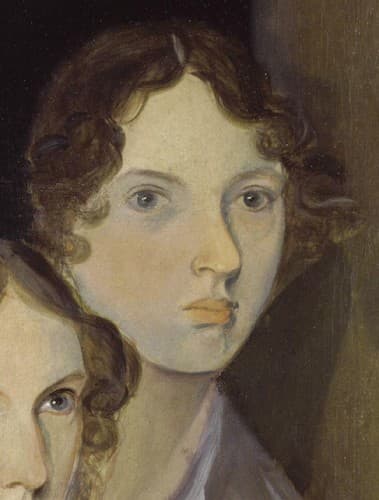
Emily Jane Brontë was an English novelist and poet who is best known for her only novel, Wuthering Heights, now considered a classic of English literature. She also published a book of poetry with her sisters Charlotte and Anne titled Poems by Currer, Ellis and Acton Bell with her own poems finding regard as poetic genius. Emily was the second-youngest of the four surviving Brontë siblings, between the youngest Anne and her brother Branwell. She published under the pen name Ellis Bell.
Similar books
- Jane Eyre
Charlotte Brontë
4.1 (1.6M) average on GoodreadsHistorical FictionExplores intense romance, social class, and strong female protagonists within a gothic setting.
- Rebecca
Daphne du Maurier
4.2 (450k) average on GoodreadsThrillerFeatures a gothic atmosphere, a dominant past love, and psychological intensity.
- Great Expectations
Charles Dickens
3.8 (652k) average on GoodreadsHistorical FictionThemes of social ambition, unrequited love, and the impact of past trauma on character development.
- Pride and Prejudice
Jane Austen
4.3 (3M) average on GoodreadsHistorical FictionAusten's novel celebrates rational affection, social harmony, and propriety, contrasting sharply with Brontë's depiction of transgressive, irrational, and destructive passion. 'Pride and Prejudice' offers gentle social critique through wit and decorum, while 'Wuthering Heights' is confrontational and raw.
- To Kill a Mockingbird
Harper Lee
4.3 (4.5M) average on GoodreadsHistorical FictionIn the 1930s Jim Crow South, Harper Lee writes about racial injustice, moral growth, and the quiet courage of a lawyer father, Atticus Finch, as seen through his young daughter's eyes.
- The Great Gatsby
F. Scott Fitzgerald
3.9 (3.8M) average on GoodreadsHistorical FictionIn the opulent Roaring Twenties, a mysterious millionaire's lavish parties hide his desperate, tragic pursuit of a lost love, exposing the emptiness within the American Dream.


Enjoyed the summary?
A summary gives you the shape of the book. The book itself has the detail, the examples and the voice.
Find Wuthering Heights on AmazonAs an Amazon Associate, BookBrief earns from qualifying purchases. How we're funded