

Synopsis
Covers the whole plot, including the ending.
- Difficulty
- Easy
- Pacing
- Moderate
- Mood
- Whimsical, Adventurous, Hopeful, Charming
- Read it if
- You love whimsical adventures, charming characters, and stories about finding family in unexpected places, with a touch of magic and mystery.
- Skip it if
- You prefer realistic narratives without fantastical elements or are put off by stories featuring children living unsupervised.
Rooftoppers Plot Summary
Covers the whole plot, including the ending.
A Baby in a Cello Case
Sophie's story begins when she is found as a baby, floating in the English Channel inside a cello case, the only survivor of a shipwreck. Charles Maxim, a kind and eccentric scholar, finds and adopts her despite bureaucratic resistance. He raises Sophie in his unconventional London home, encouraging her love for books and music, and teaching her Latin and how to climb trees. Sophie, however, remembers a woman with 'hair the color of a new penny' waving for help from the shipwreck. Charles never dismisses her memory, which helps Sophie believe her mother might still be alive.
The Threat of the Welfare Agency
As Sophie nears her twelfth birthday, Miss Eliot from the National Childcare Agency starts to question Charles's guardianship. She believes his unconventional parenting and Sophie's lack of formal schooling are not suitable, threatening to send Sophie to an orphanage. Facing the loss of their unique family, Sophie and Charles decide to escape. Sophie's only clue to her mother's whereabouts is the label inside her cello case: 'Armand Godin, Luthier, Paris.' Believing her mother, a musician, was connected to the cello, they pack their bags and travel to Paris, hoping to find answers before Miss Eliot can act.
Arrival in Paris and the Cello Maker
In Paris, Charles and Sophie immediately look for Armand Godin, the luthier whose name is inside the cello case. They find his shop, a dusty, old place filled with instruments. Godin, a craftsman, recognizes the cello as one he made for a young woman with red hair and green eyes, a talented cellist named Madame Gaëlle. He remembers her well, describing her personality and appearance, which matches Sophie's memory. He tells them she often played at the Opéra Garnier and lived in a house near the Seine, giving Sophie her first real lead.
A Glimpse of the Rooftoppers
Following Godin's directions, Sophie and Charles search near the Opéra and along the Seine. One evening, frustrated by their lack of progress and the city's size, Sophie climbs onto the roof of their hotel, a habit she developed with Charles. There, she meets a boy her age, Matteo, who moves across the rooftops with agility and a large, tattered blanket. Startled, Sophie falls from the roof, but Matteo catches her, saving her from injury. He disappears into the Parisian night, leaving Sophie curious about this encounter and the secret world above the streets.
Sophie Joins the Rooftoppers
Driven by her desire to find her mother and a growing urgency, Sophie decides to find Matteo again. She slips away from Charles, leaving him a note, and returns to the rooftops. She finds Matteo, who, after some hesitation, introduces her to his small community of 'rooftoppers' – children who live hidden above the city, using secret signals and relying on each other. They are a varied group, including Anastasia, a quiet girl, and the younger Safi. Sophie quickly adapts to their ways, finding a sense of belonging and a new view of Paris from its heights.
Life Above the City
Sophie accepts the challenging but exciting life of a rooftopper. Matteo teaches her how to navigate the slopes and ledges, how to find food, and how to stay hidden from authorities, especially Mr. Renault from the French Welfare Agency. From their high spots, Sophie and Matteo carefully scan the city for any sign of a woman with red hair. Sophie shares her story and her cello with Matteo, who, despite initial doubt about her quest, becomes invested in helping her. They form a strong bond, joined by their independence and sense of adventure.
The Pursuit by Mr. Renault
The French Welfare Agency, led by the stern Mr. Renault, learns of Sophie's presence in Paris and her unusual living situation. Renault is determined to capture Sophie and send her to an orphanage, believing she is a runaway and in danger. He patrols the streets and even the rooftops, making the rooftoppers' lives harder. Sophie and Matteo use all their cleverness and knowledge of the city's hidden passages to avoid him, adding a thrilling chase to their search for Sophie's mother.
A Clue from the Opera
Remembering Godin's mention of the Opéra, Sophie and Matteo sneak into the grand building during a performance. They explore backstage areas, hoping to find a connection to her mother. In a dusty, forgotten part of the costume department, Sophie discovers an old concert program. To her surprise, it lists a cellist named Gaëlle Maxim, with a description matching her mother's red hair. The program confirms her mother's profession and gives new hope, though it also raises questions about the 'Maxim' surname and its connection to Charles.
The Discovery of the Green Door
Inspired by the Opéra program, Sophie and Matteo increase their search around the areas Gaëlle Maxim might have visited. They remember Godin mentioning a house near the Seine. One day, while crossing a secluded part of the rooftops, Sophie sees a small, green door in a chimney stack, almost invisible from the street. This door feels important, and Sophie has a strong feeling it is connected to her past. They decide to investigate it, believing it might be the key to her mother's disappearance.
A Reunion and a Revelation
Sophie and Matteo open the green door, revealing a small, hidden room. Inside, they find a woman with red hair, playing a cello. It is Gaëlle, Sophie's mother, who survived the shipwreck. Believing Sophie was lost, she had retreated to this secret rooftop sanctuary, playing her cello to cope with her grief. The reunion is emotional. Gaëlle explains that she had been playing the cello when the ship went down, placing baby Sophie in the cello case for safety. She had seen Charles rescue Sophie but could not reach them in the chaos, eventually making her way to Paris. Sophie also learns that Gaëlle and Charles had known each other before the shipwreck, hinting at a deeper shared past.
Charles, Gaëlle, and the Future
After the reunion, Sophie brings Gaëlle to Charles, who is overjoyed and relieved to find both his daughter and the woman he clearly cared for. It is revealed that Charles and Gaëlle were acquainted before the shipwreck, sharing a love for music and unconventional living. With help from Matteo and the other rooftoppers, who act as lookouts and messengers, they avoid Mr. Renault's final attempts to capture Sophie. The story ends with Sophie, Charles, and Gaëlle forming a new, unconventional family, no longer separated by the sea or by secrets. Gaëlle finds joy in playing music again, and Sophie has found her complete family, embracing both her scholarly guardian and her musical mother, with the spirit of the rooftops always a part of her.
Rooftoppers Characters
Sophie
Protagonist
A resilient and imaginative orphan searching for her mother in Paris.
Sophie is a spirited and fiercely independent twelve-year-old girl. She was found as a baby in a cello case after a shipwreck and raised by the eccentric Charles Maxim. Possessing a vivid imagination, a love for books, and a remarkable ability to climb, Sophie is driven by an unshakeable belief that her mother survived the shipwreck. Her determination to find her mother leads her to Paris and into the world of the rooftoppers. She is observant, brave, and deeply loyal, adapting quickly to new challenges and forming strong bonds with those she meets. Her journey is one of self-discovery and a quest for belonging.
Relationships: Charles Maxim (Adoptive guardian, father figure, best friend); Gaëlle Maxim (Biological mother); Matteo (Best friend, fellow rooftopper, guide); Miss Eliot (Antagonist, welfare official); Mr. Renault (Antagonist, French welfare official)
Charles Maxim
Supporting
Sophie's eccentric, kind, and scholarly guardian.
Charles Maxim is Sophie's adoptive father, a brilliant but unconventional scholar and linguist who rescued her from the English Channel. He is gentle, absent-minded, and deeply devoted to Sophie, encouraging her curiosity and unique talents rather than conforming to societal norms. He teaches her Latin, how to climb trees, and fosters her belief in the 'possible.' Charles is protective but also understands Sophie's need for independence. His love for Sophie drives him to defy the Welfare Agency and embark on the journey to Paris. He embodies kindness, intellectual curiosity, and an unwavering belief in the extraordinary.
Relationships: Sophie (Adoptive daughter, surrogate family); Gaëlle Maxim (Acquaintance from the past, reunited love interest); Miss Eliot (Antagonist, welfare official)
Matteo
Supporting
A resourceful and independent boy living on the rooftops of Paris.
Matteo is a pragmatic and agile boy of Sophie's age who lives a hidden life on the rooftops of Paris. He is the unofficial leader of a small community of 'rooftoppers,' having lived above the city for years after being abandoned. Initially wary and self-sufficient, Matteo is skilled at navigating the treacherous heights, finding food, and evading authorities. Despite his tough exterior, he possesses a strong moral compass and a deep loyalty to his friends. He is initially skeptical of Sophie's 'impossible' quest but quickly becomes her most steadfast ally, guiding her through the city and helping her search for her mother.
Relationships: Sophie (Best friend, fellow adventurer); Anastasia (Fellow rooftopper); Safi (Fellow rooftopper, younger friend); Mr. Renault (Antagonist, welfare official)
Gaëlle Maxim
Supporting
Sophie's biological mother, a talented cellist who survived the shipwreck.
Gaëlle Maxim is Sophie's biological mother, a vibrant and talented cellist with distinctive red hair. She is initially believed lost in the shipwreck that separated her from Sophie. However, she miraculously survived, clinging to hope that Sophie was alive, and eventually made her way to Paris. Overcome by grief and believing her daughter was gone, she retreated to a hidden existence in a secret rooftop room, finding solace in playing her cello. Her music is a testament to her enduring spirit and love. Her reunion with Sophie is the central emotional climax of the story, bringing closure and a new beginning to her life.
Relationships: Sophie (Biological daughter); Charles Maxim (Acquaintance from the past, reunited love interest); Armand Godin (Her cello maker)
Miss Eliot
Antagonist
A strict and conventional welfare official from London.
Miss Eliot is a rigid and humorless official from the National Childcare Agency in London. She represents the rigid bureaucracy and conventional societal expectations that threaten Sophie's unique upbringing with Charles. She believes Charles is an unsuitable guardian due to his unconventional lifestyle and Sophie's lack of formal schooling. Her actions, though rooted in a misguided sense of duty, are the catalyst for Sophie and Charles's flight to Paris. She is a symbol of the oppressive forces that seek to control and standardize individual lives.
Relationships: Sophie (Target for institutionalization); Charles Maxim (Target for institutionalization)
Mr. Renault
Antagonist
A persistent and suspicious welfare official in Paris.
Mr. Renault is the French counterpart to Miss Eliot, a determined and watchful official from the French Welfare Agency. He is tasked with finding Sophie once she arrives in Paris and is convinced she is a runaway in need of institutional care. Unlike Miss Eliot, he actively pursues Sophie and the rooftoppers across the city, often appearing at inconvenient moments. He is a formidable obstacle for Sophie and Matteo, representing the constant threat of discovery and the loss of their freedom. His vigilance forces the rooftoppers to be constantly on guard and resourceful.
Relationships: Sophie (Target for institutionalization); Matteo (Target for institutionalization, frequently evades him)
Armand Godin
Supporting
A meticulous and observant Parisian luthier.
Armand Godin is the elderly and skilled luthier who crafted the cello Sophie was found in. He runs a dusty, old-fashioned shop in Paris and possesses a remarkable memory for his instruments and their owners. Godin provides Sophie and Charles with their first concrete clue about Sophie's mother, describing Gaëlle and her connection to the Opéra Garnier. He is a minor but crucial character, acting as a historical link to Sophie's past and a source of hope in her search. His detailed description of Gaëlle confirms Sophie's fragmented memories.
Relationships: Sophie (Source of information); Charles Maxim (Source of information); Gaëlle Maxim (Cello client)
Anastasia
Supporting
A quiet and observant member of the rooftoppers.
Anastasia is one of the children living on the rooftops with Matteo. She is generally quiet and observant, often seen with her nose in a book she finds. While she doesn't speak much, her presence is a comforting and loyal one within the rooftopper community. She represents the diverse personalities and quiet resilience found among the children who have made the rooftops their home. Her love for books provides a subtle parallel to Sophie's own intellectual curiosity.
Relationships: Matteo (Fellow rooftopper); Sophie (Friend, fellow rooftopper)
Safi
Supporting
The youngest and most vulnerable of the rooftoppers.
Safi is the youngest member of Matteo's rooftopper group. She is small, slightly timid, and particularly vulnerable, often needing Matteo's protection. Her presence highlights the innocence and fragility of the children living on the streets and rooftops. Safi looks up to Matteo and Sophie, and her well-being is a concern for the older children. She adds a layer of tenderness and responsibility to the rooftopper community, emphasizing the protective instincts within the group.
Relationships: Matteo (Protector, leader); Sophie (Friend, protector)
Rooftoppers Themes
Identity and Belonging
The novel explores Sophie's journey to understand her origins and find where she belongs. Her fragmented memory of her mother and the mystery of her past drive her search. As she looks for her biological mother, she also deals with her identity as Charles's daughter and later, as a rooftopper. The theme concludes with her realizing that belonging is not just about blood relatives, but about the family you create and the places where you feel at home, whether it is with Charles, the rooftoppers, or her reunited parents.
“You should never ignore a possible.”
Family, Conventional and Unconventional
The book questions traditional ideas of family. Sophie's first family with Charles is unusual, built on love, respect, and shared quirks rather than blood ties or societal approval. This is set against the rigid family structures promoted by the Welfare Agency. The rooftoppers also form an unusual family, relying on each other for survival and friendship. Ultimately, Sophie finds a family that includes both her biological mother and her adoptive father, showing that love and connection define family more than any legal or societal definition.
“Families don't have to match. You don't have to look like someone else to love them.”
Hope and Resilience
Sophie's entire journey is driven by an unyielding hope that her mother is alive, despite all evidence. Her resilience helps her endure the challenges of living on the rooftops, avoiding authorities, and navigating a foreign city. Charles also shows resilience in protecting Sophie from the Welfare Agency. The rooftoppers themselves show resilience, surviving against odds in a harsh urban environment. The novel shows how hope drives action and how people overcome adversity.
“She hadn't realized how much a person could need hope until she felt it in the pit of her empty stomach.”
Freedom vs. Control
A central conflict in the story is the clash between individual freedom and institutional control. Miss Eliot and Mr. Renault represent society's controlling forces, trying to impose order and conformity on Sophie's life. In contrast, Charles supports freedom and unconventional living, while the rooftoppers represent ultimate freedom, living outside societal rules. Sophie's decision to join the rooftoppers is an act of asserting her freedom and choice, choosing adventure and self-determination over the confinement of an orphanage.
“Rules are for people who can't think for themselves.”
The Power of Imagination and Memory
Sophie's quest begins and continues because of her vivid, though fragmented, memory of her mother. Her imagination allows her to believe in the 'possible' even when others are skeptical. Charles encourages this imagination, seeing it as a strength. The novel suggests that imagination is not just an escape but a tool for problem-solving, resilience, and maintaining hope. Sophie's imaginative leap to the rooftops ultimately leads her to her mother.
“Most things are impossible until someone does them.”
Plot Devices & Literary Techniques
The Cello Case
A literal and symbolic vessel of Sophie's past and hope.
The cello case is the central symbol and a crucial plot device. It is Sophie's ark of survival, saving her from the shipwreck, and literally carries the only clue to her mother's identity – the luthier's name. Symbolically, it represents the music and love that connect Sophie to her mother, and the fragile hope that sustains her. It is also a metaphor for how Sophie herself is 'contained' by her past, yet also protected and carried forward by it. The cello within it becomes a source of comfort and a means for Gaëlle to express her grief and eventually, her joy.
The Rooftops of Paris
A secret world and a stage for freedom and adventure.
The rooftops serve as both a literal setting and a powerful symbolic plot device. They represent a hidden, free world, separate from the rules and surveillance of the street-level society. For the rooftoppers, they are a sanctuary and a means of survival. For Sophie, they are a path to independence, a place where she can actively search for her mother with a unique vantage point, and a metaphor for her unconventional spirit. The perilous nature of the rooftops also adds suspense and highlights the bravery and resourcefulness of the children who inhabit them. It's from this elevated perspective that Sophie finally locates her mother.
The Green Door
A physical and metaphorical gateway to a hidden truth.
The green door is a specific, tangible plot device that acts as the final lock to Sophie's mystery. It's a small, almost invisible door on a rooftop, symbolizing a secret, forgotten truth. Its discovery marks the climax of Sophie's search, representing the culmination of her hope and perseverance. Metaphorically, it is a gateway to the past, a hidden entrance to understanding her origins, and ultimately, a reunion with her mother. Its color, green, can also symbolize hope and new beginnings, fitting for the revelation it conceals.
The Welfare Agency (Miss Eliot & Mr. Renault)
Antagonistic force representing societal control and conformity.
The Welfare Agency, personified by Miss Eliot in London and Mr. Renault in Paris, acts as the primary antagonistic plot device. Their persistent pursuit of Sophie creates the initial conflict that forces her and Charles to flee to Paris, and then maintains the suspense throughout Sophie's time on the rooftops. They represent the forces of institutional control and the rigid societal norms that threaten to stifle individuality and unconventional lifestyles. Their presence highlights the theme of freedom versus control and adds urgency to Sophie's quest to find her mother before she is caught.
Rooftoppers Quotes
“Never ignore a possible.”
“I am not lost. I am exploring.”
“You should never ignore a possible.”
“The sky is always there for me when I need to breathe.”
“Books crowbar the world open for you.”
“On the rooftop, you can see the whole world.”
“She was a girl with a compass in her soul.”
“Sometimes, the best way to find something is to stop looking.”
“The city is a living thing, and we are its blood.”
“Fear is a habit; so is courage.”
“We are all of us made of stories.”
“Home is not a place; it's a feeling.”
“The stars are not just for looking at; they are for navigating by.”
“Every child has a right to a story.”
Quiz
10 questions on the plot and the characters. Each answer comes with a short explanation.
Question 1
What object was Sophie found floating in after the shipwreck?
- A wooden crate
- A cello case
- A lifeboat
- A floating suitcase
Show answer
B. A cello case Sophie was discovered as a baby floating in the English Channel inside a cello case, which becomes a crucial clue in her search for her mother.
Question 2
Why does Sophie flee to Paris?
- To escape her strict guardian
- To pursue a career in music
- To search for her mother after being threatened with an orphanage
- To join a circus performing on rooftops
Show answer
C. To search for her mother after being threatened with an orphanage When the Welfare Agency threatens to send Sophie to an orphanage, she decides to run away to Paris to look for her mother, using the only clue she has.
Question 3
What is the name of the boy Sophie meets in Paris who introduces her to the rooftoppers?
- Charles
- Matteo
- Luca
- Pierre
Show answer
B. Matteo Matteo is the rooftopper Sophie encounters in Paris. He and his network of urchins living on rooftops help her search the city.
Question 4
What clue does Sophie use to start her search for her mother in Paris?
- A photograph found in her guardian's study
- A letter from her mother hidden in the cello case
- The address of the cello maker
- A map drawn on the inside of her coat
Show answer
C. The address of the cello maker Sophie's only lead is the address of the cello maker, which is inscribed on the cello case she was found in, hoping it might connect to her mother.
Question 5
What does Sophie's guardian tell her about the possibility of her mother being alive?
- It is completely impossible
- It is almost impossible, but still possible
- It is very likely
- It is a certainty
Show answer
B. It is almost impossible, but still possible Sophie's guardian acknowledges that while it's almost impossible her mother survived the shipwreck, it's not entirely ruled out, encouraging Sophie's hope.
Question 6
Which theme is most central to Sophie's journey in 'Rooftoppers'?
- The importance of formal education
- The power of hope and perseverance against odds
- The dangers of urban living
- The conflict between science and art
Show answer
B. The power of hope and perseverance against odds Sophie's story emphasizes holding onto hope and persevering in the face of unlikely odds, as she refuses to give up on finding her mother despite societal doubts.
Question 7
What are the 'rooftoppers' in the book?
- A group of elite Parisian architects
- Street performers who entertain on rooftops
- Urchins who live and travel across the rooftops of Paris
- Government agents monitoring the city from above
Show answer
C. Urchins who live and travel across the rooftops of Paris The rooftoppers are children, like Matteo, who live hidden on the rooftops of Paris, avoiding authorities and forming a secret network.
Question 8
Why must Sophie avoid the French authorities during her search?
- Because she is a wanted criminal for theft
- Because she is an undocumented minor who could be sent back to London
- Because she is spying for the British government
- Because she is trespassing on private property
Show answer
B. Because she is an undocumented minor who could be sent back to London As a runaway child without proper documentation, Sophie risks being caught by French authorities and sent back to London, which would end her search.
Question 9
What does Sophie remember from the shipwreck that fuels her belief her mother might be alive?
- Hearing her mother call her name
- Seeing her mother wave for help
- Finding a note from her mother in the cello case
- Being rescued by her mother before floating away
Show answer
B. Seeing her mother wave for help Sophie has a memory of seeing her mother wave for help during the shipwreck, which contradicts official records and gives her hope that her mother survived.
Question 10
How does the rooftoppers' lifestyle reflect the book's themes of freedom and resilience?
- They represent a rejection of societal norms and a resourceful adaptation to adversity
- They symbolize the ultimate freedom of wealth and privilege
- They demonstrate the importance of following strict rules for survival
- They highlight the dangers of independence and the need for adult supervision
Show answer
A. They represent a rejection of societal norms and a resourceful adaptation to adversity The rooftoppers live outside conventional society, showing resilience and freedom by creating their own community in the face of hardship, mirroring Sophie's journey of self-reliance and hope.
Rooftoppers FAQ
What is 'Rooftoppers' about?
'Rooftoppers' follows Sophie, a girl who survived a shipwreck as a baby in a cello case and believes her mother might still be alive despite official records saying otherwise. When threatened with being sent to an orphanage, she flees to Paris with her guardian Charles and, with the help of rooftopper Matteo and his friends, searches the city's rooftops for her mother using the only clue she has: the address of the cello maker.
Why should I read 'Rooftoppers'?
You should read 'Rooftoppers' for its enchanting blend of mystery, adventure, and hope, set against the whimsical backdrop of Parisian rooftops. It explores themes of family, resilience, and believing in the impossible, with vivid characters like Sophie and Matteo who embody courage and friendship in a historical fantasy setting.
What is the background/setting of 'Rooftoppers'?
The story begins in Victorian-era England, where Sophie is raised by her eccentric guardian Charles, then shifts to Paris in the early 20th century. Much of the action takes place on the rooftops of Paris, where the rooftoppers—urchins like Matteo—live hidden from society, creating a secret world above the city streets.
What are the most memorable quotes?
Memorable quotes include Charles's advice to Sophie: 'You should never ignore a possible,' emphasizing hope, and Sophie's reflection: 'I know what I saw. I saw my mother wave for help,' highlighting her unwavering belief. Another is Matteo's rooftop wisdom: 'The sky is safer than the ground,' capturing the rooftoppers' free-spirited lifestyle.
What writing style does the author use?
Katherine Rundell uses lyrical and whimsical prose, blending historical fiction with fantasy elements to create a magical realism tone. Her writing is rich with vivid imagery, particularly in describing the Parisian rooftops, and balances adventure with emotional depth, making it accessible yet profound for young adult and children's audiences.
What minor details add significant meaning?
The cello case Sophie was found in is a minor detail that symbolizes both her survival and her connection to music and her mother. The address of the cello maker in Paris becomes a crucial clue, tying her past to her search. Small items like the rooftop birds Matteo cares for highlight themes of freedom and care in hidden worlds.
What are some subtle foreshadowing moments?
Early on, Sophie's insistence that she saw her mother wave foreshadows her relentless search and eventual clues in Paris. Charles's unconventional parenting, allowing her to climb and explore, subtly prepares her for the rooftop adventures. The Welfare Agency's letters hint at the impending threat that forces her to flee.
What unexpected character connections exist?
An unexpected connection is between Sophie and the cello maker, whose address leads her to Paris and indirectly to the rooftoppers. Matteo, though a stranger, becomes a key ally, and his network of rooftoppers forms a surrogate family that parallels Sophie's search for her biological mother, showing how found families can be just as meaningful.
What are unspoken character motivations?
Sophie is motivated by a deep-seated need to prove her memories true and find belonging, beyond just avoiding the orphanage. Charles supports her out of love and a belief in her potential, despite societal norms. Matteo helps her partly to escape his own loneliness and to protect the rooftoppers' secret world.
What psychological complexities do characters exhibit?
Sophie exhibits resilience and stubborn hope, grappling with trauma from the shipwreck yet refusing to accept loss. Matteo shows a tough exterior masking vulnerability from life on the streets, balancing independence with a desire for connection. Charles displays unconventional wisdom, challenging authority to nurture Sophie's spirit.
What are the major emotional turning points?
Key emotional turning points include Sophie's decision to flee to Paris, marking her shift from passive hope to active pursuit. Meeting Matteo introduces trust and friendship in her lonely quest. The climax on the rooftops, where she faces the French authorities and nears finding her mother, tests her hope and determination.
How do relationship dynamics evolve?
Sophie and Charles's relationship evolves from guardian-ward to partners in adventure as he supports her search. Sophie and Matteo start as wary allies but grow into close friends who rely on each other for survival and emotional support. The rooftoppers as a group shift from a hidden society to a protective community for Sophie.
Which parts remain ambiguous or open-ended?
The exact fate of Sophie's mother is left somewhat open-ended; while clues suggest she might be alive, the book doesn't confirm a reunion, leaving readers to ponder hope versus reality. The future of the rooftoppers after Sophie's journey is also ambiguous, hinting at their continued existence in the shadows of Paris.
What are controversial scenes or decisions?
Controversial decisions include Charles allowing Sophie to engage in dangerous rooftop climbing and evading authorities, which some might see as irresponsible. Sophie's choice to run away to Paris, risking her safety, sparks debate about child agency versus protection. The rooftoppers' lawless lifestyle raises questions about societal neglect and survival.
'Rooftoppers' ending explained: how it ends & what it means
The ending sees Sophie continuing her search on the Parisian rooftops with Matteo, having evaded the authorities and gained hope from new clues about her mother. It means that the journey and belief in 'the possible' are as important as the destination, emphasizing themes of resilience, friendship, and the power of hope over certainty.
About the author

Katherine Rundell is a British author known for her children's and young adult fiction. Her notable works include "Rooftoppers," which won the Waterstones Children's Book Prize, "The Wolf Wilder," "The Explorer," and "The Good Thieves." Rundell's writing often features themes of adventure and resilience, appealing to a wide range of young readers.
Similar books
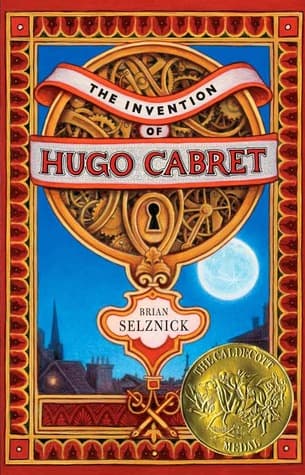
- The Invention of Hugo Cabret
Brian Selznick
4.2 (163k) average on GoodreadsFantasySet in Paris, involves orphans, mystery, and a sense of wonder, with a focus on hidden worlds.
- Miss Peregrine's Home for Peculiar Children
Ransom Riggs
3.9 (977k) average on GoodreadsFantasyInvolves children with unique abilities, a sense of adventure, and a quest for belonging.
- Harry Potter and the Sorcerer's Stone
J.K. Rowling
4.5 (7M) average on GoodreadsFantasyRescued from a miserable life under the stairs, an orphaned boy discovers he's a wizard destined for a magical school, where he uncovers a dangerous secret tied to the dark wizard who murdered his parents.
- The Hunger Games
Suzanne Collins
4.3 (6.4M) average on GoodreadsFantasyIn a future where children fight to the death on live television, Katniss Everdeen volunteers for the arena, turning a death sentence into a fight for survival and a spark of rebellion.
- 1984
George Orwell
4.2 (3.1M) average on GoodreadsPoliticsIn a future where surveillance and thought control are absolute, a man's search for truth clashes with the Party, showing that hope can be a form of rebellion.
- Divergent
Veronica Roth
4.2 (2.9M) average on GoodreadsFantasyIn a society divided by virtues, a sixteen-year-old's difference from the norm starts a rebellion that threatens her world.





Enjoyed the summary?
A summary gives you the shape of the book. The book itself has the detail, the examples and the voice.
Find Rooftoppers on AmazonAs an Amazon Associate, BookBrief earns from qualifying purchases. How we're funded