

Synopsis
Covers the whole plot, including the ending.
- Difficulty
- Easy
- Pacing
- Moderate
- Mood
- Humorous, Romantic, Lighthearted, Charming
- Read it if
- You enjoy lighthearted romance novels about self-discovery and transformation, with a touch of humor and seduction.
- Skip it if
- You prefer serious, character-driven dramas or books without romantic themes.
Sally Plot Summary
Covers the whole plot, including the ending.
The Decision to Transform
Sally, a 28-year-old primary school teacher, feels unhappy with her predictable life. She lives in a small, neat flat, following a routine of teaching and quiet evenings. After a dull date, Sally realizes she needs to change herself into a confident, appealing 'femme fatale.' This decision is not just about finding a partner, but about feeling strong and leaving behind her 'good girl' image. She starts by looking into fashion, makeup, and books on attraction, preparing for her big change. Her first steps involve small, secret changes to her clothes and daily habits, starting her journey to become the woman she imagines.
Meeting Richard
Sally first meets Richard, a handsome and somewhat distant architect, at a friend's party. She is immediately drawn to his quiet confidence and refined manner, which is very different from the men she usually meets. Richard, a confirmed bachelor, seems unaware of her first, clumsy attempts to flirt, which only makes Sally more determined. She decides then that Richard will be the target of her experiment in attraction. Her plan is not just to date him, but to become the 'erotic heroine' of his life, a challenge that excites her new ambition. She subtly starts to arrange situations where they might meet again, carefully planning her approach.
The Seduction Begins
Sally begins her mission to attract Richard with a mix of planned moves and accidental charm. She 'casually' goes to places he might be, like his coffee shop, and sets up a 'chance' meeting at an art gallery. Her attempts to be mysterious and alluring often go wrong in funny ways, showing her nervousness. For example, a chosen outfit might lead to a wardrobe problem, or a planned clever remark comes out as awkward stuttering. Despite these early mistakes, Richard is interested in Sally's mix of earnestness and growing confidence, finding her fresh compared to other women he meets. Their interactions slowly move beyond simple greetings.
First Dates and Growing Attraction
Richard eventually asks Sally out, leading to a series of dates that are both exciting and scary for Sally. She carefully plans her clothes, what to talk about, and even her body language, trying to act like her 'femme fatale' self. However, her real personality often shows through, creating a charming contrast. Richard, while first drawn to her new confidence, also senses a vulnerable side beneath her polished appearance. Their talks are a mix of light jokes and deeper discussions, showing their shared interests and mental connection. The physical attraction between them is clear, but Sally constantly fights her inner doubts and the pressure to keep up her new image, making their early dates a careful dance of pretense and real connection.
Complications with Friends and Colleagues
Sally's big change in personality and looks is noticed by those around her. Her best friend, Sarah, a practical woman, shows concern and confusion about Sally's sudden focus on attraction, fearing she is losing herself. Sarah's doubt creates a distance between them, as Sally feels misunderstood and judged. At work, Sally's bolder clothes and confident manner cause talk among her fellow primary school teachers, especially the more traditional Mrs. Henderson. Sally struggles to balance her work image with her personal search for change, often feeling like she is living two lives. These outside pressures add to her inner conflict as she tries to maintain her new self.
Richard's Past
As their relationship deepens, Sally starts to learn about Richard's past. She finds out he has had intense, but failed, relationships, and that he is careful about commitment. His past partners were often strong, independent women, which at first makes Sally believe she needs to keep up her 'femme fatale' image. However, she also realizes that Richard's past has made him guarded and somewhat doubtful about love. This discovery makes Sally question if her carefully built image is truly what Richard needs or if it is just another barrier to real closeness. She begins to wonder if her true self, with all its flaws, might be more appealing to him in the long run.
The Intensification of the Relationship
Sally and Richard's relationship moves quickly, marked by passionate moments and a growing emotional bond. Their closeness forces Sally to face the fake self she has created. During vulnerable times, her 'femme fatale' image starts to break, revealing the earnest, slightly unsure woman underneath. Richard, for his part, is increasingly drawn to these glimpses of her true self, finding her honesty appealing. He starts to challenge her assumptions and encourages her to be more open. This time is an emotional journey for Sally, as she deals with the fear of being truly seen and the wish for a real connection that goes beyond her first plan to attract him. The line between her fake self and her real identity blurs.
A Moment of Crisis
A key moment arrives when a misunderstanding or a discovery threatens their relationship. This could be Richard finding out about Sally's initial 'masterplan' for attraction, or Sally's insecurity leading her to mess things up. For instance, Sally might overhear Richard talking about her with a friend, making her believe he sees her only as a conquest or an amusing experiment. This crisis forces Sally to face the basic dishonesty of her first approach. She realizes that her carefully built image has created a barrier instead of a bridge to real closeness. The future of their relationship is uncertain as both characters deal with trust and honesty.
Reconciliation and Authenticity
After the crisis, Sally and Richard have a difficult but honest talk. Sally finally drops her 'femme fatale' act, admitting her first reasons and her fears of not being enough. She reveals her true feelings for Richard, saying that her big plan became something real and unexpected. Richard, at first hurt and confused, is touched by her honesty and openness. He admits his own doubts and his struggle with commitment, revealing that he, too, had been putting on a front. This raw honesty allows them to reconnect on a deeper, more genuine level. The event helps Sally finally let go of her fake self, allowing her to be truly herself in the relationship.
Embracing the New Sally
With the pretenses gone, Sally finds a new sense of calm and confidence. She realizes that the traits she admired in her 'femme fatale' self – confidence, assertiveness, self-assurance – were always inside her, just hidden. She no longer feels the need to pretend or carefully plan her every move. Her relationship with Richard thrives on honesty and mutual respect. She mends her friendship with Sarah, who is relieved to see Sally happy and truly herself. Sally continues to teach, but with a renewed sense of purpose and self-acceptance. She has not only found love but, more importantly, has found and embraced her true, many-sided self, showing that real connection comes from being authentic rather than artificial.
Principal Figures
Sally
Protagonist
A primary school teacher who embarks on a journey of self-reinvention to become a 'femme fatale.'
Sally is a 28-year-old primary school teacher, initially portrayed as somewhat timid, responsible, and prone to overthinking. She is intelligent and articulate but lacks self-confidence and feels stuck in a mundane routine. Her driving force is a deep desire for excitement, passion, and to feel desirable, leading her to meticulously plan her transformation into a more alluring and assertive woman. Beneath her carefully constructed persona, she is earnest, kind, and vulnerable, often struggling with her own insecurities and the pressure of maintaining her new image.
Relationships: Richard (Romantic interest, initially a target of seduction, later a genuine loving partner.); Sarah (Best friend, initially skeptical of Sally's transformation, later supportive.)
Richard
Love Interest
A sophisticated architect and confirmed bachelor who becomes the object of Sally's affections.
Richard is a handsome, intelligent architect, portrayed as confident, somewhat reserved, and a confirmed bachelor. He is analytical and observant, initially intrigued by Sally's unique blend of awkwardness and burgeoning confidence. His past relationships have left him guarded and wary of commitment, making him cautious about emotional intimacy. He values authenticity but is also drawn to strong, independent women. He is not easily swayed by superficial charm, which makes Sally's journey to genuinely connect with him more challenging and ultimately more rewarding.
Relationships: Sally (Romantic interest, initially intrigued by her persona, later deeply in love with her true self.)
Sarah
Supporting
Sally's pragmatic and grounded best friend.
Sarah is Sally's closest friend, serving as a voice of reason and a grounding presence. She is practical, loyal, and initially skeptical of Sally's radical transformation, fearing Sally is losing herself in the process. While she loves Sally, her directness can sometimes come across as critical, leading to friction. She represents the 'normal' life Sally is trying to escape, but ultimately her friendship proves to be a steadfast anchor, offering Sally honest feedback and unwavering support when it matters most.
Relationships: Sally (Best friend, occasionally strained by Sally's changes but ultimately strong and supportive.)
Mrs. Henderson
Supporting
A conservative colleague at Sally's primary school.
Mrs. Henderson is a fellow primary school teacher, representing the more traditional and somewhat judgmental aspects of Sally's professional life. She is a minor character but serves to highlight the contrast between Sally's old life and her desired new image. Mrs. Henderson is observant and prone to gossip, often raising an eyebrow at Sally's more daring outfits or confident demeanor. She embodies the societal expectations and subtle criticisms that Sally is trying to break free from, adding a layer of external pressure to Sally's internal struggle.
Relationships: Sally (Colleague, often observing Sally with mild disapproval.)
Themes & Insights
Self-Discovery and Authenticity
The main theme is Sally's journey to understand and accept who she truly is. At first, she thinks she needs to create a fake personality to find love and excitement, carefully building her 'femme fatale' image. However, through her experiences with Richard and the difficulties of keeping up her act, she learns that real connection and happiness come from being authentic. The book explores the idea that confidence and appeal are not external masks but qualities that appear when one accepts and loves themselves. This is clear when her planned attraction of Richard eventually leads to a real, open connection, as shown in the 'Reconciliation and Authenticity' chapter.
“Perhaps the greatest seduction was simply being herself, stripped of all the artifice and grand plans.”
The Power of Reinvention
The book explores the human wish for change and the often funny attempts to remake oneself. Sally's decision to change from a 'good girl' to a 'sex goddess' is a bold act, reflecting a common desire to escape perceived limits. This theme shows both the freeing and challenging parts of making big self-improvements. While her first attempts are clumsy and based on outside ideas, the process itself empowers her and makes her step outside her comfort zone. Her efforts to change her clothes, manner, and outlook show a belief that one can actively shape their own future, even if the path leads to unexpected lessons, as seen in the 'Decision to Transform' and 'The Seduction Begins' sections.
“She wasn't just changing her clothes; she was changing her entire internal landscape.”
Love vs. Seduction
This theme looks at the difference between manipulative attraction and real romantic love. Sally starts her journey with a planned 'masterplan' to attract Richard, seeing him as a target for her new self. The story cleverly compares her strategic moves with the natural growth of real feelings. As Sally and Richard spend more time together, their bond goes beyond the initial game of attraction, becoming a deeper, more open connection. The book suggests that while initial interest can be sparked by an appealing look, lasting love requires honesty, shared vulnerability, and an appreciation for the other person's true self, as shown in the 'Intensification of the Relationship' and 'A Moment of Crisis' chapters.
“The plan had been for seduction, but somewhere along the way, it had become something far more dangerous: love.”
Societal Expectations vs. Personal Desire
The story touches on the pressure people face to fit into social expectations versus their inner desires for personal happiness. Sally, as a primary school teacher, is expected to be proper, a role she fulfills but finds uninspiring. Her change is a rebellion against these expectations, a search for a more exciting and passionate life. The reactions of her best friend, Sarah, and colleagues like Mrs. Henderson, highlight the judgment and discomfort that can arise when someone deviates from their expected role. The book quietly questions these social limits, supporting the courage to seek personal happiness and define one's own identity, regardless of outside opinions.
“She was tired of being the 'good girl' everyone expected. It was time for a little glorious rebellion.”
Plot Devices & Literary Techniques
The 'Femme Fatale' Persona
Sally's adopted identity as a confident, alluring woman.
This is the central plot device driving Sally's actions and character arc. It serves as both a goal and a barrier. Initially, it provides Sally with a framework for self-improvement and a way to approach Richard. However, as the story progresses, the persona becomes a source of internal conflict, as Sally struggles to maintain the facade while developing genuine feelings. It highlights the tension between who she pretends to be and who she truly is, ultimately leading to her realization that authenticity is more powerful than artifice. The persona acts as a catalyst for her growth, forcing her to confront her insecurities.
Internal Monologue
Sally's detailed and often humorous inner thoughts and self-commentary.
The novel heavily relies on Sally's rich internal monologue to convey her insecurities, her meticulous planning, and the often-comical disparity between her intentions and reality. This device provides insight into her motivations, her self-doubt, and her evolving understanding of herself and her relationship with Richard. It allows the reader to experience her journey from her unique perspective, creating empathy and humor. Her inner thoughts reveal the gap between her 'femme fatale' exterior and her earnest, sometimes clumsy interior, making her a relatable and endearing character.
The 'Masterplan' of Seduction
Sally's elaborate, step-by-step strategy to win Richard's affection.
This device sets up the initial comedic tone and structure of Sally's pursuit of Richard. It involves her researching, planning outfits, dialogue, and 'chance' encounters. The 'masterplan' provides a tangible goal for Sally and allows for humorous situations when her carefully laid plans go awry. More importantly, it serves as a metaphor for her attempt to control love and attraction. The gradual unraveling of the plan, as genuine feelings take over, underscores the theme that true connection cannot be manufactured or strategically engineered, but must develop organically.
Sally Quotes
“The thing about love, Sally thought, was that it wasn't a choice. It was a tsunami, and you just had to ride the wave.”
“He looked at her like she was the last biscuit in the tin, and he was absolutely starving.”
“Sometimes the most sensible thing you can do is something completely mad.”
“You can plan your life down to the last second, but life has a funny way of making its own plans.”
“Being brave isn't about not being scared; it's about doing it anyway.”
“The best kind of apologies are the ones that never have to be said, because the actions speak louder.”
“Every heartbreak teaches you something, even if it's just how to put yourself back together.”
“He had a smile that could melt glaciers and probably a few hearts along the way.”
“Home wasn't a place; it was a feeling, a person, a sense of belonging.”
“Sometimes you have to break a few rules to find your own path.”
“The quiet moments were often the loudest, filled with unspoken words and understood glances.”
“Life's too short for bad coffee and boring company.”
“You don't just fall in love once; you fall in love in a million tiny ways, every single day.”
“It was the kind of kiss that made her forget her own name, and remember everything she'd ever wanted.”
Quiz
10 questions on the plot and the characters. Each answer comes with a short explanation.
Question 1
What is Sally's profession at the beginning of the novel?
- Architect
- Librarian
- Primary school teacher
- Receptionist
Show answer
C. Primary school teacher The book description explicitly states Sally is a 'well-mannered primary school teacher'.
Question 2
What is Sally's primary goal for herself at the start of the story?
- To get a promotion at work
- To re-invent herself as a femme fatale and sex goddess
- To travel the world
- To write a novel
Show answer
B. To re-invent herself as a femme fatale and sex goddess The synopsis clearly states Sally 'has decided to re-invent herself as a femme fatale and all-around sex goddess'.
Question 3
Who is the unknowing target of Sally's masterplan?
- Her boss
- Richard, an architect
- A famous celebrity
- Her childhood friend
Show answer
B. Richard, an architect The description identifies Richard, an architect, as 'the unknowing target of Sally’s masterplan'.
Question 4
What is Richard's relationship status described as in the book's summary?
- Happily married
- Divorced with children
- Confirmed bachelor
- In a long-term relationship
Show answer
C. Confirmed bachelor Richard is introduced as an 'architect, confirmed bachelor' in the book's description.
Question 5
What is the specific role Sally aims to play in Richard's life?
- His business partner
- The erotic heroine of his life
- His loyal friend
- His new client
Show answer
B. The erotic heroine of his life Sally's masterplan is 'to be the erotic heroine of his life', specifically targeting Richard.
Question 6
The journey Sally and Richard embark on is characterized as a 'roller-coaster ride' of what two main elements?
- Financial success and career advancement
- Self-discovery and seduction
- Friendship and loyalty
- Adventure and travel
Show answer
B. Self-discovery and seduction The synopsis describes their journey as a 'roller-coaster ride of self-discovery and seduction'.
Question 7
What genre is 'Sally' by Freya North described as?
- Mystery
- Fantasy
- Romance
- Thriller
Show answer
C. Romance The prompt explicitly states the genre of the book as 'Romance'.
Question 8
What is the primary contrast in Sally's character arc as presented in the summary?
- From wealthy to poor
- From shy to outgoing
- From well-mannered teacher to aspiring femme fatale
- From single to married
Show answer
C. From well-mannered teacher to aspiring femme fatale Sally is initially a 'well-mannered primary school teacher' who decides to 're-invent herself as a femme fatale and all-around sex goddess', highlighting this core contrast.
Question 9
How does the book's description characterize the overall tone and style of Freya North's first novel?
- Dark and brooding
- Intense and dramatic
- Fresh and funny
- Serious and philosophical
Show answer
C. Fresh and funny The summary concludes by calling the novel 'this fresh and funny first novel'.
Question 10
What does Sally's transformation into a 'femme fatale and all-around sex goddess' imply about her previous self?
- She was previously a successful businesswoman.
- She was likely less assertive or overtly sexual in her public persona.
- She was known for her wild and rebellious nature.
- She had no interest in romantic relationships.
Show answer
B. She was likely less assertive or overtly sexual in her public persona. The contrast with her being a 'well-mannered primary school teacher' strongly implies her previous self was not associated with the 'femme fatale' or 'sex goddess' persona, suggesting a less assertive or overtly sexual public image.
Sally FAQ
What is Sally's primary goal at the beginning of the novel?
Sally, a primary school teacher, decides to completely reinvent herself as a 'femme fatale' and 'sex goddess'. Her main objective is to become the erotic heroine in Richard's life, embarking on a deliberate mission of seduction and self-transformation.
Who is Richard and what is his initial perception of romance?
Richard is an architect and a confirmed bachelor, initially unaware of Sally's intentions. He represents a more guarded and perhaps cynical view of relationships, making him an intriguing challenge for Sally's ambitious plan.
What kind of tone can readers expect from 'Sally'?
Readers can expect a fresh and funny tone, typical of a romantic comedy. The narrative promises a 'roller-coaster ride of self-discovery and seduction,' indicating a lighthearted yet engaging exploration of its characters' journeys.
How does Sally's profession as a primary school teacher contrast with her new persona?
Sally's profession as a well-mannered primary school teacher creates a stark and humorous contrast with her new, self-proclaimed 'femme fatale' persona. This juxtaposition highlights her radical transformation and the internal conflict she might face between her old identity and her desired new one.
Does Sally's masterplan for Richard go smoothly, or are there unexpected complications?
The description implies a 'roller-coaster ride,' suggesting that Sally's masterplan for Richard is unlikely to proceed without unexpected complications and humorous mishaps. Both characters are on a journey of 'self-discovery,' indicating that their interactions will lead to unforeseen developments.
Are there any subtle hints about Sally's past relationships that might explain her desire for reinvention?
The synopsis doesn't explicitly detail Sally's past relationships, but her drastic decision to 'reinvent herself' as a femme fatale strongly implies dissatisfaction or boredom with her previous romantic experiences or self-image. This desire for change is a key motivator for her actions.
How does Richard's 'confirmed bachelor' status subtly influence Sally's approach to seduction?
Richard's status as a 'confirmed bachelor' likely presents an added layer of challenge for Sally, possibly making her more determined or innovative in her seduction techniques. It suggests he might be harder to win over, pushing Sally to fully embrace her new persona.
Are there any secondary characters who play a significant role in either Sally's transformation or Richard's perspective?
The synopsis focuses primarily on Sally and Richard, but in a 'first novel' often supporting characters serve as confidantes or foils. While not mentioned, friends or colleagues could offer advice or commentary, subtly influencing Sally's confidence or Richard's guardedness.
What internal struggles might Sally face as she attempts to maintain her 'femme fatale' facade?
Sally will likely struggle with authenticity, balancing her natural 'well-mannered' self with the artificiality of her 'femme fatale' persona. She might fear being discovered or question if her true self is enough to attract Richard, leading to moments of doubt and vulnerability.
How does Richard's initial resistance or unawareness contribute to his own journey of self-discovery?
Richard's initial unawareness and 'confirmed bachelor' status mean Sally's pursuit will force him to confront his preconceived notions about relationships and women. Her unconventional approach will likely challenge his comfort zone, leading him to re-evaluate his desires and emotional boundaries.
In what ways might Sally's reinvention be a form of empowerment, and in what ways could it be self-deception?
Sally's reinvention could be empowering by giving her agency and confidence she previously lacked, allowing her to pursue what she wants. However, it could also be self-deception if she loses touch with her genuine self, believing she needs a facade to be desirable.
How does the humor in the novel likely stem from the characters' internal conflicts and external actions?
The humor likely arises from the clash between Sally's exaggerated 'femme fatale' attempts and her underlying primary school teacher nature, as well as Richard's reactions to her unexpected advances. Their internal struggles and clumsy attempts at seduction and self-discovery provide ample comedic opportunities.
Is Sally's 'masterplan' ultimately about seducing Richard, or is it more about her own personal growth?
While her initial stated goal is to be the 'erotic heroine of his life,' the phrase 'self-discovery' for both characters suggests Sally's journey is equally, if not more, about her own personal growth. Richard acts as a catalyst for her to explore her identity and desires.
Does the novel endorse the idea of transforming oneself for love, or does it critique it?
The novel likely explores both aspects, possibly showing the initial fun and confidence Sally gains, but ultimately suggesting that true connection comes from authenticity. It might critique the idea of a complete superficial transformation while celebrating genuine self-improvement inspired by love.
What deeper message might the author be conveying about female desire and agency through Sally's character?
The author might be exploring themes of female desire, agency, and challenging societal expectations by showing Sally actively pursuing what she wants. Sally's decision to become a 'sex goddess' could be interpreted as reclaiming her sexuality and taking control of her romantic life, rather than passively waiting.
How might Richard's eventual acceptance of Sally, or lack thereof, reflect on his own character development?
If Richard accepts Sally, it signifies his growth beyond his 'confirmed bachelor' status, embracing vulnerability and a less conventional partner. If he struggles, it highlights his ingrained resistance to commitment, making his journey of self-discovery more challenging and potentially revealing deeper insecurities.
What role does the 'first novel' aspect play in the narrative's potential themes or style?
As a 'first novel,' 'Sally' likely exhibits a fresh, energetic voice and a focus on character introduction and foundational romantic tropes. It might explore themes of identity and initial steps into adulthood or self-actualization with a certain youthful enthusiasm and humor.
About the author

Freya North is a British author known for her contemporary fiction. Her notable works include "Pillow Talk," "Cat," and "Sally," which often explore themes of relationships and personal growth. North's writing is characterized by its engaging narratives and relatable characters.
Similar books
- Bridget Jones's Diary
Helen Fielding
3.8 (881k) average on GoodreadsRomanceWhile both feature relatable female protagonists undergoing transformation and navigating romantic mishaps, Bridget Jones's Diary offers a more satirical and overtly comedic take on the single woman's experience. Bridget's internal monologues are sharper and more self-deprecating, providing a distinct satirical tone compared to Sally's gentler focus on personal growth.
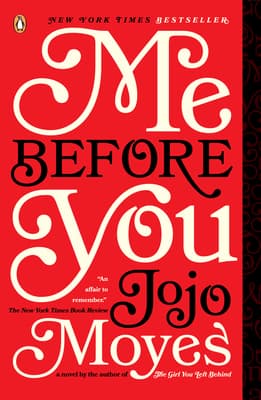
- Me Before You
Jojo Moyes
4.3 (1.1M) average on GoodreadsRomanceBoth novels explore transformation spurred by a romantic connection, but Me Before You delves into significantly heavier, more profound existential questions and ethical dilemmas, giving it a dramatic weight that Sally intentionally avoids. North's work aims for a lighter, more uplifting journey of self-discovery, positioning it as a comfort read rather than a challenging one like Moyes's.
- The Hunger Games
Suzanne Collins
4.3 (6.4M) average on GoodreadsFantasyIn a future where children fight to the death on live television, Katniss Everdeen volunteers for the arena, turning a death sentence into a fight for survival and a spark of rebellion.
- The Great Gatsby
F. Scott Fitzgerald
3.9 (3.8M) average on GoodreadsHistorical FictionIn the opulent Roaring Twenties, a mysterious millionaire's lavish parties hide his desperate, tragic pursuit of a lost love, exposing the emptiness within the American Dream.
- The Fault in Our Stars
John Green
4.2 (3.6M) average on GoodreadsYoung AdultA girl with a terminal illness finds her story rewritten when a charming boy with a similar past enters her life at a cancer support group, leading to a star-crossed romance.
- Pride and Prejudice
Jane Austen
4.3 (3M) average on GoodreadsHistorical FictionIn a society focused on status and money, Elizabeth Bennet navigates love and pride, challenging Mr. Darcy and social expectations to find true affection.





Enjoyed the summary?
A summary gives you the shape of the book. The book itself has the detail, the examples and the voice.
Find Sally on AmazonAs an Amazon Associate, BookBrief earns from qualifying purchases. How we're funded