

Synopsis
Covers the whole plot, including the ending.
- Difficulty
- Medium
- Pacing
- Variable
- Mood
- Dark, Suspenseful, Intense, Angsty
- Read it if
- You enjoy dark, angsty romance with a strong focus on psychological torment, rebellion, and complex character struggles in a fantasy setting.
- Skip it if
- You prefer lighthearted stories, dislike explicit depictions of violence or psychological manipulation, or are looking for a standalone novel.
Salvation Plot Summary
Covers the whole plot, including the ending.
Aria's Imprisonment and Caleb's Manipulation
After being captured by Caleb, Aria is imprisoned in the King's castle, a place she once considered home but now a cage. Caleb, driven by his twisted affection and loyalty to the King, manipulates and abuses Aria, aiming to break her spirit and force her into submission. He often reminds her of Braith's perceived abandonment and that resistance is pointless. Aria is forced to witness the treatment of other captives and the executions ordered by King Aethelred, which slowly chip away at her resolve. Despite the constant fear and pain, Aria holds onto hope of escape and the memory of Braith, refusing to let Caleb completely shatter her identity. She endures solitary confinement and periods of starvation, all designed to make her compliant.
Braith's Internal Conflict and Leadership Burden
Following Aria's capture, Braith is consumed by grief and a desperate need to find and rescue her. However, his responsibilities as the chosen leader of the growing rebellion weigh heavily on him. The rebel forces, made up of various factions and disillusioned citizens, look to him for guidance and strategy against King Aethelred's oppressive rule. Braith is haunted by the darkness within him, a fear of becoming like his father, King Aethelred, and succumbing to the brutal instincts needed for war. He trains diligently, hones his leadership skills, and tries to maintain a strong appearance for his followers, all while battling his personal demons and the agonizing uncertainty of Aria's fate. His closest allies, including Kael and even his father's former general, try to keep him focused on the larger cause.
Aria's Resistance and the Seeds of Rebellion Within the Castle
Aria's resilience is tested daily within the castle walls. She endures Caleb's psychological games, where he tries to convince her that Braith has forgotten her or cannot save her. However, Aria remains defiant, refusing to give Caleb the satisfaction of breaking her completely. She observes her surroundings, noticing the fear and discontent among some of the castle servants and guards. She manages to connect with a few sympathetic individuals, exchanging glances and small gestures that hint at a shared desire for change. These small acts of defiance and solidarity provide Aria with hope and reinforce her determination to survive and contribute to the King's downfall, even from her cell.
Braith's Difficult Decisions and the Rising Tide of War
As the rebel forces gather strength, Braith is forced to make difficult and morally ambiguous decisions. He authorizes raids, plans attacks, and strategizes for a full-scale confrontation with the King's army. These actions, while necessary for the rebellion, often involve violence and loss, causing Braith to question his own humanity and leadership. He grapples with the fear of becoming a monster like his father, even as he fights against his father's tyranny. Kael acts as his confidante and tactical advisor, often reminding him of the greater good, but Braith's internal struggle intensifies with each calculated move. The rebels' numbers swell, and the whispers of war become a roar, demanding Braith's full commitment.
Caleb's Obsession and Aria's Desperation
Caleb's obsession with Aria grows, blurring the lines between captor and a twisted admirer. He believes he is 'saving' her from Braith and the rebellion, attempting to mold her into his ideal companion. Aria, however, sees only a relentless tormentor. The constant psychological pressure, combined with the physical deprivations and the gruesome spectacles of the King's cruelty, pushes Aria to the edge. She begins to contemplate drastic measures, even self-harm, as a means of escape or to deny Caleb the satisfaction of controlling her. Her will to live is severely tested, but the faint hope of Braith's return and the thought of justice for the innocent victims keep a small spark alive within her.
The Rebellion's First Major Engagements
The rebellion moves beyond gatherings and into active conflict. Braith leads his forces in several successful skirmishes against the King's outposts and patrols. These initial victories, though small, boost the rebels' morale and solidify Braith's position as their leader. However, they also come with casualties, forcing Braith to confront the harsh realities of war. He shows strategic prowess and a fierce determination, earning the respect of his fighters, but each victory also takes a toll on him personally. The King's forces, initially underestimating the rebellion, begin to take them more seriously, intensifying the conflict and signaling the inevitable larger war.
Aria's Escape Attempt and Near Discovery
Driven by her desperate situation and the growing hope of a larger uprising, Aria seizes an opportunity to escape. With the quiet assistance of a disillusioned guard, she slips out of her cell and navigates the castle's hidden passages. Her heart pounds with fear and exhilaration as she moves through the shadows, trying to reach the outer walls. However, her escape is nearly discovered by Caleb, who is always one step ahead. She narrowly avoids capture, using her wits and agility to evade him, but the close call leaves her shaken and reinforces the terrifying omnipresence of her captor within the castle. The sympathetic guard faces severe repercussions for his actions.
Braith's Assault on the Castle
With the rebellion at its peak, Braith makes the decision to launch a direct assault on King Aethelred's fortified castle. This is the culmination of months of planning, training, and skirmishes. Braith, accompanied by Kael and the most seasoned rebel fighters, leads the charge, fueled by his love for Aria and his resolve to end his father's tyranny. The battle is fierce and bloody, with heavy casualties on both sides. Braith shows incredible bravery and combat skill, fighting his way through the King's loyal guards, driven by the knowledge that Aria is somewhere within those walls. The fate of the kingdom, and Aria's life, hangs in the balance.
Aria and Braith's Reunion Amidst Chaos
Amidst the chaos and carnage of the castle assault, Braith finally reaches Aria's location. Their reunion is an emotional, desperate moment, filled with relief and renewed hope. However, there is no time for celebration. Caleb, enraged by Braith's presence and Aria's perceived betrayal, confronts them directly, leading to a brutal and personal showdown. Aria, though weakened, fights alongside Braith, showing her own resilience and determination. They must contend not only with Caleb but also with the remaining loyalist guards and the collapsing structure of the castle itself, making their escape dangerous. The battle rages around them as they fight to survive.
The Final Confrontation and its Aftermath
Braith, after defeating Caleb, finally faces his father, King Aethelred, in a climactic and emotional confrontation. This is not just a battle for the throne, but a personal struggle between father and son, representing the clash between tyranny and freedom. The fight is brutal, testing Braith's limits physically and psychologically. With Aria's survival and the future of the kingdom at stake, Braith is forced to make the ultimate choice. The battle concludes with the King's defeat, but not without significant loss and sacrifice. The aftermath sees the castle in ruins, the rebellion victorious, and Braith grappling with the burden of leadership and the scars of war, as he and Aria face an uncertain future together.
Principal Figures
Aria
Protagonist
Captive and resilient woman, fighting for survival and freedom.
Aria is the central protagonist, whose strength and resilience are tested to their limits throughout her imprisonment. Despite enduring psychological torment, physical abuse, and the constant threat of death under Caleb and King Aethelred, she refuses to be broken. Her inner resolve, her memories of Braith, and her unwavering belief in justice fuel her defiance. Aria is intelligent, observant, and capable of subtle resistance, even when seemingly powerless. She carries the emotional scars of her past but uses them to harden her will, demonstrating an incredible capacity for survival against overwhelming odds. She is a symbol of hope for the oppressed.
Relationships: Braith (Fiancé, true love, source of hope and motivation); Caleb (Captor, obsessed tormentor, former friend); King Aethelred (Tyrannical ruler, Braith's father, her ultimate oppressor)
Braith
Protagonist
Rebel leader, torn between love and duty, battling his inner darkness.
Braith is the co-protagonist, burdened with the immense responsibility of leading the rebellion against his tyrannical father, King Aethelred. He is deeply in love with Aria and tormented by her capture, but his duty to his people often conflicts with his personal desires. Braith constantly battles an internal darkness, fearing he will become as ruthless and cruel as his father in his pursuit of justice. He is a skilled warrior and strategist, but his leadership path forces him to make morally ambiguous decisions that weigh heavily on his conscience. His struggle is to maintain his humanity while fighting a brutal war.
Relationships: Aria (Fiancée, true love, driving force for his actions); King Aethelred (Father and sworn enemy); Caleb (Former friend, now rival and enemy); Kael (Trusted friend and second-in-command)
Caleb
Antagonist
Aria's captor, loyal to the King, and obsessed with Aria.
Caleb is a complex antagonist, driven by a twisted sense of loyalty to King Aethelred and an unhealthy obsession with Aria. He believes he is 'saving' Aria by keeping her captive and away from Braith, whom he views as a dangerous rebel. Caleb is manipulative, cruel, and psychologically abusive, using Aria's fears and vulnerabilities against her. He was once a friend to both Aria and Braith, which makes his betrayal all the more poignant. His actions are rooted in a deep-seated desire for control and a warped perception of love, making him a formidable and personal threat to Aria.
Relationships: Aria (Object of his obsession, captive); Braith (Former friend, now bitter rival and enemy); King Aethelred (Loyal servant)
King Aethelred
Antagonist
Braith's tyrannical father and the oppressive ruler of the kingdom.
King Aethelred is the primary antagonist, a cruel and ruthless monarch who rules through fear and intimidation. He is Braith's father, embodying the very darkness Braith fears within himself. Aethelred is utterly devoid of empathy, ordering executions and tortures without a second thought, and his reign is characterized by oppression and suffering. His determination to crush the rebellion and maintain absolute power is unwavering. He views Braith's rebellion as a personal affront and is determined to destroy him. He represents the ultimate evil that Braith and Aria must overcome for the kingdom to find peace.
Relationships: Braith (Son and ultimate enemy); Caleb (Loyal, though misguided, servant)
Kael
Supporting
Braith's loyal friend and strategic advisor in the rebellion.
Kael is Braith's most trusted friend and a crucial figure in the rebel leadership. He is pragmatic, loyal, and a skilled warrior, often serving as Braith's voice of reason and tactical mind. Kael supports Braith through his internal struggles, reminding him of their cause and helping him navigate the moral complexities of war. He is fiercely dedicated to the rebellion and to protecting Braith, providing a steadying presence amidst the chaos. Kael's unwavering support and strategic insights are indispensable to the success of the uprising.
Relationships: Braith (Close friend and second-in-command); Aria (Ally, whom he also wishes to protect)
General Theron
Supporting
Former Royal General, now a key figure in the rebellion.
General Theron is a seasoned military leader who initially served King Aethelred but eventually defects to join Braith's rebellion. His defection is a significant turning point, bringing valuable experience, strategic knowledge, and a sense of legitimacy to the rebel cause. Theron is honorable and weary of the King's cruelty, seeking to restore justice to the kingdom. He provides Braith with crucial military advice and helps to train the rebel forces, acting as a mentor figure. His presence is vital in challenging the King's entrenched power.
Relationships: Braith (Leader whom he advises and supports); King Aethelred (Former commander, now enemy)
Elara
Supporting
Sympathetic castle servant who aids Aria.
Elara is a quiet but compassionate castle servant who, despite the extreme risks, shows kindness and subtle aid to Aria during her captivity. She represents the hidden dissent and humanity within the King's oppressive stronghold. Her small acts of defiance, such as providing extra food or passing messages, are crucial for Aria's survival and her hope for escape. Elara's character highlights that not everyone within the King's immediate circle is loyal to his tyranny, and that even small acts of courage can have significant impact.
Relationships: Aria (Captive whom she secretly helps)
Lord Valerius
Mentioned
A powerful lord who initially supports the King but is swayed by the rebellion.
Lord Valerius is a powerful and influential lord in the kingdom, initially a loyal subject of King Aethelred. However, as the rebellion gains momentum and the King's atrocities become undeniable, Valerius's allegiance wavers. He represents the segment of the nobility who are not inherently evil but are forced to choose sides as the civil war escalates. His eventual, albeit cautious, support or neutrality is crucial for Braith's legitimacy and the broader acceptance of the rebellion.
Relationships: King Aethelred (Liege lord, whose rule he eventually questions); Braith (Potential new leader, whom he may support)
Themes & Insights
Survival and Resilience
Survival is central, especially through Aria's experience in captivity. Despite constant physical and psychological torment from Caleb and witnessing the King's brutality, Aria's will to live and resist remains unbroken. Her ability to find small acts of defiance, maintain hope, and cling to her identity shows the strength of the human spirit under duress. This theme is also present in Braith's struggle to survive the moral compromises of war while leading the rebellion.
“She would not break. Not for Caleb, not for the King, not for anyone. She was Aria, and she would survive.”
Identity and Self-Discovery
Both Aria and Braith go through journeys of self-discovery. Aria, stripped of her freedom and past, must rediscover her inner strength and resolve, defining herself not by her captivity but by her resistance. Braith grapples with the fear of becoming like his tyrannical father, forcing him to confront the darkness within himself and consciously choose a path of justice and humanity, even amidst the violence of war. Their individual challenges force them to understand who they truly are and what they stand for.
“He fought not only for the kingdom, but against the monster he feared he might become.”
Love and Sacrifice
The deep love between Aria and Braith acts as a motivator and a source of hope throughout the story. Braith's desperate need to rescue Aria fuels his determination to overthrow his father, while Aria's memories of Braith sustain her during her darkest moments. Their love demands immense sacrifice, forcing Braith to risk everything in war and Aria to endure suffering. This theme explores how love can be both a source of strength and a a burden, requiring individuals to make difficult choices for the sake of those they cherish.
“Every beat of his heart was a prayer for her, every swing of his sword a promise to bring her home.”
Tyranny vs. Freedom
The main conflict of the book is the struggle between King Aethelred's tyranny and the yearning for freedom embodied by the rebellion. The King's reign is characterized by cruelty, fear, and the suppression of rights, while Braith's rebellion fights for justice, hope, and a better future for the kingdom. Aria's personal captivity mirrors the larger political oppression, making her struggle for freedom a small part of the entire kingdom's fight. This theme explores the nature of power, its corruption, and the human desire for liberty.
“The King's chains were not just on her wrists, but on the very soul of the kingdom.”
Plot Devices & Literary Techniques
Dual Perspective Narrative
Alternating chapters between Aria's and Braith's viewpoints.
The story is told through alternating perspectives, primarily focusing on Aria's experiences in captivity and Braith's journey leading the rebellion. This device allows readers to simultaneously witness the psychological torment and resilience within the castle walls and the strategic planning and moral dilemmas on the battlefield. It builds suspense by showing their separate struggles and highlights the parallel themes of survival and leadership, while also emphasizing the emotional connection that keeps them fighting for each other despite their physical separation. This creates a comprehensive view of the escalating conflict.
Psychological Torture
Caleb's manipulation and mental abuse of Aria.
Caleb's primary method of control over Aria is psychological torture, rather than solely physical. He constantly tries to break her spirit by undermining her hope, questioning Braith's loyalty, isolating her, and forcing her to witness atrocities. This device highlights the insidious nature of mental abuse and its profound impact on a person's identity and will. It makes Caleb a particularly menacing antagonist, as his attacks are often more damaging to Aria's inner self than physical pain, pushing her to the brink of despair and challenging her core beliefs.
The 'Darkness Within'
Braith's internal struggle against becoming like his tyrannical father.
Braith's recurring fear of succumbing to a 'darkness within'—the ruthlessness and cruelty he associates with his father, King Aethelred—serves as a significant internal conflict. This device explores the moral cost of war and leadership, forcing Braith to constantly examine his motives and actions. It adds depth to his character, preventing him from being a one-dimensional hero and emphasizing the psychological toll of his responsibilities. His struggle to maintain his humanity while fighting a brutal war is a central element of his character arc and a driving force behind his decisions.
Salvation Quotes
“Sometimes the only way to find yourself is to lose everything else first.”
“Love isn't about fixing someone; it's about standing beside them while they fix themselves.”
“The mind is a labyrinth, and healing is the thread that guides you out.”
“In the silence between heartbeats, I found the courage to breathe again.”
“We don't fall in love with perfection; we fall in love with the broken pieces that fit together.”
“Fear is a shadow that only grows when you turn away from the light.”
“Every scar tells a story, and every story has the power to save someone.”
“The heart doesn't care about logic; it beats to the rhythm of hope.”
“Salvation isn't a destination; it's the journey of picking up the pieces.”
“In the depths of despair, I found a love that was stronger than my pain.”
“The past is a ghost, but we hold the power to either haunt or heal.”
“True connection isn't about finding someone perfect, but about seeing the beauty in their imperfections.”
“Sometimes the bravest thing you can do is to let someone see you cry.”
“Healing is not a straight line; it's a spiral that brings you back to yourself, stronger each time.”
Quiz
10 questions on the plot and the characters. Each answer comes with a short explanation.
Question 1
What is the primary setting where Aria is held captive in 'Salvation'?
- A rebel camp in the wilderness
- The king's palace under Caleb's control
- A remote vampire coven in the mountains
- Braith's ancestral home
Show answer
B. The king's palace under Caleb's control In 'Salvation', Aria is imprisoned by Caleb at the king's palace, where she endures captivity and witnesses atrocities, central to her struggle and the book's plot.
Question 2
What internal conflict does Braith face regarding his father in this book?
- He seeks to reconcile with his father to gain political power
- He struggles not to become like his father, whom he hates
- He plans to overthrow his father to take the throne for himself
- He denies any connection to his father's legacy
Show answer
B. He struggles not to become like his father, whom he hates Braith is tormented by the darkness that threatens to make him similar to his father, a key theme in his character development as he leads the rebel war.
Question 3
What realization does Aria come to about survival during her captivity?
- Survival is always the best option, no matter the cost
- Survival isn't always the best option in the face of certain horrors
- Survival depends solely on physical strength and endurance
- Survival is guaranteed if she cooperates with her captors
Show answer
B. Survival isn't always the best option in the face of certain horrors Aria witnesses atrocities that lead her to understand some horrors are unbearable, challenging the notion that survival is paramount, a central theme in the book.
Question 4
Why is Braith forced to choose between rescuing Aria and leading the rebel war?
- Because the rebel war is a distraction created by Caleb
- Because he is chosen to lead the war while Aria is imprisoned, creating a time-sensitive conflict
- Because Aria asks him to prioritize the war over her rescue
- Because the king offers him a truce if he abandons the war
Show answer
B. Because he is chosen to lead the war while Aria is imprisoned, creating a time-sensitive conflict Braith's role as the chosen leader of the impending rebel war clashes with his personal need to save Aria, driving the plot's tension and his character's dilemma.
Question 5
How does Aria's determination change as she experiences captivity in 'Salvation'?
- She becomes more submissive to avoid further punishment
- She remains unbroken but realizes some horrors are too much to withstand
- She fully breaks down and loses all hope early on
- She decides to join forces with Caleb to survive
Show answer
B. She remains unbroken but realizes some horrors are too much to withstand Aria starts determined not to be broken, but the atrocities she witnesses lead to a nuanced realization about human limits, key to her character arc.
Question 6
What is a major theme explored through both Aria and Braith's separate challenges?
- The importance of wealth and status in overcoming adversity
- The struggle with identity and acceptance in the face of impossible odds
- The inevitability of technological progress in war
- The superiority of vampire culture over human society
Show answer
B. The struggle with identity and acceptance in the face of impossible odds Both characters must come to terms with who they are and what they want amidst war and separation, highlighting themes of identity and acceptance.
Question 7
What role does Caleb play in Aria's imprisonment in this book?
- He secretly helps Aria escape early in the story
- He is her primary captor, holding her at the king's mercy
- He is a neutral observer with no direct involvement
- He leads the rebel war against the king
Show answer
B. He is her primary captor, holding her at the king's mercy Caleb is directly responsible for imprisoning Aria, serving as an antagonist who subjects her to the king's control, crucial to the plot's conflict.
Question 8
What impending event forces Aria and Braith to confront the likelihood they may never be together?
- A natural disaster that threatens to destroy their homes
- An inevitable war that not all will survive
- A political marriage arranged by the king for Braith
- A prophecy foretelling their eternal separation
Show answer
B. An inevitable war that not all will survive The looming war, which all will fight but not all survive, creates high stakes that challenge Aria and Braith's relationship and future together.
Question 9
How does Braith's struggle with darkness relate to his leadership in the rebel war?
- It makes him a more ruthless and effective leader, similar to his father
- It threatens to corrupt him, but he resists to lead with integrity against his father's ways
- It causes him to abandon the war entirely to focus on personal redemption
- It has no impact on his war efforts, as they are separate issues
Show answer
B. It threatens to corrupt him, but he resists to lead with integrity against his father's ways Braith's internal battle against becoming like his father influences his leadership, as he strives to maintain his morals while guiding the rebels, a key character dynamic.
Question 10
In the context of 'Salvation', what does the title likely symbolize for the characters?
- A literal religious conversion experienced by Aria
- The hope for rescue or redemption amidst war and personal torment
- A new political system established after the war
- The discovery of a hidden treasure that saves everyone
Show answer
B. The hope for rescue or redemption amidst war and personal torment The title 'Salvation' reflects themes of rescue (Aria from captivity), redemption (Braith from darkness), and the elusive hope for a better outcome in the war.
Salvation FAQ
What is 'Salvation' by Erica Stevens about?
'Salvation' is the fourth book in the Captive Series, focusing on Aria and Braith's separate struggles. Aria is imprisoned by Caleb and the vampire king, witnessing atrocities that challenge her will to survive, while Braith is torn between rescuing her and leading the rebel war, fighting his own darkness to avoid becoming like his father. Their separate challenges force them to confront their identities and desires as an inevitable war approaches.
Why should I read 'Salvation'?
Readers should dive into 'Salvation' for its intense psychological and romantic tension, as it explores themes of survival, identity, and sacrifice. The book deepens the series' conflict with Aria's imprisonment testing her limits and Braith's leadership struggles adding moral complexity, culminating in a high-stakes war that promises emotional payoff for fans of the series.
What is the background/setting of 'Salvation'?
The setting is a dystopian world where vampires rule over humans, with Aria imprisoned in the vampire king's stronghold under Caleb's control, and Braith operating in rebel territories. The backdrop involves escalating tensions leading to an inevitable war between vampires and humans, with locations shifting between oppressive captivity and rebel hideouts.
What are the most memorable quotes?
Key quotes include Aria's realization, 'sometimes survival isn’t always the best option,' reflecting her despair, and Braith's internal conflict, 'fighting against the darkness which threatens to drag him into its tempting depths,' highlighting his struggle with his vampire nature. These lines encapsulate the book's themes of sacrifice and identity.
What writing style does Erica Stevens use in 'Salvation'?
Erica Stevens employs a dual-perspective narrative, alternating between Aria's first-hand experiences of imprisonment and Braith's third-person struggles with leadership and darkness. The style is intense and emotional, blending psychological depth with romantic tension, using vivid descriptions to convey the horrors Aria witnesses and Braith's internal battles.
What minor details add significant meaning in 'Salvation'?
Minor details like Aria's observations of other prisoners' fates underscore the systemic cruelty of the vampire regime, amplifying her moral dilemma. Braith's fleeting memories of his father's tyranny serve as subtle reminders of his fear of becoming a monster, adding layers to his character development and the theme of inherited darkness.
What are some subtle foreshadowing moments?
Foreshadowing includes Aria's growing realization that 'some horrors no one can withstand,' hinting at potential breakdowns or sacrifices. Braith's struggle with 'the darkness which threatens to drag him' foreshadows his possible descent into violence or a pivotal choice in the war, setting up climactic moments in the series.
What unexpected character connections exist?
Unexpected connections emerge through Aria's interactions with other prisoners, revealing shared traumas that bond them against the vampires. Braith's leadership role forces alliances with rebel factions, including former enemies, highlighting how the war reshapes relationships and blurs lines between friend and foe in the fight for survival.
What are unspoken character motivations in 'Salvation'?
Aria's unspoken motivation is her deep-seated fear of losing her humanity and becoming broken like others she witnesses, driving her defiance. Braith is motivated by a hidden guilt over Aria's capture and a desire to prove he's not like his father, fueling his leadership but also his internal conflict with his vampire instincts.
What psychological complexities do characters exhibit?
Aria exhibits psychological complexity through her shifting resolve, from determination to despair as atrocities wear her down, showcasing the toll of trauma. Braith's complexity lies in his dual nature as a vampire leader fighting his own darkness, grappling with love, duty, and the fear of monstrosity, making his choices morally ambiguous.
What are the major emotional turning points?
Major emotional turning points include Aria's moment of realizing survival might not be worth enduring further horrors, marking a shift in her psyche. For Braith, the turning point is when he must prioritize the war over an immediate rescue of Aria, forcing him to confront his responsibilities and the cost of his love.
How do relationship dynamics evolve between Aria and Braith?
Their relationship evolves from a focus on reunion to a strained separation, with Aria's imprisonment testing her independence and Braith's war duties creating distance. This forces them to grow individually, with their bond becoming more about mutual understanding and sacrifice rather than physical closeness, deepening their emotional connection.
Which parts of 'Salvation' remain ambiguous or open-ended?
Ambiguities include whether Aria will fully break under captivity or find a new strength, and if Braith can resist his darkness without compromising the war effort. The likelihood of Aria and Braith being together is left uncertain, with the looming war suggesting potential sacrifices or separations that keep readers guessing.
What are controversial scenes or decisions in the book?
Controversial scenes involve Aria witnessing extreme atrocities that challenge her morality, raising debates about endurance versus surrender. Braith's decision to delay rescuing Aria for the war is contentious, as it pits personal love against greater good, sparking discussions on leadership and sacrifice in the fandom.
'Salvation' ending explained: how it ends & what it means
The ending sets the stage for the inevitable war, with Aria and Braith still separated but resolved in their paths—Aria clinging to defiance and Braith embracing leadership. It means that their love is tested by larger conflicts, suggesting that survival and reunion may require painful choices, with the war promising high stakes and potential losses in future books.
About the author

Erica Stevens is an author known for her fiction works, including "Refugee," "Redemption," and "Salvation." Her writing often explores themes of survival and personal transformation, engaging readers with compelling narratives and relatable characters.
Similar books
- A Court of Thorns and Roses
Sarah J. Maas
4.2 (476k) average on GoodreadsFantasyFeatures a strong female protagonist in a dangerous fae world, dealing with captivity and a complex romance amidst war.
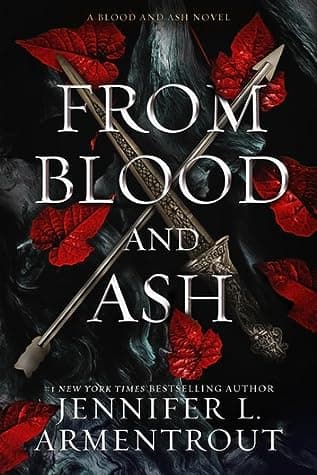
- From Blood and Ash
Jennifer L. Armentrout
4.4 (27k) average on GoodreadsFantasyCombines a forbidden romance with a rebellion against an oppressive regime, featuring intense emotional and physical trials.
- The Cruel Prince
Holly Black
4.1 (216k) average on GoodreadsFantasyExplores themes of power struggles, political intrigue, and a complicated relationship in a dangerous fae court setting.
- It Ends with Us
Colleen Hoover
4.4 (212k) average on GoodreadsYoung AdultHoover's novel offers a more raw and unflinching exploration of abuse cycles and difficult recovery choices, presenting a less idealized path compared to Stevens' often simplified narrative.
- The Seven Husbands of Evelyn Hugo
Taylor Jenkins Reid
4.3 (222k) average on GoodreadsHistorical FictionReid's work demonstrates more sophisticated character development and a stronger sense of internal agency for its characters, even within romantic entanglements, which "Salvation" lacks in its portrayal of the protagonist's journey.
- The Perks of Being a Wallflower
Stephen Chbosky
4.2 (1.3M) average on GoodreadsPsychologyThrough letters, a shy high school freshman learns to navigate first love, trauma, and self-discovery, stepping off the sidelines and into life.





Enjoyed the summary?
A summary gives you the shape of the book. The book itself has the detail, the examples and the voice.
Find Salvation on AmazonAs an Amazon Associate, BookBrief earns from qualifying purchases. How we're funded