

Synopsis
Covers the whole plot, including the ending.
- Difficulty
- Medium
- Pacing
- Moderate
- Mood
- Emotional, Reflective, Historical, Bittersweet
- Read it if
- You enjoy dual-timeline historical fiction focusing on the impact of war on personal identity and family secrets.
- Skip it if
- You prefer fast-paced thrillers or stories without significant emotional weight and moral dilemmas.
Secrets of a Charmed Life Plot Summary
Covers the whole plot, including the ending.
A Scholar's Quest and an Elderly Woman's Reluctance
In present-day Oxford, England, American scholar Kendra Van Zant researches children evacuated during World War II. She plans to interview Isabel McFarland, an elderly woman in a care home who was an evacuee. Isabel initially avoids sharing her past, giving only vague details. Kendra, driven by academic goals and a personal wish to understand resilience, gently asks for more, sensing a deeper story behind Isabel's quiet manner. This first meeting sets up the main mystery and the connection between generations that will drive the story.
The Downtree Sisters and Wartime Evacuation
In 1940, as the Blitz worsens in London, fifteen-year-old Emmy Downtree, who wants to be a fashion designer, and her six-year-old sister, Julia, are among thousands of children sent to the countryside. They go to live with a kind but strict couple, the Fosters, in a Cotswold cottage in Upper Norton. Emmy, though concerned for Julia, dislikes the interruption to her life and ambitions. Julia, a sensitive child, holds onto Emmy as her only comfort in a confusing new world.
Emmy's Escape to London
Emmy, driven by ambition and a desire for her old life, grows restless in Upper Norton. She secretly writes to Mrs. Finch, an acquaintance in the London fashion industry. Believing she has an apprenticeship opportunity, Emmy decides to leave Julia with the Fosters and return to London. This choice, made against Julia's pleas and the Fosters' advice, is a turning point that will affect both sisters deeply.
Julia's Desperation and a Tragic Accident
Heartbroken and feeling abandoned by Emmy, Julia's emotional state worsens. One day, unable to bear the separation, she tries to run away from Upper Norton to find Emmy in London. Lost and alone, she is hit by a vehicle. The accident leaves Julia with severe injuries and memory loss, especially about the time before and after her separation from Emmy, solidifying the trauma of their parting.
Emmy's New Identity and Guilt
When Emmy returns to London, she finds the city bombed and her fashion opportunity gone. She learns of Julia's accident and, due to a misunderstanding or miscommunication in the wartime chaos, comes to believe Julia has died. Overwhelmed by grief and guilt, Emmy decides to reinvent herself. She takes the name 'Isabel McFarland,' the name of a girl she briefly knew during evacuation, hoping to escape her past and the burden of her perceived role in Julia's death.
Isabel's Life in London and Continued Secrets
As 'Isabel McFarland,' Emmy tries to build a new life in wartime London. She finds work and attempts to suppress memories of Julia and her old identity. Despite her efforts, guilt and the secret of her past constantly weigh on her. She makes choices that show her desire for anonymity and protection, always looking over her shoulder, fearing discovery and the truth about her past. This period shows how her decision affected her entire adult life.
Kendra Uncovers the Truth
Back in the present, Kendra's research starts to show results. She finds old letters and documents from the war that suggest inconsistencies in Isabel's story. Through careful checking and a growing feeling that Isabel hides a big truth, Kendra finds evidence that 'Isabel McFarland' is not who she says she is. The clues point to a hidden identity, a lost sister, and a wartime separation, slowly revealing the depth of the elderly woman's lifelong secret.
The Revelation of Julia's Survival
Kendra eventually discovers that Julia did not die in the accident but survived, though with lasting physical and emotional scars. She was adopted by another family and lived a full life, separate from Emmy. With this knowledge, Kendra gently confronts Isabel, showing her the evidence. This news shocks Isabel, who has carried the burden of Julia's presumed death for decades. The truth begins to break down the walls around Isabel's heart.
Isabel's Confession and Reconciliation
Moved by Kendra's compassionate persistence and the weight of the truth, Isabel, now revealed as Emmy Downtree, finally tells her whole story. She recounts her ambition, her difficult choice to leave Julia, the accident, her belief in Julia's death, and her decision to live as Isabel McFarland. This confession is a release for Emmy, letting her speak about the grief and guilt she has carried for nearly 70 years. Kendra listens with empathy, giving Emmy space to finally make peace with her past.
The Sisters Reunited in Spirit
While Julia has already died by the time Emmy learns the truth, Kendra helps Emmy find Julia's family and learn about Julia's life. Emmy sees photos, hears stories, and gets a sense of closure she thought impossible. Though a physical reunion is not possible, Emmy feels a spiritual connection to her sister, understanding that Julia lived a happy and loved life. This bittersweet ending brings Emmy some peace, allowing her to let go of her secret and embrace her true identity.
Principal Figures
Emmy Downtree / Isabel McFarland
Protagonist
An ambitious young woman who, burdened by guilt, lives under a false identity.
Emmy is initially a spirited and ambitious teenager, dreaming of a career in fashion. Her love for her younger sister, Julia, is evident, but it clashes with her personal aspirations. When faced with the trauma of wartime separation and a tragic misunderstanding, she makes a desperate choice to assume a new identity, 'Isabel McFarland,' to escape overwhelming guilt. As the elderly Isabel, she is reserved and carries the deep weight of her past, meticulously guarding her secret for decades. Her life is shaped by the single, painful decision she made as a young girl.
Relationships: Julia Downtree (Younger sister, deeply loved but tragically separated from); Kendra Van Zant (Interviewer, confidante, and catalyst for her healing); Mr. and Mrs. Foster (Caretakers during evacuation, kind but unable to prevent her rash decision)
Julia Downtree
Supporting
Emmy's younger sister, whose tragic accident and presumed death lead to Emmy's new identity.
Julia is a sensitive and innocent six-year-old at the time of her evacuation. She is deeply attached to her older sister, Emmy, relying on her for comfort and security in a bewildering world. Her profound need for Emmy's presence drives her to attempt to follow her sister, leading to a devastating accident that leaves her injured and with memory gaps. Though she survives and lives a full life, the separation from Emmy defines the early trajectory of her existence, and her presumed death becomes the central secret Emmy carries.
Relationships: Emmy Downtree (Older sister, her primary caregiver and source of comfort); Mr. and Mrs. Foster (Temporary guardians during evacuation); Adoptive family (Family who raised her after the accident)
Kendra Van Zant
Protagonist
A driven American scholar whose research uncovers a long-held secret.
Kendra is an intelligent and ambitious young American woman pursuing her master's degree at Oxford. She is earnest, empathetic, and possesses a keen investigative mind, driven by a desire to understand the human experience of war and separation. Her academic pursuit of Isabel McFarland's story evolves into a deeply personal quest, as she becomes emotionally invested in uncovering the truth and helping Isabel find peace. Kendra represents the present-day connection to a historical past, acting as a bridge for reconciliation and understanding.
Relationships: Isabel McFarland (Emmy) (Interview subject, eventually her confidante and friend); Professor (Academic mentor (implied))
Mr. and Mrs. Foster
Supporting
The kind but conventional couple who foster Emmy and Julia in the countryside.
The Fosters are a childless couple living in Upper Norton who open their home to Emmy and Julia during the evacuation. They are generally kind-hearted and well-meaning, providing a stable, if somewhat strict, environment for the girls. Mrs. Foster is particularly maternal, while Mr. Foster is more reserved. They represent the countless families who took in evacuees, offering refuge amidst the chaos of war. Their inability to fully understand Emmy's ambition or prevent her impulsive decision highlights the generational and circumstantial divides of the time.
Relationships: Emmy Downtree (Foster daughter, whose ambition they struggle to understand); Julia Downtree (Foster daughter, whom they care for after Emmy leaves)
Mrs. Finch
Mentioned
A former acquaintance of Emmy's who offers a false hope of fashion work in London.
Mrs. Finch is a peripheral character who represents Emmy's connection to her pre-war dreams. She is depicted as someone working tangentially in the London fashion scene, and her letters to Emmy fuel the teenager's desire to return to the city. While her intentions aren't malicious, her vague promises of an apprenticeship inadvertently contribute to Emmy's rash decision to leave Julia, as the opportunity ultimately proves to be nonexistent or unattainable due to the wartime conditions.
Relationships: Emmy Downtree (Acquaintance from London, a link to Emmy's past aspirations)
Themes & Insights
The Burden of Guilt and Secrets
The novel explores the lasting impact of guilt and the burden of keeping a secret. Emmy believes Julia died and that she is responsible for it for decades, leading her to take a new identity. This secret isolates her, stopping her from forming deep connections and living authentically. Kendra's role is to gently uncover this burden, showing how hidden truths can control an entire life. Releasing the secret, though painful, ultimately brings Emmy peace and allows her to make peace with her past, illustrating how unacknowledged guilt can be destructive.
“The past was a relentless hunter, and time, though it could dull the ache, never truly killed the memory.”
The Enduring Power of Sisterhood
Despite their separation and decades of misunderstanding, the bond between Emmy and Julia remains central. Emmy's initial decision to leave Julia is driven by youthful ambition, but her later life is consumed by grief and guilt over her sister's presumed death. Julia's desperate attempt to follow Emmy shows her deep attachment. Even when separated, their lives are connected. The revelation that Julia survived and lived a full life, helped by Kendra, allows Emmy to finally honor their sisterhood, proving that even absence cannot fully break such a deep connection.
“Sisters were like two branches on the same tree, growing in different directions but with roots intertwined.”
The Impact of War on Civilian Lives
The novel shows the wide-ranging and often tragic effects of World War II on civilians, especially children. The mass evacuation of children, the constant threat of bombing in London, and the disruption of family life are central to the plot. Emmy and Julia's story is an example of a generation whose lives were changed by conflict. The chaos and miscommunication of wartime directly cause the sisters' separation and Emmy's false belief about Julia's fate, highlighting how war creates not just physical destruction but also personal tragedies and lasting psychological scars.
“War didn't just break bodies; it shattered lives, splintered families, and left behind a trail of secrets and sorrow.”
Identity and Reinvention
Emmy's decision to change her identity and become 'Isabel McFarland' explores reinvention born from trauma and guilt. She believes that by changing her name and cutting ties with her past, she can escape the pain. However, the novel shows that true identity is not just a name but a sum of experiences and relationships. Her assumed identity, while a shield, also stops her from fully living. Kendra's journey to uncover the truth forces Emmy to confront who she truly is and ultimately allows her to reclaim her original self, even in old age, showing that self-acceptance can come late in life.
“A name was just a label, but a life, that was a story you carried inside you, no matter what you called yourself.”
Plot Devices & Literary Techniques
Dual Narrative Structure
Alternates between present-day Oxford and wartime London.
The story unfolds through two parallel timelines: Kendra's present-day investigation into Isabel's past, and Emmy's experiences as a young girl during World War II. This structure creates suspense as Kendra gradually uncovers clues that illuminate Emmy's past decisions and their consequences. It allows the reader to experience both the immediate emotional impact of wartime events and the long-term repercussions decades later, deepening the understanding of Emmy's character and the weight of her secret. The present narrative acts as a frame for the historical one, slowly revealing the full picture.
The Unreliable Narrator (Initially)
Isabel McFarland's initial reluctance and selective memory.
In the early stages of Kendra's interviews, Isabel (Emmy) serves as an initially unreliable narrator due to her deliberate withholding of information and the lingering effects of trauma and guilt. Her fragmented recollections and evasiveness force Kendra (and the reader) to piece together the true story, adding layers of mystery and suspense. This device highlights the human tendency to reshape or suppress painful memories and the difficulty of confronting a past filled with regret. As Isabel slowly opens up, her narration becomes more complete and trustworthy.
Symbolism of the Cotswold Cottage
Represents a fleeting and fragile sense of safety and innocence.
The Cotswold cottage in Upper Norton, where Emmy and Julia are evacuated, symbolizes a temporary haven and a lost innocence. It is a picturesque, idyllic setting that contrasts sharply with the horrors of war. For Julia, it represents a place of safety and her last moments of consistent sisterly companionship. For Emmy, it becomes a cage, holding her back from her dreams. Its eventual abandonment by Emmy signifies her rejection of that temporary peace and her fateful step towards a life of secrets. The cottage underscores the fragility of peace and the disruption of childhood during wartime.
The Lost Letter/Miscommunication
A crucial piece of information that leads to a misunderstanding.
The narrative implies or directly references miscommunication and the loss of vital information during the chaos of wartime. Emmy's belief that Julia died is largely due to incomplete or misinterpreted news about the accident. This plot device is central to the entire premise, as it is this misunderstanding that drives Emmy to assume a new identity and live a life burdened by guilt. It highlights how easily lives can be irrevocably altered by fragmented information and the lack of reliable communication in times of crisis.
Secrets of a Charmed Life Quotes
“Every life has its share of sorrow and joy, just like every quilt has its dark and light fabrics.”
“Sometimes the greatest acts of courage are those done in quiet, with no one watching but God.”
“You can't outrun your past, but you can learn from it and choose a different path forward.”
“Love isn't always convenient or easy, but it's always worth fighting for.”
“War strips away everything but the essential truth of who you are.”
“There are some secrets that are meant to stay buried, and others that yearn to be set free.”
“A mother's love is a complicated thing, full of sacrifice and unspoken fears.”
“Even in the darkest times, there is always a flicker of hope, if you only know where to look.”
“Home isn't just a place; it's a feeling, a memory, a collection of people you hold dear.”
“The threads of our lives are intertwined, even when we don't realize it, creating a tapestry of shared experience.”
“Forgiveness isn't about forgetting; it's about letting go of the anger and bitterness.”
“Sometimes the greatest strength is found in vulnerability, in allowing yourself to be truly seen.”
“History isn't just dates and facts; it's the stories of ordinary people living through extraordinary times.”
“The past is a stubborn thing. It clings to you, no matter how far you run.”
Quiz
10 questions on the plot and the characters. Each answer comes with a short explanation.
Question 1
What is the primary reason Emmy Downtree wants to return to London after being evacuated?
- To reunite with her parents who remained in the city.
- To pursue an apprenticeship with a fashion designer.
- To escape the boredom of rural life in the Cotswolds.
- To search for her childhood sweetheart.
Show answer
B. To pursue an apprenticeship with a fashion designer. Emmy's burning ambition is to return to the city to apprentice with a fashion designer, which pits her against Julia's need for her presence.
Question 2
Who is the young American scholar interviewing Isabel McFarland in present-day Oxford?
- Julia Downtree
- Kendra Van Zant
- Emmy Downtree
- Sophie Davies
Show answer
B. Kendra Van Zant The current day section introduces 'Young American scholar Kendra Van Zant' who interviews Isabel McFarland.
Question 3
What significant historical event leads to Emmy and Julia's evacuation from London?
- The Great Depression
- The Blitz and Hitler's war against London's civilian population
- A widespread epidemic
- Economic hardship forcing families to relocate
Show answer
B. The Blitz and Hitler's war against London's civilian population The excerpt states that 'As Hitler wages an unprecedented war against London’s civilian population, one million children are evacuated'. This refers to the events of The Blitz during WWII.
Question 4
What is the nature of the 'gift and a burden' that Kendra receives from Isabel?
- A large sum of money and a family heirloom.
- A diary detailing Isabel's secret love affair.
- Secrets about the war, including Isabel's true identity.
- Instructions for a hidden treasure.
Show answer
C. Secrets about the war, including Isabel's true identity. Kendra interviews Isabel 'just when the elderly woman is ready to give up secrets about the war that she has kept for decades...beginning with who she really is.' This is the gift and burden.
Question 5
What is the core conflict between Emmy and Julia after their evacuation?
- Emmy wants to stay in the countryside, while Julia wants to return to London.
- Emmy's ambition to return to London clashes with Julia's profound need for her sister's presence.
- They disagree on the best way to contact their parents.
- Julia resents Emmy for being older and having more freedom.
Show answer
B. Emmy's ambition to return to London clashes with Julia's profound need for her sister's presence. The text explicitly states that 'Emmy’s burning ambition to return to the city and apprentice with a fashion designer pits her against Julia’s profound need for her sister’s presence.'
Question 6
The opening quote 'She stood at a crossroads, half-aware that her choice would send her down a path from which there could be no turning back' most likely foreshadows whose decision?
- Kendra's decision to interview Isabel.
- Julia's choice to remain in the countryside.
- Emmy's decision regarding her ambition versus her sister's needs.
- Isabel's choice to finally reveal her secrets.
Show answer
C. Emmy's decision regarding her ambition versus her sister's needs. Given the immediate follow-up about Emmy's ambition 'pitting her against Julia's profound need,' and the sisters being 'cruelly separated,' the crossroads most strongly applies to Emmy's pivotal choice regarding her future.
Question 7
What is the current-day setting of Kendra Van Zant's interview with Isabel McFarland?
- London, England
- Cotswolds, England
- Oxford, England
- New York, USA
Show answer
C. Oxford, England The excerpt clearly states: 'Current day, Oxford, England. Young American scholar Kendra Van Zant, eager to pursue her vision of a perfect life, interviews Isabel McFarland.'
Question 8
The term 'acting at cross purposes' used to describe Emmy and Julia's actions suggests what outcome for their relationship?
- They will eventually achieve their individual goals together.
- Their differing desires will lead to tension and potential separation.
- They will find a compromise that satisfies both of them.
- Their actions will inadvertently help each other.
Show answer
B. Their differing desires will lead to tension and potential separation. To 'act at cross purposes' means to work against each other's goals. The text immediately follows this with 'the sisters are cruelly separated, and their lives are transformed,' confirming the negative outcome of their conflicting desires.
Question 9
What is the primary thematic connection between the 1940s storyline and the present-day storyline, based on the provided excerpt?
- The enduring impact of wartime decisions and secrets on future generations.
- The challenges of pursuing a fashion career during wartime.
- The importance of historical research in academic pursuits.
- The difficulty of maintaining sibling relationships over time.
Show answer
A. The enduring impact of wartime decisions and secrets on future generations. Kendra interviews Isabel about 'secrets about the war that she has kept for decades...beginning with who she really is.' This implies the past (wartime secrets, identity) directly impacts the present, forming the core thematic link.
Question 10
The phrase 'instead of two choices, she saw only one—because it was all she really wanted to see' implies what about the character making this choice?
- She was forced into a decision with no other options.
- She was pragmatic and chose the most logical path.
- Her strong desire for one outcome blinded her to alternatives or consequences.
- She was confident in her decision and knew it was the right one.
Show answer
C. Her strong desire for one outcome blinded her to alternatives or consequences. This phrase suggests a willful blindness or a strong, overriding desire that prevents the character from considering other possibilities, even if they exist. It implies a subjective, rather than objective, assessment of her options, driven by what she 'wanted to see.'
Secrets of a Charmed Life FAQ
What is the central conflict that drives the narrative in 1940s England?
The central conflict revolves around Emmy Downtree's burning ambition to return to London and pursue a fashion design apprenticeship versus her younger sister Julia's profound need for Emmy's presence and stability in the countryside. This tension is exacerbated by the ongoing Blitz, which ultimately leads to their cruel separation and transforms their lives.
Who is Kendra Van Zant and what is her role in the modern-day narrative?
Kendra Van Zant is a young American scholar in present-day Oxford, England, who interviews Isabel McFarland for a research project. Kendra's initial pursuit of a 'perfect life' is challenged and reshaped as she uncovers Isabel's wartime secrets, receiving both a gift of truth and a burden of responsibility.
How does the evacuation of children impact Emmy and Julia Downtree?
Emmy and Julia are among the million children evacuated from London, finding refuge in a Cotswold cottage. While it offers temporary safety from the Blitz, the evacuation itself becomes a catalyst for Emmy's desire to return to the city and Julia's dependence on her sister, setting the stage for their eventual separation.
What 'gift and burden' does Isabel McFarland bestow upon Kendra?
Isabel McFarland bestows upon Kendra the gift of her true story and identity, revealing decades of secrets about her wartime experiences. This truth becomes a burden for Kendra, as it challenges her own convictions and forces her to confront difficult realities, impacting her personal and academic aspirations.
What is the significance of the title 'Secrets of a Charmed Life'?
The title is ironic and multifaceted. It suggests an idyllic existence, yet the lives depicted are far from charmed, marked by war, loss, and difficult choices. The 'secrets' refer to Isabel's hidden past and the untold stories of wartime sacrifice, while 'charmed life' could also hint at the resilience and small moments of grace found amidst immense suffering.
What is the true identity of Isabel McFarland, and how is it revealed?
Isabel McFarland is revealed to be Julia Downtree, who, after the traumatic wartime separation and subsequent events, adopted a new identity to cope with her past and build a new life. Her true identity is slowly unveiled through her interviews with Kendra, as she finally feels ready to share the deeply held secrets of her youth.
How does Emmy's fashion design ambition connect to the larger themes of the book?
Emmy's ambition to become a fashion designer represents her desire for agency, beauty, and a future beyond the immediate horrors of war. It symbolizes hope and personal aspiration, but also highlights the difficult choices individuals face between personal dreams and familial responsibilities during times of crisis.
What role does the character of Maggie play in Emmy's life during the war?
Maggie is a significant character who becomes a friend and mentor to Emmy in London, helping her navigate the challenges of wartime life and pursue her fashion dreams. She represents a different kind of support network for Emmy, distinct from her family, and influences Emmy's choices and experiences in the city.
How does the 'crossroads' metaphor in the synopsis manifest in the story?
The 'crossroads' metaphor manifests most acutely in Emmy's decision to return to London, prioritizing her ambition over Julia's immediate need for her. It also applies to Julia's later choice to assume a new identity as Isabel, turning away from her painful past to create a new future, believing it was the only path available to her.
Analyze Emmy's decision to return to London from a psychological perspective.
Emmy's decision can be seen as driven by a powerful need for self-actualization and a desire to escape the confines of her evacuated life, which she perceives as holding her back. Psychologically, it reflects a teenager's developing sense of identity and ambition, possibly underestimating the profound impact her absence would have on her younger sister, Julia, amidst the chaos of war.
How does trauma manifest in Julia/Isabel's adult life?
Trauma manifests in Julia/Isabel's adult life through her decision to change her identity and keep her past a secret for decades. This act of concealment is a coping mechanism, a way to compartmentalize the pain of separation, loss, and the difficult circumstances she faced. Her reluctance to speak about the war until old age indicates deep-seated emotional wounds.
Discuss the psychological impact of sibling separation during wartime on Emmy and Julia.
The separation profoundly impacts both sisters. For Julia, it creates a deep sense of abandonment and loss, shaping her identity and leading to her later decision to hide her past. For Emmy, it likely leads to immense guilt and regret, which she carries throughout her life, influencing her subsequent actions and relationships.
How does Kendra's 'vision of a perfect life' evolve through her interaction with Isabel?
Kendra's initial 'vision of a perfect life,' likely focused on academic success and personal contentment, is profoundly challenged. Through Isabel's story, Kendra learns about resilience, sacrifice, and the complexities of human experience, leading her to re-evaluate her priorities and embrace a more nuanced understanding of happiness and fulfillment.
Is Emmy's ambition portrayed as selfish or understandable given her circumstances?
Emmy's ambition is portrayed as both understandable and tragically flawed. While her desire for a future beyond the war is relatable and human, her decision to act on it, particularly in abandoning Julia, carries significant consequences. The narrative allows readers to empathize with her dreams while acknowledging the devastating impact of her choice.
To what extent is Julia responsible for concealing her true identity for so long?
Julia's decision to conceal her identity is a complex one, driven by trauma and the need for self-preservation, rather than malice. While she made a conscious choice, the circumstances of war, abandonment, and the subsequent difficulties she faced mitigate her 'responsibility,' as it was a desperate act to cope with an unbearable past. The narrative suggests it was a choice born of necessity and pain.
How does the book explore the theme of memory and truth?
The book explores memory and truth through Isabel/Julia's decades of silence, highlighting how traumatic events can be suppressed or reshaped. Kendra's role as an interviewer underscores the importance of oral histories in uncovering hidden truths, suggesting that memory, though fallible, is crucial for understanding the past and achieving a measure of peace.
Does the book offer a clear villain, or are characters more morally ambiguous?
The book avoids presenting a clear villain. Characters like Emmy and Julia are morally ambiguous, making difficult choices under extreme duress. Their actions, though sometimes leading to tragic outcomes, are rooted in human vulnerabilities, ambitions, and the overwhelming circumstances of war, fostering empathy rather than condemnation.
What is the ultimate message about forgiveness in 'Secrets of a Charmed Life'?
The ultimate message about forgiveness is complex and deeply personal. It suggests that true forgiveness, both for oneself and for others, is a long and arduous journey, often requiring the full truth to be revealed. It implies that understanding the motivations behind past actions, even painful ones, is a crucial step towards healing and reconciliation, both internally and interpersonally.
Similar books
- The Nightingale
Kristin Hannah
4.6 (698k) average on GoodreadsHistorical FictionFeatures two sisters navigating the challenges and moral dilemmas of WWII in Europe.
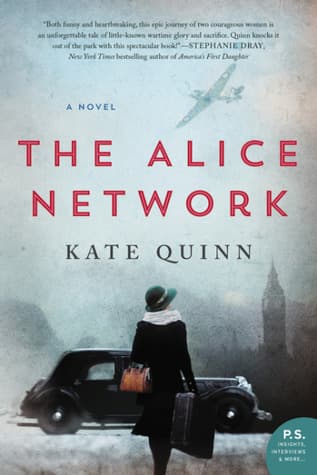
- The Alice Network
Kate Quinn
4.3 (245k) average on GoodreadsHistorical FictionDual-timeline narrative with a young woman uncovering an older woman's wartime secrets.
- Lilac Girls
Martha Hall Kelly
4.3 (213k) average on GoodreadsHistorical FictionExplores the lives of multiple women during WWII, highlighting their resilience and sacrifices.
- The Tattooist of Auschwitz
Heather Morris
4.3 (464k) average on GoodreadsHistorical FictionMorris's book offers a more direct, often grittier, and fact-based account of Holocaust survival, prioritizing historical recounting. Meissner's novel, by contrast, is more introspective and uses the historical setting of the Blitz and Kindertransport to explore universal themes of identity, forgiveness, and the long-term consequences of choices, with a softer, more character-driven approach.
- To Kill a Mockingbird
Harper Lee
4.3 (4.5M) average on GoodreadsHistorical FictionIn the 1930s Jim Crow South, Harper Lee writes about racial injustice, moral growth, and the quiet courage of a lawyer father, Atticus Finch, as seen through his young daughter's eyes.
- The Great Gatsby
F. Scott Fitzgerald
3.9 (3.8M) average on GoodreadsHistorical FictionIn the opulent Roaring Twenties, a mysterious millionaire's lavish parties hide his desperate, tragic pursuit of a lost love, exposing the emptiness within the American Dream.





Enjoyed the summary?
A summary gives you the shape of the book. The book itself has the detail, the examples and the voice.
Find Secrets of a Charmed Life on AmazonAs an Amazon Associate, BookBrief earns from qualifying purchases. How we're funded