

Synopsis
Covers the whole plot, including the ending.
- Difficulty
- Medium
- Pacing
- Moderate
- Mood
- Intense, Psychological, Dark, Reflective
- Read it if
- You enjoy intense psychological dramas about marriage, art, and power, with a unique narrative structure.
- Skip it if
- You prefer lighthearted stories or are sensitive to themes of marital abuse and emotional manipulation.
Shadow Tag Plot Summary
Covers the whole plot, including the ending.
The Journal Begins
Irene America, an artist, starts a new journal, a red leather-bound book from Ned, her husband. This journal is different because Ned insists on reading it, which deeply bothers Irene. She records their chaotic life in Minneapolis, raising their three children: Riel, a thoughtful teenager; Florian, often volatile; and Stoney, the youngest. Irene often feels stifled by Ned's domineering presence and his constant need to control her and their family. Her entries reveal a history of Ned's possessiveness and their strained marriage, hinting at deeper resentments and power struggles.
Ned's Photography and Control
Ned, a well-known photographer, continues his project of photographing Irene. These sessions are not collaborative; Ned uses them to control and capture Irene in poses that often feel humiliating or objectifying to her. He sees her as his muse, but his gaze is predatory and possessive, taking away her agency. Irene dislikes being constantly documented and interpreted through Ned's lens, feeling her true self is erased by his artistic vision. His acclaimed photographs become a symbol of his power over her, trapping her image and identity within his artistic narrative, further damaging their fragile relationship.
The Fight and Separation
The tension between Irene and Ned leads to a violent confrontation. During a brutal argument, Ned physically assaults Irene, leaving her bruised and traumatized. This incident is a breaking point for Irene, who decides she can no longer endure his abuse. She gathers her children—Riel, Florian, and Stoney—and leaves their home, seeking refuge and trying to build a new, independent life away from Ned's harmful influence. The separation is emotionally difficult, especially for the children, who are caught in the middle of their parents' collapsing marriage, dealing with the sudden upheaval and emotional scars.
Life Apart and Ned's Pursuit
After leaving Ned, Irene and the children move into a rented house, trying to create a sense of normalcy and stability. Irene struggles financially and emotionally with single parenthood and the lingering trauma of her marriage. However, Ned's presence still haunts them. He frequently contacts the children, often manipulating them or using them to get information about Irene. He also appears unexpectedly, lurking around their new home or places they frequent, making Irene feel constantly watched and unsafe. His persistent pursuit shows his inability to let go and his desire to reassert control over Irene and their family, preventing her from truly moving on.
The Children's Struggles
The children bear the brunt of their parents' fractured relationship. Riel, the eldest, tries to mediate and understand, often feeling burdened by responsibility for her younger siblings. Florian, more volatile, acts out with anger and defiance, struggling to process his emotions and his father's absence. Stoney, the youngest, is confused and often withdrawn, sensing the deep sadness and tension around him. Their reactions show the deep impact of parental conflict on children as they navigate loyalty, resentment, and the desire for a stable family. Irene observes their struggles with guilt and helplessness, knowing her choices have changed their lives.
The Journal as a Weapon
Despite Ned's demand that he read her journal, Irene continues to write in the red book, making it a strategic tool. She fills its pages with her unfiltered thoughts, frustrations, and accusations against Ned, knowing he will eventually read every word. This writing becomes her main way of communicating with him, a way to express the anger and pain she often cannot voice directly. The journal becomes a battleground, a passive-aggressive arena where Irene reclaims some agency, using her words to wound and provoke Ned, turning his instrument of control against him. It is both a desperate plea and a defiant statement of her perspective.
Ned's Counter-Narrative
As Irene expects, Ned reads her journal entries, but he does not just observe. He actively engages with her writing, scribbling his own annotations, rebuttals, and justifications in the margins. These marginalia create a disturbing dialogue, a twisted counter-narrative that tries to undermine Irene's perspective and cast himself as the victim or the misunderstood party. He refutes her accusations, gaslights her experiences, and even expresses his love and longing in a manipulative way. This interaction in the journal highlights their ongoing power struggle, with Ned refusing to give up control even of Irene's private thoughts, further blurring the lines between truth and manipulation.
The Art Exhibition and Public Exposure
Ned's latest photography exhibition opens, featuring new portraits of Irene. These images are deeply personal and often disturbing, capturing Irene in vulnerable or emotionally difficult moments, further exploiting her image for his artistic gain. The exhibition receives critical acclaim but also exposes the intimate and troubled dynamics of their marriage to the public. Irene feels humiliated and violated by the public display of her private pain, while Ned enjoys the attention and artistic validation. This public exposure increases Irene's feeling of being trapped and consumed by Ned's narrative, making it even harder for her to escape his shadow.
Irene's Artistic Rebellion
In an act of defiance and self-reclamation, Irene begins to create her own art. Unlike Ned's exploitative photography, Irene's art is deeply personal and expressive, helping her process trauma and assert her own identity. She paints and draws, channeling her pain, anger, and desire for freedom onto canvas and paper. This creative outlet becomes a vital escape and a way for her to define herself outside of Ned's gaze. Her art is not about public acclaim but about private healing and finding her voice again, challenging Ned's artistic dominance and reclaiming her narrative through her own creative expression.
The Reconciliation Attempt
Ned tries to reconcile with Irene, expressing remorse and a desire to rebuild their family. He visits her, sends gifts, and pleads for her return, often using the children as leverage. Irene is torn, still deeply affected by his presence and memories of their life together. However, she also recognizes his manipulative patterns and the underlying possessiveness that still drives him. Despite his apologies, his actions often reveal that he sees her as an extension of himself, not an independent person. This makes true reconciliation impossible, as Irene understands that returning to him would mean sacrificing her newfound freedom and sense of self.
Legal Battles and Child Custody
The strained separation turns into a bitter legal battle for divorce and child custody. Both Irene and Ned present their cases, with Ned often using his public persona and resources to his advantage. The children are put in the difficult position of having to choose sides or navigate fractured loyalty. The legal proceedings are emotionally draining for Irene, forcing her to relive past traumas and defend her decisions against Ned's accusations. This formal escalation of their conflict highlights the depth of their animosity and the destructive nature of their marriage; the system itself becomes another arena for their personal war, with the children caught in the middle.
Irene's Growing Independence
Despite ongoing challenges and Ned's interference, Irene gradually finds her footing and builds a more independent life. She gets a job, establishes a routine for her children, and continues her art, which becomes a source of empowerment. She learns to navigate the legal system and set boundaries with Ned, slowly reclaiming control over her own narrative and her children's well-being. This journey has setbacks and moments of doubt, but Irene's resilience shows through. She finds strength in her own voice and her children's support, forging a path toward a future where she is no longer defined by Ned's shadow.
The Red Journal's Fate
The red journal, once a tool of Ned's control and then Irene's passive resistance, becomes a symbol of her liberation. Having poured her heart into its pages and endured Ned's annotations, Irene eventually moves beyond its confines. Writing in it, and later understanding its limits, helps her process her experiences and ultimately let go of the need for Ned's acknowledgment or understanding. The journal's fate, whether destroyed, hidden, or simply no longer her focus, signifies Irene's final step toward true independence, where her story belongs solely to her, unedited and unannotated by anyone else.
Ned's Decline
As Irene gains independence, Ned's life begins to decline. His obsession with Irene consumes him, detracting from his artistic focus and public image. The critical acclaim for his work, once central to his identity, starts to fade as the exploitative nature of his art becomes more apparent. His inability to control Irene and his children leaves him increasingly isolated and bitter. His once-unshakeable confidence erodes, replaced by a sense of loss and a desperate clinging to a past that cannot be resurrected. Ned's unraveling contrasts sharply with Irene's burgeoning freedom, highlighting the destructive consequences of unchecked possessiveness.
Principal Figures
Irene America
Protagonist
An artist and mother struggling to escape her husband's control and reclaim her identity.
Irene is a sensitive, introspective artist, a painter who feels stifled by her husband Ned's domineering personality and his relentless artistic gaze. She is a devoted mother to Riel, Florian, and Stoney, often putting their needs before her own. Initially passive and trapped, Irene gradually finds her voice and strength through her art and her determination to protect her children. She grapples with guilt, anger, and the trauma of abuse, but ultimately seeks independence and self-definition.
Relationships: Ned (Abusive husband, artistic collaborator/exploiter, antagonist); Riel (Eldest daughter, source of emotional support and concern); Florian (Middle son, often volatile and challenging, she tries to understand him); Stoney (Youngest son, she feels protective of his innocence)
Ned
Antagonist
A celebrated and manipulative photographer, obsessed with controlling his wife, Irene.
Ned is a charismatic yet deeply possessive and abusive photographer. He views Irene as his muse and personal property, unable to distinguish between his artistic vision and his control over her life. He is intelligent, articulate, and publicly successful, which often masks his private cruelty and manipulation. Driven by a desire for control and a fragile ego, he cannot accept Irene's independence and uses various tactics, including psychological manipulation, physical abuse, and exploiting his children, to keep her tethered to him.
Relationships: Irene America (Wife, muse, victim of his abuse and control); Riel (Daughter, he attempts to manipulate her loyalty); Florian (Son, he struggles to connect with him genuinely); Stoney (Son, he is often distant from the youngest)
Riel
Supporting
The thoughtful and observant eldest daughter, caught between her warring parents.
Riel is the eldest of Irene and Ned's children, a sensitive and intelligent teenager. She often acts as a mediator or a surrogate parent to her younger brothers, bearing the emotional burden of her parents' conflict. She loves both her parents but struggles to reconcile Ned's public persona with his private actions, and she deeply empathizes with her mother's plight. Riel is observant, often understanding more than her parents realize, and her reactions provide a window into the children's experience of the family's breakdown.
Relationships: Irene America (Mother, she feels protective of and understands her); Ned (Father, she loves him but is conflicted by his actions); Florian (Younger brother, she tries to care for him); Stoney (Youngest brother, she feels responsible for him)
Florian
Supporting
The volatile middle son, who acts out in response to his parents' conflict.
Florian is the middle child, characterized by his emotional volatility and rebellious nature. He struggles significantly with his parents' separation, often expressing his pain and confusion through anger and disruptive behavior. He is deeply affected by his father's absence but also resents his father's actions. Florian's character highlights the profound psychological impact of a fractured home on a child, as he grapples with loyalty, resentment, and a desperate need for stability. His outbursts often reflect the unresolved tensions within the family.
Relationships: Irene America (Mother, he often clashes with her but relies on her); Ned (Father, he misses him but is also angry at him); Riel (Older sister, he often pushes her away); Stoney (Younger brother, he can be protective of him)
Stoney
Supporting
The youngest son, whose innocence is threatened by his parents' turmoil.
Stoney is the youngest of Irene and Ned's children, often depicted as fragile and withdrawn. His innocence makes him particularly vulnerable to the emotional fallout of his parents' destructive relationship. He doesn't fully comprehend the complexities of the divorce but senses the pervasive sadness and tension. Stoney's quiet observations and moments of distress serve as a poignant reminder of the collateral damage of adult conflicts on children, especially the youngest, who lack the coping mechanisms of their older siblings. He longs for the family unit he once knew.
Relationships: Irene America (Mother, he seeks comfort and security from her); Ned (Father, he misses his presence); Riel (Older sister, he relies on her for care); Florian (Older brother, he is sometimes intimidated by him)
Ned's Mother
Mentioned
Ned's mother, who occasionally appears, often siding with her son.
Ned's mother is a peripheral character, occasionally mentioned or appearing briefly. She tends to be critical of Irene and supportive of Ned, often reinforcing his sense of entitlement and further isolating Irene. Her presence highlights the familial patterns and dynamics that may have contributed to Ned's possessive nature, and she represents a societal pressure that often sides with the successful male figure, overlooking the struggles of the woman.
Relationships: Ned (Son, she is supportive and doting); Irene America (Daughter-in-law, she is often critical of her)
Irene's Friend
Mentioned
A supportive friend of Irene's, offering occasional advice and comfort.
Irene has a friend, often mentioned but not a central character, who provides a small but crucial source of external support and perspective. This friend listens to Irene's struggles, offers encouragement, and represents a connection to a life outside of Ned's control. Her presence, even if brief, underscores Irene's gradual re-engagement with the world and her slow process of building a support system independent of her marriage.
Relationships: Irene America (Friend, offers support and camaraderie)
Themes & Insights
Control and Possession
The novel deeply explores control, especially Ned's desire to possess Irene, both physically and artistically. His photography, initially a shared passion, becomes a tool to objectify and define Irene, taking away her agency. The red journal, given by Ned with the condition that he read it, is another example of his need for absolute control over Irene's inner life and narrative. Irene's struggle to escape his gaze and reclaim her own story is central, seen when she starts creating her own art, an act of self-ownership.
“He wanted to own every thought, every feeling, every flicker of my soul, and he thought he could capture it with his lens, or in the pages of this journal.”
Identity and Self-Reclamation
Irene's journey is about rediscovering and reclaiming her identity, which Ned's artistic and personal dominance has overshadowed. She is initially defined by Ned's photographs and his narrative of their marriage. Writing in the journal, even under Ned's surveillance, becomes a way for her to assert her perspective. Her artistic rebellion, where she begins to paint her own truth, is the most powerful expression of her self-reclamation, allowing her to define herself outside of his gaze and heal from being an object rather than a subject.
“I had to paint myself back into existence, stroke by painful stroke, because he had painted me out.”
The Nature of Art and Exploitation
The novel examines the ethics of art, particularly when it exploits others' lives and pain. Ned's acclaimed photography, while aesthetically powerful, relies on the systematic objectification and emotional abuse of Irene. His art is a vehicle for his control, blurring the lines between creation and exploitation. In contrast, Irene's developing art is a form of healing and self-expression, showing how art can be used for liberation rather than domination. The contrast of their artistic processes forces the reader to question the true cost of 'great art' and the artist's responsibility.
“His art was magnificent, they said. But it was built on my brokenness, my humiliation, piece by piece.”
The Impact of Trauma and Abuse
Shadow Tag vividly portrays the devastating effects of psychological and physical abuse within a marriage. Irene's trauma shows as fear, self-doubt, and a struggle to trust her own perceptions. The children also carry significant emotional scars, acting out or withdrawing in response to the constant tension and violence. The novel shows the long-term, insidious nature of abuse, how it continues to haunt Irene even after she leaves Ned, and how difficult it is to truly escape its shadow. Her journey shows the arduous process of healing and recovery.
“The bruises faded, but the shadow he cast on my mind, that was harder to erase.”
Motherhood and Sacrifice
Irene's role as a mother is central to her character and motivations. Her love for her children—Riel, Florian, and Stoney—drives her decision to leave Ned and her efforts to build a new, safer life. She often sacrifices her own desires for their sake, dealing with the guilt of breaking up their family while knowing it is necessary for their collective safety. The children's struggles and reactions to the separation highlight the deep impact of parental choices on young lives, adding another layer of complexity to Irene's fight for freedom.
“Every decision I made was a wound, but I had to choose the wound that would allow us to live, to breathe.”
Plot Devices & Literary Techniques
The Red Journal
A physical journal that serves as a battleground for Irene and Ned's narratives.
The red leather-bound journal is a central plot device. Ned gives it to Irene, insisting he will read it, turning what should be a private space into a tool of his control. Irene, however, reclaims it, using it to document her truth, her anger, and her accusations, knowing Ned will see them. Ned then annotates her entries, creating a disturbing dialogue within the book. This journal functions as a direct conduit for their conflict, a symbol of surveillance, and ultimately, a record of Irene's struggle for liberation, transforming from an instrument of control into a testament of her defiance.
Ned's Photography
Ned's artistic medium, which becomes a symbol of his control and exploitation of Irene.
Ned's photography is a powerful plot device that highlights his possessive nature and his artistic exploitation of Irene. His constant photographing of her, often in vulnerable or objectifying ways, is presented as his artistic process but serves as a means to control her image and, by extension, her identity. The public exhibition of these photographs further humiliates Irene and exposes their private pain. This device illustrates how art can be used as a weapon, blurring the lines between muse and victim, and underscores the theme of identity erasure through another's gaze.
The Children's Perspectives
The varying reactions and observations of Riel, Florian, and Stoney to their parents' conflict.
The children's perspectives, particularly Riel's thoughtful observations, Florian's volatile outbursts, and Stoney's quiet distress, serve as a crucial plot device. They offer an external, yet deeply personal, lens through which to view the destructive impact of Irene and Ned's marriage. Their struggles with loyalty, confusion, and emotional pain highlight the collateral damage of abuse and divorce. Their presence often motivates Irene's actions and underscores the stakes of her fight for independence, making the abstract concept of 'family breakdown' tangible and heartbreaking.
Gaslighting
Ned's psychological manipulation that makes Irene doubt her own sanity and perceptions.
Gaslighting is a pervasive plot device used by Ned to maintain control over Irene. He consistently denies her reality, dismisses her feelings, and twists events to make her question her own memory and sanity. This is evident in his annotations in the journal, where he refutes her experiences and casts himself as the victim. This device isolates Irene, erodes her self-trust, and makes it incredibly difficult for her to articulate her truth or leave the abusive relationship, showcasing the insidious nature of psychological manipulation in abusive dynamics.
Shadow Tag Quotes
“Love is a dangerous thing. It is a great creator, and a great destroyer.”
“The artist is a spy in the house of love.”
“Every secret you keep is a separate world you live in.”
“There are some things that cannot be forgiven, only understood.”
“Writing is an act of faith. You have to believe that someone, somewhere, will listen.”
“We are all just trying to make sense of the chaos, to find a pattern in the noise.”
“The past is not dead. It's not even past.”
“To truly see someone, you have to be willing to see what you don't want to see.”
“Art makes a life out of life, and sometimes, a life out of death.”
“What is memory but a story we tell ourselves over and over, until it becomes real?”
“The greatest betrayal is not of another, but of oneself.”
“Every family is a novel, waiting to be written.”
“Sometimes, the only way to hold onto something is to let it go.”
“Creativity is a hunger that can never truly be sated.”
Quiz
10 questions on the plot and the characters. Each answer comes with a short explanation.
Question 1
What is the primary artistic medium that Irene America uses to document her life and marriage?
- Sculpture
- Photography
- Painting
- Poetry
Show answer
C. Painting Irene America is a painter who meticulously documents her life and the dissolution of her marriage through her art, often using her husband, Gil, as a subject.
Question 2
What is the central conflict in Irene and Gil's marriage that drives much of the novel's tension?
- Financial instability due to Gil's gambling addiction.
- Irene's desire for a larger family versus Gil's reluctance.
- Gil's infidelity and Irene's attempts to control his actions.
- Disagreement over their children's upbringing and education.
Show answer
C. Gil's infidelity and Irene's attempts to control his actions. The core of their troubled marriage revolves around Gil's repeated infidelities and Irene's obsessive efforts to monitor and control his behavior, often through her art and journaling.
Question 3
What is the significance of the 'shadow tag' concept in the novel's title?
- It refers to a childhood game the couple played, symbolizing lost innocence.
- It represents Irene's attempt to capture and control Gil's essence, even his hidden self, through her art and journals.
- It describes the fleeting nature of happiness in their relationship.
- It is the name of a painting series Gil creates about his own struggles.
Show answer
B. It represents Irene's attempt to capture and control Gil's essence, even his hidden self, through her art and journals. The 'shadow tag' refers to Irene's obsessive pursuit of Gil's true self, or his 'shadow,' attempting to pin him down and understand him through her art and journaling, often against his will.
Question 4
How does Irene initially discover Gil's infidelity?
- He confesses to her during an argument.
- She finds incriminating text messages on his phone.
- She reads his private journal, which he has started to keep.
- A mutual friend informs her of his affair.
Show answer
C. She reads his private journal, which he has started to keep. Irene discovers Gil's infidelities by secretly reading his journal, which he begins writing after becoming aware of her own extensive journaling about their life.
Question 5
What is the name of the daughter who is often a subject of Irene's artistic observations and worries?
- Riel
- Sasha
- Daisy
- Lily
Show answer
A. Riel Riel is one of Irene and Gil's children, and Irene frequently observes and records Riel's behavior and emotional state in her journals and art.
Question 6
What unique narrative device does Erdrich employ that blurs the lines between Irene's subjective experience and objective reality?
- The entire novel is told through a series of epistolary letters.
- The story is presented as a play script with stage directions.
- Chapters alternate between Irene's journal entries and a third-person narrative.
- Flashbacks are interspersed with future predictions.
Show answer
C. Chapters alternate between Irene's journal entries and a third-person narrative. The novel's structure frequently shifts between Irene's intensely personal and often unreliable journal entries and a more detached, third-person narrative, which sometimes even comments on Irene's own writing, creating a complex interplay of perspectives.
Question 7
How does Gil retaliate against Irene's constant scrutiny and documentation of his life?
- He burns her paintings and journals.
- He begins writing his own journal about Irene, mirroring her actions.
- He files for divorce and seeks full custody of the children.
- He moves out of the house without warning.
Show answer
B. He begins writing his own journal about Irene, mirroring her actions. Aware of Irene's journaling, Gil starts his own journal, attempting to reclaim his narrative and offer his own perspective on their marriage and Irene's behavior, often directly addressing her entries.
Question 8
What major event forces Gil to temporarily leave the family home?
- He is offered a prestigious art residency in another city.
- Irene confronts him publicly about his affair, leading to a violent argument.
- He is arrested for a minor offense unrelated to Irene.
- Irene calls the police after a particularly intense and disturbing confrontation.
Show answer
D. Irene calls the police after a particularly intense and disturbing confrontation. After a highly volatile and disturbing argument, Irene calls the police, leading to Gil being removed from the house, marking a significant escalation in their conflict.
Question 9
The novel explores themes of art, authorship, and ownership. How does Irene's art specifically relate to the theme of ownership?
- She sells her paintings to gain financial independence from Gil.
- She uses her art to claim ownership over their shared history and even Gil's identity.
- Her art focuses on depicting famous historical figures and their possessions.
- She teaches art classes to financially disenfranchised women.
Show answer
B. She uses her art to claim ownership over their shared history and even Gil's identity. Irene's art is deeply intertwined with her desire to own and control the narrative of her marriage and Gil's life, using him as a subject and documenting every detail, effectively claiming a form of ownership over his image and story.
Question 10
What is the ultimate fate of Irene and Gil's marriage by the end of the novel?
- They reconcile and decide to start fresh in a new city.
- They remain in a state of unresolved conflict, their future uncertain.
- They divorce amicably and maintain a friendly co-parenting relationship.
- Gil leaves Irene for another woman, ending their marriage definitively.
Show answer
B. They remain in a state of unresolved conflict, their future uncertain. The novel concludes with Irene and Gil still entangled in their destructive dynamic, their marriage's ultimate fate left ambiguous and unresolved, emphasizing the cyclical nature of their conflict.
Shadow Tag FAQ
What is the central conflict in 'Shadow Tag'?
The central conflict revolves around the deeply fractured marriage between Irene America, a writer, and her artist husband, Fidelis. Irene secretly keeps a journal documenting Fidelis's escalating possessiveness and abuse, which he eventually discovers and uses to manipulate her, blurring the lines between their creative and personal lives.
Who are the main characters in 'Shadow Tag' and what are their primary roles?
The main characters are Irene America, the protagonist and a writer who uses her journal to process her reality, and Fidelis, her husband, a painter whose artistic genius is intertwined with his controlling and abusive tendencies. Their children, especially their daughter Riel, also play significant roles as witnesses and victims of the marital turmoil.
How does Irene's journal function within the narrative?
Irene's journal is a crucial device, initially serving as her private sanctuary and a place to record the truth of her marriage, particularly Fidelis's abuse. However, once Fidelis discovers it, the journal transforms into a weapon, a source of material for his art, and a tool for his psychological manipulation, effectively erasing Irene's private thoughts.
What role does art and creativity play in the lives of Irene and Fidelis?
Art is central to both Irene and Fidelis's identities and their toxic relationship. Fidelis uses his painting to both express and control, often depicting Irene and their shared life in ways that distort reality or exploit her vulnerability. Irene's writing, particularly her journal, is her attempt to reclaim her narrative and assert her own truth against his artistic dominance.
What is the significance of the title 'Shadow Tag'?
The title 'Shadow Tag' alludes to the elusive and often violent game played between Irene and Fidelis, where one tries to pin down or obliterate the other's identity. It reflects Fidelis's attempt to capture and control Irene's essence, making her his 'shadow,' and Irene's struggle to escape that metaphorical tag and reclaim her own self.
Are there any subtle indications of Fidelis's abusive nature early in the book?
Yes, early in the narrative, subtle details like Fidelis's intense scrutiny of Irene, his possessiveness over her time and thoughts, and his tendency to interpret her actions through a lens of suspicion hint at his deeper psychological issues. His constant need to observe and 'capture' her in his art also foreshadows his later, more overt control.
How does Erdrich use the setting to reflect the characters' internal states?
Erdrich often uses the isolated or claustrophobic settings, like the confines of their home or Fidelis's studio, to mirror the entrapment Irene feels within her marriage. The chaotic and often messy environment of their family life also reflects the internal disarray and emotional turmoil experienced by both Irene and their children.
Are there any historical or literary allusions that enrich the narrative?
While not explicitly stated, the dynamic between an artist and his muse, often bordering on ownership, echoes historical precedents. The novel also subtly touches on themes of female agency and the male gaze, drawing parallels to broader literary discussions about women's voices being silenced or co-opted in creative partnerships.
How does the narrative structure contribute to the reader's understanding of Irene's psychological state?
The narrative's fragmented and non-linear structure, often shifting between past and present and sometimes incorporating excerpts from Irene's journal, immerses the reader in her disoriented and traumatized mind. This fractured storytelling reflects her struggle to piece together her reality and assert her own truth amidst Fidelis's gaslighting.
What psychological impact does Fidelis's discovery and use of Irene's journal have on her?
Fidelis's discovery and subsequent appropriation of Irene's journal is a profound psychological violation. It shatters her last private space, leading to a severe breakdown of trust and a deep sense of exposure and vulnerability. This act essentially erases her internal world, leaving her feeling utterly stripped of her identity and agency.
How does the novel explore the concept of codependency?
The novel deeply explores codependency through Irene and Fidelis's intertwined lives, where their creative output and personal identities are inextricably linked. Irene finds herself unable to fully escape Fidelis's orbit, partly due to his manipulation and partly due to her own complex attachment, even as his behavior becomes increasingly destructive.
What is the psychological toll of the parents' conflict on their children, particularly Riel?
The constant conflict between Irene and Fidelis inflicts significant psychological trauma on their children. Riel, as the eldest, often bears the brunt, internalizing much of the tension and witnessing the emotional abuse. This exposure to a dysfunctional and violent household impacts their sense of safety, trust, and potentially their own future relationships.
Is Irene a reliable narrator, given her psychological state?
Irene's reliability as a narrator is complex. While her journal entries are presented as her raw, unfiltered truth, her increasing psychological distress and the manipulation she endures mean her perception of events can be colored by trauma. The reader is often challenged to discern the objective truth from her subjective experience, especially as Fidelis's version of reality intrudes.
Does 'Shadow Tag' offer a definitive resolution to Irene and Fidelis's relationship?
No, 'Shadow Tag' does not offer a neat or definitive resolution. The ending is ambiguous, leaving the reader with the lingering sense of the cyclical nature of their conflict and the deep psychological scars. It emphasizes the enduring impact of abuse and the difficulty of truly escaping such a toxic dynamic, rather than providing a clear-cut happy or tragic ending.
How does 'Shadow Tag' challenge conventional notions of artistic creation and inspiration?
'Shadow Tag' challenges the romanticized notion of artistic inspiration by showing how creativity can be intertwined with exploitation and abuse. Fidelis's art is often fueled by his control over Irene and his appropriation of her pain, questioning whether true art can emerge from such destructive and unethical sources.
What does the novel suggest about the nature of truth in intimate relationships?
The novel suggests that truth in intimate relationships, especially abusive ones, is highly subjective, contested, and often manipulated. Irene's journal represents her attempt to hold onto her truth, but Fidelis's actions demonstrate how easily one person can distort or erase another's reality, making 'truth' a constantly shifting and vulnerable concept.
How does Erdrich's writing style contribute to the novel's intensity?
Erdrich employs a raw, visceral, and often fragmented writing style that mirrors the characters' internal turmoil. Her prose is unflinching in its depiction of violence and psychological distress, creating an intense and claustrophobic atmosphere that draws the reader deeply into Irene's experience of entrapment and suffering.
What is the overarching message or theme of 'Shadow Tag'?
The overarching message of 'Shadow Tag' is a stark exploration of the devastating psychological and emotional impact of domestic abuse and control within a marriage. It delves into themes of identity, ownership, the blurred lines between art and life, and the struggle for a woman to reclaim her voice and selfhood in the face of profound manipulation.
About the author

Karen Louise Erdrich is an American author of novels, poetry, and children's books featuring Native American characters and settings. She is an enrolled member of the Turtle Mountain Band of Chippewa Indians, a federally recognized tribe of Ojibwe people.
Similar books
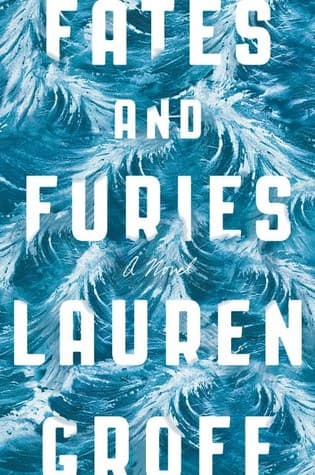
- Fates and Furies
Lauren Groff
3.6 (114k) average on GoodreadsLiterary FictionExplores a complex marriage from dual perspectives, focusing on hidden truths and artistic lives.
- The Corrections
Jonathan Franzen
3.8 (156k) average on GoodreadsLiterary Fiction"Shadow Tag" differs from Franzen's The Corrections by focusing intensely on a two-person marital dynamic and the pathology of control within a creative partnership, rather than offering a broader, multi-generational family saga with extensive social commentary. Erdrich's approach is more microscopically focused on psychological and artistic ownership.
- Gone Girl
Gillian Flynn
4.1 (2.3M) average on GoodreadsThrillerWhile both novels explore marital secrets and weaponized narratives, "Shadow Tag" is a more literary and less genre-driven exploration. Erdrich delves deeper into the psychological and artistic ramifications of control and ownership, offering a nuanced examination of how individuals construct their realities through art and language, in contrast to Flynn's focus on suspense and plot twists.
- The Old Man and the Sea
Ernest Hemingway
3.8 (831k) average on GoodreadsLiterary FictionA Cuban fisherman's long struggle with a giant marlin becomes a story of endurance and dignity, now retold for young adults with illustrations, phonetic guides, and writing prompts in Traditional Chinese.
- One Hundred Years of Solitude
Gabriel García Márquez
4.1 (753k) average on GoodreadsLiterary FictionThrough the multi-generational story of the Buendía family, a mythical town deals with the repeating patterns of time, love, and solitude, as the extraordinary mixes with the ordinary.
- The Goldfinch
Donna Tartt
3.9 (720k) average on GoodreadsLiterary FictionHaunted by a tragic explosion and clutching a stolen Dutch masterpiece, a young orphan navigates the opulent drawing rooms of New York and the gritty underbelly of the art world, desperately seeking connection and redemption amidst a life spiraling into crime and obsession.





Enjoyed the summary?
A summary gives you the shape of the book. The book itself has the detail, the examples and the voice.
Find Shadow Tag on AmazonAs an Amazon Associate, BookBrief earns from qualifying purchases. How we're funded