

Synopsis
Covers the whole plot, including the ending.
- Difficulty
- Medium
- Pacing
- Variable
- Mood
- Melancholy, Introspective, Suspenseful, Atmospheric, Obsessive
- Read it if
- You enjoy immersive, character-driven literary epics with a blend of mystery, art, and philosophical reflection on loss and beauty.
- Skip it if
- You prefer fast-paced thrillers or stories with clear-cut moral resolutions and find extensive introspection or descriptions of drug use unappealing.
The Goldfinch Plot Summary
Covers the whole plot, including the ending.
The Museum Bombing and a Stolen Painting
Thirteen-year-old Theodore Decker is at the Metropolitan Museum of Art with his mother, Audrey. They are seeing an exhibition of Dutch Masters. While Audrey admires Carel Fabritius’s 'The Goldfinch,' a bomb goes off, killing her and others. In the confusion, a dying old man, Welty, gives Theo a ring and tells him to take the painting. Stunned, Theo leaves with the small, valuable artwork wrapped in a plastic bag. He wanders New York City, dealing with his mother's death and the theft, which he keeps secret, feeling a deep connection to the painting as his last link to her.
Life with the Barbours
With his father, Larry, absent, Theo is taken in by the wealthy Barbour family, parents of his school friend, Andy. He moves into their Park Avenue apartment, a stark contrast to his life with his mother. The Barbours are kind but formal and distant, leaving Theo feeling isolated. He struggles with his grief, the weight of his secret, and the Barbours' social world. He also develops a crush on Pippa, Welty’s niece, who was also hurt in the bombing and is recovering at the Barbours' home, sharing a silent understanding of their trauma.
The Antiques Shop and Hobie
After a short time with the Barbours, Theo looks for Welty's antique shop, believing he should deliver the ring and painting there. He meets James 'Hobie' Hobart, Welty's kind business partner, who becomes a father figure to Theo. Hobie, unaware of the painting's theft, offers Theo a room above the shop and an apprenticeship. Theo finds a sense of belonging among the beautiful, broken objects. He learns antique restoration and grows fond of Hobie, who shows honesty and integrity, a contrast to Theo's growing secrets.
Moving to Las Vegas
Just as Theo settles in with Hobie, his estranged father, Larry, suddenly reappears with his new girlfriend, Xandra. Larry, a charming but unreliable alcoholic, takes Theo to Las Vegas, uprooting him from Hobie and New York. Life in the sprawling, unfinished housing development is bleak and lonely. There, Theo meets Boris Pavlikovsky, a wild Ukrainian boy with a troubled past. Boris introduces Theo to drinking, drugs, and petty crime. He becomes Theo's closest friend, though Theo still keeps 'The Goldfinch' hidden, even from Boris.
The Death of Larry Decker
Larry Decker's reckless behavior worsens in Las Vegas, ending in a drunk driving accident that kills him. Theo is left alone and poor, with no legal guardian. He fears foster care and losing 'The Goldfinch,' which he hid in the desert. Desperate, he gets the painting and uses his little money to buy a bus ticket back to New York, returning to the only place he felt safe: Hobie's antique shop. This event strengthens his bond with the painting as his only constant.
Return to New York and the Antiques Business
Theo returns to Hobie, who welcomes him back without question. He resumes his life at the shop, continuing his apprenticeship and eventually becoming a partner. Over the years, Theo becomes skilled at identifying and restoring antiques. However, his life is also shadowed by his pill addiction, which started in Las Vegas with Boris, and the constant fear of discovery about 'The Goldfinch.' He keeps the painting locked away, a source of both comfort and great anxiety, its presence shaping many of his adult choices and isolating him emotionally.
Reconnecting with the Barbours and Pippa
Years later, Theo meets the Barbours again through social connections. He gets engaged to Kitsey Barbour, Andy's sister. This relationship is more about convenience and stability than true love. During this time, he also reconnects with Pippa, who now lives in London and works in music therapy. Their bond, formed in shared trauma, remains strong, and Theo realizes he is still deeply in love with her. Pippa, however, keeps him emotionally distant, acknowledging their connection but unable to return his romantic feelings, leaving Theo always longing.
Boris Reappears and the Painting's Fate
Boris Pavlikovsky, now a successful but shady international operative, unexpectedly reappears in Theo's life. He reveals he knew about 'The Goldfinch' all along, having swapped the real painting for a fake when they were in Las Vegas. The real painting has been circulating in the criminal underworld. Boris, feeling he owes Theo, offers to help him get the painting back. This revelation shatters Theo's carefully built life and makes him face the true effects of his theft, pulling him into a dangerous world of art forgery and international crime.
The Amsterdam Heist and its Aftermath
Theo goes with Boris to Amsterdam, where they try to get 'The Goldfinch' back from dangerous art criminals. The operation fails, leading to a violent shootout and several deaths. Theo, deeply traumatized and feeling responsible for the bloodshed, is left with the recovered painting and a large sum of money from Boris, who arranged the recovery. He struggles with guilt, fear, and the moral uncertainty of his actions, understanding the high cost of his obsession. He must confront the dark side of his choices and their ripple effect.
Redemption and Reflection
After the events in Amsterdam, Theo uses the money Boris gave him to buy back other stolen and damaged artworks, anonymously returning them to their owners or institutions. He thinks deeply about his life, his mother's death, his addiction, and his obsession with 'The Goldfinch.' He comes to understand that true value is not just in owning a beautiful object, but in its ability to connect people, last through time, and offer comfort. He finally begins to find peace and a path toward redemption, realizing the painting's journey reflects his own search for meaning and belonging.
Principal Figures
Theodore 'Theo' Decker
Protagonist
A survivor of a museum bombing who steals a priceless painting, shaping his life with obsession and secrecy.
Theo is a complex and deeply flawed character, a survivor haunted by the traumatic death of his mother. Intelligent and sensitive, he carries immense guilt and grief, which manifest in his obsession with 'The Goldfinch' and his eventual drug addiction. He yearns for connection and belonging, often finding it in surrogate families like Hobie's and in his intense friendship with Boris. Despite his moral compromises and self-destructive tendencies, he possesses an innate appreciation for beauty and a deep capacity for love.
Relationships: Audrey Decker (Mother) (Profound, loving, and central to his identity; her death is the catalyst for his trauma and obsession.); James 'Hobie' Hobart (Paternal figure, mentor, and moral compass; provides stability and unconditional love.); Boris Pavlikovsky (Best friend, confidant, and partner in crime; a chaotic but deeply loyal influence.); Pippa (Object of unrequited love and shared trauma; a symbol of beauty and purity.); Kitsey Barbour (Fiancée of convenience; a symbol of the superficial world he attempts to inhabit.)
Boris Pavlikovsky
Supporting
Theo's wild, charismatic, and morally ambiguous best friend from Las Vegas.
Boris is a force of nature: a charismatic, intelligent, and deeply troubled Ukrainian boy who becomes Theo's closest friend during their adolescence in Las Vegas. He is a survivor of a brutal childhood, resourceful, and fiercely loyal, but also prone to recklessness, petty crime, and heavy drinking. He introduces Theo to a darker side of life but also offers genuine camaraderie. As an adult, he becomes a shadowy figure involved in international crime, yet he remains deeply attached to Theo, ultimately orchestrating the recovery of 'The Goldfinch' out of a sense of duty and affection.
Relationships: Theodore Decker (Best friend and confidant; a complex bond of shared experience, loyalty, and manipulation.)
James 'Hobie' Hobart
Supporting
A kind and principled antique restorer who becomes Theo's surrogate father and moral anchor.
Hobie is a gentle, honest, and deeply principled man who runs an antique restoration shop. He is Welty's business partner and, after Welty's death, becomes a steadfast paternal figure to Theo. Hobie embodies integrity, hard work, and an unwavering love for beautiful objects. He offers Theo stability, a sense of purpose, and unconditional love, contrasting sharply with Theo's own moral compromises. He is a grounding force in Theo's life, representing the possibility of a life lived with honesty and an appreciation for true craftsmanship.
Relationships: Theodore Decker (Surrogate father, mentor, and business partner; provides love, stability, and a moral framework.); Welty (Business partner and close friend; their shared passion for antiques forms the foundation of the shop.)
Audrey Decker
Mentioned
Theo's beloved mother, whose death is the catalyst for the entire story.
Audrey Decker is Theo's beautiful, intelligent, and somewhat bohemian mother. She is depicted through Theo's idealized memories as a loving, cultured, and vivacious woman who instilled in him a love for art and beauty. Her sudden and violent death in the museum bombing is the foundational trauma of the novel, shaping every aspect of Theo's subsequent life. Her memory, and 'The Goldfinch' as her last tangible link, fuels Theo's obsession and his lifelong struggle with grief and loss.
Relationships: Theodore Decker (Loving mother; her death is the central trauma of his life.)
Pippa
Supporting
Welty's niece and Theo's enduring, unrequited love, a fellow survivor of the museum bombing.
Pippa is Welty's niece, a delicate and intelligent girl who also survives the museum bombing. She shares a unique, unspoken bond with Theo due to their shared trauma. Throughout Theo's life, she remains an object of his deep affection and idealized love, representing a pure, almost ethereal beauty. Though they share an undeniable connection, Pippa is emotionally guarded and unable to fully reciprocate Theo's romantic feelings, creating a constant yearning in him. She represents a path not taken, a potential for healing that Theo can never quite reach.
Relationships: Theodore Decker (Object of unrequited love and shared trauma; a deep, unspoken emotional bond.); Welty (Uncle; their relationship is based on mutual affection and a shared appreciation for art.)
Larry Decker
Supporting
Theo's charming but irresponsible and alcoholic father.
Larry Decker is Theo's estranged father, a charming but deeply flawed man characterized by his alcoholism, gambling addiction, and irresponsibility. He is largely absent from Theo's early life. When he reappears after Audrey's death, he offers Theo a fleeting, unstable home in Las Vegas before his own recklessness leads to his death. Larry represents the potential for Theo to fall into a similar pattern of self-destruction and moral compromise. His actions leave Theo largely to his own devices, forcing him to become self-reliant but also contributing to his emotional instability.
Relationships: Theodore Decker (Absentee father; their relationship is strained by neglect and irresponsibility.)
Xandra
Supporting
Larry Decker's coarse but pragmatic girlfriend in Las Vegas.
Xandra is Larry Decker's girlfriend in Las Vegas, a tough, pragmatic woman with a rough exterior. While not overtly maternal, she provides a semblance of a home for Theo during his time in Nevada, often acting as a stabilizing force in Larry's chaotic life. She is a survivor in her own right, with a cynical but realistic view of the world. Despite her brusque manner, she shows Theo moments of unexpected kindness, offering a different kind of care than he experienced with the Barbours or Hobie. She represents the harsh realities of life outside Theo's privileged New York bubble.
Relationships: Larry Decker (Boyfriend; their relationship is tumultuous due to Larry's addictions.); Theodore Decker (Temporary guardian figure; offers a rough form of care during Theo's time in Las Vegas.)
Kitsey Barbour
Supporting
Theo's childhood friend and later fiancée, representing a path of conventional stability.
Kitsey Barbour is the daughter of the wealthy Barbour family and Andy's sister. As an adult, she becomes Theo's fiancée. She is somewhat reserved and emotionally distant, a product of her privileged but formal upbringing. Their relationship is one of convenience and comfort rather than passionate love, offering Theo a sense of stability and a connection to the respectable world he often yearns for. She represents the societal expectations and norms that Theo tries, often unsuccessfully, to align himself with, contrasting with his more tumultuous emotional life and illicit secrets.
Relationships: Theodore Decker (Childhood friend and fiancée; a relationship of convenience and shared history.); Barbour Family (Daughter; part of a wealthy, emotionally reserved family.)
Themes & Insights
Loss and Grief
The novel centers on Theo's deep loss of his mother. Her death in the museum bombing starts the story, and Theo's grief creates an enduring emptiness, a desire for connection, and an obsession with 'The Goldfinch' as a link to her. His inability to fully process his grief leads to self-destructive behaviors, including drug addiction and secrecy. The theme explores how unresolved trauma can shape a life, influencing choices and relationships, as seen in Theo's constant longing for Pippa, another survivor of the trauma. The painting becomes a substitute for his lost mother, a constant reminder of what he lost.
“And I add my own love to the history of people who have loved beautiful things, and looked out for them, and looked after them. And I love these things because they are the record of us at our best.”
Obsession and Art
Theo's life is tied to his obsession with Carel Fabritius's 'The Goldfinch.' The painting is more than a stolen object; it represents beauty, fragility, and his last physical connection to his mother. This obsession drives his actions, from hiding the painting for years to risking his life to get it back. The novel explores art's power to captivate, console, and even destroy. It looks at the ethics of art ownership and the commercialization of beauty, contrasting Hobie's pure love for restoring objects with the criminal underworld's exploitation of art. Theo's journey leads him to a more mature understanding of art's true value, beyond just owning it.
“A great painting is a great painting, whether it's on a wall or in a vault. But it's more than that. It's a way of looking at the world, a way of being in the world.”
Identity and Self-Invention
Theo's identity constantly changes, shaped by his trauma, secrets, and the places he lives. He is a child of bohemian New York, then a guest in the formal Barbour household, an apprentice in Hobie's antique shop, and a delinquent in Las Vegas. He struggles to define himself apart from his past and his stolen secret. His drug addiction helps him escape his true self, while his work at Hobie's offers a chance for real self-expression. The novel shows how Theo creates different personas to navigate social worlds, highlighting the difficulty of forming a stable identity when burdened by guilt and a hidden life.
“I had a choice: I could be a good person, or I could be a person who stole a painting. I chose the latter.”
Fate vs. Free Will
The novel questions whether Theo's life is predetermined or shaped by his choices. The museum bombing is a random, catastrophic event that sets his life on its new course. The theft of the painting, though an act of free will, feels almost fated. Boris often talks about 'karma' and the 'push and pull' of the universe, suggesting that events are connected beyond individual control. Theo grapples with the idea that his life is a series of accidents, yet he also makes choices that lead him deeper into the underworld. The ending suggests a mix of both, where Theo, having gone through his fated journey, finally chooses redemption.
“But if I've learned anything at all from my life, it's that there are no coincidences.”
Addiction and Escape
Theo's drug addiction, mainly to pills, serves as a way to cope with his grief, anxiety, and the pressure of his secret. Starting in Las Vegas with Boris, his addiction offers a temporary escape, dulling his emotional pain and moral doubts. It isolates him further from real connection and contributes to his self-destructive path. The novel clearly shows addiction's cyclical nature, its hold on Theo's life, and the struggle for sobriety. It highlights how addiction can be a symptom of deeper trauma and a way to avoid difficult truths, hindering personal growth and keeping the cycle of secrecy going.
“And I knew, in that moment, that I would never be free of it. The painting, the pills, the lies. All of it was intertwined, a knot that could never be untangled.”
Plot Devices & Literary Techniques
The Stolen Painting ('The Goldfinch')
A priceless artwork that serves as the central MacGuffin and symbol of Theo's trauma and obsession.
The small Dutch Masterpiece, 'The Goldfinch' by Carel Fabritius, is the literal and symbolic heart of the novel. It is the catalyst for Theo's entire journey, stolen in the chaos of the museum bombing. For Theo, it represents his last tangible link to his dead mother, a source of comfort, and a profound burden. It functions as a MacGuffin, driving the plot forward and dictating Theo's choices, but also as a powerful symbol of beauty, loss, and the enduring power of art itself. Its presence, or absence, shapes Theo's identity and moral compass, leading him into both the art world and the criminal underworld.
The Ring
A seemingly insignificant ring given to Theo by a dying man, connecting him to Hobie and the antique world.
In the immediate aftermath of the bombing, the dying Welty gives Theo a ring and instructs him to take it to a specific address, which turns out to be Hobie's antique shop. This small, seemingly insignificant object serves as a crucial plot device, directing Theo to his surrogate father and the world of antique restoration. It represents a thread of fate or coincidence that guides Theo's path, providing him with a safe haven and a new life. The ring is a symbol of connection, a tangible link between Theo, Welty, and Hobie, establishing the foundation for Theo's future.
First-Person Retrospective Narration
Theo narrates his life story from an older, reflective perspective, imbuing the narrative with hindsight and philosophical musings.
The entire novel is narrated by Theo Decker as an adult looking back on his life, particularly the events surrounding 'The Goldfinch.' This narrative perspective allows for deep introspection, philosophical digressions, and a sense of dramatic irony as Theo recounts events with the benefit of hindsight. It enables the reader to understand Theo's internal struggles, his guilt, and his evolving understanding of art, fate, and morality. The retrospective voice colors the emotional landscape of the story, allowing Theo to comment on his younger self's actions and the profound impact of his choices, culminating in his final reflections on beauty and loss.
The Las Vegas Setting
A desolate and transient landscape that reflects Theo's emotional state and introduces him to Boris and self-destructive habits.
The move to Las Vegas with his irresponsible father, Larry, is a significant shift in setting that profoundly impacts Theo. The unfinished housing development and the arid desert landscape mirror Theo's internal desolation and his feeling of being abandoned and adrift. This setting is where Theo meets Boris, his chaotic and influential best friend, and where he is introduced to drugs and petty crime. Las Vegas represents a period of moral ambiguity and self-destruction, a stark contrast to the cultured world of New York and the principled environment of Hobie's shop. It is a crucible for Theo's development into a more jaded and compromised individual.
The Goldfinch Quotes
“A great painting is a great painting no matter who painted it or what it's of.”
“And the thing about chaos is that it can kill you. In fact, it's more likely to kill you than anything else.”
“It had been a long time since I'd felt the simple, uncomplicated pleasure of being with another human being.”
“But sometimes, no matter how much you try to control your life, it just takes off in a direction you never expected.”
“Beauty is a gift, and it's a gift that's often misunderstood and misused.”
“I had a moment of pure, unadulterated happiness. It was a fleeting thing, but it was real.”
“There are some things you can't undo, no matter how hard you try.”
“You can never get enough of what you don't need, because what you don't need can never satisfy you.”
“I hate being alone. I hate being alone more than anything.”
“Maybe it's good to be a little bit crazy. It keeps you from getting bored.”
“That's the thing about pain, it demands to be felt.”
“It's a secret, you know. A secret that you carry around with you, like a precious object.”
“And I knew, in that moment, that I would never be entirely free of it. The past, the painting, the loss.”
“But when you're a child, you don't know that. You think it's all just normal, whatever happens.”
Quiz
10 questions on the plot and the characters. Each answer comes with a short explanation.
Question 1
What tragic event marks the beginning of Theo Decker's journey and leads to his possession of 'The Goldfinch' painting?
- His mother's sudden illness.
- A fire at his apartment building.
- A bombing at the Metropolitan Museum of Art.
- His father's fatal car accident.
Show answer
C. A bombing at the Metropolitan Museum of Art. Theo and his mother are at the Metropolitan Museum of Art when a bombing occurs, killing his mother and allowing him to take 'The Goldfinch' painting.
Question 2
Which character takes Theo in immediately after his mother's death, providing him with a temporary home on Park Avenue?
- His estranged father, Larry Decker.
- The Barbour family, parents of his friend Andy.
- Hobie, James Hobart, the antiques restorer.
- Mrs. De Wardt, his mother's close friend.
Show answer
B. The Barbour family, parents of his friend Andy. After the bombing, Theo is taken in by the Barbour family, whose son Andy was a friend from school.
Question 3
What is the name of the eccentric, older man who becomes Theo's mentor and eventual business partner in the antiques trade?
- Boris Pavlikovsky
- Lucius Reeve
- James 'Hobie' Hobart
- Xandra
Show answer
C. James 'Hobie' Hobart James 'Hobie' Hobart is the kindly antiques dealer who takes Theo in after his father abandons him, teaching him the trade and becoming a surrogate father figure.
Question 4
Where does Theo first encounter Boris Pavlikovsky, his wild and influential friend, and what is Boris's nationality?
- In New York, at the Barbour's home; Russian.
- In Las Vegas, after Theo moves there with his father; Ukrainian.
- In Amsterdam, during Theo's travels; Polish.
- In New York, at Hobie's shop; Czech.
Show answer
B. In Las Vegas, after Theo moves there with his father; Ukrainian. Theo meets Boris in Las Vegas when he moves there with his father. Boris is of Ukrainian descent.
Question 5
The novel explores the theme of obsession. What specific aspect of 'The Goldfinch' painting primarily fuels Theo's lifelong obsession?
- Its potential monetary value and rarity.
- Its connection to his mother and the last moments they shared.
- Its artistic technique and historical significance.
- Its symbolic representation of freedom and confinement.
Show answer
B. Its connection to his mother and the last moments they shared. Theo clings to the painting as a tangible link to his deceased mother and the traumatic event that separated them, making it a powerful symbol of his grief and loss.
Question 6
What illicit activity does Theo become involved in as an adult, primarily due to his possession of 'The Goldfinch' painting and his association with Boris?
- Drug trafficking.
- Illegal gambling.
- Art forgery and fencing stolen goods.
- Identity theft.
Show answer
C. Art forgery and fencing stolen goods. Theo's possession of the stolen painting and his later involvement with Boris lead him into the dangerous world of art theft and the illegal trade of stolen artifacts.
Question 7
Which character ultimately retrieves 'The Goldfinch' painting from its criminal handlers and returns it to its rightful place?
- Theo Decker himself, through a daring heist.
- Boris Pavlikovsky, orchestrating its recovery.
- Lucius Reeve, the art investigator.
- Hobie, using his connections in the art world.
Show answer
B. Boris Pavlikovsky, orchestrating its recovery. It is Boris, with his extensive criminal network, who ultimately recovers the painting after it has changed hands multiple times among criminals.
Question 8
The novel suggests that beauty can be a source of both solace and torment. How does 'The Goldfinch' painting embody this duality for Theo throughout his life?
- It provides him with financial stability but also makes him a target for criminals.
- It is a beautiful work of art, but its presence constantly reminds him of his mother's death and his complicity in its theft.
- It inspires his artistic endeavors but also leads to his addiction to drugs.
- It connects him to the sophisticated art world but alienates him from genuine human connections.
Show answer
B. It is a beautiful work of art, but its presence constantly reminds him of his mother's death and his complicity in its theft. The painting is undeniably beautiful and a powerful link to his mother, offering comfort, but it's also a constant reminder of the trauma of her death and the illicit circumstances of its acquisition, leading to anxiety and criminal entanglement.
Question 9
Theo's relationship with Pippa, the niece of the old man he meets at the museum, is a recurring motif. What prevents their relationship from fully developing into a lasting romance?
- Pippa's disinterest in Theo and his lifestyle.
- Theo's self-destructive tendencies and his inability to fully commit due to his past trauma and obsession with the painting.
- Hobie's disapproval of Theo's relationship with Pippa.
- Pippa's engagement to another man, preventing any future with Theo.
Show answer
B. Theo's self-destructive tendencies and his inability to fully commit due to his past trauma and obsession with the painting. Despite a deep connection, Theo's trauma, self-sabotage, and the secrets he keeps (especially regarding the painting) prevent him from fully embracing a healthy relationship with Pippa.
Question 10
Towards the end of the novel, Theo reflects extensively on the nature of art, authenticity, and human experience. What is the central message he conveys about the power and meaning of art, particularly in the context of his own journey?
- Art's primary value lies in its monetary worth and collectibility.
- Art serves as a moral compass, guiding individuals towards ethical behavior.
- Art, even when imperfect or illicitly obtained, offers a glimpse of beauty and truth that can transcend suffering and connect humanity across time.
- Art is ultimately a distraction from the harsh realities of life and offers false hope.
Show answer
C. Art, even when imperfect or illicitly obtained, offers a glimpse of beauty and truth that can transcend suffering and connect humanity across time. Theo's final reflections emphasize that art, like 'The Goldfinch,' possesses an intrinsic beauty and truth that can offer solace, meaning, and a connection to something eternal, even amidst human fallibility and suffering.
The Goldfinch FAQ
What pivotal event initiates Theo Decker's journey and loss at the beginning of the novel?
Theo, at thirteen, is visiting a museum with his mother when a terrorist bombing occurs. This catastrophic event kills his mother and leaves him disoriented, leading him to impulsively take Carel Fabritius's painting, 'The Goldfinch,' from the rubble, a decision that shapes his entire life.
Who takes Theo in immediately after the bombing, and what is their relationship like?
After the bombing, Theo is taken in by the Barbour family, specifically Mrs. Barbour, the mother of his school friend, Andy. The Barbours provide a stable but emotionally distant environment, offering material comfort but little genuine warmth, which contributes to Theo's feelings of isolation despite their kindness.
How does Theo's life change when he moves to Las Vegas with his father, Larry, and his girlfriend, Xandra?
Theo's move to Las Vegas with his estranged, alcoholic father and Xandra plunges him into a chaotic and unstable environment. He experiences neglect, poverty, and exposure to drug use, forging a deep bond with Boris Pavlikovsky, a fellow outcast, and further cementing his sense of being untethered and alone.
What role does the antique restorer, Hobie, play in Theo's life?
Hobie takes Theo in after Larry's death in Las Vegas, becoming a surrogate father figure. He teaches Theo about antique restoration, instills a sense of craftsmanship and ethics, and provides a stable, loving home, offering a stark contrast to Theo's previous experiences and becoming his most consistent anchor.
What is Theo's professional life like as an adult, and how does it connect to his past?
As an adult, Theo works at Hobie's antique shop, valuing and selling furniture and objects. His expertise in spotting fakes and his deep appreciation for genuine artistry are skills honed from his time with Hobie, but his underlying motivation is often fueled by the guilt and secrecy surrounding the stolen 'Goldfinch' painting.
How does Theo's relationship with Boris evolve over the years, and what secret do they share?
Theo and Boris maintain a turbulent, complicated friendship from their teen years in Las Vegas into adulthood. They share the secret of the stolen 'Goldfinch' painting, which Boris eventually takes from Theo. Their bond is a mix of deep affection, mutual dependency, and betrayal, marked by Boris's life of crime and Theo's complicity.
What is the significance of the two different versions of the 'Goldfinch' painting in the story?
Initially, Theo possesses the authentic 'Goldfinch' painting. However, later in the story, Boris replaces the real painting with a forgery, leading Theo to unknowingly live with a fake for years. This deception highlights themes of authenticity, value, and the blurred lines between art and crime, impacting Theo's perception of his own life.
How does Theo's drug addiction manifest and what role does it play in his life?
Theo's drug addiction, primarily to opiates and alcohol, serves as a coping mechanism for his profound grief, anxiety, and guilt. It isolates him further, impairs his judgment, and often leads him into dangerous situations, reflecting his inability to confront his trauma directly and his self-destructive tendencies.
Discuss the psychological impact of Theo's mother's death on his development.
His mother's death is the central trauma of Theo's life, leaving him with profound grief, abandonment issues, and a pervasive sense of loneliness. It stunts his emotional growth, makes him cling to the painting as a relic of her memory, and fuels his lifelong struggle with anxiety, secrecy, and self-worth.
How does Theo's relationship with Pippa reflect his longing for an idealized, unattainable love?
Theo's love for Pippa, the niece of the man who died alongside his mother in the bombing, is deeply intertwined with his trauma and a sense of shared loss. He idealizes her, seeing her as a fragile, ethereal figure, and their connection remains largely unconsummated, symbolizing his yearning for a pure, redemptive love that remains just out of reach, mirroring the elusive nature of happiness.
Analyze Theo's complex relationship with Kitsey Barbour.
Theo's relationship with Kitsey is a complex mix of comfort, obligation, and a desire for social acceptance. He marries her, partly out of a sense of duty and the security the Barbour family represents, but their marriage lacks genuine intimacy and passion. Their union highlights Theo's struggle to find authentic connection and his tendency to settle for what is familiar rather than what truly fulfills him.
What deeper meaning can be attributed to the 'Goldfinch' painting itself beyond its monetary value?
The 'Goldfinch' painting symbolizes beauty, resilience, and the enduring power of art amidst chaos and destruction. For Theo, it is a tangible link to his mother and a vessel for his grief, guilt, and obsession. It represents both his deepest secret and his most cherished possession, embodying the complex interplay of art, memory, and personal identity.
How does the novel explore themes of fate versus free will through Theo's choices?
The novel often presents Theo as a victim of circumstance, swept along by events beyond his control, suggesting a strong element of fate. However, his repeated choices to conceal the painting, engage in illicit activities, and succumb to addiction also demonstrate his agency. The narrative explores the tension between predetermined paths and the consequences of individual decisions, often leaving the reader to ponder the extent of Theo's self-determination.
Discuss the novel's exploration of beauty and its connection to loss and suffering.
The novel suggests that profound beauty is often born from or inextricably linked to loss and suffering. The 'Goldfinch' itself, a masterpiece, is a survivor of a catastrophe, and Theo's appreciation for beauty in art and antiques is heightened by his own deep personal losses. The narrative implies that suffering can open one's eyes to a deeper, more poignant understanding of beauty's fragility and enduring power.
In what ways does Theo's journey reflect a commentary on the nature of authenticity and forgery, both in art and in life?
Theo's life is a constant negotiation between authenticity and forgery. He deals in authentic antiques but harbors a stolen, initially authentic painting (later replaced by a fake). His own identity is a performance, a 'forgery' of who he truly is, as he conceals his past and inner turmoil. The novel challenges the reader to consider what is truly real and valuable, both in objects and in human experience.
What is the ultimate resolution for Theo regarding the 'Goldfinch' painting?
In the end, Boris orchestrates the return of the 'Goldfinch' painting to the authorities, confessing his role in its theft and recovery. Theo is left with the monetary reward from Boris's criminal endeavors, which he uses to buy back stolen antiques and contribute to their restoration, effectively becoming a 'redeemer' of lost art, though he never physically possesses the 'Goldfinch' again.
How does the author use the motif of 'lost objects' throughout the novel?
The novel is replete with lost objects, from the stolen 'Goldfinch' painting to the antiques Theo restores and the furniture his father pawns. These objects symbolize lost innocence, lost loved ones, and lost opportunities. They represent the fragments of memory and identity that Theo desperately tries to piece together, highlighting themes of impermanence and the yearning for things that are gone.
What is the significance of the name 'Goldfinch' for the painting, and how does it relate to Theo?
The goldfinch, a small bird, is often associated with resilience, sacrifice, and the soul. In the painting, it is chained, symbolizing captivity and the ties that bind. For Theo, the painting is a chain, binding him to his past, his guilt, and his mother's memory. It represents his own captivity to his trauma and the burden of his secret, yet also a fragile beauty that endures.
About the author
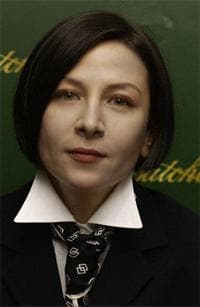
Donna Louise Tartt is an American novelist and essayist. Her work has been widely critically-acclaimed, and her novel The Goldfinch won the Pulitzer Prize for Fiction and has been adapted into a film.
Similar books
- A Little Life
Hanya Yanagihara
4.3 (212k) average on GoodreadsLiterary FictionExplores themes of trauma, friendship, and enduring suffering over a character's lifetime.
- The Secret History
Donna Tartt
3.9 (2k) average on GoodreadsPoliticsAnother lengthy, character-focused novel by Tartt, featuring a group of intense, intellectual young people and a dark secret.
- Freedom
Jonathan Franzen
3.8 (150k) average on GoodreadsLiterary FictionBoth are expansive contemporary American novels, but The Goldfinch delves more deeply into a singular character's internal world and a sense of gothic melancholy, driven by art and crime. Franzen's Freedom offers a broader, more satirical critique of American society through multiple perspectives and generational sagas, with less emphasis on a central mystery or the subjective experience of art.
- The Old Man and the Sea
Ernest Hemingway
3.8 (831k) average on GoodreadsLiterary FictionA Cuban fisherman's long struggle with a giant marlin becomes a story of endurance and dignity, now retold for young adults with illustrations, phonetic guides, and writing prompts in Traditional Chinese.
- One Hundred Years of Solitude
Gabriel García Márquez
4.1 (753k) average on GoodreadsLiterary FictionThrough the multi-generational story of the Buendía family, a mythical town deals with the repeating patterns of time, love, and solitude, as the extraordinary mixes with the ordinary.
- Little Fires Everywhere
Celeste Ng
4.1 (713k) average on GoodreadsLiterary FictionIn Shaker Heights, an artist and her daughter move in, and their free-spirited lives clash with a rule-bound matriarch, revealing hidden conflicts beneath a perfect surface.






Enjoyed the summary?
A summary gives you the shape of the book. The book itself has the detail, the examples and the voice.
Find The Goldfinch on AmazonAs an Amazon Associate, BookBrief earns from qualifying purchases. How we're funded