
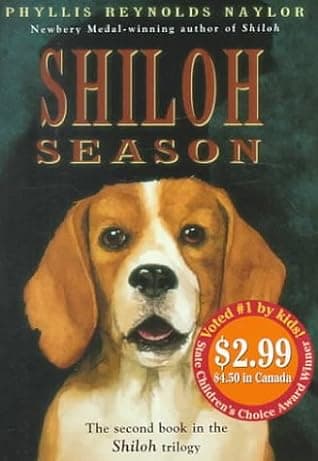
Synopsis
Covers the whole plot, including the ending.
- Difficulty
- Easy
- Pacing
- Moderate
- Mood
- Realistic, Suspenseful, Thought-provoking, Hopeful
- Read it if
- You enjoy heartfelt stories about a boy's bond with his dog, facing moral dilemmas, and navigating complex relationships with difficult people.
- Skip it if
- You prefer fantasy or sci-fi, or are looking for a story with a light, carefree tone without any difficult themes.
Shiloh Season Plot Summary
Covers the whole plot, including the ending.
A Precarious Peace with Judd
Marty Preston is overjoyed to finally have Shiloh, the beagle he rescued, living with him permanently. After the events of the previous summer, where Marty saved Shiloh from Judd Travers and earned his ownership by working for Judd, a fragile peace exists. Shiloh is a beloved member of the Preston family, and Marty takes him everywhere he can. However, Marty remains constantly on edge, remembering Judd's past cruelty and the condition under which he got Shiloh: Judd could have him back if Marty ever mistreated him. Marty's father, Ray Preston, reminds him that Judd, despite his rough exterior, did keep his word, but Marty struggles to fully trust the man who once abused his dog.
Judd's Escalating Antics
The fragile peace is shattered when Judd Travers starts drinking heavily. Marty observes Judd's truck parked at various bars, and soon Judd's behavior becomes increasingly erratic and threatening. He begins to harass the Preston family, driving recklessly past their house, shouting obscenities, and even shooting his gun near their property. Marty's parents, Ray and Louise Preston, try to ignore him, but the incidents escalate, making them all feel unsafe. Shiloh, sensitive to the tension, becomes anxious whenever Judd's truck is near. Marty is particularly worried for Shiloh's safety, fearing Judd might try to reclaim or harm the dog.
Threats and Vandalism
Judd's drunken behavior intensifies. He drives his truck onto the Prestons' property, tearing up their lawn, and leaves dead animals, like a possum, on their porch. One evening, he shoots out the Prestons' mailbox. Marty, witnessing these acts, feels a mix of fear and growing anger. His mother, Louise, expresses her terror, especially after Judd leaves a cryptic, threatening note on their door. Ray Preston tries to reason with Judd, but Judd is belligerent and denies everything, claiming he's just out hunting. Marty's sisters, Dara Lynn and Becky, are also frightened by Judd's actions, making the family feel increasingly vulnerable.
The Community's Indifference
Marty tries to seek help from the community, talking to Mr. Wallace, the store owner, and Mr. Howard, the postman, about Judd's behavior. However, he finds that most people are either afraid of Judd or resigned to his ways, viewing him as a local nuisance that's best avoided. They tell Marty that Judd is just 'Judd' and that nothing can be done unless he actually harms someone directly. This lack of support frustrates Marty, making him feel isolated and that his family is on their own against Judd's escalating threats. He realizes that official channels or community intervention are unlikely to protect them.
Shiloh's Near Miss
One afternoon, while Marty is out with Shiloh, Judd Travers drives by and shoots his gun in their direction. Shiloh, startled, yelps and collapses, grazed by a pellet. Marty is terrified, believing Shiloh has been shot. He rushes Shiloh home, where his father examines the dog and finds only a minor graze, but the incident deeply traumatizes Marty. He is convinced Judd intentionally shot at Shiloh, and the near-miss reinforces his fear for his dog's life. This event pushes Marty's resolve to protect Shiloh and his family to a new level, making him realize the true danger Judd poses.
Marty's Desperate Plan
Feeling helpless and realizing that no one else will stop Judd, Marty decides he must take matters into his own hands. He knows Judd hunts deer out of season and uses illegal snares. Marty devises a plan to gather evidence of Judd's illegal hunting, hoping that if Judd is caught breaking the law, he will be sent to jail, thus removing the threat to his family and Shiloh. He begins to secretly follow Judd, observing his movements and looking for his snares, a dangerous undertaking given Judd's volatile nature and his possession of a gun. Marty feels the burden of protecting his family resting squarely on his shoulders.
Discovery of the Snares
Marty, with Shiloh accompanying him, ventures deep into the woods near Judd's property. After careful searching, he discovers a series of crude, illegal snares set by Judd to catch deer out of season. He finds a doe caught in one of the snares, still alive but suffering. Marty is horrified by the cruelty and the blatant disregard for hunting laws. He knows this is the evidence he needs to get Judd in trouble, but he also feels immense pity for the trapped animal. He debates whether to free the deer or leave it as evidence, wrestling with the moral implications of his plan and the suffering of the animal.
Confrontation and Capture
Marty decides to free the trapped doe, unable to bear its suffering. He then waits, knowing Judd will eventually check his snares. When Judd arrives, Marty confronts him, accusing him of illegal hunting and setting snares. Judd, enraged and drunk, becomes violent, threatening Marty. Just as the situation escalates, Mr. Preston, who had grown suspicious of Marty's secretive behavior and followed him, appears with the game warden, Mr. Howard. They had been tipped off by Marty's father. Judd is caught red-handed with the snares and the evidence of his illegal hunting. He is arrested and taken away by the game warden.
The Aftermath and Judd's Release
Judd Travers is taken to jail, and Marty feels a sense of relief, believing the threat is finally over. However, Judd is soon released on bail, much to Marty's dismay and fear. His parents explain that the legal process takes time. Despite Judd's release, things are different. The community, now fully aware of Judd's illegal activities and his harassment of the Prestons, no longer tolerates his behavior. People start to openly shun him, and the store owner, Mr. Wallace, refuses to serve him alcohol. The public exposure and legal consequences, even if slow, begin to isolate Judd and diminish his ability to intimidate.
A Glimmer of Hope
As the story concludes, Judd Travers, facing social ostracism and legal repercussions, begins to show subtle signs of change. He is seen less often at the bars and appears more subdued. Marty, while still wary, observes Judd from a distance. One day, Judd even offers a small, almost imperceptible gesture of acknowledgment to Marty. The legal proceedings against Judd are ongoing, but the immediate threat to the Preston family and Shiloh has subsided. Marty reflects on the difficult journey, understanding that while Judd may never fully change, the community's collective stand and the law's intervention have created a safer environment for him and his beloved beagle. The future remains uncertain, but a glimmer of hope for a lasting peace emerges.
Shiloh Season Characters
Marty Preston
Protagonist
A compassionate and determined boy, fiercely protective of his dog Shiloh.
Marty is a thoughtful and morally driven young boy living in rural West Virginia. He deeply loves animals, especially his beagle, Shiloh. His primary motivation throughout the book is to protect Shiloh and his family from Judd Travers's escalating threats. Marty is courageous, often putting himself in dangerous situations to do what he believes is right, even when it means defying adults or risking his own safety. He struggles with the complexities of justice and forgiveness, wanting to believe in the good in people but constantly confronted by Judd's cruelty. He is observant and intelligent, devising a plan to expose Judd's illegal activities when he feels all other avenues are closed.
Relationships: Shiloh (beloved pet and constant companion); Ray Preston (father, source of guidance and support); Louise Preston (mother, source of comfort and worry); Judd Travers (antagonist, former owner of Shiloh and source of threats); Dara Lynn Preston (younger sister); Becky Preston (younger sister)
Shiloh
Supporting
Marty's beloved beagle, whose safety is the central conflict.
Shiloh is a timid but affectionate beagle who has found a loving home with Marty. He is sensitive to the emotions around him, particularly Marty's stress and fear, and becomes anxious when Judd Travers is near. Shiloh's past abuse by Judd makes him wary of the man, and his well-being is the driving force behind Marty's actions. He is loyal to Marty, accompanying him on his secret excursions into the woods. Shiloh represents innocence and vulnerability, and his presence highlights the stark contrast between Marty's kindness and Judd's cruelty. His near-shooting by Judd further galvanizes Marty's resolve.
Relationships: Marty Preston (loving owner and protector); Judd Travers (abusive former owner, source of fear)
Judd Travers
Antagonist
The cruel and volatile former owner of Shiloh, who harasses the Preston family.
Judd Travers is a rough, unkempt, and often drunk man who lives an isolated life. He is known for his cruelty to animals and his general mean-spiritedness. In 'Shiloh Season,' his character deteriorates further as he begins drinking heavily again, leading to an escalation of threats and harassment against the Preston family. He is stubborn, denies his wrongdoing, and uses intimidation to control others. Despite his initial agreement to let Marty keep Shiloh, his underlying resentment and volatile nature resurface, making him a dangerous presence. He represents the darker side of human nature and the challenges of living in a rural community where justice can be elusive.
Relationships: Marty Preston (antagonistic, his former dog's new owner); Shiloh (former abused pet)
Ray Preston
Supporting
Marty's father, a pragmatic and supportive figure.
Ray Preston is Marty's father, a hardworking and principled man. He tries to instill good values in Marty and encourages him to think through his actions. While he supports Marty's love for Shiloh, he is also practical and cautious, initially advising Marty to avoid conflict with Judd. He provides a voice of reason and tries to handle Judd's harassment through official channels. However, when Judd's threats escalate, Ray shows his protective side, eventually following Marty into the woods and helping to apprehend Judd. He represents parental authority and the struggle to balance moral principles with practical safety concerns.
Relationships: Marty Preston (son, whom he guides and protects); Louise Preston (wife); Judd Travers (adversary)
Louise Preston
Supporting
Marty's mother, who is deeply concerned for her family's safety.
Louise Preston is Marty's mother, a kind and nurturing woman who is deeply worried about the safety of her children and Shiloh due to Judd Travers's behavior. She expresses her fears openly, particularly after Judd's more aggressive acts of harassment. She provides emotional support to Marty and her younger daughters, Dara Lynn and Becky. Her anxiety reflects the real danger the family faces and underscores the emotional toll Judd's actions take on them. She encourages Marty to be careful but also stands by him, representing the emotional core of the family.
Relationships: Marty Preston (son, whom she worries for and comforts); Ray Preston (husband); Dara Lynn Preston (daughter); Becky Preston (daughter)
Dara Lynn Preston
Supporting
Marty's younger sister, sensitive to the family's stress.
Dara Lynn is Marty's younger sister. She is portrayed as a typical young child, often asking questions and sensitive to the tension in the household. She is easily frightened by Judd Travers's actions, such as his reckless driving or the dead animals left on their porch. Her reactions highlight the impact of Judd's harassment on the entire family, particularly the younger, more vulnerable members. She relies on Marty and her parents for reassurance and protection.
Relationships: Marty Preston (older brother); Louise Preston (mother); Ray Preston (father); Becky Preston (sister)
Becky Preston
Supporting
Marty's youngest sister, who is largely unaware of the full danger.
Becky is the youngest of the Preston children. She is too young to fully grasp the severity of Judd Travers's threats, though she still reacts to the general fear and tension within the family. Her innocence serves as a contrast to the mature burden Marty carries and further emphasizes the need for protection. Her presence underscores the vulnerability of the family unit against an unpredictable and dangerous individual.
Relationships: Marty Preston (older brother); Louise Preston (mother); Ray Preston (father); Dara Lynn Preston (sister)
Mr. Wallace
Supporting
The local store owner, who initially represents community apathy.
Mr. Wallace owns the local general store where Marty often buys candy. He is initially portrayed as a representative of the community's general indifference or fear regarding Judd Travers. When Marty tries to confide in him about Judd's behavior, Mr. Wallace dismisses it as 'Judd being Judd,' advising Marty to simply ignore him. However, after Judd's arrest and the public exposure of his illegal activities, Mr. Wallace's attitude shifts, and he refuses to sell alcohol to Judd, signifying a change in community tolerance.
Relationships: Marty Preston (customer, confidant); Judd Travers (customer, later refused service)
Mr. Howard
Supporting
The game warden, who represents legal authority and justice.
Mr. Howard is the local game warden, responsible for enforcing hunting laws. He is a figure of authority whom Marty initially feels is unhelpful, as he can't act without direct evidence of illegal activity. However, when Ray Preston provides him with a tip about Judd's snares and Marty's observations, Mr. Howard acts swiftly and professionally. He is the one who ultimately apprehends Judd Travers in the woods, bringing the immediate crisis to a head. He represents the formal justice system that Marty eventually turns to, highlighting that sometimes official channels are necessary and effective.
Relationships: Marty Preston (informant); Ray Preston (informant); Judd Travers (arresting officer)
Shiloh Season Themes
Justice and Morality
The novel explores Marty's struggle with what is justice, especially when legal avenues seem insufficient. Marty deals with the moral problem of whether to allow suffering (e.g., the trapped deer) to gather evidence against Judd, or to intervene directly. He learns that sometimes, doing what's 'right' involves difficult choices and personal risk. The theme also highlights the limitations of the law and the importance of community responsibility in upholding moral standards, as seen when the community's attitude towards Judd shifts after his arrest.
“Judd was bad, plain bad. There wasn't any goodness in him.”
Courage and Protection
Marty's courage when facing Judd Travers's threats is a central theme. Driven by his love for Shiloh and his family, Marty repeatedly puts himself in danger, first by observing Judd, then by entering his territory to find snares, and finally by confronting him. This theme also extends to Ray Preston, who, initially cautious, ultimately shows courage by joining Marty and the game warden to apprehend Judd. It highlights the lengths people will go to protect those they love, even when it means facing a dangerous adversary.
“My heart was beating like a drum, but I wasn't going to let Judd Travers get away with this.”
Community and Responsibility
The novel examines the role of a rural community in dealing with an individual like Judd Travers. Initially, the community shows indifference or fear, with figures like Mr. Wallace advising Marty to ignore Judd. This inaction forces Marty to act alone. However, after Judd's arrest, the community's stance changes, with public disapproval and actions like Mr. Wallace refusing to sell Judd alcohol. This shift suggests that while formal justice is important, community solidarity and a collective refusal to tolerate bad behavior are also important in maintaining order and safety.
“'Seems like folks just let Judd be Judd,' Mr. Wallace had said, and Marty knew it was true.”
The Nature of Cruelty and Change
Judd Travers embodies cruelty, not only towards animals but also towards people through his intimidation and harassment. The book explores whether someone like Judd can truly change. While Judd shows subtle signs of being affected by his arrest and social isolation, the story leaves his full redemption uncertain. This theme prompts readers to consider the origins of such cruelty and the difficult, often slow, process of behavioral change, suggesting that external consequences and community pressure can sometimes be catalysts, even if internal transformation is not fully achieved.
“Judd Travers had a mean streak in him wider than the road.”
Plot Devices & Literary Techniques
Foreshadowing
Hints and clues that build tension and anticipate future events.
The novel uses foreshadowing to build tension and indicate the escalating danger. Early mentions of Judd's drinking habits and his erratic driving, along with Marty's constant anxiety about Shiloh's safety, hint at future confrontations. The sight of Judd's truck at local bars and his increasingly aggressive behavior serve as direct warnings that the fragile peace will not last. This device keeps the reader on edge, anticipating the inevitable clash between Marty and Judd.
Symbolism (Shiloh)
Shiloh symbolizes innocence, vulnerability, and the peace Marty fights to protect.
Shiloh, the beagle, serves as a powerful symbol throughout the story. He represents innocence and vulnerability, as he is a creature dependent on Marty's protection. His past abuse by Judd and his current fear of the man highlight the cruelty that Marty is fighting against. More broadly, Shiloh symbolizes the peace and happiness Marty strives to maintain for his family, a peace constantly threatened by Judd's presence. Protecting Shiloh becomes synonymous with protecting the family's well-being and their way of life.
First-Person Narration
The story is told from Marty's perspective, immersing the reader in his thoughts and fears.
The use of first-person narration, through Marty's eyes, allows the reader to experience his internal struggles, fears, and moral dilemmas directly. We understand his deep love for Shiloh, his anxiety over Judd's threats, and his desperate determination to find a solution. This perspective creates a strong sense of empathy for Marty and makes his journey more immediate and personal. It also limits the reader's knowledge to what Marty knows or observes, heightening suspense as he navigates dangerous situations.
Conflict (Man vs. Man, Man vs. Society, Man vs. Self)
Multiple layers of conflict drive the narrative and Marty's character development.
The primary conflict is 'Man vs. Man' between Marty and Judd Travers, a direct struggle for safety and justice. This is complicated by 'Man vs. Society,' as Marty initially faces community indifference to Judd's behavior, forcing him to act alone. Internally, Marty experiences 'Man vs. Self' as he wrestles with his conscience, his fear, and his moral compass, particularly when deciding how to deal with the trapped deer and whether to take the law into his own hands. These interwoven conflicts create a rich, dynamic narrative.
Shiloh Season Quotes
“I can't believe how much trouble one little beagle can cause.”
“When you lie, even for a good reason, it starts to eat at you.”
“Judd Travers ain't all bad, just mostly.”
“Sometimes you gotta do what's right, even if it's hard.”
“A dog's love is a powerful thing.”
“Secrets have a way of coming out, no matter how hard you try to keep them in.”
“It's hard to make friends with someone who's always mad.”
“You can't just take what you want from people, even if you think you deserve it.”
“The creek was a good place to think, to sort things out.”
“Sometimes the hardest part is not giving up, even when things look hopeless.”
“Family's supposed to stick together, no matter what.”
“A promise is a promise, and you gotta keep it.”
“It wasn't just a dog; it was Shiloh.”
“Fear can make you do things you wouldn't normally do.”
Quiz
10 questions on the plot and the characters. Each answer comes with a short explanation.
Question 1
What is the primary conflict Marty faces regarding Judd Travers at the beginning of 'Shiloh Season'?
- Judd wants Shiloh back because he misses the dog.
- Judd has started drinking again and is becoming aggressive towards Marty's family.
- Judd is trying to steal other animals from Marty's property.
- Judd is spreading rumors about Marty's family in town.
Show answer
B. Judd has started drinking again and is becoming aggressive towards Marty's family. The book explicitly states that Judd Travers has started drinking again, and his combination of beer and a gun makes him a dangerous threat, particularly targeting Marty's family, which is the core conflict.
Question 2
Which of these is NOT a characteristic of Judd Travers's behavior when he's been drinking in 'Shiloh Season'?
- Driving recklessly near Marty's house.
- Shooting his gun near Marty's property.
- Making threats against Marty's family.
- Showing remorse and apologizing for his actions.
Show answer
D. Showing remorse and apologizing for his actions. When Judd is drinking, he becomes more volatile and aggressive, never showing remorse or apologizing. His actions include reckless driving, shooting his gun, and making threats, escalating the tension.
Question 3
Why does Marty's father initially hesitate to call the sheriff about Judd's behavior?
- He doesn't believe the sheriff would take their claims seriously.
- He wants to try and resolve the situation peacefully first, without involving the law.
- He is afraid Judd will retaliate even worse if the sheriff gets involved.
- He doesn't have enough evidence to make a formal complaint.
Show answer
B. He wants to try and resolve the situation peacefully first, without involving the law. Marty's father, a pragmatic and peace-loving man, initially tries to de-escalate the situation and avoid formal intervention, hoping Judd's behavior will improve or can be handled without legal action, reflecting his character.
Question 4
What specific incident makes Marty and his family realize that Judd's behavior is escalating to a dangerous level?
- Judd threatens Marty at the general store.
- Judd shoots his gun and hits their mailbox.
- Judd leaves a dead animal on their porch.
- Judd tries to steal Shiloh back from their yard.
Show answer
B. Judd shoots his gun and hits their mailbox. The incident where Judd shoots his gun and hits their mailbox is a clear sign that his aggression is directly targeting their property and safety, moving beyond mere threats to physical danger.
Question 5
What theme is most prominent in 'Shiloh Season' regarding how to deal with difficult people?
- Ignoring problems will eventually make them go away.
- Retaliation is the only way to achieve justice.
- Compassion and understanding can sometimes lead to resolution, even with those who seem irredeemable.
- It's best to move away from conflict rather than confront it.
Show answer
C. Compassion and understanding can sometimes lead to resolution, even with those who seem irredeemable. A key theme of the series, and 'Shiloh Season' in particular, is Marty's and his family's continued struggle to understand and even offer help to Judd, despite his difficult nature, demonstrating the power of compassion and the complexities of human relationships.
Question 6
How does Marty's mother react to Judd's escalating threats and actions?
- She becomes withdrawn and silent, hoping it will pass.
- She encourages Marty to stay inside and avoid Judd completely.
- She is deeply worried and protective, often urging her husband to take stronger action.
- She tries to confront Judd herself, leading to more conflict.
Show answer
C. She is deeply worried and protective, often urging her husband to take stronger action. Marty's mother is consistently portrayed as deeply concerned for her family's safety and is often the one pushing for more decisive action or expressing her fears to her husband, highlighting her protective nature.
Question 7
What is the ultimate consequence of Judd's drinking and reckless behavior described in the book?
- He is arrested and sent to jail for a long period.
- He loses his job and has to leave town.
- He has a serious accident that leaves him injured.
- He finally agrees to go to rehabilitation for his alcoholism.
Show answer
C. He has a serious accident that leaves him injured. Judd's reckless behavior, particularly his drinking and driving, leads to a serious accident where he is gravely injured, which becomes a pivotal moment in the story and for his character arc.
Question 8
What does Marty struggle with internally regarding Judd, even amidst Judd's dangerous behavior?
- Whether he truly loves Shiloh or if he'd be better off without the dog.
- His desire to help Judd versus his fear and anger towards him.
- How to hide Shiloh from Judd permanently.
- His guilt about having taken Shiloh from Judd in the first place.
Show answer
B. His desire to help Judd versus his fear and anger towards him. Marty, true to his compassionate nature, struggles with the dichotomy of being scared and angry at Judd, while also feeling a degree of pity or a desire to help him, especially after Judd's accident.
Question 9
What role does the setting of rural West Virginia play in the narrative of 'Shiloh Season'?
- It emphasizes the isolation of characters, making conflict resolution more difficult.
- It highlights the strong sense of community where neighbors always look out for each other.
- It provides a backdrop where personal disputes can easily escalate without immediate external intervention, and where people often rely on themselves.
- It serves primarily as a picturesque background with little impact on the plot.
Show answer
C. It provides a backdrop where personal disputes can easily escalate without immediate external intervention, and where people often rely on themselves. The rural setting of West Virginia is crucial; it means there isn't always immediate law enforcement presence for every incident, and people often have to navigate complex personal relationships and disputes themselves, allowing Judd's behavior to escalate before official intervention.
Question 10
After Judd's accident, how does Marty's family respond to his situation?
- They feel a sense of relief and try to avoid any further contact with him.
- They express concern and even offer help, demonstrating their inherent good nature.
- They see it as just deserts for his past actions and show no sympathy.
- They immediately call the authorities to ensure he is properly punished for his drinking.
Show answer
B. They express concern and even offer help, demonstrating their inherent good nature. Despite Judd's previous aggression, Marty's family, particularly Marty and his mother, show genuine concern and even offer practical help after Judd's accident, embodying the theme of compassion and forgiveness.
Shiloh Season FAQ
What is Shiloh Season about?
Shiloh Season continues the story of Marty Preston and his beloved beagle, Shiloh. After Marty successfully rescued Shiloh from his abusive owner, Judd Travers, the novel explores the challenges of their new life together as Judd's bitterness and alcoholism resurface, threatening Marty's family and Shiloh's safety once more.
Why should I read Shiloh Season?
You should read Shiloh Season for its poignant exploration of forgiveness, the complexities of rural poverty, and the enduring bond between a boy and his dog. It delves deeper into the moral dilemmas Marty faces when dealing with a difficult individual like Judd, offering valuable lessons about empathy and community responsibility.
What is the background/setting of Shiloh Season?
The story is set in the rural hills of West Virginia, a backdrop that highlights the harsh realities of poverty, limited opportunities, and the close-knit, yet often gossipy, nature of small communities. This environment contributes significantly to Judd Travers's struggles and the isolation Marty's family sometimes feels.
What are the most memorable quotes?
One memorable quote reflects Marty's internal struggle: 'It ain't easy to love someone that don't love you back, or someone that hurts you.' Another highlights the community's perspective: 'Folks around here got long memories, Marty. They don't forget easy what Judd done.'
What writing style does the author use?
Phyllis Reynolds Naylor uses a straightforward, first-person narrative from Marty's perspective, allowing readers to deeply connect with his thoughts and moral struggles. Her language is accessible yet evocative, painting vivid pictures of the West Virginia landscape and the emotional turmoil of its characters.
What minor details add significant meaning?
The detail of Judd's rundown house and his neglected hunting dogs subtly emphasizes his own despair and inability to care for anything properly, even himself. Marty's continued visits to Judd, even when unwelcome, highlight his deep-seated compassion and hope for change.
What are some subtle foreshadowing moments?
Judd's increasing consumption of beer and the way he talks about his gun early in the book subtly foreshadow the escalating danger he poses to Marty and his family. The initial unease Marty feels when passing Judd's property, even after Shiloh is safe, also hints at unresolved tensions.
What unexpected character connections exist?
An unexpected connection is the reluctant, almost begrudging, respect that develops between Marty and Judd. Despite their antagonistic relationship, Judd occasionally shows a flicker of humanity or understanding towards Marty, suggesting a deeper, unresolved internal conflict within Judd himself.
What are unspoken character motivations?
Judd Travers's unspoken motivation often seems to be a desperate cry for attention and a profound sense of loneliness and failure. His aggression and drinking could be interpreted as a defense mechanism against his own self-loathing and the community's judgment, rather than pure malice.
What psychological complexities do characters exhibit?
Marty exhibits the psychological complexity of a child grappling with adult moral dilemmas, trying to reconcile his desire for justice with his parents' calls for empathy and caution. Judd, conversely, displays the complexities of an individual trapped in a cycle of addiction and resentment, unable to break free from his own destructive patterns.
What are the major emotional turning points?
A major emotional turning point occurs when Judd, in a drunken rage, shoots at Marty's doghouse, narrowly missing Shiloh. This act solidifies the danger Judd poses and forces Marty's family to confront the need for more drastic action, moving beyond mere tolerance.
How do relationship dynamics evolve?
The relationship dynamics between Marty and Judd evolve from one of direct antagonism to a more complex, uneasy truce, punctuated by moments of fear and reluctant understanding. Marty's family also grows closer, united in their efforts to protect Shiloh and navigate Judd's unpredictable behavior, strengthening their internal bonds.
Which parts remain ambiguous or open-ended?
The full extent of Judd's potential for change remains somewhat ambiguous. While there are small glimmers of humanity, the novel leaves open whether Judd will ever truly overcome his alcoholism and destructive tendencies, or if he will continue to be a source of trouble in the community.
What are controversial scenes or decisions?
A controversial decision is Marty's initial choice to keep Judd's secret about shooting the deer out of season in the first book, which leads to Shiloh's ownership. In 'Shiloh Season,' the ongoing debate within Marty's family about how much they should tolerate Judd's threats, versus taking more severe action, is also a point of contention.
Shiloh Season ending explained: how it ends & what it means
Shiloh Season ends with Marty and his family still living under the shadow of Judd Travers's unpredictable behavior, but with a renewed sense of resilience and community support. While Judd doesn't undergo a complete transformation, the ending suggests a fragile hope that understanding and continued effort might, over time, lead to small improvements, emphasizing the long, difficult road to rehabilitation and forgiveness.
About the author

Phyllis Reynolds Naylor is an American author known for her contributions to children's and young adult literature. Her notable works include the novels "Shiloh" and "Shiloh Season," which explore themes of friendship and loyalty, as well as "Jade Green" and "Achingly Alice," which delve into the complexities of adolescence. Naylor's writing often reflects her deep understanding of youth and the challenges they face.
Similar books
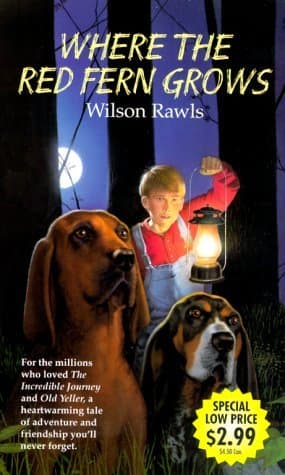
- Where the Red Fern Grows
Wilson Rawls
4.1 (342k) average on GoodreadsChildren'sFeatures a strong boy-dog bond and themes of loyalty and coming-of-age in a rural setting.
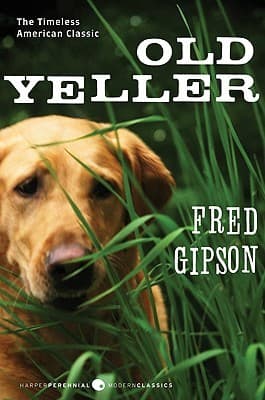
- Old Yeller
Fred Gipson
4.1 (86k) average on GoodreadsChildren'sExplores the deep connection between a boy and his dog, and the challenges they face together.
- Bridge to Terabithia
Katherine Paterson
4.0 (445k) average on GoodreadsFantasyDeals with challenging real-world issues and the power of friendship amidst adversity.
- The Giver
Lois Lowry
4.1 (1.8M) average on GoodreadsFantasyWhile both books deal with difficult moral choices and societal norms, Shiloh Season operates on a more intimate, personal scale, focusing on individual responsibility within a realistic setting, whereas The Giver explores societal control and the suppression of emotion through a dystopian, allegorical framework.
- Harry Potter and the Sorcerer's Stone
J.K. Rowling
4.5 (7M) average on GoodreadsFantasyRescued from a miserable life under the stairs, an orphaned boy discovers he's a wizard destined for a magical school, where he uncovers a dangerous secret tied to the dark wizard who murdered his parents.
- The Hobbit, or There and Back Again
J.R.R. Tolkien
4.3 (2.9M) average on GoodreadsFantasyA comfort-loving hobbit named Bilbo Baggins is whisked away by a mischievous wizard and a band of dwarves on an unexpected journey to reclaim stolen treasure from a fearsome dragon, discovering courage and a magical ring along the way.




Enjoyed the summary?
A summary gives you the shape of the book. The book itself has the detail, the examples and the voice.
Find Shiloh Season on AmazonAs an Amazon Associate, BookBrief earns from qualifying purchases. How we're funded