
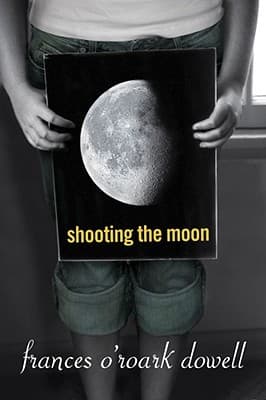
Synopsis
Covers the whole plot, including the ending.
- Difficulty
- Easy
- Pacing
- Moderate
- Mood
- Thought-provoking, Melancholy, Realistic, Emotional
- Read it if
- You enjoy historical fiction set during the Vietnam War, told from a child's perspective, exploring themes of disillusionment and family loyalty.
- Skip it if
- You prefer fast-paced action or stories with clear, definitive resolutions without emotional ambiguity.
Shooting the Moon Plot Summary
Covers the whole plot, including the ending.
A Brother's Departure and a Father's Pride
Twelve-year-old Jamie Dexter lives on a military base in Fort Bragg, North Carolina, with her father, Colonel Dexter, and her older brother, TJ. The book begins with TJ deciding to join the Army and his deployment to Vietnam. Jamie, an aspiring photographer and patriotic girl, is initially excited by TJ's departure, seeing him as a hero fighting for his country, much like their father. Colonel Dexter, a career military man, is proud of TJ's choice, reinforcing the family's military values. Jamie looks forward to TJ's letters, expecting combat stories and adventure, believing the war is a clear fight between good and evil.
The First Roll of Film
Jamie waits for TJ's first message from Vietnam. To her surprise, it is not a letter with heroic tales but a small package containing a roll of undeveloped film. TJ's note is short, simply telling her to develop the pictures. Jamie, who shares a love for photography with TJ and has access to a darkroom, is curious. This unexpected form of communication immediately sets a different tone than her initial expectations. She wonders why TJ chose this method over writing and what images these mysterious frames might hold, unaware that these photographs will become her main way of seeing the war's realities.
Developing the Truth
Jamie takes the film to her darkroom and begins the development process. The first images are not the heroic combat scenes she imagined. Instead, she sees ordinary soldiers, some looking tired or bored, others simply existing in a foreign place. There are pictures of a young Vietnamese girl, a soldier writing a letter, and the dense jungle. These photos lack the glory and action she expected; they show a common, yet subtly unsettling, reality. This first batch of photos begins to break down Jamie's idealized view of the war, showing her a side of conflict that is more complex and human than the propaganda she has heard.
A Secret Shared
Struggling to understand the quiet power of TJ's photographs, Jamie finds Private Miller, a young, injured soldier recovering at the base hospital. Private Miller, who has also seen combat in Vietnam, recognizes the truth in TJ's images. He explains to Jamie that the photos capture the 'real' war – the exhaustion, the fear, the moments of humanity amid the chaos, and the daily struggles of survival. Their shared understanding of the photos creates a bond between them. Private Miller's insights help Jamie move past her initial disappointment, guiding her to see the emotional depth and difficult truths TJ is trying to share.
The Colonel's Disapproval
Colonel Dexter, a man of strict military discipline and patriotism, eventually finds Jamie's darkroom and the growing collection of TJ's photographs. He is bothered by the images, finding them unprofessional and unpatriotic. He believes TJ should focus on his duty, not on taking pictures that do not glorify the war. The Colonel's reaction shows the generational and ideological gap between him and his children about the war. He sees the photos as a weakness, a distraction from the 'mission,' and struggles to understand why TJ would send them, especially to his young sister.
TJ's Growing Disillusionment
As more rolls of film arrive from TJ, the content becomes more somber and revealing. Jamie develops photos showing the aftermath of combat, the suffering of Vietnamese civilians, and the deep weariness in the eyes of the soldiers. These images sharply contrast with the heroic stories she grew up with. They convey a sense of futility, moral confusion, and deep emotional cost. Through his lens, TJ is silently sharing his growing disappointment with the war, its purpose, and its devastating impact on everyone involved, leaving Jamie to deal with the painful truths her brother is experiencing.
Jamie's Changing Perspective
Through TJ's photographs and her conversations with Private Miller, Jamie's view of the Vietnam War changes greatly. She begins to see the war not as a glorious fight but as a messy, brutal, and often senseless conflict that causes immense suffering. Her childhood hero-worship of her father, the Colonel, starts to fade as she realizes his firm belief in the war means he supports the system that is hurting her brother. Jamie begins to question authority and the simple stories she has always accepted, developing a more thoughtful and critical understanding of patriotism and sacrifice.
The Village and the Girl
Among TJ's photographs, a particular series stands out: images of a small Vietnamese village and a young girl. These photos are not of combat, but of quiet moments, daily life, and the innocent faces caught in the fighting. The young girl, in particular, becomes a symbol for Jamie, representing the innocent victims of the war and the humanity TJ is trying to acknowledge amid the destruction. These images reveal TJ's compassion and his struggle with the moral issues of the conflict, deeply affecting Jamie and solidifying her understanding that the war is not just about soldiers, but about the lives of ordinary people.
Confrontation and Disappointment
With the truths from TJ's photographs, Jamie finally confronts her father, Colonel Dexter. She challenges his rigid, patriotic view of the war, expressing her fear for TJ and her understanding of the conflict's devastating reality. The Colonel, deeply rooted in his military beliefs, dismisses her concerns and maintains his belief in the war's necessity and righteousness. This confrontation is painful for Jamie, as she realizes her father cannot or will not acknowledge the complexities and suffering his son is experiencing. It marks a significant point in their relationship, showing the gap that has grown between them.
The Colonel's Helplessness
Jamie's ultimate understanding is that her father, the powerful Colonel she has looked up to her whole life, cannot protect TJ from the horrors of the war. Despite his rank, his authority, and his firm belief in the military, he cannot shield his son from the danger, the disappointment, or the emotional scars of Vietnam. This understanding shatters Jamie's idealized image of her father and of military life. It is a painful but important step in her growing up, making her face the limits of power and the devastating impact of war on even the strongest people and families. She learns that love and a father's position cannot stop suffering.
A Silent Plea for Help
A final roll of film arrives from TJ, and the images are the most unsettling yet. They are less clear, more broken, showing scenes of deep despair, perhaps even a direct call for help. Jamie recognizes the urgency and the depth of TJ's emotional distress in these last photographs. This final message is a silent cry from the front lines, showing that TJ is at his breaking point. The images are a desperate call for someone to understand his suffering and to intervene, increasing Jamie's fear and her feeling of powerlessness, yet also strengthening her resolve.
Jamie's Act of Love
Realizing that her father cannot or will not act, Jamie takes action herself. She gathers all of TJ's photographs, understanding their power to show the truth that words cannot. While her exact action is somewhat open, the implication is that she intends to use these images to expose the reality of TJ's situation and the war, perhaps by showing them to someone in authority who might listen, or by finding a way to make his suffering known. This act is Jamie's ultimate expression of love and defiance, her way of fighting for her brother when all other options seem closed, using the medium they both share.
Principal Figures
Jamie Dexter
Protagonist
A twelve-year-old girl who discovers the harsh realities of war through her brother's photographs.
Jamie is a bright, fiercely loyal, and initially naive twelve-year-old girl living on a military base. She deeply admires her father, Colonel Dexter, and initially embraces the patriotic narrative of the Vietnam War. She shares a passion for photography with her older brother, TJ, which becomes her primary means of understanding his experiences. Jamie is observant and sensitive, gradually developing a critical perspective as she processes the unsettling truths revealed in TJ's photos. Her journey is one of disillusionment with idealized notions of war and authority, and a coming-of-age as she confronts complex moral issues.
Relationships: TJ Dexter (Younger sister, shares a deep bond and a passion for photography; becomes his confidante and interpreter of his experiences.); Colonel Dexter (Daughter, initially idolizes him but grows distant and critical due to his unwavering pro-war stance.); Private Miller (Confidante and mentor, he helps her understand the deeper meaning of TJ's photographs and the realities of war.)
TJ Dexter
Supporting/Catalyst
Jamie's older brother, a soldier in Vietnam who communicates his experiences through photographs.
TJ is Jamie's older brother, a young man who enlists in the Army and is deployed to Vietnam. He is a talented photographer, using his camera as a means to process and convey the brutal realities of the war to his sister, rather than through words. While not physically present for much of the story, his presence is profoundly felt through his photographic dispatches. TJ's journey in Vietnam reflects a growing disillusionment and emotional distress, as depicted in the increasingly somber and fragmented nature of his images. He is a sensitive soul, struggling with the moral ambiguities and human cost of the conflict.
Relationships: Jamie Dexter (Older brother, relies on her to understand and interpret his photographic messages from the war.); Colonel Dexter (Son, his experiences in Vietnam directly challenge his father's military ideals and create a silent rift.)
Colonel Dexter
Antagonist/Supporting
Jamie and TJ's father, a rigid military man who staunchly believes in the Vietnam War.
Colonel Dexter is a career military officer, a stern and highly disciplined man who embodies the values of patriotism, duty, and unwavering support for the armed forces. He is immensely proud of TJ's enlistment and views the Vietnam War through a lens of national honor and necessity. He struggles to understand or accept the nuanced, often disturbing, realities depicted in TJ's photographs, viewing them as unpatriotic or a sign of weakness. His rigid adherence to military ideology puts him at odds with Jamie's evolving understanding of the war, making him an obstacle to her emotional growth and her efforts to help TJ.
Relationships: Jamie Dexter (Father, initially admired, but their relationship becomes strained due to their differing views on the war and TJ's experiences.); TJ Dexter (Father, proud of his son's service but unable to acknowledge or understand his son's suffering and disillusionment.)
Private Miller
Supporting
A wounded soldier recovering on base who helps Jamie interpret TJ's photographs.
Private Miller is a young soldier recovering from injuries sustained in Vietnam. He is empathetic, observant, and has firsthand experience of the war's brutal realities. He becomes a crucial confidante and mentor for Jamie, helping her decipher the unspoken truths in TJ's photographs. Private Miller understands the 'real' war – the fear, the boredom, the humanity amidst the horror – and validates Jamie's growing sense of unease. He represents a voice of experience and compassion, offering Jamie a perspective that contrasts sharply with her father's rigid military views.
Relationships: Jamie Dexter (Mentor and confidante, helps her understand the complexities of war and TJ's photos.)
The Vietnamese Girl
Mentioned/Symbolic
A recurring figure in TJ's photographs, symbolizing the innocent victims of the war.
The young Vietnamese girl appears in several of TJ's photographs, often in a village setting. She represents the innocent civilian population caught in the crossfire of the war. Her presence in TJ's photos highlights the human cost of the conflict beyond the soldiers themselves, and serves as a poignant reminder of the lives disrupted and destroyed by violence. For Jamie, this girl becomes a symbol of the profound empathy TJ feels and the moral dilemmas he faces, reinforcing the idea that the war affects everyone, not just those in uniform.
Themes & Insights
The Disillusionment of War
This theme looks at the sharp difference between the idealized, patriotic image of war and its brutal, often senseless reality. Jamie first sees the Vietnam War as a glorious adventure, but through TJ's photographs, she sees the exhaustion, fear, and suffering of soldiers and civilians. TJ sending photos instead of letters means he cannot speak about the horror he is experiencing, and the images themselves – showing daily hardship, innocent victims, and the psychological cost – make Jamie face the deep disappointment that war brings. This breaks her childhood beliefs about heroism and national pride, as seen when she processes the quiet despair in TJ's later photos.
“It was as if TJ was trying to show me the truth, not with words, but with light and shadow.”
The Power of Photography as Truth
Photography is the central plot device and a strong thematic element, acting as a clear window into truth. Unlike letters, which can be censored or changed, TJ's undeveloped film offers raw, unfiltered images that Jamie must understand. The photographs convey emotions, environments, and realities that words might not capture or that TJ is unwilling to say directly. They make Jamie see past propaganda and think critically about what she is shown. The act of developing the photos in the darkroom symbolizes Jamie's own process of gaining a deeper understanding of the world and the war's complexities.
“A photograph doesn't lie, not really. It just shows you what was there.”
Challenging Authority and Ideology
The book explores the conflict between unquestioning obedience to authority and the courage to challenge main ideas. Jamie first accepts her father's and the military's patriotic story of the war. However, as she processes TJ's photos and learns from Private Miller, she begins to question the Colonel's rigid beliefs and the government's portrayal of the conflict. Her confrontation with her father shows her growing independence and her refusal to accept simple answers. This theme highlights how hard it is to break free from old beliefs, especially when those beliefs are tied to family and national identity, and the need to question when facing injustice or suffering.
“How could someone I'd worshiped my entire life be just as helpless to save my brother as I was?”
Family Bonds and Communication
The story looks at the complexities of family relationships, especially under the stress of war, and the different ways people communicate. The bond between Jamie and TJ is key, strengthened by their shared love for photography and TJ's silent plea for understanding. Their communication goes beyond spoken words, relying on the visual language of the photographs. In contrast, the communication between Jamie and her father, Colonel Dexter, is strained by his inability to acknowledge the nuanced truths in TJ's images and his strict adherence to military rules. The book suggests that true understanding and love require empathy and a willingness to see past one's own ideas, even when it is painful.
“He didn't send words, he sent pictures. And the pictures told a story words couldn't.”
Plot Devices & Literary Techniques
Undeveloped Film Rolls
TJ's primary method of communicating his experiences from Vietnam to Jamie.
The rolls of undeveloped film are the central plot device. Instead of letters, TJ sends these to Jamie, forcing her to actively participate in uncovering his story. This device emphasizes the raw, unfiltered nature of his experiences, contrasting with potentially censored or sanitized letters. The act of developing the film becomes a metaphor for Jamie's own developing understanding of the war. Each roll serves as a chapter in TJ's unseen narrative, gradually revealing his disillusionment and the harsh realities of combat, driving Jamie's emotional arc and her eventual confrontation with her father.
The Darkroom
Jamie's personal space for processing TJ's images and her own evolving understanding.
The darkroom functions as a symbolic space for transformation and revelation. It is where Jamie physically develops TJ's photographs, bringing hidden truths into light. More significantly, it's a private, contemplative space where Jamie processes her emotions, questions her beliefs, and grapples with the unsettling realities of war. The isolation of the darkroom allows her to confront these difficult images without external interference, enabling her personal growth and the development of her critical perspective. It represents a sanctuary for truth-seeking amidst the patriotic fervor of the military base.
Private Miller's Insights
A wounded soldier who provides Jamie with a crucial, experienced perspective on the war.
Private Miller serves as a narrative guide and a voice of experience for Jamie. As a soldier who has returned from Vietnam, he possesses firsthand knowledge of the war's complexities and emotional toll. His ability to interpret the unspoken messages in TJ's photographs validates Jamie's own nascent understanding and helps her articulate the truths she sees. He acts as a foil to the Colonel's unyielding patriotism, offering a compassionate and realistic perspective that accelerates Jamie's disillusionment with idealized notions of war and empowers her to trust her own interpretations.
Shooting the Moon Quotes
“I didn't know then that the things that make you different are the things that make you strong.”
“Sometimes you have to break the rules to do what's right.”
“The moon was always there, even if you couldn't see it.”
“War makes everyone a little crazy, I guess.”
“It’s hard to tell what’s real and what’s not when you’re watching things on a screen.”
“You can't just sit around waiting for things to happen. You have to make them happen.”
“Grief is a funny thing. It makes you feel like you’re the only one who ever felt it.”
“Sometimes the bravest thing you can do is just keep going.”
“A photograph can tell a story, but it can't tell the whole story.”
“The world was bigger than our little base, bigger than our war.”
“It's easy to judge when you're not the one living it.”
“You never really know what someone else is going through.”
“Even when things are bad, there's always something good to find.”
“Being different doesn't mean you're wrong. It just means you're different.”
Quiz
10 questions on the plot and the characters. Each answer comes with a short explanation.
Question 1
What does Jamie's brother, TJ, send her from Vietnam instead of letters?
- Souvenirs from local markets
- Audio recordings of his experiences
- Rolls of undeveloped film
- Hand-drawn maps of his location
Show answer
C. Rolls of undeveloped film TJ sends Jamie rolls of undeveloped film, which she then develops to see his experiences in Vietnam, instead of traditional letters.
Question 2
What is Jamie's initial feeling about her brother TJ joining the Army and going to Vietnam?
- Worried and fearful for his safety
- Plum thrilled and excited for him
- Indifferent, as it doesn't affect her directly
- Angry that he is leaving her behind
Show answer
B. Plum thrilled and excited for him The text states Jamie is 'plum thrilled' and can't wait to get letters describing the excitement of combat, initially seeing it as following in their father's footsteps.
Question 3
Who is the 'Colonel' in the story, and what is Jamie's initial perception of him?
- TJ's commanding officer, whom Jamie resents
- Jamie's father, whom she worships and believes can do anything
- A family friend who encourages TJ to enlist
- A historical figure Jamie admires from books
Show answer
B. Jamie's father, whom she worships and believes can do anything The Colonel is Jamie's father, and she initially worships him, believing he 'can do anything,' until she realizes his helplessness regarding TJ in Vietnam.
Question 4
What specific detail does Jamie initially hope to hear about in TJ's letters from the front lines?
- The exotic foods and culture of Vietnam
- The sound of helicopters, the smell of gunpowder, and the exhilaration of combat
- The camaraderie among soldiers and their daily routines
- Details about the specific battles and strategies being employed
Show answer
B. The sound of helicopters, the smell of gunpowder, and the exhilaration of combat Jamie specifically hopes for descriptions of 'the sound of helicopters, the smell of gunpowder, the exhilaration of being right in the thick of it,' reflecting her initial romanticized view of war.
Question 5
How do TJ's photographs change Jamie's perception of Army life and the war?
- They reinforce her belief in the glory and heroism of war.
- They make her more determined to join the Army herself.
- They reveal a 'whole new side of the war' and cause the 'shine to fade off of Army life'.
- They make her angry at TJ for not sending more exciting images.
Show answer
C. They reveal a 'whole new side of the war' and cause the 'shine to fade off of Army life'. The text states that 'What Jamie sees when she develops TJ's photographs reveals a whole new side of the war. Slowly the shine begins to fade off of Army life,' indicating a shift from her initial idealized view.
Question 6
What central conflict does Jamie experience regarding her father, the Colonel, as the story progresses?
- She struggles with his strict discipline and expectations.
- She realizes he is 'just as helpless to save her brother as she is,' challenging her lifelong worship of him.
- She discovers he secretly opposes the war in Vietnam.
- She competes with him for TJ's attention and approval.
Show answer
B. She realizes he is 'just as helpless to save her brother as she is,' challenging her lifelong worship of him. Jamie's conflict arises from the realization that her once-worshipped father is 'just as helpless to save her brother as she is,' which is a major disillusionment for her.
Question 7
What is a primary theme explored in 'Shooting the Moon' based on the provided description?
- The importance of technological advancement in warfare.
- The sacrifices we make for what we believe and the people we love.
- The challenges of sibling rivalry and competition.
- The excitement and glory of military combat.
Show answer
B. The sacrifices we make for what we believe and the people we love. The summary explicitly states the novel is 'about the sacrifices we make for what we believe and the people we love,' indicating this as a central theme.
Question 8
How does Jamie's initial idealization of military life and her father contrast with her later understanding?
- She initially sees it as dangerous, but later understands its necessity.
- She initially sees it as exciting and glorious, but later realizes the harsh realities and helplessness associated with it.
- She initially sees it as a path to wealth, but later discovers it leads to poverty.
- She initially sees it as a solitary pursuit, but later learns about teamwork.
Show answer
B. She initially sees it as exciting and glorious, but later realizes the harsh realities and helplessness associated with it. Jamie's initial 'plum thrilled' excitement and worship of her father's capabilities contrast sharply with her later realization that the 'shine' has faded and her father is 'helpless,' revealing the harsh realities of war.
Question 9
The description mentions 'a novel, both timely and timeless.' What aspects of the story contribute to it being 'timely' and 'timeless' in the context of the Vietnam War setting?
- It's timely because it discusses current fashion trends, and timeless because it features a classic family structure.
- It's timely due to its specific historical setting of the Vietnam War, and timeless through its exploration of universal themes like disillusionment, family love, and the impact of war.
- It's timely because it uses modern slang, and timeless because it features ancient myths.
- It's timely by predicting future technological advancements, and timeless by depicting a unchanging rural landscape.
Show answer
B. It's timely due to its specific historical setting of the Vietnam War, and timeless through its exploration of universal themes like disillusionment, family love, and the impact of war. The 'timely' aspect refers to its specific historical context (Vietnam War), while 'timeless' refers to its enduring themes of love, sacrifice, and the loss of innocence that resonate across generations and historical periods.
Question 10
How does Jamie's act of developing TJ's film serve as a metaphor for her personal journey in the story?
- It symbolizes her developing a new skill, unrelated to her emotional growth.
- It represents her passively receiving information without engaging with it.
- It mirrors her own process of 'developing' a clearer, more realistic understanding of war and her father, moving from an idealized 'undeveloped' view to a more complex truth.
- It shows her desire to document history objectively, without personal involvement.
Show answer
C. It mirrors her own process of 'developing' a clearer, more realistic understanding of war and her father, moving from an idealized 'undeveloped' view to a more complex truth. Jamie physically develops the film, which reveals a new reality. This mirrors her internal process of 'developing' a more mature and realistic understanding of the war and her father, moving beyond her initial naive perceptions.
Shooting the Moon FAQ
What is the central conflict Jamie faces in 'Shooting the Moon'?
Jamie initially idealizes the Vietnam War and her brother TJ's participation, viewing it through the lens of her father's military heroism. Her central conflict arises when TJ's photographs reveal the brutal reality of war, shattering her romanticized view and forcing her to confront her father's perceived helplessness in protecting TJ.
How do TJ's photographs impact Jamie's understanding of the Vietnam War?
TJ's undeveloped film rolls, rather than heroic letters, provide Jamie with raw, unfiltered images of the war's devastation. These photographs expose the grim realities of combat, the suffering of soldiers, and the Vietnamese people, fundamentally altering her initial thrill and replacing it with a profound sense of disillusionment and dread.
Who is the Colonel, and what role does he play in Jamie's early perceptions?
The Colonel is Jamie's father, a revered military figure whose career has instilled in Jamie a deep admiration for the Army and a romanticized view of war. She initially worships him, believing he embodies strength and control, and expects TJ to follow in his glorious footsteps.
What significant realization does Jamie have about her father by the end of the book?
Jamie realizes that her father, the Colonel, is not the omnipotent hero she once believed him to be. She understands that despite his military background and authority, he is just as helpless and vulnerable to the war's impact on TJ as she is, leading to a profound shift in her perception of him and the world.
Beyond the war, what other themes does 'Shooting the Moon' explore?
The novel delves into themes of coming-of-age, the loss of innocence, the complexities of family relationships, the impact of media (photography) on perception, and the questioning of authority and inherited beliefs. It also touches on the sacrifices made for love and conviction.
How does the act of developing the film rolls contribute to Jamie's journey?
Developing the film is a deeply personal and solitary act for Jamie, making her the sole witness to TJ's experiences before anyone else. This process forces her to actively engage with the harsh realities of war, transforming her from a passive observer into an interpreter of TJ's unspoken narrative, accelerating her emotional maturity.
Are there any subtle indications early on that Jamie's initial enthusiasm for the war is naive or misguided?
Jamie's initial excitement is rooted in adventure stories and her father's heroic image, rather than a true understanding of conflict. The contrast between her romanticized expectations of 'real-life combat' and the eventual grim reality foreshadows her disillusionment, highlighting her youthful naivety about the true nature of war.
How does TJ's choice to send film instead of letters convey his emotional state?
TJ's decision to send undeveloped film suggests an inability or unwillingness to articulate his experiences through words, possibly due to trauma or the sheer horror of what he's witnessing. The visual medium allows for a more raw and unfiltered expression, communicating a truth that words might sanitize or fail to capture, indicating his distress.
Does the book hint at the broader societal divisions and protests surrounding the Vietnam War?
While the primary focus is on Jamie's personal experience, the shift in her perspective reflects the growing public disillusionment with the war. Her questioning of authority and the 'shine' fading from Army life subtly mirrors the societal questioning and anti-war sentiments that were gaining momentum during that period.
How does Jamie's hero worship of her father influence her initial perception of TJ joining the Army?
Jamie's deep admiration for her father, the Colonel, leads her to view TJ's enlistment as a continuation of their family's military legacy and a heroic rite of passage. She expects TJ to become a valiant soldier, just like her father, and projects her idealized vision of military life onto his experience.
Describe the psychological impact of the photographs on Jamie's developing identity.
The photographs force Jamie to confront uncomfortable truths, shattering her childish innocence and forcing a rapid maturation. This exposure to harsh reality shapes her worldview, making her more empathetic, critical, and independent in her thinking, moving her away from inherited beliefs towards her own understanding of morality and justice.
How does Jamie cope with the emotional burden of witnessing the war through TJ's lens?
Jamie copes by internalizing her observations, often keeping the true horror of the images to herself. She processes her emotions through quiet reflection and a gradual re-evaluation of her beliefs. This internal struggle, though isolating, is crucial for her personal growth and the development of her critical thinking skills.
What psychological phenomenon does Jamie's initial 'thrill' about the war represent?
Jamie's initial 'plum thrilled' reaction represents a form of romanticization or idealization, often seen in children or those distanced from direct conflict. It's an imaginative projection of adventure and heroism, divorced from the grim realities, reflecting a psychological defense mechanism against the true horror of war.
Is 'Shooting the Moon' ultimately an anti-war novel, or something more nuanced?
While it vividly portrays the horrors of war and Jamie's disillusionment, it's more nuanced than a simple anti-war polemic. It's a coming-of-age story that uses the war as a catalyst for Jamie's growth, questioning inherited values and the nature of heroism, rather than making an overt political statement.
What is the significance of the title 'Shooting the Moon'?
The title has multiple layers of meaning: literally, TJ is 'shooting' (photographing) the moon (a distant, perhaps unattainable ideal, or a symbol of longing/hope). Figuratively, 'shooting the moon' can mean attempting something extremely difficult or impossible, reflecting the immense challenge of surviving war and maintaining hope.
How does the author use the historical context of the Vietnam War to enhance the novel's themes?
The Vietnam War, known for its controversial nature and significant media coverage, provides a powerful backdrop for exploring themes of perception versus reality, the loss of innocence, and the questioning of authority. Its divisive nature amplifies Jamie's internal conflict and the societal shifts occurring.
Could TJ's sending of film be interpreted as a silent plea for help or understanding?
Yes, TJ's choice to send film can be interpreted as a desperate, silent plea. Unable to articulate the trauma, he provides visual evidence, hoping Jamie (or someone) will understand the unspoken horrors he faces. It's a way of sharing his burden and seeking connection when words fail.
What message does the book convey about the power of images?
The book powerfully demonstrates that images can convey truths far more viscerally and directly than words, especially when dealing with trauma. They can shatter illusions, force confrontation with reality, and profoundly alter perceptions, highlighting their immense power to shape understanding and emotion.
Similar books
- Bridge to Terabithia
Katherine Paterson
4.0 (445k) average on GoodreadsFantasyFeatures a strong bond between siblings and deals with loss and the harsh realities of life from a child's viewpoint.
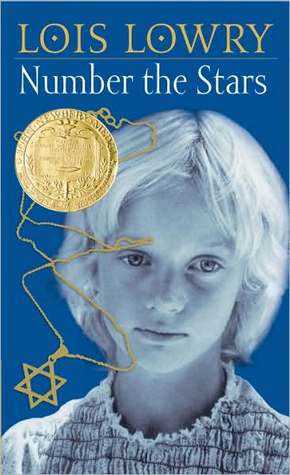
- Number the Stars
Lois Lowry
4.2 (448k) average on GoodreadsChildren'sLowry's novel offers a more overtly dramatic and high-stakes conflict centered on external survival during WWII. Dowell's "Shooting the Moon" is more introspective, focusing on the internal family and personal emotional struggles related to the Vietnam War, relying on emotional resonance rather than direct action.
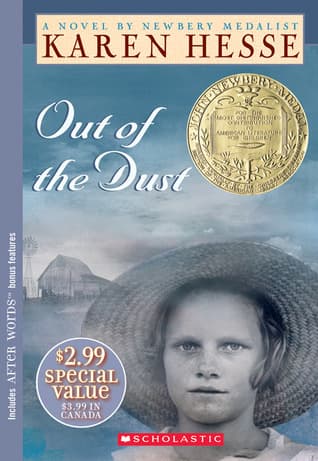
- Out of the Dust
Karen Hesse
3.8 (69k) average on GoodreadsChildren'sHesse's Out of the Dust uses a stark, poetic, and often raw narrative voice to depict immense hardship and suffering during the Dust Bowl. Dowell's "Shooting the Moon" employs a more traditional narrative structure and a gentler, more comforting tone, even when addressing weighty themes, making it more accessible but perhaps less emotionally challenging than Hesse's work.
- Harry Potter and the Sorcerer's Stone
J.K. Rowling
4.5 (7M) average on GoodreadsFantasyRescued from a miserable life under the stairs, an orphaned boy discovers he's a wizard destined for a magical school, where he uncovers a dangerous secret tied to the dark wizard who murdered his parents.
- The Hobbit, or There and Back Again
J.R.R. Tolkien
4.3 (2.9M) average on GoodreadsFantasyA comfort-loving hobbit named Bilbo Baggins is whisked away by a mischievous wizard and a band of dwarves on an unexpected journey to reclaim stolen treasure from a fearsome dragon, discovering courage and a magical ring along the way.
- Harry Potter and the Goblet of Fire
J.K. Rowling
4.6 (2.6M) average on GoodreadsFantasyA bewildered Harry Potter, underage and thrust into a deadly Triwizard Tournament, must brave dragons, mermaids, and a resurgent dark magic to survive a year that will forever alter the wizarding world.




Enjoyed the summary?
A summary gives you the shape of the book. The book itself has the detail, the examples and the voice.
Find Shooting the Moon on AmazonAs an Amazon Associate, BookBrief earns from qualifying purchases. How we're funded