

Core Idea
- Difficulty
- Easy
- Read it if
- You appreciate dry, irreverent humor, enjoy memoirs about unconventional parent-child relationships, or are looking for a light, entertaining read that offers unexpected nuggets of wisdom through comedic observations.
- Skip it if
- You are easily offended by profanity, prefer deeply introspective or academic non-fiction, or dislike anecdotal storytelling without a strong overarching narrative arc.
Key Takeaways from Sh*t My Dad Says
Unfiltered Honesty as a Life Strategy
Embrace brutal honesty, even if it's uncomfortable, to navigate life with clarity.
Sam Halpern's philosophy centers on a direct, often hilarious, form of honesty. He avoids sugarcoating or self-pity, pushing Justin to confront uncomfortable truths. This is about stripping away pretense and facing reality, whether about relationships, career choices, or personal flaws. This approach, though sometimes jarring, forces growth and self-reliance. It teaches that confidence comes from understanding your flaws and strengths without needing outside validation or internal delusion. Sam's unfiltered advice, though crude, aims for Justin to live authentically and without regret, even if it means hearing things he might not want to hear.
“Son, out of your league? Let women figure out why they won't screw you. Don't do it for them.”
In the book: Justin's recounting of his father's advice after a breakup, where Sam dismisses the idea of being 'out of someone's league' and encourages proactive, rather than defeatist, thinking.
Try this: When facing a difficult decision or personal setback, ask yourself: 'What's the absolute truth here, regardless of how it makes me feel?' Seek out an honest, trusted confidant who will tell you what you need to hear, not just what you want to hear. Avoid self-sabotage by preemptively dismissing opportunities; let others make their own judgments.
Related ideas: radical-honesty, self-reliance, authenticity
The Absurdity of Modern Life and Parental Wisdom
Discover profound life lessons hidden within the mundane and the ridiculous.
Sam Halpern has a knack for turning complex life observations into memorable, often outrageous, one-liners. His wisdom is not in grand philosophy but in everyday interactions, from critiques of Justin's hair to observations at Denny's. This shows how insights can come from unexpected places, especially through an older generation watching a younger one. Sam's commentary, often comedic, frequently gets to the core of societal quirks, personal habits, and the struggles of growing up. It is a reminder that wisdom is not always solemn; sometimes, it is hilarious and slightly offensive, but always sharp.
“Do people your age know how to comb their hair? It looks like two squirrels crawled on their heads and started fucking.”
In the book: Sam's constant, often bizarre, critiques of Justin's generation's fashion, technology use, and general approach to life, such as his comments on hairstyles or eating habits.
Try this: Pay closer attention to the 'small stuff' in daily life – casual conversations, observations of people, even seemingly trivial complaints. Look for the underlying truth or human behavior being revealed. Journaling these observations can help uncover patterns and insights. Don't dismiss wisdom simply because of its unconventional packaging.
Related ideas: observational-humor, intergenerational-wisdom, everyday-philosophy
The Power of Showing Up
Consistency and presence, however imperfect, are fundamental to meaningful relationships.
Despite his gruff exterior and blunt remarks, Sam Halpern consistently supports his son. Whether coaching Little League, enduring long family road trips, or just being in the kitchen, his commitment is steady. This shows that parental love and support often appear not in grand gestures or perfect advice, but in consistent presence and reliability. His dislike for lying highlights the importance of trustworthiness, a key part of 'showing up' authentically. It teaches that even when relationships are messy or challenging, being there, being honest, and being a constant fixture build lasting bonds and provide security.
“The worst thing you can be is a liar. . . . Okay, fine, yes, the worst thing you can be is a Nazi, but then number two is liar. Nazi one, liar two.”
In the book: The numerous anecdotes of Sam's involvement in Justin's life, from coaching sports to being the constant, if critical, presence in his home, especially after Justin moves back in.
Try this: Prioritize being consistently present in the lives of those you care about, even if it's just for small moments. Be reliable and follow through on your commitments. Understand that your presence, even when you're not 'perfect,' communicates love and support more powerfully than words alone. Cultivate honesty in all your interactions to build trust.
Related ideas: parental-love, consistency, reliability, trustworthiness
Humor as a Coping Mechanism
Laughter, even at one's own expense, is essential for navigating life's disappointments.
Justin Halpern's memoir uses humor, much of it from his father's comedic observations. This shows how humor helps both father and son cope. For Sam, it is a way to give tough love and understand the world. For Justin, it is how he processes his father's outrageous statements and finds affection in their relationship. The ability to laugh at absurd situations, personal failures, and the generational gap allows them to connect and handle life's challenges without despair. It suggests that sometimes, the best way to deal with 'sh*t' is to find the funny in it.
“Well, you're not exactly a virgin, but you're not exactly a prostitute either. You're like a professional hugger.”
In the book: Justin's entire project of documenting his dad's sayings, which began as a way to cope with living at home and turned into a shared comedic experience.
Try this: When faced with personal setbacks or awkward situations, try to find the humor in them. Share funny anecdotes about your struggles with trusted friends or family. Use self-deprecating humor to diffuse tension and avoid taking yourself too seriously. Cultivate a mindset that looks for the comedic angle in daily life.
Related ideas: coping-strategies, self-deprecating-humor, resilience
The Unsentimental Education of Adulthood
Growth often comes from harsh realities, not comforting illusions.
Sam Halpern's parenting style is unsentimental, aiming to prepare Justin for adulthood's realities rather than shelter him. This emphasizes that maturity is about developing resilience and practicality for a complex world. Sam's 'meat grinder' philosophy, though bleak, instills grit and resourcefulness. It teaches that while life can be tough, dwelling on difficulties is unproductive. Instead, one must adapt, move forward, and not expect things to be handed to them. This unsentimental education, though jarring, gives Justin a realistic perspective and the tools to stand on his own.
“Life isn't a fairy tale, kid. It's a goddamn meat grinder.”
In the book: Sam's consistent refusal to coddle Justin or offer overly sympathetic advice, instead focusing on practical, albeit often blunt, solutions and a 'tough it out' mentality.
Try this: Challenge your own assumptions about how life 'should' be. Embrace challenges as opportunities for growth rather than dwelling on perceived injustices. Develop a pragmatic problem-solving approach. Seek out mentors who offer realistic, rather than overly optimistic, advice. Understand that true strength often comes from confronting harsh truths.
Related ideas: pragmatism, resilience, adulting, grit
Generational Clashes and Enduring Love
Despite vast differences, familial love transcends generational gaps and communication styles.
The memoir shows the friction and affection between two generations. Justin, a millennial dealing with aimlessness, and Sam, a no-nonsense baby boomer, often clash over everything from technology to life choices. Yet, beneath the sarcasm and exasperated sighs, a bond of love and respect endures. This illustrates that familial love is not always expressed through traditional endearments; sometimes, it is through shared meals, exasperated but well-meaning advice, and simply living together. It highlights how families can navigate generational differences and find common ground through shared history and an unspoken affection.
“I love you, son. Now get out of my damn kitchen.”
In the book: The entire narrative arc of Justin moving back home, enduring his father's eccentricities, and ultimately finding comfort and wisdom in their unique relationship. The constant bickering often ends with a moment of subtle affection or understanding.
Try this: Recognize that different generations often express love and concern in different ways. Instead of focusing solely on communication style, look for the underlying intent and affection. Make an effort to bridge generational gaps by asking questions, listening to different perspectives, and finding shared activities, even if they are simple or mundane.
Related ideas: generational-gap, familial-bonds, unconditional-love, communication-styles
The Power of Storytelling and Observation
Transform everyday experiences and unique personalities into compelling narratives.
Justin Halpern's book, which started as a Twitter account, shows how to turn keen observation and a distinct voice into a compelling narrative. This emphasizes the value of paying attention to the unique characters and situations in one's life. Justin did not just hear his dad's sayings; he recognized their comedic and philosophical value, documented them, and wove them into a relatable coming-of-age story. It demonstrates that extraordinary stories often lie hidden, waiting for someone with the right perspective and dedication to capture them. The success of 'Sh*t My Dad Says' shows that authentic, personal narratives, even if niche, can resonate widely.
“Every person has a story, kid. Most of 'em just ain't worth tellin'. Yours, though, yours is gonna be a mess.”
In the book: The very premise of the book: Justin's decision to start a Twitter account to record his father's quotes, which then exploded in popularity and led to the memoir.
Try this: Cultivate a habit of observation. Keep a journal or notes app handy to record interesting quotes, behaviors, or situations you encounter. Consider how these small observations could form a larger narrative. Practice telling your own stories, even if just to friends, honing your ability to highlight the most engaging details and unique voices.
Related ideas: narrative-craft, observational-skills, memoir-writing, personal-branding
Embracing Imperfection and Finding Beauty in Flaws
Accepting the imperfections of people and situations leads to deeper appreciation.
Sam Halpern is far from a perfect father – he is curmudgeonly, blunt, and sometimes offensive. Yet, these imperfections make him a memorable and beloved character. This highlights that true connection and appreciation often come from embracing the flaws of others, and ourselves, rather than seeking an idealized version. Justin's love for his dad is often because of his quirks, not despite them. The book celebrates the messy, chaotic, and contradictory nature of family life, suggesting that authenticity, even if imperfect, is more valuable than a polished facade. It is a reminder that real relationships thrive on accepting 'what is,' not 'what should be.'
“You're not perfect, son. And neither am I. So stop trying to be.”
In the book: Justin's affectionate portrayal of his father's eccentricities, from his strange eating habits (Grape-Nuts) to his bizarre pronouncements, which are presented with humor and fondness rather than judgment.
Try this: Practice radical acceptance of the imperfections in those you love and in your own life. Challenge the urge to 'fix' or idealize people. Find humor and charm in quirks and flaws. Focus on the genuine connection and character rather than striving for an unattainable ideal of perfection in relationships or personal endeavors.
Related ideas: radical-acceptance, unconditional-love, authenticity, vulnerability
The Enduring Value of Simple Pleasures
True contentment often lies in the mundane rituals and unpretentious moments of life.
Amidst the chaos and comedic confrontations, the book often returns to simple, almost ritualistic moments: bowls of Grape-Nuts, family road trips, and quiet kitchen time. This shows Sam's appreciation for unpretentious aspects of life. He finds contentment not in grand achievements or material possessions, but in routine, comfort, and basic pleasures. For Justin, these seemingly mundane shared experiences become his childhood memories and a source of unexpected wisdom. It is a poignant reminder that in a complex world, there is value and peace in slowing down and cherishing the everyday, often overlooked, moments that make up a life.
“All I need is my Grape-Nuts, a good book, and for you to shut up.”
In the book: The recurring motif of Grape-Nuts, Sam's favorite cereal, which becomes a symbol of his simple tastes and consistent routines, often consumed during profound or hilarious conversations.
Try this: Identify and cultivate your own simple pleasures and daily rituals. Create space in your life for unpretentious activities that bring you genuine comfort and peace, whether it's a specific morning routine, a favorite food, or quiet time for reading. Resist the urge to constantly seek novelty and instead find joy in consistency and the familiar.
Related ideas: mindfulness, simplicity, daily-rituals, contentment
Finding Your Own Path, Even When Guided
While parental wisdom offers guidance, ultimately, personal growth requires forging your own identity.
Justin's journey in the book is about finding his footing as an adult, often under his father's intense, though well-meaning, scrutiny. This highlights the universal struggle of young adults to forge their identity while still influenced by parents. Sam's advice, though constant, is not about creating a clone; it is about imparting lessons to help Justin navigate his own life. The memoir shows that true independence is not about rejecting all guidance, but about internalizing valuable lessons and applying them authentically. Justin's eventual success with the 'Sh*t My Dad Says' project shows him taking his father's influence and transforming it into his unique creative path.
“You're gonna screw up, kid. Just make sure you learn somethin' when you do.”
In the book: Justin's personal and professional growth throughout the book, from being an aimless young adult living at home to finding his voice and career through sharing his father's wisdom.
Try this: Listen to and consider the wisdom of mentors and elders, but always filter it through your own values and experiences. Don't be afraid to make your own mistakes; view them as essential learning opportunities. Actively work to define your own goals and values, even if they differ from those of your parents or role models. Use external guidance as a springboard, not a cage.
Related ideas: identity-formation, personal-growth, autonomy, mentorship
Sh*t My Dad Says Quotes
“The only difference between a good day and a bad day is your attitude.”
“You know, the problem with you kids today is that you're all a bunch of little pansies. You think you're special. You're not special. You're a bunch of pussies.”
“It's not about being happy all the time. It's about being able to deal with the fact that you're not happy all the time.”
“Life's not fair. Get used to it.”
“If you're going to be a bear, be a grizzly.”
“Don't ever let anyone tell you what you can't do. Unless it's your doctor. Or a cop. Or your dad. Okay, a lot of people can tell you what you can't do.”
“The only thing worse than a quitter is someone who never tries.”
“You can't polish a turd, but you can roll it in glitter.”
“What's the point of having a brain if you don't use it?”
“You wanna know how to make a million dollars? Get a million ideas and don't do any of 'em. That's how you stay poor.”
“You're not a tree. You can move.”
“If you're not pissing someone off, you're not doing anything important.”
“Don't be afraid to be wrong. Be afraid to be boring.”
“The older you get, the more you realize that most people are just winging it.”
“You can't fix stupid.”
Quiz
10 questions on the main ideas. Each answer comes with a short explanation.
Question 1
What is the primary reason Justin Halpern moves back in with his parents at the beginning of the book?
- He lost his job and couldn't afford rent.
- His longtime girlfriend broke up with him.
- He wanted to spend more time with his aging father.
- He was conducting research for a book about father-son relationships.
Show answer
B. His longtime girlfriend broke up with him. The book explicitly states that Justin moved back home after being dumped by his longtime girlfriend.
Question 2
How old is Sam Halpern, Justin's dad, when Justin moves back home?
- 65
- 73
- 80
- 59
Show answer
B. 73 The book description states Sam Halpern is seventy-three-years-old.
Question 3
Which social media platform did Justin Halpern originally use to share his father's quotes, leading to the book's creation?
- Tumblr
Show answer
C. Twitter The book description explicitly mentions, 'More than a million people now follow Mr. Halpern's philosophical musings on Twitter.'
Question 4
Sam Halpern often compares himself to a famous philosopher. Who is it, and what is the humorous caveat he adds?
- Plato, but with better fashion sense.
- Aristotle, but more cynical.
- Socrates, but angrier, and with worse hair.
- Nietzsche, but less pessimistic.
Show answer
C. Socrates, but angrier, and with worse hair. The description quotes Sam as being 'like Socrates, but angrier, and with worse hair.'
Question 5
When Justin's dad advises him about women, what is his primary message regarding a woman being 'out of your league'?
- It's important to be realistic about your dating prospects.
- Let women decide if you're out of their league; don't make that decision for them.
- Focus on developing your personality, as looks fade.
- Always aim for women who are clearly attainable.
Show answer
B. Let women decide if you're out of their league; don't make that decision for them. One of the direct quotes from Sam Halpern is: 'Out of your league? Son, let women figure out why they won't screw you. Don't do it for them.'
Question 6
According to Sam Halpern, what is the 'worst thing you can be,' ranking only second to being a Nazi?
- A thief
- A coward
- A liar
- A quitter
Show answer
C. A liar Sam's quote states: 'The worst thing you can be is a liar. . . . Okay, fine, yes, the worst thing you can be is a Nazi, but then number two is liar. Nazi one, liar two.'
Question 7
What common breakfast cereal is frequently mentioned in the Halperns' kitchen during their conversations?
- Cheerios
- Frosted Flakes
- Grape-Nuts
- Corn Flakes
Show answer
C. Grape-Nuts The book description mentions scenes frequently occurring 'in the Halperns' kitchen over bowls of Grape-Nuts.'
Question 8
The book is described as a 'coming-of-age memoir' for Justin. What does this suggest about his personal journey throughout the narrative?
- He learns to accept his father's eccentricities without question.
- He gains maturity and a new perspective on life and his relationship with his father, despite (or because of) his father's unfiltered advice.
- He eventually moves out and completely cuts ties with his overbearing father.
- He becomes just as cynical and angry as his father by the end of the book.
Show answer
B. He gains maturity and a new perspective on life and his relationship with his father, despite (or because of) his father's unfiltered advice. A coming-of-age story typically involves a protagonist's journey of maturation and self-discovery. In this context, Justin's interactions with his father's unique wisdom help him grow.
Question 9
Considering Sam Halpern's characterization as 'Socrates, but angrier, and with worse hair,' what is the primary function of his 'philosophical musings' in the context of the memoir?
- To provide Justin with practical, step-by-step solutions to his life problems.
- To offer a comedic and often surprisingly insightful, albeit blunt, commentary on life, relationships, and human nature, driving the narrative and Justin's reflections.
- To deliberately annoy and provoke Justin into leaving home again.
- To demonstrate Sam's deep academic knowledge of classical philosophy.
Show answer
B. To offer a comedic and often surprisingly insightful, albeit blunt, commentary on life, relationships, and human nature, driving the narrative and Justin's reflections. Sam's quotes are central to the book's humor and provide the framework for Justin's reflections, serving as a unique form of life commentary rather than purely academic or practical advice.
Question 10
The book is described as a 'chaotic, hilarious, true portrait of a father-son relationship.' What characteristic of their relationship is most emphasized by the phrase 'chaotic'?
- Their frequent physical fights and arguments.
- The unpredictable, unfiltered, and often outrageous nature of Sam's pronouncements and their daily interactions.
- The disorganized state of their household and living arrangements.
- Their inability to communicate effectively with each other.
Show answer
B. The unpredictable, unfiltered, and often outrageous nature of Sam's pronouncements and their daily interactions. 'Chaotic' in this context refers to the unpredictable and often wild nature of Sam's personality and the resulting dynamic between father and son, which is a core element of the book's humor.
Sh*t My Dad Says FAQ
What is 'Sh*t My Dad Says' about?
'Sh*t My Dad Says' is a hilarious and touching memoir by Justin Halpern, chronicling his experiences living back home with his seventy-three-year-old father, Sam Halpern, whose unfiltered and often outrageous wisdom became a sensation on Twitter.
Does 'Sh*t My Dad Says' contain actual quotes from his dad?
Yes, the book is built around real, verbatim quotes from Justin Halpern's father, Sam Halpern, which gained widespread popularity through the author's Twitter account. These quotes are woven into a larger narrative about their father-son relationship.
Is 'Sh*t My Dad Says' a true story?
Yes, it is a non-fiction memoir based on Justin Halpern's personal experiences and the actual sayings of his father, Sam Halpern. The anecdotes and observations are all drawn from their real-life interactions.
What is the humor like in 'Sh*t My Dad Says'?
The humor is characterized by Sam Halpern's blunt, often cynical, yet surprisingly insightful observations on life, relationships, and everyday situations. It's a mix of deadpan wit, curmudgeonly wisdom, and laugh-out-loud absurdity.
How does the book differ from the Twitter account 'Sh*t My Dad Says'?
While the book features many of the beloved quotes from the Twitter account, it expands upon them by providing context, anecdotes, and a cohesive narrative of Justin's coming-of-age and the broader dynamics of his relationship with his father, offering a richer, more developed story.
Does 'Sh*t My Dad Says' have a deeper meaning beyond just funny quotes?
Absolutely. Beyond the humor, the book delves into themes of family, aging, unconventional wisdom, and the unique bond between a father and son. It's a surprisingly poignant exploration of finding guidance and understanding in unexpected places.
Who would enjoy reading 'Sh*t My Dad Says'?
Anyone who appreciates dry wit, heartwarming family stories, and unfiltered observations about life will enjoy this book. It's particularly appealing to those who've experienced living with eccentric parents or appreciate a good laugh.
Does 'Sh*t My Dad Says' work as an audiobook?
Yes, many readers find the audiobook version highly engaging due to the comedic timing and the distinct voice of the narrator bringing Sam Halpern's memorable quotes to life. It translates well to an auditory experience.
What kind of father-son relationship is depicted in the book?
The book portrays a chaotic, hilarious, and ultimately loving father-son relationship. Despite Sam's gruff exterior and unconventional advice, there's a deep current of affection and unique understanding between him and Justin.
About the author

Justin Halpern is an American author known for his humorous and candid writing. He gained recognition with his book Sh*t My Dad Says, which shares memorable quotes and anecdotes from his father. Halpern's work often explores themes of family and relationships through a comedic lens.
Similar books
- Me Talk Pretty One Day
David Sedaris
4.0 (618k) average on GoodreadsBiographyFeatures comedic essays drawing from personal experiences, often involving family, with a distinct, witty voice.
- Hyperbole and a Half: Unfortunate Situations, Flawed Coping Mechanisms, Mayhem, and Other Things That Happened
Allie Brosh
4.2 (177k) average on GoodreadsPsychologyCombines humor with relatable human experiences, often through a lens of everyday absurdity and candid self-reflection.
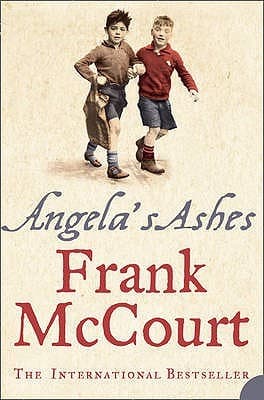
- Angela's Ashes
Frank McCourt
4.1 (540k) average on GoodreadsBiographyMcCourt's memoir provides a profoundly moving and often heartbreaking exploration of a difficult childhood and the complex impact of parental figures amidst poverty. It possesses a significant emotional gravitas and literary ambition that Halpern's book, while humorous, does not attempt to match. McCourt's narrative offers a much richer and more poignant exploration of hardship and family bonds.
- The Diary of a Young Girl
Anne Frank
4.2 (2.7M) average on GoodreadsBiographyDuring the Nazi occupation, a teenage girl's diary, written from a secret annex, shares observations on humanity, hope, and the wait for freedom.
- Eat, Pray, Love
Elizabeth Gilbert
3.6 (1.5M) average on GoodreadsLifestyleA heartbroken writer leaves her conventional life for a year-long global search for pleasure in Italy, spiritual devotion in India, and unexpected love and balance in Bali.
- Night
Elie Wiesel
4.3 (970k) average on GoodreadsBiographyIn the darkness of Auschwitz and Buchenwald, a teenage Elie Wiesel faces the extermination of his family, the loss of his faith, and the lasting scars of humanity's deepest cruelty.





Enjoyed the summary?
A summary gives you the shape of the book. The book itself has the detail, the examples and the voice.
Find Sh*t My Dad Says on AmazonAs an Amazon Associate, BookBrief earns from qualifying purchases. How we're funded