

Synopsis
Covers the whole plot, including the ending.
- Difficulty
- Medium
- Pacing
- Slow
- Mood
- Eerie, Surreal, Disquieting, Introspective, Isolated
- Read it if
- You enjoy short, surreal, and introspective psychological horror with a dreamlike quality and a focus on existential dread.
- Skip it if
- You prefer clear resolutions, fast-paced action, or stories with a strong plot rather than an atmospheric exploration of a character's internal state.
Sleep Plot Summary
Covers the whole plot, including the ending.
The Onset of Insomnia
The unnamed narrator, a 30-year-old Japanese housewife, lives an ordinary life with her dentist husband, young son, chores, and swimming. One night, she wakes from a nightmare involving a dark, cold presence and a man in a boat, then finds she cannot sleep. This is not just a sleepless night; it is days, then weeks, of no sleep. She keeps her condition a secret from her husband and son, fearing they would not understand. The extra night hours become her own, a sharp contrast to her former mundane life, making her think about her past and this sudden change.
Embracing the Night
As weeks pass without sleep, the narrator creates a secret nightly routine. While her husband and son sleep, she reads novels, listens to classical music, eats chocolate, and drinks brandy. This time alone and intellectual stimulation becomes deeply satisfying, a release from her suffocating daily routine. She feels more awake and alive than ever, with heightened senses. She reads Tolstoy and Dostoevsky and takes long, solitary drives around her quiet neighborhood, watching the sleeping world with new detachment and superiority.
Maintaining the Facade
The narrator learns to fake sleep, lying perfectly still beside her husband, mimicking a sleeping person's breathing. She continues her daily duties without seeming tired, her energy levels inexplicably high. This deception burdens her, but she feels she must keep it, believing her family would not understand or would try to 'fix' her, taking away her new freedom. She thinks about the emotional distance that has grown between her and her husband, a distance her insomnia only makes worse, as she now lives in a separate, secret world.
The Dentist's Discomfort
Her husband, a dentist, sometimes worries about her appearance, noting a 'brightness' or 'intensity' in her eyes. He thinks it is stress or overwork, suggesting she needs more rest. The narrator dismisses his concerns, keeping up her normal facade. She observes his predictable routine and lack of deeper insight, strengthening her sense of isolation and the growing gap between their experiences. His inability to see her true state shows the superficiality of their communication and her quiet desperation in keeping her secret.
Nightly Explorations
Her nightly drives become more frequent and longer. She enjoys being the only conscious person in a sleeping city, a feeling of power and anonymity. One night, driving, she remembers a disturbing childhood memory of being locked in a dark room. This memory, with the recurring dark, cold presence from her nightmare, slowly begins to erode her calm. The night's freedom starts to feel less liberating and more like an exposure to something unsettling, a deeper, hidden reality.
The Haunting Car
During one late-night drive, the narrator notices a dark car, possibly a Honda Civic, following her. At first, she thinks it is a coincidence, but its persistent presence on later nights makes her increasingly uneasy. The car never comes too close, nor does its driver show themselves, but its silent, watchful pursuit feels deeply threatening. This external threat shatters her idea of absolute freedom and safety at night, bringing fear and vulnerability into her once-private world.
Confrontation with Fear
One night, while parked at a convenience store, the dark car pulls up and blocks her in. The driver stays unseen, the windows tinted. Trapped and terrified, the narrator feels utterly helpless. She tries to start her car, but it will not turn over. The silence from the other car is more menacing than any sound. This confrontation makes her face the vulnerability of her sleepless state and the dangers of her solitary night life, removing the romanticism she had associated with her insomnia.
The Car Breaks Down
After the convenience store encounter, the narrator's car will not start. She is stranded, her only refuge now a broken-down vehicle. The dark car is gone, but the dread remains. She realizes how isolated she is; there is no one she can call for help without revealing her secret. This mechanical failure symbolizes the breakdown of her carefully built independent life, leaving her exposed to unknown threats in the night and the terrifying implications of her prolonged wakefulness.
A Glimmer of Hope and Relapse
As she sits in her broken car, the narrator briefly thinks about calling her husband, a fleeting idea of asking for help. But the thought quickly fades, replaced by the ingrained fear of exposure and judgment. She would rather endure her terrifying isolation than give up her unique, though now dangerous, state. The night's silence presses in, and the absence of sleep, once a source of strength, now feels like a curse, leaving her in a constant state of heightened awareness and vulnerability.
The Unending Night
The story ends with the narrator still trapped in her broken car, surrounded by the silence of the pre-dawn hours. She is exhausted, but cannot sleep. The dark car is gone, but the threat, both outside and inside, lingers. She is left in a state of suspended animation, her insomnia having changed from a gift to a terrifying problem. The ending is ambiguous, leaving the reader to wonder about her fate, highlighting the psychological cost of her prolonged wakefulness and the unsettling reality she has found.
Sleep Characters
The Narrator
Protagonist
A nameless housewife who stops sleeping and finds a new, unsettling reality.
The narrator is a 30-year-old Japanese housewife, initially living a mundane, routine-driven life centered around her husband and son. She is intelligent and introspective, finding solace in literature and classical music. Her insomnia awakens a hidden part of her, revealing a desire for intellectual stimulation and personal freedom that her conventional life lacked. She is highly observant and analytical, meticulously detailing her experiences and internal thoughts. Despite her newfound empowerment, she is also deeply isolated, choosing to conceal her condition, which ultimately leads to a terrifying vulnerability.
Relationships: Husband (Distant, conventional, uncomprehending); Son (Loving, but she keeps her secret from him)
The Husband
Supporting
A conventional dentist, oblivious to his wife's secret world.
The narrator's husband is a dentist, portrayed as a practical, predictable man. He is absorbed in his routine and professional life, seemingly content with their conventional existence. He notices subtle changes in his wife's appearance but attributes them to ordinary causes like stress, never truly grasping the profound shift occurring within her. His inability to understand or even perceive her secret life highlights the emotional distance in their marriage and serves as a foil to the narrator's awakened intellect and complex inner world.
Relationships: The Narrator (Emotionally distant, conventional marriage)
The Son
Mentioned
The narrator's young child, a symbol of her domestic life.
The narrator's son is a young child who plays a minor, background role. He represents the innocent, demanding aspects of her domestic life and the reason she maintains her facade of normalcy during the day. His presence reinforces the narrator's commitment to keeping her insomnia a secret, as she believes he would be even less capable of understanding than her husband. He is a tether to her conventional world, but also a figure from whom she increasingly feels detached during her nocturnal awakenings.
Relationships: The Narrator (Mother-son relationship, loving but distant due to her secret)
The Man in the Boat
Mentioned
A figure from the narrator's recurring nightmare.
The man in the boat appears in the narrator's initial nightmare, which seems to trigger her insomnia. He is a shadowy, unsettling figure associated with darkness and cold. While not a physical character, he represents the initial intrusion of the surreal and the unsettling into her life. He embodies the subconscious fears and the unknown elements that lie beneath the surface of her ordinary existence, foreshadowing the deeper, darker realities her sleeplessness will expose.
The Dark Car Driver
Antagonist
An unseen, menacing figure who stalks the narrator at night.
The driver of the dark car is an anonymous, silent antagonist. This character, never seen or heard, embodies an external threat that materializes from the previously liberating darkness of the night. Their persistent following and eventual trapping of the narrator represent the loss of her perceived freedom and safety. The driver's anonymity makes them all the more terrifying, transforming the abstract fear of the unknown into a concrete, menacing presence that shatters the narrator's sense of control.
Relationships: The Narrator (Stalker and victim)
Sleep Themes
The Burden of Routine and Domesticity
The story explores the stifling nature of a conventional, repetitive life. The narrator's initial existence is marked by mundane chores, predictable interactions, and a lack of personal fulfillment. Her sudden insomnia acts as a catalyst, pushing her out of this routine and showing its emptiness. The freedom she feels during her sleepless nights, when she reads Dostoevsky and drives aimlessly, contrasts with the oppressive feeling of her daily domestic duties. This theme suggests that societal expectations for women, especially in traditional roles, can suppress individual identity and intellectual growth.
“My life had become a repetition of days, an endless cycle of chores, meals, and sleep. I was like a clockwork doll, wound up and set in motion.”
The Liberation and Terror of Solitude
Insomnia gives the narrator an unprecedented period of solitude, which she first sees as a deep liberation. She reclaims her nights for reading, introspection, and personal exploration, finding an intellectual and emotional freedom she never knew existed in her conventional life. However, this solitude slowly turns into terror. Her isolation from her family means she has no one to confide in or ask for help from when external threats, like the mysterious dark car, appear. The solitude that empowered her ultimately leaves her vulnerable and trapped, showing the dual nature of being truly alone.
“I was the only one awake, the sole consciousness in a world of slumber. It was a strange, powerful feeling, like holding the universe in the palm of my hand.”
The Unseen and Unsettling Reality
Murakami looks at the idea that beneath everyday life lies a hidden, often unsettling reality. The narrator's insomnia acts as a portal to this other dimension. The dream that starts her sleeplessness, the recurring image of the man in the boat, and eventually the dark, menacing car, all suggest a world beyond the rational and ordinary. Her heightened senses and prolonged wakefulness allow her to see this 'secret reality,' which is both appealing and terrifying. The story implies that our conscious, sleeping minds protect us from truths that might be too disturbing to face.
“It was as if a membrane had dissolved, allowing me to see the world as it truly was, stripped of its comforting illusions.”
The Fragility of Control and Illusion
The narrator carefully creates an illusion of normalcy, doing her daily duties and faking sleep to control her secret life and avoid disrupting her family's world. This control gives her a sense of power and independence. However, this illusion is fragile. The external threat of the dark car and the breakdown of her own vehicle shatter this carefully maintained facade, revealing her deep vulnerability. The story suggests that our attempts to control our lives and perceptions are tenuous, easily disrupted by unforeseen events or the intrusion of the irrational, leaving us exposed and helpless.
“I was a master of deception, a puppet pulling my own strings, but the strings were fraying.”
Plot Devices & Literary Techniques
Insomnia
The central magical realist element that drives the plot.
The narrator's inexplicable and complete inability to sleep is the primary magical realist plot device. It is not a medical condition but a fantastical phenomenon that acts as a catalyst for her transformation. Insomnia frees her from the constraints of her domestic life, opening up a secret world of intellectual exploration and personal freedom. It also serves as a metaphor for awakening, allowing her to perceive a deeper, more unsettling reality that is hidden from the sleeping world. This device propels the narrative by creating a unique internal and external conflict.
The Dark Car
A mysterious, menacing external force that stalks the narrator.
The dark car functions as an external antagonist and a symbol of the uncanny. Its silent, persistent following and eventual trapping of the narrator introduce a tangible threat into her previously liberating nocturnal world. The anonymity of its driver and its seemingly supernatural ability to appear when she is alone amplify the sense of dread. The car represents the intrusion of the unsettling, unseen forces that lurk in the periphery, transforming the narrator's subjective unease into a concrete, terrifying reality and stripping her of her perceived freedom.
The Recurring Nightmare
A symbolic dream that foreshadows and triggers the narrator's transformation.
The nightmare featuring a dark, cold presence and a man in a boat serves as a crucial plot device, as it is the direct trigger for the narrator's insomnia. Beyond its immediate function, the dream is highly symbolic, foreshadowing the unsettling realities she will encounter in her wakefulness. The 'cold, dark presence' can be interpreted as the hidden anxieties and suppressed desires within her, or the darker aspects of the unseen world. It introduces the element of the surreal and sets the tone for the psychological and fantastical journey she embarks upon.
First-Person Narration
Provides intimate access to the narrator's subjective experience.
The story is told entirely from the unnamed narrator's first-person perspective. This device is crucial for immersing the reader in her internal world, her meticulous observations, and her shifting psychological state. It allows for a deep exploration of her thoughts, fears, and newfound insights, making her experience of insomnia and the subsequent events intensely personal and subjective. The reader relies solely on her perception, which heightens the ambiguity and psychological tension, particularly as her grip on reality begins to fray.
Sleep Quotes
“Night after night I'd been fighting sleep, and night after night sleep had been winning. But now, without my even being aware of it, the tables had turned. I was winning.”
“The world of sleep was a world in which everything was permitted. A world in which you could do anything. A world in which you could be anyone. A world in which you could escape.”
“I was not tired. Not in the least. My body felt light, as if freed from the burden of gravity. My mind was clear, sharp, unclouded.”
“My husband, my son, the house, the world outside – they all seemed to belong to a different dimension, a dimension I could observe but no longer truly inhabit.”
“The darkness was not just an absence of light; it was a presence in itself, a living, breathing entity that surrounded me.”
“I was like a ship cut loose from its moorings, drifting aimlessly on a vast, dark sea.”
“What was it that made people sleep? Was it a physical necessity, or a psychological one? Or both?”
“The silence was not empty. It was filled with a subtle hum, a faint vibration that seemed to emanate from the very fabric of the world.”
“I felt as if I were a detective, piecing together clues from a crime scene, trying to understand the mystery of my own existence.”
“The book was a tunnel, and I was traveling through it, deeper and deeper into its pages.”
“It was as if a part of me had been awakened, a part I hadn't known existed.”
“The world was a stage, and I was the sole spectator, watching the performance unfold.”
“Perhaps I wasn't the only one. Perhaps there were others, out there in the vast night, just like me.”
“My memory was like a vast, dark ocean, and I was a tiny boat, navigating its depths.”
Quiz
10 questions on the plot and the characters. Each answer comes with a short explanation.
Question 1
Qual è la condizione fisica inaspettata che irrompe nella vita della protagonista all'inizio del racconto?
- Soffre di insonnia cronica e non riesce a dormire.
- Inizia a dormire eccessivamente, per giorni interi.
- Sviluppa una strana allergia al buio.
- Ha visioni e sogni lucidi anche da sveglia.
Show answer
A. Soffre di insonnia cronica e non riesce a dormire. La protagonista smette improvvisamente e inspiegabilmente di dormire, un evento che dà il via a tutti gli sviluppi successivi della trama.
Question 2
Come reagisce inizialmente la protagonista alla sua incapacità di dormire?
- Va immediatamente da un medico per cercare una cura.
- Si gode il tempo extra e lo usa per leggere e fare passeggiate notturne.
- Entra nel panico e sviluppa una profonda ansia.
- Cerca di nasconderlo a tutti, vergognandosi della sua condizione.
Show answer
B. Si gode il tempo extra e lo usa per leggere e fare passeggiate notturne. Inizialmente, la protagonista trova la sua condizione quasi liberatoria, usando le ore notturne per dedicarsi a sé stessa e a nuove attività.
Question 3
Quale attività notturna diventa una routine per la protagonista durante il periodo in cui non dorme?
- Scrivere un diario dettagliato delle sue esperienze.
- Nuotare nuda nella piscina del complesso residenziale.
- Telefonare a vecchi amici e parenti lontani.
- Guardare film e serie TV per tutta la notte.
Show answer
B. Nuotare nuda nella piscina del complesso residenziale. La protagonista sviluppa l'abitudine di nuotare nella piscina vuota del suo condominio nel cuore della notte, trovandovi un senso di libertà e pace.
Question 4
Qual è il rapporto della protagonista con suo marito e suo figlio prima che smetta di dormire?
- Un rapporto appassionato e pieno di vita.
- Un rapporto distante e routinario, privo di vera intimità.
- Un rapporto teso, con frequenti discussioni e litigi.
- Un rapporto basato su una profonda comprensione reciproca.
Show answer
B. Un rapporto distante e routinario, privo di vera intimità. Il racconto descrive la vita della protagonista prima dell'insonnia come una routine monotona, con un marito e un figlio con cui non c'è una vera connessione emotiva.
Question 5
Quale oggetto diventa un simbolo della crescente inquietudine della protagonista durante le sue notti insonni?
- Un vecchio orologio a pendolo che smette di funzionare.
- Una caraffa d'acqua che sembra non svuotarsi mai.
- Una figura scura e minacciosa che appare alla finestra.
- Un libro che rilegge ossessivamente.
Show answer
C. Una figura scura e minacciosa che appare alla finestra. La figura scura che la protagonista inizia a vedere fuori dalla finestra della sua auto di notte è uno degli elementi più perturbanti e simbolici della sua discesa in una realtà più oscura.
Question 6
Quale aspetto della sua vita diurna la protagonista trova sempre più difficile mantenere mentre le sue notti insonni si prolungano?
- Il suo lavoro part-time in una libreria.
- La sua capacità di cucinare pasti elaborati per la famiglia.
- La sua apparenza di normalità e la sua energia fisica.
- La sua abitudine di fare jogging mattutino.
Show answer
C. La sua apparenza di normalità e la sua energia fisica. Nonostante non dorma, la protagonista riesce a mantenere una facciata di normalità durante il giorno, ma questo richiede uno sforzo immenso e la sua energia si esaurisce progressivamente.
Question 7
Qual è il tema principale esplorato attraverso l'esperienza dell'insonnia della protagonista?
- La ricerca della felicità attraverso l'evasione.
- La ribellione contro le aspettative sociali.
- La disintegrazione della realtà e la scoperta di un sé nascosto.
- Il valore del riposo e del sonno per la salute mentale.
Show answer
C. La disintegrazione della realtà e la scoperta di un sé nascosto. L'insonnia funge da catalizzatore per la protagonista per rompere la sua routine e accedere a una percezione più profonda e talvolta inquietante della sua esistenza e della realtà circostante.
Question 8
Quale autore classico legge la protagonista durante le sue ore notturne?
- Charles Dickens
- Lev Tolstoj
- Fëdor Dostoevskij
- Marcel Proust
Show answer
B. Lev Tolstoj La protagonista si immerge nella lettura di 'Anna Karenina' di Tolstoj durante le sue lunghe notti, trovando conforto e distrazione.
Question 9
Come si sente la protagonista riguardo al fatto che suo marito e suo figlio continuano a dormire normalmente?
- È gelosa della loro capacità di riposare.
- Prova un senso di superiorità e distacco da loro.
- Si preoccupa per la loro salute e benessere.
- Cerca di svegliarli per condividere le sue esperienze.
Show answer
B. Prova un senso di superiorità e distacco da loro. La protagonista sviluppa un senso di isolamento e distacco dalla sua famiglia, sentendosi superiore a loro perché è l'unica a essere 'sveglia' e a percepire la realtà in modo diverso.
Question 10
Qual è il significato simbolico del 'sonno' nel contesto del racconto di Murakami?
- Rappresenta la pace e la tranquillità domestica.
- Simboleggia la routine, l'ignoranza e la conformità alla vita borghese.
- È una metafora per la morte e la fine dell'esistenza.
- Indica il bisogno primario di riposo per la sopravvivenza umana.
Show answer
B. Simboleggia la routine, l'ignoranza e la conformità alla vita borghese. Nel racconto, il sonno è spesso associato alla vita ordinaria e alla cecità verso una realtà più profonda o inquietante. L'insonnia della protagonista la risveglia a una consapevolezza che gli altri, dormendo, non possono accedere.
Sleep FAQ
Qual è la premessa fondamentale di 'Sleep'?
La storia segue una donna di 30 anni, senza nome, che un giorno smette improvvisamente di dormire. Questo evento inizialmente inspiegabile la porta a vivere le notti in una nuova dimensione di veglia, mantenendo però la sua routine diurna come moglie e madre senza che nessuno si accorga della sua condizione.
Come si manifesta inizialmente l'insonnia della protagonista?
All'inizio, l'insonnia si manifesta come una semplice incapacità di addormentarsi, ma presto diventa una condizione permanente e inspiegabile. La protagonista scopre di poter funzionare perfettamente durante il giorno, svolgendo i suoi compiti, nonostante non abbia chiuso occhio per settimane.
Quali sono le principali attività che la protagonista svolge durante le sue notti insonni?
Durante le sue notti, la protagonista legge avidamente, beve brandy, mangia cioccolato e riflette sulla sua vita. Spesso si avventura in brevi passeggiate notturne, sentendosi stranamente più viva e libera rispetto alla sua esistenza diurna.
Come reagisce il marito, un dentista, alla condizione della moglie?
Il marito, un dentista, non si accorge affatto dell'insonnia della moglie. La protagonista mantiene la sua facciata di normalità con tale perfezione che lui non sospetta nulla, riflettendo la distanza emotiva e la mancanza di profonda connessione nella loro relazione.
Qual è il ruolo del vecchio sulla nave nel sogno ricorrente della protagonista?
Il vecchio sulla nave è una figura enigmatica che appare nel sogno ricorrente della protagonista prima che smetta di dormire. Indossa un impermeabile nero e ha delle manette ai polsi, simboleggiando forse una prigionia o un destino ineludibile che la protagonista sta per affrontare o già vive.
Ci sono indizi che collegano l'insonnia a eventi passati nella vita della protagonista?
Sì, l'insonnia sembra essere collegata a un ricordo traumatico dell'annegamento di una bambina che la protagonista aveva assistito da giovane, e al suo senso di colpa per non aver fatto nulla. Questo evento potrebbe essere la radice della sua alienazione e della sua successiva rottura con la realtà del sonno.
Qual è il significato del libro 'Anna Karenina' che la protagonista legge?
La lettura di 'Anna Karenina' non è casuale; il romanzo parla di una donna intrappolata in una vita insoddisfacente e che cerca una via di fuga. Riflette la situazione della protagonista, che si sente soffocata dalla sua routine e cerca un significato o un'evasione attraverso la sua insonnia.
Come cambia la percezione del tempo e della realtà per la protagonista durante le sue notti insonni?
La protagonista sperimenta una dilatazione del tempo e una maggiore acutezza sensoriale. Le notti diventano un regno separato e più 'reale' rispetto al giorno, dove può esplorare i suoi pensieri più profondi e confrontarsi con un lato più autentico di sé stessa, libero dalle convenzioni sociali.
Qual è il significato psicologico dell'insonnia per la protagonista?
L'insonnia può essere interpretata come una metafora della sua alienazione e del suo rifiuto di conformarsi alla sua vita domestica e sociale. È una fuga dalla realtà opprimente e una ricerca di auto-identità, un modo per ribellarsi inconsciamente contro la sua esistenza monotona e priva di passione.
Come si evolve il suo stato mentale man mano che l'insonnia progredisce?
Inizialmente, l'insonnia le dona un senso di libertà ed euforia, ma man mano che il tempo passa, subentra una crescente ansia e un senso di isolamento. La linea tra realtà e sogno si sfuma, e la protagonista inizia a percepire minacce e presenze inquietanti, culminando in un'esperienza terrificante.
Quali sono gli elementi che suggeriscono che la sua insonnia è più di un semplice disturbo medico?
Il fatto che non ci siano conseguenze fisiche evidenti, la sua capacità di funzionare perfettamente, i sogni ricorrenti e le visioni inquietanti di figure spettrali suggeriscono che la sua insonnia sia un fenomeno soprannaturale o psicologico profondo, una porta verso una realtà alternativa.
Qual è il significato del finale ambiguo e spaventoso del racconto?
Il finale, con la protagonista intrappolata nella sua auto e circondata da figure oscure, è aperto all'interpretazione. Potrebbe simboleggiare la sua definitiva discesa nella follia, la sua morte, o la sua totale immersione in una dimensione parallela, da cui non c'è ritorno alla normalità.
Il racconto suggerisce una critica alla società giapponese o al ruolo della donna?
Sì, il racconto può essere letto come una critica alla pressione sociale e alle aspettative che gravano sulle donne in Giappone, costrette in ruoli domestici che soffocano la loro individualità. L'insonnia diventa un atto di ribellione contro questa conformità e una ricerca di autenticità personale.
Qual è il significato del 'mondo segreto' a cui la protagonista accede?
Il 'mondo segreto' è sia uno spazio mentale che fisico. È lo spazio delle sue riflessioni notturne, ma anche un regno di percezioni alterate dove i confini della realtà si dissolvono. Questo mondo è sia liberatorio che terrificante, offrendole libertà ma anche pericoli sconosciuti.
Quali sono le possibili interpretazioni del 'buio' che la circonda nel finale?
Il 'buio' può essere interpretato come la solitudine e l'isolamento estremo della protagonista, la sua discesa nella follia, o la presenza di entità soprannaturali che l'hanno attesa. Rappresenta la fine della sua fuga e l'inevitabile confronto con le conseguenze della sua condizione.
Come il racconto esplora il tema della perdita di controllo?
La protagonista perde il controllo sulla sua vita normale man mano che l'insonnia avanza, ma allo stesso tempo ottiene un nuovo tipo di controllo sulla sua mente e sul suo tempo. Tuttavia, nel finale, il controllo le viene strappato via da forze esterne o interne, lasciandola impotente.
Qual è il ruolo del cibo e delle bevande consumate dalla protagonista durante la notte?
Il brandy e il cioccolato non sono solo indulgenze, ma rituali che scandiscono le sue notti insonni, quasi a voler riempire il vuoto del tempo e a stimolare i sensi in assenza del sonno. Rappresentano un tentativo di creare comfort e piacere in un'esistenza altrimenti arida.
La storia è una parabola sulla creatività o sull'arte?
Sebbene non sia esplicitamente un racconto sulla creatività, l'insonnia della protagonista le permette di accedere a una dimensione di maggiore consapevolezza e introspezione, simile a quella che alcuni artisti cercano. Le sue notti sono un laboratorio di pensiero e percezione, un'esplorazione di sé che sfiora l'esperienza creativa.
About the author

Haruki Murakami is a Japanese writer. His novels, essays, and short stories have been bestsellers in Japan and internationally, with his work translated into 50 languages and having sold millions of copies outside Japan. He has received numerous awards for his work, including the Gunzo Prize for New Writers, the World Fantasy Award, the Frank O'Connor International Short Story Award, the Franz Kafka Prize, and the Jerusalem Prize.
Similar books
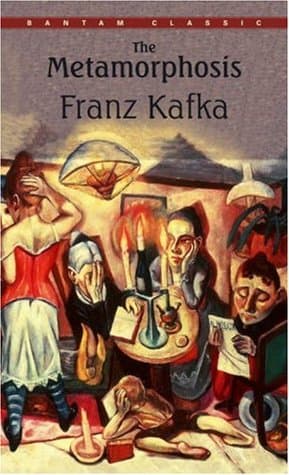
- The Metamorphosis
Franz Kafka
3.8 (643k) average on GoodreadsFantasyDeals with an inexplicable, transformative event that isolates the protagonist and explores themes of alienation.
- Fight Club
Chuck Palahniuk
4.2 (499k) average on GoodreadsThrillerBoth novels feature protagonists suffering from insomnia and a growing sense of alienation. However, Palahniuk's novel uses insomnia as a catalyst for external rebellion, social commentary, and the formation of an alter ego. Murakami's "Sleep" is far more introspective; the protagonist's journey is primarily internal and psychological, leading to a profound personal transformation rather than a societal uprising. The external world in "Sleep" is more a reflection of her internal state, whereas in Fight Club, it's the target of the protagonist's frustrations.
- Harry Potter and the Sorcerer's Stone
J.K. Rowling
4.5 (7M) average on GoodreadsFantasyRescued from a miserable life under the stairs, an orphaned boy discovers he's a wizard destined for a magical school, where he uncovers a dangerous secret tied to the dark wizard who murdered his parents.
- The Hunger Games
Suzanne Collins
4.3 (6.4M) average on GoodreadsFantasyIn a future where children fight to the death on live television, Katniss Everdeen volunteers for the arena, turning a death sentence into a fight for survival and a spark of rebellion.
- 1984
George Orwell
4.2 (3.1M) average on GoodreadsPoliticsIn a future where surveillance and thought control are absolute, a man's search for truth clashes with the Party, showing that hope can be a form of rebellion.
- Divergent
Veronica Roth
4.2 (2.9M) average on GoodreadsFantasyIn a society divided by virtues, a sixteen-year-old's difference from the norm starts a rebellion that threatens her world.





Enjoyed the summary?
A summary gives you the shape of the book. The book itself has the detail, the examples and the voice.
Find Sleep on AmazonAs an Amazon Associate, BookBrief earns from qualifying purchases. How we're funded