

Synopsis
Covers the whole plot, including the ending.
- Difficulty
- Easy
- Pacing
- Moderate
- Mood
- Passionate, Dramatic, Suspenseful, Romantic
- Read it if
- You enjoy steamy romance novels set in the dramatic world of Broadway, featuring a powerful, enigmatic hero and a determined heroine.
- Skip it if
- You prefer romance without significant power imbalances or external drama, or dislike stories with 'damsel in distress' elements.
Solo Plot Summary
Covers the whole plot, including the ending.
A Broadway Dream Begins
Libby Duncan, a dancer and singer, gets a role in a new Broadway musical, 'Unspoken'. It is a prominent ensemble part, and Libby sees it as her chance to prove herself and eventually earn a solo spot, which would advance her career. She has sacrificed much for this opportunity, moving to New York City and pursuing her passion. Rehearsals start, and Libby puts all her energy into her performance, determined to make the most of this break and fulfill her dream of starring on Broadway.
An Unexpected Encounter with the Investor
At a cast party, Libby meets Alec Hughes, the main investor of 'Unspoken'. Alec is handsome, commanding, and somewhat mysterious, immediately getting Libby's attention. Their first interaction has strong chemistry, even though Libby knows about his powerful position and possible problems. He makes it clear he is interested in her. Libby, though careful about mixing work and personal life, finds herself drawn to his personality and charm. This meeting starts a complex dynamic between them, blurring the lines between her career and personal life.
A Dangerous Proposition
Alec Hughes, using his influence, starts to pursue Libby more directly. He implies he can help her get her dream solo in 'Unspoken' if she has a relationship with him. Libby is conflicted; her ambition wants the solo, but her integrity resists using a relationship as a means to an end. She struggles with the ethical problem, knowing that accepting his offer could compromise her values, yet the solo, which she has worked for her whole life, is very tempting. She tries to resist, but Alec's persistence and her own growing attraction complicate her resolve.
The Relationship Deepens
Despite her initial concerns, Libby gives in to Alec's charm and their strong connection. They start a passionate and mostly secret affair. Their relationship develops quickly, filled with physical intimacy and unexpected emotional depth. Alec treats Libby to lavish experiences, giving her attention and making her feel desired. Libby falls for him, despite the unspoken power imbalance and the questionable start to their relationship. She tries to keep their personal relationship separate from her professional life, but the lines blur as her feelings for Alec grow.
Rumors and Jealousy
As Libby and Alec's relationship continues, rumors start among the cast and crew of 'Unspoken'. Libby notices the whispers and jealous looks from some colleagues, especially Sarah, another dancer who also wanted a solo spot and resented Libby's perceived favoritism. These rumors create an uncomfortable atmosphere for Libby at rehearsals, making her feel watched and judged. She worries about her reputation and whether her talent will be overshadowed by the idea that she got opportunities through her relationship with Alec rather than her skill. This added pressure makes her question her relationship with Alec and its effect on her career.
The Solo is Granted
As Alec implied, Libby is officially given a solo number in 'Unspoken'. While this is a dream come true, the timing and circumstances make her internal conflict worse. She is excited by the chance to show her talent, but the doubt about how she truly earned it remains. She struggles with the feeling that her success might be tainted by her relationship with Alec, rather than solely from her hard work and skill. This achievement, instead of bringing pure joy, adds anxiety and guilt, forcing her to face the compromises she has made.
Uncovering Alec's Past
As Libby gets closer to Alec, she notices inconsistencies or vague answers about his past. Through clues and overheard conversations, she starts to find unsettling details about his previous relationships, especially with other women in the entertainment industry, and some of his ruthless business dealings. These revelations make her question Alec's character and motives. She learns he has a history of using his power and influence, and she starts to fear that she might be just another conquest or a pawn in his game. This discovery creates a rift in her trust and deepens her uncertainty about their future.
A Confrontation and a Revelation
Because of her growing suspicions and fears, Libby finally confronts Alec about his past. She demands honesty and clarity, unwilling to continue their relationship based on secrets and doubts. Alec, at first evasive, eventually admits to some past mistakes and the complex nature of his previous relationships, especially one that ended badly and involved his influence over a woman's career. While he expresses regret and says his feelings for Libby are real, his confession is incomplete, leaving Libby still questioning his sincerity and the extent of his manipulation. This confrontation leaves Libby feeling more confused than ever, caught between her love for him and her need for self-preservation.
Opening Night and Shattered Dreams
The opening night of 'Unspoken' arrives. Libby is on stage, performing her solo, when a shocking event happens. A former girlfriend of Alec's, or someone connected to his past manipulations, publicly exposes details of Alec's past behavior and how he used his power to control careers, including implying that Libby's solo was because of their affair. This public humiliation shatters Libby's world, destroying her moment of triumph and confirming her worst fears about Alec. The revelation devastates her personally and publicly compromises her professional integrity, making her feel like a fraud and a victim of Alec's actions.
The Aftermath and a Difficult Choice
In the chaos after opening night, Libby is heartbroken and humiliated. Her dream has been tainted, and her trust in Alec is broken. She withdraws, unsure how to save her career or her self-respect. Alec, realizing his actions and Libby's pain, faces a choice. He can try to explain himself fully, reveal his entire past, and fight for Libby's forgiveness, risking further damage to her career, or he can walk away, letting her rebuild her life and career without his complicated presence. The future of their relationship, and Libby's career, is uncertain.
Solo Characters
Libby Duncan
Protagonist
Ambitious Broadway dancer seeking her big break and a solo.
Libby is a driven, talented, and passionate dancer and singer who has dedicated her life to achieving her dream of performing on Broadway. She is initially idealistic and believes in earning her success through hard work and merit. Her ambition is both her greatest strength and her vulnerability, as it makes her susceptible to Alec's influence. She is fundamentally good-hearted but struggles with the moral compromises she makes in pursuit of her career. She yearns for recognition and validation, and her journey explores the cost of success and the importance of self-worth. Her internal conflict between career advancement and personal integrity defines much of her arc.
Relationships: Alec Hughes (Romantic interest and complex, manipulative benefactor); Sarah (Competitive colleague)
Alec Hughes
Antagonist/Love Interest
Wealthy, influential investor with a manipulative past.
Alec is a powerful and charismatic investor who backs the musical 'Unspoken'. He is handsome, sophisticated, and accustomed to getting what he wants, both in business and in personal relationships. He possesses a manipulative streak, using his wealth and influence to control situations and people, particularly women in the entertainment industry. While he genuinely develops feelings for Libby, his past actions and methods are deeply flawed and ultimately harmful. He is complex, capable of both genuine affection and ruthless ambition, and struggles with his own demons and the consequences of his past choices. His character represents the corrupting influence of power.
Relationships: Libby Duncan (Romantic interest, object of his manipulation and eventual genuine affection)
Sarah
Supporting
Competitive dancer vying for a solo and resentful of Libby's rise.
Sarah is another dancer in the 'Unspoken' musical who is roughly Libby's peer. She is ambitious and competitive, and she harbors resentment towards Libby, especially when Libby is granted a solo. Sarah embodies the cutthroat nature of the Broadway world, where opportunities are scarce and jealousy can run high. She is quick to spread rumors and judge Libby, reflecting the external pressures and judgments Libby faces regarding her relationship with Alec. While not a primary antagonist, her actions and attitudes contribute to Libby's discomfort and self-doubt, highlighting the social cost of Libby's choices.
Relationships: Libby Duncan (Professional rival)
Director/Choreographer (Unnamed)
Supporting
Figure of authority in the musical production.
This character, though unnamed, represents the creative and authoritative force behind the musical 'Unspoken'. They are responsible for casting, staging, and ultimately deciding who gets solo opportunities. They are likely aware of Alec's influence as an investor and may be subtly swayed by his suggestions, even if they value artistic merit. Their decisions directly impact Libby's career trajectory and serve as a conduit for Alec's power. This character symbolizes the gatekeepers of the entertainment industry and the pressures they face from investors.
Relationships: Libby Duncan (Professional superior); Alec Hughes (Business associate (investor))
The Producer (Unnamed)
Supporting
Oversees the financial and logistical aspects of the musical.
The Producer is another figure of authority within the musical production, primarily concerned with the financial success and smooth operation of 'Unspoken'. They work closely with Alec Hughes, the investor, and are likely privy to some of his influence and demands. This character represents the business side of Broadway, where artistic integrity can sometimes be secondary to financial backing and investor satisfaction. Their interactions, though brief, underscore the power dynamics at play and how investor relationships can shape creative decisions, impacting performers like Libby.
Relationships: Alec Hughes (Business partner); Libby Duncan (Employer)
Former Girlfriend (Unnamed)
Mentioned/Supporting
Alec's past victim who exposes his manipulation.
This character represents Alec's manipulative past, specifically a woman whose career was negatively impacted by his influence. She appears on opening night, or through an intermediary, to expose Alec's history of using his power to control women in the industry, directly leading to Libby's public humiliation. Her role is crucial in bringing Alec's hidden past to light and forcing Libby to confront the reality of her situation. She serves as a catalyst for the climax and Alec's ultimate reckoning, embodying the consequences of his actions.
Relationships: Alec Hughes (Former romantic/professional entanglement)
Solo Themes
Ambition vs. Integrity
This theme explores the moral compromises someone might make to achieve a dream. Libby's ambition for a Broadway solo leads her into a relationship with Alec, blurring ethical lines. The story asks if the end justifies the means and what achieving success through questionable methods costs personally. Libby struggles with the guilt and self-doubt that come from accepting a solo she feels she didn't solely earn through merit, showing the internal conflict between professional advancement and keeping one's self-respect.
“She wanted the solo more than anything, but the feeling that it might come with a price tag, one she wasn't sure she wanted to pay, gnawed at her.”
Power and Manipulation
The novel looks at power dynamics, especially in the Broadway world. Alec Hughes, as a wealthy investor, has power over the production and performers' careers. He uses this power to manipulate Libby, offering her a solo for a personal relationship. This theme explores how power can corrupt, how it can be used to exploit others, and the vulnerability of those desperate for an opportunity. It examines how manipulation can work, even when hidden by charm and romantic gestures.
“His words were a velvet glove, but the iron fist of his influence was unmistakable.”
The Price of Fame
The story shows the realities and sacrifices involved in getting fame and success in entertainment. Libby's dream of a solo is shown as very desirable, but the path to it has ethical dilemmas, public scrutiny, and personal compromises. The story suggests that fame can come at a personal cost, possibly eroding one's integrity and exposing one to public judgment and humiliation, as seen during the opening night revelation. It asks if the spotlight is worth the compromises made to get there.
“The spotlight she craved felt less like a warm embrace and more like a harsh interrogation light.”
Trust and Betrayal
Trust is fragile in Libby and Alec's relationship. Libby first trusts Alec's charm and growing affection, but her discoveries about his past and the public revelation on opening night are a betrayal. This theme explores the impact of broken trust, especially when it involves manipulation and the shattering of one's dreams. It shows the difficulty of telling real affection from calculated manipulation and the lasting emotional scars left by betrayal, making characters re-evaluate their relationships and their own judgment.
“Every whispered promise, every stolen kiss, now felt like a lie etched in acid.”
Plot Devices & Literary Techniques
The Broadway Solo
A tangible symbol of Libby's ambition and a catalyst for her moral dilemma.
The solo number in 'Unspoken' serves as a central plot device. For Libby, it is the ultimate symbol of her career aspirations, representing recognition, success, and the culmination of her hard work. It acts as the primary lure that draws her into Alec's manipulative orbit, forcing her to confront her own ethics and the compromises she's willing to make. The solo's eventual granting, and the public revelation surrounding it, directly drive the story's climax and Libby's subsequent disillusionment, making it a powerful symbol of both aspiration and tainted achievement.
The Opening Night Revelation
A dramatic climax that exposes Alec's past and shatters Libby's world.
The opening night of 'Unspoken' functions as a pivotal plot device, serving as the dramatic climax of the story. It is the moment when all the underlying tensions and secrets come to a head. The public exposure of Alec's manipulative past, specifically during Libby's performance, creates maximum impact and humiliation. This device is crucial for destroying Libby's illusions, forcing her to face the harsh reality of her choices, and initiating Alec's moment of reckoning. It provides a definitive turning point, irrevocably altering the trajectory of both Libby's career and her relationship with Alec.
Alec's Mysterious Past
A source of suspense and foreshadowing of his manipulative nature.
Alec's vague and elusive past, particularly concerning previous relationships and business dealings, acts as a key plot device. It generates suspense and foreshadows the darker aspects of his character. Libby's gradual uncovering of these details builds tension and fuels her growing suspicions, creating internal conflict. This device allows the author to slowly reveal Alec's true nature, making his eventual public exposure more impactful. It keeps the reader guessing about the extent of his manipulation and the true cost of Libby's involvement with him.
Solo Quotes
“Sometimes the hardest part of being alone is realizing you're not alone in feeling that way.”
“Love doesn't always come with a warning label, but maybe it should.”
“In the silence of my own company, I found the voice I'd been searching for.”
“Hearts don't break evenly; they shatter into pieces that never quite fit back together.”
“The most dangerous lies are the ones we tell ourselves.”
“Every ending is just a new beginning in disguise.”
“Passion isn't something you plan; it's something that finds you when you least expect it.”
“We spend so much time looking for someone to complete us, we forget we were whole all along.”
“The space between two people can be filled with everything they're afraid to say.”
“Sometimes the bravest thing you can do is walk away.”
“Memories are like ghosts; they haunt you when you're trying to forget.”
“In the dance of love, sometimes you lead, sometimes you follow, but you always have to keep moving.”
“The heart has a way of knowing what the mind refuses to accept.”
“Solitude isn't emptiness; it's a canvas waiting for you to paint your own story.”
Quiz
10 questions on the plot and the characters. Each answer comes with a short explanation.
Question 1
What is Libby Duncan's profession in 'Solo'?
- A Broadway theater director
- A Broadway musical actress
- A music composer
- A theater critic
Show answer
B. A Broadway musical actress Libby is an actress who lands a role in a Broadway musical, which is central to the plot as she strives for a solo performance to advance her career.
Question 2
What role does Alec Hughes play in Libby's career?
- Her acting coach
- The director of the musical
- The investor backing the musical
- A fellow actor in the musical
Show answer
C. The investor backing the musical Alec is the investor who financially supports the Broadway musical, giving him significant influence over Libby's career opportunities.
Question 3
What major event occurs on opening night in the book?
- Libby gets her solo performance
- Alec proposes to Libby
- Libby's world is shattered
- The musical is canceled
Show answer
C. Libby's world is shattered On opening night, a pivotal moment occurs where Libby's world is shattered, leading to a crisis that forces Alec to make a crucial decision.
Question 4
Why does Libby feel conflicted about her relationship with Alec?
- He is married to someone else
- She fears it will distract her from her career goals
- He disapproves of her acting style
- He is much older than her
Show answer
B. She fears it will distract her from her career goals Libby struggles to balance her desire for Alec with her career ambitions, as getting involved with him could jeopardize her focus on achieving a solo performance.
Question 5
What does Alec initially want from Libby in exchange for helping her career?
- Her to sign a long-term contract
- Her to perform a private audition
- Her to date him exclusively
- Her to invest in his business
Show answer
C. Her to date him exclusively Alec uses his power as an investor to pursue a romantic relationship with Libby, offering career advancement in return, which creates tension in their dynamic.
Question 6
How does Libby's role in the musical initially affect her career aspirations?
- It is the starring role she hoped for
- It is a minor role that disappoints her
- It is not the starring role but a step toward her goals
- It causes her to quit acting altogether
Show answer
C. It is not the starring role but a step toward her goals Although not the lead role, Libby sees her part as progress toward her dream of a solo performance, highlighting her determination and long-term focus.
Question 7
What internal conflict does Alec face toward the end of the book?
- Whether to fire Libby from the musical
- Whether to reveal his true self or walk away from Libby
- Whether to invest in another musical
- Whether to publicly criticize Libby's performance
Show answer
B. Whether to reveal his true self or walk away from Libby After the opening night crisis, Alec must decide between being vulnerable with Libby about his past or leaving to let her pursue her career unimpeded.
Question 8
What aspect of Alec's life significantly impacts his relationship with Libby?
- His financial troubles
- His family's disapproval of actors
- His past
- His health issues
Show answer
C. His past Alec's undisclosed past creates obstacles in their relationship, as it influences his actions and decisions regarding their future together.
Question 9
In what way does the title 'Solo' metaphorically relate to Libby's journey?
- It refers to her living alone in New York City
- It symbolizes her desire for a solo performance and personal independence
- It indicates she is the only investor in the musical
- It means she prefers to work without a director
Show answer
B. It symbolizes her desire for a solo performance and personal independence The title 'Solo' reflects Libby's career goal of a standout performance and her struggle to balance this with a relationship, emphasizing themes of self-reliance and ambition.
Question 10
Which key detail from the book suggests that Libby's talent is underrecognized at the start?
- She has won multiple awards for acting
- She is constantly praised by critics in reviews
- She believes a solo performance will finally get her noticed
- She is already a famous actress before the musical
Show answer
C. She believes a solo performance will finally get her noticed Libby's belief that a solo will showcase her 'remarkable talent' implies she feels overlooked, driving her motivation and the central conflict of the story.
Solo FAQ
What is 'Solo' by Deborah Bladon about?
'Solo' follows Libby Duncan, an aspiring Broadway performer who lands a role in a musical, hoping it will lead to her big break. Her path crosses with Alec Hughes, the investor backing the show, who holds power over her career and desires a romantic relationship with her. The story explores Libby's struggle between pursuing her dream of a solo performance and navigating her complicated feelings for Alec, especially as his mysterious past threatens their future.
Why should I read 'Solo'?
Readers should pick up 'Solo' for its compelling blend of romance and ambition set against the high-stakes world of Broadway. It delves into themes of sacrifice, trust, and self-discovery, with relatable characters facing difficult choices between career aspirations and personal happiness. The tension between Libby's drive for success and Alec's enigmatic motives creates an engaging, emotional narrative.
What is the background/setting of 'Solo'?
The story is set in New York City, primarily in the competitive and glamorous environment of Broadway theater. Libby's life revolves around rehearsals, performances, and the pressures of the entertainment industry, while Alec's role as an investor places him in a position of influence over the production. This backdrop highlights the power dynamics and sacrifices inherent in pursuing artistic dreams.
What are the most memorable quotes?
While specific quotes aren't provided in the summary, key themes include lines about ambition, such as Libby's determination to 'get the solo she deserves,' and emotional conflicts, like Alec's dilemma of whether to 'lay himself bare' or 'walk away.' These moments capture the tension between career success and personal vulnerability that drives the narrative.
What writing style does the author use?
Deborah Bladon employs a contemporary romance style with a focus on emotional depth and character-driven storytelling. The prose is likely accessible and engaging, blending descriptive elements of the Broadway setting with intimate moments between Libby and Alec to build tension and explore their internal conflicts.
What minor details add significant meaning?
Details like Libby's role not being the 'starring role she's hoped for' underscore her underdog status and the incremental nature of success in theater. Alec's position as an investor 'holding all the cards' subtly emphasizes the power imbalance in their relationship, hinting at deeper conflicts beyond romance.
What are some subtle foreshadowing moments?
The summary foreshadows conflict through phrases like 'his past is dictating their future,' suggesting Alec's history will disrupt their relationship. The mention of 'opening night' as a turning point where 'everything changes' hints at a dramatic climax that tests their bond and decisions.
What unexpected character connections exist?
The connection between Libby and Alec is unexpected because it bridges the worlds of performer and investor, creating a dynamic where professional and personal interests collide. Alec's influence over Libby's career adds a layer of complexity, as their romance is intertwined with her ambitions, making their relationship fraught with potential conflicts.
What are unspoken character motivations?
Libby's unspoken motivation may include a deep-seated fear of failure or a desire for validation beyond her career, hinted by her struggle to balance ambition with love. Alec's motivations are shrouded in mystery, possibly driven by guilt, a need for control, or a past trauma that makes him hesitant to fully commit, as suggested by his past 'dictating their future.'
What psychological complexities do characters exhibit?
Libby exhibits complexity through her dual desires for professional success and emotional fulfillment, leading to internal conflict when forced to choose. Alec shows psychological depth through his enigmatic behavior, likely stemming from a troubled past that causes him to grapple with vulnerability versus self-preservation, affecting his decisions in the relationship.
What are the major emotional turning points?
Key emotional turning points include Libby and Alec's initial meeting, which sparks their complicated attraction; moments where Libby must decide between her career and heart; and the climax on opening night, when 'Libby's world is shattered' and Alec faces a critical choice about honesty and sacrifice, reshaping their relationship.
How do relationship dynamics evolve?
The relationship evolves from a professional power dynamic, with Alec as the investor and Libby as the performer, to a personal connection fraught with tension. As they grow closer, trust issues emerge due to Alec's past, leading to a crisis on opening night that forces both to reevaluate their priorities and authenticity in the relationship.
Which parts remain ambiguous or open-ended?
The summary leaves ambiguity around Alec's past and how it specifically 'dictates their future,' as well as the exact nature of the event that shatters Libby's world on opening night. The ending poses an open-ended question about whether Alec chooses to reveal himself or walk away, leaving room for interpretation about their ultimate fate.
What are controversial scenes or decisions?
Controversial elements may include Alec using his power as an investor to pursue a romantic relationship with Libby, raising ethical questions about consent and coercion. Libby's potential decision to prioritize her career over love, or vice versa, could spark debate about the sacrifices women make in male-dominated industries like Broadway.
'Solo' ending explained: how it ends & what it means
The ending centers on opening night, where a dramatic event shatters Libby's world, forcing Alec to choose between being transparent about his true self or leaving to let her pursue her dreams. This climax symbolizes the ultimate test of their relationship, emphasizing themes of honesty, sacrifice, and whether love can overcome personal and professional obstacles.
Similar books
- Beautiful Disaster
Jamie McGuire
4.1 (547k) average on GoodreadsYoung AdultFeatures an intense, possessive hero and a strong connection forged amidst drama.
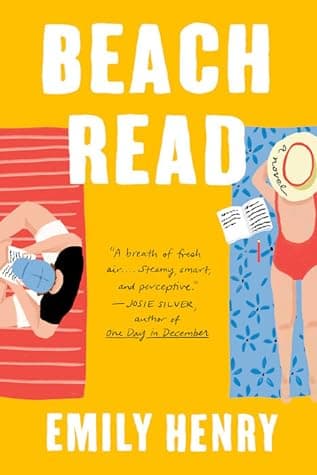
- Beach Read
Emily Henry
4.1 (86k) average on GoodreadsRomanceWhile both "Solo" and "Beach Read" are contemporary romances, Henry's work offers a significantly deeper exploration of character backstories, trauma, and professional challenges. "Beach Read" masterfully weaves complex emotional arcs with humor and wit, allowing its protagonists to grow independently and together, whereas "Solo" tends to prioritize the romantic connection over individual development. Henry's characters feel more fully fleshed out, with internal struggles that genuinely impact their decisions and relationships, a nuance that "Solo" sometimes lacks.
- The Hunger Games
Suzanne Collins
4.3 (6.4M) average on GoodreadsFantasyIn a future where children fight to the death on live television, Katniss Everdeen volunteers for the arena, turning a death sentence into a fight for survival and a spark of rebellion.
- The Great Gatsby
F. Scott Fitzgerald
3.9 (3.8M) average on GoodreadsHistorical FictionIn the opulent Roaring Twenties, a mysterious millionaire's lavish parties hide his desperate, tragic pursuit of a lost love, exposing the emptiness within the American Dream.
- The Fault in Our Stars
John Green
4.2 (3.6M) average on GoodreadsYoung AdultA girl with a terminal illness finds her story rewritten when a charming boy with a similar past enters her life at a cancer support group, leading to a star-crossed romance.
- Pride and Prejudice
Jane Austen
4.3 (3M) average on GoodreadsHistorical FictionIn a society focused on status and money, Elizabeth Bennet navigates love and pride, challenging Mr. Darcy and social expectations to find true affection.





Enjoyed the summary?
A summary gives you the shape of the book. The book itself has the detail, the examples and the voice.
Find Solo on AmazonAs an Amazon Associate, BookBrief earns from qualifying purchases. How we're funded