
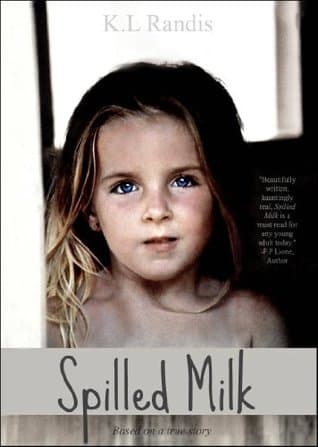
Core Idea
- Difficulty
- Medium
- Read it if
- You are interested in understanding the long-term psychological impact of childhood sexual abuse, the challenges survivors face within legal and social systems, and the journey of healing and advocacy. This book is also for those seeking to comprehend the importance of believing children and recognizing the signs of abuse.
- Skip it if
- You are sensitive to graphic descriptions of child sexual abuse, violence, and trauma, or are not in a mental space to process emotionally heavy and disturbing content.
Key Takeaways from Spilled Milk
The Silent Plea
The devastating impact of a child's anonymous cry for help being met with systemic failure.
Brooke's anonymous phone call is a desperate, brave attempt by a child to find safety from abuse. This act shows the courage a victim, especially a child, needs to speak up. The failure of social services to protect her, which instead reinforced the abuser's control by making her keep quiet, is a turning point. It shows how system flaws can worsen trauma, making victims feel re-victimized and trapped. The 'spilled milk' incident is a metaphor for a breaking point, where built-up pressure and fear can no longer be held back, forcing an involuntary, but ultimately freeing, confession.
“When social services jeopardize her safety condemning her to keep her father’s secret, it’s a glass of spilled milk at the dinner table that forces her to speak about the cruelty she’s been hiding.”
In the book: Brooke's initial anonymous phone call to social services and their subsequent response, which, instead of providing safety, inadvertently pressured her to keep her father's secret, thus endangering her further.
Try this: For anyone working with vulnerable populations, particularly children, understand that an initial disclosure, or even an attempt at one, is a fragile moment. Prioritize immediate safety and believe the victim. Do not create situations that force them back into secrecy or further endanger them due to bureaucratic missteps or a lack of understanding of trauma dynamics.
Related ideas: child-abuse, systemic-failure, victim-blaming, trauma-disclosure
The Power of a Breaking Point
Sometimes, a seemingly trivial event can trigger a profound and necessary confession.
The 'spilled milk' incident shows how a small event can trigger a big disclosure when a person is under great psychological stress. The milk itself is not the issue, but the heavy secret, fear, and constant threat that makes this small accident the final straw. This moment shows that victims often carry burdens in silence until an external trigger, however small, breaks their ability to endure. It shows that constant stress can lead to an unexpected breaking point, where the need for truth and release overcomes the desire to stay silent for self-preservation.
“it’s a glass of spilled milk at the dinner table that forces her to speak about the cruelty she’s been hiding.”
In the book: The specific scene where a glass of spilled milk at the dinner table directly leads Brooke to finally speak about the abuse she had been concealing.
Try this: Recognize that disclosures of abuse don't always come in a grand, planned manner. Be attentive to subtle shifts in behavior or seemingly disproportionate reactions to minor events in individuals who might be suffering in silence. These could be indicators that they are at their breaking point and need a safe space to speak.
Related ideas: trauma-triggers, breaking-point, emotional-release, catalyst-for-change
Battling a Broken System
The arduous fight for justice often means confronting the very institutions meant to protect.
Brooke's journey shows a flawed system that values keeping families together, even if it means a child is unsafe. This is a common and sad flaw in many child protective services, where the focus on reunification or avoiding disruption can overshadow a child's immediate danger. The book exposes the bureaucratic problems, skepticism, and lack of resources that can make seeking justice an exhausting fight for the victim. It shows how the system, meant to protect, can become another opponent, making victims fight not only their abuser but also the very structures meant to help them.
“In her pursuit for safety and justice Brooke battles a broken system that pushes to keep her father in the home.”
In the book: Brooke's ongoing struggle with social services and legal entities who initially push to keep her abusive father in the home, despite her disclosures.
Try this: Advocates and policymakers must critically examine existing protocols in child welfare and legal systems to ensure that child safety is the absolute paramount concern, not family preservation at any cost. Training should focus on recognizing signs of abuse, understanding trauma responses, and avoiding re-victimization through bureaucratic insensitivity.
Related ideas: legal-system-failure, child-welfare, institutional-betrayal, advocacy-challenges
The Power of External Support
External validation and encouragement can be crucial in a survivor's fight for justice.
Brooke's experience shows how important external support is for a survivor to keep fighting. Encouragement from jury members and a love interest provides validation and strength, countering the isolation and self-doubt victims often feel. This support is important because abuse often thrives in secrecy and silence, eroding a victim's self-worth and belief in their own truth. When external figures — especially those in positions of judgment or intimacy — believe and encourage, it can greatly strengthen a survivor's resolve, giving them courage to face big challenges and system resistance.
“When jury members and a love interest congregate to inspire her to fight, she risks losing the support of family and comes to the realization that some people simply do not want to be saved.”
In the book: The specific mention of jury members and a love interest inspiring Brooke to fight, providing her with crucial external validation.
Try this: If you know someone struggling with abuse, offer unwavering, non-judgmental support. Listen, believe, and empower them to make their own choices. Even small acts of kindness or validation can make a profound difference in their ability to seek justice and healing. Be a consistent source of positive reinforcement.
Related ideas: social-support, victim-empowerment, validation, healing-journey
The Cost of Speaking Out
Seeking justice often entails the painful risk of losing familial bonds and support.
A key part of Brooke's struggle is the difficult choice between silence and potentially losing her family. This shows a cruel dilemma many survivors of family abuse face: seeking justice can mean cutting ties with family members who enable, deny, or will not confront the abuser. The book shows that families, for various complex reasons (fear, denial, loyalty, or their own trauma), may choose to protect the abuser or the 'family secret' over the victim. This 'secondary victimization' by family adds another layer of trauma, forcing the survivor to grieve not only the abuse but also the loss of desired family support.
“she risks losing the support of family and comes to the realization that some people simply do not want to be saved.”
In the book: Brooke's realization that fighting for justice means risking the support of her family, coupled with the insight that some family members are unwilling to acknowledge or address the abuse.
Try this: Understand that 'family' is not always a safe haven for survivors of abuse. Respect a survivor's choices regarding family contact, as these decisions are often made after immense internal conflict and at great personal cost. Support their autonomy and help them build a new, healthy support network outside of their potentially toxic family unit.
Related ideas: familial-betrayal, secondary-victimization, complex-trauma, boundaries
The Unwillingness to Be Saved
The painful truth that not everyone, even victims, is ready or willing to accept help.
This realization is impactful, showing the difference between those ready to confront their trauma and those who, for various reasons, are not. It speaks to the complex psychology of abuse, where victims can become so caught up in the abuse cycle, fear, or denial that they resist help. This is not a judgment, but an observation of the psychological barriers to healing. It can refer to family members who enable the abuser, or even other victims not yet ready to break free. It is a sobering truth that shows the limits of external help and the need for individual readiness for change and healing.
“and comes to the realization that some people simply do not want to be saved.”
In the book: Brooke's personal epiphany that some individuals, presumably within her family or other victims, resist acknowledging the abuse or seeking help, preferring to remain in their current state.
Try this: When supporting survivors, recognize that you cannot force healing or acceptance on others. Offer support and resources, but respect their agency and readiness. Focus on empowering those who are willing to fight, and understand that some individuals may need to reach their own breaking point before they can accept help.
Related ideas: resistance-to-help, denial, enabling-behavior, healing-readiness
Resilience Forged in Trauma
Despite profound adversity, the human spirit can demonstrate incredible capacity for triumph.
Brooke's story, despite its details, is one of resilience. Her ability to survive, speak out, fight a broken system, and eventually seek justice, shows the human spirit's capacity to endure and overcome. Resilience is not about avoiding pain, but about navigating it and becoming stronger. Her journey shows that even after great cruelty, individuals can find the strength to reclaim their voice, rebuild their lives, and advocate for themselves and others. This takeaway emphasizes that while trauma leaves scars, it does not define a person's entire future.
“Spilled Milk is a novel of shocking narrative, triumph and resiliency.”
In the book: The overall narrative arc of Brooke's story, from enduring severe abuse to her eventual fight for justice and the description of the book as one of 'triumph and resiliency.'
Try this: For survivors, this is a reminder that healing is possible and that their past does not dictate their future. For supporters, it's a call to foster environments that encourage growth, self-advocacy, and belief in a survivor's capacity to heal and thrive, rather than viewing them solely through the lens of their trauma.
Related ideas: post-traumatic-growth, survivor-strength, coping-mechanisms, emotional-fortitude
The Long Shadow of Abuse
Abuse leaves deep, lasting scars that impact every facet of a survivor's life.
The book suggests that Brooke's early life is not just a series of events, but a trauma that shapes her identity and later interactions. Child abuse, especially chronic and severe abuse, has lasting psychological, emotional, and physical effects. These can show up as problems with trust, relationships, self-worth, and emotional control. While the book emphasizes triumph, it is important to acknowledge the lasting impact of such trauma, recognizing that 'resilience' does not mean scars disappear, but that the individual learns to live with and manage them.
“Brooke Nolan is a battered child who makes an anonymous phone call about the escalating brutality in her home.”
In the book: The description of Brooke as a 'battered child' and the 'escalating brutality,' implying a sustained period of severe abuse and its inevitable long-term impact on her.
Try this: When interacting with survivors, practice patience and empathy. Understand that their reactions, behaviors, or struggles may be deeply rooted in past trauma. Avoid minimizing their experiences or expecting a quick 'fix.' Support long-term healing journeys that address the complex and multifaceted impacts of abuse.
Related ideas: complex-PTSD, childhood-trauma, intergenerational-trauma, healing-process
The Importance of Believing Children
Dismissing a child's plea for help can perpetuate cycles of abuse and systemic failure.
Brooke's initial anonymous phone call, and how social services handled it, shows the consequences of not believing or protecting children. Children are often dismissed, their stories seen as unreliable or exaggerated, especially when the abuser is a respected figure. This skepticism, combined with procedural failures, puts children back in danger and strengthens the abuser's power. The book clearly shows that when a child must fight to be heard and believed, it is a failure of the adults and systems meant to protect them, leading to prolonged suffering and deeper trauma.
“When social services jeopardize her safety condemning her to keep her father’s secret...”
In the book: The specific incident where social services, after Brooke's anonymous call, condemn her to keep her father's secret, directly endangering her and demonstrating a failure to believe or protect.
Try this: Always err on the side of believing a child's disclosure of abuse. Take their claims seriously, investigate thoroughly, and prioritize their immediate safety above all else. Educate yourself and others on the signs of child abuse and how to respond effectively without re-traumatizing the child.
Related ideas: child-protection, credibility-of-children, reporting-abuse, advocacy-for-children
Spilled Milk Quotes
“I was just a little girl, and he was my father. How could I have known what he was doing was wrong?”
“The silence was the worst part. It screamed louder than any words ever could.”
“I learned to build walls around my heart, brick by painful brick, until I was completely encased.”
“He stole my childhood, my innocence, and nearly my will to live.”
“Hope was a dangerous thing. It made you vulnerable, and vulnerability was a luxury I couldn't afford.”
“The scars on my soul ran deeper than any cut on my skin.”
“I was a secret, and secrets were meant to be kept.”
“Sometimes, the bravest thing you can do is just survive another day.”
“The truth was a heavy burden, but it was also the only path to freedom.”
“My voice, once silenced, became my weapon.”
“Even spilled milk can be cleaned up, but the stain often remains.”
“Forgiveness wasn't for him; it was for me. It was about letting go of the anger that was poisoning my own soul.”
“You can't erase the past, but you can choose how it defines you.”
“I wasn't just surviving anymore; I was living. And that, in itself, was a victory.”
Quiz
10 questions on the main ideas. Each answer comes with a short explanation.
Question 1
What seemingly minor incident at the dinner table finally prompts Brooke to speak about the abuse she's enduring?
- Her father breaking a plate in anger.
- Her mother crying silently.
- A glass of spilled milk.
- Her younger sibling getting hurt.
Show answer
C. A glass of spilled milk. The synopsis explicitly states that 'it’s a glass of spilled milk at the dinner table that forces her to speak about the cruelty she’s been hiding,' marking a pivotal moment in her journey.
Question 2
What initial action does Brooke take to try and get help for the escalating brutality in her home?
- She confides in a school teacher.
- She runs away from home.
- She makes an anonymous phone call.
- She tells a close friend.
Show answer
C. She makes an anonymous phone call. The book description states that Brooke 'makes an anonymous phone call about the escalating brutality in her home' as her first attempt to seek help.
Question 3
How does the social services system initially react to Brooke's situation, according to the book's premise?
- They immediately remove her from the home.
- They provide extensive therapy for the family.
- They jeopardize her safety by condemning her to keep her father's secret.
- They arrest her father based on her anonymous call.
Show answer
C. They jeopardize her safety by condemning her to keep her father's secret. The synopsis highlights that social services 'jeopardize her safety condemning her to keep her father’s secret,' indicating a failure of the system to protect her.
Question 4
What is one of the primary obstacles Brooke faces in her pursuit of safety and justice?
- Her own denial about the abuse.
- A broken system that pushes to keep her father in the home.
- Lack of evidence to prove the abuse.
- Her father's successful legal defense.
Show answer
B. A broken system that pushes to keep her father in the home. The description clearly states that Brooke 'battles a broken system that pushes to keep her father in the home,' making this a central conflict.
Question 5
Who congregates to inspire Brooke to fight for her safety and justice?
- Her extended family members.
- School counselors and teachers.
- Jury members and a love interest.
- Support groups for abuse survivors.
Show answer
C. Jury members and a love interest. The text mentions that 'jury members and a love interest congregate to inspire her to fight,' indicating key figures in her support system.
Question 6
What is a significant personal risk Brooke faces by choosing to fight the system and her family's secret?
- Losing her academic scholarship.
- Being forced to move to a new town.
- Losing the support of family.
- Facing public scrutiny and judgment.
Show answer
C. Losing the support of family. The synopsis notes that she 'risks losing the support of family' by pursuing justice, highlighting the personal cost of her bravery.
Question 7
The book's description characterizes it as a novel of 'shocking narrative, triumph and resiliency.' Which of these elements is most directly related to Brooke's personal journey?
- The shocking narrative, detailing the abuse.
- The triumph and resiliency, reflecting her overcoming adversity.
- All three elements equally apply to her personal journey.
- None of the above, as it focuses more on the system.
Show answer
B. The triumph and resiliency, reflecting her overcoming adversity. While the narrative is shocking, 'triumph and resiliency' directly describe Brooke's personal strength and her ability to overcome the immense challenges she faces.
Question 8
What profound realization does Brooke come to during her struggle for justice?
- That forgiveness is the only path to healing.
- That the legal system is completely ineffective.
- That some people simply do not want to be saved.
- That she must rely solely on herself for support.
Show answer
C. That some people simply do not want to be saved. A key takeaway mentioned in the description is Brooke's realization 'that some people simply do not want to be saved,' which is a difficult but crucial understanding in her journey.
Question 9
Based on the description, what is the core conflict that drives the narrative of 'Spilled Milk'?
- Brooke's internal struggle with her identity.
- The legal battle between Brooke and her father.
- Brooke's fight against a broken social system and the secrecy surrounding her abuse.
- The conflict between Brooke and her love interest.
Show answer
C. Brooke's fight against a broken social system and the secrecy surrounding her abuse. The central conflict is Brooke's uphill battle against 'a broken system that pushes to keep her father in the home' and her struggle to expose the cruelty she's been hiding, despite the system's failures.
Question 10
Considering the genre as 'Psychology, Biography, Memoir,' what aspect of Brooke's story is likely emphasized beyond just the events?
- Detailed legal procedures and courtroom dramas.
- An in-depth exploration of her emotional and mental journey through trauma and healing.
- The psychological profiles of her abusers.
- The societal impact of child abuse statistics.
Show answer
B. An in-depth exploration of her emotional and mental journey through trauma and healing. Given the genres 'Psychology, Biography, Memoir,' the book would delve deeply into Brooke's internal experiences, her emotional and psychological processing of the trauma, and her journey toward recovery and resilience.
Spilled Milk FAQ
What is 'Spilled Milk' about?
'Spilled Milk' by K.L. Randis is a powerful memoir about Brooke Nolan, a child who endures escalating abuse and battles a flawed social services system after making an anonymous call for help. The book chronicles her journey for safety and justice, highlighting her resilience in the face of adversity and a broken system.
Is 'Spilled Milk' a true story?
Yes, 'Spilled Milk' is a non-fiction memoir based on the real-life experiences of author K.L. Randis, who writes under the pseudonym Brooke Nolan. It details her personal struggle with childhood abuse and her fight for justice.
What themes are explored in 'Spilled Milk'?
The book explores profound themes such as child abuse, the failures of the social services system, the meaning of family loyalty, resilience, and the difficult pursuit of justice. It delves into the psychological impact of trauma and the strength required to overcome it.
Does 'Spilled Milk' offer solutions for victims of child abuse?
While 'Spilled Milk' is primarily a narrative of one survivor's experience, it implicitly highlights the systemic issues within child protection services and the importance of speaking out. It doesn't offer a direct 'how-to' guide but serves as an inspiring testament to resilience and the fight for justice.
How does 'Spilled Milk' portray the social services system?
'Spilled Milk' critically portrays the social services system as often flawed and inadequate, sometimes inadvertently jeopardizing the safety of children it's meant to protect. It illustrates the challenges Brooke faced in navigating a system that seemed more intent on maintaining family unity than ensuring her immediate safety.
What role does the 'spilled milk' incident play in the book?
The 'spilled milk' incident serves as a pivotal moment in the narrative, acting as the catalyst that forces Brooke to finally speak out about the abuse she had been hiding. It symbolizes the breaking point where silence becomes unbearable and the truth can no longer be contained.
Is 'Spilled Milk' a difficult read due to its subject matter?
Given its raw and honest portrayal of child abuse and trauma, 'Spilled Milk' can be a challenging and emotionally intense read. However, it is also a story of immense courage and triumph, making it a compelling and ultimately hopeful narrative for many readers.
How does 'Spilled Milk' differ from other memoirs about abuse?
'Spilled Milk' distinguishes itself through its unflinching narrative of battling a broken system even after speaking out, and the unique challenges Brooke faces when some family members resist intervention. It emphasizes not just the abuse itself, but the arduous fight for justice and the realization that some people are unwilling to be saved.
Similar books
- A Child Called "It"
Dave Pelzer
4.1 (379k) average on GoodreadsPsychologyExplores severe child abuse and the author's survival, focusing on the harrowing experiences of a young victim.
- The Glass Castle
Jeannette Walls
4.3 (903k) average on GoodreadsBiographyMemoir detailing a challenging childhood with neglect and poverty, highlighting resilience in adverse circumstances, though not specifically sexual abuse.
- Educated
Tara Westover
4.5 (796k) average on GoodreadsBiographyMemoir of overcoming a traumatic and abusive childhood to pursue education and self-discovery, focusing on resilience and breaking free from oppressive environments.
- The Perks of Being a Wallflower
Stephen Chbosky
4.2 (1.3M) average on GoodreadsPsychologyThrough letters, a shy high school freshman learns to navigate first love, trauma, and self-discovery, stepping off the sidelines and into life.
- Eleanor Oliphant Is Completely Fine
Gail Honeyman
4.3 (708k) average on GoodreadsLiterary FictionA lonely woman's structured life changes when an IT guy and an elderly man help her learn to open her heart.
- One Flew Over the Cuckoo's Nest
Ken Kesey
4.2 (631k) average on GoodreadsPsychologyIn a mind-bending asylum, the boisterous Randle McMurphy wages a defiant war against the tyrannical Nurse Ratched, inspiring his fellow inmates, including the seemingly catatonic Chief Bromden, to reclaim their lost humanity.





Enjoyed the summary?
A summary gives you the shape of the book. The book itself has the detail, the examples and the voice.
Find Spilled Milk on AmazonAs an Amazon Associate, BookBrief earns from qualifying purchases. How we're funded