

Synopsis
Covers the whole plot, including the ending.
- Difficulty
- Easy
- Pacing
- Moderate
- Mood
- Heartwarming, Witty, Hopeful, Poignant
- Read it if
- You enjoy character-driven stories about quirky outsiders, mental health journeys, and the power of unexpected friendships.
- Skip it if
- You prefer fast-paced thrillers or stories without significant emotional depth and exploration of trauma.
Eleanor Oliphant Is Completely Fine Plot Summary
Covers the whole plot, including the ending.
A Carefully Timetabled Existence
Eleanor Oliphant lives a structured and solitary life in Glasgow. She works in an office, eats frozen pizza, and drinks vodka on weekends. Her social interactions are minimal and awkward; she struggles with social cues and speaks her mind. Her main human contact is weekly phone calls with her critical mother. Eleanor thinks she is 'completely fine,' but signs of her isolation and past trauma appear in her thoughts, hinting at deep pain and a history in foster care.
The Spark of an Obsession
Eleanor goes to a concert and becomes infatuated with the lead singer of a band. She develops an intense crush, believing he will change her life and fill her emptiness. She starts planning her transformation, thinking she needs to be more beautiful and sophisticated to attract him. This new focus temporarily distracts her from her routine and loneliness.
An Unexpected Act of Kindness
Walking home, Eleanor sees an elderly man, Sammy, collapse. Raymond Gibbons, the IT guy from her office, also stops to help. Together, they give first aid and call an ambulance. This shared experience creates an unexpected bond between Eleanor and Raymond. Raymond shows kindness and concern, which slowly affects Eleanor's rigid defenses. This event pushes Eleanor out of her comfort zone and into an interaction not controlled by her solitary habits.
The Seeds of Friendship
After the incident, Eleanor and Raymond continue visiting Sammy in the hospital. Raymond's natural empathy contrasts with Eleanor's awkwardness, but she joins in the shared care. Sammy's family, especially his daughter Laura, also gets involved, and Eleanor experiences a glimpse of normal human connection. These visits become regular, giving Eleanor a purpose outside her routine and slowly changing her ideas about Raymond and about friendship. She starts to see Raymond as a person.
A Failed Transformation and Growing Disillusionment
Eleanor continues her plans to change herself for her crush. She spends a lot of money on a makeover, new clothes, and a facial. However, when she finally attends an event hoping to meet him, her efforts fail. She realizes her crush is just a projection of her desire for companionship and that the reality does not match her fantasy. This disappointment is a turning point, forcing her to confront the superficiality of her goal and the deeper reasons for her longing for connection, beyond just a romantic ideal.
Unveiling the Past: The Fire
As Eleanor's structured world starts to break down, repressed memories of a traumatic childhood incident, a house fire, surface more often. These flashbacks are fragmented and disturbing, hinting at a deep loss and a terrifying experience. She has panic attacks and emotional distress, showing that her 'fine' facade is cracking under the pressure of new connections and the failure of her romantic fantasy. The fire is a central, defining event in her past that she has tried to bury.
Mummy's Manipulation and Control
Eleanor's weekly phone calls with her mother become more unsettling. Mummy is manipulative, critical, and abusive, constantly undermining Eleanor's self-worth and controlling her through guilt. Eleanor's dependence on these calls, despite their negative impact, shows the depth of her emotional scars and her inability to break free from the past. The calls reinforce her feelings of inadequacy and isolation, revealing her mother's harmful influence.
A Crisis Point and Raymond's Intervention
After the disappointment with her crush and the intensifying flashbacks, Eleanor falls into a severe depression. She stops going to work, neglects her hygiene, and drinks heavily. Raymond, noticing her absence, goes to her flat and finds her in a bad state. He gently helps her clean herself and her flat, and encourages her to seek professional help. His kindness and practical support during this crisis are important, showing a true friendship that goes beyond her social awkwardness and past trauma, offering help when she is at her lowest.
Seeking Professional Help
With Raymond's encouragement, Eleanor starts seeing a therapist. In these sessions, she slowly begins to uncover the buried trauma of her childhood. The therapist helps her put together fragmented memories of the fire, her time in foster care, and her complex, abusive relationship with her mother. This therapy is painful but necessary, as it lets Eleanor start processing the events that shaped her isolation and emotional detachment, leading to healing and self-understanding. It is the first step toward addressing her past.
The Full Truth of the Fire
Through therapy, Eleanor finally remembers the night of the fire. She recalls that her mother started the fire, intending to kill Eleanor and her younger sister, Marianne. Eleanor survived, but Marianne died, and her mother was imprisoned in a psychiatric facility. The 'Mummy' she has been speaking to on the phone is not her real mother, but a figment of her imagination, a coping mechanism she developed to deal with the guilt and grief of Marianne's death and her mother's actions. This revelation shatters her perceived reality.
Healing and New Beginnings
With the truth revealed and processed through therapy, Eleanor begins to heal. She understands the source of her loneliness and guilt. She strengthens her friendship with Raymond, acknowledging his support. She also connects more deeply with Sammy's family, finding a sense of belonging. Eleanor starts to engage with the world more openly, finding joy in small interactions and realizing that life can be more than just 'fine.' She slowly learns to forgive herself and embrace the possibility of a future with genuine human connection and love, moving past her traumatic past.
Principal Figures
Eleanor Oliphant
Protagonist
A socially awkward office worker with a traumatic past, learning to connect with the world.
Eleanor is a highly intelligent, meticulous, and deeply lonely woman in her early thirties, working in an office in Glasgow. She struggles with social interaction, often speaking her mind bluntly without regard for social conventions, which leads to her being perceived as odd or rude. Her life is rigidly structured, and she relies on alcohol and weekly phone calls with her manipulative mother to cope with her isolation. Beneath her carefully constructed facade of being 'completely fine' lies a profound trauma from her childhood, specifically a devastating house fire that killed her sister and led to her mother's institutionalization. She carries immense guilt and repressed memories.
Relationships: Raymond Gibbons (colleague who becomes her first true friend); Mummy (imagined) (abusive, manipulative, and ultimately a figment of her imagination); Sammy (elderly man they rescue, leading to community connection); Marianne (deceased younger sister, a source of profound guilt and grief)
Raymond Gibbons
Supporting
The kind-hearted, unkempt IT guy who becomes Eleanor's first true friend.
Raymond is the office's IT technician, initially perceived by Eleanor as unhygienic and bumbling. Despite his somewhat scruffy appearance, he possesses a deep well of empathy, kindness, and patience. He is a genuinely good person who sees beyond Eleanor's social awkwardness and brusque exterior. Raymond is instrumental in breaking down Eleanor's walls, providing unwavering support, and encouraging her to seek help when she is at her lowest point. He represents unconditional friendship and the power of human connection, contrasting sharply with Eleanor's past experiences.
Relationships: Eleanor Oliphant (colleague who becomes his close friend); Sammy (elderly man they both help, fostering their bond)
Mummy (Eleanor's Mother)
Antagonist/Mentioned
Eleanor's manipulative and emotionally abusive mother, a central figure in her trauma.
Eleanor's mother, as initially presented through phone calls, is a highly critical, emotionally abusive, and manipulative figure who constantly undermines Eleanor's self-esteem. She lives in an undisclosed location (later revealed to be a secure psychiatric facility) and uses guilt and fear to control Eleanor. She is the source of much of Eleanor's childhood trauma, having deliberately started the fire that killed Eleanor's sister, Marianne. The 'Mummy' Eleanor speaks to for most of the book is ultimately revealed to be a coping mechanism, an imagined figure, highlighting the depth of Eleanor's psychological distress.
Relationships: Eleanor Oliphant (abusive mother-daughter relationship (real and imagined)); Marianne (deceased younger daughter, whom she killed)
Sammy
Supporting
An elderly man whose collapse initiates Eleanor and Raymond's friendship.
Sammy is an elderly gentleman who collapses in the street, prompting Eleanor and Raymond to come to his aid. His vulnerability and their shared act of kindness create the initial bond between Eleanor and Raymond. Sammy, and subsequently his family, provides Eleanor with her first glimpse of genuine community and the warmth of human connection outside of her isolated existence. He serves as a catalyst for Eleanor's journey towards opening up and forming relationships.
Relationships: Eleanor Oliphant (rescued by and befriended by); Raymond Gibbons (rescued by and befriended by); Laura (his daughter) (daughter)
Laura
Supporting
Sammy's daughter, who welcomes Eleanor and Raymond into her family's circle.
Laura is Sammy's kind and grateful daughter. She is appreciative of Eleanor and Raymond's help and extends her warmth and hospitality to them. Laura represents a healthy, normal family connection that Eleanor has been deprived of. Her acceptance and inclusion of Eleanor into her family's life provide Eleanor with a sense of belonging and community, further encouraging her to break out of her isolation. She shows Eleanor what genuine familial love and support can look like.
Relationships: Sammy (father); Eleanor Oliphant (friendship through Sammy); Raymond Gibbons (friendship through Sammy)
Marianne
Mentioned
Eleanor's deceased younger sister, whose death is central to Eleanor's trauma.
Marianne is Eleanor's younger sister who died in the house fire when they were children. Her death is the central, unacknowledged trauma that haunts Eleanor throughout the book. Eleanor carries immense guilt over Marianne's death, believing herself responsible or culpable in some way. The memory of Marianne, and the circumstances surrounding her death, are crucial to understanding Eleanor's isolation, her emotional repression, and her deep-seated pain. The revelation of her mother's role in Marianne's death is a pivotal moment for Eleanor's healing.
Relationships: Eleanor Oliphant (sister); Mummy (daughter, whom she killed)
Dr. Maria Wilkes
Supporting
Eleanor's therapist, who helps her confront her traumatic past.
Dr. Maria Wilkes is the psychotherapist Eleanor begins seeing at Raymond's urging. She is a compassionate and skilled professional who patiently guides Eleanor through the difficult process of uncovering and processing her repressed childhood trauma, particularly the house fire and her mother's actions. Dr. Wilkes plays a crucial role in helping Eleanor understand her coping mechanisms, identify the source of her pain, and begin to heal. She provides a safe and non-judgmental space for Eleanor to confront the truth.
Relationships: Eleanor Oliphant (therapist-client relationship)
Johnnie Lomond
Mentioned
The lead singer of a band, who becomes Eleanor's initial, misguided crush.
Johnnie Lomond is the lead singer of a local band whom Eleanor sees perform and develops an intense, obsessive crush on. He is not a character in the traditional sense, but rather a projection of Eleanor's longing for love and a 'perfect' life. Her infatuation with him motivates her attempts at a superficial transformation and serves as a temporary distraction from her loneliness. The eventual realization that he is not the solution to her problems is a crucial step in her journey towards genuine self-discovery and connection.
Relationships: Eleanor Oliphant (object of her unrequited, idealized crush)
Themes & Insights
Isolation and Loneliness
The novel deeply looks at the effects of isolation on Eleanor's life. Her structured existence, lack of social skills, and reliance on alcohol come from her extreme loneliness, which has roots in childhood trauma. The theme appears in her thoughts, awkward social interactions, and desperate attempts to connect. The book shows the pain and coping mechanisms of living without real human connection, making her eventual changes more meaningful.
“I have always taken great pride in my self-sufficiency, but there are times when it’s difficult to be the only one you can rely on.”
Trauma and Repressed Memory
A main theme is the lasting effect of childhood trauma and the psychological process of repression. Eleanor's 'fine' appearance hides a devastating past involving a house fire, her sister's death, and her mother's violence. The fragmented flashbacks, her reliance on 'Mummy's' calls (later revealed as imagined), and her emotional detachment are all signs of her unaddressed trauma. The novel carefully uncovers these layers, showing how past events continue to shape her present until she is forced to confront them through therapy and the support of others.
“I wasn’t a survivor. I was a casualty. I was simply the one who had been left behind.”
The Power of Human Connection and Empathy
The novel shows how real human connection and empathy can heal deep wounds. Raymond's kindness, patience, and non-judgmental support are important in breaking down Eleanor's defenses. Helping Sammy, and the later interactions with his family, give Eleanor her first experience of belonging. These relationships, built on authentic care, show that even isolated individuals can find comfort and recovery through the compassion of others, changing Eleanor's life.
“In the end, I knew that I would be all right. I would be fine. I would be more than fine. I would be happy.”
Identity and Self-Acceptance
Eleanor's journey is one of self-discovery. At first, her identity is tied to her perceived self-sufficiency and her 'fine' status, which hides deep insecurities. Her attempts to change herself for Johnnie Lomond are misguided efforts to find an external solution to an internal problem. By confronting her past trauma and accepting Raymond's friendship, she starts to let go of old coping mechanisms and embrace a more authentic self. The novel highlights the importance of understanding one's past to build a healthier future and accepting oneself.
“I had simply accepted that my life would be a lonely one. But it wasn’t true. It didn’t have to be that way.”
Plot Devices & Literary Techniques
Unreliable Narrator
Eleanor's perspective is filtered through her trauma and coping mechanisms.
Eleanor Oliphant serves as an unreliable narrator, particularly concerning her past and her current emotional state. She frequently insists she is 'completely fine,' despite overwhelming evidence to the contrary. Her memories of the fire are fragmented and distorted, and her interactions with her mother are later revealed to be entirely imagined. This device creates suspense and allows the reader to gradually uncover the truth alongside Eleanor, highlighting the psychological impact of trauma and the mind's ability to protect itself through denial and repression. It immerses the reader in Eleanor's subjective reality, making the ultimate revelations more impactful.
Foreshadowing and Flashbacks
Subtle hints and fragmented memories point to Eleanor's traumatic past.
The novel employs subtle foreshadowing and fragmented flashbacks to hint at Eleanor's traumatic past long before the full truth is revealed. There are recurring references to the 'fire,' her time in foster care, and the mysterious circumstances surrounding her family. These brief, often disturbing, snippets of memory or passing remarks create a sense of unease and curiosity, building suspense and preparing the reader for the eventual devastating revelations. This device keeps the reader engaged in piecing together Eleanor's history, mirroring her own unconscious struggle to recall and process her trauma.
Symbolism of Alcohol
Vodka symbolizes Eleanor's coping mechanism and self-medication.
Vodka serves as a powerful symbol of Eleanor's isolation and her primary coping mechanism. Her carefully measured two bottles every weekend represent her attempt to control her pain and numb her loneliness. It's a ritual that signifies her self-imposed detachment from the world and her inability to process emotions healthily. As her life begins to change and her trauma surfaces, her reliance on alcohol increases, signaling her breakdown. Her eventual reduction in drinking, and Raymond's intervention, symbolize her first steps towards genuine healing and confronting her issues rather than escaping them.
The 'Completely Fine' Mantra
A repeated phrase representing denial and emotional repression.
Eleanor's frequent assertion that she is 'completely fine' functions as a significant narrative device. This mantra is a form of denial, a shield she uses to protect herself from confronting her deep-seated pain, loneliness, and trauma. The repetition highlights her emotional repression and her struggle to acknowledge her true feelings. As the story progresses and her life begins to unravel, the phrase becomes increasingly ironic and poignant, underscoring the gap between her outward presentation and her inner turmoil. Its eventual abandonment signifies her growth and acceptance of her vulnerabilities.
Eleanor Oliphant Is Completely Fine Quotes
“These days, loneliness is the new cancer—a shameful, embarrassing thing, brought upon yourself in some obscure way. A fearful, incurable thing, so horrifying that you dare not mention it.”
“I simply didn’t know how to make things better. I could not solve the puzzle of me.”
“If someone asks you how you are, you are meant to say FINE. You are not meant to say that you cried yourself to sleep last night because you hadn’t spoken to another person for two consecutive days. FINE is what you say.”
“I am not a victim. I am a survivor.”
“Sometimes you simply needed someone kind to sit with you while you dealt with things.”
“Happiness is not a potato.”
“I had been waiting for death all my life. I did not know it, but I had been. I had been waiting for its release.”
“The only person who can save you is you.”
“I do not want to be a person who is defined by her past.”
“It’s not that I’m ungrateful. It’s just that I don’t want to be here.”
“You can’t have too much dog in a book.”
“I am Eleanor Oliphant. I am thirty years old, and I am completely fine.”
“The world is full of small kindnesses, if you know where to look for them.”
“I had survived. I was alive. I was breathing.”
Quiz
10 questions on the plot and the characters. Each answer comes with a short explanation.
Question 1
What is Eleanor Oliphant's weekend routine at the beginning of the book?
- Going to social events and parties
- Frozen pizza, vodka, and phone chats with Mummy
- Volunteering at animal shelters
- Long hikes in the countryside
Show answer
B. Frozen pizza, vodka, and phone chats with Mummy Eleanor's isolated life is characterized by a rigid routine where weekends involve frozen pizza, vodka, and phone calls with her mother, highlighting her social isolation and coping mechanisms.
Question 2
Who is Raymond in relation to Eleanor?
- Her therapist
- Her long-lost brother
- The bumbling and unhygienic IT guy from her office
- A famous musician she admires
Show answer
C. The bumbling and unhygienic IT guy from her office Raymond is introduced as the IT guy at Eleanor's office, whose kindness and friendship become pivotal in helping her break out of her isolation.
Question 3
What event brings Eleanor, Raymond, and Sammy together for the first time?
- A work conference
- Saving Sammy, an elderly gentleman who has fallen
- A chance meeting at a grocery store
- A shared interest in gardening
Show answer
B. Saving Sammy, an elderly gentleman who has fallen Eleanor and Raymond encounter Sammy when he falls on the street, and they help him, marking the beginning of their friendship and mutual rescue from loneliness.
Question 4
Why does Eleanor initially struggle with social interactions?
- She is intentionally rude to everyone
- She has a physical disability that limits her communication
- She lacks appropriate social skills and tends to say exactly what she's thinking
- She is too shy to speak at all
Show answer
C. She lacks appropriate social skills and tends to say exactly what she's thinking Eleanor's blunt honesty and lack of social filters stem from her traumatic past and isolated upbringing, making her interactions awkward and often misunderstood.
Question 5
What role does 'Mummy' play in Eleanor's life throughout the book?
- A supportive and loving mother figure
- A source of emotional abuse and manipulation
- A distant relative she rarely contacts
- Her pet cat that she talks to
Show answer
B. A source of emotional abuse and manipulation Eleanor's phone chats with Mummy reveal a toxic relationship where her mother is critical and abusive, contributing to Eleanor's trauma and isolation.
Question 6
How does Eleanor's perception of herself change by the end of the story?
- She realizes she is incapable of change and gives up
- She learns she is capable of finding friendship and love
- She decides to move to a new city to start over
- She becomes even more isolated than before
Show answer
B. She learns she is capable of finding friendship and love Through her relationships with Raymond and others, Eleanor heals from her past and opens her heart, discovering her own worth and ability to connect with people.
Question 7
What is a key theme explored in Eleanor Oliphant Is Completely Fine?
- The importance of wealth and success
- The impact of trauma and the journey toward healing
- The adventures of space travel
- Political intrigue in a dystopian society
Show answer
B. The impact of trauma and the journey toward healing The book delves into how past trauma affects Eleanor's life and her gradual healing through friendship and self-discovery, emphasizing resilience and human connection.
Question 8
What traumatic event from Eleanor's past is gradually revealed in the story?
- She was abandoned at birth
- She survived a house fire that killed her sister
- She lost her job and became homeless
- She was kidnapped as a child
Show answer
B. She survived a house fire that killed her sister Eleanor's trauma stems from a childhood house fire where her sister died, an event tied to her mother's abuse, which she represses and slowly confronts.
Question 9
How does Raymond's character contrast with Eleanor's initial lifestyle?
- Raymond is wealthy and elitist, while Eleanor is poor
- Raymond is socially adept and hygienic, while Eleanor is not
- Raymond is messy and kind-hearted, offering unconditional friendship despite his flaws
- Raymond is a strict disciplinarian who tries to change Eleanor
Show answer
C. Raymond is messy and kind-hearted, offering unconditional friendship despite his flaws Raymond's unkempt appearance and genuine compassion provide a stark contrast to Eleanor's rigid, isolated life, and his acceptance helps her learn to connect with others.
Question 10
What does Eleanor realize is 'the only way to survive' by the end of the book?
- To earn more money and achieve financial independence
- To cut off all ties with her past completely
- To open your heart and embrace human connection
- To rely solely on self-sufficiency and avoid others
Show answer
C. To open your heart and embrace human connection Eleanor's journey shows that healing from trauma and overcoming isolation requires vulnerability and forming meaningful relationships, as summarized in the book's closing message.
Eleanor Oliphant Is Completely Fine FAQ
What is 'Eleanor Oliphant Is Completely Fine' about?
The novel follows Eleanor Oliphant, a socially awkward office worker with a rigid routine of frozen pizzas, vodka, and weekly phone calls with her abusive mother. Her isolated life changes when she befriends Raymond, a messy IT colleague, after they rescue an elderly man named Sammy from a fall. Through their growing friendship, Eleanor confronts her traumatic past and learns to open up emotionally.
Why should I read 'Eleanor Oliphant Is Completely Fine'?
This book offers a poignant exploration of loneliness, trauma, and healing with dark humor and warmth. Eleanor's unique voice—blunt, witty, and heartbreakingly naive—makes her journey from isolation to connection deeply moving. It's a story that balances psychological depth with uplifting moments of human kindness.
What is the background/setting of 'Eleanor Oliphant Is Completely Fine'?
Set in contemporary Glasgow, the story unfolds in mundane urban spaces: Eleanor's drab office, her sparse apartment, and local pubs. This ordinary backdrop highlights her extreme isolation and contrasts with the emotional intensity of her internal world and traumatic flashbacks to her childhood.
What are the most memorable quotes from the book?
Key quotes include Eleanor's mantra 'Eleanor Oliphant is completely fine,' which masks her pain, and her realization that 'These days, loneliness is the new cancer—a shameful, embarrassing thing, brought upon yourself in some obscure way.' Another is her blunt observation: 'I have always taken great pride in managing my life alone.'
What writing style does Gail Honeyman use?
Honeyman employs a first-person narrative from Eleanor's perspective, characterized by deadpan humor, precise language, and unintentional wit. The style shifts between clinical detachment—reflecting Eleanor's trauma—and gradual emotional warmth as she heals, mirroring her psychological journey.
What minor details add significant meaning to the story?
Eleanor's meticulous budgeting for two bottles of vodka each weekend subtly reveals her reliance on alcohol to cope. Her habit of buying a weekly 'M&S meal deal' symbolizes her attempt at normalcy, while the repeated descriptions of her facial scar hint at unresolved trauma from her past.
What are some subtle foreshadowing moments?
Early mentions of Eleanor's 'burn scars' and her mother's cruel phone calls foreshadow the revelation of a house fire in her childhood. Her discomfort with physical touch and fear of men hint at deeper abuse, while her fixation on a musician, Johnnie Lomond, subtly mirrors her longing for an unattainable 'rescuer.'
What unexpected character connections exist?
Raymond's mother, who is kind and nurturing, serves as a stark contrast to Eleanor's abusive mother, offering her a model of healthy maternal love. Sammy, the elderly man they save, becomes a surrogate grandfather figure, and his own loneliness parallels Eleanor's, creating an unexpected intergenerational bond.
What are Eleanor's unspoken motivations?
Beneath her rigid routines, Eleanor is motivated by a deep-seated fear of abandonment and a desperate need to control her environment due to childhood trauma. Her obsession with musician Johnnie Lomond stems from an unconscious desire for a savior to replace the family she lost, masking her yearning for genuine connection.
What psychological complexities do characters exhibit?
Eleanor displays traits of CPTSD from childhood abuse, manifesting in social awkwardness, dissociation, and alcohol dependence. Raymond struggles with low self-esteem and codependency, often putting others' needs before his own. Their interactions reveal how trauma and low self-worth shape behavior in nuanced ways.
What are the major emotional turning points?
Key turning points include Eleanor and Raymond saving Sammy, which forces her into social interaction; her disastrous attempt to pursue Johnnie Lomond, shattering her fantasy; and the climactic therapy sessions where she recalls her mother's role in her sister's death and the fire. Each moment cracks her emotional armor.
How do relationship dynamics evolve?
Eleanor and Raymond's relationship shifts from reluctant acquaintances to genuine friends as he patiently tolerates her quirks. Eleanor's view of her mother transforms from fearful obedience to angry confrontation, while her bond with Sammy helps her practice empathy. These evolutions mirror her healing from isolation to trust.
Which parts remain ambiguous or open-ended?
The exact details of the house fire and her sister's death are left somewhat vague, emphasizing Eleanor's fragmented memory. The novel also doesn't specify whether Eleanor and Raymond become romantically involved, focusing instead on their deep friendship and leaving future possibilities open to interpretation.
What are controversial scenes or decisions?
Eleanor's excessive drinking and social blunders—like criticizing a coworker's baby—spark debate about whether she's merely quirky or deeply troubled. Some readers find her mother's extreme abuse and the reveal of her sister's fate shocking, raising questions about the portrayal of trauma and redemption.
How does 'Eleanor Oliphant Is Completely Fine' end and what does it mean?
The ending shows Eleanor reconciling with her past, cutting ties with her mother, and embracing friendship with Raymond and Sammy. It signifies that healing isn't about becoming 'normal' but about accepting oneself and forming authentic connections. Her final line—'I am Eleanor Oliphant, and I am finally fine'—marks true emotional progress.
About the author

Gail Honeyman is a Scottish author known for her fiction. She gained significant recognition for her debut novel, Eleanor Oliphant Is Completely Fine, which explores themes of loneliness and social isolation. The book has received various accolades and has been translated into multiple languages.
Similar books
- A Man Called Ove
Fredrik Backman
4.4 (569k) average on GoodreadsFictionFeatures a curmudgeonly protagonist who slowly opens up to the world through unexpected friendships.
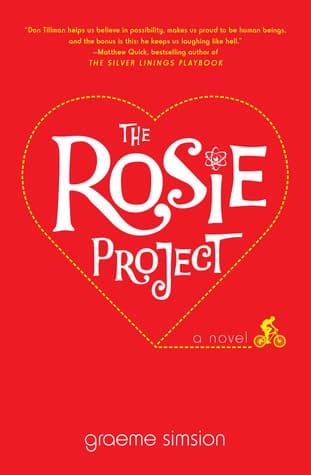
- The Rosie Project
Graeme Simsion
4.0 (447k) average on GoodreadsRomanceFollows a socially awkward but brilliant protagonist on a journey of self-discovery and love.
- The Old Man and the Sea
Ernest Hemingway
3.8 (831k) average on GoodreadsLiterary FictionA Cuban fisherman's long struggle with a giant marlin becomes a story of endurance and dignity, now retold for young adults with illustrations, phonetic guides, and writing prompts in Traditional Chinese.
- One Hundred Years of Solitude
Gabriel García Márquez
4.1 (753k) average on GoodreadsLiterary FictionThrough the multi-generational story of the Buendía family, a mythical town deals with the repeating patterns of time, love, and solitude, as the extraordinary mixes with the ordinary.
- The Goldfinch
Donna Tartt
3.9 (720k) average on GoodreadsLiterary FictionHaunted by a tragic explosion and clutching a stolen Dutch masterpiece, a young orphan navigates the opulent drawing rooms of New York and the gritty underbelly of the art world, desperately seeking connection and redemption amidst a life spiraling into crime and obsession.
- Little Fires Everywhere
Celeste Ng
4.1 (713k) average on GoodreadsLiterary FictionIn Shaker Heights, an artist and her daughter move in, and their free-spirited lives clash with a rule-bound matriarch, revealing hidden conflicts beneath a perfect surface.





Enjoyed the summary?
A summary gives you the shape of the book. The book itself has the detail, the examples and the voice.
Find Eleanor Oliphant Is Completely Fine on AmazonAs an Amazon Associate, BookBrief earns from qualifying purchases. How we're funded