

Synopsis
Covers the whole plot, including the ending.
- Difficulty
- Easy
- Pacing
- Moderate
- Mood
- Heartwarming, Nostalgic, Humorous, Reflective, Community-focused
- Read it if
- You love character-driven sagas about small-town American life, with a blend of humor, warmth, and nostalgic charm.
- Skip it if
- You prefer fast-paced plots with a singular focus or dislike multiple shifting perspectives over a long timeline.
Standing in the Rainbow Plot Summary
Covers the whole plot, including the ending.
The Voice of Elmwood Springs
In 1946, Elmwood Springs, Missouri, is shown through Neighbor Dorothy, a beloved local radio personality. Her daily broadcasts from her home kitchen, 'The Neighbor Dorothy Show,' become the town's center, sharing recipes, local gossip, and comforting stories. Her ten-year-old son, Bobby Smith, a sensitive and imaginative child, often listens, taking in the world through his mother's voice and stories. Dorothy's show provides a sense of community and normalcy as the town moves from the post-war era, setting the stage for the connected lives of Elmwood Springs' residents. Her husband, Jack, a kind but reserved man, supports her, while Bobby's inner life grows.
Macky and Norma's Early Years
Macky Warren, a young man in Elmwood Springs, deals with his identity and expectations, especially from his great-aunt, Elner Shimfissle. Elner, a spirited and outspoken ninety-eight-year-old, lives with Macky and his mother, Norma. She gives wisdom, often without being asked, and greatly influences Macky's upbringing. Macky becomes close friends with Bobby Smith, sharing adventures and secrets. The early years in Elmwood Springs feature small-town life, community events, and the developing personalities of its younger residents, as Macky learns to navigate his world under Elner's watchful, often funny, eye, while Norma tries to keep things in order.
The Arrival of Hamm Sparks
The charismatic and ambitious Hamm Sparks arrives in Elmwood Springs, quickly making an impression. His charm and intelligence attract many, including Norma Warren, Macky's mother, and Minnie Oatman, a local businesswoman. Hamm's political goals are clear from the start, and he begins to engage with the community, giving passionate speeches and promising a brighter future. Norma feels increasingly drawn to Hamm, despite her own life's complexities and some townsfolk's disapproval. Minnie also sees something special in Hamm, recognizing his potential and, in her own way, falling for his drive, creating a romantic triangle.
Bobby's Expanding World
As Bobby Smith grows, his imagination becomes a main part of his life. He creates detailed inner worlds and characters, often escaping into books and stories. He continues to listen to his mother's radio show, which is a constant background to his childhood. Bobby's friendships, especially with Macky Warren, deepen, and they share experiences that shape their understanding of Elmwood Springs and its people. His sensitivity and observation skills allow him to notice the details of adult relationships and the hidden parts of small-town life, preparing him for a future where he will use these observations in creative work. He develops an early interest in film and storytelling.
Tragedy and Resilience
Elmwood Springs experiences a loss with the unexpected death of Neighbor Dorothy. Her passing leaves a deep void in the community, as her radio show was a daily source of comfort and connection. The town mourns together, showing her impact on their lives. Bobby, now a young man, is especially devastated by his mother's death, struggling to cope with her absence. The event forces him to face grief and life's impermanence, pushing him further into his imaginative world as a way to cope. The community comes together, showing their resilience and strength, even in sorrow.
Hamm's Political Ascent
Hamm Sparks' political career grows, taking him beyond Elmwood Springs. His ambition leads him to higher office, and he becomes a public figure. Throughout his rise, both Norma Warren and Minnie Oatman remain involved in his life, though in different ways. Norma, still in love with Hamm, deals with the demands of his public life and the sacrifices it requires. Minnie, practical and clever, offers him support and advice, recognizing his potential and keeping a complex relationship with him that goes beyond simple romance. His growing fame and distance test their relationships and their expectations of him, as he focuses on his political goals.
Bobby's Path to Hollywood
Inspired by his imagination and his mother's storytelling, Bobby Smith pursues a career in entertainment. He eventually moves to Hollywood, where he finds success as a writer and producer, mainly in television. His experiences growing up in Elmwood Springs, observing the unique characters and their connected lives, provide material for his creative work. Despite his success and distance, Bobby stays connected to his roots and the people of Elmwood Springs. His work often reflects the warmth, humor, and charm of his hometown, allowing him to connect his past and present, and to honor his mother's legacy through his own storytelling.
Elner's Enduring Spirit
Aunt Elner Shimfissle, despite her age, remains a lively and important figure in Elmwood Springs. Her sharp wit, uncommon wisdom, and strong spirit continue to shape the lives of those around her, especially Macky and Norma. She gives advice, shares colorful stories, and sometimes creates good-natured trouble. Her presence connects to the town's past and reminds them of its lasting character. Elner's ability to adapt and find joy in everyday life, even as the world changes, makes her a beloved and memorable character, embodying the resilience and charm of the small-town community. She lives a long and full life, observing generations.
Macky's Life Journey
Macky Warren's life unfolds, marked by personal growth, relationships, and professional pursuits. He navigates love, friendship, and family expectations. His relationship with his mother, Norma, and his great-aunt, Elner, continues to change. Macky eventually finds his own path, establishing a family and a career, though not without challenges and moments of doubt. His journey reflects the universal experiences of finding one's identity and purpose within a close community, always carrying the lessons and influences of his Elmwood Springs upbringing. He strives to build a fulfilling life, often thinking about his childhood and the people who shaped him.
Reflections from the Rainbow
As the story moves into the present day, the surviving characters reflect on their lives, their choices, and the changes Elmwood Springs has seen. Bobby, now a successful adult, often revisits his memories of his mother and the town that inspired him. Norma, Macky, and Elner, along with other characters like Tot Whooten and Cecil Figgs, continue to live their lives, their stories connected. The novel emphasizes the lasting power of community, the impact of individual lives on the whole, and the comforting sense of belonging that defines Elmwood Springs. The story ties up loose ends, showing how each character's journey contributed to the town.
Principal Figures
Neighbor Dorothy Smith
Protagonist/Supporting
The beloved radio personality of Elmwood Springs.
Neighbor Dorothy is the warm, comforting voice of Elmwood Springs, hosting a daily radio show from her kitchen. She is kind, observant, and deeply connected to her community, sharing local news, recipes, and anecdotes that bring people together. Her broadcasts are a source of stability and joy, reflecting her optimistic and nurturing nature. She embodies the heart of the town, a gentle soul who genuinely cares for everyone.
Relationships: Bobby Smith (Devoted mother); Jack Smith (Loving husband); Elmwood Springs Residents (Beloved community figure)
Bobby Smith
Protagonist
Neighbor Dorothy's imaginative son, who becomes a Hollywood writer.
Bobby is a sensitive, highly imaginative boy who grows into a successful television writer and producer. From a young age, he possesses a vivid inner world, absorbing stories and observations from his mother's radio show and the people of Elmwood Springs. He is an observer and a dreamer, finding solace and inspiration in storytelling. His journey from small-town boy to Hollywood success is driven by his desire to create and share narratives.
Relationships: Neighbor Dorothy Smith (Adoring son); Macky Warren (Close childhood friend); Jack Smith (Son)
Macky Warren
Protagonist/Supporting
A young man navigating life under the influence of his mother and great-aunt.
Macky is a good-hearted young man from Elmwood Springs, growing up under the watchful eyes of his mother, Norma, and his eccentric great-aunt, Elner. He is loyal, somewhat reserved, and strives to find his own path amidst the strong personalities around him. His experiences reflect the challenges and joys of small-town life, as he matures, forms relationships, and eventually builds his own family. He is a stable presence within the community.
Relationships: Norma Warren (Son); Aunt Elner Shimfissle (Great-nephew, often guided/chided by her); Bobby Smith (Close childhood friend)
Norma Warren
Supporting
Macky's mother, who falls for Hamm Sparks.
Norma is Macky's mother, a woman who, despite her responsibilities, yearns for excitement and romance. She is drawn to the charismatic Hamm Sparks, and her relationship with him becomes a significant part of her life's narrative. She is a caring mother but also a woman with her own desires and vulnerabilities. Her journey explores themes of love, compromise, and the pursuit of personal happiness within societal expectations.
Relationships: Macky Warren (Mother); Aunt Elner Shimfissle (Niece, often exasperated by her); Hamm Sparks (Love interest)
Aunt Elner Shimfissle
Supporting
Macky's eccentric, wise, and long-lived great-aunt.
Aunt Elner is a formidable and beloved character, living to a very old age with a sharp wit and an unconventional outlook on life. She is Macky's great-aunt, dispensing homespun wisdom, often unsolicited, and sharing colorful stories from her past. Elner is independent, resilient, and deeply connected to the land and the rhythms of nature. She embodies the enduring spirit and quirky charm of Elmwood Springs, a fount of community memory.
Relationships: Macky Warren (Great-aunt, mentor, and occasional tormentor); Norma Warren (Aunt, often offering advice); Elmwood Springs Residents (Respected elder, source of local lore)
Hamm Sparks
Supporting
A charismatic and ambitious politician.
Hamm Sparks is a charismatic, ambitious, and ultimately successful politician who captivates the hearts of both Norma Warren and Minnie Oatman. He possesses a magnetic personality and a clear vision for his future, which often takes precedence over personal relationships. He represents the pull of the outside world and the pursuit of larger ambitions, contrasting with the quiet life of Elmwood Springs. His presence brings both excitement and complication to the lives of those who love him.
Relationships: Norma Warren (Love interest); Minnie Oatman (Love interest/supporter); Elmwood Springs Residents (Political figure)
Minnie Oatman
Supporting
A shrewd businesswoman and another woman who loves Hamm Sparks.
Minnie Oatman is a pragmatic, intelligent, and successful businesswoman in Elmwood Springs. She is also drawn to Hamm Sparks, but her love for him is tempered by her realism and her understanding of his ambitious nature. Minnie is independent and resourceful, representing a different kind of strength and resilience than Norma. She often provides a grounded perspective and offers Hamm practical support, demonstrating her loyalty and shrewdness.
Relationships: Hamm Sparks (Love interest/supporter); Elmwood Springs Residents (Respected businesswoman)
Tot Whooten
Supporting
A friendly and unassuming resident of Elmwood Springs.
Tot Whooten is a kind and gentle soul in Elmwood Springs, known for her friendly demeanor and her love for animals. She represents the simpler, more innocent aspects of small-town life. Tot is often present in the background of community events, offering quiet support and warmth. Her character highlights the interconnectedness of the town and the value of everyday kindness, contributing to the overall gentle atmosphere of Elmwood Springs.
Relationships: Elmwood Springs Residents (Friendly neighbor); Animals (Caretaker/lover)
Cecil Figgs
Supporting
The local funeral director, known as the 'Funeral King'.
Cecil Figgs, the 'Funeral King,' is the local funeral director in Elmwood Springs. Despite his profession, he is a well-integrated and often humorous member of the community. He provides a pragmatic and sometimes darkly comedic perspective on life and death, reflecting the inevitability of both. His character adds a unique flavor to the town's tapestry, showing how even those in somber professions contribute to the vibrancy of community life.
Relationships: Elmwood Springs Residents (Community professional)
Themes & Insights
The Power of Community and Connection
The novel shows Elmwood Springs as a close community where individuals are deeply connected. Neighbor Dorothy's radio show acts as the central point, broadcasting local news and creating a sense of belonging. Even as characters like Bobby move away, Elmwood Springs' pull remains strong, showing how shared experiences and relationships shape identities. The town comes together during times of joy and sorrow, such as Dorothy's death, emphasizing the comfort and resilience found in collective support.
“And it was on this radio show that Neighbor Dorothy truly found her voice, a voice that became the comforting, familiar sound of Elmwood Springs.”
The Enduring Influence of the Past
The story spans decades, showing how past events and relationships continue to affect the present. Characters often reflect on their childhoods, the advice of elders like Aunt Elner, and the foundational experiences of Elmwood Springs. Bobby's writing career is directly inspired by his upbringing and the unique characters he observed. The novel suggests that while time moves forward, the roots of one's identity and community remain deeply embedded, shaping choices and perspectives across generations.
“You can take the boy out of Elmwood Springs, but you can't take Elmwood Springs out of the boy.”
Imagination vs. Reality
Bobby Smith's character highlights imagination as a coping mechanism and a source of creativity. From his childhood, he escapes into detailed inner worlds, which later fuels his successful career in storytelling. The novel explores how imagination can enrich life, offering comfort and an alternative perspective to often difficult realities. It also subtly contrasts the idealized versions of life presented on Dorothy's radio show with the messier realities faced by characters like Norma and Hamm.
“He lived a thousand lives in his imagination, most of them more interesting than the one he was actually living.”
The Nature of Love and Ambition
The complex relationships between Norma, Minnie, and Hamm Sparks explore different aspects of love and the sacrifices made for ambition. Norma's love for Hamm is passionate but often challenged by his political goals, while Minnie's affection is more practical and supportive. Hamm's ambition drives him to success but also creates emotional distance. The novel examines how love can be both a powerful motivator and a source of heartache when confronted with personal goals and societal expectations, showing the compromises in such dynamics.
“Love was a complicated thing, especially when mixed with ambition and the desire for something more.”
The Celebration of Ordinary Lives
Fannie Flagg elevates the everyday experiences and seemingly ordinary lives of the Elmwood Springs residents. The novel finds humor, sadness, and meaning in the small-town gossip, community events, and unique personalities. Characters like Tot Whooten and Cecil Figgs, though not central, contribute significantly to the town, showing that every individual's story holds value and contributes to the collective human experience.
“Life, she often said, was a series of little things, and it was in those little things that you found the big ones.”
Plot Devices & Literary Techniques
Neighbor Dorothy's Radio Show
A narrative frame and unifying force for the community.
The 'Neighbor Dorothy Show' serves as a primary narrative device, initially introducing characters and events in Elmwood Springs. It acts as a unifying thread, connecting disparate lives and providing context for the town's atmosphere and social fabric. Her broadcasts often foreshadow events, introduce new characters, or recap developments, offering a comforting and consistent voice that anchors the story. After her death, the memory and legacy of her show continue to influence Bobby and the town, symbolizing the enduring power of connection and storytelling.
Shifting Perspectives and Vignettes
A mosaic of individual stories building a collective portrait.
The novel employs a shifting narrative perspective, moving between various characters and presenting their individual stories as vignettes. This mosaic-like structure allows the reader to gain a comprehensive understanding of Elmwood Springs through multiple viewpoints. It emphasizes the interconnectedness of the community, even when focusing on a single character's experiences. This device creates a rich, multi-layered portrait of the town, allowing for both intimate character studies and a broad overview of its social dynamics over time.
Historical Time Jumps
Spans decades to show character development and societal change.
The narrative frequently jumps forward in time, sometimes years or even decades, covering the period from 1946 to the present. This device allows the author to depict significant character development, track the long-term consequences of decisions, and illustrate the evolution of Elmwood Springs and American society as a whole. It emphasizes the passage of time and the enduring nature of human relationships and community, without dwelling on every detail of intervening years, focusing instead on pivotal moments and their lasting impact.
Foreshadowing and Retrospection
Hints at future events and reflects on past impacts.
The novel uses both foreshadowing and retrospection to enrich its narrative. Early mentions of Bobby's vivid imagination hint at his future as a writer, while the descriptions of Hamm Sparks' charisma suggest his political ascent. Conversely, characters frequently reflect on past decisions, relationships, and the wisdom of elders like Aunt Elner, providing context and depth to their present circumstances. This dual approach creates a sense of continuity and consequence, allowing the reader to appreciate the long-term arcs of the characters and the town.
Standing in the Rainbow Quotes
“There are some people who can’t stand to see other people happy.”
“You can always tell a lot about people by the way they treat animals.”
“Life is like a roll of toilet paper. The closer you get to the end, the faster it goes.”
“Sometimes the most important things in life are the ones you can’t see.”
“It’s funny how you don’t appreciate what you have until it’s gone, and then it’s too late.”
“The only thing that ever stays the same is that everything changes.”
“You never know what someone is going through unless you walk a mile in their shoes.”
“A good laugh and a long sleep are the two best cures for anything.”
“Small towns have a way of keeping secrets, but they also have a way of spilling them.”
“The past is never really gone. It just changes shape.”
“It takes all kinds of people to make up the world, and most of them are right here in Elmwood Springs.”
“Sometimes you have to let go of the life you planned, to have the life that is waiting for you.”
“Happiness is not something you postpone for the future; it is something you design for the present.”
“The greatest gift you can give someone is your time, because when you give your time, you are giving a portion of your life that you will never get back.”
Quiz
10 questions on the plot and the characters. Each answer comes with a short explanation.
Question 1
What is the primary form of entertainment and local news for the residents of Elmwood Springs in 1946?
- The daily newspaper
- Neighbor Dorothy's radio broadcasts
- Weekly town meetings
- Traveling theater shows
Show answer
B. Neighbor Dorothy's radio broadcasts Neighbor Dorothy's daily radio broadcasts are explicitly mentioned as keeping the residents 'delightfully informed on all the local news' in the book's description, making them the primary source of entertainment and information.
Question 2
Which character is described as a 'lady with the smile in her voice' and hosts daily radio broadcasts?
- Aunt Elner
- Minnie Oatman
- Neighbor Dorothy
- Beatrice Woods
Show answer
C. Neighbor Dorothy The description clearly states, 'Along with Neighbor Dorothy, the lady with the smile in her voice, whose daily radio broadcasts keep us delightfully informed.'
Question 3
In what year does the story 'Standing in the Rainbow' begin?
- 1950
- 1946
- 1960
- 1939
Show answer
B. 1946 The book description explicitly states, 'The time is 1946 until the present.'
Question 4
What is Bobby's defining characteristic as a ten-year-old boy, according to the description?
- He is an avid reader of adventure novels.
- He is destined to live a thousand lives, mostly in his imagination.
- He is a talented musician, playing the piano for Neighbor Dorothy's show.
- He is a mischievous prankster, always getting into trouble.
Show answer
B. He is destined to live a thousand lives, mostly in his imagination. Bobby is described as 'her ten-year-old son, destined to live a thousand lives, most of them in his imagination,' highlighting his imaginative nature.
Question 5
Which of the following characters is ninety-eight years old at the beginning of the story?
- Minnie Oatman
- Norma Warren
- Aunt Elner
- Beatrice Woods
Show answer
C. Aunt Elner The description introduces 'Norma and Macky Warren and their ninety-eight-year-old Aunt Elner,' making Aunt Elner the correct answer.
Question 6
The town of Elmwood Springs is described as being in the midst of a transition from war to peace. What historical event does this context refer to?
- The Korean War
- World War I
- World War II
- The Vietnam War
Show answer
C. World War II The year 1946 marks the immediate post-World War II era, which aligns with the description of 'the mostly joyous transition from war to peace.'
Question 7
Who is Hamm Sparks, and what is a notable detail about his character?
- He is a local baker, famous for his rainbow cakes.
- He is the town's doctor, known for his compassionate care.
- He is oddly sexy and charismatic, loved by two women in different ways.
- He is the owner of the general store, a pillar of the community.
Show answer
C. He is oddly sexy and charismatic, loved by two women in different ways. Hamm Sparks is introduced as 'the oddly sexy and charismatic Hamm Sparks and the two women who love him as differently as night and day,' highlighting his unique appeal.
Question 8
What is the implied thematic significance of Bobby being 'destined to live a thousand lives, most of them in his imagination'?
- It suggests a future career as a novelist or playwright for Bobby.
- It hints at the power of imagination and storytelling as a central theme in the novel.
- It implies Bobby will literally travel the world and experience many cultures.
- It foreshadows Bobby's struggles with reality and escapism.
Show answer
B. It hints at the power of imagination and storytelling as a central theme in the novel. The emphasis on Bobby's imagination and 'thousand lives' strongly suggests that the theme of imagination, inner worlds, and the power of storytelling will be significant throughout the novel.
Question 9
How does the setting of Elmwood Springs, Missouri, 'right in the middle of the country,' contribute to the overall tone or potential themes of the novel?
- It suggests a story focused on urban development and modernization.
- It implies a narrative centered on political intrigue and national events.
- It evokes a sense of quintessential Americana, community, and ordinary lives, reflecting a broader national experience.
- It foreshadows a major natural disaster impacting a rural area.
Show answer
C. It evokes a sense of quintessential Americana, community, and ordinary lives, reflecting a broader national experience. Being 'right in the middle of the country' and focusing on the transition from war to peace in a small town positions Elmwood Springs as a microcosm of post-war American life, emphasizing community and the ordinary yet significant experiences of its inhabitants.
Question 10
Considering the timeframe from 1946 until the present, what narrative structure or scope can readers expect from 'Standing in the Rainbow'?
- A single, intense year in the lives of the characters.
- A generational saga following characters over several decades.
- A series of disconnected short stories set in different eras.
- A focus on only one character's journey from childhood to adulthood.
Show answer
B. A generational saga following characters over several decades. A span from 1946 'until the present' indicates a broad historical scope, suggesting a narrative that will follow the lives of multiple characters and their community over many decades, characteristic of a generational saga.
Standing in the Rainbow FAQ
What is the central premise of 'Standing in the Rainbow'?
'Standing in the Rainbow' chronicles the lives of the residents of Elmwood Springs, Missouri, from 1946 to the present day, primarily through the lens of Neighbor Dorothy, a beloved local radio personality. The story explores the community's evolution, personal struggles, and interconnectedness against the backdrop of post-war America and subsequent decades.
Who is Neighbor Dorothy and what is her role in the community?
Neighbor Dorothy is the cherished voice of Elmwood Springs, hosting a daily radio show that delivers local news, weather, recipes, and comforting anecdotes. Her broadcasts serve as a unifying force, connecting the townspeople and providing a sense of stability and warmth through changing times, making her an emotional anchor for many.
How does Bobby's imagination shape his experience and the narrative?
Bobby, Neighbor Dorothy's ten-year-old son, possesses a vivid imagination, which allows him to 'live a thousand lives' and often escape the mundane or difficult realities of his own. His internal world provides a unique perspective on the events unfolding around him and foreshadows his later career in television, where he brings stories to life.
Who are Norma and Macky Warren, and what is their relationship to Aunt Elner?
Norma and Macky Warren are a couple in Elmwood Springs who care for Macky's spirited and very elderly Aunt Elner, who is 98 at the start of the book. Their daily lives are often dictated by Elner's needs and eccentricities, highlighting themes of family duty and the wisdom of elders within the community.
What is the significance of the shift from war to peace in the book's opening setting?
The immediate post-WWII era of 1946 sets a tone of optimism and rebuilding for Elmwood Springs, reflecting a national sense of hope and progress. This period of 'dizzyingly bright future' serves as a foundation against which the subsequent decades of social change, personal challenges, and evolving community values are measured.
How does Hamm Sparks's political career reflect broader American political trends?
Hamm Sparks, a charismatic local figure, rises from humble beginnings to become a significant political force, eventually running for president. His trajectory from a small-town personality to a national figure mirrors the populist movements and evolving media landscape that shaped American politics throughout the latter half of the 20th century.
What is the deeper meaning behind Beatrice Woods's nickname, 'The Little Blind Songbird'?
Beatrice Woods, despite her blindness, possesses an extraordinary gift for music and brings joy to many through her singing. Her nickname emphasizes not only her physical condition but also her ability to 'see' and express emotions through her art, suggesting that true vision comes from within and can deeply touch others.
How do the two women who love Hamm Sparks represent different facets of his appeal?
The two women who love Hamm Sparks, as described 'as differently as night and day,' represent the complex and often contradictory aspects of his charismatic personality. One might be drawn to his ambition and public persona, while the other might see a more vulnerable, private side, illustrating how public figures are perceived and loved in multifaceted ways.
What is the symbolic significance of the 'rainbow' in the title?
The 'rainbow' in the title symbolizes hope, diversity, and the promise of a bright future that the characters are 'standing in' or looking towards, especially in the post-war era. It also represents the spectrum of human experiences, emotions, and the diverse cast of characters whose lives intertwine, creating a rich tapestry of community.
How does Neighbor Dorothy's seemingly cheerful demeanor mask deeper emotional complexities?
While Neighbor Dorothy projects an unwavering cheerfulness on air, her private life, particularly her relationship with her husband and the challenges of raising Bobby, reveals moments of vulnerability and quiet struggle. Her public persona acts as a coping mechanism and a source of strength for both herself and her listeners, hinting at the sacrifices behind her smile.
What psychological impact does Tot Whooten's life story have on the narrative's themes of resilience?
Tot Whooten's journey, often marked by hardship and unexpected turns, underscores the theme of resilience and the ability of individuals to adapt and find purpose despite adversity. Her experiences highlight the quiet strength of ordinary people and how they navigate life's challenges with courage and determination, often finding solace in community.
How does Cecil Figgs, the Funeral King, contribute to the book's exploration of life and death?
Cecil Figgs's profession as the 'Funeral King' places him at the intersection of life and death in Elmwood Springs, making him a poignant observer of human grief and celebration. His character, while dealing with somber events, also represents the community's way of honoring lives and finding closure, highlighting the cyclical nature of existence.
In what ways do the characters' long-term relationships evolve and adapt over the decades?
The book meticulously tracks how relationships, whether familial, romantic, or platonic, evolve over several decades, demonstrating the impact of time, shared experiences, and personal growth. Characters like Norma and Macky, or Bobby and his mother, show how bonds deepen, face challenges, and ultimately adapt to changing circumstances while maintaining core connections.
How does the author use the passage of time to comment on societal changes in America?
Fannie Flagg uses the progression from 1946 to the present day in Elmwood Springs to subtly comment on broader American societal changes, including evolving gender roles, racial dynamics, technological advancements, and political shifts. The town serves as a microcosm where these larger trends are observed through the personal experiences of its residents.
What message does the enduring spirit of Elmwood Springs convey about community?
The enduring spirit of Elmwood Springs, despite the inevitable changes and losses over the decades, conveys a powerful message about the resilience and importance of community. The town's ability to maintain its identity and support its residents through thick and thin suggests that strong local bonds are essential for human well-being and a sense of belonging.
How does Minnie Oatman's character contribute to the theme of unconventional wisdom?
Minnie Oatman, described as 'fabulous,' often embodies a form of unconventional wisdom and an independent spirit, challenging traditional norms in Elmwood Springs. Her unique perspectives and actions provide alternative viewpoints and demonstrate that wisdom can come from unexpected sources, enriching the community's tapestry.
What is the underlying tension between progress and tradition in Elmwood Springs?
Elmwood Springs experiences a constant tension between embracing progress and preserving tradition as the decades unfold. While new technologies and social ideas arrive, many characters cling to established customs and values, creating a dynamic interplay that defines the town's evolving identity and the challenges of adapting to modernity.
How does Bobby's eventual career connect back to his childhood imagination and his mother's work?
Bobby's career in television, where he creates engaging stories and entertainment, directly stems from his childhood imagination and his mother's influence as a radio personality. He essentially translates his innate storytelling abilities and the comforting, community-building aspect of his mother's broadcasts into a new, visual medium, fulfilling his early potential.
About the author

Fannie Flagg is an American author and actress known for her engaging fiction that often explores themes of Southern life and community. Her notable works include "Fried Green Tomatoes at the Whistle Stop Cafe," "Standing in the Rainbow," and "Daisy Fay and the Miracle Man." Flagg's writing frequently blends humor with poignant storytelling, reflecting her unique perspective on life.
Similar books
- Fried Green Tomatoes at the Whistle Stop Cafe
Fannie Flagg
4.3 (266k) average on GoodreadsHistorical FictionShares the same author's signature style, small-town setting, and focus on interconnected lives of quirky characters over time.
- Olive Kitteridge
Elizabeth Strout
3.8 (172k) average on GoodreadsLiterary FictionExplores the interconnected lives of residents in a small town, with a focus on character development and the passage of time.
- A Man Called Ove
Fredrik Backman
4.4 (569k) average on GoodreadsFictionFeatures a charming, albeit sometimes curmudgeonly, cast of small-town characters whose lives intertwine, leading to heartwarming and humorous moments.
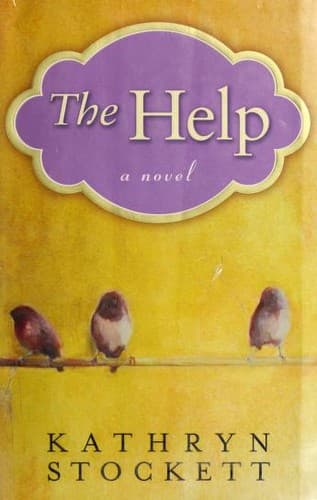
- The Help
Kathryn Stockett
4.5 (2.2M) average on GoodreadsHistorical FictionBoth are historical fiction set in the mid-20th century with community dynamics. However, Flagg's novel is less overtly confrontational regarding social issues like systemic racism. 'The Help' centers on a direct, challenging conflict against racial injustice, whereas 'Standing in the Rainbow' addresses social changes more subtly through individual character experiences and evolving norms within the community.
- To Kill a Mockingbird
Harper Lee
4.3 (4.5M) average on GoodreadsHistorical FictionIn the 1930s Jim Crow South, Harper Lee writes about racial injustice, moral growth, and the quiet courage of a lawyer father, Atticus Finch, as seen through his young daughter's eyes.
- The Great Gatsby
F. Scott Fitzgerald
3.9 (3.8M) average on GoodreadsHistorical FictionIn the opulent Roaring Twenties, a mysterious millionaire's lavish parties hide his desperate, tragic pursuit of a lost love, exposing the emptiness within the American Dream.





Enjoyed the summary?
A summary gives you the shape of the book. The book itself has the detail, the examples and the voice.
Find Standing in the Rainbow on AmazonAs an Amazon Associate, BookBrief earns from qualifying purchases. How we're funded