
Synopsis
Covers the whole plot, including the ending.
- Difficulty
- Easy
- Pacing
- Moderate
- Mood
- Introspective, anxious, resilient, mystical
Strife Plot Summary
Covers the whole plot, including the ending.
A Life Divided
Morgan, a young witch, is at a crossroads. Her parents don't know about or approve of her coven activities, and they are increasingly frustrated by her declining school performance and secretive behavior. They think she is just withdrawing and being rebellious, which causes frequent arguments and a tense home. At the same time, Morgan's coven, led by Hunter, faces more and more persecution. Rumors of witchcraft spread through their community, creating fear and urgency among the members. Morgan feels torn between her loyalty to her coven and the pressure from her family, which leads to great inner conflict and a growing sense of isolation.
The Gathering Storm
The persecution against the coven members grows from rumors to direct threats. Homes are vandalized, and members report being followed and harassed. Fear takes hold of the community, and paranoia begins, even among the coven members. Hunter, the coven leader, tries to keep order and guide them, but the growing external pressure tests even his resolve. Morgan sees how this affects her friends, which deepens her dread and helplessness. The once-secret meetings now feel like desperate gatherings as they try to plan and protect themselves from an unseen, yet increasingly bold, enemy.
A Friend in Danger
The witch hunt becomes personal when Morgan's friend, Bree, is targeted. Bree's home is vandalized with hateful symbols, and she is publicly shunned at school and in town. This deeply affects Morgan, making the threat feel immediate. She realizes the persecution is no longer a distant threat but a real danger to those she cares about. Morgan struggles with guilt and powerlessness, wishing she could do more to protect Bree and her coven members. The events force Morgan to face the harsh realities of their situation and the possible consequences of their beliefs.
Parental Intervention
Morgan's parents, worried by her continued secret behavior, poor grades, and recent late-night outings, ground her indefinitely. They take her phone and restrict her movements, hoping to make her focus on school and return to a 'normal' life. This further isolates Morgan from her coven at a time when they need to stick together. She feels trapped and misunderstood, unable to explain the true reasons for her actions without revealing her witchcraft, which she knows her parents would never accept. The grounding increases her feelings of helplessness and frustration, as she can only watch from afar as her friends face danger.
A Desperate Plea
During a secret meeting Morgan attends despite her grounding, Hunter speaks to the coven with a desperate plea for unity and strength. He acknowledges their fear and pressure but stresses the importance of not giving in to despair or turning on each other. Hunter reminds them of their shared purpose and the power they have when united. He outlines a plan for increased vigilance and careful communication, emphasizing the need for caution and secrecy in all their actions. Though his words offer some comfort, the tension and fear among the coven members are clear, reflecting their dire circumstances.
The Ritual of Protection
In an attempt to protect themselves and their community, the coven decides to perform a powerful protective ritual. Morgan, despite her parents' restrictions, manages to sneak out to join them. The ritual is conducted in a hidden location, at night, with each member contributing their energy and intent. They focus their will on creating a shield against the growing darkness and malice aimed at them. The atmosphere is a mix of hope and desperation as they pour their hearts into the spell, seeking comfort and strength in their shared magic. Morgan feels a renewed purpose and connection during the ritual, briefly forgetting her troubles.
Whispers of Betrayal
As the persecution continues despite their efforts, a new fear spreads within the coven: the possibility of a traitor. Small details about their private meetings and rituals seem to be leaking to their persecutors, leading to heightened paranoia and mistrust among members. Fingers are pointed, and old friendships are strained by suspicion. Morgan, though resistant to the idea at first, can't shake the unsettling feeling that someone close to them might be betraying their trust. The internal conflict adds another layer of danger to their already precarious situation, threatening to break the coven apart.
A Confrontation
Overwhelmed by pressure from both her family and the coven's growing troubles, Morgan finally breaks and confronts her parents. In a tearful and heated argument, she expresses her frustration with their inability to understand her, their constant criticism, and their restrictive rules. While she still cannot reveal the full truth about her magical life, she tries to convey the depth of her feelings and the importance of her friendships and beliefs. Her parents, though still confused and worried, are surprised by the intensity of her emotions. The confrontation is painful, but it marks a turning point in Morgan's realization that she needs to find her own strength.
Hunter's Revelation
During a particularly tense coven meeting, Hunter makes a somber revelation. He explains that the persecution they face is not just random hatred but part of an older conflict. He hints at forces that seek to suppress all forms of natural magic and spiritual connection. Hunter emphasizes that their struggle is not just about survival but about preserving their way of life and the essence of their beliefs. This revelation, while unsettling, also provides a broader context for their suffering, giving their fight more meaning. Morgan feels a renewed purpose, understanding that their battle is part of a larger, timeless struggle.
The Strength Within
Despite the dangers and personal problems, Morgan slowly begins to find a deeper inner strength. She realizes she cannot rely solely on Hunter or the coven for her sense of purpose or protection. The confrontations with her parents, the fear for Bree, and Hunter's revelations all help her grow self-reliant. Morgan starts to trust her instincts and her magic more. She practices her spells in secret, meditating and connecting with her inner power. This period marks a significant change in her character, as she moves from reacting out of fear to a more active stance of self-empowerment and conviction.
A New Path
With new clarity and strength, Morgan makes a decision about her future. She resolves to continue her path in magic, understanding that it is a part of who she is, regardless of the dangers. This does not mean abandoning her family, but finding a way to integrate her two worlds, or at least to live authentically within herself. She decides to be more deliberate and strategic in her practice, prioritizing her well-being and the safety of her coven. This decision is not born of defiance, but of a deep conviction and a commitment to her true self. She realizes that her strength is not in hiding, but in embracing her identity.
Hope Amidst Strife
As the story ends, the persecution against the coven has not entirely stopped, but a new resilience and determination has grown among its members. Morgan, now a stronger and more confident witch, is ready to face what comes next. The coven, though still facing challenges, is more united and resolute. They have learned to adapt and find strength in their shared purpose. While the 'strife' of their lives continues, there is a clear message of enduring hope and the power of community in the face of adversity. Morgan, having weathered the storm, is now better equipped to navigate her magical and everyday worlds.
Principal Figures
Morgan
Protagonist
A young witch caught between two worlds.
Morgan is a teenage witch deeply committed to her coven and the practice of magick. She is intelligent and sensitive but struggles with balancing her secret life with the expectations of her mundane parents. Initially, Morgan is somewhat naive and reactive, easily overwhelmed by the pressures from both her family and the escalating persecution against her coven. She cares deeply for her friends and is fiercely loyal, but her fear and self-doubt often leave her feeling helpless. Her internal conflict is a central focus of the narrative.
Relationships: Hunter (Mentor and coven leader); Bree (Close friend and fellow coven member); Morgan's Parents (Strained and misunderstood)
Hunter
Supporting
The enigmatic and wise leader of Morgan's coven.
Hunter is the calm and experienced leader of Morgan's coven. He possesses a deep understanding of magick and a strong sense of responsibility for his coven members. Hunter is often the voice of reason and strength, providing guidance and encouragement even in the face of immense danger. He is somewhat mysterious, hinting at a broader knowledge of ancient conflicts and the true nature of their persecution. Despite his wisdom, he too feels the weight of the threats against them, and his leadership is crucial in holding the coven together.
Relationships: Morgan (Mentor and guide); Coven Members (Leader and protector)
Bree
Supporting
Morgan's loyal and vulnerable best friend.
Bree is Morgan's best friend and a fellow member of the coven. She is loyal and supportive but also more vulnerable to the external pressures and fear of the witch hunt. Bree's direct targeting by the persecutors serves as a significant catalyst for Morgan's growing understanding of the danger. She represents the immediate human cost of the persecution, making the threat tangible and personal for Morgan. Bree's struggles highlight the real-world consequences faced by those who are different.
Relationships: Morgan (Close friend)
Morgan's Parents
Supporting
Well-meaning but misunderstanding figures of authority.
Morgan's parents are typical, concerned adults who are completely unaware of their daughter's involvement in magick. They are frustrated by Morgan's secretive behavior, her declining grades, and her withdrawal from family life. Their actions, such as grounding Morgan, stem from a place of love and concern for her well-being, though they are perceived as restrictive and unsupportive by Morgan. They represent the mundane world that Morgan struggles to reconcile with her magickal life, embodying the conflict between societal expectations and personal identity.
Relationships: Morgan (Parent-child, strained)
The Persecutors
Antagonist
The unseen and often nameless forces of fear and intolerance.
The persecutors are not a single individual but a collective force representing the fear, ignorance, and intolerance of the community towards those perceived as different. They operate through whispers, vandalism, ostracism, and direct threats. Their actions drive the central conflict of the story, creating an atmosphere of dread and danger for the coven. They embody the historical fear of witchcraft and the societal pressure to conform. Their anonymity often makes them more terrifying, as they represent a pervasive and insidious threat.
Relationships: Coven Members (Opponents and tormentors)
Themes & Insights
The Conflict of Identity
The central theme is Morgan's struggle to balance her identity as a witch with her family's and society's expectations. She is torn between her commitment to magic and the pressure to live a 'normal' life. This conflict shows the difficulty of living authentically when one's true self is misunderstood or feared. Morgan's journey is about finding a way to bring these two parts of her life together, or at least to find inner peace despite the external division.
“How could she explain to them what it felt like to be part of something so ancient and true, when they only saw a rebellious girl neglecting her homework?”
Persecution and Intolerance
The novel shows the fear and intolerance directed at those who are different, especially witches. The coven's increasing persecution—from whispers to threats and shunning—reflects the real consequences of prejudice and mob mentality. This theme explores how fear can make communities turn against their own, and how individuals must find strength and unity in the face of such adversity. It questions what 'normalcy' means and the dangers of conformity.
“The fear was a living thing, breathing down their necks, turning neighbor against neighbor.”
Finding Inner Strength
A significant theme is Morgan's journey to discover her own inner strength. Initially, she feels helpless and relies on her coven leader, Hunter. However, through personal trials, the danger to her friends, and arguments with her parents, Morgan realizes that true strength comes from within. This involves trusting her instincts, deepening her connection to her own magic, and making decisions based on her beliefs rather than fear. Her development shows how adversity can create a resilient spirit.
“She had to find the strength, not in Hunter's words, but in the quiet, insistent hum of her own power.”
The Power of Community and Belief
Despite internal and external pressures, the coven's resilience highlights the power of community and shared belief. The members draw strength from their collective identity, their rituals, and their mutual support. In a world that seeks to isolate and diminish them, their unity becomes a vital source of protection and hope. The theme explores how a shared spiritual path and a strong sense of belonging can empower individuals to face overwhelming odds, reinforcing that even in 'strife,' solidarity can prevail.
“They were not just individuals; they were a circle, and in that circle, they found their unbreakable strength.”
Plot Devices & Literary Techniques
Symbolism of the Coven
Represents belonging, power, and shared identity.
The coven itself serves as a powerful symbol. For Morgan, it represents her true self, her spiritual home, and a source of strength and belonging. It contrasts sharply with the restrictive and uncomprehending world of her parents. As the coven faces persecution, it symbolizes the enduring power of community and shared belief against external pressures. The coven's rituals and gatherings are not just plot points but symbolic acts of defiance and affirmation of their identity in a world that seeks to erase them.
The Witch Hunt
Drives conflict and represents societal intolerance.
The escalating 'witch hunt' is the primary external conflict driver. It serves as a plot device to intensify the stakes for Morgan and her coven, forcing them to confront their fears and solidify their resolve. Beyond its literal function, the witch hunt symbolizes broader societal intolerance and the dangers of prejudice against any group perceived as 'other.' It allows the author to explore themes of fear, misunderstanding, and the courage required to stand up for one's beliefs in the face of widespread condemnation.
Internal Monologue
Reveals Morgan's inner conflict and growth.
Morgan's extensive internal monologue is a crucial plot device for character development. It allows the reader direct access to her fears, doubts, frustrations, and ultimately, her growing resolve. This device highlights the central theme of identity conflict, as Morgan constantly grapples with her two worlds. Through her thoughts, the reader experiences her journey from helplessness to empowerment, making her transformation more intimate and believable. It underscores the emotional weight of her decisions and her search for self-acceptance.
Parental Misunderstanding
Creates internal and external conflict for Morgan.
The fundamental misunderstanding between Morgan and her parents acts as a significant plot device. It generates both external conflict (arguments, grounding) and internal conflict for Morgan, forcing her to navigate her two lives in secret. Their ignorance of her magickal world prevents them from offering the support she needs, pushing her further towards her coven and deepening her sense of isolation from her family. This device emphasizes the theme of identity and the struggle to be understood by those closest to you.
Quiz
10 questions on the plot and the characters. Each answer comes with a short explanation.
Question 1
What is the primary reason Morgan's parents are furious with her?
- She is spending too much time with her coven.
- She is neglecting her schoolwork.
- She is practicing forbidden magic.
- She is not attending coven meetings.
Show answer
B. She is neglecting her schoolwork. Morgan's parents are upset because her involvement in the world of magick has led her to neglect her studies.
Question 2
What is happening to the members of Morgan's coven?
- They are being celebrated for their powers.
- They are being persecuted.
- They are moving to a new location.
- They are disbanding their coven.
Show answer
B. They are being persecuted. The passage explicitly states that the members of her coven are being persecuted.
Question 3
What is Morgan's emotional state at the end of the provided text?
- She is calm and resolved.
- She is feeling empowered.
- She is falling to pieces.
- She is angry and defiant.
Show answer
C. She is falling to pieces. The text states, 'Morgan is falling to pieces,' indicating a state of distress.
Question 4
The book 'Strife' by Cate Tiernan is categorized as what genre?
- Science Fiction
- Fantasy
- Mystery
- Historical Fiction
Show answer
D. Historical Fiction The genre is explicitly stated in the prompt as 'Historical Fiction'.
Question 5
What central conflict does Morgan face in the story, based on the summary?
- A conflict between her passion for magick and her academic responsibilities.
- A conflict between her coven and the authorities.
- A conflict between her parents' expectations and her desire for independence.
- A conflict between her own magical abilities and her fear of them.
Show answer
A. A conflict between her passion for magick and her academic responsibilities. Morgan's primary struggle is balancing her deep involvement in magick with the demands of school, as highlighted by her parents' anger.
Question 6
The persecution of the coven members suggests a societal atmosphere that is likely:
- Tolerant and accepting of alternative spiritual practices.
- Fearful and suspicious of those who practice magick.
- Indifferent to religious and spiritual differences.
- Actively supportive of all magical traditions.
Show answer
B. Fearful and suspicious of those who practice magick. Persecution implies that the society views the coven's practices with hostility or fear.
Question 7
The question 'How can she find the strength she so desperately needs?' implies that Morgan's primary internal struggle is related to:
- Mastering her magical abilities.
- Understanding the history of her coven.
- Coping with overwhelming emotional and external pressures.
- Reconciling with her parents.
Show answer
C. Coping with overwhelming emotional and external pressures. The phrase 'falling to pieces' and the desperate need for strength suggest an internal struggle to cope with the multifaceted pressures she is facing.
Question 8
Given that the book is Historical Fiction and involves a coven being persecuted, what historical period might be a likely setting?
- A future utopian society.
- The Renaissance or the early modern period, known for witch trials.
- A modern-day, highly secularized society.
- Ancient Rome during its pagan era.
Show answer
B. The Renaissance or the early modern period, known for witch trials. Historical periods with significant persecution of individuals accused of witchcraft, such as the Renaissance and early modern periods, align with the theme of a persecuted coven.
Question 9
Morgan's 'involvement in the world of magick' suggests that this is not a superficial hobby but rather a significant aspect of her life, potentially implying:
- She is a reluctant participant in magical activities.
- Her engagement with magick is deep and possibly spiritual or identity-forming.
- She uses magick solely for academic gain.
- Magick is a recent discovery for her.
Show answer
B. Her engagement with magick is deep and possibly spiritual or identity-forming. The phrasing 'involved in the world of magick' implies a deep, possibly consuming, engagement that shapes her life and priorities, leading to conflict with other areas like school.
Question 10
The juxtaposition of Morgan's personal distress ('falling to pieces') with the external threat to her coven suggests a narrative that explores:
- The isolation of individuals within a community.
- The intersection of personal identity and collective struggle/oppression.
- The inevitability of societal progress over superstition.
- The separation of magical practice from real-world consequences.
Show answer
B. The intersection of personal identity and collective struggle/oppression. Morgan's personal breakdown is directly linked to the persecution of her coven, highlighting how societal issues and threats to her community impact her deeply and shape her sense of self and her need for strength.
Strife FAQ
What is the book 'Strife' by Cate Tiernan about?
'Strife' is a historical fiction novel that follows Morgan, a young woman deeply involved in the world of magic. Her dedication to her coven leads to conflict with her parents over her neglected studies and puts her and her fellow practitioners in danger as they face persecution.
Who is the main character in 'Strife'?
The main character is Morgan, a young woman who is passionate about magic and a member of a coven. She struggles to balance her magical life with her family's expectations and the external threats to her community.
What challenges does Morgan face in 'Strife'?
Morgan faces a multitude of challenges, including parental disapproval for neglecting her schoolwork due to her magical pursuits, and the persecution of her coven members. She also struggles internally with finding the strength to cope with these pressures.
What is the historical setting of 'Strife'?
While the exact historical period isn't explicitly stated in the synopsis, the themes of magic and persecution suggest a historical setting where such practices might have been viewed with suspicion or fear.
Is 'Strife' a fantasy book?
'Strife' is categorized as historical fiction, meaning it is set in the past and incorporates elements of magic and witchcraft within a historical context, rather than being pure fantasy.
What does 'Strife' mean in the context of the book?
The title 'Strife' refers to the intense conflict and struggle Morgan and her coven face. This includes internal struggles with personal choices and external struggles against persecution and societal disapproval.
What is a coven in 'Strife'?
In 'Strife,' a coven is a group of individuals who practice magic together. The book explores the bonds within this community and the dangers they face as a collective.
What themes are explored in 'Strife'?
Key themes in 'Strife' include the conflict between personal passion and societal expectations, the challenges of belonging to a marginalized group, finding inner strength, and the consequences of prejudice.
Who would enjoy reading 'Strife'?
Readers who enjoy historical fiction with elements of magic, stories about overcoming adversity, and narratives exploring themes of community and persecution are likely to enjoy 'Strife'.
How does Morgan find strength in 'Strife'?
The book follows Morgan's journey to find the strength she desperately needs. This likely involves drawing upon her connections to her coven, her own inner resilience, and potentially finding support from unexpected places.
Similar books
- The Alice Network
Kate Quinn
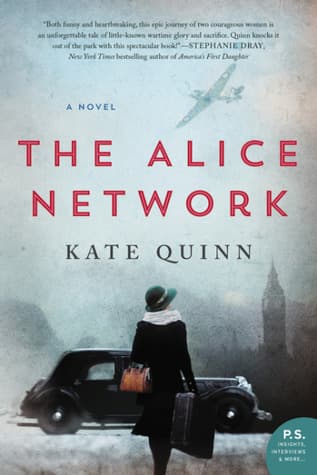
4.3 (245k) average on GoodreadsHistorical FictionBoth "Strife" and "The Alice Network" feature strong female protagonists navigating the complexities of war. However, Quinn's "The Alice Network" is a dual-timeline narrative spanning World War I and post-WWII, focusing on espionage and resistance, offering a more action-oriented and mystery-driven plot. "Strife," by contrast, is singularly focused on the Civil War and the home front, emphasizing the emotional and societal pressures rather than direct involvement in intelligence operations. While both showcase female resilience, "The Alice Network" presents women actively engaged in covert operations, whereas "Strife" highlights the quiet, often agonizing, strength of women enduring hardship and maintaining the fabric of society from afar.
- To Kill a Mockingbird
Harper Lee
4.3 (4.5M) average on GoodreadsHistorical FictionIn the 1930s Jim Crow South, Harper Lee writes about racial injustice, moral growth, and the quiet courage of a lawyer father, Atticus Finch, as seen through his young daughter's eyes.
- The Great Gatsby
F. Scott Fitzgerald
3.9 (3.8M) average on GoodreadsHistorical FictionIn the opulent Roaring Twenties, a mysterious millionaire's lavish parties hide his desperate, tragic pursuit of a lost love, exposing the emptiness within the American Dream.
- Pride and Prejudice
Jane Austen
4.3 (3M) average on GoodreadsHistorical FictionIn a society focused on status and money, Elizabeth Bennet navigates love and pride, challenging Mr. Darcy and social expectations to find true affection.
- Angels & Demons
Dan Brown
3.9 (2.7M) average on GoodreadsThrillerA Harvard symbologist races through Rome's ancient sites, deciphering cryptic clues to unmask the Illuminati and stop a vengeful plot to destroy the Vatican with a stolen antimatter weapon.
- The Kite Runner
Khaled Hosseini
4.3 (2.4M) average on GoodreadsHistorical FictionIn pre-Taliban Afghanistan, a wealthy boy's betrayal of his servant's son during a kite-running tournament starts a lifelong journey for amends as his country collapses.





Enjoyed the summary?
A summary gives you the shape of the book. The book itself has the detail, the examples and the voice.
Find Strife on AmazonAs an Amazon Associate, BookBrief earns from qualifying purchases. How we're funded