
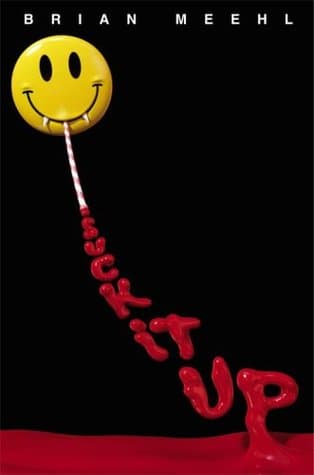
Synopsis
Covers the whole plot, including the ending.
- Difficulty
- Easy
- Pacing
- Moderate
- Mood
- Humorous, Thought-provoking, Hopeful, Lighthearted
- Read it if
- You're looking for a fresh, humorous take on vampire lore with a strong message about tolerance and civil rights.
- Skip it if
- You prefer traditional, darker vampire narratives or are not interested in allegorical stories about social prejudice.
Suck It Up Plot Summary
Covers the whole plot, including the ending.
The Big Reveal on 'Mortality Bites'
The story opens with Morning McCobb, a seemingly ordinary teenager, preparing for a big event: his appearance on the talk show 'Mortality Bites.' Hosted by the cynical Candy Corn, the show is known for its sensational topics. Morning, however, is not there to discuss teenage angst; he is there to reveal to the entire world that he is a vampire. He explains his vegan lifestyle, relying on a soy-based blood substitute called Blood Lite, and advocates for peaceful coexistence between mortals and 'mortality-challenged' individuals. His revelation sends shockwaves globally, challenging centuries of vampire lore and fear, and beginning a new era of human-vampire relations, or lack thereof.
Adjusting to the Spotlight and Stigma
After his 'Mortality Bites' appearance, Morning's life changes. He becomes an overnight sensation, both revered and reviled. His school, previously anonymous, is now a media circus, with reporters and protesters hounding him. He faces many questions, skepticism, and hostility from classmates and adults alike. Despite the pressure, Morning remains committed to his mission of promoting understanding and tolerance, even as he struggles with the personal cost of being the world's first openly vegan vampire. He finds some comfort in his online community of fellow 'veg-vamps.'
The Arrival of Stat and the Anti-Vampire Movement
As Morning's visibility grows, so does the opposition. A charismatic and zealous anti-vampire activist named Stat emerges, quickly becoming the face of a hate movement. Stat, through fiery speeches and media appearances, preaches fear and intolerance, portraying vampires as dangerous predators despite Morning's peaceful message. His rhetoric incites public panic and leads to increased discrimination against Morning and anyone perceived to be a vampire sympathizer. Stat's presence escalates the tension, forcing Morning to confront not just skepticism, but active, organized hatred.
Morning's First Crush: The Mortal Kate
Amidst the chaos of his public life, Morning finds himself drawn to Kate, a mortal girl at his school. Kate, initially cautious, slowly begins to see past the media frenzy and Morning's 'mortality-challenged' status, recognizing his sincerity and kindness. Their budding romance faces challenges, from the social stigma of a human-vampire relationship to the practical difficulties of their differing natures. Morning struggles with the fear of accidentally harming Kate and the constant pressure from those who believe their relationship is unnatural or dangerous. This connection adds a personal dimension to Morning's struggle for acceptance.
The 'Vampire Pride Parade' Initiative
Inspired by his desire for a more tolerant world, Morning, along with his supportive family and a growing network of allies, begins to organize a 'Vampire Pride Parade.' The parade is meant to be a peaceful demonstration, a public display of solidarity for vampires and a call for equal rights and understanding. This initiative faces resistance from Stat and his followers, who vow to disrupt it. The planning of the parade becomes a focal point of the conflict, symbolizing Morning's commitment to his cause and the growing divide between those who embrace diversity and those who fear it.
The Attack on Morning's Home
Tensions reach a boiling point when Morning's home is attacked by a group of anti-vampire extremists, presumably incited by Stat's rhetoric. The attack, which causes property damage and instills fear, is a reminder of the real dangers Morning and his family face. This event strengthens Morning's resolve to continue his fight for acceptance, but also highlights the personal sacrifices and threats involved. It forces him and his family to confront the immediate, physical consequences of his public stance, making the abstract struggle for rights concrete and dangerous.
Kate's Stand and Public Support
Seeing the escalating prejudice and the attack on Morning's home, Kate makes a decision. She publicly declares her support for Morning and the vampire community, speaking out against Stat's hate speech. Her actions, while drawing the ire of anti-vampire groups and some of her own peers, also inspire others to reconsider their prejudices. Kate becomes an important bridge between the mortal and vampire worlds, demonstrating that empathy and understanding can transcend fear. Her bravery provides a moral boost to Morning and his movement, showing that not all mortals are hostile.
The Eve of the Parade and Growing Tensions
The days leading up to the 'Vampire Pride Parade' are filled with anxiety and anticipation. Morning and his allies work to finalize arrangements, while Stat's organization mobilizes its forces, planning counter-protests and disruptions. Media coverage intensifies, with commentators debating the implications of the parade and the broader issue of vampire rights. The city is on edge, knowing that the event could be a triumph for tolerance or a catalyst for further conflict. Morning feels the weight of expectation and the potential for violence, but remains determined.
The Vampire Pride Parade: Confrontation and Resolution
The 'Vampire Pride Parade' unfolds in a tense atmosphere. Morning, Kate, and their supporters march, facing down Stat's vocal and aggressive counter-protesters. A confrontation occurs, but through Morning's commitment to non-violence and the intervention of sympathetic mortals, the situation is diffused without major bloodshed. The event, despite the challenges, conveys its message of peace and acceptance. This moment is a turning point, forcing both sides to acknowledge the need for dialogue and demonstrating the power of collective action and moral fortitude in the face of prejudice.
Aftermath and a Glimmer of Hope
After the parade, public opinion begins to shift, albeit slowly. While prejudice does not disappear overnight, Morning's stand and the peaceful nature of the demonstration resonate with many. Stat's extreme views are increasingly marginalized. Morning and Kate continue their relationship, a symbol of hope for human-vampire coexistence. The book concludes with Morning continuing his advocacy, envisioning a future where vampires and mortals can live together in harmony, demonstrating that progress, though difficult, is possible through perseverance and empathy. The world is still learning to 'suck it up.'
Principal Figures
Morning McCobb
Protagonist
The world's first openly vegan vampire advocating for tolerance.
Morning McCobb is a compassionate and idealistic teenage vampire who believes in peaceful coexistence. Unlike traditional vampires, he's a vegan, subsisting on Blood Lite, a soy-based blood substitute. He possesses an unwavering moral compass and a deep desire for acceptance, not just for himself but for all 'mortality-challenged' individuals. Despite facing immense ridicule, fear, and even violence, he remains committed to his mission of building bridges between mortals and vampires. He's thoughtful, articulate, and surprisingly resilient, even when the weight of the world's prejudice rests on his shoulders.
Relationships: Kate (Romantic interest, mortal ally); His Family (Supportive and loving family unit); Stat (Arch-nemesis, leader of anti-vampire movement)
Kate
Supporting
Morning's mortal love interest and a brave ally for vampire rights.
Kate is a spirited and empathetic mortal girl who initially approaches Morning with curiosity and eventually develops deep affection for him. She possesses a strong sense of justice and is willing to challenge societal prejudices, even when it puts her at odds with her peers and family. Her growing love for Morning inspires her to publicly stand up against the anti-vampire movement, demonstrating remarkable courage and conviction. She serves as a crucial bridge between the mortal and vampire worlds, proving that love and understanding can overcome fear and ignorance.
Relationships: Morning McCobb (Romantic interest); Her Peers (Some supportive, some critical of her relationship with Morning)
Stat
Antagonist
The charismatic and hateful leader of the anti-vampire movement.
Stat is the primary antagonist, a charismatic and manipulative figure who capitalizes on public fear to fuel his anti-vampire agenda. He uses inflammatory rhetoric and fear-mongering tactics to demonize Morning and the entire vampire community, portraying them as dangerous threats to humanity. Stat is driven by an intense prejudice and a desire for power, effectively mobilizing a large following against Morning's message of tolerance. He represents the entrenched bigotry and resistance to change that Morning must overcome, making him a formidable and dangerous adversary.
Relationships: Morning McCobb (Ideological and personal enemy); His Followers (Leader of anti-vampire extremist group)
Candy Corn
Supporting
The cynical talk show host who gives Morning his platform.
Candy Corn is the host of 'Mortality Bites,' the talk show where Morning first reveals his vampirism. She is initially portrayed as cynical and sensationalistic, more interested in ratings than genuine understanding. However, as the story progresses, she occasionally shows glimpses of a more nuanced perspective, acting as a mirror to public opinion. While not fully converted to Morning's cause, her show's platform is instrumental in bringing Morning's message to a global audience, even if her motives are primarily driven by entertainment value.
Relationships: Morning McCobb (Interviewer/subject relationship)
Morning's Parents
Supporting
Morning's incredibly supportive and understanding vampire parents.
Morning's parents are a beacon of unconditional love and support. They are also vegan vampires and fully embrace Morning's decision to come out publicly, despite the risks involved. They provide a stable and loving home environment, offering emotional support, practical advice, and a safe haven from the outside world's prejudice. Their presence highlights the idea that vampires are not monstrous but can be loving, family-oriented individuals, challenging traditional vampire stereotypes. They are Morning's biggest cheerleaders and a constant source of strength.
Relationships: Morning McCobb (Loving and supportive parents)
Mr. Grimsley
Supporting
Morning's understanding school principal.
Mr. Grimsley is the principal of Morning's high school. While initially overwhelmed by the media circus surrounding Morning's revelation, he tries his best to maintain order and protect his students. He represents the more open-minded segment of the mortal authority figures, struggling to balance the demands of public safety with the need for tolerance and fairness. His actions, while sometimes hesitant, show an effort to accommodate Morning and ensure his safety within the school environment, demonstrating a willingness to adapt to unprecedented circumstances.
Relationships: Morning McCobb (Student/principal relationship)
Themes & Insights
Tolerance and Acceptance
The central theme is the struggle for tolerance and acceptance of those who are different. Morning McCobb's journey as an openly vegan vampire mirrors real-world civil rights movements, advocating for the rights and understanding of a marginalized group. The book explores the prejudice Morning faces, from public ridicule to violent attacks, and the importance of empathy in overcoming fear. The 'Vampire Pride Parade' symbolizes this fight for recognition and the right to exist peacefully, highlighting that 'difference' does not equate to 'danger' if given the chance.
“Before I wrote this book I thought all vampires were night-stalking, fang-popping, bloodsucking fiends. Then I met Morning McCobb. He's a vegan vampire who drinks a soy-blood substitute called Blood Lite. He believes staking should be a hate crime. And someday he hopes to march in a Vampire Pride Parade.”
Prejudice and Discrimination
This theme shows through the immediate and intense backlash Morning faces after coming out as a vampire. Stat, the primary antagonist, embodies prejudice, inciting fear and hatred against vampires through misinformation and demagoguery. The attacks on Morning's home and the organized counter-protests at the 'Vampire Pride Parade' illustrate the dangers of unchecked discrimination. The narrative demonstrates how easily fear of the unknown can be exploited to create division and violence, forcing characters like Morning and Kate to confront deep-seated biases.
“He was also the first vampire to out himself and try to show people of mortality, like you and me, that vampires are just another minority with special needs.”
Identity and Self-Acceptance
Morning's decision to publicly out himself as a vegan vampire is an act of self-acceptance and a challenge to societal norms. He redefines what it means to be a vampire, rejecting the traditional monstrous image in favor of a peaceful, ethical existence. His struggle is not just for public acceptance but also for the right to define his own identity on his own terms. His relationship with Kate explores this, as he deals with how his identity impacts his personal life, ultimately finding strength in being true to himself despite external pressures.
“As my buddy Morning says, 'Pop the lid, and suck it up.'”
The Power of Media and Public Opinion
The story relies on the role of media, from Morning's initial appearance on 'Mortality Bites' to the constant news coverage surrounding his life and the 'Vampire Pride Parade.' The media is a double-edged sword: it gives Morning a platform to spread his message, but it also amplifies the voices of his detractors like Stat. The narrative illustrates how public opinion can be swayed by both genuine appeals for understanding and by fear-mongering, highlighting the responsibility that comes with public platforms and the constant battle for hearts and minds.
“He was also the first vampire to out himself and try to show people of mortality, like you and me, that vampires are just another minority with special needs. Trust me—this is like no other vampire book you’ll ever feed on.”
Plot Devices & Literary Techniques
Vegan Vampirism / Blood Lite
A dietary choice that redefines vampire nature and enables coexistence.
The concept of vegan vampirism, specifically Morning's reliance on 'Blood Lite' (a soy-based blood substitute), is a pivotal plot device. It directly challenges the traditional, bloodthirsty image of vampires, making Morning's message of peaceful coexistence believable and relatable. This dietary choice removes the inherent threat vampires pose to mortals, allowing for the exploration of prejudice based solely on identity rather than immediate danger. It's the foundation upon which Morning's entire advocacy is built, making him a 'safe' and sympathetic figure despite his supernatural nature.
'Mortality Bites' Talk Show
A public platform for Morning's revelation and a microcosm of public opinion.
The talk show 'Mortality Bites' serves as the initial catalyst for the entire plot. It provides Morning with a global stage to make his unprecedented revelation, immediately thrusting him into the spotlight. The show itself, with its sensationalist host Candy Corn, also acts as a mirror to public opinion, reflecting initial shock, skepticism, and the eventual polarization of views. It's a key narrative engine for introducing conflict and disseminating information (and misinformation) to the wider world, driving the plot forward through media exposure.
'Vampire Pride Parade'
A symbolic event for civil rights and a focal point for conflict.
The 'Vampire Pride Parade' is more than just an event; it's a powerful symbol and a major plot driver. It embodies Morning's ultimate goal of acceptance and equal rights, drawing parallels to real-world LGBTQ+ and civil rights movements. The planning and execution of the parade create a natural build-up of tension, bringing all the story's conflicts to a head. It forces a direct confrontation between Morning's message of tolerance and Stat's hate, serving as the climax where the themes of prejudice, acceptance, and identity are most acutely tested.
Suck It Up Quotes
“When you're a vampire, you have to learn to suck it up. Literally. And figuratively.”
“Being undead doesn't mean you stop living. It just means you have to find new ways to do it.”
“The hardest part wasn't the blood, it was the loneliness.”
“Love, it turns out, is even more complicated when you can't go out in the sun.”
“Sometimes the biggest monsters are the ones you can't see.”
“You can't choose your family, but you can choose what kind of vampire you're going to be.”
“Even eternal life feels short when you're waiting for something you can't have.”
“The world keeps spinning, even if you're stuck in the dark.”
“Being different doesn't make you wrong. It just makes you, well, different.”
“A good disguise is more than just clothes; it's a whole new way of being.”
“There are some things even a vampire can't outrun, like destiny. Or true love.”
“The night isn't just for sleeping; it's for living, really living.”
“Sometimes, the only way to protect what you love is to keep it at a distance.”
“Every bite is a choice. A choice to take, or a choice to connect.”
Quiz
10 questions on the plot and the characters. Each answer comes with a short explanation.
Question 1
What is Morning McCobb's dietary preference as a vampire?
- Human blood
- Animal blood
- A soy-blood substitute called Blood Lite
- Only garlic bread
Show answer
C. A soy-blood substitute called Blood Lite Morning McCobb is a vegan vampire who drinks a soy-blood substitute called Blood Lite, setting him apart from traditional vampires.
Question 2
What is Morning McCobb's stance on 'staking' other vampires?
- He believes it's a necessary evil for population control.
- He believes it should be a hate crime.
- He thinks it's a valid form of self-defense.
- He actively participates in staking ceremonies.
Show answer
B. He believes it should be a hate crime. Morning McCobb believes that staking should be considered a hate crime, reinforcing his non-violent and inclusive perspective.
Question 3
What does Morning McCobb hope to do someday to promote vampire rights?
- Start a vampire-only government.
- Lead a vampire invasion.
- March in a Vampire Pride Parade.
- Establish a secret vampire society.
Show answer
C. March in a Vampire Pride Parade. Morning McCobb's ambition is to march in a Vampire Pride Parade, advocating for vampires as a minority group with special needs.
Question 4
What significant action did Morning McCobb take to bridge the gap between vampires and mortals?
- He secretly converted mortals into vampires.
- He invented a device to make vampires visible in daylight.
- He was the first vampire to 'out himself' and publicly advocate for vampire acceptance.
- He wrote a best-selling book on vampire history.
Show answer
C. He was the first vampire to 'out himself' and publicly advocate for vampire acceptance. The book description states that Morning McCobb was the first vampire to 'out himself' and try to show mortals that vampires are just another minority.
Question 5
According to the author, what was his initial perception of all vampires before meeting Morning McCobb?
- They were all friendly and misunderstood.
- They were night-stalking, fang-popping, bloodsucking fiends.
- They were sophisticated and cultured beings.
- They were mostly fictional characters.
Show answer
B. They were night-stalking, fang-popping, bloodsucking fiends. The author explicitly states, 'Before I wrote this book I thought all vampires were night-stalking, fang-popping, bloodsucking fiends.'
Question 6
What is the primary theme the book aims to explore regarding vampires?
- The traditional horror and fear associated with vampires.
- Vampires as a minority group with special needs, deserving of understanding.
- The secret history of ancient vampire covens.
- The scientific explanation behind vampirism.
Show answer
B. Vampires as a minority group with special needs, deserving of understanding. The book aims to show that 'vampires are just another minority with special needs,' promoting a theme of acceptance and understanding.
Question 7
What is the significance of the phrase 'Pop the lid, and suck it up' as quoted by Morning McCobb?
- It's a literal instruction for opening a coffin.
- It's a metaphor for accepting new ideas and consuming the story.
- It refers to a specific vampire ritual.
- It's a coded message for other vampires.
Show answer
B. It's a metaphor for accepting new ideas and consuming the story. The phrase 'Pop the lid, and suck it up' is used by Morning McCobb as an invitation to engage with and accept the unique perspective offered by the book, akin to 'feeding on' the story.
Question 8
How does 'Suck It Up' primarily differentiate itself from other vampire stories, according to the description?
- It features a traditional, evil vampire protagonist.
- It focuses on a vegan vampire who advocates for vampire rights and acceptance.
- It's a historical account of ancient vampire clans.
- It's a guide on how to hunt and defeat vampires.
Show answer
B. It focuses on a vegan vampire who advocates for vampire rights and acceptance. The description emphasizes that Morning McCobb is a vegan vampire who believes in acceptance and pride, making it 'like no other vampire book you'll ever feed on.'
Question 9
What kind of audience is the book primarily targeting, based on the provided genre information?
- Elderly readers interested in classic horror.
- Young Adult readers interested in fantasy and romance with a unique twist.
- Academic scholars studying folklore.
- Children learning about mythology.
Show answer
B. Young Adult readers interested in fantasy and romance with a unique twist. The genre is explicitly listed as 'Fantasy, Young Adult, Romance,' indicating a primary target audience of young adult readers.
Question 10
The description suggests a shift in the author's perspective on vampires. What does this imply about the book's narrative approach?
- The book will reinforce traditional vampire tropes without question.
- The book aims to challenge preconceived notions about vampires and offer a fresh, empathetic perspective.
- The book is a comedic parody of vampire stories with no serious undertones.
- The book is a cautionary tale against befriending supernatural beings.
Show answer
B. The book aims to challenge preconceived notions about vampires and offer a fresh, empathetic perspective. The author's changed perspective ('Then I met Morning McCobb') implies the book will challenge traditional vampire narratives, offering a more nuanced and empathetic view of vampires as a minority group.
Suck It Up FAQ
What is the central premise of 'Suck It Up'?
'Suck It Up' introduces Morning McCobb, a vegan vampire who drinks a soy-blood substitute called Blood Lite. He is the first vampire to publicly 'out' himself, aiming to demonstrate to mortals that vampires are a minority group with special needs, challenging traditional bloodsucking vampire tropes.
Who is Morning McCobb and what makes him unique among vampires?
Morning McCobb is the protagonist, a vegan vampire who consumes Blood Lite instead of human blood. He advocates for vampire rights, believing staking should be a hate crime and hoping for a Vampire Pride Parade, fundamentally redefining what it means to be a vampire in his world.
What is 'Blood Lite' and what is its significance in the story?
Blood Lite is a soy-blood substitute that Morning McCobb drinks, allowing him to be a vegan vampire. Its existence is crucial as it enables vampires to abstain from preying on humans, forming the basis for Morning's argument that vampires can coexist peacefully with mortals.
How does Morning McCobb attempt to bridge the gap between vampires and mortals?
Morning McCobb attempts to bridge the gap by publicly 'outing' himself as a vampire and actively campaigning for their acceptance. He seeks to reframe the public perception of vampires from monstrous predators to a minority group deserving of understanding and rights, promoting peaceful coexistence.
What kind of challenges does Morning McCobb face as the first 'out' vampire?
Morning McCobb likely faces significant prejudice, fear, and misunderstanding from the mortal community. He would also contend with skepticism and potentially hostility from traditionalist vampires who might disagree with his public activism and vegan lifestyle, challenging established norms.
Are there other vampires in the story who share Morning's progressive views, or is he largely alone?
The synopsis suggests Morning is a pioneer, being the 'first vampire to out himself.' This implies he might initially be a solitary figure in his advocacy, though the narrative would likely explore whether he finds allies or faces opposition from within the vampire community.
Does the book explore the origins of Blood Lite or how it became a viable substitute for traditional blood?
While the synopsis highlights Blood Lite's existence, it doesn't detail its origins. The book likely delves into this, perhaps exploring the scientific innovation behind it or the cultural shift among vampires that led to its adoption by some, like Morning.
Is there a specific antagonist, or is the primary conflict focused on societal prejudice against vampires?
The primary conflict seems to revolve around challenging societal prejudice and stereotypes against vampires. While there might be specific individuals or groups opposing Morning's movement, the overarching antagonist appears to be ingrained fear and misunderstanding.
How does the 'Vampire Pride Parade' concept evolve throughout the narrative?
The 'Vampire Pride Parade' is presented as Morning's future hope, indicating a long-term goal for vampire acceptance. The narrative would likely track the progress and setbacks towards achieving such a public demonstration, symbolizing the broader fight for equality and visibility.
What psychological impact does 'outing' himself have on Morning McCobb?
Morning McCobb likely experiences immense pressure and vulnerability, balancing his personal identity with his role as a public figure. He probably grapples with fear of rejection, the burden of representation, and the psychological toll of challenging deeply entrenched societal norms.
How does the concept of 'staking as a hate crime' reflect Morning's psychological state and his aspirations?
Morning's belief that staking should be a hate crime reveals his deep desire for vampires to be recognized as sentient beings deserving of legal protection and respect. It reflects his psychological need for safety, dignity, and a world where his kind is not targeted for their nature.
Does the book explore the psychological effects of being a 'minority with special needs' from a vampire's perspective?
Yes, the book would likely delve into the internal struggles of vampires as a minority group. It could explore feelings of otherness, the weight of historical prejudice, and the psychological burden of constantly having to justify their existence and prove they are not monsters.
How might the human characters' initial reactions to Morning McCobb's public declaration evolve psychologically?
Human characters would likely move from initial shock and fear to a range of reactions, including skepticism, curiosity, empathy, or continued hostility. Their psychological journeys would involve confronting their own biases and re-evaluating long-held beliefs about vampires, potentially leading to understanding or further entrenchment.
What broader societal commentary does 'Suck It Up' offer through its vampire narrative?
'Suck It Up' uses the vampire narrative as an allegory for real-world minority experiences, offering commentary on prejudice, acceptance, and the fight for civil rights. It challenges readers to reconsider their biases and empathize with those perceived as 'other.'
Is the romance aspect of the book primarily between Morning and a mortal, or another vampire, and what does this choice signify?
The synopsis doesn't specify the nature of the romance, but if it's between Morning and a mortal, it would symbolize the ultimate bridge-building between species. If it's with another vampire, it might explore internal community dynamics and shared struggles, highlighting different facets of acceptance.
How does the title 'Suck It Up' function as a double entendre in the context of the story?
The title 'Suck It Up' cleverly plays on the traditional vampire act of bloodsucking, while also implying the idiom of enduring hardship or accepting an unpleasant truth. It encourages readers to 'suck up' their preconceived notions about vampires and accept Morning's new reality.
Does the book suggest that all vampires can or should become vegan, or is Morning's choice a personal one that paves a path for others?
Morning's veganism seems to be a personal choice that enables his activism and promotes a path for peaceful coexistence. The book likely explores whether this is a universal expectation for 'out' vampires or simply one viable option, allowing for diverse vampire identities.
What is the implied message about identity and self-acceptance that Morning McCobb embodies?
Morning McCobb embodies a powerful message about embracing one's true identity, even when it defies societal expectations and personal history. His journey is about self-acceptance, not hiding who he is, and advocating for the right for all vampires to live authentically and without fear.
Similar books
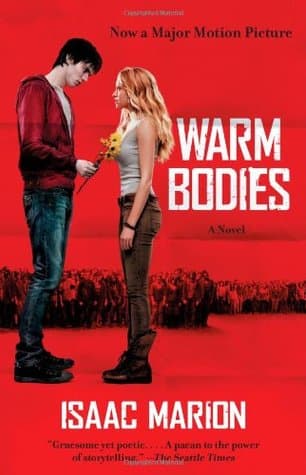
- Warm Bodies
Isaac Marion
3.9 (99k) average on GoodreadsFantasyFeatures a non-traditional monster protagonist trying to bridge the gap between their kind and humans, with elements of romance.
- Twilight
Stephenie Meyer
3.9 (842) average on GoodreadsLiterary FictionSuck It Up offers a stark contrast to Stephenie Meyer's Twilight. While both feature vampire-human romance in a YA setting, Twilight focuses heavily on the romantic melodrama and supernatural angst, with vampires largely existing in secret or as an established, albeit dangerous, part of society. Meehl's novel, however, thrusts vampires into the public eye, using the genre to dissect societal reactions to the 'other' and the fight for civil rights, making it far more socially conscious and satirical than Meyer's more traditional fantasy romance. The 'otherness' in Twilight is often a source of longing and mystery; in Suck It Up, it's a source of public panic and prejudice.
- Harry Potter and the Sorcerer's Stone
J.K. Rowling
4.5 (7M) average on GoodreadsFantasyRescued from a miserable life under the stairs, an orphaned boy discovers he's a wizard destined for a magical school, where he uncovers a dangerous secret tied to the dark wizard who murdered his parents.
- The Hunger Games
Suzanne Collins
4.3 (6.4M) average on GoodreadsFantasyIn a future where children fight to the death on live television, Katniss Everdeen volunteers for the arena, turning a death sentence into a fight for survival and a spark of rebellion.
- 1984
George Orwell
4.2 (3.1M) average on GoodreadsPoliticsIn a future where surveillance and thought control are absolute, a man's search for truth clashes with the Party, showing that hope can be a form of rebellion.
- Divergent
Veronica Roth
4.2 (2.9M) average on GoodreadsFantasyIn a society divided by virtues, a sixteen-year-old's difference from the norm starts a rebellion that threatens her world.




Enjoyed the summary?
A summary gives you the shape of the book. The book itself has the detail, the examples and the voice.
Find Suck It Up on AmazonAs an Amazon Associate, BookBrief earns from qualifying purchases. How we're funded