

Synopsis
Covers the whole plot, including the ending.
- Difficulty
- Easy
- Pacing
- Moderate
- Mood
- Heartwarming, Gentle, Cheerful, Adventurous
- Read it if
- You love heartwarming stories about animal protagonists, gentle adventures, and themes of friendship and adjusting to new experiences.
- Skip it if
- You prefer high-stakes fantasy or complex plots, or are not a fan of stories told from an animal's perspective.
Summer According to Humphrey Plot Summary
Covers the whole plot, including the ending.
School's Out! Humphrey's Summer Surprise
As the school year at Longfellow School ends, Humphrey, the classroom hamster of Room 26, worries about summer vacation. He loves his classroom and the children, and the thought of being alone or forgotten makes him anxious. To his relief, Ms. Mac announces that he and Og, the classroom frog, will go to Camp Happy Hollow with her and several students from Room 26 for the summer. This news changes Humphrey's apprehension into excitement. He looks forward to new adventures and continuing to help his friends, even outside the classroom. He prepares for the trip, making sure he has his notebook and pencil ready for any new observations and advice he might need to give.
Arriving at Camp Happy Hollow
Upon arrival at Camp Happy Hollow, Humphrey is placed in Cabin 12 with Ms. Mac and a group of Room 26 students, including Gail, Kirk, and Miranda, who are a bit hesitant about camp life. Og is housed in a separate cabin, Cabin 13, which makes Humphrey a little sad. Humphrey quickly begins to observe the children and their struggles, such as Gail's shyness and Kirk's difficulty making friends. During his first night, Humphrey meets a wild mouse named Wally. Wally, initially wary, becomes a friendly guide for Humphrey, sharing insights about the camp and the surrounding woods, and teaching Humphrey about the differences between wild and domesticated animal lives. This new friendship gives Humphrey a sense of belonging in the unfamiliar wilderness.
Gail's Homesickness and Kirk's Shyness
Gail struggles with homesickness, often calling her mom and feeling left out. Humphrey observes her sadness and tries to offer comfort and distraction. He notices that Gail enjoys drawing, and he encourages her to participate in camp activities. Meanwhile, Kirk, who is usually talkative in school, becomes quiet at camp, finding it hard to connect with the other boys in his cabin. Humphrey makes an effort to visit Kirk's cabin during his nightly explorations, leaving small notes or performing little actions to try and boost Kirk's confidence and encourage him to open up. Humphrey's presence provides quiet support for both children as they navigate their initial camp challenges.
Og Goes Missing
One evening, Humphrey discovers that Og is missing from his terrarium in Cabin 13. He knows the dangers of the outdoors for a classroom frog. He immediately asks Wally for help to search for his amphibian friend. Wally, with his knowledge of the camp grounds and the surrounding nature, becomes an ally in the search. They search the area around Cabin 13, the mess hall, and the path to the lake, following any small lead they can find. Humphrey wants to find Og, remembering their shared experiences in Room 26 and the responsibility he feels for his friend's well-being in an unfamiliar and potentially dangerous environment.
The Search Continues to the Lake
Humphrey and Wally's search for Og leads them closer to the camp's lake. Wally's keen senses and understanding of animal behavior help as they follow faint trails and listen for sounds. Humphrey worries that Og might be in danger from predators or simply unable to survive outside his controlled environment. When they reach the edge of the lake, they discover Og not in distress, but enjoying himself in the natural habitat, surrounded by other frogs and seemingly thriving. Humphrey is relieved but also a bit bewildered by Og's sudden adaptation to the wild, realizing that perhaps Og's needs are different from his own.
Og's Choice and Return
Humphrey is torn. Og seems happy in the lake, but Humphrey knows Ms. Mac and the children would be sad if he didn't return. Using his ability to understand human speech, Humphrey 'communicates' with Og. He reminds Og of the children, Ms. Mac, and their life in Room 26, emphasizing the love and care they receive. Og, after thinking, decides to return to camp. Humphrey guides him back, feeling relief and understanding for Og's desire for freedom. Their reunion at the cabin is a joyous one for Ms. Mac and the children, who had been worried.
Humphrey Helps with Friendship Challenges
Throughout the rest of the camp session, Humphrey continues his nightly explorations, often visiting different cabins. He notices Miranda struggling to make friends and feeling left out. He also observes other children having minor conflicts or feeling isolated. Humphrey, in his small but impactful ways, tries to help them connect. He might leave a small note near two children who could benefit from talking, or subtly nudge a shared activity into their path. For instance, he encourages Gail to share her drawings, which helps her connect with another girl who also loves art. His silent interventions help the children navigate the social complexities of camp life, making new friends and resolving small misunderstandings.
The Talent Show and Farewell
As the final days of camp approach, the campers prepare for a talent show. Gail, initially shy, decides to participate by drawing a picture to share. Kirk finds his place, having made a few friends and feeling more comfortable. Humphrey feels a sense of accomplishment watching the children thrive. Before leaving, Humphrey says goodbye to Wally. They reflect on their unlikely friendship and the adventures they shared. Wally expresses his gratitude for Humphrey's understanding of the wild, and Humphrey appreciates Wally's guidance. It's a bittersweet moment, as Humphrey will miss his wild friend, but he also looks forward to returning to school.
Returning Home to Room 26
When summer camp ends, Humphrey and Og return to Longfellow School and Room 26. Humphrey is happy to be back in his familiar cage, surrounded by the comforting sounds and smells of his classroom. He reflects on his summer adventures, the challenges he faced, and the friendships he helped make. He feels a renewed sense of purpose, knowing that even outside the classroom, he can make a difference in the lives of the children. Og, too, seems content, perhaps having satisfied his craving for the wild. Humphrey looks forward to the new school year, ready to continue his role as the classroom hamster, equipped with new experiences and a deeper understanding of the world beyond his cage.
Summer According to Humphrey Characters
Humphrey
Protagonist
The intelligent and empathetic classroom hamster of Room 26.
Humphrey is the highly observant and thoughtful classroom hamster for Room 26 at Longfellow School. He can understand human speech and takes notes in his tiny notebook, using his unique perspective to help the children and adults around him. He is deeply empathetic, always striving to solve problems, alleviate loneliness, and foster friendships among the students. His main drives are to be useful, to keep his friends happy, and to understand the world around him. At camp, he is initially anxious about the change but quickly adapts, making new friends and continuing his role as a helper.
Relationships: Og (Best friend and fellow classroom pet); Ms. Mac (Caretaker and teacher); Wally (Wild mouse friend and guide); Gail (Student he helps with homesickness); Kirk (Student he helps with shyness)
Og
Supporting
The quiet, philosophical classroom frog.
Og is the classroom frog in Room 26, a calm and often silent presence. While he doesn't communicate in the same way as Humphrey, he often offers a quiet, contemplative foil to Humphrey's busy thoughts. In 'Summer According to Humphrey,' Og experiences a significant moment of self-discovery when he escapes to the lake, embracing his natural instincts and finding joy in the wild. Despite his temporary foray into freedom, he ultimately chooses to return to his life with Humphrey and the children, showing a connection to his 'tame' life.
Relationships: Humphrey (Best friend and fellow classroom pet); Ms. Mac (Caretaker)
Ms. Mac
Supporting
The kind and understanding teacher of Room 26.
Ms. Mac is the dedicated and caring teacher of Room 26. She genuinely loves her students and her classroom pets, Humphrey and Og. She is observant and tries her best to understand the children's needs, though she sometimes misses the subtle cues that Humphrey picks up on. Her decision to bring Humphrey and Og to camp demonstrates her commitment to their well-being and her belief in the positive influence they have on the children. She provides a stable and loving environment for the pets and the students, both in school and at camp.
Relationships: Humphrey (Pet owner/caretaker); Og (Pet owner/caretaker); Room 26 Students (Teacher and mentor)
Wally
Supporting
A friendly and knowledgeable wild mouse Humphrey meets at camp.
Wally is a wild mouse who befriends Humphrey at Camp Happy Hollow. He is initially cautious but quickly becomes a valuable guide and friend to Humphrey, sharing his knowledge of the wilderness and the camp grounds. Wally represents the wild, free spirit, contrasting with Humphrey's domesticated nature. He helps Humphrey search for Og and offers a different perspective on life and survival, expanding Humphrey's understanding of the world beyond his cage. Wally is resourceful and brave, navigating the dangers of the outdoors with ease.
Relationships: Humphrey (Friend and guide)
Gail
Supporting
A shy Room 26 student struggling with homesickness at camp.
Gail is one of the students from Room 26 who attends Camp Happy Hollow. She is initially very shy and suffers from severe homesickness, frequently calling her mother and feeling isolated from the other campers. Humphrey observes her struggles and subtly helps her to overcome her shyness and engage in camp activities. With Humphrey's influence, Gail begins to open up, share her artistic talents, and eventually makes friends, becoming more confident and enjoying her camp experience.
Relationships: Humphrey (Student he helps); Miranda (Future friend)
Kirk
Supporting
A Room 26 student who struggles to make friends at camp.
Kirk is another Room 26 student at camp. In contrast to his usual boisterous behavior in school, Kirk becomes quiet and withdrawn at Camp Happy Hollow, finding it difficult to connect with the other boys in his cabin and make new friends. Humphrey notices Kirk's loneliness and makes an effort to visit his cabin, leaving small encouragements to help him integrate. Through subtle nudges from Humphrey and his own efforts, Kirk eventually finds his footing, makes a few friends, and becomes more comfortable in the camp environment.
Relationships: Humphrey (Student he helps)
Miranda
Supporting
A Room 26 student who feels left out and struggles with friendships at camp.
Miranda is a student from Room 26 who attends Camp Happy Hollow. She is observed by Humphrey feeling left out and having difficulty forming connections with other girls in her cabin. Humphrey notices her quiet sadness and tries to subtly facilitate interactions that might lead to friendship. While not as overtly homesick as Gail, Miranda struggles with the social dynamics of camp, highlighting another common challenge children face in new environments.
Relationships: Humphrey (Student he helps); Gail (Future friend)
Mrs. Brisbane
Mentioned
Humphrey's original owner and a past teacher of Room 26.
Mrs. Brisbane is Humphrey's original owner and the previous teacher of Room 26. While she does not appear in this book, she is often mentioned in Humphrey's internal monologues as a source of wisdom and a reminder of his past experiences. Humphrey often recalls her advice or her way of doing things, indicating her lasting influence on him and his understanding of human behavior. She represents a foundational figure in Humphrey's life as a classroom pet.
Relationships: Humphrey (Original owner and teacher)
Summer According to Humphrey Themes
Adaptation and Change
Adaptation is central as Humphrey, Og, and the students all face a new environment at Camp Happy Hollow. Humphrey, usually comfortable in his cage, must adapt to the wilderness, making friends with a wild mouse and navigating unknown territories. Og's escape to the lake shows his adaptation to a wild habitat, before he adapts back to camp life. The children, like Gail and Kirk, must adapt to a new social structure and activities, learning to overcome homesickness and shyness. The book shows that embracing change, though challenging, can lead to growth and new experiences.
“Even if things don't stay the same, you can still have fun and help people.”
Friendship and Belonging
Friendship is a theme, explored through various relationships. Humphrey's existing bond with Og is tested and strengthened, and his new friendship with Wally, a wild mouse, broadens his understanding of different worlds. Humphrey actively helps friendships among the human campers, helping shy Gail and withdrawn Kirk find their place and connect with peers. The campers' struggles and eventual successes in making friends emphasize the need for connection and belonging, especially in new settings like summer camp.
“A good friend can help you find your way, even when you're lost.”
The Comfort of Home vs. The Call of the Wild
This theme is most evident in Og's storyline and Humphrey's interactions with Wally. Og, a domesticated frog, finds joy and belonging in the natural lake environment. Humphrey, while curious about the wild, appreciates the safety and purpose of his 'home' in the classroom. Their contrasting experiences, and Og's eventual return, explore the balance between freedom and security, and the idea that 'home' can be where one feels most loved and needed, whether wild or tame.
“Sometimes, even when you're free, you still want to go home.”
Empathy and Helping Others
Humphrey shows empathy throughout the book, observing the struggles of those around him and finding ways to help. His quiet interventions, whether leaving a note for a lonely child, encouraging participation, or guiding Og home, come from an understanding of others' feelings. The children also learn empathy as they overcome their own challenges and start to connect with each other. The story reinforces the idea that even small acts of kindness and understanding can have a positive impact on others.
“It's a good feeling to help someone who needs it.”
Plot Devices & Literary Techniques
First-Person Animal Narration
The story is told entirely from Humphrey the hamster's unique perspective.
The entire novel is narrated by Humphrey, the classroom hamster. This device provides a unique and often humorous perspective on human behavior and the world from a small creature's point of view. Humphrey's ability to understand human speech, combined with his inability to directly communicate back, creates situations where he observes, analyzes, and subtly influences events without the humans ever realizing his intelligence. This allows for insightful commentary on childhood challenges and social dynamics that might otherwise be overlooked, while also adding a layer of charming irony.
Humphrey's Notebook
A physical manifestation of Humphrey's thoughts and observations.
Humphrey carries a tiny notebook and pencil, which he uses to 'write' down his observations, questions, and advice. While the actual writing is a symbolic representation of his internal monologues and problem-solving process, it serves as a tangible plot device. It highlights his intelligence, his methodical approach to understanding the world, and his desire to learn and help. The notebook often frames his reflections and allows the reader direct access to his 'notes' on human behavior and his plans for intervention, making his thought process clear and engaging.
The Wild/Tame Dichotomy
The contrast between domesticated and natural environments and behaviors.
This device is explored through Humphrey's life as a classroom pet versus Wally's life as a wild mouse, and most prominently through Og's escape to the lake. It creates tension and conflict, as Humphrey grapples with the dangers and allure of the wild for his friends. The contrast highlights different forms of freedom, security, and belonging. It forces Humphrey and the reader to consider what 'home' truly means and whether an animal's natural instincts can ever be fully suppressed in a domesticated setting.
Subtle Intervention
Humphrey's indirect actions to influence human behavior.
Humphrey's primary method of helping the children is through subtle, indirect interventions. He cannot speak, so he manipulates objects, leaves notes (which humans assume are from other humans or just random occurrences), or performs small actions that subtly nudge events in a positive direction. For instance, he might 'accidentally' knock over an item to draw attention, or move a drawing to be seen by the right person. This device is central to the plot, showcasing Humphrey's intelligence and empathy without breaking the realism of humans not understanding animal speech.
Summer According to Humphrey Quotes
“Summer is a time for adventure, and even a classroom hamster can have one.”
“Sometimes the smallest creatures can make the biggest difference.”
“A classroom isn't just a room with desks; it's a place where friendships grow.”
“Even when things seem quiet, there's always something exciting happening if you look closely.”
“Helping others is the best way to spend a summer day.”
“Every problem has a solution, you just have to think like a hamster.”
“Friends come in all shapes and sizes, and sometimes they have fur.”
“Summer adventures don't always mean going far; they can happen right where you are.”
“Learning doesn't stop when school ends; it happens every day.”
“A little curiosity can lead to big discoveries.”
“Being brave doesn't mean you're not scared; it means you try anyway.”
“The best memories are made with friends, whether they're human or hamster.”
“Sometimes the quietest voices have the most important things to say.”
“Summer is a season of growth, for plants, people, and even hamsters.”
Quiz
10 questions on the plot and the characters. Each answer comes with a short explanation.
Question 1
What is the main reason Humphrey panics at the beginning of the book?
- He is afraid of the dark
- He doesn't want to leave his cage
- He hears that school is ending and worries about what he'll do
- He is scared of going to camp
Show answer
C. He hears that school is ending and worries about what he'll do Humphrey panics because he learns school is ending, and as a classroom hamster, he's unsure what his role will be without school in session. This sets up the adventure to Camp Happy Hollow.
Question 2
Who accompanies Humphrey to Camp Happy Hollow?
- Only Ms. Mac
- Ms. Mac, Og the frog, and kids from Room 26
- Just the kids from Room 26
- Humphrey goes alone
Show answer
B. Ms. Mac, Og the frog, and kids from Room 26 Humphrey goes to camp with Ms. Mac, his frog friend Og, and many of the children from his classroom, Room 26, making it a group adventure.
Question 3
What does Humphrey do when Og gets lost by the lake?
- He ignores it and focuses on making new friends
- He tracks down Og to help find him
- He asks the wild mouse to search for Og
- He panics and hides in his cage
Show answer
B. He tracks down Og to help find him Humphrey takes action to track down Og when he gets lost, showing his loyalty and problem-solving skills as a friend.
Question 4
Which character does Humphrey meet at camp that is described as friendly?
- A grumpy squirrel
- A shy rabbit
- A wild mouse
- A noisy bird
Show answer
C. A wild mouse At Camp Happy Hollow, Humphrey befriends a wild mouse, adding to the cast of characters and his outdoor experiences.
Question 5
How does Humphrey help the kids at camp, according to the book description?
- By teaching them hamster tricks
- By using his wily charm to help them adjust to cabin life and make new friends
- By organizing sports activities
- By telling them bedtime stories
Show answer
B. By using his wily charm to help them adjust to cabin life and make new friends Humphrey uses his clever and charming personality to assist the children in adapting to camp life and forming friendships, a key role in his adventures.
Question 6
What is the name of the camp where Humphrey and his friends go?
- Camp Sunny Meadows
- Camp Happy Hollow
- Camp Wilderness Adventure
- Camp Room 26 Retreat
Show answer
B. Camp Happy Hollow The camp is specifically named Camp Happy Hollow, which is the setting for Humphrey's summer adventure in this book.
Question 7
Which of the following best describes a theme in 'Summer According to Humphrey'?
- The importance of academic success
- Overcoming fear of the unknown through friendship and adventure
- Learning to cook outdoors
- The dangers of wildlife
Show answer
B. Overcoming fear of the unknown through friendship and adventure The book explores themes like facing new experiences (e.g., camp life) with the support of friends, as seen in Humphrey's journey from panic to helping others.
Question 8
In which book series does 'Summer According to Humphrey' belong?
- The Magic Tree House series
- The Humphrey series
- The Frog and Toad series
- The Camp Adventures series
Show answer
B. The Humphrey series This book is part of the Humphrey series by Betty G. Birney, featuring the classroom hamster Humphrey in various adventures.
Question 9
What achievement is mentioned about the Humphrey books in the description?
- They have sold over a million copies worldwide
- They have won eight state awards and been nominated for fourteen others
- They were adapted into a major motion picture
- They are used in school curricula across the country
Show answer
B. They have won eight state awards and been nominated for fourteen others The description notes that the Humphrey books have won eight state awards and received nominations for fourteen others, highlighting their recognition and popularity.
Question 10
How does the book portray Humphrey's role in the children's lives at camp?
- As a passive observer who watches from his cage
- As a leader who organizes all camp activities
- As a supportive friend who helps kids adjust and make friends through his charm
- As a troublemaker who causes mischief
Show answer
C. As a supportive friend who helps kids adjust and make friends through his charm Humphrey actively uses his wily charm to support the children in adapting to cabin life and building friendships, emphasizing his positive impact beyond just being a pet.
Summer According to Humphrey FAQ
What is 'Summer According to Humphrey' about?
The book follows Humphrey the classroom hamster as he faces the end of the school year and worries about his future, only to discover he's going to Camp Happy Hollow with his frog friend Og, Ms. Mac, and students from Room 26. At camp, Humphrey helps kids adjust to cabin life, makes new animal friends like a wild mouse, and has adventures including finding Og when he gets lost by the lake.
Why should I read 'Summer According to Humphrey'?
This heartwarming children's book combines humor, adventure, and gentle lessons about friendship and adaptability, featuring the beloved classroom pet Humphrey in a new summer camp setting. With its engaging plot about helping others and overcoming worries, it's perfect for young readers who enjoy animal stories and lighthearted school adventures.
What is the background/setting of 'Summer According to Humphrey'?
The story begins in Room 26 at school as the academic year ends, then transitions to Camp Happy Hollow, a summer camp in the great outdoors where Humphrey, Og, Ms. Mac, and students from class experience cabin life, lakeside activities, and new friendships.
What are the most memorable quotes?
While specific quotes vary, Humphrey's anxious thought 'School ends? What's a classroom hamster to do if he's not in school?' captures his initial panic, and his observations about helping kids 'adjust to cabin life and make new friends' reflect the book's themes of community and support.
What writing style does the author use?
Betty G. Birney uses a playful, accessible first-person narrative from Humphrey's perspective, with simple language suitable for young readers, humorous observations about human behavior, and a warm tone that emphasizes friendship and problem-solving.
What minor details add significant meaning?
Humphrey's friendship with the wild mouse at camp subtly highlights themes of crossing boundaries and finding common ground, while his tracking of Og by the lake emphasizes loyalty and resourcefulness in unexpected situations.
What are some subtle foreshadowing moments?
Early mentions of Humphrey's worry about school ending foreshadow his adaptability at camp, and casual references to outdoor settings hint at later adventures like Og getting lost near the lake, building anticipation for the summer escapades.
What unexpected character connections exist?
The bond between Humphrey and the wild mouse shows how classroom pets can form alliances with forest animals, while the continued presence of Ms. Mac and Room 26 kids at camp reinforces how school relationships extend into summer experiences.
What are unspoken character motivations?
Humphrey's initial panic about school ending stems from a deep-seated fear of losing purpose and community, while his efforts to help kids at camp reveal an unspoken desire to feel needed and valuable beyond the classroom environment.
What psychological complexities do characters exhibit?
Humphrey demonstrates anxiety about change but also resilience and empathy, while the children at camp show vulnerabilities in adjusting to new settings, with Humphrey's interventions highlighting how small acts of support can ease social transitions.
What are the major emotional turning points?
Key moments include Humphrey's relief upon learning about camp, his joy in making a wild mouse friend, the tension when Og goes missing by the lake, and the satisfaction of helping kids overcome cabin-life challenges, each marking growth in confidence and connection.
How do relationship dynamics evolve?
Humphrey and Og's friendship deepens through shared camp adventures, Humphrey forms new bonds with the wild mouse and campers, and the children's relationships strengthen as they navigate summer activities together, showing how summer breaks can foster unexpected connections.
Which parts remain ambiguous or open-ended?
The book leaves some details open, such as the long-term impact of Humphrey's camp experiences on his school life and whether the wild mouse friendship continues, inviting readers to imagine ongoing adventures beyond the summer.
What are controversial scenes or decisions?
Some readers might debate the realism of a hamster helping track a lost frog by a lake or the ethics of bringing classroom pets to camp, though these elements are presented whimsically to serve the story's themes of teamwork and care.
'Summer According to Humphrey' ending explained: how it ends & what it means
The story concludes with Humphrey successfully helping kids adjust and finding Og, reinforcing themes of friendship, adaptability, and the value of community beyond familiar settings. It suggests that change can bring positive new experiences, with Humphrey returning to school likely enriched by his summer growth.
Similar books
- The World According to Humphrey
Betty G. Birney
4.1 (6k) average on GoodreadsFantasyIt's the first book in the same beloved series, featuring the same charming hamster protagonist and similar themes.
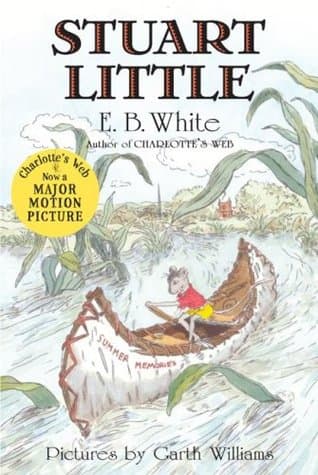
- Stuart Little
E.B. White
3.9 (110k) average on GoodreadsFantasyA classic children's story about a small, intelligent animal navigating the human world and embarking on adventures.
- Bridge to Terabithia
Katherine Paterson
4.0 (445k) average on GoodreadsFantasyPaterson's novel, while also exploring themes of friendship and emotional growth, presents a more challenging and emotionally complex narrative with a less predictable resolution. Summer According to Humphrey offers a gentler introduction to life's ups and downs, suitable for a younger audience, whereas Bridge to Terabithia delves into profound grief and the fragility of life, requiring a higher level of emotional maturity from its readers.
- Harry Potter and the Sorcerer's Stone
J.K. Rowling
4.5 (7M) average on GoodreadsFantasyRescued from a miserable life under the stairs, an orphaned boy discovers he's a wizard destined for a magical school, where he uncovers a dangerous secret tied to the dark wizard who murdered his parents.
- The Hunger Games
Suzanne Collins
4.3 (6.4M) average on GoodreadsFantasyIn a future where children fight to the death on live television, Katniss Everdeen volunteers for the arena, turning a death sentence into a fight for survival and a spark of rebellion.
- 1984
George Orwell
4.2 (3.1M) average on GoodreadsPoliticsIn a future where surveillance and thought control are absolute, a man's search for truth clashes with the Party, showing that hope can be a form of rebellion.





Enjoyed the summary?
A summary gives you the shape of the book. The book itself has the detail, the examples and the voice.
Find Summer According to Humphrey on AmazonAs an Amazon Associate, BookBrief earns from qualifying purchases. How we're funded