

Synopsis
Covers the whole plot, including the ending.
- Difficulty
- Medium
- Pacing
- Moderate
- Mood
- Poignant, Thought-provoking, Melancholy, Hopeful
- Read it if
- You enjoy poignant historical fiction about forbidden friendships, coming-of-age during wartime, and exploring themes of prejudice and belonging.
- Skip it if
- You prefer lighthearted stories or are uncomfortable with themes of emotional abuse and racial prejudice.
Summer of My German Soldier Plot Summary
Covers the whole plot, including the ending.
Arrival in Jenkinsville
Twelve-year-old Patty Bergen, a Jewish girl in Jenkinsville, Arkansas, feels like an outcast in her own family. Her parents, Harry and Pearl, are critical and emotionally distant, especially towards Patty. Her summer boredom is broken by the arrival of German prisoners of war, who are brought to a new camp near town. While the townspeople generally view the Germans with hostility, Patty is curious. During a visit to her father's department store, where some POWs are working, Patty meets Anton Reiker, a young German soldier. She is struck by his calm manner and the way he looks at her, a look without the usual disdain she receives from her family.
The First Encounter with Anton
During one of the German prisoners' work assignments at Harry Bergen's department store, Patty watches them. While the other townspeople show open disdain and cruelty towards the POWs, Patty feels a bit of empathy. When Anton Reiker is left unguarded for a moment, Patty impulsively buys him a Coca-Cola and offers it to him. This simple act of kindness, new to Anton as a prisoner, surprises him. He accepts the drink, and in that brief exchange, a silent understanding forms between them, setting the stage for their secret friendship. Patty is drawn to his politeness and the respectful way he treats her, which is very different from her family's treatment.
Anton's Escape and Patty's Help
Weeks later, Anton Reiker escapes from the POW camp. Knowing he has nowhere else to go and remembering Patty's earlier kindness, he seeks her out. Patty, despite the great danger and potential consequences, decides to help him. She secretly hides Anton in a deserted room above her family's garage, giving him food, clothing, and a safe place to stay. This act shows Patty's deep need for connection and her growing rebellion against rigid societal norms and her family's expectations. Their conversations during this time deepen their bond, as Anton treats her with the respect and understanding she wants.
A Shared Understanding
During the time Anton is hidden in the garage, Patty and he spend hours talking. Anton, an educated and sensitive young man, listens to Patty's feelings of loneliness and her struggles with her parents' harsh treatment. He sees her intelligence and her desire for affection, offering her the validation and understanding she has never received from her family. Patty learns about Anton's life in Germany and how he came to war. They discover a deep connection, realizing they both feel like outsiders in their worlds. This shared vulnerability strengthens their bond, making their forbidden friendship even more important to Patty.
The Discovery and Anton's Departure
Patty's secret becomes harder to keep. Her younger brother, Sharon, accidentally finds Anton's hiding place, though he initially keeps it to himself. Eventually, Anton's presence is revealed, possibly due to a small mistake or the increasing risk of discovery. Before the authorities arrive, Patty and Anton share a final, emotional moment. Anton, realizing his capture is coming, gives Patty a ring and tells her she is a 'beautiful human being,' a phrase that means a lot to her and becomes a source of self-worth. He is then captured, leaving Patty devastated and alone again.
Patty's Interrogation and Denial
After Anton's capture, Patty is intensely questioned by the FBI and local authorities. They pressure her to reveal the full extent of her involvement and any information about Anton's plans or accomplices. Despite the intimidating situation and threats of severe punishment, Patty remains firm. She invents a story, claiming she found Anton injured and simply helped him, leaving out the depth of their relationship and her active role in hiding him. Her refusal to betray Anton, even under pressure, shows her loyalty and the deep impact he had on her.
Family and Community Reaction
When the truth of Patty's involvement with Anton becomes known, her family and the Jenkinsville community react with outrage and condemnation. Her parents are mortified, seeing her actions as a betrayal of their Jewish heritage and a source of shame. They subject her to more emotional abuse and isolation. The townspeople, already prejudiced against the German prisoners, are shocked by Patty's actions, further shunning her. She becomes an outcast, bearing the brunt of their collective anger and fear, which reinforces her long-held feelings of being an outsider.
Anton's Fate and Patty's Grief
News eventually reaches Jenkinsville that Anton Reiker has been killed while attempting another escape or resisting capture. This news shatters Patty. Anton was the only person who truly understood and valued her, and his death leaves a big hole in her life. She is consumed by grief, but her family offers no comfort, only more condemnation for her attachment to an 'enemy' soldier. Patty's mourning is a solitary and painful experience, solidifying her sense of isolation and her deep internal struggle to accept her feelings for Anton with the world's judgment.
The Trial and Consequences
Due to the seriousness of her actions and community pressure, Patty's parents decide to press charges against her. Patty is tried and found guilty of aiding an enemy combatant. As a result, she is sentenced to a reform school for delinquent girls. This decision, made by her own parents, is the ultimate betrayal and further confirms Patty's belief that she is unloved and unwanted by them. The reform school becomes another form of imprisonment, a place where she must navigate new challenges while still carrying the emotional weight of her past.
Life in Reform School
Life at the reform school is harsh. Patty must follow strict rules and endure the company of other girls who are often tough and cynical. She struggles to adapt to this new environment, longing for the freedom and intellectual stimulation she found with Anton. Despite the difficulties, Patty's time at reform school forces her to grow and develop a stronger sense of self. She learns to rely on her inner strength and resilience, further shaping her into a more independent and self-aware individual, though the scars of her past remain.
A Final Act of Defiance
As time passes, Patty deals with unresolved grief and the need for closure regarding Anton. In a final act of defiance and a show of her lasting love and loyalty, she writes a letter to Anton Reiker's parents in Germany. In this letter, she expresses her condolences and describes the kind and intelligent son they had, hoping to comfort them and honor Anton's memory. This act is deeply personal and goes against everything her family and society expected of her. It is her way of keeping Anton's spirit alive and affirming the validity of their bond, even in death.
Summer of My German Soldier Characters
Patty Bergen
Protagonist
A twelve-year-old Jewish girl seeking love and acceptance in a hostile world.
Patty is an intelligent, sensitive, and imaginative twelve-year-old girl who feels profoundly unloved and misunderstood by her parents. She struggles with her identity, often feeling like an outsider both within her family and the small, prejudiced town of Jenkinsville. Her physical appearance, described as plain by her mother, contributes to her insecurity. Despite her vulnerabilities, Patty possesses a strong sense of empathy and a yearning for genuine connection. She is fiercely loyal to those who show her kindness, which drives her to make unconventional and dangerous choices.
Relationships: Anton Reiker (Forbidden love interest, confidant, and source of validation.); Pearl Bergen (Critical and emotionally abusive mother.); Harry Bergen (Distant, authoritarian, and often humiliating father.); Sharon Bergen (Younger brother, initially a source of annoyance, later a silent witness to her secrets.)
Anton Reiker
Supporting/Love Interest
A kind and educated German POW who offers Patty unconditional acceptance.
Anton is a young German prisoner of war, described as handsome, intelligent, and cultured. Despite being a soldier for the enemy, he possesses a gentle demeanor and a deep sense of humanity. He is well-educated and articulate, capable of engaging Patty in meaningful conversations that transcend their circumstances. He treats Patty with respect and understanding, offering her the unconditional acceptance and validation she desperately craves. He sees her for who she truly is, not for her perceived flaws, making him a pivotal figure in her emotional development.
Relationships: Patty Bergen (Forbidden love interest and close confidant.); German POWs (Fellow prisoners, though his background sets him apart.)
Pearl Bergen
Antagonist
Patty's critical and emotionally abusive mother.
Pearl Bergen is Patty's mother, a woman obsessed with appearances and social standing. She is relentlessly critical of Patty, particularly her looks and behavior, and often compares her unfavorably to other girls. Pearl lacks warmth and empathy, frequently belittling Patty and withholding affection. Her emotional abuse contributes significantly to Patty's insecurity and sense of worthlessness. She views Patty's actions with Anton as a personal humiliation and a betrayal of their family's reputation and Jewish identity, showing little understanding or compassion for her daughter's emotional needs.
Relationships: Patty Bergen (Emotionally abusive mother.); Harry Bergen (Her husband, with whom she shares a strained but united front against Patty.)
Harry Bergen
Antagonist
Patty's distant and authoritarian father.
Harry Bergen is Patty's father, a successful department store owner who is authoritarian and emotionally distant. He often supports his wife's harsh treatment of Patty and is quick to anger. While he provides for his family materially, he fails to offer Patty emotional support or affection. He is deeply concerned with public perception and his business, viewing Patty's involvement with Anton as a severe threat to his reputation. His ultimate decision to press charges against Patty underscores his lack of parental love and his prioritization of social standing over his daughter's well-being.
Relationships: Patty Bergen (Distant and authoritarian father.); Pearl Bergen (His wife, with whom he presents a united, often harsh, front.)
Sharon Bergen
Supporting
Patty's younger brother, a quiet observer of her secrets.
Sharon is Patty's younger brother. He is generally less critical of Patty than their parents, though he can be annoying in a typical sibling way. He accidentally discovers Anton's hiding place but initially keeps it a secret, showing a degree of loyalty or at least a lack of malice towards his sister. His role is primarily as an observer, providing a contrast to the adults' harsh judgments and sometimes serving as an unwitting catalyst for events.
Relationships: Patty Bergen (Younger brother, somewhat of an accidental confidant.)
Ruth
Supporting
The Bergen family's African American housekeeper.
Ruth is the Bergen family's housekeeper. She is one of the few adults who shows Patty genuine kindness and empathy. She often offers Patty comfort and understanding, subtly challenging the harsh treatment Patty receives from her parents. Ruth's presence provides a small beacon of warmth in Patty's cold home life, and she represents a voice of quiet compassion in a community largely devoid of it.
Relationships: Patty Bergen (Caring housekeeper and surrogate maternal figure.)
Mrs. Reeves
Supporting
A woman from the community who embodies local prejudice.
Mrs. Reeves is a minor character who represents the pervasive prejudice and narrow-mindedness of the Jenkinsville community. She is openly hostile towards the German prisoners and quick to judge Patty's actions. Her character highlights the societal pressures and the collective animosity that Patty faces, making her secret friendship with Anton even more daring and dangerous.
Relationships: Patty Bergen (Represents the judgmental community.)
Summer of My German Soldier Themes
The Search for Love and Acceptance
Patty's main motivation throughout the novel is her desperate need for love and acceptance, which her own family denies her. Her parents, Pearl and Harry, are emotionally distant and critical, constantly belittling her. This emptiness leads her to seek connection elsewhere, finding it in an unexpected place: with Anton Reiker, a German POW. Anton's unconditional kindness and validation, especially when he calls her a 'beautiful human being,' fulfill this deep-seated need, even if only temporarily. The tragic loss of Anton shows how much this acceptance affected Patty's developing sense of self-worth.
“You are a beautiful human being, Patty. Don't ever forget that.”
Prejudice and Discrimination
The novel explores various forms of prejudice and discrimination. The Jenkinsville community has deep animosity towards the German POWs, seeing them as 'Nazis' rather than individuals. Patty, as a Jewish girl, also experiences discrimination and feelings of otherness, both from her own family who criticize her and from the broader community when her actions are revealed. The irony is that Patty, a Jewish girl, finds comfort and understanding with a German soldier, highlighting how arbitrary and destructive prejudice is and how it blinds people to individual humanity. The town's reaction to Patty's actions is fueled by their own biases.
“To the rest of her town, these prisoners are only Nazis. But to Patty, a young Jewish girl with a turbulent home life, one boy in particular becomes an unlikely friend.”
Coming of Age and Identity Formation
Patty's journey is a powerful coming-of-age story. Through her forbidden friendship with Anton, she begins to understand who she is outside of her family's judgmental view. Anton's acceptance allows her to develop self-worth and challenge the negative self-perception instilled by her parents. Her defiance in helping Anton, her refusal to betray him under interrogation, and her eventual letter to his parents all mark important steps in her developing independence and moral compass. The challenges she faces, from community condemnation to reform school, force her to mature and solidify her identity as an independent thinker.
“She had never learned to be afraid to be herself. But then, she had never had a self to be afraid of.”
The Nature of Family
The Bergen family dynamic is central to the novel, showing a dysfunctional household where love and support are missing for Patty. Her parents, Harry and Pearl, show emotional neglect and abuse, prioritizing social standing and their own comfort over Patty's well-being. Their decision to press charges against their own daughter is the ultimate betrayal, highlighting the destructive power of a family that fails to nurture its members. In contrast, Patty finds a surrogate family in her bond with Anton, who offers her the emotional connection her biological family denies. The novel critiques the idea that blood ties automatically mean love and support.
“Patty Bergen knew something exciting was going to happen. But she never could have imagined that her summer would be so memorable.”
Plot Devices & Literary Techniques
Forbidden Love/Friendship
A relationship between characters from opposing groups, creating inherent conflict.
The central plot device is the forbidden friendship, which evolves into a form of love, between Patty, a Jewish American girl, and Anton, a German prisoner of war. This relationship immediately creates immense tension and conflict, not only from the external forces of war and societal prejudice but also from Patty's own family and community. It serves as a catalyst for Patty's rebellion and her search for identity, highlighting the arbitrary nature of wartime animosities and the human need for connection that transcends such divisions. The forbidden nature of their bond elevates the stakes for both characters.
The Outsider Motif
Characters who feel alienated from their community or family.
Both Patty and Anton embody the outsider motif. Patty feels alienated within her own family and community due to her parents' constant criticism and her perceived lack of belonging. Anton is an outsider by virtue of being an enemy prisoner of war. Their shared experience of being 'othered' allows them to connect on a deep emotional level. This device emphasizes themes of loneliness, the search for identity, and the profound impact of finding someone who truly understands and accepts you, regardless of societal labels or circumstances. It underscores how shared isolation can forge powerful bonds.
Symbolism of the Garage Room
A hidden space representing sanctuary and forbidden intimacy.
The deserted room above the Bergen family's garage serves as a powerful symbol. It is a secret sanctuary where Patty and Anton can escape the judgment and dangers of the outside world. This hidden space represents the private world they create together, a place of intimacy, understanding, and freedom from the constraints of war and prejudice. It symbolizes Patty's desire for a safe haven and her act of defiance against her oppressive family and society. Its eventual discovery marks the inevitable end of their brief, precious connection.
The Ring
A token of love and validation from Anton to Patty.
The ring Anton gives Patty just before his capture is a significant symbol. It represents his enduring affection, his recognition of her worth, and the profound impact she had on him. For Patty, the ring becomes a tangible reminder of the only person who ever truly saw and valued her. It is a symbol of their forbidden love, a source of strength and self-worth that she carries with her even after Anton's death and through her time in reform school. It signifies the lasting legacy of their connection and her inner resilience.
Summer of My German Soldier Quotes
“I was twelve, and what I knew of the world was what I had learned from the movies and from books, and from the people who lived in Jenkinsville, Arkansas.”
“That's how it was with Momma and Poppa; they were always telling me what was wrong with me. Never what was right.”
“I didn't care if he was a German soldier. He was a human being, and he was kind to me.”
“He didn't make fun of me. He didn't tell me I was fat or ugly or stupid. He just looked at me.”
“You can't choose who you love, Patty. It just happens.”
“It was as if I had been waiting for him my whole life, waiting for someone to see me, really see me.”
“A man is a man, no matter where he was born or what uniform he wears.”
“Sometimes I think I was born in the wrong family, in the wrong town, in the wrong time.”
“Hatred is a poison, Patty. It poisons the one who hates more than the one who is hated.”
“He said I was beautiful. No one had ever said that to me before.”
“I knew what I was doing was wrong, according to everyone else. But it felt right to me.”
“The world was full of people who didn't understand, who judged without knowing.”
“He was my German soldier, and I was his American girl, and for a little while, that was all that mattered.”
“Sometimes, the hardest thing you can do is stand up for what you believe in, especially when no one else does.”
Quiz
10 questions on the plot and the characters. Each answer comes with a short explanation.
Question 1
What is the name of the town where Patty Bergen lives and where the German prisoner-of-war camp is located?
- Little Rock, Arkansas
- Jenkinsville, Arkansas
- Pine Bluff, Arkansas
- Hot Springs, Arkansas
Show answer
B. Jenkinsville, Arkansas Patty Bergen lives in Jenkinsville, Arkansas, which is also the location of the prisoner-of-war camp.
Question 2
What is Patty Bergen's religious background?
- Christian
- Muslim
- Jewish
- Atheist
Show answer
C. Jewish The book explicitly states that Patty is a young Jewish girl, which adds a layer of complexity to her friendship with a German soldier.
Question 3
Who is Anton Reiker?
- Patty's strict father
- A German prisoner of war
- Patty's school teacher
- The local sheriff
Show answer
B. A German prisoner of war Anton Reiker is the German prisoner of war with whom Patty forms an unlikely and forbidden friendship.
Question 4
Why does Patty feel a connection with Anton that she doesn't feel with her own parents?
- Anton gives her money and gifts.
- Anton understands and validates her in ways her parents cannot.
- Anton teaches her German, which her parents forbid.
- Anton helps her with her homework.
Show answer
B. Anton understands and validates her in ways her parents cannot. Patty's home life is described as 'turbulent,' and Anton relates to her and offers understanding that her parents fail to provide.
Question 5
What is the primary reason the relationship between Patty and Anton is considered 'forbidden'?
- Patty is too young to have a boyfriend.
- Anton is a German prisoner of war during wartime, and Patty is Jewish.
- Anton is married with a family in Germany.
- Patty's family wants her to marry someone from their own community.
Show answer
B. Anton is a German prisoner of war during wartime, and Patty is Jewish. The relationship is forbidden due to the context of WWII, Anton being an enemy combatant (a German prisoner of war), and Patty's Jewish identity.
Question 6
What specific event brings the German prisoners of war to Jenkinsville?
- They were captured during a battle in Arkansas.
- They arrived by train to be housed in the local prison camp.
- They were part of a prisoner exchange program.
- They were refugees seeking asylum.
Show answer
B. They arrived by train to be housed in the local prison camp. The story begins with the German prisoners arriving by train to their new home in the prison camp in Jenkinsville.
Question 7
How does the town of Jenkinsville generally perceive the German prisoners of war?
- With sympathy and understanding.
- As potential allies.
- Only as Nazis.
- As skilled laborers.
Show answer
C. Only as Nazis. The synopsis states that 'To the rest of her town, these prisoners are only Nazis,' highlighting the prevalent prejudice.
Question 8
What is the potential consequence Patty faces if her forbidden relationship with Anton is discovered?
- She might be sent to a boarding school.
- She could risk her family and be ostracized by her town.
- Anton would be immediately released from prison.
- Her parents would simply ground her for a week.
Show answer
B. She could risk her family and be ostracized by her town. The book's description poses the question: 'will Patty risk her family and town for the understanding and love of one boy?' indicating severe social and familial repercussions.
Question 9
The title 'Summer of My German Soldier' primarily refers to:
- A summer vacation Patty spent in Germany.
- The specific summer during which Patty forms a significant relationship with a German prisoner of war.
- A summer when a German soldier was assigned to protect Patty.
- The entire duration of World War II.
Show answer
B. The specific summer during which Patty forms a significant relationship with a German prisoner of war. The title directly references the central plot point: the summer when Patty forms her bond with the German soldier, Anton.
Question 10
What overarching theme is explored through Patty's relationship with Anton, especially given her background and the town's prejudice?
- The importance of following all rules and authority figures.
- The power of human connection and empathy to transcend societal barriers and prejudice.
- The futility of trying to understand one's enemies.
- The dangers of wartime romance.
Show answer
B. The power of human connection and empathy to transcend societal barriers and prejudice. Despite the severe societal barriers (wartime, Patty's Jewish identity, Anton being a German POW), their relationship highlights the theme that human connection and empathy can overcome deep-seated prejudices.
Summer of My German Soldier FAQ
What is the central conflict Patty Bergen faces throughout the novel?
Patty's central conflict stems from her desperate need for love and acceptance, which she doesn't receive from her emotionally abusive parents. This void leads her to seek solace and understanding in forbidden relationships, primarily with Anton, a German POW, and later with Ruth, her family's Black housekeeper, challenging societal norms and family expectations.
Who is Anton Reiker and what is his significance to Patty?
Anton Reiker is a German prisoner of war who escapes and finds refuge with Patty. He is significant because he is the first person who truly sees and understands Patty, offering her kindness, respect, and intellectual connection that she lacks from her own family, making him a profound figure in her emotional development.
How does Patty's Jewish identity intersect with her relationship with Anton?
Patty's Jewish identity adds layers of forbidden complexity to her relationship with Anton. While the town views Anton as an enemy Nazi, Patty, despite being Jewish, connects with him on a human level, transcending the historical animosity and highlighting her individual capacity for empathy beyond group identity.
What role do Patty's parents, Mr. and Mrs. Bergen, play in her life?
Patty's parents are critical figures, but their role is largely negative and abusive. Mr. Bergen is physically abusive and verbally demeaning, while Mrs. Bergen is emotionally distant and critical. Their consistent rejection and harsh treatment are the primary drivers of Patty's profound loneliness and her search for external validation.
What is the ultimate consequence of Patty's decision to help Anton escape?
The ultimate consequence of Patty's actions is her arrest and trial for aiding an enemy alien, followed by her placement in a reform school. This event isolates her further from her community and family, but also solidifies her sense of self and her capacity for loyalty and love, albeit at a great personal cost.
Are there any subtle indications that Anton might not be as purely innocent as Patty perceives him?
While Anton is presented as kind to Patty, there are subtle hints that he is not entirely innocent, such as his initial reluctance to discuss his past and his wartime experiences. His desperation to escape and his pragmatic view of survival suggest a more complex character forged by war, rather than a purely benevolent figure.
How does the author use the setting of Jenkinsville, Arkansas, during WWII to enhance the themes?
The author uses Jenkinsville, a small Southern town during WWII, to emphasize themes of prejudice, conformity, and isolation. The town's collective animosity towards German POWs and its rigid social structure highlight Patty's outsider status and the courage required to defy deeply ingrained societal norms.
What is the significance of the necklace Anton gives Patty?
The necklace Anton gives Patty is a profound symbol of their connection and his affection for her. It represents the love and understanding she craves and receives from him, and it serves as a tangible reminder of their bond, which she cherishes even after his death and her subsequent punishment.
How does Ruth, the Bergen's housekeeper, offer a different kind of support to Patty compared to Anton?
Ruth offers Patty a maternal, unconditional love and practical wisdom that Anton cannot. While Anton provides intellectual and romantic understanding, Ruth offers a stable, comforting presence and a sense of belonging within a community (the Black community) that accepts Patty for who she is, providing a different, yet equally vital, form of solace.
Analyze Patty's psychological need for validation and how it drives her actions.
Patty's psychological need for validation is profound, stemming from her parents' constant criticism and emotional neglect. This deep-seated need drives her to seek acceptance and love wherever she can find it, making her vulnerable to Anton's kindness and fiercely loyal to anyone who offers her genuine affection, even at great personal risk.
How does Patty's experience with her parents contribute to her rebellious nature?
Patty's rebellious nature is a direct consequence of her parents' authoritarian and abusive treatment. Their constant attempts to control and demean her fuel her desire to defy them and seek freedom and self-expression, leading her to make choices that directly contradict their expectations and societal norms.
Discuss the psychological impact of Anton's death on Patty.
Anton's death has a profound psychological impact on Patty, leading to immense grief and a sense of betrayal by the world. It solidifies her understanding of loss and injustice, but also strengthens her resolve to remain true to her own moral compass, despite the pain, cementing her growth into a resilient individual.
What does Patty's internal monologue reveal about her self-perception and emotional state?
Patty's internal monologue reveals a highly sensitive, intelligent, and deeply lonely individual who constantly analyzes her own worth and the behavior of others. It highlights her profound emotional hunger, her vivid imagination, and her struggle to reconcile her inner self with the harsh realities of her external world.
Is Patty's love for Anton purely romantic, or is it more complex?
Patty's 'love' for Anton is complex and multifaceted, extending beyond pure romance. It is deeply rooted in her desperate need for acceptance, understanding, and kindness, which Anton provides. While romantic elements exist, it is primarily a love born of profound emotional deprivation and the comfort of being truly seen for the first time.
How does the novel challenge conventional notions of patriotism and enemy during wartime?
The novel challenges conventional notions by portraying a Jewish girl forming a deep, empathetic bond with a German POW, an 'enemy.' It suggests that humanity and individual connection can transcend nationalistic hatred and wartime propaganda, urging readers to look beyond labels and consider individual character.
Does the ending suggest that Patty is ultimately broken by her experiences, or strengthened?
The ending suggests that Patty is ultimately strengthened, not broken, by her experiences. Despite the profound grief, punishment, and isolation, she retains her integrity, empathy, and capacity for love. Her time in reform school, while harsh, allows her to solidify her sense of self and her moral convictions, emerging more resilient.
What is the novel's stance on justice, particularly concerning Patty's trial and punishment?
The novel portrays justice as flawed and often unjust, especially concerning Patty's trial and punishment. Her sentence is presented as overly harsh and driven by societal prejudice and fear rather than true compassion or understanding of her motives, highlighting the punitive nature of the legal system against an individual who defied norms.
How does the relationship between Patty and Ruth offer a counter-narrative to the main plot?
The relationship between Patty and Ruth offers a counter-narrative by showcasing a different kind of forbidden bond – one across racial lines in the segregated South. It highlights that love and understanding can be found in unexpected places, providing Patty with a stable, nurturing connection that contrasts with the intense, tragic bond with Anton.
About the author

Bette Greene was an American author best known for her poignant young adult novel, "Summer of My German Soldier." Published in 1973, the book explored themes of prejudice and friendship during World War II and earned critical acclaim. Greene's writing often delved into complex social issues with sensitivity and depth.
Similar books
- The Book Thief
Markus Zusak
4.4 (1.8M) average on GoodreadsHistorical FictionFeatures a young girl forming an unlikely bond during wartime, exploring themes of humanity and resistance.
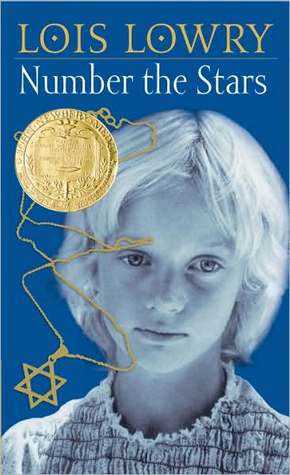
- Number the Stars
Lois Lowry
4.2 (448k) average on GoodreadsChildren'sA historical fiction novel centered on a young girl's bravery and forbidden actions during WWII.
- The Diary of a Young Girl
Anne Frank
4.2 (2.7M) average on GoodreadsBiographyOffers a personal perspective on Jewish identity and wartime experiences, though a memoir, not fiction.
- Harry Potter and the Sorcerer's Stone
J.K. Rowling
4.5 (7M) average on GoodreadsFantasyRescued from a miserable life under the stairs, an orphaned boy discovers he's a wizard destined for a magical school, where he uncovers a dangerous secret tied to the dark wizard who murdered his parents.
- The Hobbit, or There and Back Again
J.R.R. Tolkien
4.3 (2.9M) average on GoodreadsFantasyA comfort-loving hobbit named Bilbo Baggins is whisked away by a mischievous wizard and a band of dwarves on an unexpected journey to reclaim stolen treasure from a fearsome dragon, discovering courage and a magical ring along the way.
- Harry Potter and the Goblet of Fire
J.K. Rowling
4.6 (2.6M) average on GoodreadsFantasyA bewildered Harry Potter, underage and thrust into a deadly Triwizard Tournament, must brave dragons, mermaids, and a resurgent dark magic to survive a year that will forever alter the wizarding world.





Enjoyed the summary?
A summary gives you the shape of the book. The book itself has the detail, the examples and the voice.
Find Summer of My German Soldier on AmazonAs an Amazon Associate, BookBrief earns from qualifying purchases. How we're funded