

Synopsis
Covers the whole plot, including the ending.
- Difficulty
- Medium
- Pacing
- Fast
- Mood
- Suspenseful, Adventurous, Dark, Thought-provoking
- Read it if
- You enjoy thrilling animal adventures with high stakes, explore themes of environmentalism and animal rights, and appreciate a unique perspective from the natural world.
- Skip it if
- You prefer human-centric stories or are sensitive to descriptions of animal experimentation and violence.
Sunwing Plot Summary
Covers the whole plot, including the ending.
The False Paradise
After the events of Silverwing, Shade, now a young adult, returns to his Silverwing colony. As winter nears, the colony, led by Frieda, needs a safe, warm place to hibernate. They are drawn by strange, rhythmic lights and a strong fruit scent to a huge, enclosed human structure. Believing it to be a safe place, the whole colony, including Shade, Marina, and even Ariel's outcast group, flies inside. The interior is a vast, artificial jungle full of insects and no predators, seeming like a perfect paradise for the bats. They settle in, relieved to have found such an abundant and safe place, unaware of the sinister reason for their comfortable new home.
Whispers of Doubt and Discovery
Despite the apparent abundance, Shade and Marina notice strange things. Some bats disappear, and others act oddly, showing unusual light-sensitivity and confusion. They watch the humans, whom they call 'Hairless,' carefully monitoring the bats. During a flight, Shade and Marina discover the truth about their 'paradise': it is a large research facility where humans experiment on bats. They see bats being tested and learn that their supposed sanctuary is a trap for a darker purpose, destroying their illusion of safety and creating a desperate need to escape.
The Return of Goth
As Shade and Marina try to understand the humans' motives, they are horrified to discover that Goth, the terrifying cannibalistic jungle bat they thought was dead, is also imprisoned in the facility. Goth, with his loyal lieutenant, Throbb, has been captured and brought to the same complex. He quickly takes control among the other captive bats, including a group of owls and rats also held there. Goth, always a manipulator, begins to plan his own escape and, more ominously, plans to fulfill a prophecy for his dark god, Zotz, involving a ritual sacrifice of a hundred hearts to gain ultimate power.
The Human Weaponization Plot
Shade and Marina's investigations reveal the terrible truth about the humans' experiments. The Hairless are implanting small, light-sensitive devices into the bats, making their eyes very sensitive and turning them into 'sunwings.' These modified bats are then released into a jungle war zone, where their increased light sensitivity makes them confused and vulnerable, causing them to fly into dangerous situations. The humans are weaponizing the bats, using them as unwitting suicide bombers to disrupt enemy operations, turning the bats into tools of destruction in a conflict they do not understand.
Goth's Ritual and the Hundred Hearts
While the humans continue their experiments, Goth carries out his own sinister plan. He believes that by sacrificing a hundred hearts to his god, Zotz, he will gain great power and become a true 'Sunwing,' immune to the sun and able to rule the day. He begins to systematically capture and kill other bats, owls, and rats within the facility, tearing out their hearts in a gruesome ritual. The captive animals live in fear, caught between the invisible threat of the humans and the very visible, immediate danger from Goth and Throbb. Shade and Marina realize they must stop Goth before he finishes his gruesome count.
An Alliance of Necessity
Facing both the humans' schemes and Goth's bloody ritual, Shade and Marina realize they cannot fight alone. They reach out to the other captive creatures—the owls, led by the wise but tired Throbb, and even some of Goth's own unhappy followers. Despite deep mistrust and natural predator-prey instincts, they form a fragile alliance. The goal is twofold: to stop Goth's ritual and to find a way for all the captive animals to escape the human facility. This alliance is tense but is their only hope for survival.
The Escape Attempt and Jungle Perils
Working together, Shade, Marina, and their allies plan to escape the human facility. They use a moment of weak security, combining their strengths to get past barriers and create an opening. The escape is chaotic and dangerous, with many bats falling to the humans' defenses or the sheer confusion. Once outside, they find themselves in a dense, unfamiliar jungle, a world much more dangerous than their northern forests. They must now deal with unfamiliar predators, the relentless heat of the sun, and the ongoing threat of the 'sunwing' effect on some of their companions.
Confrontation with Goth and Zotz
Goth, having also escaped or been released, relentlessly chases Shade and the others, determined to complete his ritual. The chase leads them deep into the jungle, to ancient ruins that Goth believes are sacred to Zotz. In a final confrontation, Shade and Goth fight in a brutal aerial battle. Shade, using his courage and intelligence, must outsmart and overpower the larger, more powerful Goth, who is driven by his fanatic devotion to Zotz and his desire for ultimate power. The fate of all the captive bats, and the prophecy of Zotz, hangs in the balance during this desperate fight.
The True Nature of Zotz and Resolution
During their last confrontation, Shade realizes that Zotz is not a good or truly powerful god, but a destructive force Goth has embraced and misunderstood. Shade understands that Goth's power comes from fear and manipulation, not divine intervention. Using his knowledge of bat abilities and the environment, Shade defeats Goth, not with brute force, but by outsmarting him and using his weaknesses. Goth is finally beaten, and the threat of his dark god is gone, freeing the surviving bats from his tyranny and allowing them to seek a new, true haven.
A New Beginning
With Goth defeated and the human threat gone, the surviving bats, including Shade, Marina, and the rest of their colony, are free to find a new home. They discover a safe, hidden cave system deep within the jungle, far from humans and the lingering shadow of Goth. Here, they can rebuild their colony, raise their young, and live in peace, free from the manipulation and danger they experienced. Shade and Marina, now proven leaders, look towards a future where their kind can thrive, carrying the lessons learned from their hard journey.
Sunwing Characters
Shade
Protagonist
A small Silverwing bat who becomes a courageous leader.
Shade is a small, initially timid Silverwing bat who, through his perilous journeys, develops into a brave and resourceful leader. He is characterized by his keen intelligence, curiosity, and unwavering loyalty to his colony and friends, especially Marina. Despite his physical size, he possesses immense courage and a strong moral compass, always striving to do what is right and protect his kind. His experiences have made him observant and resilient.
Relationships: Marina (Best friend and loyal companion, a strong bond of trust and shared adventure.); Goth (Mortal enemy, representing darkness and primal evil.); Frieda (Colony leader, Shade respects her leadership but often challenges her decisions with his insights.); Ariel (Fellow bat, initially part of a rival group, later an uneasy ally.)
Marina
Supporting
A Brightwing bat and Shade's closest friend, known for her independence and strength.
Marina is a Brightwing bat, distinguished by her independent spirit, strength, and quick thinking. She is fiercely loyal to Shade and often acts as his complement, providing practicality and daring when he might hesitate. Her experiences have made her resilient and capable, and she's not afraid to challenge authority or take risks. She possesses a strong sense of justice and compassion, making her a crucial ally in Shade's quest.
Relationships: Shade (Best friend and trusted companion, a deep bond formed through shared trials.); Goth (Feared enemy, she actively works to thwart his plans.)
Goth
Antagonist
A giant, cannibalistic jungle bat who worships the dark god Zotz.
Goth is a formidable and terrifying giant jungle bat, driven by a fanatical devotion to his dark god, Zotz. He is cunning, manipulative, and utterly ruthless, believing that power is gained through fear and sacrifice. Goth is a cannibal, preying on other bats, and possesses an imposing physical presence. His ambition is to become a 'Sunwing,' able to conquer the day, and he is willing to sacrifice anyone and anything to achieve this, making him a truly chilling antagonist.
Relationships: Shade (Mortal enemy, sees Shade as an obstacle to his divine purpose.); Throbb (Loyal, albeit fearful, lieutenant and follower.); Zotz (His dark god, Goth's entire motivation stems from his worship and desire to please Zotz.)
Throbb
Supporting
Goth's loyal but often fearful lieutenant.
Throbb is a large jungle bat and Goth's most devoted, though often terrified, follower. He is not as intelligent or cunning as Goth but carries out his master's commands with a mix of loyalty and fear. Throbb represents the dangerous influence Goth holds over others, but also shows glimpses of doubt and self-preservation. He is a physically imposing bat, but his will is subservient to Goth's.
Relationships: Goth (Subservient follower, fearful and loyal.); Shade (Antagonistic, but also a potential target for Shade's manipulation.)
Frieda
Supporting
The wise and experienced leader of the Silverwing colony.
Frieda is the matriarch and leader of Shade's Silverwing colony. She is wise, experienced, and deeply committed to the survival and well-being of her bats. Frieda represents traditional leadership and caution, valuing the safety of the group above all else. While sometimes hesitant to embrace new ideas, she listens to Shade's insights and ultimately prioritizes her colony's safety, even when it means making difficult decisions.
Relationships: Shade (Respected member of her colony, she values his intelligence and courage.); Colony bats (Protective leader, responsible for their survival.)
Ariel
Supporting
A Silverwing bat who initially leads a rival group, later an uneasy ally.
Ariel is a Silverwing bat who, in the beginning, leads a smaller, more aggressive faction within the colony. She is strong-willed and often skeptical, preferring to rely on her own judgment. While initially at odds with Shade's group, the shared threat of the human facility and Goth forces her to form an uneasy alliance. She is a survivor, pragmatic and capable, but often driven by self-preservation.
Relationships: Shade (Initial rival, later an uneasy ally against common threats.); Frieda (A fellow Silverwing, but often in disagreement with her leadership style.)
The Hairless (Humans)
Antagonist
Scientists and soldiers who experiment on bats for military purposes.
The 'Hairless' are the humans who operate the research facility. They are portrayed as cold, calculating, and indifferent to the lives of the bats. Their motivations are purely scientific and military, as they seek to weaponize the bats for their jungle war. They represent the destructive potential of human technology and the ethical compromises made in the name of progress or conflict. They are a largely unseen but omnipresent threat, manipulating the bats from behind glass and through their technology.
Relationships: Bats (Experiment subjects, viewed as tools for military objectives.)
Zotz
Mentioned
Goth's dark, ancient bat god.
Zotz is the ancient, dark bat god worshipped by Goth. Zotz is not a physical character but a powerful, malevolent force that drives Goth's actions and fanaticism. Goth believes Zotz grants him power and demands sacrifices, particularly a hundred hearts, to achieve true 'Sunwing' status. Zotz represents the primal, destructive forces of nature and the dangerous allure of absolute power, twisted by Goth's interpretation.
Relationships: Goth (God and worshipper, the driving force behind Goth's actions.)
Sunwing Themes
The Ethics of Scientific Experimentation and War
The novel looks at the morality of animal testing and using living creatures as weapons. The humans' 'paradise' is a cold, sterile laboratory where bats are subjected to cruel experiments, implanting devices that cause extreme light sensitivity and turn them into unwitting suicide bombers. This shows how life and suffering are ignored when scientific progress or military goals take priority, making the reader question the cost of human conflict and progress. The bats' situation in the facility, caught between human 'advancements' and Goth's savagery, shows how vulnerable nature is to human actions.
“For the Hairless, they were not creatures of flight and freedom, but data points, variables in a grand experiment.”
False Paradise and Deception
The main idea of bats being lured into a seemingly perfect sanctuary that turns out to be a prison is a strong example of this theme. The human facility, with its abundant food and no predators, at first seems like a safe haven from the harsh outside world. However, this 'paradise' is a carefully built illusion meant to trick and use the bats. This theme explores how appearances can be deceiving and how trust can be broken, forcing characters like Shade and Marina to look past surface comforts to find the hidden dangers.
“This was no sanctuary. This was a cage, exquisitely designed to lull them into a false sense of security.”
Survival and Adaptation
Throughout their ordeal, Shade and his companions must constantly adapt to new threats, from the human laboratory to the jungle. Their ability to survive depends on their resourcefulness, their capacity to form unlikely alliances (e.g., with owls), and their natural instincts. This theme is clear in their escape from the facility and their struggle to navigate an unfamiliar and hostile jungle, showing life's resilience in the face of great difficulty and the constant need to change or die.
“Survival was not about strength alone, but about cunning, and the willingness to see the world anew.”
The Nature of Good and Evil
The novel shows a clear difference between Goth's destructive, selfish evil and the more subtle, detached evil of the humans. Goth's evil is primal, driven by fanaticism and a desire for power through violence and sacrifice, making him a terrifying and immediate threat. The humans' evil, however, is colder, more calculated, rooted in scientific detachment and military goals, which makes it just as, if not more, disturbing. Shade and Marina represent good, striving for life, freedom, and compassion, showing the constant fight against different kinds of evil.
“Some evil was loud, roaring for blood. Other evil was quiet, precise, and just as deadly.”
Freedom vs. Captivity
A main theme is the basic desire for freedom and the horror of being captive. The bats, naturally flying creatures of the open sky, are confined within the artificial environment of the human facility. Their entire existence relies on movement and exploration, making their imprisonment a deep violation of their nature. The struggle to escape is not just for survival, but for the very essence of their being—to fly freely. This theme is emphasized by the contrast between their natural habitats and the controlled, manipulated environment of the laboratory, highlighting the value of independence and the desire to be unbound.
“To be a bat was to be free. To be caged was to be nothing at all.”
Plot Devices & Literary Techniques
The Artificial Paradise
A seemingly perfect environment that hides a sinister purpose.
The human facility designed to attract and house the bats serves as an 'artificial paradise.' It's presented as a vast, insect-filled, predator-free jungle, a utopian environment for the bats to hibernate. This device functions as a deceptive lure, drawing the entire colony into captivity under false pretenses. It creates a strong initial contrast between the perceived safety and the eventual revelation of its true, sinister purpose as a research and weaponization lab, heightening the sense of betrayal and danger for the protagonists.
The 'Sunwing' Implants
Technological devices that weaponize bats by making them light-sensitive.
The 'sunwing' implants are small devices inserted into the bats by the humans, causing extreme light sensitivity. This plot device serves multiple functions: it explains the strange behavior of some bats, reveals the true, horrifying motive of the humans to use bats as unwitting suicide bombers in a war zone, and creates a unique physical vulnerability for the bats, forcing them to adapt or perish. It represents the destructive power of human technology when applied to nature, and the ethical implications of such experimentation.
Goth's Zotz Prophecy and the Hundred Hearts
A dark religious prophecy driving the antagonist's actions and creating a ticking clock.
Goth's belief in the Zotz prophecy, which demands the sacrifice of a hundred hearts to grant him ultimate power and make him a 'Sunwing,' acts as a major plot driver. This device establishes Goth's fanatical motivation, provides a clear, gruesome goal for the antagonist, and creates a ticking clock for Shade and Marina. It intensifies the stakes, as they must not only escape the humans but also prevent Goth from completing his ritual, which would mean the deaths of many innocent creatures.
Echolocation and Sensory Detail
The bats' primary sense used to navigate and perceive the world.
Echolocation is not just a biological fact but a crucial plot device that immerses the reader in the bats' unique worldview. It allows Shade and Marina to 'see' their environment, detect hidden dangers, and communicate in ways humans cannot. The narrative frequently describes the world through sound vibrations and echoes, highlighting both the bats' incredible abilities and their vulnerabilities (e.g., the disorientation caused by the 'sunwing' implants). This device makes the dangers and discoveries more vivid and immediate from the bats' perspective.
Sunwing Quotes
“Shade was a runt, the smallest of the litter, and his mother, Ariel, worried about him constantly.”
“The humans called it a 'sanctuary,' but to Shade, it was a prison.”
“He knew, with a certainty that chilled him, that he had to escape.”
“The world beyond the enclosure was vast and terrifying, but also full of promise.”
“He was a bat, not a pet. He belonged to the sky, not a cage.”
“The greatest danger often lay in the most beautiful places.”
“Friendship wasn't about being the same, but about understanding and supporting differences.”
“To truly see, you sometimes had to close your eyes and listen.”
“The journey was long, and the destination uncertain, but every wingbeat was a step toward home.”
“There was a strength in numbers, but a unique power in solitude.”
“He had faced predators, storms, and the vast indifference of the world, and he was still flying.”
“The world was full of wonders, if you only knew how to look for them.”
“Sometimes, the biggest heroes were the ones who were too small to be noticed.”
“He carried the wind in his wings, and the hope of his colony in his heart.”
Quiz
10 questions on the plot and the characters. Each answer comes with a short explanation.
Question 1
What do the bats initially believe the mysterious human building to be?
- A dangerous trap
- A paradise
- A new hibernation cave
- A place to find new mates
Show answer
B. A paradise The bats plunge into the human building believing it to be a paradise, described as having a vast interior forest and teeming insects.
Question 2
What is the sinister motive the humans have for befriending the bats?
- To study their echolocation abilities
- To use them as unwitting suicide bombers over a jungle war zone
- To harvest their guano for fertilizer
- To train them as messengers
Show answer
B. To use them as unwitting suicide bombers over a jungle war zone Shade and Marina discover that the humans are using the bats as unwitting suicide bombers over a jungle war zone.
Question 3
Which character from the previous book, 'Silverwing,' reappears as a threat in 'Sunwing'?
- Cassiel
- Frieda
- Goth
- Zephyr
Show answer
C. Goth Goth, the giant jungle bat with cannibalistic tastes, returns to threaten the bats once again.
Question 4
What is Goth's specific plan to make his god, Zotz, supreme?
- To sacrifice 100 bats by throwing them into a volcano
- To rip out the hearts of 100 imprisoned bats, owls, and rats
- To gather an army of bats to conquer the human world
- To steal a sacred human artifact
Show answer
B. To rip out the hearts of 100 imprisoned bats, owls, and rats Goth's plan is to rip out the hearts of 100 imprisoned bats, owls, and rats to make his god, Zotz, supreme.
Question 5
What is the primary theme explored through the humans' laboratory in 'Sunwing'?
- The wonders of scientific discovery
- The beauty of nature's resilience
- The horrors of animal testing and indifference to life
- The importance of interspecies communication
Show answer
C. The horrors of animal testing and indifference to life The review highlights Oppel's portrayal of the human laboratory as 'particularly chilling' with its 'concentration-camp-like indifference to life,' directly linking it to the horrors of animal testing.
Question 6
What is the relationship between Shade and Marina in 'Sunwing'?
- They are siblings
- They are rivals for leadership
- They are friends who are now young adults
- Marina is Shade's mentor
Show answer
C. They are friends who are now young adults The text describes Shade and his Brightwing friend Marina as 'now young adults,' indicating their existing friendship.
Question 7
What specific detail about the 'paradise' building made it seem appealing to the bats, beyond just insects?
- Its warm, dry climate perfect for hibernation
- An eerie absence of owls, their natural predators
- Abundant fresh water sources
- A lack of other bat colonies, ensuring resources
Show answer
B. An eerie absence of owls, their natural predators The building's vast interior forest, with its teeming insects and 'eerie absence of owls,' is specifically mentioned as contributing to its appearance as Eden.
Question 8
How does Oppel primarily immerse readers in the bats' world view?
- By providing detailed scientific explanations of bat biology
- By having characters constantly explain bat customs
- By making it second nature to see things upside down, hide in crevices, squint at the sun, and sense danger through sound vibrations
- Through illustrations depicting bat life
Show answer
C. By making it second nature to see things upside down, hide in crevices, squint at the sun, and sense danger through sound vibrations The review states that Oppel immerses readers by making it 'second nature to see things upside down, hide in crevices, squint at the brightness of the sun, and sense danger through sound vibrations.'
Question 9
What is the 'two-pronged threat' that Shade and Marina race to save their companions from?
- Predatory birds and a harsh winter
- A lack of food and an unknown disease
- The humans using them as suicide bombers and Goth's sacrificial plan
- Forest fires and a rival bat colony
Show answer
C. The humans using them as suicide bombers and Goth's sacrificial plan The text explicitly states the 'two-pronged threat' as the humans' sinister motive (using them as suicide bombers) and Goth's plan to rip out hearts for Zotz.
Question 10
The review compares Goth's 'irrepressible knack for survival' to which fictional character?
- Dracula
- Sherlock Holmes
- Hannibal Lecter
- Voldemort
Show answer
C. Hannibal Lecter Goth is described as having the 'cannibalistic tastes and irrepressible knack for survival of Hannibal Lecter.'
Sunwing FAQ
What is the primary setting of 'Sunwing' after Shade rejoins his colony?
After Shade returns to the Silverwing colony, they are lured into a vast, mysterious human building that initially appears to be a paradise. This building features an extensive interior forest, abundant insects, and a notable absence of predators like owls, making it seem like a safe haven.
What is the sinister motive behind the humans' 'paradise' for the bats?
Shade and Marina discover that the humans are using the bats as unwitting suicide bombers. They are being trained and then deployed over a jungle war zone, an operation concealed by the seemingly idyllic conditions within the building.
Who is Goth, and what is his renewed threat in 'Sunwing'?
Goth is a giant jungle bat, a cannibalistic antagonist from the previous book, Silverwing. In Sunwing, he reappears with a plan to make his god, Zotz, supreme by ritually ripping out the hearts of 100 imprisoned bats, owls, and rats within the human facility.
What is Shade and Marina's main objective throughout the book?
Shade and Marina must race against time to save their companions from two severe threats: the humans' scheme of using them as suicide bombers in a war zone, and Goth's horrifying ritualistic sacrifice plan for Zotz.
How does the book portray the humans' laboratory, and what comparison is made?
The book chillingly portrays the humans' laboratory as a place of profound indifference to life, drawing a comparison to a concentration camp. This setting highlights the ethical vacuum in which the humans conduct their experiments on the bats.
Are there any specific details about the 'paradise' building that hint at its true nature before the bats discover it?
While initially appearing as paradise due to abundant food and no owls, the very 'eerie absence' of natural predators like owls might be a subtle early hint that the environment is unnaturally controlled. The sheer vastness and artificiality of the interior forest could also be a clue.
How does Goth manage to infiltrate or operate within the human facility?
Goth's irrepressible knack for survival allows him to operate within the human facility, likely exploiting blind spots in the human's security or using his cunning to manipulate the environment. His presence adds a layer of internal threat to the external human one.
What specific animal testing methods are implied by the 'suicide bomber' plot?
The 'suicide bomber' plot implies that the humans are testing methods of biological warfare or targeted delivery systems using live organisms. The bats are likely being conditioned or equipped with devices that detonate when released over specific zones, making them unwitting participants in military operations.
How does the author use the bats' perception to enhance the reader's understanding of their predicament?
Oppel immerses readers in the bats' worldview, making it second nature to perceive things upside down, hide in crevices, and sense danger through sound vibrations. This perspective emphasizes their vulnerability and innocence while contrasting sharply with the human's detached, scientific view.
What psychological impact does the 'paradise' illusion have on the bats?
The 'paradise' illusion likely creates a false sense of security and trust in the bats, making them complacent and less vigilant. This manipulation makes their eventual discovery of the humans' true intentions even more devastating and psychologically jarring.
How do Shade and Marina's character arcs evolve in 'Sunwing' as they face these new threats?
As young adults, Shade and Marina are forced to confront complex moral dilemmas and extreme dangers. Their journey requires immense courage, resourcefulness, and leadership, deepening their bond and solidifying their roles as protectors of their colony against overwhelming odds.
How does Goth's pursuit of Zotz's supremacy reflect a darker psychological aspect of the bat world?
Goth's dedication to Zotz and his ritualistic sacrifices reflect a primal, almost cult-like fanaticism within the bat world. This contrasts with the Silverwings' more community-focused values, highlighting a darker, more superstitious and violent side of bat psychology driven by power and belief.
What ethical questions does 'Sunwing' raise about humanity's relationship with the natural world?
The book directly questions humanity's right to exploit other species for military or scientific gain, portraying humans as indifferent and cruel. It highlights the vast power imbalance and the lack of empathy shown towards creatures who are simply trying to survive.
Is Goth's character purely evil, or are there any underlying motivations that could be debated?
While Goth is portrayed as a villain due to his cannibalism and ritualistic killings, his motivations are tied to his belief in Zotz and a desire for supremacy. One could debate whether his actions stem from a twisted form of religious devotion or a desperate struggle for power in a harsh world, rather than pure malice.
How does the 'concentration-camp-like indifference' description contribute to the book's overall message?
This powerful description emphasizes the dehumanizing (or in this case, de-bat-ifying) aspect of the humans' actions. It underscores the theme of systemic cruelty and the dangers of viewing other life forms as mere tools or subjects, eliciting strong emotional responses and moral condemnation.
What is the significance of the bats being 'misunderstood creatures of the night' in the context of the story?
The phrase 'misunderstood creatures of the night' highlights the irony of the situation. Humans, who often fear or dismiss bats, are in fact the true monsters in the narrative, exploiting these creatures for their own destructive ends. It aims to foster empathy for bats.
How does the book balance its 'terrifying reading' moments with its 'compassion' for the bats?
The book achieves this balance by vividly depicting the horrors the bats face—from Goth's brutality to human experimentation—while simultaneously immersing readers in the bats' perspective. This intimate view of their fear, loyalty, and struggle for survival elicits deep compassion, making the terrifying moments more impactful.
Does 'Sunwing' offer any hope for reconciliation or understanding between humans and bats?
Given the portrayal of humans as sinister and indifferent exploiters, 'Sunwing' primarily focuses on the bats' struggle for survival against human threats. The narrative does not explicitly suggest a path for reconciliation, instead emphasizing the stark contrast between human cruelty and the bats' fight for freedom and life.
About the author

Kenneth Oppel is a Canadian author known for his works of children's and young adult fiction. His notable books include "Airborn," "Silverwing," "Skybreaker," "This Dark Endeavor," "Sunwing," and "Starclimber," which often blend adventure with elements of fantasy and science fiction. Oppel's storytelling has garnered recognition among young readers and educators alike.
Similar books
- Silverwing
Kenneth Oppel
4.1 (13k) average on GoodreadsFantasyThe direct predecessor, continuing Shade's story and world.
- Watership Down
Richard Adams
4.1 (434k) average on GoodreadsFantasyFeatures a detailed animal society facing existential threats and a perilous journey.
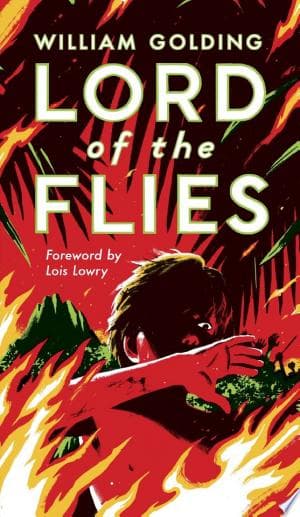
- Lord of the Flies
William Golding
3.7 (2.3M) average on GoodreadsYoung AdultWhile for a much older audience, 'Lord of the Flies' shares the thematic core of a 'False Paradise' that devolves into savagery. Oppel adapts this concept for children, focusing on external threats and natural dangers rather than inherent human depravity, but still explores the disillusionment when an idyllic setting turns perilous.
- Harry Potter and the Sorcerer's Stone
J.K. Rowling
4.5 (7M) average on GoodreadsFantasyRescued from a miserable life under the stairs, an orphaned boy discovers he's a wizard destined for a magical school, where he uncovers a dangerous secret tied to the dark wizard who murdered his parents.
- The Hunger Games
Suzanne Collins
4.3 (6.4M) average on GoodreadsFantasyIn a future where children fight to the death on live television, Katniss Everdeen volunteers for the arena, turning a death sentence into a fight for survival and a spark of rebellion.
- 1984
George Orwell
4.2 (3.1M) average on GoodreadsPoliticsIn a future where surveillance and thought control are absolute, a man's search for truth clashes with the Party, showing that hope can be a form of rebellion.





Enjoyed the summary?
A summary gives you the shape of the book. The book itself has the detail, the examples and the voice.
Find Sunwing on AmazonAs an Amazon Associate, BookBrief earns from qualifying purchases. How we're funded