
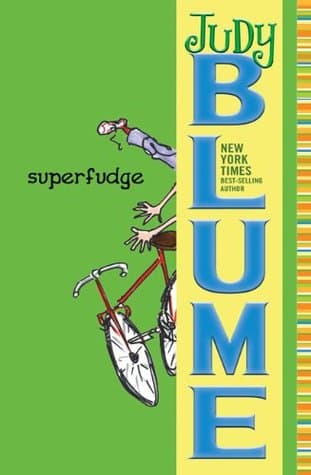
Synopsis
Covers the whole plot, including the ending.
- Difficulty
- Easy
- Pacing
- Moderate
- Mood
- Humorous, Heartwarming, Relatable, Lighthearted
- Read it if
- You enjoy humorous, relatable stories about family dynamics, sibling rivalry, and the challenges of growing up, with a focus on a quirky younger brother.
- Skip it if
- You dislike children's perspectives on family life or prefer plots with high stakes and complex mysteries.
Superfudge Plot Summary
Covers the whole plot, including the ending.
The Big News and Baby Troubles
Peter Hatcher, almost twelve, is enjoying life in New York City when his parents share two big pieces of news. First, his mother is pregnant again, which Peter dislikes, fearing another disruptive sibling like his younger brother, Fudge. Second, they plan to move the family, including Fudge and their dog, Turtle, to Princeton, New Jersey, for a year. Peter is upset about leaving his friend, Jimmy Fargo, and his comfortable life. Fudge, always wanting attention, seems unaware of Peter's distress, excitedly looking forward to a new baby and a new house, while Peter deals with the unwanted changes.
Princeton Adjustments and New Friendships
The Hatcher family moves to a rented house in Princeton. Peter at first feels alone and unhappy, missing New York and Jimmy. He finds the local kids different and struggles to fit in. However, he soon becomes friends with Alex Ramsey, a quiet, smart boy, and Joanne, a more outgoing girl who lives next door. Peter also starts school, where he learns new routines and meets teachers, slowly getting used to his new place despite his initial dislike. Fudge, meanwhile, quickly settles in, exploring the new neighborhood and making his own friends, often involving Peter in his adventures.
Fudge's School Antics and Peter's Responsibility
Fudge starts kindergarten at the local elementary school. His energetic and often naughty nature quickly makes him a memorable, if challenging, student. He tells made-up stories, questions everything, and often interrupts class, annoying his teacher, Mrs. Muldour. Peter, as the older brother, is often asked by his parents to help manage Fudge, from walking him to school to settling his arguments. This extra responsibility stresses Peter, who wishes he could just be a normal kid without always watching his younger brother.
The Arrival of Tootsie
The new baby's arrival is near, and Peter remains worried. His mother goes into labor, and after a tense wait, his baby sister is born. Peter's parents name her Tamara Roxanne, but Fudge, in his usual way, immediately calls her 'Tootsie,' a name that sticks. Tootsie's arrival brings new challenges and adjustments for the family. Fudge is at first interested in the baby but quickly becomes jealous of the attention she gets, leading to more antics and demands for his parents' focus, while Peter tries to keep some peace amid the baby's cries and Fudge's actions.
Fudge's Jealousy and Tootsie's Disappearance
Fudge's jealousy of Tootsie grows stronger. He feels ignored and acts out, demanding more attention from his parents. This leads to a scary event: one day, Tootsie is missing from her crib. The Hatcher household is in a panic as everyone searches for the baby. Peter is scared, fearing the worst. The search eventually goes to Fudge's room, where Tootsie is found unharmed, tucked into one of Fudge's dresser drawers, covered in stamps. Fudge, trying to 'mail' her back to the hospital, had hidden her. The incident, while resolved, leaves the family shaken and shows how strong Fudge's sibling rivalry is.
Peter's New Dog and Family Bonding
After the Tootsie incident, Peter's parents see he needs something of his own and surprise him with a new puppy, a male named Uncle Feather (named by Fudge). This new pet brings Peter much joy and a sense of responsibility. The family slowly gets into a new routine, with Tootsie growing and Fudge continuing his antics, though perhaps with a little more understanding from his parents. Peter finds himself enjoying his new friendships and even starting to like Princeton. The year away from New York, at first dreaded, begins to feel more like a new chapter, with the family growing closer through their shared experiences and challenges.
The Return to New York
As the year in Princeton ends, the Hatcher family starts preparing to move back to their apartment in New York City. Peter thinks about his experiences, realizing how much he has changed and grown. He has made new friends, adjusted to a new place, and even developed a reluctant liking for Tootsie, despite Fudge's continued actions. The move back is met with mixed feelings; while Peter is eager to reunite with Jimmy Fargo, he also feels a bit sad about leaving Alex and Joanne. The family packs their things, including their dog, Turtle, and the new puppy, Uncle Feather, ready for the next part of their lives.
Reunion with Jimmy and Shared Stories
Upon returning to New York City, Peter's first goal is to reunite with his friend, Jimmy Fargo. The two boys excitedly catch up, sharing stories of their year apart. Peter tells about the move to Princeton, Tootsie's birth, and Fudge's various adventures, including the 'mailing' incident. Jimmy, in turn, tells Peter about his experiences in their old neighborhood. Their friendship stays strong, and they quickly go back to their familiar routines, showing that some bonds can last through distance and change. Peter feels relieved and comfortable being back home with his friend.
Fudge's Continued Antics in NYC
Even back in New York, Fudge's energetic and often wild personality stays the same. He continues to be a handful, finding new ways to get into trouble and demand attention. Peter, now better at handling his younger brother, still finds himself often annoyed by Fudge's actions, which include drawing on walls, making up wild stories, and generally disrupting the peace. Despite the challenges, Peter has learned to cope and even find some humor in Fudge's unique character, solidifying his role as the responsible older brother who, deep down, cares for his troublesome sibling.
Principal Figures
Peter Hatcher
Protagonist
Nearly twelve-year-old boy, burdened by his younger brother Fudge and reluctant to change.
Peter is the long-suffering older brother of Fudge, often feeling overshadowed and exasperated by his sibling's antics. He is a generally responsible and thoughtful boy who values his friendships and routines. The news of a new baby and a move to Princeton deeply upsets him, as he fears losing his identity and freedom. Throughout the book, Peter grapples with feelings of resentment, jealousy, and the burden of responsibility, especially concerning Fudge. He tries to navigate the chaos of his family life while maintaining a sense of normalcy and pursuing his own interests, like his pet dog, Turtle.
Relationships: Fudge Hatcher (Younger brother, source of constant annoyance and occasional affection); Tamara Roxanne 'Tootsie' Hatcher (Infant sister, initially resented, later accepted); Warren Hatcher (Dad) (Father, often tries to mediate but sometimes adds to Peter's burdens); Anne Hatcher (Mom) (Mother, often relies on Peter to help with Fudge); Jimmy Fargo (Best friend in New York); Alex Ramsey (New friend in Princeton); Joanne (New friend in Princeton)
Fudge Hatcher
Supporting
Peter's mischievous and attention-seeking younger brother, now a kindergartner.
Fudge is five years old in Superfudge, and his personality is as boisterous and demanding as ever. He is imaginative, curious, and utterly self-centered, constantly seeking attention and often causing chaos. His move to Princeton and the arrival of his baby sister, Tootsie, fuel his jealousy and lead to some of his most memorable antics, like trying to 'mail' Tootsie. Fudge is an unfiltered character, speaking his mind and acting on impulse, which often puts Peter in awkward or embarrassing situations. Despite his troublesome nature, he is deeply loved by his family, who often find his antics both frustrating and endearing.
Relationships: Peter Hatcher (Older brother, frequent target of Fudge's antics); Tamara Roxanne 'Tootsie' Hatcher (Infant sister, object of jealousy and misguided affection); Warren Hatcher (Dad) (Father, often amused and exasperated by Fudge); Anne Hatcher (Mom) (Mother, often overwhelmed by Fudge's energy); Mrs. Muldour (Kindergarten teacher, frequently tested by Fudge)
Tamara Roxanne 'Tootsie' Hatcher
Supporting
The new baby sister, nicknamed Tootsie by Fudge, who brings new challenges and joy.
Tootsie is the newest addition to the Hatcher family, born during their year in Princeton. Initially, her arrival is met with apprehension by Peter and intense jealousy by Fudge. She is a typical infant, requiring constant care and attention, which further shifts the family dynamic. Fudge's nickname 'Tootsie' immediately sticks, reflecting his playful and somewhat possessive attitude towards her. Her temporary 'disappearance' orchestrated by Fudge is a pivotal moment, highlighting the sibling rivalry but ultimately leading to a deeper bond within the family, as Peter grows to accept and even love his baby sister.
Relationships: Peter Hatcher (Older brother, initially resentful but grows to love her); Fudge Hatcher (Older brother, intensely jealous but also protective in his own way); Warren Hatcher (Dad) (Father); Anne Hatcher (Mom) (Mother)
Warren Hatcher (Dad)
Supporting
Peter's father, a calm and understanding presence who often tries to mediate family conflicts.
Mr. Hatcher is Peter and Fudge's father, a generally calm and supportive figure in the family. He is the one who proposes the year-long move to Princeton, believing it will be a good experience for everyone. He often tries to reason with Peter and Fudge, and he shares a loving relationship with his wife. While he sometimes struggles to fully grasp Peter's adolescent anxieties, he is a loving parent who makes an effort to understand his children and provide for their well-being, such as getting Peter a new puppy.
Relationships: Peter Hatcher (Son); Fudge Hatcher (Son); Anne Hatcher (Mom) (Wife); Tamara Roxanne 'Tootsie' Hatcher (Daughter)
Anne Hatcher (Mom)
Supporting
Peter's mother, often overwhelmed by her children but deeply loving and resilient.
Mrs. Hatcher is Peter and Fudge's mother, who becomes pregnant with Tootsie at the beginning of the book. She is often the primary caregiver and disciplinarian, frequently overwhelmed by Fudge's antics and the demands of a new baby. She relies on Peter more than he would like, asking him to help with Fudge. Despite the challenges, she is a loving and dedicated mother who strives to create a stable and happy home for her family. Her experience of pregnancy and childbirth is a significant part of the story, seen through Peter's perspective.
Relationships: Peter Hatcher (Son); Fudge Hatcher (Son); Warren Hatcher (Dad) (Husband); Tamara Roxanne 'Tootsie' Hatcher (Daughter)
Jimmy Fargo
Supporting
Peter's best friend in New York City.
Jimmy Fargo is Peter's closest friend in New York. He represents Peter's stable life and the comfort of his old routines. Peter deeply misses Jimmy during his year in Princeton, and their eventual reunion is a highlight of Peter's return. Jimmy provides a contrast to Peter's new friends in Princeton, reminding Peter of his roots and the enduring nature of true friendship. Although he doesn't appear for much of the book, his absence and the anticipation of seeing him again are significant to Peter's emotional journey.
Relationships: Peter Hatcher (Best friend)
Alex Ramsey
Supporting
A new friend Peter makes in Princeton.
Alex Ramsey is one of the first friends Peter makes in Princeton. He is described as a quiet and intelligent boy, and he and Peter bond over shared interests and their experiences as new kids in a different town. Alex helps Peter adjust to his new environment and provides a sense of camaraderie during a challenging time. Their friendship demonstrates Peter's capacity to form new connections even when he is initially resistant to change.
Relationships: Peter Hatcher (Friend)
Joanne
Supporting
Another new friend Peter makes in Princeton, an outgoing girl.
Joanne is a girl who lives next door to the Hatchers in Princeton and becomes another one of Peter's new friends. She is more outgoing than Alex and helps Peter feel more comfortable in his new neighborhood. Her presence, along with Alex's, signifies Peter's slow but steady adaptation to his temporary home, showing that he can find happiness and connection even outside of his established comfort zone in New York.
Relationships: Peter Hatcher (Friend)
Turtle
Supporting
Peter's beloved dog.
Turtle is Peter's pet dog, a constant source of comfort and companionship for him. Turtle moves with the family to Princeton and is a familiar, calming presence amidst the chaos of Fudge and the new baby. He represents Peter's personal space and responsibility, as Peter often takes care of him. Turtle's presence highlights Peter's nurturing side and his need for something that is solely his own, separate from his siblings.
Relationships: Peter Hatcher (Owner); Fudge Hatcher (Family member)
Uncle Feather
Supporting
Peter's new puppy, a surprise gift.
Uncle Feather is a puppy given to Peter by his parents as a way to give him something of his own after the stress of the new baby and Fudge's antics. Fudge, of course, insists on naming the puppy 'Uncle Feather,' much to Peter's initial dismay. The puppy brings Peter immense joy and a new sense of responsibility, further cementing his role as a caregiver and providing him with a much-needed emotional outlet and companion.
Relationships: Peter Hatcher (Owner); Fudge Hatcher (Namer/Family member)
Themes & Insights
Coping with Change and Adaptation
The main theme is Peter's struggle to deal with big life changes: a new baby, a family move to a new town, and new schools. He at first resists these changes, holding onto his familiar life in New York and his friendship with Jimmy. However, over the year in Princeton, Peter slowly learns to adapt, make new friends like Alex and Joanne, and even grudgingly accept his new sister. This theme shows the challenges and growth that come from leaving one's comfort zone and accepting the unexpected.
“I didn't want to move. I didn't want a new baby. I didn't want anything to change.”
Sibling Rivalry and Responsibility
The relationships between Peter and Fudge, and later Peter, Fudge, and Tootsie, are central. Peter constantly feels burdened by Fudge's actions and the responsibility of being the older brother. Fudge's strong jealousy of Tootsie, leading to the 'mailing' incident, clearly shows sibling rivalry. The book explores how Peter handles these relationships, from annoyance and resentment to a growing sense of protective love and acceptance. This shows the complex emotions in sibling bonds and the growth that comes with added responsibility.
“Fudge thinks everything belongs to him. And if he doesn't think it belongs to him, he thinks he can still do whatever he wants with it.”
Family Dynamics and Love
Despite the constant chaos from Fudge and the adjustments needed for a new baby and a move, the underlying theme is the Hatcher family's strong love. Peter's parents, while sometimes annoyed, consistently show love and patience (mostly) towards their children. The family learns to deal with challenges together, finding humor in tough situations and ultimately growing closer. Tootsie's birth and the shared relief after her 'disappearance' show the deep bonds and affection that hold the family together, even amid their individual struggles.
“Even with Fudge and a new baby, our family was still my family. And I guess I wouldn't trade them for anyone.”
The Transition to Adolescence
Peter, almost twelve, is becoming a teenager, dealing with typical pre-teen worries like friendships, independence, and his changing identity. The added pressures of a new baby and a move make him grow up faster, taking on more responsibility and handling complex emotions. His longing for his old life and his struggle to accept the new reflect the inner conflict of growing up and the challenges of leaving childhood behind, while still being tied to his younger siblings' needs.
“Sometimes I felt like I was the only normal person in our whole crazy family.”
Plot Devices & Literary Techniques
First-Person Narration (Peter Hatcher)
Provides an intimate, often exasperated, perspective on family life.
The entire story is told from Peter Hatcher's point of view. This narrative choice allows readers to fully experience Peter's frustrations, joys, and anxieties, particularly regarding his younger brother Fudge. His internal monologues reveal his longing for a normal life, his resentment towards Fudge, and his gradual acceptance of his family's eccentricities. This perspective makes Peter a highly relatable character for young readers who may also feel overshadowed by siblings or challenged by family changes, offering a direct window into his emotional journey.
Humor and Exaggeration
Used to lighten difficult situations and highlight Fudge's unique personality.
Judy Blume employs humor, often through exaggeration, to make the daily chaos of the Hatcher household entertaining rather than purely stressful. Fudge's outlandish statements, his creative misinterpretations of the world, and his dramatic antics (like trying to 'mail' Tootsie) are presented with a comedic flair. This device helps balance the more serious themes of sibling rivalry and Peter's struggles, making the book enjoyable and accessible for its target audience. The humor often arises from the stark contrast between Peter's desire for order and Fudge's inherent chaos.
Symbolism of the New Baby (Tootsie)
Represents change, increased responsibility, and the expansion of family love.
Tootsie, the new baby, serves as a powerful symbol of the changes thrust upon Peter and the family. Her arrival forces Peter to confront his anxieties about losing his place and taking on more responsibility. For Fudge, she symbolizes a rival for attention, sparking his most dramatic acts of jealousy. Ultimately, Tootsie represents the expansion of the family and the capacity for love to grow, as both Peter and Fudge, in their own ways, come to accept and even cherish their new sister, symbolizing growth and adaptation for the entire Hatcher unit.
The Move to Princeton
A narrative device to introduce new challenges and facilitate Peter's growth.
The year-long move to Princeton, New Jersey, functions as a significant plot device. It removes Peter from his comfort zone in New York, forcing him to confront unfamiliar surroundings, make new friends, and adjust to a different school. This geographical shift acts as a catalyst for Peter's personal growth, pushing him to be more independent and adaptable. It also intensifies the family's dynamic by placing them in a new environment without their usual support systems, highlighting their reliance on each other and ultimately strengthening their bonds.
Superfudge Quotes
“I'm not a baby! I'm a person!”
“Sometimes I think my parents are the weirdest people in the world.”
“You can't just wish for things. You have to work for them.”
“Fudge is a pain, but he's my pain.”
“Why does everything have to change?”
“I'm not moving! You can't make me!”
“Being the oldest isn't always easy.”
“Sometimes you have to laugh to keep from crying.”
“Fudge, you are impossible!”
“Family is family, even when they drive you crazy.”
“I wish I had a normal brother.”
“Growing up means learning to deal with surprises.”
“Why can't things just stay the same?”
“Fudge may be small, but he has big ideas.”
Quiz
10 questions on the plot and the characters. Each answer comes with a short explanation.
Question 1
What is the main reason Peter Hatcher is initially upset about his family's move in 'Superfudge'?
- He doesn't want to leave his best friend Jimmy Fargo.
- He hates the idea of living in a smaller house.
- He is afraid of starting at a new school.
- He doesn't want to be farther from his grandparents.
Show answer
A. He doesn't want to leave his best friend Jimmy Fargo. Peter is most distressed about leaving his best friend Jimmy Fargo behind in New York City when the family moves to Princeton, New Jersey, as their friendship is a central part of his life.
Question 2
What embarrassing incident does Fudge cause at the shoe store in Princeton?
- He tries on all the shoes and refuses to take them off.
- He throws a tantrum because he wants red shoes instead of brown.
- He bites the toe of a new shoe to see if it's real leather.
- He hides under a display rack and scares other customers.
Show answer
C. He bites the toe of a new shoe to see if it's real leather. Fudge bites the toe of a shoe to test if it's made of real leather, causing embarrassment for Peter and their mother, which is a classic example of his mischievous behavior.
Question 3
What does Peter name the turtle he gets as a pet in Princeton?
- Shelly
- Tank
- Myrtle
- Dribble
Show answer
D. Dribble Peter names his turtle Dribble, which is a callback to his previous pet turtle in 'Tales of a Fourth Grade Nothing', showing continuity in the series.
Question 4
Why does Sheila Tubman, a know-it-all character, become important to Peter in Princeton?
- She helps him with his homework and becomes his tutor.
- She is the only other kid his age in the neighborhood, so they become friends.
- She protects him from bullies at his new school.
- She introduces him to a secret club in Princeton.
Show answer
B. She is the only other kid his age in the neighborhood, so they become friends. Sheila is one of the few kids Peter's age in the neighborhood, and despite her annoying know-it-all attitude, she becomes a friend and companion as he adjusts to the new environment.
Question 5
What major family change occurs that surprises Peter and Fudge in 'Superfudge'?
- Their father loses his job and they have to move back to New York.
- Their mother announces she is pregnant with a new baby.
- Their grandparents come to live with them in Princeton.
- They adopt a dog from the local shelter.
Show answer
B. Their mother announces she is pregnant with a new baby. Peter and Fudge are shocked when their mother reveals she is pregnant, leading to the arrival of a new baby sister named Tootsie later in the book, which adds to the family dynamics.
Question 6
How does Fudge react when he learns about the new baby coming?
- He is excited and starts planning how to help take care of it.
- He becomes jealous and worries he won't be the baby anymore.
- He ignores the news and focuses on his own activities.
- He throws a party to celebrate the new addition.
Show answer
B. He becomes jealous and worries he won't be the baby anymore. Fudge, who has always been the center of attention as the younger child, feels threatened and jealous about the new baby, fearing he will lose his special status in the family.
Question 7
What theme is highlighted by Peter's struggles with moving and adjusting to a new sibling?
- The importance of academic success in childhood.
- The challenges and growth involved in family changes and adaptability.
- The value of financial stability in family life.
- The role of pets in providing emotional support.
Show answer
B. The challenges and growth involved in family changes and adaptability. The book explores themes of change and adaptation, as Peter deals with moving to a new town and the arrival of a new baby, showing how families navigate and grow through transitions.
Question 8
What does Fudge do that leads to a humorous misunderstanding about where babies come from?
- He tells his classmates that babies are delivered by storks.
- He believes the new baby is growing in his mother's stomach because she ate a seed.
- He thinks babies are bought from a store like toys.
- He assumes babies come from the hospital gift shop.
Show answer
B. He believes the new baby is growing in his mother's stomach because she ate a seed. Fudge humorously misunderstands pregnancy, thinking the baby is growing because his mother swallowed a seed, which reflects his childish perspective and adds comedic relief to the story.
Question 9
How does Peter's relationship with Fudge evolve by the end of 'Superfudge'?
- Peter becomes more patient and protective towards Fudge, showing brotherly growth.
- Peter decides he can no longer tolerate Fudge and avoids him completely.
- Peter and Fudge become competitive rivals, constantly fighting.
- Peter teaches Fudge to be more independent, so they drift apart.
Show answer
A. Peter becomes more patient and protective towards Fudge, showing brotherly growth. Despite Fudge's antics, Peter shows maturity by becoming more understanding and protective, especially with the new baby coming, indicating development in their sibling bond.
Question 10
What key detail about the setting shift emphasizes the family's new beginning in 'Superfudge'?
- They move from a bustling city apartment to a suburban house with a yard.
- They relocate to a farm to experience rural life.
- They move to a different country for their father's job.
- They downsize to a smaller apartment in the same city.
Show answer
A. They move from a bustling city apartment to a suburban house with a yard. The move from New York City to a house in Princeton, New Jersey, with a yard symbolizes a fresh start and a change from urban to suburban living, impacting the characters' experiences.
Superfudge FAQ
What is 'Superfudge' about?
'Superfudge' follows Peter Hatcher, a 12-year-old boy, as his family moves from New York City to Princeton, New Jersey, for a year. The story centers on Peter's struggles with his mischievous younger brother Fudge (real name Farley Drexel Hatcher), who starts kindergarten and causes constant chaos, while Peter navigates a new school, makes friends, and deals with the arrival of a new baby sister, Tootsie.
Why should I read 'Superfudge'?
You should read 'Superfudge' for its humorous and relatable portrayal of sibling rivalry, family dynamics, and childhood challenges. Judy Blume's witty writing captures the frustrations and joys of growing up, with memorable characters like Peter's exasperation over Fudge's antics and the family's adjustments to a new baby and town, making it both entertaining and insightful for young readers.
What is the background/setting of 'Superfudge'?
The book is set in the late 1970s or early 1980s, primarily in Princeton, New Jersey, where the Hatcher family moves for a year so Peter's father can work on a book. The setting shifts from their familiar New York City apartment to a suburban house, highlighting themes of change and adaptation as Peter attends a new school and the family deals with a different environment.
What are the most memorable quotes?
Memorable quotes include Peter's exasperated line, 'Fudge is a pain,' and Fudge's humorous mispronunciations, such as calling his new sister 'Tootsie' instead of her real name. Another notable quote is when Peter reflects, 'Sometimes I think my parents forget I'm not a baby anymore,' capturing his feelings of being overlooked in the family.
What writing style does Judy Blume use in 'Superfudge'?
Judy Blume uses a first-person narrative from Peter's perspective, with a conversational and humorous tone that appeals to children and young adults. The writing is straightforward and engaging, blending realistic dialogue with vivid descriptions of family life, making the characters' emotions and situations feel authentic and relatable.
What minor details add significant meaning?
Minor details like Fudge's obsession with money (he collects coins and tries to sell his baby teeth) highlight his growing understanding of the world and add humor. Peter's secret hiding spot for his valuables, which Fudge eventually discovers, symbolizes his need for privacy and control amidst family chaos, emphasizing themes of independence.
What are some subtle foreshadowing moments?
Early in the book, Peter's parents mention they might have another baby, which foreshadows Tootsie's arrival. Fudge's constant mischief and curiosity, such as his interest in babies, subtly hint at the upcoming changes in the family dynamic, preparing readers for the challenges and adjustments that come with a new sibling.
What unexpected character connections exist?
An unexpected connection is between Sheila Tubman, a know-it-all girl from Peter's New York school, and Peter's new friend in Princeton, Alex. Though Sheila doesn't appear much in this book, her character traits contrast with Peter's new relationships, showing how he navigates different social dynamics and learns to appreciate varied personalities.
What are unspoken character motivations?
Peter's unspoken motivation is his desire for attention and validation from his parents, who are often preoccupied with Fudge and the new baby. Fudge's mischief stems from a need to assert himself and gain recognition in the family, while the parents' move to Princeton reflects their unspoken hope for a fresh start and better work-life balance.
What psychological complexities do characters exhibit?
Peter exhibits complexity through his mixed feelings of love and resentment toward Fudge, grappling with jealousy and responsibility. Fudge shows a blend of innocence and cunning, using his childish antics to manipulate situations. The parents display stress and guilt over balancing their careers and children, highlighting the pressures of parenthood.
What are the major emotional turning points?
Major emotional turning points include Peter's initial anger over the move to Princeton, his gradual acceptance as he makes new friends, the shock and adjustment to Tootsie's birth, and the climax where Peter protects Fudge from a bully, leading to a moment of sibling bonding. These events mark Peter's growth in maturity and family understanding.
How do relationship dynamics evolve?
Peter and Fudge's relationship evolves from constant conflict to moments of protection and care, such as when Peter stands up for Fudge at school. The parents become more attuned to Peter's needs as he expresses his feelings, and the family as a whole adapts to the new baby, strengthening their bonds through shared challenges and humor.
Which parts remain ambiguous or open-ended?
The book leaves ambiguous whether the family will move back to New York City permanently after their year in Princeton, leaving readers to wonder about their future. Additionally, Peter's long-term feelings about his new friends and school are not fully resolved, suggesting ongoing personal growth and uncertainty typical of childhood.
What are controversial scenes or decisions?
Some readers might find the parents' decision to move the family without fully consulting Peter controversial, as it highlights adult authority over children's lives. Fudge's mischievous acts, like his attempts to sell his baby teeth or cause trouble at school, could be seen as encouraging bad behavior, though they are portrayed humorously within the story.
'Superfudge' ending explained: how it ends & what it means
The book ends with the Hatcher family celebrating Christmas in Princeton, having adjusted to their new life. Peter reflects on the year's changes, including Tootsie's growth and his improved relationship with Fudge. The ending signifies acceptance and family unity, suggesting that despite challenges, love and humor help them thrive, with an open-ended hint at future adventures.
About the author

Judith Blume is an American writer of children's, young adult, and adult fiction. Blume began writing in 1959 and has published more than 25 novels. Among her best-known works are Are You There God? It's Me, Margaret. (1970), Tales of a Fourth Grade Nothing (1972), Deenie (1973), and Blubber (1974). Blume's books have significantly contributed to children's and young adult literature. She was named one of the 100 most influential people in the world by Time magazine in 2023.
Similar books
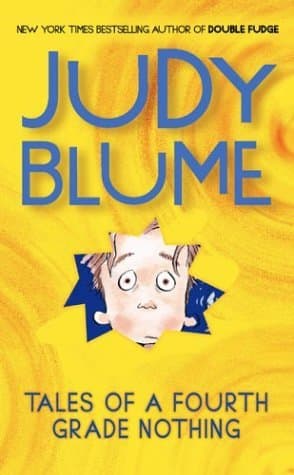
- Tales of a Fourth Grade Nothing
Judy Blume
4.1 (132k) average on GoodreadsChildren'sIt's the prequel and features the same characters and similar family humor.
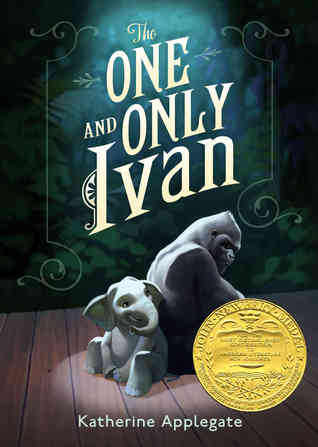
- The One and Only Ivan
Katherine Applegate
4.3 (141k) average on GoodreadsFantasyFocuses on a child's perspective and emotional growth within a family context, though with a different setting.
- Harry Potter and the Sorcerer's Stone
J.K. Rowling
4.5 (7M) average on GoodreadsFantasyRescued from a miserable life under the stairs, an orphaned boy discovers he's a wizard destined for a magical school, where he uncovers a dangerous secret tied to the dark wizard who murdered his parents.
- The Hobbit, or There and Back Again
J.R.R. Tolkien
4.3 (2.9M) average on GoodreadsFantasyA comfort-loving hobbit named Bilbo Baggins is whisked away by a mischievous wizard and a band of dwarves on an unexpected journey to reclaim stolen treasure from a fearsome dragon, discovering courage and a magical ring along the way.
- Harry Potter and the Goblet of Fire
J.K. Rowling
4.6 (2.6M) average on GoodreadsFantasyA bewildered Harry Potter, underage and thrust into a deadly Triwizard Tournament, must brave dragons, mermaids, and a resurgent dark magic to survive a year that will forever alter the wizarding world.
- Harry Potter and the Order of the Phoenix
J.K. Rowling
4.5 (2.5M) average on GoodreadsFantasyIn a year of oppressive secrets and the threat of Voldemort, Harry Potter and Dumbledore's Army secretly train for war, shown through Jim Kay and Neil Packer's dark illustrations.




Enjoyed the summary?
A summary gives you the shape of the book. The book itself has the detail, the examples and the voice.
Find Superfudge on AmazonAs an Amazon Associate, BookBrief earns from qualifying purchases. How we're funded