

Synopsis
Covers the whole plot, including the ending.
- Difficulty
- Easy
- Pacing
- Moderate
- Mood
- Romantic, Artistic, Mysterious, Sweet
- Read it if
- You enjoy contemporary YA romance with a unique artistic twist, mysterious bad boys, and themes of healing and self-discovery.
- Skip it if
- You prefer fantasy/sci-fi, high-stakes plots, or dislike 'good girl falls for bad boy' tropes.
The Anatomical Shape of a Heart Plot Summary
Covers the whole plot, including the ending.
A Cadaverous Plan and a Chance Encounter
Beatrix 'Bix' Adams, an aspiring anatomical artist, plans to spend her summer drawing cadavers for a museum scholarship. She tries to get into the Willed Body program at a hospital but is too young. Frustrated, she misses her train home and is stranded. While waiting for a bus, she meets Jack, a charming young man. He offers her a ride on his scooter, and Beatrix accepts. This meeting changes her summer plans and leads her down a new path.
Midnight Murals and Shared Secrets
Beatrix learns that Jack is a talented graffiti artist known as 'Anatomy.' He takes her on a midnight adventure, showing her his murals on San Francisco's rooftops and hidden alleys. Beatrix is drawn to his art and the emotion in it. During these outings, they start to open up. Jack hints at a troubled past and sadness, while Beatrix shares her passion for anatomical art and the pressure she feels to succeed, especially given her family's art history and her father's absence. Their connection grows as they share these personal details.
Family Ghosts and Artistic Pressures
Beatrix continues to struggle with her family's past, particularly her artist mother, who died young, and her estranged father, a well-known but controversial artist. Her grandmother, a former art professor, constantly pushes Beatrix toward the scholarship and reminds her of her artistic heritage. Beatrix feels immense pressure to win the museum scholarship, believing it is her only way to a successful art career and a way to honor her mother. She also secretly visits her father's studio, grappling with her mixed feelings about him and his work.
Unveiling Jack's Scars
As Beatrix and Jack spend more time together, Beatrix notices Jack's physical and emotional scars. She learns he was in a devastating accident years ago, which killed his younger sister. This tragedy left him with guilt, PTSD, and a fear of driving. His graffiti art, especially his 'Anatomy' tag, helps him process his grief and express his pain. Beatrix's understanding of his trauma strengthens their bond, as she sees the vulnerable person beneath his charming exterior.
A Complicated Confession
Jack eventually tells Beatrix a secret: he is the son of her estranged father's former studio assistant, a man who was deeply involved in her father's life and art. Jack's family was also affected by her father's actions. This news makes Beatrix feel betrayed and confused, believing Jack deliberately hid information that connects him to her family's painful past. Their trust is broken, straining their new relationship.
The Scholarship Showdown
Despite her emotional upset over Jack's confession and questions about her father, Beatrix focuses on her scholarship application. She continues to develop her anatomical art, finding comfort and expression in her detailed drawings. The competition requires a portfolio and a final piece, pushing her artistic limits. Her grandmother remains a demanding critic, reminding Beatrix of the high stakes. Beatrix feels the weight of her family's artistic legacy and her own goals, seeing the scholarship as more than just a prize, but a validation of her identity as an artist.
Confronting the Past
Driven by the need for answers, Beatrix finally confronts her estranged father. During their difficult talk, she learns more about his complex relationship with Jack's family and the reasons for their estrangement. Her father reveals his own struggles and regrets, offering a more complete view of the past. This conversation, though painful, helps Beatrix understand her family's history and the burden of their secrets. It also allows her to start processing her resentment and confusion toward him.
Art as Healing
Beatrix channels her emotional upset into her art. She begins to add personal elements to her anatomical drawings, using them to explore grief, trauma, and connection. Her art becomes a reflection of her inner world, helping her process her feelings about Jack, her father, and her family's past. This artistic exploration is not just for the scholarship; it is a personal journey of self-discovery and healing, showing her growth as an artist and an individual.
Reconciliation and Forgiveness
After a period apart, Beatrix and Jack slowly start to reconnect. They have difficult conversations, where Jack further explains his past and why he kept information secret. Beatrix, having faced her own family's secrets, is more open to understanding his view. They both acknowledge the pain their intertwined histories caused but also recognize their strong bond. This reconciliation is not easy, but it is a step toward forgiveness and a possible future together, built on honesty and mutual understanding.
A New Beginning
Beatrix presents her final art piece for the scholarship, a work that shows her personal journey and artistic growth. Regardless of the scholarship outcome, she has found her unique artistic voice, blending her passion for anatomy with her emotional experiences. She and Jack decide to face the future together, knowing their relationship will require continued effort and honesty. Beatrix accepts the complexities of her family, her art, and her love for Jack, starting her senior year with a new sense of self and hope for her artistic and personal path.
Principal Figures
Beatrix 'Bix' Adams
Protagonist
An aspiring anatomical artist seeking a scholarship and understanding of her family's past.
Beatrix is a determined and intelligent teenager with a profound passion for anatomical art, viewing it as a path to understanding life and death. She is driven by the desire to win a prestigious museum scholarship, partly to honor her deceased artist mother and partly to escape her family's complicated artistic legacy, particularly her estranged father's controversial work. Initially somewhat naive and sheltered, she possesses a keen observational eye and a deep capacity for empathy. She can be stubborn and guarded but is ultimately open to vulnerability.
Relationships: Jack (Romantic interest, initially mysterious, later a source of both comfort and conflict); Grandmother (Supportive but demanding mentor and guardian); Father (Estranged artist, source of family secrets and artistic inspiration/frustration); Mother (Deceased artist, a significant influence on Beatrix's artistic path)
Jack
Love Interest / Supporting
A charming, mysterious graffiti artist haunted by a tragic past.
Jack is a charismatic and enigmatic young man who is secretly a talented graffiti artist known as 'Anatomy.' Beneath his charming exterior, he carries deep emotional scars from a past tragedy involving the death of his younger sister, which left him with PTSD and profound guilt. He uses his art as a means of expression and processing his trauma. He is fiercely protective of his secrets and initially struggles with honesty, but his genuine affection for Beatrix pushes him towards vulnerability and healing. He is artistic, adventurous, and deeply empathetic once his guard is down.
Relationships: Beatrix Adams (Romantic interest, catalyst for his emotional healing and honesty); Jack's Sister (Deceased, the central figure in his past trauma); Beatrix's Father (Connected through family history, a source of past conflict)
Grandmother
Supporting
Beatrix's supportive but demanding guardian and artistic mentor.
Beatrix's grandmother is a former art professor and a significant figure in Beatrix's life. She is highly intelligent, discerning, and deeply invested in Beatrix's artistic success, particularly the scholarship. While she provides a stable home and guidance, she can also be critical and push Beatrix intensely, sometimes projecting her own unfulfilled artistic ambitions or desires for Beatrix to honor her mother's legacy. She represents the traditional art world and its expectations, but also a deep love for her granddaughter.
Relationships: Beatrix Adams (Guardian, mentor, and emotional anchor); Beatrix's Mother (Her deceased daughter, whose memory she tries to uphold through Beatrix)
Beatrix's Father
Supporting / Mentioned
An estranged, controversial artist with a complicated past.
Beatrix's father is a renowned but controversial artist, largely absent from her life since her mother's death. He is a complex figure, talented but seemingly burdened by his past actions and artistic choices. His art is often provocative and boundary-pushing. He carries secrets related to both Beatrix's mother and Jack's family, which have caused significant emotional damage. He represents the messy, often painful reality of artistic genius and personal failings, and his estranged relationship with Beatrix is a central tension in her life.
Relationships: Beatrix Adams (Estranged daughter, whom he eventually reconnects with); Beatrix's Mother (Deceased wife, whose memory is a source of both love and pain); Jack's Family (Connected through past events that caused significant trauma)
Themes & Insights
Art as Healing and Self-Discovery
The novel explores how art helps process grief, trauma, and identity. Beatrix uses her anatomical drawings to understand life's complexities and her emotional state. Jack's graffiti, 'Anatomy,' is his way of expressing the pain of his sister's death and his PTSD. Both characters find comfort and a voice through their art, allowing them to confront their pasts and envision a future. Beatrix's final scholarship piece, for example, shows her journey from observation to a personal interpretation of the human condition.
“Art wasn’t just about seeing. It was about feeling, about letting the world bleed into you.”
The Weight of Family Secrets and Legacy
The story examines the impact of family secrets and legacies on individual lives. Beatrix is affected by the artistic legacy of her deceased mother and estranged, controversial father, feeling pressure to meet their standards while also dealing with their hidden pasts. Jack is also affected by a secret connecting his family to Beatrix's father, which leads to his guardedness and pain. Uncovering these secrets, especially the truth about Beatrix's father and Jack's family, is important for both characters to grow and accept their identities.
“Skeletons in closets weren’t just for Halloween. They were for every day, rattling around inside you, reminding you of what you couldn’t change.”
Overcoming Trauma and Guilt
A main theme is overcoming deep trauma and guilt. Jack's story is defined by his struggle with PTSD and guilt from his sister's accidental death. His fear of driving and his reclusiveness show this trauma. Beatrix, while not having the same direct trauma, carries the emotional weight of her mother's early death and her father's absence. The novel shows the slow process of facing these wounds, seeking forgiveness, and finding healthy ways to cope, largely through art and supportive relationships. Their shared vulnerabilities help them begin to heal.
“Some scars were on the inside, deeper than any knife could cut.”
The Nature of Love and Trust
The romance between Beatrix and Jack explores the complexities of love, trust, and building a relationship amid personal issues. Their initial connection is based on attraction and shared artistic interests, but Jack's dishonesty about his past and his connection to Beatrix's family tests their relationship. The story emphasizes that true love requires vulnerability, honesty, and facing difficult truths. Their journey shows that trust, once broken, is hard to rebuild but necessary for a lasting connection.
“Trust was a fragile thing, easily shattered, hard to put back together.”
Plot Devices & Literary Techniques
The Museum Scholarship Contest
A goal-driven external conflict that propels Beatrix's actions and character development.
This contest serves as Beatrix's primary external motivation, pushing her to excel in her anatomical art. It provides a tangible goal that structures her summer plans and forces her to confront her artistic identity. It also acts as a symbol of her desire for validation and her attempt to honor her mother's legacy. The pressure of the scholarship competition often mirrors her internal emotional struggles, making the artistic process a crucible for her personal growth.
Jack's 'Anatomy' Graffiti
A symbolic artistic expression that reveals Jack's hidden trauma and connects him to Beatrix.
Jack's graffiti tag, 'Anatomy,' is more than just street art; it's a profound symbol of his internal world. It directly references the anatomical drawings Beatrix loves, creating an immediate, almost fated, connection between them. More importantly, it represents Jack's attempt to dissect and understand his own emotional pain and trauma, particularly related to his sister's death. The clandestine nature of his art also highlights his secretive and guarded personality, which Beatrix slowly unravels.
Beatrix's Father's Art Studio
A physical setting that represents family secrets, estranged relationships, and artistic legacy.
The studio of Beatrix's estranged father is a pivotal, symbolic location. It's a place she secretly visits, filled with his controversial art, representing the complex and often painful legacy she inherits. It's where she confronts her feelings about her father and begins to uncover the deeper truths about her family's past. The studio embodies the blend of artistic genius and personal turmoil that defines her family, serving as a physical manifestation of the 'skeletons in the closet' theme.
The Cadaver Program
An initial objective that symbolizes Beatrix's quest for understanding life, death, and her artistic purpose.
Beatrix's initial, thwarted attempt to access cadavers for her art is more than just a plot point; it's symbolic of her desire to delve beneath the surface, to understand the intricate workings of life and death, both literally and figuratively. While she doesn't immediately succeed, the pursuit of this objective sets her on a path that ultimately leads her to a deeper, more personal understanding of human anatomy – not just physical, but emotional and psychological – through her relationship with Jack and her own family history.
The Anatomical Shape of a Heart Quotes
“The human heart is a chaotic mess, but it's a beautiful one.”
“Art isn't about perfection. It's about capturing the imperfection.”
“Sometimes the most beautiful things are the ones you have to dig for.”
“You can't really know someone until you see them at their most vulnerable.”
“Being brave isn't about not being scared. It's about doing it anyway.”
“Every person is a walking, talking library of stories.”
“Love isn't a straight line. It's a messy, beautiful scribble.”
“The greatest discoveries often come from unexpected places.”
“It's okay to not have all the answers. The fun is in the looking.”
“Sometimes the only way to heal a broken heart is to let someone else in.”
“Creativity isn't just about making things; it's about seeing things differently.”
“The heart has its reasons, which reason knows nothing of.”
“You can't dissect a feeling, but you can certainly feel its impact.”
“We're all just trying to figure out where we fit in the grand scheme of things.”
Quiz
10 questions on the plot and the characters. Each answer comes with a short explanation.
Question 1
What is Beatrix's primary goal for the summer before her senior year, driven by her ambition to follow in Da Vinci's footsteps?
- To volunteer at a local art gallery
- To win a painting competition
- To draw actual cadavers for a scholarship contest
- To travel to Italy to study Renaissance art
Show answer
C. To draw actual cadavers for a scholarship contest Beatrix is determined to draw actual cadavers to gain an advantage in a museum-sponsored scholarship contest, inspired by Da Vinci's anatomical studies.
Question 2
How does Beatrix initially meet Jack?
- At the museum where she plans to enter the contest
- While trying to sneak into the hospital's Willed Body program and missing the last metro home
- Through a mutual friend at a summer party
- He was one of her classmates at art school
Show answer
B. While trying to sneak into the hospital's Willed Body program and missing the last metro home Beatrix meets Jack after her attempt to sneak into the hospital's Willed Body program leaves her stranded, having missed the last metro train home.
Question 3
What artistic activity is Jack known for, as hinted in the description?
- Classical portrait painting
- Sculpture
- Graffiti art
- Digital illustration
Show answer
C. Graffiti art Jack is described as possibly 'one of San Francisco’s most notorious graffiti artists,' indicating his artistic medium.
Question 4
What is the central conflict or tension that could potentially tear Beatrix and Jack apart, according to the summary?
- Their differing opinions on modern art
- Beatrix's family's secrets and Jack's hidden wounds
- A rivalry over the museum scholarship contest
- Their geographical distance preventing them from seeing each other
Show answer
B. Beatrix's family's secrets and Jack's hidden wounds The summary states, 'will these secrets come back to haunt him? Or will the skeletons in her family’s closet tear them apart?' highlighting the internal and external secrets as the core conflict.
Question 5
What specific historical figure inspires Beatrix's artistic ambition and her desire to draw cadavers?
- Michelangelo
- Vincent van Gogh
- Leonardo Da Vinci
- Frida Kahlo
Show answer
C. Leonardo Da Vinci The description explicitly states Beatrix is 'determined to follow in Da Vinci’s footsteps,' referring to his anatomical studies.
Question 6
Where do Beatrix and Jack spend time together, leading Beatrix to learn more about him?
- At Beatrix's family home and local cafes
- In the hospital's Willed Body program and public libraries
- On midnight buses and city rooftops
- At art classes and museum exhibitions
Show answer
C. On midnight buses and city rooftops The summary mentions, 'On midnight buses and city rooftops, Beatrix begins to see who Jack really is,' indicating their shared locations.
Question 7
What kind of scholarship contest is Beatrix aiming for, and what is her strategy to gain an advantage?
- A writing scholarship, by keeping a detailed journal of her summer
- A science scholarship, by assisting with medical research
- A museum-sponsored art scholarship, by drawing cadavers
- A photography scholarship, by documenting San Francisco's street art
Show answer
C. A museum-sponsored art scholarship, by drawing cadavers Beatrix is preparing for a 'museum-sponsored scholarship contest' and believes 'drawing actual cadavers' will give her an advantage.
Question 8
The title 'The Anatomical Shape of a Heart' suggests a thematic focus on what two main aspects?
- The physical act of drawing and the geography of San Francisco
- Beatrix's scientific interest in anatomy and the emotional complexities of love and relationships
- The history of medical illustration and the architecture of old buildings
- The structure of a museum and the emotional impact of art on visitors
Show answer
B. Beatrix's scientific interest in anatomy and the emotional complexities of love and relationships The title combines 'anatomical shape' (Beatrix's interest in cadavers and science) with 'heart' (symbolizing love, emotions, and the romance aspect of the story).
Question 9
Beatrix's attempt to access cadavers is described as 'sneaking her way into the hospital’s Willed Body program.' What does this imply about her approach?
- She has formal permission but prefers to work discreetly.
- She is taking an unauthorized and potentially rule-breaking approach to achieve her goal.
- She is shy and doesn't want to draw attention to her artistic process.
- She is testing the security of the hospital for a school project.
Show answer
B. She is taking an unauthorized and potentially rule-breaking approach to achieve her goal. The phrase 'sneaking her way' clearly indicates an unauthorized, clandestine, and potentially illicit action, suggesting she doesn't have official access.
Question 10
The summary mentions Beatrix tries to 'uncover what he’s hiding that leaves him so wounded.' What does this suggest about Jack's character beyond his artistic reputation?
- He is a naturally private person who dislikes sharing details about his life.
- He is involved in illegal activities related to his graffiti art.
- He has a traumatic past or emotional scars that he keeps hidden.
- He is academically struggling and fears Beatrix will discover it.
Show answer
C. He has a traumatic past or emotional scars that he keeps hidden. The phrase 'what he’s hiding that leaves him so wounded' strongly implies a past trauma, emotional pain, or deep-seated issues rather than just privacy or legal troubles.
The Anatomical Shape of a Heart FAQ
What is Beatrix Adams' primary goal at the beginning of the summer?
Beatrix's main objective is to gain an advantage in a museum-sponsored scholarship contest by drawing actual human cadavers. She is deeply inspired by Leonardo Da Vinci's anatomical studies and believes this experience will elevate her artistic skill and understanding.
How does Beatrix initially meet Jack?
Beatrix meets Jack after a failed attempt to sneak into the hospital's Willed Body program. She misses the last metro train home and encounters him in the early hours, leading to an unexpected connection.
What is Jack's secret identity or notable characteristic?
Jack is revealed to be a talented and notorious graffiti artist in San Francisco. Beatrix discovers this as they spend more time together, exploring the city's hidden corners and rooftops at night.
What challenges do Beatrix and Jack face in their relationship?
Their relationship is complicated by Jack's hidden emotional wounds and secrets, as well as the 'skeletons' in Beatrix's own family closet. These underlying issues threaten to create distance and conflict between them.
What role does art play in Beatrix's life and her relationship with Jack?
Art is central to Beatrix's identity, driving her ambition to draw cadavers and pursue a scholarship. For Jack, graffiti is a form of expression and escape, and their shared appreciation for art becomes a significant bond between them, even as their mediums differ.
What specific Da Vinci works or principles inspire Beatrix's anatomical studies?
Beatrix is particularly inspired by Da Vinci's detailed anatomical drawings and his holistic approach to understanding the human body through art and science. She aims to emulate his precision and depth of observation in her own work.
Are there any symbolic connections between Beatrix's cadaver drawings and Jack's graffiti art?
Both Beatrix's cadaver drawings and Jack's graffiti involve revealing what's beneath the surface—Beatrix literally dissects the body, while Jack's art often exposes hidden urban landscapes or societal critiques. Both are forms of making the unseen visible.
What are some of the 'skeletons in her family’s closet' that are hinted at?
The 'skeletons' in Beatrix's family closet likely refer to past traumas, secrets, or unresolved issues that impact her current life and relationships. These could involve family history or specific events that have shaped her upbringing and perspective.
How does Beatrix's pursuit of cadaver drawing reflect her personality beyond artistic ambition?
Her determination to draw cadavers showcases Beatrix's fearlessness, intellectual curiosity, and a desire to confront difficult realities head-on. It suggests a methodical and intense personality, willing to push boundaries for her passion.
What psychological impact does Jack's hidden identity as a graffiti artist have on him?
Jack's dual identity likely creates a sense of internal conflict and guardedness. It allows him a creative outlet and a sense of freedom but also necessitates secrecy, potentially leading to feelings of isolation or the burden of maintaining a facade.
How does the setting of San Francisco influence the characters' emotional journeys?
San Francisco, with its diverse urban landscape, hidden alleys, and iconic landmarks, provides a backdrop for their exploration and self-discovery. The city's blend of art, counter-culture, and historical depth mirrors the complexities and layers within Beatrix and Jack.
In what ways do Beatrix and Jack challenge each other's preconceived notions or worldviews?
Beatrix, with her focus on academic art, is exposed to the raw, rebellious world of street art through Jack, broadening her artistic perspective. Jack, in turn, might find his emotional barriers challenged by Beatrix's directness and artistic vulnerability.
Is Beatrix's anatomical drawing purely scientific, or does it hold deeper emotional significance for her?
While driven by scientific curiosity and artistic skill, Beatrix's anatomical drawing likely holds deeper emotional significance. It could be a way for her to understand life, death, and the human condition, perhaps as a coping mechanism or a search for fundamental truths.
How might the 'skeletons in her family’s closet' be thematically linked to Jack's own secrets and wounds?
Both characters dealing with hidden aspects of their past or identity suggests a thematic parallel around secrets, vulnerability, and the challenge of true intimacy. Their shared experience of having 'skeletons' could either draw them together or create obstacles.
What does the title, 'The Anatomical Shape of a Heart,' imply about the book's central themes?
The title suggests a blend of scientific understanding and emotional depth. It implies that while the heart has a physical, anatomical form, its 'shape' in terms of love, pain, and human connection is far more complex and multifaceted than just its biological structure.
Does Jack's graffiti art serve as a form of communication or protest for him, or is it purely self-expression?
Jack's graffiti likely serves multiple purposes: self-expression, a way to process his emotions and wounds, and possibly as a form of silent protest or commentary on his environment. Its public nature, yet hidden authorship, adds layers to its meaning.
How does the theme of 'seeing' or 'uncovering' manifest throughout the narrative?
The theme of 'seeing' is central, from Beatrix literally 'uncovering' the body through dissection, to her 'seeing' who Jack truly is beneath his public persona. It also applies to 'uncovering' family secrets and the hidden art of the city.
What is the significance of the midnight buses and city rooftops in Beatrix and Jack's developing relationship?
These clandestine locations symbolize their shared world away from conventional society and expectations. They are spaces of freedom, intimacy, and discovery, allowing them to connect authentically and explore aspects of themselves they might otherwise hide.
Similar books
- Anna and the French Kiss
Stephanie Perkins
4.0 (364k) average on GoodreadsYoung AdultContemporary YA romance with a focus on a charming setting and character development.
- Fangirl
Rainbow Rowell
4.0 (575k) average on GoodreadsYoung AdultFeatures a creative protagonist navigating new experiences and a sweet, developing romance.
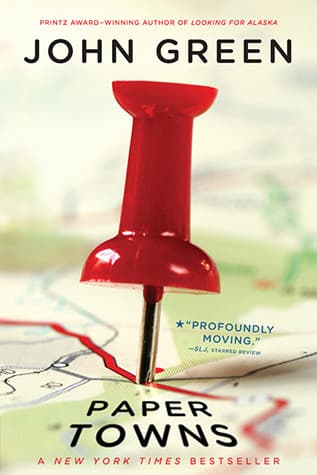
- Paper Towns
John Green
3.8 (919k) average on GoodreadsMysteryInvolves unraveling the mystery of a charismatic, enigmatic love interest.
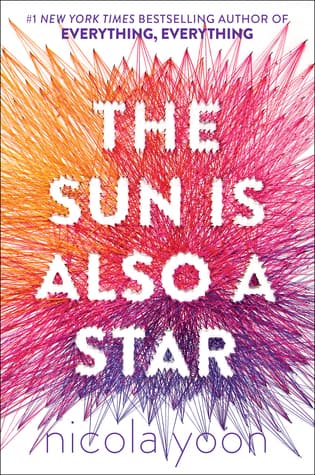
- The Sun Is Also a Star
Nicola Yoon
4.1 (184k) average on GoodreadsYoung AdultWhile both The Anatomical Shape of a Heart and The Sun Is Also a Star are contemporary YA romances featuring artistic protagonists (Bee's illustration vs. Natasha's science/Daniel's poetry), Yoon's novel offers a more expansive and intellectually varied narrative, incorporating elements of philosophy, fate, and immigration with greater depth. Bennett's book, while having a unique setting, focuses more singularly on the romantic and artistic journey, making its thematic scope somewhat narrower. Yoon's dual perspective also provides a more balanced internal exploration of both characters from the outset.
- All the Bright Places
Jennifer Niven
4.2 (300k) average on GoodreadsPsychologyBoth novels deal with characters grappling with personal struggles and finding solace in connection. However, Niven's All the Bright Places delves into heavier themes of mental health, grief, and suicide with a raw intensity that The Anatomical Shape of a Heart only touches upon with its 'family ghosts' and 'unveiling Jack's scars' themes. While Bennett's book uses art as a form of healing, Niven's explores the darker undercurrents of adolescent life with a more profound and often heartbreaking realism, making its emotional impact significantly more potent and less focused on the purely romantic ideal.
- The Goldfinch
Donna Tartt
3.9 (720k) average on GoodreadsLiterary FictionHaunted by a tragic explosion and clutching a stolen Dutch masterpiece, a young orphan navigates the opulent drawing rooms of New York and the gritty underbelly of the art world, desperately seeking connection and redemption amidst a life spiraling into crime and obsession.




Enjoyed the summary?
A summary gives you the shape of the book. The book itself has the detail, the examples and the voice.
Find The Anatomical Shape of a Heart on AmazonAs an Amazon Associate, BookBrief earns from qualifying purchases. How we're funded