

Synopsis
Covers the whole plot, including the ending.
- Difficulty
- Medium
- Pacing
- Moderate
- Mood
- Melancholy, reflective, poignant, mysterious, atmospheric
The Anatomy of Wings Plot Summary
Covers the whole plot, including the ending.
The Day She Fell
The novel opens with ten-year-old Jennifer Day dealing with her older sister Beth's sudden, shocking death. Beth fell from a cliff, and the official verdict is an accident, but Jennifer feels unease and tension among the adults. Jennifer remembers the day of the funeral, the hushed conversations, and how her parents, especially her mother, seemed to retreat into grief. This left Jennifer feeling isolated and confused. She starts to piece together memories from the months before Beth's death, trying to understand what happened. Her small mining town, full of unspoken rules and hidden lives, suddenly feels sinister and full of secrets.
Beth's Growing Distance
As Jennifer recalls her memories, she sees Beth's change in the months before her death. Beth, once a lively and present older sister, became withdrawn and secretive. She spent more time alone, often disappearing for hours, and her once-close relationship with Jennifer began to strain. Jennifer remembers Beth's new clothes, her changing look, and how she would often stare out of windows with a faraway look. These changes, first seen as typical teenage moodiness, now seem darker to Jennifer, hinting at a hidden world Beth was exploring, a world that led to her death.
The Moth Collection
Jennifer remembers Beth's growing interest in moths. Beth started collecting and pinning them, carefully arranging them in display cases. This hobby, first seen as harmless, takes on a symbolic weight as Jennifer reflects. Beth's room, once a shared space, became her sanctuary for this solitary pursuit. Jennifer recalls Beth's quiet excitement about rare specimens and the almost respectful way she handled them. The moths, with their delicate wings and nocturnal lives, become a metaphor for Beth herself – beautiful, fragile, and drawn to the darkness, hinting at her hidden struggles and the secrets she kept from her family.
Whispers and Suspicions
Jennifer, often feeling invisible to the grieving adults, accidentally overhears conversations. She hears snippets from her parents, their friends, and other townspeople that suggest Beth was involved in something more than a simple accident. Words like 'trouble,' 'boy,' and 'running away' filter through, feeding Jennifer's suspicions and fear. She notices the strained silences and how adults quickly change the subject when she enters a room. These fragmented clues leave Jennifer with more questions than answers, solidifying her belief that there's a hidden truth about Beth's final months that no one will share directly with her.
The Older Boys
Jennifer remembers Beth's growing attraction to and involvement with a group of older, somewhat rebellious boys from town. She recalls seeing Beth with them, often in secluded places, and sensing a shift in her sister's demeanor when they were around. There's a particular boy, whose name isn't immediately clear, who seems to hold Beth's attention more than the others. Jennifer's memories are seen through a child's understanding of adult interactions, recognizing an intensity and secrecy in these encounters that she couldn't fully grasp at the time. These memories contribute to Jennifer's growing suspicion that Beth's death was not simply an accident.
The Argument
A particularly clear memory for Jennifer is a heated argument between Beth and their mother, which happened not long before Beth's death. The details of the argument are hazy for Jennifer, but she remembers the intense emotions, the raised voices, and the strong anger and frustration from both. It seemed to be about Beth's behavior and her secretiveness, hinting at a deeper conflict in the family. This memory is a turning point, marking a clear division between Beth and her family, and further suggesting that Beth was carrying a heavy burden or making choices her parents disapproved of.
Searching for Clues
Driven by her need for answers, Jennifer starts to secretly search Beth's room. She sifts through her sister's belongings, looking for any clue, any piece of information that might explain Beth's death. She finds the moth collection, now eerily still, and other personal items. While she doesn't find a definitive answer, her searches reinforce the sense of Beth's secret life. The act of searching becomes a way for Jennifer to feel closer to Beth, to understand the sister she felt she was losing even before her death, and to process her grief by actively seeking the truth.
The Secret Place
Through her memories and her own explorations, Jennifer eventually discovers a secluded spot near the cliff where Beth fell. This place, hidden from plain view, seems to have been a private sanctuary for Beth. Jennifer finds small, personal items there, reinforcing the idea that Beth spent a lot of time at this location, possibly meeting someone or simply escaping. The discovery of this secret place near the site of Beth's death deepens the mystery and suggests that the cliff was not just a random place for an accident, but a significant location in Beth's final story.
Facing the Truth, or Lack Thereof
As Jennifer continues to sift through her memories and observations, she begins to understand the complex and often unyielding nature of truth. She realizes that many of the adults, including her parents, are either unwilling or unable to provide the answers she desperately seeks, perhaps to protect themselves, her, or Beth's memory. The story is not about finding a single, simple answer to Beth's death, but about Jennifer's journey of coming to terms with the ambiguity and the fact that some questions may never be fully answered. She learns that grief is not a linear process and that understanding her sister means accepting the mysteries.
A Glimmer of Understanding
By the end of the novel, Jennifer has not uncovered a definitive, scandalous truth about Beth's death that completely contradicts the official verdict. Instead, she has pieced together a more nuanced and heartbreaking understanding of her sister's struggles, her desire for independence, and the secret burdens she carried. Jennifer accepts that Beth was a complex person with a secret life, and that her death was likely a tragic combination of circumstances, choices, and perhaps an underlying despair. While the questions about 'why' still linger, Jennifer finds a fragile peace in her deeper understanding of Beth and begins to navigate her own path towards healing and growth, carrying her sister's memory not as a burden, but as a part of who she is becoming.
The Anatomy of Wings Characters
Jennifer Day
Protagonist
A ten-year-old girl seeking answers after her sister's death.
Jennifer is the observant, sensitive, and determined ten-year-old narrator of the story. She is deeply affected by her older sister Beth's death and struggles to reconcile the official explanation with her own observations and fragmented memories. Jennifer feels a profound sense of isolation as her parents retreat into their grief, forcing her to process her emotions and seek understanding largely on her own. She is intelligent and perceptive, picking up on subtle cues and unspoken tensions in the adult world around her, and is driven by an unwavering need to understand the truth about Beth.
Relationships: Beth Day (Younger sister to older sister, initially close but growing distant); Mother (Daughter to grieving mother, strained and distant after Beth's death); Father (Daughter to grieving father, distant and uncommunicative)
Beth Day
Central Figure (Deceased)
Jennifer's enigmatic older sister whose death is the catalyst for the story.
Beth is Jennifer's older sister, whose sudden death from a fall is the central mystery of the novel. Though deceased, she is a vivid and complex character, brought to life through Jennifer's memories and the recollections of others. In the months leading up to her death, Beth underwent a significant transformation, becoming withdrawn, secretive, and rebellious. She developed a fascination with moths and became involved with an older group of boys, hinting at a burgeoning secret life and internal struggles that her family was largely unaware of or unwilling to confront.
Relationships: Jennifer Day (Older sister to younger sister, initially close, then increasingly distant); Mother (Daughter to mother, strained and conflicted); Father (Daughter to father, distant); Older Boys (Romantic/social involvement, secretive)
Jennifer's Mother
Supporting
A woman consumed by grief after losing her daughter.
Jennifer's mother is deeply affected by Beth's death, retreating into a profound and often silent grief. Her sorrow creates a significant emotional distance between her and Jennifer, leaving Jennifer feeling isolated and overlooked. She struggles to cope with the loss and the unspoken questions surrounding Beth's life and death, often appearing fragile and overwhelmed. Her inability or unwillingness to openly discuss Beth's life before her death contributes to Jennifer's quest for answers, as her mother's silence is both a shield and a barrier.
Relationships: Jennifer Day (Mother to daughter, strained and distant due to grief); Beth Day (Mother to deceased daughter, complex and sorrowful); Jennifer's Father (Wife to husband, shared but isolated grief)
Jennifer's Father
Supporting
A quiet man struggling with his daughter's death.
Jennifer's father is a quieter figure, also deeply affected by Beth's death. He expresses his grief through withdrawal and a stoic silence, which makes him seem unapproachable to Jennifer. He works in the local mining industry, a symbol of the harsh realities of their town. Like his wife, he struggles to address the circumstances of Beth's life and death, contributing to the atmosphere of unspoken truths that Jennifer navigates. His quiet demeanor often leaves Jennifer feeling unable to approach him for comfort or answers.
Relationships: Jennifer Day (Father to daughter, distant and uncommunicative); Beth Day (Father to deceased daughter, sorrowful); Jennifer's Mother (Husband to wife, shared but isolated grief)
The Older Boy (Unnamed)
Antagonist/Supporting
A mysterious figure from Beth's secret life.
This unnamed older boy represents the shadowy, more mature world that Beth was drawn into before her death. He is part of a group of slightly rebellious teenagers whom Beth spent time with, and Jennifer's memories suggest he held a particular significance for Beth. His presence, though often fleeting in Jennifer's recollections, hints at secrets, potential dangers, and the allure of experiences beyond her family's watchful eyes. He embodies the 'trouble' that adults whisper about, making him a focal point of Jennifer's suspicions regarding Beth's true activities.
Relationships: Beth Day (Romantic/social involvement, secretive)
Other Townspeople
Supporting
The gossiping and secretive inhabitants of the mining town.
The various unnamed townspeople serve as a collective character representing the pervasive atmosphere of secrets, judgment, and hidden lives in the small mining community. Jennifer frequently overhears their hushed conversations and observes their guarded reactions, which contribute to her sense that there's more to Beth's story than what's being told. They embody the societal pressures and narrow-mindedness that Beth might have been trying to escape, and their collective whispers fuel Jennifer's investigation and her growing understanding of the town's complexities.
Relationships: Jennifer Day (Source of fragmented clues and social atmosphere); Beth Day (Subject of gossip and speculation)
The Anatomy of Wings Themes
Grief and Loss
The novel explores grief, especially from a child's perspective. Jennifer experiences profound sorrow and isolation when her parents are consumed by their own pain. The story shows how grief can appear as silence, anger, and a desperate need for answers, and how people cope with loss in unique and often isolating ways. It highlights how an unresolved death impacts a family.
“Grief was a thing with wings, I thought, and it had landed in our house and settled there, its dark feathers covering everything.”
The Search for Truth and Understanding
Jennifer's journey is a search for truth. She needs to understand what happened to Beth, sifting through memories, observations, and adult whispers to create a coherent story. This theme explores how elusive truth can be, especially when filtered through childhood perception, adult secrets, and time. It questions if a single, clear truth is ever truly found, or if understanding comes from accepting ambiguity and complex human motivations.
“The truth was a slippery thing, like a fish in a dark river. You could feel it brush against you, but you could never quite catch it.”
The Transition to Adulthood and Lost Innocence
The novel explores the difficult transition from childhood innocence to adulthood. Beth's story, as told by Jennifer, shows the pressures, temptations, and secret struggles of adolescence, leading to her tragic inability to fully grow up. Jennifer, through her investigation, is prematurely exposed to the harsh realities of the adult world, including secrets, infidelity, and despair, forcing her to confront the loss of her own innocence as she tries to understand Beth's fate.
“I was ten, but I felt like I was a hundred, carrying all the secrets of the world inside me.”
Secrets and Unspoken Realities
Secrets are present at every level of the novel, from Beth's hidden life to the unspoken tensions in the Day family and the pervasive gossip and guardedness of the small mining town. The story shows how secrets can protect, isolate, and ultimately destroy. Jennifer's search for truth is a battle against these layers of secrecy, as she tries to uncover what was hidden from her, and perhaps from her parents, about Beth's final months. The narrative suggests that unspoken realities can be as damaging as outright lies.
“Our town was built on secrets, like the mines beneath it were built on coal.”
Plot Devices & Literary Techniques
Child Narrator
The story is told through the innocent, yet perceptive, eyes of a ten-year-old.
The use of Jennifer as a child narrator is crucial to the novel's impact. Her limited understanding of adult complexities, combined with her keen observation skills and raw emotional honesty, creates a unique perspective. She interprets events and conversations through a child's lens, often missing explicit details but accurately sensing underlying tensions and emotions. This narrative choice enhances the mystery, as the reader experiences the story alongside Jennifer, piecing together clues and grappling with ambiguity, making the eventual understanding of Beth's struggles more poignant and heartbreaking.
Flashback Narrative Structure
The plot unfolds through Jennifer's fragmented memories.
The story is largely non-linear, presented as a series of flashbacks and recollections from Jennifer's perspective after Beth's death. This fragmented structure mirrors Jennifer's own process of grieving and investigation, as she sifts through her memories to make sense of the past. It allows the author to gradually reveal details about Beth's life and the circumstances surrounding her death, building suspense and keeping the reader engaged in Jennifer's quest for truth. The incomplete and sometimes contradictory nature of memory itself becomes a key element of the narrative.
Symbolism of Moths
Moths represent fragility, transformation, and attraction to hidden dangers.
Beth's intense fascination with collecting moths serves as a powerful symbolic motif throughout the novel. Moths, with their delicate wings, nocturnal habits, and attraction to light (or sometimes darkness), mirror Beth's own character and fate. They represent her fragility, her hidden beauty, and her transformation from a girl into a young woman drawn to a mysterious, perhaps dangerous, world. The moths symbolize her yearning for freedom, her secret life, and ultimately, her vulnerability, hinting at the tragic fall from the cliff, much like a moth drawn to a fatal flame.
Quiz
10 questions on the plot and the characters. Each answer comes with a short explanation.
Question 1
What is the name of the main character in "The Anatomy of Wings"?
- Beth Day
- Jennifer Day
- Karen Foxlee
- The narrator
Show answer
B. Jennifer Day The story is told from the perspective of ten-year-old Jennifer Day.
Question 2
What is the primary setting of the novel?
- A bustling city
- A quiet suburban town
- A small mining town
- A remote island
Show answer
C. A small mining town The book explicitly states that Jennifer lives in a small mining town.
Question 3
What significant event prompts Jennifer to seek answers from the adult world?
- Her parents' divorce
- The sudden death of her sister, Beth
- A natural disaster
- Her own illness
Show answer
B. The sudden death of her sister, Beth Jennifer is trying to make sense of the sudden death of her teenage sister, Beth.
Question 4
What is Jennifer attempting to understand by recounting the final months of Beth's life?
- The reasons for her sister's happiness
- Her own future career path
- The circumstances surrounding Beth's death
- The history of the mining town
Show answer
C. The circumstances surrounding Beth's death Jennifer is sifting through lies and truth to understand Beth's final months and death.
Question 5
What does Jennifer find as she sifts through the events of Beth's life?
- Simple explanations and closure
- Only the truth and nothing else
- Mysteries, miracles, and more questions
- A clear account of an accident
Show answer
C. Mysteries, miracles, and more questions The synopsis states she finds mysteries, miracles, and more questions.
Question 6
What central conflict is Jennifer grappling with in relation to her sister's death?
- She believes her sister ran away.
- She questions if her sister intentionally caused her own death.
- She wonders why she, or anyone else, couldn't save Beth.
- She is convinced it was a murder.
Show answer
C. She wonders why she, or anyone else, couldn't save Beth. Jennifer grapples with the question of why she or anyone else couldn't save Beth.
Question 7
The narrative describes Jennifer's experience as a 'failure to cross the threshold into adulthood.' What does this suggest about her journey?
- She successfully transitions into adulthood quickly.
- She is unable to mature due to the trauma she experiences.
- She rejects the idea of becoming an adult.
- Her journey into adulthood is a separate, unaffected path.
Show answer
B. She is unable to mature due to the trauma she experiences. This phrase indicates that the events of the story prevent Jennifer from progressing into adulthood as she normally might.
Question 8
What is the overall impact on Jennifer's family as described in the novel?
- They grow stronger and more united.
- They remain unaffected by the events.
- They slowly fall apart.
- They move away to start anew.
Show answer
C. They slowly fall apart. The synopsis explicitly states that her family slowly falls apart.
Question 9
The novel explores themes of secrets, lies, and truth. Which of the following best describes the complexity of these themes in the story?
- The secrets are easily uncovered, revealing a simple truth.
- The lies are obvious and easily dismissed by Jennifer.
- Jennifer sifts through them, but they lead to more ambiguity rather than clear answers.
- The truth is presented upfront, and the secrets are irrelevant.
Show answer
C. Jennifer sifts through them, but they lead to more ambiguity rather than clear answers. Jennifer's search for truth within the lies and secrets ultimately leads to more mysteries and questions, highlighting the complexity.
Question 10
Considering the title "The Anatomy of Wings" and the themes of death, miracles, and unanswered questions, what symbolic meaning might the title suggest?
- A literal study of bird anatomy.
- The fragility of life and the potential for transcendence or escape, perhaps related to Beth's spirit.
- The mechanics of flight for a mining operation.
- Jennifer's desire to fly away from her problems.
Show answer
B. The fragility of life and the potential for transcendence or escape, perhaps related to Beth's spirit. The title, combined with themes of death, miracles, and unanswered questions, suggests a symbolic exploration of life's fragility, loss, and the hope for something beyond, possibly related to Beth's passing.
The Anatomy of Wings FAQ
What is "The Anatomy of Wings" about?
"The Anatomy of Wings" tells the story of ten-year-old Jennifer Day as she navigates the grief and mystery surrounding her older sister Beth's sudden death. Set in a small mining town, Jennifer searches for answers, uncovering secrets, lies, and the painful realities of growing up.
Who is the main character in "The Anatomy of Wings"?
The main character is Jennifer Day, a ten-year-old girl who serves as the narrator. The story is told through her perspective as she tries to understand the events leading up to her sister Beth's death.
What is the central mystery in the book?
The central mystery revolves around the circumstances of Beth's death. Jennifer, along with the reader, questions whether her death was an accident and why she couldn't be saved, delving into the secrets and unspoken truths within the family and town.
What themes are explored in "The Anatomy of Wings"?
The book explores themes of grief, loss, family secrets, the transition from childhood to adulthood, and the search for truth amidst confusion and deception. It delves into the complexities of memory and how children perceive adult issues.
Is "The Anatomy of Wings" a sad book?
Yes, the book deals with heavy themes like death and family breakdown, so it can be emotional and sad. However, it also contains elements of mystery, resilience, and the search for understanding.
What age group is "The Anatomy of Wings" for?
"The Anatomy of Wings" is categorized as Young Adult (YA) fiction. It is suitable for middle grade and young adult readers who enjoy character-driven stories with emotional depth and a touch of mystery.
What is the setting of "The Anatomy of Wings"?
The story is set in a small, isolated mining town, a location that contributes to the atmosphere of secrets and confinement. This setting plays a role in the unfolding mysteries and the characters' lives.
How does Jennifer cope with her sister's death?
Jennifer copes by trying to piece together the events of Beth's final months, seeking answers from the adults around her. She looks for truth in their words and actions, while also grappling with her own feelings of helplessness and confusion.
What does Jennifer learn about adulthood in the book?
Through her sister's death and the subsequent unraveling of her family, Jennifer begins to understand the complexities and often harsh realities of the adult world. She witnesses the failures and imperfections of adults, marking her own difficult journey toward maturity.
Does the book have a hopeful ending?
While the book deals with loss and fragmentation, it also focuses on Jennifer's resilience and her continued search for understanding. The ending emphasizes her growth and the potential for healing, even amidst ongoing challenges.
About the author

Karen Foxlee is an author known for her fiction, including the novel "The Anatomy of Wings." Her work often explores themes of loss and self-discovery, resonating with readers through its emotional depth and lyrical prose. Foxlee's storytelling has garnered attention for its unique voice and imaginative narratives.
Similar books
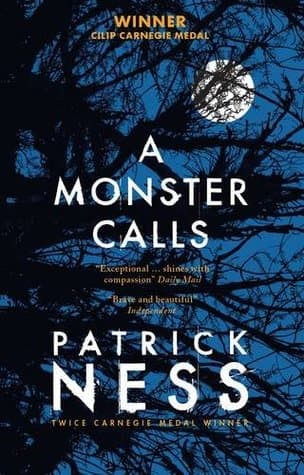
- A Monster Calls
Patrick Ness
4.3 (208k) average on GoodreadsFantasy"The Anatomy of Wings" shares with "A Monster Calls" a profound exploration of childhood grief and the way children process unimaginable loss. Both books use elements of magical realism (the monster in Ness's book, the motif of wings/flying in Foxlee's) as coping mechanisms or manifestations of internal struggle. However, "The Anatomy of Wings" grounds its story more firmly in the tangible memories and shared history between sisters, whereas "A Monster Calls" is more allegorical in its depiction of the monster's role in confronting difficult truths.
- Harry Potter and the Sorcerer's Stone
J.K. Rowling
4.5 (7M) average on GoodreadsFantasyRescued from a miserable life under the stairs, an orphaned boy discovers he's a wizard destined for a magical school, where he uncovers a dangerous secret tied to the dark wizard who murdered his parents.
- The Hunger Games
Suzanne Collins
4.3 (6.4M) average on GoodreadsFantasyIn a future where children fight to the death on live television, Katniss Everdeen volunteers for the arena, turning a death sentence into a fight for survival and a spark of rebellion.
- To Kill a Mockingbird
Harper Lee
4.3 (4.5M) average on GoodreadsHistorical FictionIn the 1930s Jim Crow South, Harper Lee writes about racial injustice, moral growth, and the quiet courage of a lawyer father, Atticus Finch, as seen through his young daughter's eyes.
- The Fault in Our Stars
John Green
4.2 (3.6M) average on GoodreadsYoung AdultA girl with a terminal illness finds her story rewritten when a charming boy with a similar past enters her life at a cancer support group, leading to a star-crossed romance.
- Divergent
Veronica Roth
4.2 (2.9M) average on GoodreadsFantasyIn a society divided by virtues, a sixteen-year-old's difference from the norm starts a rebellion that threatens her world.





Enjoyed the summary?
A summary gives you the shape of the book. The book itself has the detail, the examples and the voice.
Find The Anatomy of Wings on AmazonAs an Amazon Associate, BookBrief earns from qualifying purchases. How we're funded