

Synopsis
Covers the whole plot, including the ending.
- Difficulty
- Medium
- Pacing
- Moderate
- Mood
- Dramatic, Romantic, Melancholy, Intense
- Read it if
- You enjoy sweeping historical sagas with complex character relationships, political intrigue, and significant emotional drama set in 18th-century Cornwall.
- Skip it if
- You prefer fast-paced plots with minimal domestic or romantic entanglements, or find detailed historical settings less engaging.
The Angry Tide Plot Summary
Covers the whole plot, including the ending.
Ross's Political Ambitions and Demelza's Discontent
Ross Poldark, elected Member of Parliament for Truro, divides his time between London and Cornwall. His political work in the capital involves influential figures and debates, often leaving Demelza alone at Nampara. Demelza, pregnant with their fourth child, feels neglected and isolated. She struggles with managing the estate and children without Ross, and her lively spirit fades under the stress and loneliness. Ross finds the political world both exciting and frustrating, dealing with slow change and powerful men's schemes.
Morwenna's Despair and Drake's Devotion
Morwenna Chynoweth, now Mrs. Whitworth, lives a miserable life with her cruel husband, Reverend Osborne Whitworth. He continues to torment her emotionally and physically, especially regarding her affection for their son, John Conan. Morwenna often falls into a state of despair. Meanwhile, Drake Carne, Demelza's brother, remains deeply in love with Morwenna, despite her marriage. He visits her often, offering comfort, leaving small gifts, or just sitting with her. His steady devotion is a source of hope for Morwenna, even if she cannot fully show it.
George Warleggan's Schemes and Elizabeth's Health
George Warleggan, always ambitious, continues to increase his money and social standing. He buys more land, invests in businesses, and strengthens his position in Cornwall. He focuses on ensuring his son, Valentine, inherits a large fortune. Elizabeth Warleggan, however, starts to show subtle signs of illness, with periods of weakness and tiredness. Her condition is at first dismissed as minor, but a more concerning pattern appears, causing quiet worry for her family, though George remains mostly unaware, busy with his own pursuits.
Demelza's Vulnerability and Hugh Armitage's Affection
Feeling lonely and unappreciated by Ross, Demelza is drawn to Lieutenant Hugh Armitage. Hugh, a sensitive and artistic young man, is captivated by Demelza's beauty and spirit. He openly expresses his admiration and affection, giving her the emotional connection she feels is missing in her marriage. Demelza is flattered by his devotion, and while she struggles with her loyalty to Ross, she enjoys Hugh's company and his warmth. Their bond deepens, creating a significant emotional challenge for Demelza.
The Death of Osborne Whitworth
Reverend Osborne Whitworth dies in a riding accident while trying to visit his mistress, a servant girl named Rowella. His horse bolts, and he is thrown, suffering a fatal head injury. His death brings a complex mix of relief and shock. Morwenna is finally free from her torment, though she has deep psychological scars. Drake Carne is overjoyed, seeing a clear path to his beloved. The community, while pretending sympathy, secretly acknowledges the fitting end for a cruel and hypocritical man.
Hugh Armitage's Decline and Demelza's Grief
Hugh Armitage's health, already fragile from war wounds, quickly declines. He suffers from a lung condition that worsens steadily. Demelza spends more time at his side, offering comfort. Their emotional connection deepens as Hugh faces his death with grace, expressing his love for Demelza. His death leaves Demelza heartbroken, forcing her to face her deep feelings for him and the void he leaves, greatly affecting her relationship with Ross.
Drake and Morwenna's Reunion and Marriage
After Osborne Whitworth's death, Drake Carne immediately proposes to Morwenna again. Despite her initial hesitation due to her trauma and perceived unworthiness, and some social disapproval, Morwenna eventually agrees to marry Drake. Their wedding is a quiet event, showing their lasting love. However, Morwenna's psychological scars from her marriage to Whitworth are deep. She struggles with intimacy and the idea of having children, fearing a repeat of her past suffering. Drake, with patience and understanding, slowly works to heal her wounds, showing his steady commitment.
Elizabeth's Fatal Decision
Concerned by a late period and the possibility of a long pregnancy, and perhaps wanting to avoid more questions about Valentine's paternity, Elizabeth Warleggan makes a desperate decision. She consults an apothecary and gets a potion believed to induce labor. Her goal is to bring on an early, but not dangerously premature, birth to match her story about Valentine's conception. However, the potion is too strong, and Elizabeth suffers a severe, painful illness. Despite Dr. Dwight Enys's efforts, she dies from the complications.
The Aftermath of Elizabeth's Death
Elizabeth's sudden death plunges George Warleggan into deep grief. He is inconsolable, his world shattered. His ambition and feuds with Ross suddenly seem meaningless in the face of such a personal loss. He blames Dr. Enys and others for her passing, retreating into bitter mourning. Ross Poldark, hearing the news, feels a complex mix of emotions. While their relationship was difficult, Elizabeth was his first love and the mother of Geoffrey Charles. He feels a deep sadness for her lost life and for her children's suffering.
Ross and Demelza's Reconciliation and Renewal
The various difficulties, especially Demelza's emotional affair with Hugh and the shock of Elizabeth's death, force Ross and Demelza to confront their marriage. Ross, realizing how close he came to losing Demelza, acknowledges his past neglect and his need to be more present and emotionally available. Demelza, having grieved Hugh, reaffirms her love and commitment to Ross. They have honest, difficult conversations, airing their complaints and reaffirming their bond. Their relationship emerges stronger, built on renewed understanding and appreciation for each other, promising a more stable future.
Valentine's Paternity and George's Growing Suspicion
After Elizabeth's death, George Warleggan's grief slowly turns into a nagging suspicion about Valentine's father. The circumstances of Valentine's birth, along with lingering gossip about Ross and Elizabeth, begin to trouble him. He remembers details, notices Valentine's resemblance to Ross, and becomes convinced that Valentine is not his biological son. This realization adds another layer of torment to his grief and rekindles his hatred for Ross Poldark, setting the stage for future conflict.
Prudie's Journey and the Carnes' Growing Family
Prudie Paynter, after working in various places, eventually returns to Nampara, bringing her loyalty and directness back to the Poldark household. Her return provides a sense of continuity. Meanwhile, Drake and Morwenna Carne, despite Morwenna's initial fears, overcome her trauma and start their family. Morwenna becomes pregnant, showing a triumph over her past suffering and the promise of a brighter future for the couple, solidifying the Carne family line.
The Angry Tide Characters
Ross Poldark
Protagonist
An independent and honorable Cornish landowner and Member of Parliament.
Ross is a complex man, driven by a strong sense of justice and a deep, if sometimes unspoken, love for his family and the people of Cornwall. He is fiercely independent, often rebellious, and struggles with the constraints of society and politics. His time in London as an MP broadens his horizons but also highlights his internal conflict between public duty and private life. He can be distant and preoccupied, leading to challenges in his marriage, but ultimately seeks to do what is right.
Relationships: Demelza Poldark (Wife, deep but sometimes strained love, co-parent); George Warleggan (Lifelong bitter rival); Elizabeth Warleggan (First love, mother of his son Geoffrey Charles, complex past); Dwight Enys (Close friend and confidant)
Demelza Poldark
Protagonist
Ross's spirited, loyal, and sometimes vulnerable wife.
Demelza is a vibrant and passionate woman, deeply devoted to her family and her home at Nampara. She possesses a strong moral compass, a quick wit, and a compassionate heart. Her journey in this book sees her grappling with loneliness and neglect due to Ross's absences, leading her to seek emotional solace elsewhere. She is fiercely loyal but also humanly susceptible to affection and validation, particularly when feeling unappreciated. Her resilience and capacity for love are central to her character.
Relationships: Ross Poldark (Husband, deep but strained love, co-parent); Drake Carne (Brother, close bond); Hugh Armitage (Object of her emotional affection, confidant); Morwenna Carne (Sister-in-law, supportive relationship)
George Warleggan
Antagonist
Ross's wealthy, ambitious, and vindictive rival.
George is driven by a relentless desire for wealth, social status, and power, often at the expense of others. He harbors a deep-seated hatred for Ross Poldark, fueled by class resentment and personal slights. His ambition is often cold and calculating, but his love for Elizabeth is genuine, if possessive. Her death shatters his world, revealing a vulnerability beneath his hardened exterior, though his grief soon twists into a renewed, more bitter vendetta against Ross.
Relationships: Elizabeth Warleggan (Wife, deeply loved and possessed); Ross Poldark (Lifelong bitter rival); Valentine Warleggan (Son, object of his dynastic ambitions)
Elizabeth Warleggan
Supporting
George's elegant and often conflicted wife, Ross's former love.
Elizabeth is a woman of fragile beauty and delicate sensibilities, trapped by her circumstances and societal expectations. She carries the weight of her past with Ross and the secret of Valentine's paternity. She strives to maintain her dignity and position but is often unwell and isolated. Her desire to protect her reputation and secure her children's future ultimately leads to a tragic and desperate act, highlighting the pressures placed upon women in her era.
Relationships: George Warleggan (Husband, source of security and confinement); Ross Poldark (First love, father of Valentine); Geoffrey Charles Poldark (Son, deeply loved); Valentine Warleggan (Son, his paternity a central secret)
Morwenna Chynoweth Whitworth Carne
Supporting
Demelza's sister-in-law, trapped in a cruel marriage but finds freedom.
Morwenna is a gentle, intelligent, and deeply sensitive woman who endures unimaginable suffering at the hands of her sadistic husband, Osborne Whitworth. Her spirit is nearly broken by his abuse, leading to periods of profound despair. She clings to the hope of Drake's love, which becomes her only solace. Her journey is one of survival, resilience, and eventual liberation, though the psychological scars of her past remain, particularly regarding intimacy and motherhood.
Relationships: Drake Carne (True love, eventual husband); Reverend Osborne Whitworth (Abusive husband); Demelza Poldark (Sister-in-law, supportive); John Conan Whitworth (Son, deeply loved)
Drake Carne
Supporting
Demelza's brother, a passionate and loyal blacksmith.
Drake is a kind, honest, and fiercely loyal young man, deeply in love with Morwenna. He possesses a simple integrity and an unwavering determination. His devotion to Morwenna is unwavering, even through her darkest years of marriage to Whitworth. He is patient, understanding, and willing to wait for her, embodying a pure and steadfast love. He works as a blacksmith, representing the working class and a grounded connection to the land.
Relationships: Morwenna Carne (True love, eventual wife); Demelza Poldark (Sister, close bond); Ross Poldark (Brother-in-law, respected figure)
Reverend Osborne Whitworth
Antagonist
Morwenna's cruel, hypocritical, and lecherous husband.
Osborne Whitworth is a truly vile character, embodying hypocrisy, sadism, and lust. As a clergyman, he outwardly projects piety while privately subjecting Morwenna to psychological and physical torture. He is obsessed with control and pleasure, finding satisfaction in Morwenna's suffering. His death is a moment of dark justice, freeing Morwenna from his tyranny and highlighting the moral decay beneath his respectable facade.
Relationships: Morwenna Whitworth (Wife, victim of his abuse); Rowella Chynoweth (Sister-in-law, mistress)
Hugh Armitage
Supporting
A sensitive poet and naval officer who falls in love with Demelza.
Hugh is a romantic, artistic, and deeply sensitive young man, suffering from war wounds and a terminal illness. He is captivated by Demelza's vivacity and beauty, offering her the romantic and intellectual attention she feels is missing from her marriage. His love for Demelza is pure and profound, and he faces his impending death with grace. His presence serves as a catalyst for Demelza's emotional journey and a mirror for Ross's marital shortcomings.
Relationships: Demelza Poldark (Object of his profound love and affection)
Dr. Dwight Enys
Supporting
Ross's loyal friend and a compassionate, skilled physician.
Dwight is a man of science and compassion, dedicated to his patients and his community. He is a steadfast friend to Ross, offering pragmatic advice and medical expertise. He observes the unfolding dramas with a keen, often empathetic eye, and his medical skills are frequently called upon in times of crisis. He represents reason and ethical conduct in a world often driven by passion and prejudice.
Relationships: Ross Poldark (Close friend); Caroline Enys (Wife); Demelza Poldark (Friend, patient)
Caroline Enys (née Penvenen)
Supporting
Dwight's elegant and witty wife, a strong-willed woman of independent means.
Caroline is a woman of intelligence, wit, and considerable social grace. She is devoted to her husband, Dwight, and possesses a sharp observational mind. While she enjoys the comforts of her wealth, she is not idle, often involving herself in the lives of her friends and community. She offers practical advice and a discerning perspective, often providing a much-needed voice of reason or gentle cynicism.
Relationships: Dwight Enys (Husband, deeply loved); Demelza Poldark (Friend)
Prudie Paynter
Supporting
The Poldarks' loyal, outspoken, and often tipsy housekeeper.
Prudie is a colorful and enduring character, providing comic relief and a grounded, if sometimes crude, perspective on events. Despite her often-grumbling nature and fondness for drink, she is fiercely loyal to the Poldarks. Her long history with Ross and Demelza makes her an integral part of the Nampara household, a constant presence through their trials and triumphs. Her return to Nampara signifies a return to a familiar comfort.
Relationships: Ross Poldark (Employer, long-standing loyalty); Demelza Poldark (Employer, long-standing loyalty)
The Angry Tide Themes
The Nature of Love and Loyalty
This theme explores the many forms of love—romantic, familial, and platonic—and the demands of loyalty. Demelza's emotional affair with Hugh Armitage shows how vulnerable a marriage is when emotional needs are not met, questioning if loyalty can withstand such a test. Drake's steady devotion to Morwenna, even in her darkest times, shows a pure and lasting love that overcomes obstacles. Ross's changing understanding of his loyalty to Demelza, moving from a possessive love to an empathetic partnership, also illustrates the theme. The book suggests that true love needs constant care and understanding, and loyalty, while basic, can be tested by human weaknesses and outside pressures.
“Love was not enough. Not always. It needed to be fed, to be nurtured, to be cherished.”
Social Class and Ambition
The strict social hierarchy of 18th-century Cornwall and England is a constant background, affecting characters' choices and conflicts. George Warleggan's ambition to rise socially and gain wealth drives much of his opposition to Ross, who, despite his gentry status, often challenges class expectations. Ross's parliamentary career highlights the power structures and slow social reform. The difference between the lives of the gentry (Poldarks, Warleggan) and the working class (Carnes) shows the disparities in opportunity and privilege. The theme shows how unchecked ambition can lead to destructive outcomes, while class prejudice can fuel lifelong feuds.
“It was not enough to be rich; one must be seen to be rich, and to mix with the right sort.”
Trauma and Healing
Morwenna's story is central to this theme, as she endures deep psychological and physical trauma from Osborne Whitworth. Her later struggles with intimacy and fear of motherhood show the deep and lasting scars of abuse. Drake's patient and unconditional love becomes a key factor in her healing, showing the power of compassion and understanding in overcoming past horrors. Even after Whitworth's death, Morwenna's recovery is not instant, emphasizing the long process of psychological healing. The theme highlights the resilience of the human spirit but also acknowledges the lasting impact of suffering.
“The past was not a thing to be simply put aside; it clung, a dark and persistent shadow.”
The Burden of Secrets and Consequences
The novel explores how secrets, especially those about Valentine's father, affect the lives of Elizabeth, George, and Ross. Elizabeth's desperate attempt to keep this secret leads to her tragic death, showing the destructive power of hidden truths. The lingering suspicions about Valentine's parentage fuel George's renewed anger towards Ross, showing how unresolved past actions continue to shape present conflicts. The theme highlights that even well-kept secrets can have devastating, unforeseen consequences, affecting not only those who hold them but also innocent people caught in their wake.
“A secret, once sown, had a way of sprouting in the most inconvenient ground.”
The Personal vs. The Political
Ross's double life as a Member of Parliament and a Cornish landowner highlights the tension between public duty and personal life. His political goals in London often lead to neglect of his family and estate, causing conflict with Demelza. The slow, often frustrating pace of political change contrasts sharply with the immediate, personal dramas in Cornwall. This theme questions the sacrifices individuals make for public service and how personal relationships can be strained or enriched by such commitments. It also suggests that true change often begins at home, affecting individual lives before it can manifest on a larger scale.
“The affairs of the nation, however weighty, seemed to pale beside the quiet battles of the heart.”
Plot Devices & Literary Techniques
The Love Triangle (Ross-Demelza-Hugh)
A romantic rivalry that creates emotional tension and character development.
This classic device is employed to explore the vulnerabilities within Ross and Demelza's marriage. Hugh Armitage's genuine affection for Demelza provides her with the emotional validation and romantic attention she feels is lacking from Ross, particularly during his prolonged absences. This creates significant emotional tension, forcing Demelza to confront her loyalties and Ross to acknowledge his shortcomings. The triangle ultimately serves to strengthen Ross and Demelza's bond after Hugh's death, as they are forced to openly communicate and reaffirm their commitment, learning valuable lessons about the fragility and importance of their relationship.
Foreshadowing (Elizabeth's health and potions)
Hints of future events, particularly Elizabeth's tragic end.
Winston Graham subtly foreshadows Elizabeth's declining health and her eventual demise through recurring mentions of her fragility, fatigue, and her increasingly desperate state of mind regarding Valentine's paternity. The introduction of the apothecary and her interest in potions to induce labor are direct hints at the tragic decision she will make. This device builds suspense and a sense of impending doom, making her death, while shocking, feel like an inevitable consequence of her circumstances and choices, rather than a sudden, out-of-the-blue event. It underscores the theme of consequences stemming from secrets.
Dramatic Irony (Osborne Whitworth's Death)
The audience knows more than the characters, creating a sense of poetic justice.
The dramatic irony surrounding Osborne Whitworth's death is particularly potent. The audience is well aware of his cruelty, hypocrisy, and his secret mistress, Rowella. When he dies in a ridiculous riding accident while attempting to visit Rowella, the circumstances are known to the reader, though not immediately to all characters. This creates a sense of poetic justice, as the 'pious' reverend meets his end in a morally compromising situation. It provides a satisfying, if grim, conclusion to his tyrannical reign over Morwenna and offers a moment of dark humor amidst the novel's more serious themes.
The Journey (Ross's time in London)
A physical and metaphorical journey that broadens perspective and creates distance.
Ross's regular journeys between Cornwall and London serve as both a literal plot device and a metaphorical journey of self-discovery. His time in Parliament exposes him to new ideas and challenges his worldview, expanding his political and social consciousness. However, this physical distance also creates emotional distance from Demelza and the daily realities of Nampara, leading to marital strain. The journey highlights the contrast between the provincial and metropolitan worlds, and how one's environment can shape character and relationships, forcing Ross to reconcile his public ambitions with his private obligations.
The Angry Tide Quotes
“There was a tide in her affairs now, and she must take it at the flood or lose her venture.”
“Love was not a thing to be measured, but to be felt, and when it was felt truly, it did not care for obstacles.”
“The past was a heavy cloak, but one could choose whether to wear it or cast it off.”
“Sometimes the greatest courage lay not in fighting, but in enduring.”
“A secret shared was a secret weakened, and a secret kept was a burden.”
“The sea took what it wanted, and gave back only what it pleased, and man was a fool to think he could command it.”
“It was not the grand gestures that built a life, but the small, persistent acts of kindness and understanding.”
“Hope was a fragile thing, easily crushed, but impossible to live without.”
“The world was changing, and those who refused to change with it would be left behind.”
“There was a difference between knowing a person and truly understanding them.”
“Grief was a solitary journey, but it did not mean one had to walk it alone.”
“Duty was a hard master, but it gave a man purpose, even if that purpose was unwelcome.”
“The truth had a way of surfacing, no matter how deeply it was buried.”
“One could not choose where one's heart led, only whether to follow it.”
Quiz
10 questions on the plot and the characters. Each answer comes with a short explanation.
Question 1
Which borough does Ross Poldark represent as a Member of Parliament in 'The Angry Tide'?
- Bodmin
- Truro
- Penzance
- Falmouth
Show answer
B. Truro Ross Poldark is elected to represent the borough of Truro in Parliament, requiring him to divide his time between London and Cornwall.
Question 2
What is the primary conflict that continues to flare between Ross Poldark and George Warleggan in this novel?
- A dispute over mining rights
- Their long-standing personal feud and rivalry
- A disagreement about parliamentary politics
- Competition in the shipping industry
Show answer
B. Their long-standing personal feud and rivalry The synopsis explicitly states that Ross's 'old feud with George Warleggan still flares,' highlighting their continuous personal animosity.
Question 3
Who is Drake, the character involved in an 'illicit love' with Morwenna, in relation to Demelza?
- Her cousin
- Her brother
- Her former suitor
- Her childhood friend
Show answer
B. Her brother The synopsis clearly identifies Drake as 'Demelza's brother,' who is involved in an illicit love with Morwenna.
Question 4
What internal conflict does Ross Poldark experience regarding his wife, Demelza, as he navigates his parliamentary duties?
- He questions Demelza's loyalty to him while he is away.
- His heart remains divided about her, even as he travels between London and Cornwall.
- He worries that Demelza is struggling to manage Nampara in his absence.
- He resents Demelza's desire to join him in London.
Show answer
B. His heart remains divided about her, even as he travels between London and Cornwall. The synopsis states, 'his heart divided still about his wife, Demelza,' indicating an ongoing emotional struggle concerning his relationship with her.
Question 5
The description 'his time divided between London and Cornwall' primarily highlights which aspect of Ross Poldark's life in 'The Angry Tide'?
- His expanding business ventures in both locations.
- The geographical demands of his role as an MP.
- His efforts to reconcile with his estranged family.
- His secret romantic entanglements in two different places.
Show answer
B. The geographical demands of his role as an MP. His time is divided due to his parliamentary duties in London and his life and responsibilities in Cornwall, a direct consequence of being an MP.
Question 6
What kind of relationship is described between Morwenna and Drake?
- A forbidden or socially unacceptable love affair.
- A casual friendship that develops into romance.
- A marriage arranged by their families.
- A purely platonic bond of mutual support.
Show answer
A. A forbidden or socially unacceptable love affair. The term 'illicit love' strongly implies a relationship that is forbidden, disapproved of by society, or outside the bounds of conventional morality.
Question 7
Given the historical fiction genre, what broader societal or political context might Ross Poldark's time in Parliament likely explore?
- The burgeoning industrial revolution and its impact on agriculture.
- The intricacies of 18th-century British parliamentary politics and social issues.
- The effects of the Napoleonic Wars on colonial trade.
- The rise of republicanism and challenges to the monarchy.
Show answer
B. The intricacies of 18th-century British parliamentary politics and social issues. As a historical fiction novel set in a period where Parliament was a key institution, Ross's role as an MP would naturally delve into the political and social landscape of 18th-century Britain.
Question 8
The phrase 'his heart divided still about his wife, Demelza' suggests what about the state of their marriage at the beginning of 'The Angry Tide'?
- Their marriage is stable and untroubled by past events.
- Ross harbors lingering doubts or unresolved feelings regarding Demelza, possibly due to past conflicts or attractions.
- Ross is contemplating a separation from Demelza.
- Demelza has expressed a desire to leave Ross.
Show answer
B. Ross harbors lingering doubts or unresolved feelings regarding Demelza, possibly due to past conflicts or attractions. The word 'divided' implies internal conflict and unresolved emotions, suggesting that Ross's feelings for Demelza are complex and not entirely settled, possibly still influenced by previous events or other attractions.
Question 9
How does the 'illicit' nature of Morwenna and Drake's love likely contribute to the narrative's dramatic tension?
- It suggests they are planning a secret elopement to avoid family disapproval.
- It implies their relationship faces significant social obstacles, potential scandal, and personal hardship.
- It hints at a love triangle involving another character from the Poldark family.
- It means their love is purely passionate and will be easily accepted by society.
Show answer
B. It implies their relationship faces significant social obstacles, potential scandal, and personal hardship. 'Illicit' signifies that their love is forbidden or against social norms, which inherently creates conflict, risk of exposure, and potential consequences for the characters involved, thus heightening dramatic tension.
Question 10
Considering the themes of 'old feud' and 'illicit love', what broader commentary on 18th-century society might 'The Angry Tide' offer?
- A society where personal grudges are easily forgotten and social mobility is straightforward.
- A society where class distinctions, personal honor, and social expectations heavily influence relationships and conflicts.
- A society primarily focused on scientific advancement and economic prosperity.
- A society where individual freedoms are paramount and rarely challenged.
Show answer
B. A society where class distinctions, personal honor, and social expectations heavily influence relationships and conflicts. An 'old feud' speaks to personal honor and social standing, while 'illicit love' speaks to social expectations and class barriers. Together, they suggest a society where these elements are crucial drivers of character actions and narrative conflict.
The Angry Tide FAQ
What is the primary setting and time period for 'The Angry Tide'?
'The Angry Tide' is set in late 18th-century England, primarily between London, where Ross Poldark serves as an MP, and his ancestral home of Nampara in Cornwall. The narrative spans the years roughly from 1790 to 1793, capturing the political climate of the time.
What is Ross Poldark's main professional endeavor at the beginning of this book?
At the start of 'The Angry Tide,' Ross Poldark is serving as a Member of Parliament for the borough of Truro. This new role demands his presence in London for significant periods, introducing him to the political machinations and social circles of the capital.
How does Ross's parliamentary role impact his relationship with Demelza?
Ross's time in London as an MP creates a significant physical and emotional distance between him and Demelza. While Demelza occasionally joins him, the separation leads to periods of loneliness and introspection for both, and Ross's interactions with other women in London further complicate their bond.
What is the status of the feud between Ross Poldark and George Warleggan in this installment?
The feud between Ross and George Warleggan continues to flare, often manifesting through political maneuvering and social slights rather than direct confrontation. George, still obsessed with besting Ross, uses his influence and wealth to undermine Ross's efforts both in Cornwall and indirectly in London.
What significant romantic subplot continues from previous books into 'The Angry Tide'?
The illicit and deeply passionate love between Morwenna Chynoweth (George Warleggan's sister-in-law) and Drake Carne (Demelza's younger brother) is a central romantic subplot. Despite Morwenna's marriage to the cruel Reverend Ossie Whitworth, their feelings for each other remain strong and drive much of their respective character arcs.
Are there any new characters introduced in 'The Angry Tide' who significantly impact Ross's life in London?
Yes, Lady Caroline Penvenen's cousin, Stephen Carrington, a charming but enigmatic gambler and socialite, becomes a significant figure in Ross's London life. His influence leads Ross into new social circles and indirectly impacts his political standing, though his true intentions are often ambiguous.
What is the significance of the 'angry tide' title beyond its literal meaning?
The 'angry tide' metaphorically represents the rising social and political unrest of the late 18th century, particularly the anxieties surrounding the French Revolution and its potential impact on Britain. It also symbolizes the turbulent emotional states and brewing conflicts within the characters' lives.
How does Elizabeth Warleggan's past continue to haunt George and influence his actions?
Elizabeth's death, particularly the circumstances surrounding it, continues to deeply affect George. His grief and guilt, combined with his lingering insecurities about her true feelings for Ross, fuel his bitterness and drive many of his cruel actions, especially towards Morwenna and Drake.
What subtle clues suggest the growing rift between Ross and Demelza beyond just physical distance?
Subtle clues include Demelza's increased introspection and self-doubt, her growing independence in managing Nampara, and Ross's occasional thoughtless remarks or preoccupied demeanor. Their communication becomes less open, and unspoken resentments or misunderstandings begin to fester, particularly regarding Ross's London activities.
Analyze Ross Poldark's psychological state regarding his political ambitions in this novel.
Ross's political ambitions in 'The Angry Tide' are complex, driven by a genuine desire for social justice and a sense of duty, but also by a need for intellectual engagement and perhaps an escape from domestic complexities. He grapples with the moral compromises of politics and struggles to reconcile his ideals with the pragmatic realities of Parliament.
How does Demelza's character develop psychologically through her experiences of separation from Ross?
Demelza undergoes significant psychological development, growing in self-reliance and confidence while managing Nampara in Ross's absence. She grapples with loneliness and jealousy but also discovers her own strength and resilience. Her introspection leads her to question her place and desires, hinting at a growing independence.
Discuss the psychological toll of Morwenna's marriage to Ossie Whitworth and her enduring love for Drake.
Morwenna's marriage to Ossie Whitworth inflicts severe psychological trauma, leading to deep depression, a loss of self-worth, and a profound sense of hopelessness. Her enduring love for Drake, however, serves as a fragile lifeline, providing a glimmer of hope and a reason to resist succumbing entirely to her despair.
What motivates George Warleggan's continued animosity towards Ross, beyond simple rivalry?
George's animosity towards Ross is deeply rooted in insecurity and an inferiority complex, exacerbated by Elizabeth's past affection for Ross. He views Ross as a constant reminder of what he perceives as his own social and personal shortcomings, leading to an obsessive need to exert power and control over him.
Is Ross's flirtation with other women in London a genuine threat to his marriage, or merely a reflection of his emotional vulnerabilities?
Ross's flirtations in London are presented as a complex mix. While they do represent a genuine emotional vulnerability and a craving for intellectual stimulation and admiration, they are not necessarily a direct threat to his marriage's foundation. They highlight his internal conflict and the allure of escapism, rather than a conscious desire to betray Demelza.
How does the novel portray the political landscape of late 18th-century Britain, and is Ross's involvement idealistic or pragmatic?
The novel portrays a turbulent political landscape, rife with corruption, social inequality, and anxieties about revolutionary fervor. Ross's involvement is a blend of idealism, driven by his desire to advocate for the common people, and pragmatism, as he learns to navigate the complex and often morally ambiguous world of parliamentary politics.
To what extent is Demelza responsible for the growing distance between her and Ross during this period?
While Ross's absence is the primary cause, Demelza's own growing independence and occasional reticence to fully express her feelings contribute to the distance. Her pride and a sense of being out of place in London society sometimes prevent her from fully engaging with Ross's new life, creating a subtle barrier.
Is the ultimate resolution for Morwenna and Drake believable given the societal constraints of the era?
The ultimate resolution for Morwenna and Drake, while hard-won, is presented as believable within the narrative's context. It requires extreme circumstances and significant sacrifices, but the intensity of their love and their willingness to defy societal norms, coupled with a stroke of fortune, makes their eventual path plausible within the romantic genre.
Does the book suggest that marriage, even a loving one like Ross and Demelza's, is inherently prone to periods of disillusionment and challenge?
Yes, 'The Angry Tide' strongly suggests that even the most loving marriages are not immune to disillusionment and challenge. It explores how external pressures, personal growth, and internal struggles can test the strongest bonds, requiring constant effort, communication, and understanding to navigate and ultimately strengthen the relationship.
About the author
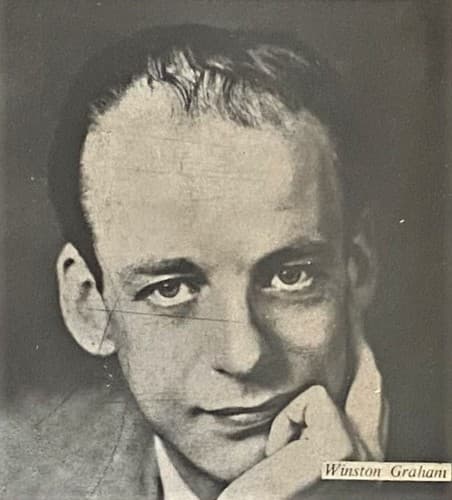
Winston Graham was a British author known for his historical fiction, particularly the Poldark series. His notable works include "Ross Poldark," "The Angry Tide," "The Stranger from the Sea," and "Bella Poldark," which explore themes of love, conflict, and social change in 18th-century Cornwall. The Poldark series has gained significant popularity and has been adapted into television dramas.
Similar books
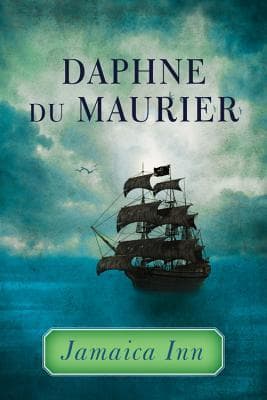
- Jamaica Inn
Daphne du Maurier
3.9 (32k) average on GoodreadsThrillerFeatures a strong sense of place in Cornwall with elements of romance and dark intrigue.
- Outlander
Diana Gabaldon
4.2 (824k) average on GoodreadsFantasyEpic historical romance with a focus on a strong couple, significant emotional challenges, and historical detail.
- To Kill a Mockingbird
Harper Lee
4.3 (4.5M) average on GoodreadsHistorical FictionIn the 1930s Jim Crow South, Harper Lee writes about racial injustice, moral growth, and the quiet courage of a lawyer father, Atticus Finch, as seen through his young daughter's eyes.
- The Great Gatsby
F. Scott Fitzgerald
3.9 (3.8M) average on GoodreadsHistorical FictionIn the opulent Roaring Twenties, a mysterious millionaire's lavish parties hide his desperate, tragic pursuit of a lost love, exposing the emptiness within the American Dream.
- Pride and Prejudice
Jane Austen
4.3 (3M) average on GoodreadsHistorical FictionIn a society focused on status and money, Elizabeth Bennet navigates love and pride, challenging Mr. Darcy and social expectations to find true affection.
- Angels & Demons
Dan Brown
3.9 (2.7M) average on GoodreadsThrillerA Harvard symbologist races through Rome's ancient sites, deciphering cryptic clues to unmask the Illuminati and stop a vengeful plot to destroy the Vatican with a stolen antimatter weapon.





Enjoyed the summary?
A summary gives you the shape of the book. The book itself has the detail, the examples and the voice.
Find The Angry Tide on AmazonAs an Amazon Associate, BookBrief earns from qualifying purchases. How we're funded