
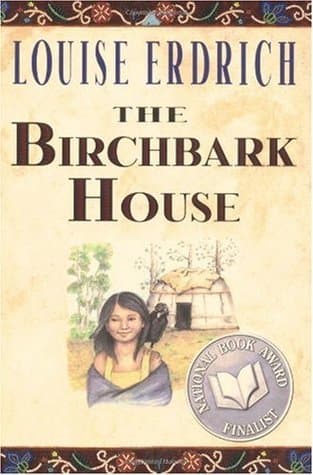
Synopsis
Covers the whole plot, including the ending.
- Difficulty
- Easy
- Pacing
- Moderate
- Mood
- Atmospheric, Reflective, Heartwarming, Poignant
- Read it if
- You enjoy historical fiction through the eyes of a child, are interested in Native American culture and daily life, or appreciate stories of resilience and connection to nature.
- Skip it if
- You prefer fast-paced plots, or are sensitive to stories involving illness and loss, even if handled gently.
The Birchbark House Plot Summary
Covers the whole plot, including the ending.
Spring Awakening on Madeline Island
The story begins in the spring of 1847 on Moningwanaykaning, Madeline Island, where seven-year-old Omakayas, an Ojibwa girl, lives with her family. Her family includes her father, Deydey; her mother, Yellow Kettle; her older sister, Angeline; her younger brother, Little LaPointe; and her baby brother, Neewo. The family is emerging from a long, harsh winter, and Omakayas helps her mother with the spring chores, such as gathering birchbark for their new wigwam and collecting maple sap. She has a special bond with her pet crow, Andeg, whom she rescued as a fledgling. The family moves from their winter lodge to their summer camp, and spring brings renewal and the promise of abundant resources. Omakayas often feels different from her siblings, particularly her beautiful and graceful sister Angeline.
Summer Life and New Responsibilities
Summer brings many activities and lessons for Omakayas. She helps her mother and Angeline in the garden, planting corn, squash, and beans, and learns to scare crows away. She also goes berry picking, a favorite pastime, and learns about the different plants and their uses from her mother. During one berry-picking excursion, Omakayas has an encounter with a bear cub and its mother, narrowly escaping harm. This event leaves a deep impression on her, making her feel both fear and a strange connection to the natural world. She also begins to understand the spiritual world and the interconnectedness of all living things through stories told by her grandmother, Nokomis, and her own experiences.
The Arrival of Travelers and New Knowledge
As summer progresses, the family prepares for the arrival of the white traders, who come to Madeline Island by boat. This event is an annual occurrence, bringing opportunities to trade furs and goods for items like cloth, metal tools, and flour. Omakayas observes the interactions between her family and the traders, noticing the cultural differences and the effect of these new goods on their traditional lifestyle. She is fascinated by the new items but also senses a subtle shift in the balance of their world. The trading post is a place of excitement and bustle, but also a reminder of the encroaching world beyond their island home.
Autumn Harvest and Preparations for Winter
Autumn is a busy time of harvest and preparation. The family works together to gather wild rice, dry berries, and hunt deer and moose to ensure they have enough food and supplies for the long winter. Omakayas helps with these tasks, learning the importance of hard work and cooperation. She also sees the process of tanning hides, a vital skill for making clothing and shelter. During this time, Nokomis shares more stories and traditional knowledge, deepening Omakayas's connection to her heritage and the spiritual wisdom of her people. The family moves to their winter lodge, a more insulated structure, as the weather grows colder.
The Harshness of Winter and the Threat of Illness
Winter brings severe cold and scarcity. The family endures the freezing temperatures, relying on their stored provisions and the warmth of their lodge. Hunting becomes more challenging, and hunger is always present. Tragically, a terrible illness, smallpox, begins to spread through the Ojibwa community. The disease, brought by the white traders, devastates the village. Omakayas's family is not spared, and the once lively community is plunged into sorrow and fear. The descriptions of the sick and dying are stark, showing the people's vulnerability to this foreign disease.
Omakayas's Courage and Loss
As smallpox rages, Omakayas, who seems to be immune, takes on the responsibility of caring for her ailing family members. She fetches water, tends to their fevers, and tries to comfort them, despite her young age and the overwhelming horror of the situation. She bravely faces the sickness, showing courage and compassion. However, the disease claims the life of her baby brother, Neewo, a loss that affects her deeply. She also loses her grandmother, Nokomis, and other members of her extended family, leaving a deep scar on her heart and the community.
The Aftermath and the Spirit of Neewo
After the epidemic, the remaining family members grieve and rebuild. The village is quiet, filled with the absence of those lost. Omakayas struggles with the death of Neewo, often feeling his presence and talking to him, especially when she is alone. Her parents, Deydey and Yellow Kettle, are deeply affected by the tragedy, and the family must find a way to heal and move forward. The winter continues, but the family has been changed by the smallpox. Omakayas finds solace in her connection to nature and her pet crow, Andeg.
Deydey's Secret and Omakayas's True Origins
During the deep sorrow of winter, Deydey finally reveals a long-held secret to Omakayas. He tells her that she is not his biological child, nor Yellow Kettle's. He explains that she was found as a baby, the sole survivor of a smallpox epidemic on Spirit Island, rescued by Tallow, a powerful woman from their community. Tallow brought the baby to Deydey and Yellow Kettle, who adopted her and raised her as their own. This revelation explains Omakayas's immunity to the current smallpox outbreak and gives her a new understanding of her place in the family and her connection to the devastating disease that took Neewo.
A New Understanding and Healing
Omakayas is initially shocked and confused by the news of her adoption, feeling a mix of sadness and a strange sense of belonging. The revelation helps her understand why she sometimes felt different from her siblings and why she survived the smallpox when others did not. Her parents reassure her of their love, saying that she is truly their daughter, regardless of her birth. This new understanding allows Omakayas to begin healing from the trauma of the epidemic and to reconcile her past with her present. She finds a renewed sense of purpose and strength in her unique history.
The Return of Spring and Hope
As the harsh winter finally gives way to spring, the cycle of life begins anew on Madeline Island. The snow melts, the ice breaks on the lake, and the first signs of green emerge. The family, though still grieving, finds strength in each other and the renewal of nature. They begin the spring chores again, gathering birchbark and tapping maple trees, showing their resilience and enduring spirit. Omakayas, with her newfound understanding of her past, looks towards the future with quiet hope. The book ends with the promise of continuing life and the enduring strength of the Ojibwa people.
Principal Figures
Omakayas (Little Frog)
Protagonist
A spirited, observant Ojibwa girl, the sole survivor of a smallpox epidemic.
Omakayas is the seven-year-old protagonist of the story, known for her keen observation skills, her deep connection to nature, and her sensitive spirit. She is often called 'Little Frog' because of her first hop-like step. She feels a subtle sense of being different from her siblings, particularly her graceful older sister Angeline. Omakayas possesses an innate empathy and courage, evident in her care for her family during the smallpox epidemic. She has a special bond with her pet crow, Andeg, and is deeply affected by the beauty and harshness of the natural world. Her journey involves understanding her true origins and finding her place within her family and community.
Relationships: Deydey (Adoptive father); Yellow Kettle (Adoptive mother); Angeline (Older adoptive sister); Little LaPointe (Younger adoptive brother); Neewo (Baby adoptive brother (deceased)); Nokomis (Grandmother (deceased)); Andeg (Pet crow, companion); Tallow (Rescuer, powerful woman)
Deydey
Supporting
Omakayas's adoptive father, a skilled hunter and provider for his family.
Deydey is Omakayas's adoptive father, a strong and quiet man who is a skilled hunter and provides for his family. He is deeply respected within the community for his abilities and his wisdom. Deydey carries the secret of Omakayas's true origins for many years, eventually revealing it to her during a time of immense sorrow. He is a loving father, though sometimes reserved, and his actions demonstrate his deep care for his family's well-being and survival. He represents the traditional Ojibwa values of responsibility and connection to the land.
Relationships: Yellow Kettle (Wife); Omakayas (Adoptive daughter); Angeline (Daughter); Little LaPointe (Son); Neewo (Son (deceased)); Tallow (Friend, trusted community member)
Yellow Kettle
Supporting
Omakayas's adoptive mother, a nurturing and resourceful woman.
Yellow Kettle is Omakayas's adoptive mother, a hardworking and nurturing woman who manages the household and teaches her daughters essential skills. She is resourceful, knowledgeable about plants and traditional crafts, and deeply devoted to her children. Yellow Kettle experiences profound grief during the smallpox epidemic, particularly after the loss of her baby, Neewo. Despite her sorrow, she remains a source of strength and comfort for her family. She embodies the resilience and loving spirit of Ojibwa mothers, guiding her children through the cycles of nature and life.
Relationships: Deydey (Husband); Omakayas (Adoptive daughter); Angeline (Daughter); Little LaPointe (Son); Neewo (Son (deceased)); Nokomis (Mother-in-law (deceased))
Angeline
Supporting
Omakayas's older sister, graceful and often seen as the ideal Ojibwa girl.
Angeline is Omakayas's older sister, who is often portrayed as graceful, beautiful, and adept at traditional tasks. Omakayas sometimes feels a sense of inadequacy in comparison to Angeline, who seems to effortlessly embody the ideal Ojibwa girl. Despite this, Angeline is a kind and caring sister, often helping Omakayas and sharing in their daily activities. She represents a more conventional path for young Ojibwa women and serves as a foil to Omakayas's more unique and introspective nature. She also falls ill during the smallpox epidemic but recovers.
Relationships: Omakayas (Adoptive sister); Little LaPointe (Brother); Neewo (Brother (deceased)); Deydey (Father); Yellow Kettle (Mother)
Little LaPointe
Supporting
Omakayas's younger brother, playful and sometimes mischievous.
Little LaPointe is Omakayas's younger brother, a typical boy who is often playful, energetic, and sometimes mischievous. He represents the innocent, carefree spirit of childhood within the family. Omakayas often cares for him and plays with him, demonstrating her nurturing side. His presence adds a touch of lightheartedness to the family's life, even amidst their struggles. He also falls ill with smallpox but recovers, highlighting the randomness of the disease's impact.
Relationships: Omakayas (Adoptive sister); Angeline (Sister); Neewo (Brother (deceased)); Deydey (Father); Yellow Kettle (Mother)
Neewo
Supporting
Omakayas's baby brother, whose death is a central tragedy of the story.
Neewo is Omakayas's beloved baby brother, whose birth brings joy to the family. He is a symbol of new life and innocence. His playful nature and Omakayas's deep affection for him make his eventual death from smallpox a central and heartbreaking tragedy of the book. His loss profoundly impacts Omakayas and the entire family, forcing them to confront the devastating reality of the epidemic and the fragility of life. Omakayas continues to feel his presence even after his death.
Relationships: Omakayas (Adoptive sister (deceased)); Deydey (Father (deceased)); Yellow Kettle (Mother (deceased))
Nokomis
Supporting
Omakayas's grandmother, a source of traditional wisdom and stories.
Nokomis is Omakayas's wise and loving grandmother, a respected elder in the community. She is a keeper of traditional Ojibwa stories, customs, and spiritual knowledge. Nokomis teaches Omakayas about their heritage, the natural world, and the importance of their traditions through her gentle guidance and storytelling. She provides a spiritual anchor for Omakayas and the family, connecting them to their ancestors and the deeper meanings of life. Her death during the smallpox epidemic is another significant loss for Omakayas.
Relationships: Omakayas (Granddaughter); Deydey (Son); Yellow Kettle (Daughter-in-law)
Andeg
Supporting
Omakayas's pet crow, a loyal companion and symbol of her connection to nature.
Andeg is Omakayas's pet crow, whom she rescued as a fledgling. He is a loyal and intelligent companion, often seen perched on her shoulder or flying nearby. Andeg represents Omakayas's deep connection to the natural world and serves as a confidant and source of comfort for her. His presence underscores her unique ability to communicate with and understand animals, further highlighting her special qualities. He is a constant presence throughout the year, mirroring the cycles of nature.
Relationships: Omakayas (Owner and close companion)
Tallow
Supporting
A strong and fearless Ojibwa woman who rescued baby Omakayas.
Tallow is a powerful and respected woman in the Ojibwa community, known for her strength and courage. She is the one who found baby Omakayas as the sole survivor of a smallpox epidemic on Spirit Island and brought her to Deydey and Yellow Kettle. Tallow's act of compassion and bravery is pivotal to Omakayas's existence and her eventual understanding of her origins. She represents a strong female presence and the communal responsibility of the Ojibwa people.
Relationships: Omakayas (Rescuer, instrumental in her adoption); Deydey (Trusted community member)
Themes & Insights
Identity and Belonging
Omakayas's journey of self-discovery is central to the novel. She often feels subtly different from her siblings, leading to questions about her place. The revelation of her adoption and survival of a smallpox epidemic on Spirit Island answers her unique identity. This knowledge helps her understand her immunity to the current disease and solidifies her sense of belonging within her adoptive family, as their love for her transcends bloodlines. Her deep connection to animals, particularly Andeg, also contributes to her sense of self.
“You are our child. You are our daughter. No matter how you came to us.”
The Cycle of Life, Death, and Renewal
The novel is structured around the four seasons, showing the cyclical nature of life, death, and renewal in the natural world. Spring brings new life and hope, summer provides abundance, autumn is a time of harvest and preparation, and winter brings harshness and, in this story, devastating loss through the smallpox epidemic. The death of Neewo and Nokomis is a central tragedy, but the return of spring at the end of the book symbolizes the resilience of life and the Ojibwa people, who continue to find hope and rebuild after suffering.
“And the earth lived, and the people lived, and the birds sang, and the sun rose, and the moon sailed, and the stars shone.”
Resilience and Survival
The Ojibwa family's ability to endure the challenges of a harsh natural environment and the devastating impact of smallpox shows their resilience. They adapt to the changing seasons, relying on traditional knowledge and communal cooperation for survival. Omakayas, as a survivor of an earlier smallpox epidemic, embodies this theme personally. Her courage in caring for her sick family and her eventual acceptance of her origins show an inner strength that allows her and her family to face adversity and continue their way of life.
“They were still alive. They had survived. They would live.”
Connection to Nature and the Spiritual World
The Ojibwa people's deep reverence for and connection to nature are central to the story. Omakayas's observations of animals, plants, and the changing seasons are woven throughout the narrative. Her special bond with Andeg, the crow, and her encounter with the bear cub illustrate this connection. The spiritual world, guided by stories from Nokomis and Omakayas's own feelings, is integrated with the natural world, providing guidance, meaning, and comfort. The land and its creatures are seen as living entities with their own spirits.
“The earth was a living thing, and everything in it had a spirit.”
The Impact of European Contact
While primarily focused on Ojibwa life, the novel addresses the impact of European contact. The annual arrival of white traders brings new goods and opportunities for trade, but also introduces devastating elements like smallpox. The disease, foreign to the Ojibwa, decimates the community, showing the vulnerability of Indigenous populations to diseases brought by colonizers. The trading post and the goods exchanged signify the slow but inevitable encroachment of a different culture on the traditional Ojibwa way of life, hinting at future changes.
“The white people brought many things. Some good, some bad.”
Plot Devices & Literary Techniques
Seasonal Structure
Organizes the narrative around the annual cycle of Ojibwa life.
The novel is explicitly structured around the four seasons – spring, summer, autumn, and winter – of 1847. This device is fundamental to depicting the traditional Ojibwa way of life, which is intimately tied to the natural cycles of the earth. Each season brings specific tasks, challenges, and joys for Omakayas and her family, from maple sugaring in spring to enduring the harsh winter. It emphasizes the cyclical nature of their existence, the importance of adapting to environmental changes, and ultimately, the theme of renewal and resilience as the story concludes with the return of spring.
First-Person Limited (Omakayas's Perspective)
Provides an intimate view of Ojibwa culture through a child's eyes.
The story is primarily told through the eyes and experiences of seven-year-old Omakayas. This narrative perspective allows readers to intimately experience the daily life, traditions, and emotional landscape of an Ojibwa family in the 19th century. Omakayas's observations, questions, and feelings shape our understanding of events, from the wonder of nature to the devastation of smallpox. Her limited understanding as a child makes the revelation of her adoption particularly impactful, and her developing empathy makes the losses she experiences deeply poignant for the reader.
Foreshadowing (Omakayas's Immunity)
Hints at Omakayas's unique past and immunity to smallpox.
The narrative subtly foreshadows Omakayas's unique history and immunity to smallpox. During the epidemic, she is the only one in her immediate family who does not fall ill, or at least recovers quickly. This unexplained immunity creates a sense of mystery around her character, setting the stage for Deydey's eventual revelation about her adoption and her previous survival of a smallpox outbreak on Spirit Island. This device adds depth to her character and provides a logical explanation for her survival, connecting her past trauma to the present crisis.
Symbolism (Andeg the Crow)
Represents Omakayas's unique connection to nature and her spirit.
Andeg, Omakayas's pet crow, serves as a significant symbol throughout the novel. Crows are often associated with intelligence, mystery, and being messengers between worlds. Andeg represents Omakayas's deep and intuitive connection to the natural world, her ability to understand and communicate with animals, and perhaps her own unique spirit. He is her constant companion, a source of comfort, and a reflection of her wilder, more observant nature. His presence highlights her difference from her siblings and her special bond with the non-human world.
Oral Tradition/Storytelling
Preserves Ojibwa culture and transmits wisdom through generations.
Storytelling, particularly through Nokomis, is a crucial plot device that transmits Ojibwa cultural knowledge, history, and spiritual beliefs. Nokomis frequently shares traditional stories, myths, and legends with Omakayas and her siblings, teaching them about their ancestors, the natural world, and moral lessons. These stories are not merely entertainment but vital educational tools that connect the children to their heritage and instill a sense of cultural identity. This device authenticates the narrative and emphasizes the importance of oral tradition in Indigenous cultures.
The Birchbark House Quotes
“The only real way to know something is to do it.”
“Sometimes the hardest thing and the right thing are the same.”
“A story is like the wind, it comes from a far-off place and we feel it.”
“The land does not belong to us; we belong to the land.”
“Grief is a heavy stone, but it can be carried.”
“In every ending, there is a beginning waiting to be seen.”
“A name is a story all by itself.”
“The birchbark remembers every story it has ever heard.”
“Strength is not in the muscle, but in the spirit.”
“To be alone is to listen to the world speak.”
“A family is a circle that no one can break.”
“The old ways are not gone; they sleep in our hearts.”
“Fear is a shadow that grows in the dark; bring it to light.”
“Every season has its purpose, and every life its path.”
Quiz
10 questions on the plot and the characters. Each answer comes with a short explanation.
Question 1
What is the name of the Ojibwa girl who is the main character of 'The Birchbark House'?
- Little Sparrow
- Omakayas
- Tallow
- Golden-Breasted Woodpecker
Show answer
B. Omakayas The protagonist is Omakayas, a 7-year-old Ojibwa girl whose name means 'Little Frog' because her first step was a hop. She is the sole survivor of a smallpox epidemic on Spirit Island and is adopted by an Ojibwa family on Madeline Island.
Question 2
What historical event threatens Omakayas and her family during the winter of 1847 in the book?
- A severe blizzard
- A bear attack
- A smallpox outbreak
- A food shortage
Show answer
C. A smallpox outbreak The book depicts a historically documented outbreak of smallpox on Madeline Island in 1847, which mirrors Omakayas's own origins as a survivor of a similar epidemic on Spirit Island.
Question 3
What is the name of Omakayas's pet crow in the story?
- Andeg
- Spirit
- Caw
- Feather
Show answer
A. Andeg Omakayas has a strong devotion to her pet crow named Andeg, which highlights her connection to the natural world and her role within it.
Question 4
Who rescued Omakayas as a baby from Spirit Island after the smallpox epidemic?
- Her biological mother
- A traveler named John
- Tallow
- The Golden-Breasted Woodpecker
Show answer
C. Tallow Omakayas was rescued by a fearless woman named Tallow, who brought her to Madeline Island where she was welcomed into an Ojibwa family.
Question 5
What is the Ojibwa name for Madeline Island, as mentioned in the book?
- Spirit Island
- Island of the Golden-Breasted Woodpecker
- Turtle Mountain
- Little Frog Island
Show answer
B. Island of the Golden-Breasted Woodpecker Madeline Island is referred to as the 'Island of the Golden-Breasted Woodpecker' in the Ojibwa tradition, reflecting the cultural and spiritual significance Erdrich researched from Ojibwa elders.
Question 6
Which of the following activities is NOT depicted as part of the daily life of Omakayas's family in the book?
- Tanning moose hides
- Picking berries
- Scaring crows from the cornfield
- Building log cabins
Show answer
D. Building log cabins The book describes traditional Ojibwa activities like tanning moose hides, picking berries, and scaring crows, but it focuses on their birchbark house lifestyle rather than pioneer-style log cabins, distinguishing it from works like 'Little House on the Prairie'.
Question 7
What does Omakayas's name, 'Little Frog', symbolize about her character?
- Her ability to swim well
- Her first step was a hop
- Her green-colored clothing
- Her quiet and stealthy nature
Show answer
B. Her first step was a hop Omakayas is named 'Little Frog' because her first step as a baby was a hop, which reflects her unique and spirited nature as she grows and navigates her world.
Question 8
How does Louise Erdrich's background influence the authenticity of 'The Birchbark House'?
- She is a member of the Turtle Mountain Band of Ojibwa and consulted elders
- She lived on Madeline Island her entire life
- She based it solely on Laura Ingalls Wilder's books
- She invented all the cultural details without research
Show answer
A. She is a member of the Turtle Mountain Band of Ojibwa and consulted elders Erdrich, being Ojibwa herself, spoke to Ojibwa elders, read historical letters, and spent time on Madeline Island with her children to observe and infuse the story with cultural authenticity and detailed realism.
Question 9
What overarching theme is highlighted through Omakayas's experiences with her pet crow Andeg and the natural world?
- The importance of urban development
- The conflict between settlers and Native Americans
- The connection between life, death, and one's role in nature
- The superiority of human technology over animals
Show answer
C. The connection between life, death, and one's role in nature Omakayas's devotion to Andeg and her interactions with the environment reflect her budding understanding of the cycles of life and death, and her place within the natural world, a central theme in the book.
Question 10
In what way does 'The Birchbark House' provide a different perspective on 19th-century American life compared to Laura Ingalls Wilder's 'Little House' books?
- It focuses on pioneer settlers rather than Native Americans
- It is set in a later time period, the 20th century
- It shows the same history through the eyes of an Ojibwa girl
- It emphasizes political conflicts over daily life
Show answer
C. It shows the same history through the eyes of an Ojibwa girl While Wilder's books depict pioneer life from a settler's viewpoint, Erdrich's novel offers a Native American perspective through Omakayas, highlighting Ojibwa culture, traditions, and experiences during the same historical period.
The Birchbark House FAQ
What is 'The Birchbark House' about?
The novel follows Omakayas, a 7-year-old Ojibwa girl, through four seasons in 1847 on Madeline Island in Lake Superior. It depicts her daily life with her adopted family—including tasks like tanning moose hides and picking berries—while exploring her personal growth, relationships, and the community's resilience during a smallpox outbreak that mirrors the epidemic she survived as an infant.
Why should I read 'The Birchbark House'?
It offers a vital, authentic perspective on 19th-century Ojibwa life, contrasting with Eurocentric pioneer narratives. Through Omakayas's eyes, readers experience rich cultural traditions, emotional depth, and themes of family and survival, all enhanced by Louise Erdrich's poetic writing and personal connection to Ojibwa heritage.
What is the background/setting of 'The Birchbark House'?
Set in 1847 on Madeline Island (called the Island of the Golden-Breasted Woodpecker by the Ojibwa) in Lake Superior, the story unfolds in a birchbark house within an Ojibwa community. The historical context includes seasonal subsistence activities and a documented smallpox epidemic that threatens the island.
What are the most memorable quotes?
While specific quotes vary, notable ones often reflect Omakayas's observations, such as her reflections on nature or family bonds. For example, her thoughts on Andeg the crow or her realization about life and death during the smallpox outbreak highlight the book's lyrical and introspective tone.
What writing style does the author use?
Louise Erdrich employs a poetic, exquisitely wrought narrative with vivid sensory details, blending Ojibwa cultural elements with a child's perspective. The prose is accessible yet rich, complemented by Erdrich's own pencil drawings that add authenticity and visual depth to the story.
What minor details add significant meaning?
Details like Omakayas's pet crow Andeg symbolize her connection to the natural world and foreshadow themes of loyalty and loss. The birchbark house itself represents resilience and cultural identity, while small acts like scaring crows from the cornfield underscore the community's interdependence with nature.
What are some subtle foreshadowing moments?
Early references to smallpox, such as Omakayas's survival as an infant and community stories, foreshadow the epidemic's return. Omakayas's growing awareness of death and her unique healing abilities hint at her role in helping her family during the crisis.
What unexpected character connections exist?
Omakayas's rescue by Tallow as a baby creates a hidden bond of survival that echoes in her resilience. Her relationships with siblings, like her mixed emotions toward them, reveal deeper familial tensions and affections that shape her identity within the adopted family.
What are unspoken character motivations?
Omakayas is driven by a subconscious desire to understand her origins and prove her worth after being the sole survivor of the Spirit Island epidemic. Her mother, Yellow Kettle, shows quiet strength in protecting the family, motivated by love and cultural duty amidst hardships.
What psychological complexities do characters exhibit?
Omakayas grapples with survivor's guilt and a budding sense of responsibility, seen in her care for Andeg and reactions to illness. Her sibling dynamics—such as jealousy and protectiveness—reflect realistic childhood emotions, while elders like Nokomis embody wisdom and spiritual resilience.
What are the major emotional turning points?
Key moments include Omakayas discovering her healing talents, the death of a family member during the smallpox outbreak, and her realization of her role in the natural world. These events deepen her empathy and understanding of life's cycles, marking her transition from childhood innocence to maturity.
How do relationship dynamics evolve?
Omakayas's bond with Andeg shifts from playful companionship to a symbol of loss and care. Her relationships with siblings grow from rivalry to mutual support during the epidemic, while her connection to her parents and Nokomis strengthens through shared cultural practices and crises.
Which parts remain ambiguous or open-ended?
The fate of some characters after the smallpox outbreak is left uncertain, inviting reflection on survival and grief. Omakayas's future role in her community and the full impact of her healing abilities are hinted at but not fully resolved, suggesting ongoing growth beyond the book.
What are controversial scenes or decisions?
The depiction of smallpox and death may be intense for young readers, raising questions about historical trauma. Some might debate the pacing of daily life versus crisis moments, or how Erdrich balances cultural authenticity with narrative accessibility for a children's audience.
'The Birchbark House' ending explained: how it ends & what it means
The novel ends with the community surviving the smallpox outbreak, though marked by loss, and Omakayas gaining a deeper understanding of her place in the world. It signifies resilience, the continuity of Ojibwa culture, and Omakayas's personal growth as she embraces her identity and responsibilities.
About the author

Karen Louise Erdrich is an American author of novels, poetry, and children's books featuring Native American characters and settings. She is an enrolled member of the Turtle Mountain Band of Chippewa Indians, a federally recognized tribe of Ojibwe people.
Similar books
- Little House in the Big Woods
Laura Ingalls Wilder
4.2 (233k) average on GoodreadsChildren'sExplores pioneer life through a child's eyes, focusing on daily routines and seasonal changes.
- Island of the Blue Dolphins
Scott O'Dell
3.8 (292k) average on GoodreadsChildren'sFeatures a strong young female protagonist surviving and thriving in nature, with themes of resilience and connection to the land.
- Little House on the Prairie
Laura Ingalls Wilder
4.2 (256k) average on GoodreadsChildren'sWilder's series offers a settler-centric view, often depicting Indigenous peoples as 'others' or threats. Erdrich's book provides a crucial counter-narrative, centering the Ojibwe experience with depth and agency, offering a perspective largely absent in Wilder's work.
- Hatchet
Gary Paulsen
3.7 (309k) average on GoodreadsChildren'sPaulsen's novel focuses on an individual's survival against nature. While both involve wilderness, Erdrich's 'The Birchbark House' is deeply rooted in communal life, cultural practices, and historical context, offering a much broader and culturally richer understanding of human-land interaction than Paulsen's isolated survival story.
- Harry Potter and the Sorcerer's Stone
J.K. Rowling
4.5 (7M) average on GoodreadsFantasyRescued from a miserable life under the stairs, an orphaned boy discovers he's a wizard destined for a magical school, where he uncovers a dangerous secret tied to the dark wizard who murdered his parents.
- The Hobbit, or There and Back Again
J.R.R. Tolkien
4.3 (2.9M) average on GoodreadsFantasyA comfort-loving hobbit named Bilbo Baggins is whisked away by a mischievous wizard and a band of dwarves on an unexpected journey to reclaim stolen treasure from a fearsome dragon, discovering courage and a magical ring along the way.



Enjoyed the summary?
A summary gives you the shape of the book. The book itself has the detail, the examples and the voice.
Find The Birchbark House on AmazonAs an Amazon Associate, BookBrief earns from qualifying purchases. How we're funded