
Synopsis
Covers the whole plot, including the ending.
- Difficulty
- Easy
- Pacing
- Slow
- Mood
- Heartwarming, Nostalgic, Gentle, Educational
- Read it if
- You enjoy gentle, episodic stories about pioneer life, family values, and the simple pleasures of a bygone era, or are looking for a classic children's book that introduces historical settings.
- Skip it if
- You prefer fast-paced plots, complex character development, or stories with a strong central conflict and resolution beyond seasonal survival.
Little House in the Big Woods Plot Summary
Covers the whole plot, including the ending.
Life in the Big Woods of Wisconsin
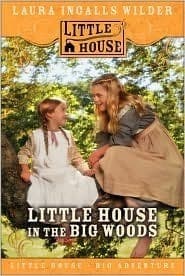
The story introduces four-year-old Laura Ingalls, her older sister Mary, baby sister Carrie, Ma, and Pa, living in a small log cabin in the Big Woods of Wisconsin in 1871. Their nearest neighbors are several miles away. Pa hunts and farms, while Ma manages the household, cooking, cleaning, and making clothes. The family relies entirely on their own efforts for survival, preparing for the harsh winter ahead. Laura observes and learns about their daily routines, from fetching water to Pa's stories and fiddle playing in the evenings, which provide comfort and entertainment in their isolated home. Wild animals, like bears and wolves, are a constant reminder of the wilderness surrounding their little house.
A Day of Chores and Simple Pleasures
Laura and Mary help Ma with daily chores, such as washing dishes, churning butter, and preparing meals. Laura often goes with Pa when he goes outside, watching him work. One day, Pa hunts and brings home a deer, providing meat for the family. Ma processes the deer, rendering the fat for tallow and salting the meat for preservation. Laura learns about pioneer life, from making candles and soap to preparing food for storage. Evenings are a time for family togetherness, with Pa playing his fiddle by the fire and telling stories of his own childhood adventures and encounters with animals, captivating Laura and Mary.
The Annual Hog Butchering
As autumn progresses and the weather turns colder, the family prepares for the annual hog butchering. This event ensures a supply of meat for the coming winter. Pa, with the help of a neighbor, Mr. Edwards, butchers two hogs. Ma and the girls are busy inside, rendering lard, making headcheese, and salting the pork. Laura helps by turning the crank for the sausage grinder and watches the entire process. The butchering is hard and messy, but it is necessary for their survival, providing not only food but also valuable lard for cooking and soap-making.
Making Cheese and Preserving Food
Ma is good at making cheese, a process Laura finds interesting. She watches as Ma warms the milk, adds rennet, and presses the curds into a round cheese. The fresh cheese is then carefully aged. Besides cheese, Ma also preserves pumpkins by cutting them into rings and drying them, and stores apples and potatoes in the cellar for winter. These activities show the self-sufficiency needed for pioneer life, where every family member helps ensure they have enough food to last through the long, cold months when fresh produce is unavailable. Laura's observations teach her the value of hard work and resourcefulness.
Christmas in the Big Woods
Christmas arrives, bringing much anticipation and joy to the Ingalls household. On Christmas morning, Laura and Mary find modest but cherished gifts: a rag doll for Laura, a corn-cob doll for Mary, and a shiny new tin cup and a stick of striped candy for each. Pa and Ma exchange practical gifts like mittens and a new shawl. Later, the family visits Grandma and Grandpa Ingalls for a Christmas dinner, where they enjoy a feast including roasted turkey, potatoes, gravy, and pies. The warmth of family and the simple pleasure of homemade toys and good food make for a memorable holiday, emphasizing love and togetherness.
Grandpa's Fiddle and Pioneer Tales
During their Christmas visit to Grandma and Grandpa Ingalls, the family gathers around the fire. Grandpa Ingalls, like Pa, is a talented fiddle player. He entertains everyone with lively tunes, and the adults even dance a jig. Grandpa also shares stories from his own youth as a pioneer, recounting tales of encounters with bears and other wild animals, and adventures in the wilderness. These stories entertain Laura and Mary and connect them to their family's history and the pioneer experience, providing a look into the challenges and excitements of settling the frontier. Family warmth and shared traditions are important.
Making Maple Sugar
As winter begins to recede, the family looks forward to the maple sugaring season. Pa taps the maple trees, and sap is collected in buckets. The sap is then boiled down in large kettles over an outdoor fire, a long process that transforms the watery sap into sweet syrup and sugar. Laura and Mary are delighted to help and eagerly anticipate the treats that come from it, like maple candy made by pouring hot syrup onto snow. This annual tradition is a sign of spring's arrival and provides a source of sweetness for the family throughout the year, marking a shift in the seasonal cycle of their lives.
A Visit to Town and New Experiences
One day, Pa takes the family on a rare trip to the town of Pepin. It is a significant event, as they seldom leave their isolated cabin. Laura is amazed by the sights and sounds of the town, including the stores filled with goods they do not produce themselves. Ma buys calico cloth for dresses, and Pa gets supplies. Laura and Mary are particularly fascinated by the candy store. The trip provides a look at a different kind of life beyond the Big Woods and shows the self-sufficiency of their daily existence, as most of what they need is made at home. It is a memorable adventure for the girls.
Farming and Harvesting Season
Throughout the spring and summer, Pa works to clear more land and plant crops like corn, wheat, and potatoes. Laura and Mary often help in the garden, planting seeds and weeding. The harvest season is busy for everyone, as they gather the fruits of their labor. Pa harvests the wheat, and Ma grinds some of it into flour. They also pick berries and nuts from the woods to supplement their diet. These activities show the cyclical nature of pioneer life, where hard work in one season directly impacts their survival and well-being in the next. The bounty of the land is carefully preserved for future use.
Preparing for Winter Once More
As the leaves begin to turn and the air grows crisp, the Ingalls family starts their preparations for the next winter. The cellar is filled with preserved foods, the woodpile is stacked high, and the cabin is made snug against the cold. Laura thinks about the past year, filled with hard work, simple pleasures, and the constant presence of the wilderness. The cycle of life in the Big Woods continues, with each season bringing its own challenges and rewards. The story ends with the family safe and warm in their little house, listening to Pa's fiddle, ready to face another winter together, secure in their love and self-reliance.
Little House in the Big Woods Characters
Laura Ingalls
Protagonist
A curious and observant four-year-old girl, the narrator of her pioneer experiences.
Laura is the protagonist of the story, a four-year-old girl who experiences the world around her with keen observation and wonder. She is curious, adventurous, and often asks questions, eager to learn about pioneer life. Her perspective shapes the narrative, as she describes the daily routines, the challenges, and the simple joys of living in a log cabin in the Big Woods. Laura is particularly fond of her Pa and his stories and fiddle playing. She helps Ma with chores and enjoys playing with her sister Mary, often getting into small mischief. Her journey is one of discovery and learning the values of hard work and family.
Relationships: Charles Ingalls (Pa) (Beloved father, source of comfort and adventure); Caroline Ingalls (Ma) (Loving mother, teacher of domestic skills); Mary Ingalls (Older sister, playmate and occasional rival); Carrie Ingalls (Baby sister, subject of Laura's gentle affection)
Charles Ingalls (Pa)
Supporting
Laura's strong, resourceful, and loving father, a skilled hunter and farmer.
Pa is the patriarch of the Ingalls family, a skilled hunter, farmer, and carpenter. He is strong, resilient, and deeply devoted to his family's well-being, working tirelessly to provide food and shelter. Pa is also a source of entertainment and comfort, playing his fiddle in the evenings and telling captivating stories of his own adventures and encounters with wild animals. He embodies the spirit of the pioneer, facing challenges with courage and resourcefulness. Laura adores her Pa, and his presence brings a sense of security and joy to the little house in the Big Woods.
Relationships: Laura Ingalls (Beloved daughter, shares a special bond with her); Caroline Ingalls (Ma) (Devoted husband, partner in pioneer life); Mary Ingalls (Loving father); Carrie Ingalls (Loving father)
Caroline Ingalls (Ma)
Supporting
Laura's gentle, industrious, and wise mother, who manages the household.
Ma is the diligent and loving mother of the Ingalls girls. She is responsible for managing the household, which includes cooking, cleaning, sewing, churning butter, making cheese, and preserving food. Ma is practical, resourceful, and possesses a quiet strength. She teaches Laura and Mary essential domestic skills and instills in them values of hard work and proper behavior. While she is often busy with chores, Ma always finds time to care for her children and contribute to the family's warmth and comfort. She represents the domestic backbone of pioneer life, ensuring the family's survival and well-being.
Relationships: Laura Ingalls (Loving mother, teaches her domestic skills); Charles Ingalls (Pa) (Devoted wife, partner in pioneer life); Mary Ingalls (Loving mother); Carrie Ingalls (Loving mother)
Mary Ingalls
Supporting
Laura's older sister, often more demure and obedient.
Mary is Laura's older sister, often portrayed as more calm, obedient, and studious than the spirited Laura. She helps Ma with chores and is generally well-behaved. Mary and Laura share a typical sibling relationship, playing together and sometimes having small disagreements. She is often a quieter presence, observing the world with a different temperament than her younger sister. Mary serves as a foil to Laura's more adventurous nature, highlighting the different personalities within the close-knit family.
Relationships: Laura Ingalls (Younger sister, playmate and companion); Charles Ingalls (Pa) (Loving daughter); Caroline Ingalls (Ma) (Loving daughter)
Carrie Ingalls
Supporting
The youngest Ingalls sister, a baby throughout the book.
Carrie is the youngest of the Ingalls sisters, a baby throughout the events of this book. She is often seen sleeping or being cared for by Ma or her older sisters. Her presence adds to the warmth and completeness of the family unit, representing new life and the innocence of early childhood. While not an active participant in the plot, her needs and presence are a constant part of the family's daily life and responsibilities.
Relationships: Laura Ingalls (Older sister); Mary Ingalls (Older sister); Charles Ingalls (Pa) (Loving daughter); Caroline Ingalls (Ma) (Loving daughter)
Jack
Supporting
The loyal bulldog, protector and companion to the Ingalls family.
Jack is the family's loyal bulldog, a constant companion and protector. He accompanies Pa on his hunts and guards the cabin, especially from wild animals like bears and wolves. Jack is a beloved member of the family, demonstrating the important role animals played in pioneer life, both for practical purposes and as cherished pets. His presence offers a sense of security and companionship in the isolated wilderness.
Relationships: Ingalls Family (Loyal pet and protector)
Grandma Ingalls
Supporting
Pa's mother, who lives nearby and shares in family celebrations.
Grandma Ingalls is Pa's mother, who lives with Grandpa Ingalls a short distance away. She is a warm and hospitable figure, hosting the family for Christmas dinner and contributing to the festive atmosphere. Her presence emphasizes the importance of extended family connections, even in the sparsely populated frontier. She represents the older generation of pioneers, passing down traditions and providing a sense of heritage.
Relationships: Charles Ingalls (Pa) (Mother); Grandpa Ingalls (Wife); Laura Ingalls (Grandmother)
Grandpa Ingalls
Supporting
Pa's father, a talented fiddle player and storyteller.
Grandpa Ingalls is Pa's father, a lively and entertaining character. Like Pa, he is a skilled fiddle player, providing music for family gatherings. He also tells exciting stories of his own pioneer experiences, including encounters with bears and other adventures from his youth. Grandpa Ingalls represents the oral tradition of storytelling that was vital in pioneer communities, preserving history and entertaining generations. He embodies the spirit of resilience and adventure that characterizes the Ingalls family.
Relationships: Charles Ingalls (Pa) (Father); Grandma Ingalls (Husband); Laura Ingalls (Grandfather)
Mr. Edwards
Mentioned
A neighbor who helps Pa with hog butchering.
Mr. Edwards is a neighbor who occasionally helps the Ingalls family, most notably during the hog butchering. His presence highlights the communal aspect of pioneer life, where neighbors relied on each other for assistance with difficult tasks. Though not a central character, he symbolizes the network of support that existed in the frontier, crucial for survival and community building.
Relationships: Charles Ingalls (Pa) (Neighbor and helper)
Little House in the Big Woods Themes
Self-Sufficiency and Resourcefulness
The Ingalls family is self-sufficient, relying almost entirely on their own labor and the land for survival. From hunting and farming to making their own clothes, candles, and food, every part of their life shows resourcefulness. Ma's skills in preserving food, making cheese, and spinning wool, and Pa's abilities as a hunter, farmer, and carpenter, are central to their existence. This theme is clear in scenes like the hog butchering, maple sugaring, and the extensive food preparations for winter, showing how they transform raw materials into necessities.
“They must work hard and make everything they needed.”
Family Love and Togetherness
Despite the hardships of pioneer life, the deep love and strong bond within the Ingalls family is a main theme. Their shared experiences, from daily chores to festive celebrations like Christmas, strengthen their unity. Pa's fiddle playing and storytelling in the evenings provide comfort and joy, bringing the family together after a day of work. The girls' interactions, Ma's nurturing, and Pa's protective nature all show the importance of family as a source of strength, security, and happiness in their isolated environment. Their reliance on each other is both practical and emotional.
“The little house was a haven of warmth and love.”
Harmony with Nature and the Wilderness
The book shows the Ingalls family's close relationship with nature. They live within the Big Woods, constantly interacting with its resources and challenges. Pa's hunting provides food, the maple trees yield sugar, and the changing seasons dictate their activities. While the wilderness can be dangerous (bears, wolves), it also provides sustenance and beauty. Laura's observations of animals and the forest show an acceptance and understanding of their place within the natural cycle, showing the balance between utilizing nature and respecting its power.
“Wild animals were all around them, but Pa knew how to live among them.”
The Cycle of Seasons and Pioneer Life
The story is structured around the changing seasons, each bringing its own tasks and rhythms. From the autumn harvest and winter preparations to spring's maple sugaring and summer's planting, the family's life is linked to the annual cycle of nature. This structure emphasizes the repetitive yet essential nature of pioneer living, where survival depends on anticipating and adapting to seasonal changes. It shows the continuous hard work required to provide for the family throughout the year, with no rest from the demands of their environment.
“Every season brought its own work and its own pleasures.”
Childhood Innocence and Discovery
The story is told from the perspective of four-year-old Laura, capturing her innocent wonder and curiosity as she discovers the world around her. Everyday tasks like churning butter or watching Pa hunt become important learning experiences. Her questions and observations provide a fresh, unjaded view of pioneer life, making even mundane activities seem exciting. This theme emphasizes the joy of childhood discovery and the unique way children perceive and adapt to their environment, finding wonder in the simple realities of their existence.
“Laura loved to watch everything Pa did.”
Plot Devices & Literary Techniques
First-Person Limited Narration (from Laura's perspective)
The story is told through the eyes of four-year-old Laura Ingalls.
The entire narrative is presented from Laura Ingalls's perspective, limited to what she sees, hears, and understands as a young child. This device allows readers to experience pioneer life with a sense of wonder and discovery, much like Laura herself. It simplifies complex adult activities into understandable observations and creates an intimate, personal connection with the protagonist. The innocent viewpoint shapes the tone of the book, making even harsh realities seem less daunting and highlighting the simple joys and comforts of family life.
Episodic Structure
The plot is a series of loosely connected vignettes and seasonal events.
Instead of a single overarching conflict, the book is composed of distinct episodes or vignettes that depict daily and seasonal life in the Big Woods. Each chapter often focuses on a specific event, chore, or celebration, such as hog butchering, making maple sugar, or Christmas. This episodic structure mirrors the cyclical nature of pioneer life and allows for detailed descriptions of various aspects of self-sufficiency without needing a complex plot arc, emphasizing the continuous flow of life rather than a singular dramatic climax.
Pa's Fiddle and Stories
A recurring symbol of comfort, entertainment, and oral tradition.
Pa's fiddle playing and storytelling serve as a recurring motif and plot device throughout the book. The fiddle provides music, comfort, and a sense of home, especially in the isolated wilderness. His stories, often recounting encounters with animals or past adventures, entertain the girls and connect them to a broader pioneer experience, serving as a form of oral history. This device reinforces the themes of family togetherness, the simple pleasures of life, and the importance of tradition and shared narratives in pioneer culture.
Sensory Details and Description
Rich descriptions of sights, sounds, smells, and tastes immerse the reader.
Wilder employs abundant sensory details to bring the pioneer world to life. Readers experience the smell of woodsmoke, the taste of maple candy, the sound of Pa's fiddle, the feel of soft deerskin, and the sight of wild animals. These vivid descriptions immerse the reader in Laura's world, making the daily activities, the food, and the natural environment palpable. This device is particularly effective in a children's book, helping young readers visualize and connect with a historical setting that is vastly different from their own.
Little House in the Big Woods Quotes
“There is no great loss without some small gain.”
“The only thing better than a good story is a good story with a good meal.”
“The woods were dark and deep, but the little house was safe and warm.”
“Every job is good if you do it right and take pride in it.”
“Waste not, want not.”
“The days were full of work, but the evenings were full of music.”
“A good name is better than riches.”
“The world is full of things to see if you just look.”
“Butchering time was hard work, but it meant meat for the winter.”
“Children must mind their parents, for parents know best.”
“The maple syrup was sweet, but the making of it was sweeter.”
“A storm outside makes the fire inside seem brighter.”
“We must make do with what we have.”
“The long winter evenings were for stories and dreams.”
Quiz
10 questions on the plot and the characters. Each answer comes with a short explanation.
Question 1
Where is the Ingalls family's log cabin located?
- On the prairie of Kansas
- In the Big Woods of Wisconsin
- By the banks of Plum Creek in Minnesota
- In the Rocky Mountains of Colorado
Show answer
B. In the Big Woods of Wisconsin The story is set in 1871 in a log cabin on the edge of the Big Woods of Wisconsin, which is explicitly stated in the book's description. This is the first book in the series, before the family moves to other locations.
Question 2
What instrument does Pa play to lull the children to sleep at night?
- A harmonica
- A guitar
- A fiddle
- A piano
Show answer
C. A fiddle Pa's fiddle playing is a recurring comfort in the book, mentioned as lulling Laura and her sisters to sleep every night, symbolizing family warmth and security in their pioneer life.
Question 3
How old is Laura at the beginning of the book?
- Three years old
- Four years old
- Five years old
- Six years old
Show answer
B. Four years old The book introduces Laura as four years old, living in the log cabin with her family. This detail is key to understanding her perspective as a young child experiencing pioneer life.
Question 4
What season do the Ingalls celebrate with homemade toys and treats?
- Spring planting
- Summer harvest
- Christmas in winter
- Fall festival
Show answer
C. Christmas in winter The book describes Christmas as a time of celebration with homemade toys and treats, highlighting the family's resourcefulness and joy despite the hardships of pioneer life.
Question 5
What is the name of the Ingalls family's dog?
- Spot
- Jack
- Rover
- Buddy
Show answer
B. Jack Jack is mentioned as the lovable dog living with the Ingalls family in the cabin, adding to the domestic details that characterize their pioneer home.
Question 6
Why must the Ingalls family grow or catch all their own food?
- Because they are practicing survival skills for fun
- Because stores in town are too expensive
- Because pioneer life requires self-sufficiency to prepare for winter
- Because they are participating in a government experiment
Show answer
C. Because pioneer life requires self-sufficiency to prepare for winter As pioneers in 1871, the family relies on self-sufficiency to survive, especially in preparing for the harsh winter, which is a central theme of the book depicting frontier challenges.
Question 7
What is Laura's sister Mary known for in contrast to Laura?
- Mary is more adventurous and wild
- Mary is older and often portrayed as more obedient and gentle
- Mary is younger and needs constant care
- Mary is the family's primary hunter
Show answer
B. Mary is older and often portrayed as more obedient and gentle In the book, Mary is Laura's older sister who is often depicted as more well-behaved and compliant, contrasting with Laura's curious and sometimes rebellious nature, highlighting family dynamics.
Question 8
What significant event do the Ingalls experience for the first time in the book?
- Building a new barn
- Their first trip into town
- Attending a schoolhouse
- Meeting Native Americans
Show answer
B. Their first trip into town The book mentions the family making their first trip into town as part of their yearly activities, illustrating their limited interaction with the outside world and the novelty of such events in pioneer life.
Question 9
Which of the following best describes a central theme of 'Little House in the Big Woods'?
- The importance of technological advancement in rural areas
- The conflict between settlers and wildlife in the woods
- The resilience and warmth of family life amidst pioneer hardships
- The political struggles of the American frontier
Show answer
C. The resilience and warmth of family life amidst pioneer hardships The book emphasizes how the Ingalls family finds joy and security in their close-knit relationships despite the challenges of self-sufficient living, as seen in events like Christmas celebrations and Pa's fiddle playing.
Question 10
In what year is 'Little House in the Big Woods' set?
- 1865
- 1871
- 1880
- 1890
Show answer
B. 1871 The book is set in 1871, as stated in the description, placing it in the post-Civil War era and highlighting the historical context of pioneer life during that time.
Little House in the Big Woods FAQ
What is 'Little House in the Big Woods' about?
The book follows four-year-old Laura Ingalls and her pioneer family living in a log cabin in the Wisconsin woods in 1871. It chronicles their daily life through seasonal activities like harvesting, preparing for winter, celebrating Christmas with homemade gifts, and making their first trip to town, all while emphasizing family bonds and self-sufficiency.
Why should I read 'Little House in the Big Woods'?
It offers a vivid, child-friendly glimpse into 19th-century pioneer life, blending historical detail with heartwarming family moments. The story celebrates resilience, simplicity, and the joys of childhood, making it both educational and emotionally engaging for readers of all ages.
What is the background/setting of 'Little House in the Big Woods'?
Set in 1871 in the Big Woods of Wisconsin, the story takes place in a remote log cabin where the Ingalls family lives isolated from towns. This setting highlights the challenges of frontier life, including hunting, farming, and preparing for harsh winters, while also showcasing the natural beauty and solitude of the wilderness.
What are the most memorable quotes?
Key quotes include Pa's wisdom: 'We must make the best of what we have,' and descriptions like 'The long winter evenings were cozy with the fire blazing.' These lines capture the family's resilience and the comforting atmosphere of their home, often reinforced by the nightly sound of Pa's fiddle.
What writing style does the author use?
Laura Ingalls Wilder writes in a simple, descriptive first-person narrative from young Laura's perspective, using clear language that appeals to children. The style blends factual recounting of pioneer tasks with nostalgic warmth, creating an immersive and authentic feel of 1870s frontier life.
What minor details add significant meaning?
Details like Ma carefully saving cloth scraps or Pa meticulously crafting bullets highlight the family's resourcefulness and the precariousness of their existence. The ritual of Pa playing his fiddle each night symbolizes stability and comfort amidst the wilderness's challenges.
What are some subtle foreshadowing moments?
The family's intense preparation for winter, such as smoking meat and storing food, foreshadows the harshness of frontier survival that will be explored more deeply in later books. Laura's curiosity about the wider world hints at the family's eventual migrations in the series.
What unexpected character connections exist?
While the family is isolated, connections like their visit to town introduce them to other settlers, subtly showing the small but vital pioneer community. The bond between Laura and her dog Jack underscores themes of loyalty and protection in their secluded life.
What are unspoken character motivations?
Pa's dedication to providing through hunting and farming stems from a deep desire to protect his family from starvation and hardship. Ma's strict routines and frugality are driven by an unspoken fear of scarcity, motivating her to maintain order and security in their remote home.
What psychological complexities do characters exhibit?
Laura shows a blend of childish wonder and growing awareness of adult responsibilities, often observing her parents' hard work with curiosity. Pa balances rugged independence with tender moments, like playing the fiddle, revealing the emotional depth beneath his stoic pioneer exterior.
What are the major emotional turning points?
Emotional highs include the joy of Christmas with handmade gifts and the excitement of the first town visit, which breaks their isolation. Lows involve moments like the family anxiously preparing for winter, highlighting their vulnerability and reliance on each other.
How do relationship dynamics evolve?
Laura's relationship with her older sister Mary shifts from simple sibling rivalry to a deeper bond as they share chores and adventures. The family's interdependence grows through shared tasks like harvesting, strengthening their unity in facing frontier challenges together.
Which parts remain ambiguous or open-ended?
The book leaves the family's future beyond the woods ambiguous, not detailing why they might leave or what lies ahead. Laura's inner thoughts about her place in the family and the wider world are often implied rather than explicitly stated, inviting reader interpretation.
What are controversial scenes or decisions?
Some modern readers debate the portrayal of hunting and animal slaughter as necessary for survival, which might seem harsh but is presented matter-of-factly. The family's isolation and lack of formal education could be viewed as limiting, though the story frames it as a simple, fulfilling life.
'Little House in the Big Woods' ending explained: how it ends & what it means
The book ends with the family settled in their cabin as winter approaches, with Pa's fiddle music symbolizing peace and continuity. This conclusion emphasizes resilience and the cyclical nature of pioneer life, suggesting that their love and hard work will carry them through future challenges.
About the author
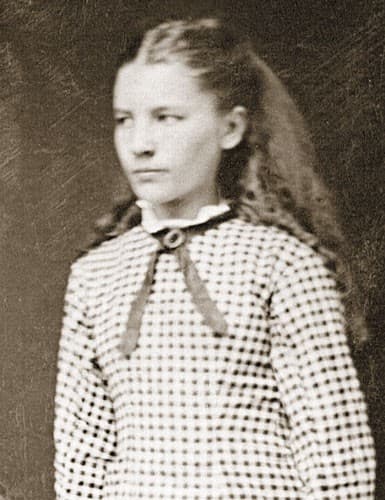
Laura Elizabeth Ingalls Wilder was an American writer. The Little House on the Prairie series of children's books, published between 1932 and 1943, were based on her childhood in a settler and pioneer family.
Similar books
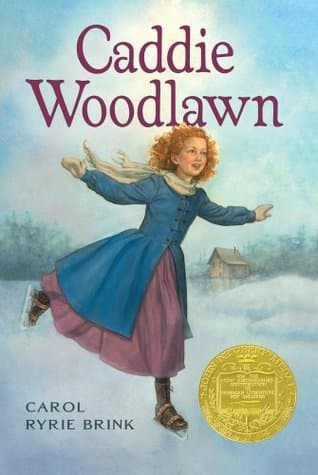
- Caddie Woodlawn
Carol Ryrie Brink
4.0 (48k) average on GoodreadsChildren'sExplores pioneer life through the eyes of a spirited young girl in Wisconsin.
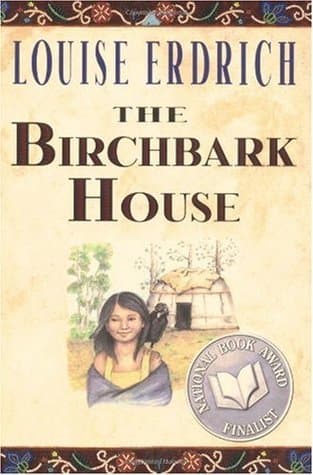
- The Birchbark House
Louise Erdrich
4.0 (7k) average on GoodreadsChildren'sOffers a similar year-in-the-life perspective of a young girl, but from an Ojibwa perspective in the same time period.
- Harry Potter and the Sorcerer's Stone
J.K. Rowling
4.5 (7M) average on GoodreadsFantasyRescued from a miserable life under the stairs, an orphaned boy discovers he's a wizard destined for a magical school, where he uncovers a dangerous secret tied to the dark wizard who murdered his parents.
- The Hobbit, or There and Back Again
J.R.R. Tolkien
4.3 (2.9M) average on GoodreadsFantasyA comfort-loving hobbit named Bilbo Baggins is whisked away by a mischievous wizard and a band of dwarves on an unexpected journey to reclaim stolen treasure from a fearsome dragon, discovering courage and a magical ring along the way.
- Harry Potter and the Goblet of Fire
J.K. Rowling
4.6 (2.6M) average on GoodreadsFantasyA bewildered Harry Potter, underage and thrust into a deadly Triwizard Tournament, must brave dragons, mermaids, and a resurgent dark magic to survive a year that will forever alter the wizarding world.
- Harry Potter and the Order of the Phoenix
J.K. Rowling
4.5 (2.5M) average on GoodreadsFantasyIn a year of oppressive secrets and the threat of Voldemort, Harry Potter and Dumbledore's Army secretly train for war, shown through Jim Kay and Neil Packer's dark illustrations.




Enjoyed the summary?
A summary gives you the shape of the book. The book itself has the detail, the examples and the voice.
Find Little House in the Big Woods on AmazonAs an Amazon Associate, BookBrief earns from qualifying purchases. How we're funded