Estimated read time: 5 min read
Table of Contents
List of Characters
| Character Name | Role in the Story | Description |
|---|---|---|
| The Narrator | Protagonist | A tormented, isolated man plagued by visions and despair |
| The Woman | Object of Obsession | Mysterious, ethereal figure representing unattainable love and death |
| The Old Man | Symbolic Figure | Represents the narrator's inner torment and existential dread |
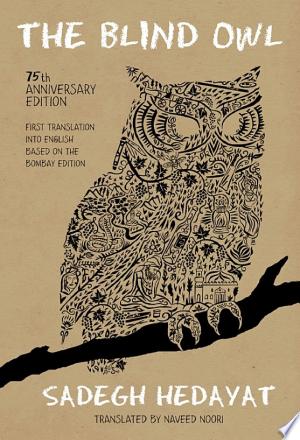
| The Blind Owl | Symbolic Presence | A recurring symbol of death, madness, and fate |
Role Identification
The Narrator
The narrator is the central figure and lens through which the story unfolds. He is an unreliable narrator whose fragmented thoughts and hallucinations provide insight into his tortured psyche.
The Woman
The woman embodies the narrator's longing and despair. She is both a real and imagined presence, symbolizing unattainable desires and the inevitability of death.
The Old Man
The old man functions as a shadowy figure representing the narrator's inner fears and the haunting nature of guilt and existential suffering.
The Blind Owl
The blind owl itself is a symbolic character that appears throughout the novel. It symbolizes blindness to reality, fate, and the inescapable nature of death.
Character Descriptions
| Character | Physical Description | Psychological Description |
|---|---|---|
| The Narrator | Thin, pale, appears fatigued | Disturbed, melancholic, introspective, delusional |
| The Woman | Pale, fragile, ghost-like | Enigmatic, distant, represents desire and despair |
| The Old Man | Frail, aged, haunting | Represents fear, guilt, and existential dread |
| The Blind Owl | Dark, ominous, piercing eyes | Symbolizes madness, fate, and death |
Character Traits
| Character | Key Traits |
|---|---|
| The Narrator | Paranoid, introspective, melancholic, unreliable |
| The Woman | Elusive, enigmatic, tragic |
| The Old Man | Haunting, symbolic, reflective of guilt |
| The Blind Owl | Ominous, symbolic, foreboding |
Character Background
The Narrator
The narrator's background is shrouded in mystery. He is a man grappling with deep psychological turmoil, haunted by his past and his own fragmented identity. His background is revealed through his confessions and hallucinations, indicating a history of loss and alienation.
The Woman
Little concrete background is given about the woman. She appears as a ghostly figure from the narrator's memories or hallucinations, embodying his unattainable desires and the pain of loss.
The Old Man
The old man is more symbolic than literal, representing the narrator's internal conflicts rather than a character with a detailed backstory.
The Blind Owl
As a symbol, the blind owl has no personal background but serves as a recurring motif throughout the narrative.
Character Arcs
| Character | Arc Description |
|---|---|
| The Narrator | Descends deeper into madness and despair, struggling to differentiate reality from hallucination |
| The Woman | Remains a static symbol of unattainable desire and death; does not undergo change |
| The Old Man | Serves as a constant reminder of the narrator's guilt and fear, symbolizing no change |
| The Blind Owl | Symbolically represents fate and madness; its presence intensifies as the story progresses |
Relationships
| Characters Involved | Nature of Relationship | Description |
|---|---|---|
| The Narrator & The Woman | Obsession and Desire | The narrator is obsessed with the woman, who represents both love and death |
| The Narrator & The Old Man | Internal Conflict | The old man symbolizes the narrator's guilt and fear, reflecting his inner turmoil |
| The Narrator & The Blind Owl | Symbolic Interaction | The blind owl symbolizes the narrator's fate, madness, and inevitable death |
| The Woman & The Old Man | Symbolic Opposition | The woman and the old man represent contrasting facets of the narrator's psyche |
In-Depth Analysis
The Narrator: A Study in Psychological Fragmentation
The narrator of The Blind Owl is a deeply troubled individual, whose mental state deteriorates as the story unfolds. His unreliable narration blurs the lines between reality and hallucination, reflecting his fragmented identity and existential despair. His paranoia and introspection reveal a man trapped in his own mind, unable to escape the cyclical torment of memory and delusion.
The Woman: Embodiment of Desire and Death
The woman is a haunting figure who appears as both a memory and a hallucination. She is fragile and ethereal, symbolizing the narrator’s unattainable desires and the inevitability of death. Her ambiguous nature makes her both a real person and a symbol of the narrator’s inner turmoil.
The Old Man: Manifestation of Guilt and Fear
The old man is not a fully fleshed-out character but rather a symbolic figure representing the narrator’s guilt, fear, and existential dread. His presence underscores the narrator’s internal conflict and sense of doom.
The Blind Owl: Symbol of Madness and Fate
The blind owl recurs throughout the novel as a potent symbol. It represents blindness – both literal and metaphorical – to reality, fate, and madness. Its ominous presence intensifies the novel's atmosphere of despair and inevitability.
Conclusion
The Blind Owl by Sadegh Hedayat masterfully uses its characters as symbols to explore themes of madness, death, and existential despair. The narrator’s journey through his fragmented mind offers a profound look into the human psyche. The interplay between the narrator, the woman, the old man, and the blind owl creates a complex web of symbolism, making the novel a profound psychological and philosophical work. Understanding these characters is essential to grasping the novel’s thematic depth and emotional impact.