Estimated read time: 5 min read
One Sentence Summary
A haunting and hallucinatory tale of a man's descent into madness and obsession with a mysterious woman.
Table of Contents
Introduction
"The Blind Owl" is a haunting and enigmatic novel by the Iranian writer Sadegh Hedayat. First published in 1937, the book has gained international recognition for its unique narrative style and exploration of themes such as love, death, and existential dread. Often translated as "The Blind Owl," this work is widely regarded as a masterpiece of Persian literature and has captivated readers around the world with its dark and mysterious atmosphere.
Brief Synopsis
"The Blind Owl" is a fragmented and nonlinear narrative that explores the tormented mind of an unnamed protagonist. Set in an unnamed city, the story follows the life of the narrator, who is a reclusive painter. The narrator immerses himself in solitude, haunted by his disintegrating mental state and plagued by obsessions and delusions.
The novel unfolds through a series of disjointed episodes and hallucinatory visions, blurring the boundaries between reality and imagination. The boundaries between past and present also blur as the narrator recounts his childhood experiences and the traumas that have shaped his adult life.
Main Characters
| Character | Description |
|---|---|
| Narrator | An unnamed painter who is the protagonist of the story. He is haunted by his dark and troubled thoughts. |
| Wife | The wife of the narrator, who remains nameless throughout the novel. |
| Uncle | The narrator's uncle, who serves as a mentor figure and the source of some of the narrator's torment. |
Main Events
"The Blind Owl" is a complex and labyrinthine narrative, making it challenging to summarize all its events concisely. However, here are some of the key moments that shape the story:
- The narrator's childhood trauma: The novel delves into the narrator's traumatic experiences as a child, including the death of his mother and witnessing his father's suicide. These early traumas have a significant impact on the narrator's psyche.
- The narrator's obsession with a lover: The narrator is consumed by an intense and destructive love affair with a woman. This passionate relationship fuels his descent into madness and paranoia. He becomes increasingly obsessed with the idea that the woman is committing infidelity.
- The influence of the opium addiction: Opium addiction plays a crucial role in the narrative, blurring the lines between reality and hallucination. The narrator frequently consumes opium, which exacerbates his fragmented mental state.
- The narrator's encounter with his doppelgänger: One of the most surreal moments in the novel occurs when the narrator encounters his own doppelgänger. This encounter further blurs the boundaries between the real and the unreal, leaving the reader questioning the nature of the narrator's delusions.
- The descent into madness: As the story progresses, the narrator's mental state deteriorates further, leading to extreme paranoia, hallucinations, and a complete detachment from reality. The narrative becomes increasingly fragmented and disjointed.
Themes and Insights
"The Blind Owl" delves into various themes and offers thought-provoking insights into the human condition. Here are some of the central themes explored in the novel:
- Existential anguish: The novel delves into the existential dread and suffering experienced by the narrator, who grapples with the meaninglessness of life and the inevitability of death. Hedayat explores the dark depths of human consciousness and the haunting question of existence.
- Alienation and solitude: The protagonist of the novel is alienated from society and willingly embraces isolation. The pervasive sense of solitude highlights the narrator's struggle with his own thoughts, emphasizing the solitude that often accompanies mental anguish.
- Love and obsession: "The Blind Owl" explores the destructive power of love and obsessive desire. The protagonist's intense love affair leads to his psychological disintegration and eventual descent into madness. Hedayat presents love as a dual-edged sword that can bring both ecstasy and torment.
- Illusion and reality: The novel blurs the boundaries between illusion and reality, challenging the reader's perceptions. Hedayat presents a fragmented narrative that oscillates between the tangible and the hallucinatory, forcing the reader to question the nature of truth and the reliability of the narrator's account.
Reader's Takeaway
"The Blind Owl" is not a book for the faint of heart. It is a challenging and thought-provoking read that delves into the darkest recesses of the human mind. Hedayat's lyrical and haunting prose creates a captivating atmosphere that resonates with readers long after they have finished the book.
This novel offers a profound exploration of existential themes and serves as a poignant reminder of the fragility of the human psyche. While it may leave readers unsettled and introspective, "The Blind Owl" is ultimately a powerful testament to the enduring power of literature to probe the depths of the human experience.
Conclusion
"The Blind Owl" is a masterful work of literature that defies easy categorization. Through its fragmented narrative and haunting exploration of the human psyche, Sadegh Hedayat crafts a profoundly moving and thought-provoking novel. It is a testament to the power of literature to delve into the darkest corners of the human soul and leave a lasting impact on readers' hearts and minds.
The Blind Owl FAQ
What is 'The Blind Owl' about?
'The Blind Owl' is a novel by Sadegh Hedayat that explores the themes of madness, death, and existential crisis. It tells the story of an unnamed narrator who becomes consumed by his own hallucinations, leading to a descent into madness.
Who is the author of 'The Blind Owl'?
The author of 'The Blind Owl' is Sadegh Hedayat, an Iranian writer considered to be one of the most important figures in modern Persian literature.
Is 'The Blind Owl' based on a true story?
No, 'The Blind Owl' is a work of fiction and is not based on a true story. It is a psychological novel that delves into the inner turmoil of the narrator's mind.
When was 'The Blind Owl' first published?
'The Blind Owl' was first published in 1937 in Bombay, India, in the Persian language. It gained recognition and popularity over the years, becoming one of Hedayat's most acclaimed works.
What is the genre of 'The Blind Owl'?
'The Blind Owl' is often classified as a psychological thriller or a surrealist novel. It combines elements of horror, mystery, and philosophical introspection.
Are there any English translations available for 'The Blind Owl'?
Yes, 'The Blind Owl' has been translated into English. The most well-known translation was done by D.P. Costello and was first published in 1957. Several other translations by different authors have also been released.
What is the significance of the title 'The Blind Owl'?
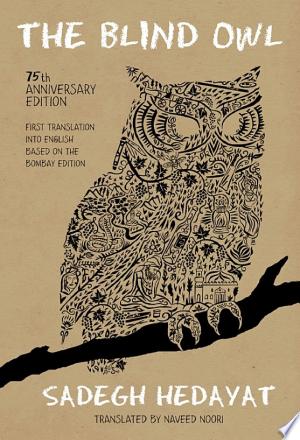
The title 'The Blind Owl' symbolizes the protagonist's inability to see the truth or reality clearly. The image of the owl, which is often associated with wisdom and perception, represents the paradox of blindness and insight in the novel.
Is 'The Blind Owl' suitable for all readers?
Due to its dark themes and graphic imagery, 'The Blind Owl' may not be suitable for all readers. It contains elements of horror, violence, and psychological distress, so it is recommended for mature audiences.
Is 'The Blind Owl' a challenging read?
'The Blind Owl' can be considered a challenging read due to its complex narrative structure, nonlinear storytelling, and the introspective nature of its themes. It requires concentration and an open mind to fully grasp the nuances of the story.
Has 'The Blind Owl' received any literary awards?
As 'The Blind Owl' was published in the late 1930s, it did not receive any literary awards during Hedayat's lifetime. However, the novel has since gained international recognition and is now regarded as a significant literary work.