

Synopsis
Covers the whole plot, including the ending.
- Difficulty
- Easy
- Pacing
- Fast
- Mood
- Dark, Suspenseful, Thought-provoking, Morbid
- Read it if
- You enjoy classic moral fables, dark fantasy with a strong ethical dilemma, or a concise, impactful story about the perils of desire.
- Skip it if
- You prefer lighthearted fantasy, intricate world-building over philosophical depth, or stories with unambiguous happy endings.
The Bottle Imp Plot Summary
Covers the whole plot, including the ending.
Keawe's Temptation and the Bottle's Purchase
Keawe, a young Hawaiian sailor, is interested in the modern sights of San Francisco. He meets a gloomy old man who offers him a strange bottle for fifty dollars. The man explains that the bottle contains an imp that can grant any wish, but warns that whoever dies with it will suffer eternal damnation. The catch is that the bottle can only be sold for less than its purchase price, and if no one buys it, the owner is trapped. Despite the warnings, Keawe is curious and, after seeing the old man's wishes come true, buys the bottle for fifty dollars. He immediately wishes for a beautiful house on the Kona coast of Hawaii, which appears.
The Burden of Ownership and First Sale
With his wish granted, Keawe enjoys his new house. However, the fear of dying with the bottle starts to bother him. He cannot destroy it, knowing the imp would be free to cause trouble. He decides to sell the bottle to his friend, Lopaka, for forty-nine dollars. Lopaka, at first doubtful, tests the bottle by wishing for money, which appears instantly. Convinced, Lopaka takes the bottle, relieving Keawe of its immediate curse. Keawe returns to his life, believing he has escaped the imp's grasp.
Keawe's Illness and Desperate Need
Years later, Keawe falls in love with a Hawaiian woman named Kokua. They plan to marry, but leprosy begins to affect Keawe. He knows that if he marries Kokua, he will condemn her to a life of misery. Wanting to cure himself and marry his beloved, Keawe realizes he must use the bottle again. He seeks out Lopaka, who admits he has sold the bottle for a steadily decreasing price, now down to a mere cent. Keawe tracks the bottle through various owners, finally buying it back for one cent from a poor, elderly man.
The Cure and the Impasse
With the bottle back, Keawe wishes for a cure for his leprosy. Instantly, his skin clears, and he is healthy. He is happy, knowing he can now marry Kokua. However, his happiness is short-lived as the reality of the bottle's curse sets in. He now owns it for one cent, meaning he can only sell it for a fraction of a cent—a price so low that no one would understand or accept it. He is trapped, facing eternal damnation, with no clear way to get rid of the imp.
Kokua's Sacrifice
Keawe, bothered by his problem, avoids Kokua, fearing to tell her the truth. However, Kokua, sensing his distress, presses him until he tells her everything about the bottle and its curse. She is horrified but firm in her love. She immediately plans to save him. She proposes that she buy the bottle from him, knowing that she would then face the curse herself. Keawe is distraught and refuses to let her make such a sacrifice, leading to a conflict between them.
The French Seaman's Deception
Kokua, determined to save Keawe, seeks out a French boatswain, a man known for his drunkenness and poor English. She explains her plan to him in broken English and Hawaiian, convincing him to buy the bottle from Keawe for a fraction of a cent. Her plan is to then immediately buy it back from the boatswain for an even smaller fraction, transferring the curse to herself. Keawe, unaware of Kokua's true intention, sells the bottle to the Frenchman, believing he is finally free. However, he is sad at the thought of the Frenchman's eventual damnation.
The Bottle's Return and the Final Sale
As soon as Keawe sells the bottle to the Frenchman, Kokua, having arranged everything, immediately buys it from the boatswain for an even smaller, unpronounceable fraction of a cent. Now, Kokua is the owner, and the curse rests on her. When Keawe discovers her sacrifice, he is filled with grief and love, vowing to find a way to save her. They search for someone willing to buy the bottle for an even smaller, almost infinitesimal sum, knowing that it must be sold for less than its current price to be valid.
The Leper and the Salvation
Keawe and Kokua travel to a leper colony, hoping to find someone so desperate that they would buy the bottle, even with its curse, for a very small amount. They find a poor, starving leper who is willing to buy the bottle for 'two cents' in the currency of his own distant, poorer country, a sum that is even less than the current fraction of a cent in Hawaiian currency. The leper, having nothing left to lose, takes the bottle, freeing Keawe and Kokua from its grasp and allowing them to live a long, happy life together.
Principal Figures
Keawe
Protagonist
A young Hawaiian sailor whose desire for wealth leads him to a cursed bottle.
Keawe is initially a carefree, honest, and somewhat impressionable Hawaiian man. His desire for a 'fine house' leads him to purchase the bottle imp. He is driven by a deep love for Kokua, which pushes him to extreme measures, including reacquiring the bottle and facing damnation to cure his leprosy. He is honorable and compassionate, deeply troubled by the thought of others suffering due to his actions, especially Kokua's sacrifice. His journey is one of learning the true cost of desires and the value of selfless love.
Relationships: Kokua (Fiancée, later wife; deeply in love, she sacrifices for him); Lopaka (Trusted friend to whom Keawe first sells the bottle); The Old Man (Original owner of the bottle who sells it to Keawe)
Kokua
Supporting
Keawe's beloved, who makes the ultimate sacrifice to save him from the curse.
Kokua is a strong, intelligent, and fiercely loyal Hawaiian woman. Her love for Keawe is profound and selfless. When she learns of the bottle's curse and Keawe's predicament, she immediately devises a plan to take the curse upon herself, demonstrating immense courage and determination. She is resourceful, finding a way to manipulate the sale to the French boatswain. Her unwavering devotion and willingness to sacrifice herself are central to Keawe's salvation and highlight the power of true love against the forces of evil.
Relationships: Keawe (Fiancée, later wife; deeply in love, she sacrifices for him); The French Boatswain (Unwitting participant in her plan to buy the bottle)
The Imp
Antagonist/Plot Device
A malevolent spirit residing in the bottle, granting wishes but cursing its owner.
The Imp is the supernatural entity trapped within the bottle. While never directly seen or heard speaking, its malevolent power is the driving force of the plot. It grants wishes instantly and perfectly, but its true nature is to ensnare humans in a trap of eternal damnation. The Imp represents temptation, the dark side of desire, and the dangers of making pacts with unseen forces. Its existence creates the central conflict and the moral dilemma faced by every owner of the bottle.
Relationships: Keawe (Owner and victim of its curse); Kokua (Brief owner and victim of its curse)
The Old Man
Supporting
The initial owner of the bottle who sells it to Keawe in San Francisco.
The Old Man is the first owner of the bottle Keawe encounters. He is described as gloomy and appears to be suffering from the bottle's curse. He meticulously explains the rules of the bottle's ownership and sale, giving Keawe all the necessary, albeit ominous, information. He serves as a cautionary figure, embodying the despair and fear that comes with possessing the imp. His immediate relief upon selling the bottle to Keawe underscores the severity of the curse.
Relationships: Keawe (The person he sells the bottle to)
Lopaka
Supporting
Keawe's trusted friend who buys the bottle from him for the first time.
Lopaka is Keawe's good friend, initially skeptical of the bottle's power. He tests it by wishing for money and, upon seeing the wish granted, accepts the bottle from Keawe. He represents the first step in the bottle's journey away from Keawe, and his subsequent sales of the bottle for decreasing prices illustrate the escalating difficulty of its disposal. He is a practical man who understands the bottle's danger and wisely rids himself of it.
Relationships: Keawe (Friend, buyer and seller of the bottle)
The French Boatswain
Supporting
A drunken sailor used by Kokua to facilitate the bottle's transfer.
The French Boatswain is a minor but crucial character. He is portrayed as a heavy drinker, easily swayed by the promise of a small amount of money. Kokua strategically chooses him due to his limited English and his general state of inebriation, making him an unwitting pawn in her plan to acquire the bottle. He embodies the idea that desperation or ignorance can make one susceptible to the bottle's influence, even if only for a brief moment, allowing the transfer of the curse.
Relationships: Kokua (The person who manipulates him into buying/selling the bottle); Keawe (The person he buys the bottle from)
The Leper
Mentioned
The desperate final owner of the bottle, providing salvation to Keawe and Kokua.
The Leper, encountered in a leper colony, is the final person to purchase the bottle. He is depicted as being in the direst of circumstances, having nothing left to lose. His willingness to buy the bottle for an infinitesimally small sum, expressed in the currency of his distant, impoverished country, provides the crucial loophole that frees Keawe and Kokua. He represents the ultimate desperation that makes the bottle attractive, but in this case, it ironically becomes the instrument of salvation for others.
Relationships: Keawe (Sells the bottle to him); Kokua (Sells the bottle to him (indirectly, as she owns it at the time))
Themes & Insights
The Peril of Desire and Material Wealth
The story begins with Keawe's desire for a 'fine house,' which leads him to buy the bottle. While the bottle grants his wishes for wealth and health, it also brings a terrible curse. This shows that unchecked desires can lead to suffering. The house, initially a sign of success, becomes a source of anxiety and a reminder of his pact. This theme is clear when Keawe, cured of leprosy, realizes his newfound health comes with the immediate threat of eternal damnation, showing that even good desires, when achieved through dark means, have a heavy price.
“For the bottle imp, though it had all power, yet had it all evil; and all that it did was thus mixed with good and evil, and was a curse and a blessing.”
Selfless Love and Sacrifice
The love between Keawe and Kokua is the main counterforce to the bottle's curse. Kokua's willingness to sacrifice her own soul by buying the bottle from Keawe, and Keawe's subsequent anguish and determination to save her, show the power of selfless love. Their mutual devotion drives the story towards a resolution, demonstrating that true love can overcome even the most formidable evil. This theme culminates in their tireless search for a final buyer, driven by their desire to save each other, not themselves.
“I will buy the bottle, Keawe. I will buy it from you. What is hell to me? I love you.”
The Nature of Good and Evil
The bottle imp has a paradoxical mix of good and evil. It grants wishes, fulfilling desires and solving problems (like Keawe's leprosy), but always with the ultimate price of eternal damnation. This duality makes characters face the moral parts of their choices. The story questions whether a 'good' outcome achieved through 'evil' means can truly be good. The Imp's power is amoral, serving any wish, yet its existence is a trap, suggesting that some forms of power are corrupting.
“All that it did was thus mixed with good and evil, and was a curse and a blessing.”
The Value of Life and the Fear of Death
The core of the bottle's curse is the threat of eternal damnation upon death. This creates a deep fear of dying in its owners, making them constantly seek ways to get rid of it. Keawe's terror of dying with the bottle, especially after being cured of leprosy, shows the value of life and the horror of its ultimate consequence. The story explores how the fear of death can shape decisions and drive individuals to desperate measures, showing the human instinct for survival and the sanctity of the soul.
“And the man who had the bottle, when he died, must burn in hell for ever.”
Plot Devices & Literary Techniques
The Bottle Imp (Object of Power)
A cursed magical object that grants wishes but condemns its owner to hell.
The bottle containing the imp is the central plot device. It is an object of immense power, capable of fulfilling any wish, but it comes with a terrifying curse: whoever dies with it in their possession will suffer eternal damnation. The unique rule that it must always be sold for less than its purchase price creates the escalating tension and the seemingly impossible dilemma faced by Keawe and Kokua. It acts as a MacGuffin, driving the plot forward, and as a symbol of temptation and the devil's bargain.
The Decreasing Price Mechanism
The rule that the bottle must be sold for less than its previous purchase price.
This specific rule is a crucial and ingenious plot device. It creates the primary obstacle for the characters, making it progressively harder to sell the bottle as its price dwindles to infinitesimal fractions of a cent. This mechanism builds suspense and demonstrates the escalating trap of the bottle. It forces the characters to be increasingly cunning and desperate in their attempts to find a buyer, ultimately leading to the desperate search for the leper and the unique solution involving different currencies and unpronounceable sums, highlighting the ingenuity required to escape the curse.
The Moral Dilemma
Characters are forced to choose between personal gain/safety and the damnation of others.
The entire narrative is structured around a profound moral dilemma. Keawe constantly faces choices: keep the house and risk damnation, sell it to a friend and pass the curse, or allow Kokua to sacrifice herself. The device creates internal conflict for the protagonist, forcing him to weigh his own salvation against the well-being of others. It questions the ethics of passing on suffering and ultimately emphasizes the triumph of selfless love over self-preservation, particularly through Kokua's actions and Keawe's subsequent efforts to save her.
The Bottle Imp Quotes
“There is nothing so bad but it might have been worse.”
“I have sold my soul for a devilish thing.”
“The bottle imp was a little, ugly, black thing, the size of your thumb.”
“He that has the bottle may command all things.”
“But there is one condition: if a man die before he sells it, he must burn in hell forever.”
“I am in a great strait; I must have money.”
“Love is better than riches.”
“The bottle passed from hand to hand, and every man that had it was ruined.”
“It is a fearful thing to fall into the hands of the living God.”
“I have found a man who will take the bottle.”
“The imp is a very present help in time of trouble.”
“Better to be poor and happy than rich and wretched.”
“There is no escape from the bottle but by passing it on.”
“The devil is in the bottle, and the bottle is in the house.”
Quiz
10 questions on the plot and the characters. Each answer comes with a short explanation.
Question 1
What is the primary condition for selling the bottle with the imp?
- It must be sold for more than its purchase price
- It must be sold for exactly the same price as purchased
- It must be sold for less than its purchase price
- It can only be given away as a gift
Show answer
C. It must be sold for less than its purchase price The bottle's curse includes the rule that it can only be sold for a price lower than what the current owner paid for it, creating a downward spiral in value and increasing the risk of being stuck with it.
Question 2
What does Keawe initially use the bottle to wish for?
- A beautiful wife
- A palatial home
- Eternal youth
- Great wealth in gold
Show answer
B. A palatial home After purchasing the bottle, Keawe's first wish is for a grand house, which the imp grants, leading him to initially believe he has benefited from the bargain.
Question 3
What is the terrible consequence for anyone who dies while owning the bottle?
- They become the next imp in the bottle
- They lose all their possessions
- They burn forever in hell
- They are reincarnated as a lower creature
Show answer
C. They burn forever in hell The central curse of the bottle is that if the owner dies while still possessing it, their soul is condemned to eternal damnation in hell, which drives the story's tension.
Question 4
Why does Keawe need to reacquire the bottle after initially selling it?
- To cure his terminal illness
- To restore his lost fortune
- To ensure happiness with his newfound love
- To take revenge on an enemy
Show answer
C. To ensure happiness with his newfound love Keawe falls in love and learns his beloved is afflicted with a condition that threatens their happiness, so he seeks the bottle again to wish for her cure, despite the risks.
Question 5
What is the purchase price when Keawe buys the bottle back to help his love?
- One cent
- One dollar
- Five cents
- One hundred dollars
Show answer
A. One cent Due to the rule that the bottle must be sold for less each time, its price has dwindled to just one cent when Keawe reacquires it, making it nearly impossible to sell again and increasing the danger.
Question 6
Which theme is most central to 'The Bottle Imp'?
- The triumph of good over evil
- The risks and moral complexities of making Faustian bargains
- The importance of family loyalty
- The inevitability of fate
Show answer
B. The risks and moral complexities of making Faustian bargains The story explores the dangers and ethical dilemmas of deals with supernatural forces, highlighting how desires can lead to unintended consequences and moral quandaries.
Question 7
How does the setting of Hawaii contribute to the story?
- It provides a backdrop of tropical paradise that contrasts with the bottle's darkness
- It is irrelevant to the plot
- It introduces Hawaiian mythology as the source of the imp
- It makes the story a historical account
Show answer
A. It provides a backdrop of tropical paradise that contrasts with the bottle's darkness The Hawaiian setting, with its beauty and exoticism, creates a stark contrast to the European-derived Faustian bargain, emphasizing the universal temptation of the bottle's power.
Question 8
What strategic problem arises when the bottle's price drops to one cent?
- No one can afford to buy it
- It becomes impossible to sell because there is no lower coin denomination
- The imp becomes more powerful
- The wishes become weaker
Show answer
B. It becomes impossible to sell because there is no lower coin denomination With the price at one cent, the owner cannot sell it for less, as there is no smaller currency, trapping them with the bottle and its damnation curse unless they find a clever solution.
Question 9
How does Keawe ultimately resolve the dilemma of the bottle?
- He destroys the bottle, freeing the imp
- He finds someone willing to buy it for a fraction of a cent
- He and his wife devise a plan involving a native who uses a different currency
- He accepts his fate and prepares for hell
Show answer
C. He and his wife devise a plan involving a native who uses a different currency Keawe and his wife, Kokua, find a native islander who uses a currency system where coins can be broken into smaller pieces, allowing them to sell the bottle for less than one cent and escape the curse.
Question 10
What does the bottle's decreasing price symbolize in the story?
- The diminishing value of material wealth
- The increasing moral burden and inescapability of the curse
- The imp's weakening power over time
- The inflation of currency in Hawaii
Show answer
B. The increasing moral burden and inescapability of the curse The ever-lower selling price represents how the curse becomes more trapping and desperate with each transaction, mirroring the escalating moral and practical dilemma faced by the owners.
The Bottle Imp FAQ
What is 'The Bottle Imp' about?
The story follows Keawe, a Hawaiian sailor who purchases a magical bottle containing an imp that grants any wish. However, the bottle carries a terrible curse: whoever dies owning it will suffer eternal damnation in hell. The bottle can only be sold for less than its purchase price, creating a dangerous downward spiral as Keawe tries to rid himself of it while securing his happiness with his wife, Kokua.
Why should I read 'The Bottle Imp'?
This short story offers a brilliant exploration of moral dilemmas, greed, and self-sacrifice within a compact narrative. Stevenson masterfully builds tension through the bottle's cursed mechanics, creating a compelling psychological drama that examines how far people will go for love and security while facing eternal consequences.
What is the background/setting of 'The Bottle Imp'?
The story is set primarily in 19th-century Hawaii, blending European folklore about devil's bargains with Pacific Island culture. This unique setting allows Stevenson to explore colonial themes while creating a sense of exoticism that enhances the supernatural elements of the bottle's curse.
What are the most memorable quotes?
Key quotes include Keawe's realization 'I am a lost man' when he understands the bottle's curse, and Kokua's declaration 'I will buy the bottle' showing her willingness to sacrifice herself. The bottle's selling rule - 'it must be sold for less than it was bought' - becomes the story's central mechanism driving the plot forward.
What writing style does the author use?
Stevenson employs clear, economical prose with folk-tale simplicity that belies the story's psychological depth. His narrative moves briskly while maintaining tension through precise descriptions of the characters' moral struggles, creating a parable-like quality that enhances the universal themes of temptation and sacrifice.
What minor details add significant meaning?
The bottle's appearance as 'a round-bellied bottle with a long neck' seems ordinary but becomes increasingly sinister as the story progresses. The specific monetary amounts - starting at $50, then $5, then $2, finally reaching one cent - create a mathematical inevitability that heightens the story's tension and illustrates the inescapable nature of the curse.
What are some subtle foreshadowing moments?
Early descriptions of Keawe's initial happiness after buying his dream house with the bottle's help contain hints of unease, suggesting this prosperity comes at too high a cost. The old man who first sells Keawe the bottle appears relieved but haunted, foreshadowing the psychological toll the bottle takes on all who own it.
What unexpected character connections exist?
The bottle creates an invisible chain connecting all its owners across continents and cultures. Keawe discovers that the man who sold him the bottle in San Francisco was himself trying to escape the curse, creating a lineage of desperate owners who all face the same impossible dilemma despite their different backgrounds and circumstances.
What are unspoken character motivations?
Keawe's initial purchase of the bottle stems from deeper desires for social status and security beyond mere wealth. Kokua's willingness to take the bottle reveals not just love for Keawe but also a profound sense of moral responsibility and perhaps a secret desire to prove her worth through ultimate sacrifice.
What psychological complexities do characters exhibit?
Keawe demonstrates cognitive dissonance - he recognizes the bottle's evil but continues to use it for personal gain. His transformation from greedy user to desperate victim shows how moral compromise can trap individuals. Kokua displays remarkable psychological strength in facing the curse directly rather than avoiding it.
What are the major emotional turning points?
The emotional climax occurs when Keawe discovers the bottle's price has dropped to one cent, realizing escape seems impossible. Another crucial moment is when Kokua secretly buys the bottle, shifting the story from Keawe's personal dilemma to a test of their love and mutual sacrifice. The final resolution brings both relief and lingering unease about their narrow escape.
How do relationship dynamics evolve?
Keawe and Kokua's relationship transforms from romantic attraction to a partnership tested by extreme circumstances. Their love deepens through shared sacrifice, moving from Keawe's initial deception about the bottle to complete honesty and mutual protection. The bottle ultimately strengthens their bond rather than destroying it.
Which parts remain ambiguous or open-ended?
The story never reveals the bottle's ultimate fate after the sailor buys it for less than one cent. Stevenson leaves ambiguous whether this represents true escape or merely postpones the problem. The moral status of using the bottle for 'good' purposes like curing Keawe's illness remains unresolved, questioning whether any use of such evil power can be justified.
What are controversial scenes or decisions?
Kokua's decision to deceive the drunken sailor into buying the bottle raises ethical questions about whether saving oneself from damnation justifies manipulating others into the same curse. Keawe's initial use of the bottle to gain wealth while knowing its evil nature presents a classic moral dilemma about ends justifying means.
'The Bottle Imp' ending explained: how it ends & what it means
The story ends with a drunken sailor buying the bottle for four centimes (less than one cent) after Kokua tricks him, freeing her and Keawe from the curse. This resolution suggests that love and cleverness can overcome even supernatural evil, but the ambiguous final image of the sailor with the bottle implies the cycle of temptation continues, making the victory bittersweet and incomplete.
What does the bottle's pricing mechanism symbolize?
The decreasing price represents the diminishing value of morality as the bottle passes hands - each owner must find someone more desperate or less scrupulous. This creates an economic metaphor for spiritual corruption, showing how evil spreads through society by appealing to increasingly base human instincts until it reaches nearly worthless value.
How does Stevenson use Hawaiian culture in the story?
Stevenson contrasts European concepts of damnation with Hawaiian attitudes toward spirituality and community. Keawe's Hawaiian identity influences his initial skepticism about Christian hell but also provides cultural resources for coping with the curse. The setting allows Stevenson to examine how different cultural frameworks interpret and respond to supernatural threats.
What role does the imp itself play in the story?
The imp remains largely unseen and unexplained, serving more as a plot device than a character. This absence makes the bottle's power more mysterious and emphasizes that the real conflict is between human desires and moral consequences rather than a battle with a supernatural being. The imp's silence makes the curse feel more impersonal and inevitable.
About the author
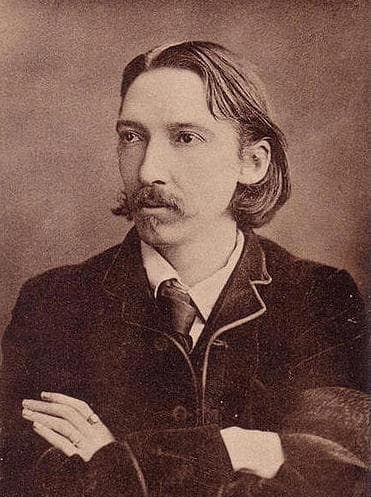
Robert Louis Stevenson was a Scottish novelist, essayist, poet and travel writer. He is best known for works such as Treasure Island, Strange Case of Dr Jekyll and Mr Hyde, Kidnapped and A Child's Garden of Verses.
Similar books
- A Christmas Carol
Charles Dickens
4.1 (600k) average on GoodreadsFantasyA moral tale about redemption and the consequences of one's actions, albeit with a more optimistic tone.
- Harry Potter and the Sorcerer's Stone
J.K. Rowling
4.5 (7M) average on GoodreadsFantasyRescued from a miserable life under the stairs, an orphaned boy discovers he's a wizard destined for a magical school, where he uncovers a dangerous secret tied to the dark wizard who murdered his parents.
- The Hunger Games
Suzanne Collins
4.3 (6.4M) average on GoodreadsFantasyIn a future where children fight to the death on live television, Katniss Everdeen volunteers for the arena, turning a death sentence into a fight for survival and a spark of rebellion.
- 1984
George Orwell
4.2 (3.1M) average on GoodreadsPoliticsIn a future where surveillance and thought control are absolute, a man's search for truth clashes with the Party, showing that hope can be a form of rebellion.
- Divergent
Veronica Roth
4.2 (2.9M) average on GoodreadsFantasyIn a society divided by virtues, a sixteen-year-old's difference from the norm starts a rebellion that threatens her world.
- The Hobbit, or There and Back Again
J.R.R. Tolkien
4.3 (2.9M) average on GoodreadsFantasyA comfort-loving hobbit named Bilbo Baggins is whisked away by a mischievous wizard and a band of dwarves on an unexpected journey to reclaim stolen treasure from a fearsome dragon, discovering courage and a magical ring along the way.






Enjoyed the summary?
A summary gives you the shape of the book. The book itself has the detail, the examples and the voice.
Find The Bottle Imp on AmazonAs an Amazon Associate, BookBrief earns from qualifying purchases. How we're funded