
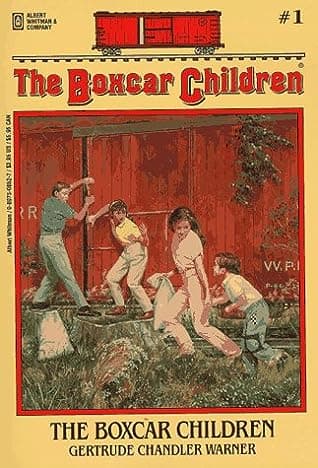
Synopsis
Covers the whole plot, including the ending.
- Difficulty
- Easy
- Pacing
- Moderate
- Mood
- Wholesome, Adventurous, Cozy, Hopeful
- Read it if
- You enjoy heartwarming stories about sibling bonds, resourcefulness, and simple mysteries, perfect for young readers.
- Skip it if
- You prefer complex plots, dark themes, or stories with minimal character development beyond the main children.
The Boxcar Children Plot Summary
Covers the whole plot, including the ending.
The Alden Children Become Orphans and Flee
The story starts with the four Alden children—Henry (age 14), Jessie (age 12), Violet (age 10), and Benny (age 5)—after their parents' death. They overhear their grandparents' housekeeper talking about their wealthy but supposedly strict grandfather and his wish to take them in. The children decide to run away to avoid being separated. They fear their grandfather will be unkind and might split them up. They leave their home with little money, determined to stay together and make their own way, starting a journey of self-reliance and adventure.
Discovery of the Abandoned Boxcar
After several days of walking and sleeping in haystacks, the Alden children find an abandoned boxcar deep in the woods. Tired and hungry, they see it as a perfect, hidden shelter. They decide to make it their new home. Henry, the oldest, takes charge, and they begin to clean and furnish their new dwelling with found objects and their small amount of money. This discovery begins their independent life, full of cleverness and cooperation as they turn the boxcar into a cozy, secret home.
Building a Home and Establishing Routines
The Alden children quickly set up routines to live in their boxcar home. Henry finds odd jobs in a nearby town, earning money for food and supplies. Jessie takes on the role of homemaker, cooking and organizing. Violet, artistic and quiet, helps with chores and finds berries. Benny, the youngest, is always cheerful and helps with small tasks. They find dishes, an old stovepipe, and even a small stream for water. Their teamwork turns the boxcar into a working and comfortable secret place, showing their strength and strong family bond.
Henry's Job and Meeting Dr. Moore
Henry, looking for more steady work, gets a job helping Dr. Moore, an elderly and kind man, with gardening and chores at his large house. Dr. Moore pays Henry well and gives him meals, which Henry secretly takes back to his siblings. Henry enjoys the work and Dr. Moore's company, as Dr. Moore becomes a mentor. Unknown to Henry, Dr. Moore is a friend of their grandfather, and Henry's job will eventually lead to the children being found. This job is important for their money and brings a key person into their lives.
Violet's Illness and a Secret Revealed
One day, Violet gets very sick with a high fever. The children, especially Henry, know they cannot care for her alone. Henry, desperate, tells Dr. Moore about his siblings and their boxcar home, asking for help for Violet. Dr. Moore, who had grown fond of Henry, is surprised by the news but immediately agrees to help. He brings Violet to his house to recover, giving her proper care and medicine. This crisis is a turning point, as their secret, kept for so long, is finally out.
Dr. Moore's True Identity and the Grandfather's Search
As Violet gets better at Dr. Moore's house, Dr. Moore tells Henry a surprising truth: he knows their grandfather, Mr. Alden, very well. Mr. Alden is Dr. Moore's best friend, and he has been actively looking for the children for months, upset by their disappearance. Dr. Moore explains that their grandfather is a kind and loving man, not the strict person they imagined. He had been helping Mr. Alden search, unknowingly employing one of the children he was looking for. This news begins to change the children's wrong ideas about their grandfather.
The Grandfather's Arrival and Reunion
When he hears the news, Mr. Alden immediately comes to Dr. Moore's house. The children are at first nervous, especially Benny, but their fears quickly disappear when they meet him. Mr. Alden is warm, gentle, and happy to find his grandchildren. He tells them he would never separate them and shows his deep love and relief. The children, seeing his true affection, realize their first fears were wrong. This emotional meeting ends their independent life in the boxcar and starts a new chapter with their loving grandfather.
Moving into Mr. Alden's House
The Alden children move into their grandfather's large and comfortable house. They are at first overwhelmed by the luxuries, having gotten used to their simple life in the boxcar. Mr. Alden makes sure they feel at home, giving them their own rooms and showing them kindness. While they enjoy the comfort, they also miss their boxcar and the freedom it meant. They begin to get used to their new, secure environment, valuing the stability and love their grandfather gives, though the memory of their adventurous past stays strong.
Bringing the Boxcar Home
Knowing how much the boxcar means to his grandchildren, Mr. Alden arranges for it to be carefully moved from the woods to his backyard. The children are very happy and touched by this thoughtful act. The boxcar becomes their special playhouse, a place where they can remember their adventures and keep a connection to their time of independence. This act shows Mr. Alden's deep understanding and respect for his grandchildren's experiences, connecting their past with their new life of comfort and security.
A New Family Life Begins
With the boxcar now in their grandfather's yard, the Alden children fully accept their new life. They go to school, make new friends, and enjoy the security and love of their grandfather. Their boxcar adventure has made them resourceful, strong, and very thankful for family. They often visit their boxcar, remembering their time together and the lessons they learned. The story ends with the Alden children settled in a loving home, their bond made stronger by their shared experiences, and ready for future adventures with their grandfather.
The Boxcar Children Characters
Henry Alden
Protagonist
The eldest sibling, responsible and resourceful leader of the group.
Henry, at fourteen, is the responsible and protective older brother. He takes on the role of provider, finding work, earning money, and making crucial decisions for his younger siblings. He is hardworking, brave, and deeply devoted to keeping his family together. His maturity and resourcefulness are evident as he builds a life for them in the boxcar. He shows great courage in seeking help for Violet and later in trusting Dr. Moore and their grandfather.
Relationships: Jessie Alden (Younger sister, co-leader); Violet Alden (Younger sister, protected); Benny Alden (Youngest brother, cared for); Grandfather Alden (Initially feared, then loving guardian); Dr. Moore (Employer and eventual confidant)
Jessie Alden
Protagonist
The twelve-year-old sister, organized and nurturing homemaker of the group.
Jessie, at twelve, is the practical and nurturing sister. She manages the household in the boxcar, cooking, cleaning, and ensuring everyone is well-fed and cared for. She is organized, kind, and possesses a strong sense of responsibility. Jessie often acts as a mediator and caregiver, ensuring harmony among her siblings. Her domestic skills and calm demeanor are vital to their survival and comfort in the boxcar.
Relationships: Henry Alden (Older brother, co-leader); Violet Alden (Younger sister, cared for); Benny Alden (Youngest brother, cared for); Grandfather Alden (Loving guardian)
Violet Alden
Protagonist
The ten-year-old sister, quiet, artistic, and sensitive.
Violet, at ten, is the quietest and most sensitive of the siblings. She is artistic, enjoying nature and finding beauty in their simple surroundings. She is often timid but deeply loving and appreciative of her family. Her illness forces the siblings to seek help, becoming a pivotal moment in the plot. Despite her quiet nature, she contributes to the family's well-being through her gentle spirit and willingness to help with chores like berry picking.
Relationships: Henry Alden (Older brother, protector); Jessie Alden (Older sister, caregiver); Benny Alden (Younger brother, playmate); Grandfather Alden (Loving guardian)
Benny Alden
Protagonist
The youngest sibling, five years old, full of energy and childlike innocence.
Benny, at five, is the youngest and most energetic of the Alden children. He is full of curiosity, enthusiasm, and a childlike directness that often provides comic relief. Despite his age, he is eager to help and incredibly resilient, adapting quickly to their boxcar life. He is particularly attached to the boxcar and his siblings, and his joy for simple things often uplifts the group. His perspective grounds the story in youthful wonder.
Relationships: Henry Alden (Older brother, protector); Jessie Alden (Older sister, caregiver); Violet Alden (Older sister, playmate); Grandfather Alden (Loving guardian)
Mr. James Alden
Supporting
The wealthy, kind grandfather of the children, initially feared but ultimately loving.
Mr. Alden is the children's grandfather, initially presented as a stern and feared figure, prompting the children to run away. However, he is revealed to be a very kind, wealthy, and loving man who has been desperately searching for his grandchildren. He is patient, understanding, and respects the children's feelings, even moving their beloved boxcar to his property. His character embodies unconditional love and the importance of family.
Relationships: Henry Alden (Grandfather); Jessie Alden (Grandfather); Violet Alden (Grandfather); Benny Alden (Grandfather); Dr. Moore (Close friend)
Dr. Moore
Supporting
An elderly, kind doctor and friend of Mr. Alden who unknowingly helps the children.
Dr. Moore is an elderly, benevolent doctor who lives near the children's boxcar. He hires Henry for gardening work, providing him with a steady income and meals. He is a kind and observant man who grows fond of Henry. Unbeknownst to the children, he is a close friend of their grandfather and has been helping in the search for them. His intervention during Violet's illness is crucial, leading to the reunion of the Alden children with their grandfather.
Relationships: Henry Alden (Employer/friend); Violet Alden (Patient); Grandfather Alden (Close friend)
Mrs. McGregor
Mentioned
The Alden family housekeeper, whose overheard conversation prompts the children's flight.
Mrs. McGregor is the Alden family's housekeeper. While she never appears directly in the main narrative of the boxcar adventure, her overheard conversation about the children's stern grandfather and his intentions to take them in is the catalyst for the children's decision to run away. Her words, though likely well-intentioned, create the initial misconception about Mr. Alden.
Relationships: Grandfather Alden (Employer); Alden Children (Caretaker (briefly))
Watch
Supporting
A stray white dog adopted by the children, providing companionship and protection.
Watch is a stray white dog that the Alden children find and adopt while living in the boxcar. He quickly becomes a beloved pet and a loyal companion, providing comfort and a sense of security. Watch symbolizes the children's ability to create a home and family even in challenging circumstances. He is a silent, faithful member of their boxcar family, demonstrating their capacity for care and affection.
Relationships: Alden Children (Pet/companion)
The Boxcar Children Themes
Family and Sibling Bonds
The main theme of 'The Boxcar Children' is the strong bond between the Alden siblings. Their main reason for running away is to stay together, and their cooperation, care, and love for each other are clear throughout their time in the boxcar. Henry's leadership, Jessie's nurturing, Violet's quiet support, and Benny's cheerfulness all help them survive and be happy. Even after meeting their grandfather, their shared experiences in the boxcar make their family unit stronger.
“We must keep together,' said Henry, 'whatever happens. We have no one now but ourselves.”
Resourcefulness and Self-Reliance
The children's journey shows their great ability to adapt and use what they have. From finding and furnishing the boxcar with old items to Henry's work to earn money, they show amazing cleverness. Jessie cooks with simple ingredients, and they all help maintain their secret home. This theme celebrates their independence and the satisfaction from building a life for themselves, even in hard times, before they meet their grandfather.
“This is better than any house,' said Benny, 'because it is ours.”
The Nature of Home
The book looks at what a 'home' truly is. For the Alden children, home is not a big house but where they are together, safe, and loved. The boxcar, despite its humble start, becomes a cherished home because they built it themselves and shared it as a family. When they move into their grandfather's mansion, they still value the boxcar, showing that emotional connection and shared experience, not money, define a real home. Their grandfather moving the boxcar confirms this feeling.
“It's our own house, and nobody can turn us out!”
Trust and Misconceptions
A key theme is the children's first wrong idea of their grandfather as a strict and unkind person, which makes them run away. Their fear is based on overheard talks and guesses, not direct experience. The story slowly shows the truth of his kind and loving nature through Dr. Moore's words and their eventual meeting. This shows the dangers of judging too quickly and the importance of trust and clear talk, finally solving the main problem by changing their first fears.
“Oh, children,' said Mr. Alden, 'I have been looking for you everywhere! I thought I should never find you.”
Childhood Resilience and Adventure
The children's ability to handle trouble and find joy in their situation shows childhood strength. Despite being orphans and living in secret, they face their challenges with a sense of adventure and hope. They find excitement in exploring the woods, setting up their home, and even in everyday tasks. This theme highlights the natural strength and imaginative spirit of children, turning a hard situation into a memorable and important experience.
“It was fun, wasn't it, living in the woods, and having our own house?”
Plot Devices & Literary Techniques
The Boxcar
A central symbol of independence, home, and childhood ingenuity.
The boxcar serves as the literal and symbolic heart of the children's adventure. It represents their independence, their ability to create a home from nothing, and their resilience. It's a secret haven that shields them from the outside world and allows their sibling bonds to strengthen. Its eventual relocation to their grandfather's yard symbolizes the integration of their past adventures with their new, secure life, honoring their journey and memories.
Hidden Identity/Mistaken Identity
The children's secret existence and their misjudgment of their grandfather.
This device drives the initial plot. The children hide their identities and their location, fearing their grandfather based on a mistaken perception of his character. This creates suspense and motivates their self-reliant lifestyle. The gradual revelation of their grandfather's true, kind nature, facilitated by Dr. Moore, resolves this central conflict and shifts the narrative from escape to reunion.
The Kind Stranger (Dr. Moore)
A benevolent figure who unknowingly aids the protagonists and bridges their two worlds.
Dr. Moore acts as a crucial plot device by unknowingly becoming Henry's employer and later the catalyst for the children's reunion with their grandfather. He is the 'kind stranger' who offers help without judgment, providing a safe haven for Violet and revealing the truth about Mr. Alden. His role bridges the children's independent life in the boxcar with their eventual return to family, facilitating the resolution of the story.
The Secret
The children's carefully guarded existence that creates tension and motivates their actions.
The children's secret of living in the boxcar is a driving force throughout the first half of the book. It dictates their cautious behavior, their resourcefulness, and their constant vigilance. The fear of being discovered, especially by their grandfather, creates tension and highlights their desire for independence and to stay together. The eventual revelation of this secret, prompted by Violet's illness, leads directly to the story's resolution.
The Boxcar Children Quotes
“The children were all alone in the world, but they were not afraid.”
“We can live here, and we can take care of ourselves.”
“It's like a little house, only it's a car.”
“We must be very careful not to let anyone know we are here.”
“I found a pink cup and a broken pitcher.”
“We'll have a garden and grow our own vegetables.”
“It's fun to live in a boxcar.”
“We are the Boxcar Children.”
“Let's keep it a secret, our beautiful home.”
“We can make it nice with flowers and pretty things.”
“I'm going to be the cook.”
“We don't need anyone else; we have each other.”
“It's our own little world here.”
“We'll always remember our boxcar days.”
Quiz
10 questions on the plot and the characters. Each answer comes with a short explanation.
Question 1
What is the name of the oldest Alden child who takes charge of the group?
- Jessie
- Henry
- Violet
- Benny
Show answer
A. Jessie Jessie is the oldest sister who organizes the children's life in the boxcar, cooking and caring for her siblings, while Henry is the oldest brother but often works outside.
Question 2
Why do the Alden children initially run away and live in a boxcar?
- They are on a camping adventure
- They fear being separated by their grandfather
- Their parents sent them away
- They are escaping a dangerous situation
Show answer
B. They fear being separated by their grandfather After their parents die, the children believe their grandfather is mean and will separate them, so they hide in a boxcar to stay together.
Question 3
What object do the children find that helps them identify their grandfather?
- A locket with a picture
- A newspaper article
- A silver cup with initials
- A family Bible
Show answer
C. A silver cup with initials The children find a silver cup with the initials 'J.H.' in the boxcar, which later helps Dr. Moore and their grandfather recognize them.
Question 4
How does Henry earn money to support the family while living in the boxcar?
- By selling berries they pick
- By working for Dr. Moore
- By finding treasure
- By doing chores for neighbors
Show answer
B. By working for Dr. Moore Henry gets a job doing yard work and odd jobs for Dr. Moore, who becomes a kind friend and helps the children without initially revealing their location.
Question 5
What is the name of the dog the Alden children adopt in the boxcar?
- Spot
- Watch
- Rover
- Buddy
Show answer
B. Watch The children find a stray dog and name him Watch, who becomes their loyal companion and guard for their boxcar home.
Question 6
Which theme is most central to 'The Boxcar Children'?
- The importance of wealth and possessions
- The value of family and sticking together
- The thrill of solving mysteries
- The dangers of running away from home
Show answer
B. The value of family and sticking together The book emphasizes family bonds, as the children's main goal is to stay together despite hardships, leading to their reunion with their grandfather.
Question 7
What role does Dr. Moore play in the children's discovery by their grandfather?
- He directly tells the grandfather where they are
- He helps the children without revealing their secret at first
- He tries to adopt the children himself
- He reports them to the authorities
Show answer
B. He helps the children without revealing their secret at first Dr. Moore hires Henry and provides food and assistance, but respects the children's privacy until he learns more about their situation and helps facilitate the reunion.
Question 8
How do the children initially furnish their boxcar home?
- By buying items from a store
- By finding discarded objects and repurposing them
- By stealing from nearby houses
- By receiving donations from townspeople
Show answer
B. By finding discarded objects and repurposing them The children creatively use found items, such as turning a broken cup into a drinking dipper and using pine needles for beds, showing their resourcefulness.
Question 9
What misconception do the Alden children have about their grandfather that drives the plot?
- They think he is poor and cannot care for them
- They believe he is mean and will separate them
- They assume he does not know they exist
- They fear he is involved in a crime
Show answer
B. They believe he is mean and will separate them Based on vague memories or hearsay, the children think their grandfather is unkind, which motivates their independence until they learn he is actually loving and wealthy.
Question 10
In what way does the boxcar symbolize the children's journey in the book?
- It represents confinement and limitation
- It serves as a temporary shelter that leads to a permanent home
- It symbolizes their desire for adventure and travel
- It indicates their rejection of society
Show answer
B. It serves as a temporary shelter that leads to a permanent home The boxcar provides safety and unity for the children during their time of uncertainty, ultimately bridging their old life to a new, secure one with their grandfather.
The Boxcar Children FAQ
What is 'The Boxcar Children' about?
The book follows four orphaned siblings—Henry, Jessie, Violet, and Benny Alden—who run away to avoid being separated after their parents' deaths. They find an abandoned boxcar in the woods, make it their home, and survive by working odd jobs and using their resourcefulness. Their adventure leads them to discover a kind grandfather who welcomes them into his home, ensuring they stay together as a family.
Why should I read 'The Boxcar Children'?
It's a classic children's story that celebrates independence, family bonds, and simple joys, with the Alden children's ingenuity in creating a home from scratch inspiring young readers. The gentle mystery elements and heartwarming resolution make it an engaging, uplifting tale about resilience and finding belonging.
What is the background/setting of 'The Boxcar Children'?
Set in an unspecified rural American town, the story begins with the children living as orphans after their parents' deaths, fearing separation by authorities. Most of the plot unfolds in a forest where they discover an abandoned boxcar, which they transform into a cozy shelter using found objects like a broken cup and a cracked pitcher.
What are the most memorable quotes?
Key quotes include Henry's line, 'We'll stay together, no matter what,' emphasizing their unity, and Benny's cheerful remark, 'This is the best home we ever had,' about the boxcar. The grandfather's declaration, 'You are my grandchildren, and I want you to live with me,' highlights the story's emotional climax of family reconciliation.
What writing style does the author use?
Gertrude Chandler Warner employs a simple, direct narrative style with clear descriptions and dialogue, making it accessible for young readers. The tone is warm and optimistic, focusing on the children's adventures and problem-solving without overly complex language or dark themes.
What minor details add significant meaning?
Small details like the children washing a broken cup and cracked pitcher to use in their boxcar home symbolize their ability to find value in discarded things, mirroring their own situation. The fact that they name their dog Watch after he 'watches' over them underscores themes of loyalty and protection.
What are some subtle foreshadowing moments?
Early on, the children hear about a kind man in town who helps people, hinting at their grandfather's existence before they meet him. Their careful avoidance of adults and secrecy about their boxcar home foreshadows the eventual reveal that they are hiding from a misunderstanding about their family.
What unexpected character connections exist?
The children's grandfather, James Alden, is initially an unknown figure they fear, but he turns out to be a wealthy, caring man who has been searching for them. The connection deepens when it's revealed that their parents' deaths led to a miscommunication, making the reunion a twist that resolves the mystery of their family.
What are unspoken character motivations?
Henry, the eldest, is driven by a deep-seated fear of losing his siblings, motivating his leadership and protectiveness. Violet's quiet creativity with decorating the boxcar stems from a desire to create normalcy and beauty amid uncertainty, while Benny's innocence masks a need for security that the boxcar provides.
What psychological complexities do characters exhibit?
The children display a mix of resilience and vulnerability; for example, Jessie takes on a maternal role to cope with loss, yet all harbor anxiety about being found. Their grandfather shows complexity by balancing guilt over not finding them sooner with joy at their independence, reflecting themes of redemption and acceptance.
What are the major emotional turning points?
Key emotional moments include the children's decision to run away to stay together, their joy in making the boxcar a home, and the tense encounter with Dr. Moore that nearly exposes them. The climax occurs when they meet their grandfather, leading to tears of relief and the emotional resolution of being welcomed into his home.
How do relationship dynamics evolve?
Initially, the siblings rely solely on each other, with Henry as the leader and Jessie as the caretaker, but they gradually learn to trust outsiders like the storekeeper and eventually their grandfather. Their bond strengthens through shared hardships, evolving from a survival-based alliance to a secure family unit with expanded connections.
Which parts remain ambiguous or open-ended?
The exact circumstances of the parents' deaths are left vague, with no details provided about how or why they died. Additionally, the children's initial fear of their grandfather is based on a misunderstanding that is never fully explored, leaving some ambiguity about the family's past conflicts or separations.
What are controversial scenes or decisions?
Some readers debate the children's decision to run away and live independently, questioning if it promotes unsafe behavior for kids. The grandfather's quick acceptance without prior knowledge of them can seem unrealistic, sparking discussions about trust and family reconciliation in children's literature.
'The Boxcar Children' ending explained: how it ends & what it means
The story ends with the Alden children moving into their grandfather's mansion after he discovers and welcomes them, ensuring they stay together as a family. This resolution symbolizes that home and belonging come from love and acceptance, not material possessions, wrapping up their adventure with a message of hope and unity.
About the author
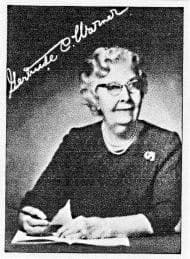
Gertrude Chandler Warner was an American author best known for her children's book series, The Boxcar Children. The series, which follows the adventures of four orphaned siblings living in a boxcar, has become a staple of children's literature since its first publication in 1924. Warner's works primarily focus on themes of family, adventure, and resourcefulness.
Similar books
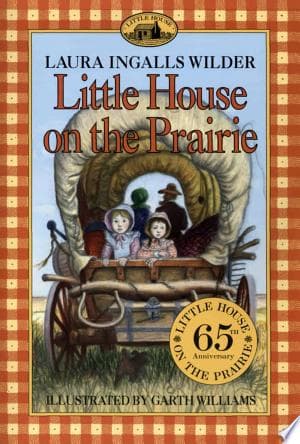
- Little House on the Prairie
Laura Ingalls Wilder
4.2 (256k) average on GoodreadsChildren'sExplores themes of self-sufficiency, family bonds, and making a home in challenging circumstances.
- From the Mixed-Up Files of Mrs. Basil E. Frankweiler
E.L. Konigsburg
4.2 (189k) average on GoodreadsChildren'sFollows children who run away and make a secret home in an unusual place, solving a mystery.
- Harry Potter and the Sorcerer's Stone
J.K. Rowling
4.5 (7M) average on GoodreadsFantasyRescued from a miserable life under the stairs, an orphaned boy discovers he's a wizard destined for a magical school, where he uncovers a dangerous secret tied to the dark wizard who murdered his parents.
- The Hobbit, or There and Back Again
J.R.R. Tolkien
4.3 (2.9M) average on GoodreadsFantasyA comfort-loving hobbit named Bilbo Baggins is whisked away by a mischievous wizard and a band of dwarves on an unexpected journey to reclaim stolen treasure from a fearsome dragon, discovering courage and a magical ring along the way.
- Harry Potter and the Goblet of Fire
J.K. Rowling
4.6 (2.6M) average on GoodreadsFantasyA bewildered Harry Potter, underage and thrust into a deadly Triwizard Tournament, must brave dragons, mermaids, and a resurgent dark magic to survive a year that will forever alter the wizarding world.
- Harry Potter and the Order of the Phoenix
J.K. Rowling
4.5 (2.5M) average on GoodreadsFantasyIn a year of oppressive secrets and the threat of Voldemort, Harry Potter and Dumbledore's Army secretly train for war, shown through Jim Kay and Neil Packer's dark illustrations.





Enjoyed the summary?
A summary gives you the shape of the book. The book itself has the detail, the examples and the voice.
Find The Boxcar Children on AmazonAs an Amazon Associate, BookBrief earns from qualifying purchases. How we're funded