
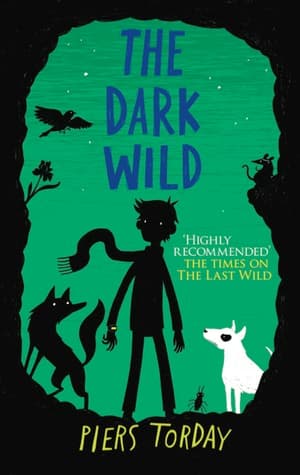
Synopsis
Covers the whole plot, including the ending.
- Difficulty
- Medium
- Pacing
- Fast
- Mood
- Adventurous, Tense, Thought-provoking, Hopeful
- Read it if
- You enjoy action-packed middle-grade fantasy with a strong environmental message and a protagonist caught in moral dilemmas.
- Skip it if
- You prefer lighthearted stories without significant themes of conflict or the potential for widespread destruction.
The Dark Wild Plot Summary
Covers the whole plot, including the ending.
A Precarious Peace and a New Threat
After 'The Last Wild,' Kester Jaynes lives at the rewilded zoo, a safe place for the last wild animals. He still deals with his father's memory and his ability to speak with animals. The city above, Premium, does not know about the wild's return, thanks to the Memory Wipe. A fragile peace exists, but Kester feels a change. Pigeons, his loyal informants, report unusual activity: growing unrest among underground animals and a strange hum from beneath the city. He feels a growing pressure, a feeling that his job is not over, and that a new threat is forming in the shadows.
The Underground Uprising
Led by the pigeons' reports and his instincts, Kester, with the intelligent cockroach, Captain, goes into the abandoned tunnels beneath Premium. Here, he finds a vast, hidden network of animals that never reached the rewilded zoo – the 'Dark Wild.' These are the forgotten, the changed, and the vengeful, led by a strong badger named Badger. Badger teaches revenge against humans, blaming them for their suffering and the destruction of nature. Kester is horrified to find this group preparing for a full war against humans, believing it is the only way to reclaim their world.
Meeting the Leaders of the Dark Wild
Kester confronts Badger, trying to explain the progress made on the surface and the chance for coexistence. He argues that violence will only cause more suffering for both species. However, Badger, scarred by years of human cruelty, refuses to listen. He is supported by other powerful Dark Wild figures, including a cunning rat named Rattus and a formidable spider. They tell stories of their ancestors' suffering and human injustices, fueling their desire for revenge. Kester realizes their anger is deep, a wound that will not heal easily, and his attempts at talking are not working.
The Plan of Attack
By listening and watching carefully, Kester learns the Dark Wild's full plan. They plan to release a genetically engineered plague, grown in the dark depths beneath the city, into Premium's water supply. This 'human-specific' virus, designed to be fast and deadly, is their weapon to rid the world of humanity. The scale and cruelty of their plan shock Kester. He understands this is not just about taking back territory; it is about complete destruction. He feels a huge burden, realizing he is the only one who can stop an unimaginable disaster that would harm both species.
Seeking Allies and Facing Betrayal
Desperate, Kester returns to the rewilded zoo, hoping to get help from his trusted animal friends: the wolf, the stag, and the lioness. He explains the terrifying Dark Wild plot, but they are at first hesitant to believe him, having grown used to the surface peace. They question interfering with the underground animals, some even suggesting humans deserve their fate. To Kester's shock, his former mentor and friend, the wise old badger, Badger (a different individual), shows sympathy for the Dark Wild's cause and refuses to help, believing humanity has had its chance. This betrayal leaves Kester feeling alone and overwhelmed.
The Race Against Time
Despite the problems, Kester does not give up. He finds an unlikely ally in the resourceful cockroach, Captain, and a few other brave animals who understand the seriousness of the situation. Together, they plan to infiltrate the Dark Wild's stronghold and stop their operations. The mission is dangerous, as they navigate tricky tunnels and avoid Badger's guards. The urgency is clear; they know the plague's release is coming, and every second counts. Kester feels the huge responsibility, knowing that the fate of both humans and animals rests on him.
Confrontation and Sacrifice
Kester and his small team finally reach the heart of the Dark Wild's operation, a cavern with bubbling vats of the plague. He confronts Badger, appealing to his reason and the chance for a better future, but Badger remains firm, consumed by his hate. A fierce struggle follows, not just physical, but of ideas. In a desperate act to stop the plague's release, Captain, the loyal cockroach, sacrifices himself, breaking the mechanism. This selfless act momentarily stuns Badger and his followers, giving Kester a chance to act further, but the cost is immense, deeply affecting Kester.
The Truth Revealed and a Lingering Hope
The sabotage stops the full release of the plague, but some of the virus still escapes, causing limited, but devastating, outbreaks in Premium. Kester, now forced to tell the shocked human population the truth about the Dark Wild and talking animals, stands before them, a reluctant hero. The Memory Wipe begins to fail as the truth comes out. While fear and confusion first grip the city, Kester's bravery and Captain's sacrifice begin to change views. Though the path to true coexistence is long, a seed of understanding and hope is finally planted between the two worlds.
The Aftermath and a New Beginning
Afterward, Premium struggles with the revelations. The Memory Wipe is much weaker, and whispers of wild animals and their intelligence spread. Kester, though called a hero, feels the heavy weight of the sacrifices made and the remaining hostility between species. He works tirelessly to bridge the gap, advocating for understanding and empathy. The rewilded zoo becomes a symbol of hope, a place where humans and animals can begin to learn to live together. The Dark Wild, though defeated in their immediate goal, still exists as a reminder of the deep scars that remain, ensuring Kester's journey is far from over.
The Unseen Scars and Future Challenges
Even with the immediate threat gone, Kester understands that the conflict has left deep, unseen scars on both humans and animals. The anger and resentment that fueled the Dark Wild's rebellion have not vanished. He realizes that true peace is not just about stopping war; it is about addressing the causes of suffering, neglect, and misunderstanding. Kester dedicates himself to encouraging talk and empathy, knowing that the journey towards real coexistence will be long and hard. He understands that his role as a bridge between worlds is a lifelong commitment, and that watchfulness and compassion will always be needed.
Principal Figures
Kester Jaynes
Protagonist
The boy who can speak to animals, burdened with saving both species.
Kester is a twelve-year-old boy with the extraordinary ability to communicate with animals. He is sensitive, empathetic, and carries the weight of past traumas, particularly the loss of his father. Despite his youth, he displays immense courage and a strong moral compass, always striving for peace and understanding. His journey is marked by his internal struggle to reconcile the desires of both humans and animals, often feeling caught between two worlds. He believes in the possibility of coexistence, even when faced with extreme hatred.
Relationships: Badger (antagonist) (antagonistic, ideological conflict); Captain (loyal companion, friend); Badger (mentor) (mentor, then conflicted ally); His father (deceased, source of inspiration and grief)
Badger (Antagonist)
Antagonist
The vengeful leader of the Dark Wild, seeking human annihilation.
Badger is a powerful and charismatic badger who leads the 'Dark Wild,' a faction of animals living underground. He is deeply scarred by human cruelty and environmental destruction, channeling his anger into a fierce desire for revenge. He is intelligent and strategic, capable of inspiring fervent loyalty among his followers. His worldview is shaped by past suffering, leading him to believe that humanity is irredeemable and must be eradicated for the survival of the animal kingdom. He represents the extreme, unforgiving side of nature's retribution.
Relationships: Kester Jaynes (primary antagonist, ideological opponent); Rattus (subordinate, loyal follower)
Captain
Supporting
A pragmatic and loyal cockroach, Kester's steadfast companion.
Captain is an exceptionally intelligent and resourceful cockroach who serves as Kester's loyal companion and friend. Despite his small size, he possesses a keen mind, a dry wit, and an unwavering sense of duty. He is pragmatic and often provides Kester with grounded advice, tempering Kester's idealism with a dose of reality. Captain is brave and selfless, demonstrating immense courage in the face of danger. His unique perspective as an insect allows him to navigate the hidden world of the underground with ease, making him an invaluable asset.
Relationships: Kester Jaynes (loyal companion, friend)
Rattus
Supporting
A cunning and opportunistic rat, Badger's second-in-command.
Rattus is a cunning and ambitious rat who serves as Badger's second-in-command in the Dark Wild. He is intelligent and manipulative, always looking for opportunities to advance his own position. While loyal to Badger's cause, his motivations are often driven by a mix of genuine resentment towards humans and a desire for power within the underground hierarchy. He is a formidable opponent, using his wits and agility to execute Badger's plans and challenge Kester. He embodies the opportunistic and survivalist nature of rats.
Relationships: Badger (antagonist) (subordinate, loyal follower)
Badger (Mentor)
Supporting
An old, wise badger from the surface, conflicted by the Dark Wild's cause.
This Badger is an older, wiser badger from the surface rewilded zoo, a former mentor and ally to Kester. Unlike the antagonist Badger, he initially represents the hope for coexistence. However, he becomes conflicted when Kester reveals the Dark Wild's plans. He harbors a deep understanding of animal suffering and, though he doesn't condone violence, he struggles to fully condemn the Dark Wild's motivations, believing that humanity has earned its fate. His internal conflict highlights the complex moral landscape of the story.
Relationships: Kester Jaynes (mentor, then conflicted ally)
The Lioness
Supporting
A powerful and respected leader among the surface animals.
The Lioness is a majestic and powerful figure among the animals at the rewilded zoo. She commands respect through her strength, wisdom, and leadership. She is initially hesitant to believe Kester's warnings about the Dark Wild, representing the surface animals' desire for peace and their reluctance to re-engage in conflict. Her character embodies the dignity and inherent wildness of nature. She eventually comes to Kester's aid, demonstrating her commitment to the greater good, but only after careful consideration.
Relationships: Kester Jaynes (ally, respected leader)
The Pigeons
Supporting
Kester's network of informants, providing vital intelligence.
The Pigeons are Kester's reliable network of informants, tirelessly flying across Premium and its surroundings to gather information. They are highly observant and communicate their findings to Kester, often in short, urgent messages. Their collective presence represents the pervasive, unseen eyes and ears of the animal world, highlighting how much humanity remains oblivious to the life teeming around them. They are loyal to Kester and play a crucial role in alerting him to the impending dangers from the Dark Wild.
Relationships: Kester Jaynes (informants, loyal network)
The Spider
Supporting
An ominous figure within the Dark Wild, skilled in engineering the plague.
The Spider is a mysterious and chilling figure within the Dark Wild. Known for its intricate web-spinning abilities, it applies this skill to the meticulous and horrifying task of cultivating the genetically engineered plague. It is silent, efficient, and utterly dedicated to Badger's cause, embodying the cold, calculating aspect of the Dark Wild's revenge. Its presence adds to the sinister atmosphere of the underground lair, showcasing the unexpected and terrifying capabilities of the animals when driven by extreme circumstances.
Relationships: Badger (antagonist) (subordinate, key operative)
Themes & Insights
Revenge vs. Coexistence
This theme explores the destructive cycle of revenge against the difficult path of seeking harmony. The Dark Wild, led by Badger, wants revenge against humanity for past wrongs, believing complete destruction is the only answer. Kester, however, advocates for coexistence, even when facing extreme hatred and betrayal. The story shows the devastating results of holding onto anger and the huge effort needed to bridge divides, as seen in the near-disastrous plague and Kester's ongoing efforts to create understanding after the conflict. The internal struggle of the mentor Badger also reflects this theme.
“Revenge is a wild kind of justice; which the more man’s nature runs to, the more ought law to weed it out.”
The Price of Ignorance and Denial
The theme of ignorance and denial is central, mainly through Premium's human population. They live unaware of the wild animals' intelligence and the environmental damage they have caused, thanks to the Memory Wipe. This denial allows the Dark Wild to grow, unseen and unheard, leading directly to the crisis. Kester's struggle to make humans see the truth, and the eventual, painful revelation, shows how denial can have terrible consequences. It is not just about what humans do not know, but what they actively choose not to remember or acknowledge, leading to a deep separation from their own world and its inhabitants.
“To ignore is to invite disaster, for what you do not see can still destroy you.”
The Complexity of Morality
The story looks at the grey areas of right and wrong, especially through the Dark Wild's motives. While their methods are extreme and destructive, their anger comes from real suffering and injustice caused by humans. The novel does not simply call them evil; it explores the reasons for their desire for revenge, making Kester and the reader face uncomfortable truths about humanity's role. The mentor Badger's conflicted loyalty further complicates this, as he understands the Dark Wild's pain, even if he does not support their actions. This theme challenges simple ideas of good and evil, showing the complex nature of conflict.
“Even the darkest heart can be born of the deepest wound.”
Sacrifice and Leadership
This theme explores the personal cost of leadership and the deep impact of sacrifice. Kester, as the one chosen to connect the human and animal worlds, carries a huge burden of responsibility. He constantly faces difficult choices, often risking himself. The ultimate sacrifice made by Captain, the cockroach, to stop the plague's full release, highlights the selfless acts needed to protect others. These sacrifices are not only physical but also emotional, as Kester deals with loss and the weight of his decisions. The theme shows that true leadership often requires personal cost for the greater good.
“Some battles are won not by strength, but by the giving of oneself.”
The Power of Voice and Communication
Kester's unique ability to speak with animals is the main way conflict and resolution happen. The story emphasizes that poor communication, or lack of it, between humans and animals leads to misunderstanding and violence. Kester's role is to be a bridge, giving a voice to the voiceless and interpreting the intentions of both sides. The Dark Wild's decision to act violently comes from their belief that humans will never listen. Kester's constant effort to make both species understand each other, even when it is painful, shows the power of real communication in creating empathy and preventing conflict.
“To truly understand, one must first truly listen.”
Plot Devices & Literary Techniques
The Memory Wipe
A magical phenomenon that erases human memories of wild animals and their sentience.
The Memory Wipe is a magical force that prevents humans from remembering the existence of wild animals or their ability to communicate. It ensures that humanity remains oblivious to the animal kingdom's intelligence and suffering, maintaining the status quo of human dominance. This device serves as a crucial plot driver, explaining why Premium's citizens are unaware of the wild's resurgence and the underground threat. It also highlights the theme of ignorance and denial, as its eventual weakening forces humans to confront uncomfortable truths.
Kester's Animal Communication
The protagonist's unique ability to understand and speak with animals.
Kester's ability to communicate with animals is the central magical element and plot device. It is what sets him apart and makes him the only one capable of mediating between the human and animal worlds. This power allows him to uncover the Dark Wild's plot, understand their motivations, and attempt to reason with them. It also places a heavy burden on him, as he becomes the sole bridge, often feeling caught between two conflicting loyalties. Without this ability, the entire conflict would unfold without human intervention or understanding.
The Dark Wild (Setting/Faction)
A hidden, underground society of vengeful animals beneath Premium.
The Dark Wild serves as both a setting and a faction. It is a hidden, subterranean world beneath Premium, populated by animals who have been forgotten, mutated, or driven underground by human expansion. As a faction, they represent the extreme, vengeful side of nature, driven by a desire for retribution against humanity. This device creates a terrifying 'other' within the story, a mirror reflecting humanity's own destructive tendencies. Its existence drives the main conflict and provides a stark contrast to the rewilded zoo on the surface.
The Engineered Plague
A human-specific virus created by the Dark Wild as a weapon of mass destruction.
The engineered plague is the primary weapon devised by the Dark Wild to achieve their goal of human annihilation. This human-specific virus, cultivated in secret, represents the ultimate act of revenge and a horrifying example of 'fighting fire with fire.' It serves as the ticking clock for the plot, creating immense urgency and raising the stakes to an apocalyptic level. The threat of its release forces Kester into a desperate race against time and underscores the irreversible consequences of the conflict.
The Dark Wild Quotes
“The dark wild was always there. You just had to know how to see it.”
“Sometimes, the only way to find your way out is to go further in.”
“Every shadow has a story, and some of them are very, very old.”
“Fear is a compass, pointing you towards what matters most.”
“The world isn't just what you can touch and see. It's also what you can imagine.”
“Even the smallest of lights can banish the deepest of shadows, if it's brave enough.”
“Rules are for those who don't understand the wild heart of things.”
“You don't just find magic; you let it find you.”
“The greatest battles are often fought within the quietest of hearts.”
“Nothing is ever truly lost in the dark wild, just changed.”
“To protect what you love, sometimes you have to become what you fear.”
“The world whispers its secrets to those who listen with more than just their ears.”
“Every journey leaves a mark, not just on the path, but on the traveler.”
“There's a difference between being alone and being lonely, especially in the dark wild.”
Quiz
10 questions on the plot and the characters. Each answer comes with a short explanation.
Question 1
At the beginning of 'The Dark Wild,' where does Kester initially believe he has found the last wild animals?
- In the bustling streets of Premium City
- Deep within the underground tunnels below Premium
- In a hidden valley beyond the city's walls
- Within the confines of a secret government laboratory
Show answer
C. In a hidden valley beyond the city's walls Kester's previous adventure concluded with him discovering the last wild animals in a hidden valley, before he realizes there's another 'dark wild' underground.
Question 2
What is the name of the technologically advanced, sparkling city where humans reside?
- Metropolis
- Premium
- Veridia
- Apex City
Show answer
B. Premium The human city is explicitly named Premium, known for its sparkling appearance.
Question 3
Where does the 'dark wild' of animals reside, according to the book's description?
- In the abandoned zoos on the city's outskirts
- In a forgotten forest far from human settlements
- Below the city of Premium, deep underground
- On a remote island only accessible by airship
Show answer
C. Below the city of Premium, deep underground The book clearly states that the 'dark wild' exists 'below the sparkling city of Premium, deep underground.'
Question 4
What is the primary motivation of the animals in the 'dark wild'?
- To coexist peacefully with humans
- To establish their own independent city
- To rise up against their human enemies
- To migrate to a new, uninhabited land
Show answer
C. To rise up against their human enemies The animals in the 'dark wild' 'believe the time is right to rise up against their human enemies,' indicating their primary motivation.
Question 5
What unique ability does Kester Jaynes possess that makes him crucial to the conflict?
- He can control machines with his mind.
- He can speak and understand animals.
- He has superhuman strength and agility.
- He can manipulate the weather.
Show answer
B. He can speak and understand animals. Kester's ability to communicate with animals is a core element of the first book in the series and continues to be his defining characteristic, making him the only one who can mediate between humans and animals.
Question 6
The book asks, 'Kester Jaynes saved the animals. Can he save the humans too?' What central conflict does this question highlight?
- The conflict between technology and nature.
- The conflict between personal desires and societal expectations.
- The conflict between loyalty to animals and responsibility to humanity.
- The conflict between different human factions within Premium.
Show answer
C. The conflict between loyalty to animals and responsibility to humanity. This question directly poses the dilemma of Kester's allegiance and responsibility, emphasizing the core conflict he faces in balancing the interests of both species.
Question 7
Which of the following best describes the genre blend of 'The Dark Wild'?
- Historical Fiction and Mystery
- Romance and Thriller
- Fantasy, Children's, Science Fiction, Young Adult
- Biography and Horror
Show answer
C. Fantasy, Children's, Science Fiction, Young Adult The provided book description explicitly lists 'Fantasy, Children's, Science Fiction, Young Adult' as the genres.
Question 8
What is the implied consequence for humans if Kester fails to stop the animals from rising up?
- Humans will be forced to evacuate Premium City.
- Humans will be enslaved by the animals.
- Humans will face significant harm or destruction from the animal uprising.
- Humans will lose access to technological advancements.
Show answer
C. Humans will face significant harm or destruction from the animal uprising. The animals' goal is to 'rise up against their human enemies,' implying a violent conflict that would result in harm or destruction for humans if Kester doesn't intervene.
Question 9
The phrase 'dark wild' suggests a contrast with Kester's earlier discovery. What characteristic does 'dark' most likely imply about these new animals or their habitat?
- They are nocturnal creatures.
- Their habitat is literally unlit and underground, and their intentions are potentially sinister or vengeful.
- They are a species with dark-colored fur.
- They are a secret society operating in the shadows.
Show answer
B. Their habitat is literally unlit and underground, and their intentions are potentially sinister or vengeful. The 'dark wild' refers to animals 'deep underground' (unlit) and their intention to 'rise up against their human enemies' (sinister/vengeful), contrasting with the potentially more natural or neutral 'wild' from Kester's earlier adventure.
Question 10
Kester is described as having 'saved the animals' in a previous event. What does this imply about the state of animals or their relationship with humans before the events of 'The Dark Wild'?
- Animals were thriving and living in harmony with humans.
- Animals were on the brink of extinction or suffering greatly due to human actions.
- Animals were already at war with humans.
- Animals were being used as pets by all humans in Premium.
Show answer
B. Animals were on the brink of extinction or suffering greatly due to human actions. To 'save' someone or something implies they were in danger or suffering. Given the context of the 'last wild animals' and the later conflict, it suggests animals were in a perilous state due to human impact.
The Dark Wild FAQ
What is the central conflict Kester faces at the beginning of 'The Dark Wild'?
Kester, having previously saved the last wild animals, discovers a new, subterranean 'dark wild' beneath Premium City. This new faction of animals, unlike his previous allies, harbors deep resentment towards humans and plans a violent uprising, forcing Kester to choose between his animal friends and the human world.
Who are the primary animal antagonists in this book, and what are their motivations?
The main antagonists are the animals of the 'dark wild,' led by figures like the vengeful rats and other creatures who have suffered greatly at human hands. They are motivated by generations of oppression, exploitation, and a desire for retribution against humans, believing their only path to freedom is through war.
How does Premium City contrast with the wild environments Kester previously encountered?
Premium City is a meticulously controlled, technologically advanced urban environment, built on the suppression of nature and individuality. It stands in stark contrast to the untamed, natural landscapes where Kester found the 'light wild' animals, representing humanity's attempt to dominate and sterilize the world.
What is Kester's unique ability, and how does it complicate his role in this new conflict?
Kester possesses the ability to understand and communicate with animals, a gift that previously made him their savior. In 'The Dark Wild,' this ability becomes a double-edged sword, as it allows him to hear the dark wild's grievances and plans, but also places him in a precarious position as an intermediary, distrusted by both sides.
What is the significance of the 'dark wild' being located underground?
The underground location of the 'dark wild' symbolizes hidden resentments, suppressed truths, and the forgotten consequences of human actions. It represents the buried anger and suffering that festered out of sight, ready to erupt and challenge the seemingly perfect surface world of Premium City.
Are there any echoes or connections to characters or events from Kester's previous adventures?
Yes, Kester's past experiences with the 'light wild' and his previous animal companions are frequently referenced, highlighting his established bond with animals and the moral dilemmas he faces. These connections serve to underscore his unique position and the weight of his previous successes, which now inform his choices in this new conflict.
What technological advancements in Premium City are particularly relevant to the plot?
Premium City utilizes advanced surveillance technology, automated systems, and controlled environments, which initially keep its human inhabitants oblivious to the brewing threat below. These technologies also represent humanity's hubris and their separation from the natural world, making them vulnerable to the animal uprising.
How does Kester's identity as an orphan influence his decision-making in 'The Dark Wild'?
Kester's orphan status often leaves him feeling isolated and responsible for himself, which fuels his strong sense of justice and empathy for the vulnerable. This personal history makes him uniquely suited to mediate between two warring factions, as he understands the pain of being marginalized and overlooked.
What psychological toll does the conflict take on Kester, being caught between humans and animals?
Kester experiences immense psychological strain, grappling with divided loyalties and the burden of preventing war. He struggles with feelings of betrayal from the 'dark wild' animals and the realization that his previous efforts to unite species were incomplete, leading to moments of doubt and despair.
How do the 'dark wild' animals' past traumas psychologically shape their desire for revenge?
The 'dark wild' animals are driven by deep-seated trauma from generations of human cruelty, including experimentation, habitat destruction, and exploitation. Their collective memory of suffering has fostered a profound sense of injustice and a psychological need for retribution, viewing humans as irredeemable oppressors.
In what ways does 'The Dark Wild' explore themes of justice versus revenge?
The book deeply explores the line between seeking justice for past wrongs and succumbing to the destructive cycle of revenge. Kester tries to steer the animals towards a path of peaceful resolution, while the 'dark wild' leaders argue that only through retribution can true justice be achieved for their suffering.
What societal critique is implied by the pristine yet detached nature of Premium City?
Premium City critiques societies that prioritize technological advancement and control over environmental harmony and empathy. Its pristine exterior hides deep-seated problems and a disconnect from nature, suggesting that such a 'perfect' society is built on unsustainable foundations and willful ignorance of its impact.
How does the book challenge the traditional notion of good versus evil in its portrayal of animals?
The book challenges simplistic good vs. evil narratives by presenting the 'dark wild' animals not as inherently evil, but as products of extreme suffering and oppression. Their actions, while violent, stem from understandable pain, forcing readers to consider the complex origins of their 'villainy' and question who truly bears responsibility.
What message does 'The Dark Wild' convey about humanity's responsibility towards the natural world?
'The Dark Wild' strongly conveys the message that humanity bears a profound responsibility for the well-being of the natural world and its inhabitants. It highlights that neglecting this responsibility leads to resentment and conflict, urging empathy, sustainable living, and a recognition of shared existence.
Could Kester have prevented the 'dark wild' uprising if he had known about them earlier?
It's debatable whether Kester could have entirely prevented the uprising, as the 'dark wild's' grievances were generations in the making and deeply ingrained. However, earlier knowledge might have allowed him to initiate dialogue or intervention sooner, potentially mitigating the scale or intensity of the conflict before it reached a boiling point.
How does the book explore the concept of 'wildness' itself, beyond just animals?
The book explores 'wildness' not just as a characteristic of animals, but as an essential, untamed element that exists within humanity and society itself. The 'dark wild' represents the suppressed, chaotic, and often destructive impulses that emerge when nature or basic rights are denied, suggesting that true balance requires acknowledging and integrating this wildness.
What role do secondary human characters play in Kester's mission?
Secondary human characters, such as those from Premium City's administration or other figures Kester encounters, often represent either the ignorance and indifference of humanity or potential allies who slowly come to understand the gravity of the situation. They serve to highlight the diverse human reactions to the impending crisis and Kester's isolation.
Are there any moments of unexpected humor or lightheartedness amidst the serious themes?
Despite its serious themes of conflict and responsibility, the book often includes moments of unexpected humor, particularly through the distinctive personalities of various animals or Kester's internal monologues. These lighter touches provide emotional relief and help to deepen the characterization of the diverse cast.
Similar books
- The Wild Robot
Peter Brown
4.1 (29k) average on GoodreadsFantasyExplores themes of nature vs. technology and the struggle for survival in a unique setting.
- His Dark Materials
Philip Pullman
4.3 (144k) average on GoodreadsFantasyFeatures a young protagonist on an epic journey in a world with talking animals and deep moral questions.
- The Hunger Games
Suzanne Collins
4.3 (6.4M) average on GoodreadsFantasy'The Dark Wild' offers a less brutal, though equally compelling, examination of rebellion and societal control. Torday's focus is more on the internal dynamics of resistance and less on overt dystopian spectacle, offering a richer psychological landscape regarding leadership, alliance, and betrayal.
- Harry Potter and the Sorcerer's Stone
J.K. Rowling
4.5 (7M) average on GoodreadsFantasyRescued from a miserable life under the stairs, an orphaned boy discovers he's a wizard destined for a magical school, where he uncovers a dangerous secret tied to the dark wizard who murdered his parents.
- 1984
George Orwell
4.2 (3.1M) average on GoodreadsPoliticsIn a future where surveillance and thought control are absolute, a man's search for truth clashes with the Party, showing that hope can be a form of rebellion.
- Divergent
Veronica Roth
4.2 (2.9M) average on GoodreadsFantasyIn a society divided by virtues, a sixteen-year-old's difference from the norm starts a rebellion that threatens her world.




Enjoyed the summary?
A summary gives you the shape of the book. The book itself has the detail, the examples and the voice.
Find The Dark Wild on AmazonAs an Amazon Associate, BookBrief earns from qualifying purchases. How we're funded