
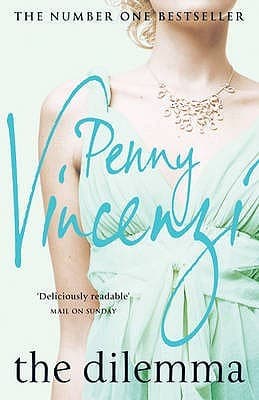
Synopsis
Covers the whole plot, including the ending.
- Difficulty
- Medium
- Pacing
- Moderate
- Mood
- Dramatic, Intriguing, Emotional, Suspenseful
- Read it if
- You enjoy sweeping, complex family sagas with intricate plots, moral dilemmas, and a focus on marriage and betrayal.
- Skip it if
- You prefer fast-paced thrillers or lighthearted romance without significant emotional depth and moral ambiguity.
The Dilemma Plot Summary
Covers the whole plot, including the ending.
The Proposal and Early Marriage
Francesca Channing, a young and initially naive woman, meets the charismatic and wealthy Bard Channing, a much older man with a complex past and two previous marriages. Despite the age difference and immediate immersion into Bard's sprawling, influential family and business, Francesca is charmed by his intensity. They marry, and Francesca quickly finds herself navigating the opulent but demanding world of the Channing family, including Bard's adult children from previous marriages, who view her with suspicion. Her early years with Bard blend genuine affection and a growing awareness of his manipulative tendencies.
Family Tensions and Business Intrigue
As Francesca settles into her role as Mrs. Channing, she becomes more deeply involved in the family's relationships. Bard's children — the ambitious Rupert, the troubled Jemima, and the more sympathetic but still wary Vanessa — present constant challenges. Francesca tries to connect, especially with Jemima, who battles personal demons. At the same time, Bard's vast business, the Channing Group, is a constant backdrop, hinting at power struggles and hidden agendas Francesca only vaguely perceives. Bard's ambition and control affect every part of their lives, making it hard for Francesca to assert her own identity or desires.
The Blackmail Threat Emerges
The story takes a dark turn when Bard begins receiving anonymous letters threatening to expose a past secret. The blackmailer, seemingly well-informed, hints at an event from Bard's business history that could ruin his reputation and career. Bard, always a strategist, tries to handle the situation discreetly, but the pressure grows. He confides in Francesca, framing the situation as a minor indiscretion from his past, but his concern suggests something more serious. Francesca is drawn into his confidence, and Bard subtly begins to prepare her for the possibility that she might need to corroborate a fabricated story to protect him.
Francesca's Personal Crisis
While Bard is busy with the blackmail, Francesca experiences a personal crisis. She grapples with isolation, the constant pressure of Bard's expectations, and the emotional toll of his manipulative behavior. This introspection forces her to reassess her love for Bard and the true nature of their marriage. She starts to question if her devotion is enough to justify potentially sacrificing her own integrity. This internal struggle coincides with a growing suspicion that Bard is not being entirely truthful about the blackmail, making her dilemma even greater.
The Dilemma Presented
The blackmail intensifies, and Bard, cornered, finally reveals the full extent of the lie he needs Francesca to tell. It involves a critical business decision from years ago, an alleged unethical or illegal maneuver, which, if exposed, would dismantle his empire and destroy his public image. He presents it to Francesca as a test of her loyalty and love, emphasizing the catastrophic consequences for their family and children if she refuses. Francesca now faces the stark choice: protect her husband and their life, or uphold her moral compass, potentially destroying everything she has built with him.
Investigation and Doubts
Unwilling to blindly commit to a lie, Francesca begins her own subtle investigation into Bard's past. She pieces together fragments of information from conversations with Bard's children, especially Vanessa, and old associates. This amateur sleuthing reveals inconsistencies in Bard's story and suggests that the alleged 'indiscretion' might be far more serious and calculated than he let on. Her doubts about Bard's character and the true nature of his past actions grow, making the prospect of lying for him increasingly difficult. She feels trapped between loyalty and a burgeoning sense of betrayal.
Confrontation and Revelation
Armed with her growing suspicions, Francesca confronts Bard. The confrontation is tense and emotional, with Bard initially trying to charm and manipulate her, then growing defensive and angry. In the heat of the argument, more details about the past incident emerge, painting a clearer, and far darker, picture of Bard's ruthlessness and willingness to cut corners for profit and power. Francesca realizes the depth of his deception and the moral abyss she would be stepping into by lying for him. This revelation shatters her remaining illusions about her husband and their marriage.
The Consequences of Choice
Francesca makes her definitive choice regarding the lie. The immediate aftermath is tumultuous. Bard reacts with fury and manipulation, attempting to regain control. The Channing family, already fractured, becomes even more divided as the truth, or at least Francesca's refusal to participate in the lie, begins to ripple through their lives. The children react in various ways: some resent Francesca's perceived betrayal, while others, particularly Jemima and Vanessa, begin to see their father in a new, harsher light. Francesca finds herself increasingly isolated but also, for the first time, truly empowered by her moral stand.
The Blackmailer's Identity and Motives
As the story progresses, the blackmailer's identity is finally revealed. Their motivations are deeply rooted in the past incident Bard sought to hide, often involving a victim of his ambition or a former associate he wronged. The blackmailer's actions fully expose the extent of Bard's unethical or illegal business practices, confirming Francesca's worst fears and validating her decision not to lie. This revelation often brings about a public scandal or a significant challenge to Bard's empire, forcing him to face the consequences of his actions without Francesca's protection.
Rebuilding and New Beginnings
In the wake of the scandal and the disintegration of her marriage, Francesca faces the challenge of rebuilding her life. This involves securing a future for herself and her children, often with significantly fewer resources than she was accustomed to. She finds unexpected allies within the Channing family, particularly among those who were also wronged by Bard or who admired her integrity. Francesca begins to discover her own strength and independence, moving away from Bard's shadow and forging a new identity. The ending focuses on her journey towards self-discovery and finding genuine happiness and peace outside the confines of her complicated past.
Principal Figures
Francesca Channing
Protagonist
Bard Channing's third wife, who faces a profound moral dilemma.
Initially presented as somewhat naive and easily charmed, Francesca enters a lavish but demanding marriage to Bard Channing. She loves Bard deeply but gradually becomes aware of his manipulative nature and the moral compromises inherent in his world. She is fiercely protective of her children and possesses an innate sense of integrity that is tested to its limits. Her journey is one of self-discovery, moving from a submissive wife to an independent woman capable of making difficult, principled choices.
Relationships: Bard Channing (Husband, complex and manipulative relationship); Rupert Channing (Step-son, often antagonistic); Jemima Channing (Step-daughter, troubled, Francesca tries to connect with her); Vanessa Channing (Step-daughter, initially wary, later a potential ally)
Bard Channing
Antagonist
A powerful, charismatic, and manipulative business magnate.
Bard Channing is a larger-than-life figure, immensely wealthy and influential, with a captivating charm that masks a ruthless and controlling personality. He is driven by ambition and a desire to maintain his empire at any cost, often employing unethical tactics. While he genuinely loves Francesca in his own way, his love is possessive and conditional. He views people, including his family, as assets or obstacles to be managed. His past is littered with secrets and questionable dealings that eventually catch up to him.
Relationships: Francesca Channing (Wife, object of his control and affection); Rupert Channing (Son, complex relationship of ambition and expectation); Jemima Channing (Daughter, troubled relationship, often neglected); Vanessa Channing (Daughter, wary and observant)
Rupert Channing
Supporting
Bard's ambitious and often resentful eldest son.
Rupert is Bard's son from his first marriage, determined to prove himself in the family business. He is ambitious, intelligent, and often feels overshadowed by his powerful father. He resents Francesca, seeing her as an interloper and a threat to his inheritance and position. Rupert is willing to play dirty to get what he wants and often finds himself in a complicated dance of loyalty and rivalry with Bard. He embodies the cutthroat nature of the Channing empire.
Relationships: Bard Channing (Father, complex rivalry and ambition); Francesca Channing (Step-mother, antagonistic); Jemima Channing (Sister, distant and often critical); Vanessa Channing (Sister, distant but potentially aligned in their weariness of Bard)
Jemima Channing
Supporting
Bard's troubled and vulnerable daughter.
Jemima, Bard's daughter from his second marriage, is deeply troubled and struggles with various personal issues. She is sensitive, artistic, and often feels neglected and misunderstood by her powerful father and the rest of her family. Francesca tries to connect with Jemima, seeing her vulnerability. Jemima's struggles often serve as a stark contrast to the superficial glamour of the Channing world and highlight the emotional cost of Bard's focus on power and wealth.
Relationships: Bard Channing (Father, distant and neglectful); Francesca Channing (Step-mother, seeks connection and understanding from her); Rupert Channing (Brother, distant); Vanessa Channing (Sister, distant)
Vanessa Channing
Supporting
Bard's observant and quietly intelligent daughter.
Vanessa, also from Bard's second marriage, is more reserved and observant than her siblings. She possesses a quiet intelligence and a keen understanding of the family dynamics, often seeing through Bard's manipulations. While initially wary of Francesca, she later becomes a potential source of information or quiet support for her, as she, too, harbors doubts about her father's integrity. Vanessa often represents the voice of reason or the quiet conscience within the Channing family.
Relationships: Bard Channing (Father, wary and critical); Francesca Channing (Step-mother, initially wary, later a potential ally); Rupert Channing (Brother, distant); Jemima Channing (Sister, distant)
The Blackmailer
Antagonist
An anonymous figure who threatens to expose Bard's past secrets.
The blackmailer is initially an anonymous, ominous force that drives much of the plot. Their identity is a mystery, and their motives are rooted in a past injustice or wrongdoing committed by Bard. They represent the consequences of Bard's ruthless ambition and serve as a catalyst for Francesca's dilemma. The blackmailer's actions force Bard to confront his past and ultimately lead to the unraveling of his carefully constructed life and the exposure of his true character.
Relationships: Bard Channing (Target of revenge/exposure); Francesca Channing (Indirectly affects her dilemma)
Themes & Insights
Moral Integrity vs. Loyalty
This is the central theme of 'The Dilemma,' seen in Francesca's agonizing choice. She is torn between her love and loyalty to Bard and her own moral principles. The novel explores the pressure to compromise one's values for family, stability, and love, especially when stakes are high. Francesca's internal struggle, as she investigates Bard's past and confronts his manipulations, highlights the difficulty and necessity of upholding one's integrity, even when it means sacrificing everything. Her decision to refuse to lie, despite the personal cost, is the core of this theme, showing that true strength is in moral conviction.
“All Francesca Channing had to do in order to keep her marriage alive, her children safe, her life intact, was to tell a lie. One simple, straightforward lie. But it wasn't that simple or straightforward at all.”
The Nature of Power and Wealth
The novel shows how immense power and wealth can corrupt, insulate individuals from consequences, and distort relationships. Bard Channing's empire is built on ruthlessness and manipulation, allowing him to operate above moral scrutiny for years. The Channing family's dynamics are heavily influenced by their wealth, leading to a sense of entitlement, internal rivalries, and a detachment from ordinary life. The story examines the allure of this lifestyle and its hidden costs, especially for those, like Francesca, who are drawn into its orbit but lack the same moral flexibility. It shows how wealth can be both a shield and a gilded cage.
“He was charismatic, powerful and rich - and he adored her. He was also manipulative and scheming, with a family as large and complex as his business.”
Deception and Betrayal
Deception is throughout 'The Dilemma,' operating on multiple levels. Bard Channing's entire life and business are built on lies and manipulation, both professionally and personally. He betrays trust, from business associates and his own family, to maintain his power. Francesca experiences betrayal as she uncovers the true extent of Bard's past misdeeds and his willingness to use her. The blackmail itself exposes past deceptions, and the novel explores the corrosive effects of living a life built on falsehoods, highlighting how betrayal, once revealed, can shatter even the strongest bonds.
“Her life, as Bard Channing's third wife, was very far from easy. He was charismatic, powerful and rich - and he adored her. He was also manipulative and scheming...”
Identity and Self-Discovery
Francesca's journey is one of self-discovery. Initially, her identity is largely defined by her role as Bard Channing's wife, subsumed by his powerful personality and the demands of his world. As she confronts the moral dilemma, she is forced to look inward and determine who she truly is, separate from Bard's influence. Her decision to stand by her principles, even at great personal cost, marks a turning point in her understanding of herself. The narrative follows her transformation from a woman living in her husband's shadow to an independent individual capable of making her own way and defining her own happiness, illustrating the process of finding one's true self amidst adversity.
“But it was an emotional crisis of her own which finally put Francesca's dilemma into perspective, and made her wonder if she loved Bard enough to lie for him...”
Plot Devices & Literary Techniques
The Anonymous Blackmail Letters
A series of mysterious threats that drive the central conflict.
These letters serve as the primary inciting incident, introducing the 'dilemma' and forcing Bard's past misdeeds to the surface. Their anonymous nature creates suspense and allows the mystery of Bard's past to unfold gradually. They also act as a ticking clock, increasing the pressure on Bard and, by extension, Francesca. The content of the letters provides cryptic clues, fueling Francesca's own investigation and deepening her suspicions about her husband, ultimately forcing the confrontation.
The Channing Family Dynasty
A sprawling, influential family structure that provides a rich backdrop for intrigue.
The Channing family, with its multiple marriages, step-children, and interconnected business interests, functions as a complex social microcosm. It provides a constant source of tension, rivalry, and hidden alliances, reflecting the broader themes of power and deception. The various family members, each with their own agendas and relationships with Bard, offer Francesca different perspectives on her husband and his past, aiding her in piecing together the truth. The family unit itself is a key element of the 'world' the dilemma takes place in, emphasizing the high stakes of Francesca's decision.
The Flashback/Past Event
A critical, undisclosed event from Bard's past that is the subject of the blackmail.
This device is central to the mystery and the core dilemma. The details of the past event are gradually revealed through the blackmail letters, Bard's evasions, and Francesca's inquiries. Its exact nature — whether it's a financial crime, a personal betrayal, or something else entirely — is kept ambiguous for a significant portion of the novel, building suspense. The slow unveiling of this event allows the reader to understand the gravity of Francesca's choice and the true character of Bard, as the consequences of his actions from years ago finally come to light.
The Dilemma Quotes
“Perhaps love wasn't about grand gestures or dramatic declarations, but the quiet, everyday choices you made to put someone else first.”
“The hardest part of any decision wasn't making it, but living with the road not taken.”
“Sometimes, the person you were meant to be with was the one who saw you, truly saw you, even when you were at your most broken.”
“Life had a way of throwing you curveballs just when you thought you had everything figured out.”
“Forgiveness wasn't about condoning the past, but freeing yourself from its grip.”
“The greatest luxury wasn't material wealth, but the freedom to choose your own path.”
“You could build walls around your heart, but eventually, someone would find a way to climb over them.”
“True happiness often lay in the simple moments, overlooked in the pursuit of something grander.”
“Love didn't conquer all; it just made the struggle worthwhile.”
“The past wasn't a burden to be carried, but a foundation upon which to build a stronger future.”
“Sometimes, goodbye was the most loving thing you could say.”
“It was amazing how much strength you could find when you had no other choice.”
“The heart had its own logic, often defying reason and expectation.”
“A secret could bind people together, or tear them irrevocably apart.”
Quiz
10 questions on the plot and the characters. Each answer comes with a short explanation.
Question 1
What is the central dilemma Francesca Channing faces at the beginning of the novel?
- Whether to leave Bard for another man.
- Whether to tell a lie to keep her marriage, children, and life intact.
- Whether to expose Bard's business wrongdoings.
- Whether to confront Bard about his previous marriages.
Show answer
B. Whether to tell a lie to keep her marriage, children, and life intact. The synopsis explicitly states, 'All Francesca Channing had to do in order to keep her marriage alive, her children safe, her life intact, was to tell a lie.' This is the core conflict introduced.
Question 2
How many times has Bard Channing been married, including his marriage to Francesca?
- Two
- Three
- Four
- One
Show answer
B. Three The synopsis mentions Francesca is 'Bard Channing's third wife,' indicating he has been married three times in total.
Question 3
Which phrase best describes Bard Channing's personality according to the synopsis?
- Shy, introverted, and humble.
- Charismatic, powerful, rich, manipulative, and scheming.
- Kind, gentle, and overly trusting.
- Distant, aloof, and financially struggling.
Show answer
B. Charismatic, powerful, rich, manipulative, and scheming. The text describes Bard as 'charismatic, powerful and rich - and he adored her. He was also manipulative and scheming,' providing a dual nature.
Question 4
What kind of crisis ultimately makes Francesca reconsider her feelings for Bard and her willingness to lie?
- A financial crisis impacting Bard's business empire.
- A legal crisis involving one of Bard's children.
- An emotional crisis of her own.
- A health crisis affecting Bard.
Show answer
C. An emotional crisis of her own. The synopsis states, 'But it was an emotional crisis of her own which finally put Francesca's dilemma into perspective.'
Question 5
Which author is NOT suggested as a comparable read for fans of 'The Dilemma'?
- Kate Morton
- Jilly Cooper
- Harriet Evans
- Rosamunde Pilcher
Show answer
D. Rosamunde Pilcher The description lists Kate Morton, Jilly Cooper, and Harriet Evans as comparable authors, but Rosamunde Pilcher is not mentioned.
Question 6
What characteristic is used to describe Bard Channing's family in relation to his business?
- Small and supportive.
- Distant and uninvolved.
- As large and complex as his business.
- Simple and straightforward.
Show answer
C. As large and complex as his business. The text states Bard 'was also manipulative and scheming, with a family as large and complex as his business.'
Question 7
The core theme of 'The Dilemma' revolves around Francesca's internal conflict regarding her love for Bard and the necessity of a specific action. What is this action?
- Confronting his past wives.
- Lying for him.
- Leaving him for her own happiness.
- Starting her own business venture.
Show answer
B. Lying for him. The central premise is Francesca's 'dilemma' about whether she 'loved Bard enough to lie for him.'
Question 8
Given the description of Bard Channing as 'manipulative and scheming,' what broader theme is likely explored regarding his character and relationships?
- The triumph of good over evil.
- The deceptive nature of power and wealth.
- The simplicity of true love.
- The importance of transparent communication.
Show answer
B. The deceptive nature of power and wealth. Bard's 'charismatic, powerful and rich' nature is juxtaposed with his 'manipulative and scheming' side, suggesting the novel will explore how power and wealth can be used deceptively within relationships.
Question 9
The synopsis uses the phrase 'treachery and blackmail' to describe elements within the plot. How does this connect to Francesca's initial dilemma of telling a lie?
- It suggests Francesca herself is planning treachery and blackmail against Bard.
- It implies the lie Francesca is asked to tell is a response to or part of a larger scheme involving treachery and blackmail, making her choice more perilous.
- It indicates that Bard is the victim of treachery and blackmail, and Francesca's lie is to protect him from unrelated business rivals.
- It implies the treachery and blackmail are external forces that have no direct bearing on Francesca's marital dilemma.
Show answer
B. It implies the lie Francesca is asked to tell is a response to or part of a larger scheme involving treachery and blackmail, making her choice more perilous. The mention of 'treachery and blackmail' alongside Francesca's dilemma of telling a lie suggests these darker elements are intertwined with the reason she needs to lie, raising the stakes and complexity of her decision.
Question 10
What is the primary conflict Francesca faces that makes her life as Bard's wife 'very far from easy,' even though he adores her?
- Bard's lack of financial success and constant struggle.
- Bard's manipulative and scheming nature, coupled with his complex family.
- Francesca's inability to have children with Bard.
- Bard's constant travel for business, leaving her lonely.
Show answer
B. Bard's manipulative and scheming nature, coupled with his complex family. Despite Bard's adoration, the synopsis highlights his 'manipulative and scheming' nature and his 'large and complex' family as reasons why Francesca's life with him is 'very far from easy.'
The Dilemma FAQ
What is the central conflict Francesca Channing faces in 'The Dilemma'?
Francesca's central conflict revolves around whether to tell a lie to protect her marriage to Bard Channing, ensure her children's safety, and maintain her lifestyle. This decision is complicated by Bard's manipulative nature and the complex dynamics of his large family, making the 'simple' lie far more intricate than it initially appears.
Who is Bard Channing and what are his key characteristics?
Bard Channing is Francesca's third husband, portrayed as charismatic, powerful, and immensely wealthy. While he adores Francesca, he is also deeply manipulative and scheming. His character is central to the 'dilemma' as his actions and family create the very situation Francesca must navigate.
What kind of life does Francesca lead as Bard's wife?
As Bard Channing's third wife, Francesca lives a life of significant wealth and outward adoration. However, this existence is far from easy, shadowed by Bard's controlling nature and the complexities arising from his extensive family and business dealings. Her privileged life comes with considerable emotional and moral challenges.
How does Francesca's own emotional crisis impact her decision-making?
Francesca's personal emotional crisis serves as a pivotal turning point, forcing her to re-evaluate her feelings for Bard and her commitment to their marriage. This internal struggle helps her put the initial dilemma into perspective, making her question if her love for him is strong enough to warrant telling the lie.
What genres does 'The Dilemma' blend together?
'The Dilemma' primarily blends romance with elements of domestic drama and suspense, given the themes of a complex marriage, treachery, and blackmail. It explores the intricate emotional landscape of relationships under pressure, appealing to readers who enjoy deep character studies within a dramatic narrative.
Are there specific instances of Bard's manipulation that highlight his character?
Yes, Bard's manipulative nature is evident in how he orchestrates situations to maintain control over Francesca and his wider family. Readers often observe him subtly influencing events or people, using his charm and power to achieve his desired outcomes, which directly contributes to Francesca's predicament. Specific examples include his handling of business rivals and his interactions with his children from previous marriages.
How do Bard's children from previous marriages affect Francesca's life?
Bard's large and complex family, including his children from previous marriages, adds significant tension and pressure to Francesca's life. Their presence often creates rivalries, resentments, and additional demands on Bard, indirectly impacting Francesca's role and her emotional well-being within the household. These relationships are often a source of the 'treachery' mentioned in the synopsis.
What specific 'treachery' or 'blackmail' elements are woven into the plot?
The treachery and blackmail elements are central to the dilemma Francesca faces. These often involve secrets from Bard's past or present dealings that threaten his reputation or freedom, and Francesca is drawn into covering them up. The blackmail usually targets Bard, but Francesca's involvement makes her complicit and vulnerable.
Is there a specific event that triggers Francesca's 'emotional crisis'?
While the synopsis doesn't detail the specific event, Francesca's emotional crisis is often triggered by an accumulation of stress from Bard's demands and the constant pressure of his complex life. It could be a personal setback, a betrayal, or a moment of clarity regarding her own desires and moral boundaries.
How does Francesca's self-perception evolve throughout her dilemma?
Francesca's self-perception undergoes a significant transformation. Initially, she might see herself as a devoted wife and mother, but as the dilemma intensifies, she questions her own strength, morality, and identity beyond Bard's influence. Her journey is about rediscovering her inner resolve and values.
What psychological impact does Bard's manipulative nature have on Francesca?
Bard's manipulative nature creates a constant state of anxiety and emotional exhaustion for Francesca. She might experience gaslighting, self-doubt, and a feeling of being controlled, which erodes her autonomy and trust. This psychological strain is a major factor in her eventual emotional crisis.
Does Francesca exhibit traits of codependency with Bard?
Given Bard's charismatic and manipulative nature and Francesca's initial willingness to lie to keep her marriage intact, she likely exhibits elements of codependency. Her identity and sense of security might be overly tied to Bard and their marriage, making it difficult for her to assert her own needs or leave the relationship.
How does the novel explore the concept of love within a toxic relationship?
The novel delves into the complexities of loving someone who is also manipulative. It explores how genuine affection can coexist with resentment and fear, forcing Francesca to confront whether her love for Bard is healthy or if it's enabling a destructive dynamic. It challenges the reader to question the boundaries of 'adoration'.
Is Francesca's choice ultimately a selfish or selfless act?
Francesca's choice is open to interpretation. While she initially considers the lie to protect her children and her life, the emotional crisis forces her to consider her own integrity and happiness. Her final decision could be seen as a selfless act of self-preservation, or a selfish refusal to compromise her own values, depending on the outcome.
To what extent is Bard Channing a villain, and to what extent is he a complex character?
Bard Channing is presented as a complex character rather than a one-dimensional villain. While his manipulative and scheming traits are evident and cause harm, his adoration for Francesca suggests a capacity for genuine emotion. This duality makes him a compelling figure, blurring the lines between antagonist and a deeply flawed human being.
Does the novel suggest that wealth and power inherently corrupt relationships?
The novel strongly implies that wealth and power, while offering privilege, can also complicate and corrupt relationships. Bard's immense resources enable his manipulative behaviors and create a complex web of dependents and enemies, directly contributing to the 'treachery' and 'blackmail' that threaten his marriage to Francesca.
What is the significance of Francesca being Bard's 'third wife'?
Francesca being Bard's third wife signifies a pattern in Bard's life and adds to the existing family complexity. It suggests Bard may have a history of complex relationships and potentially failed marriages, placing Francesca in a position where she might feel pressure to succeed where others haven't, or to avoid the pitfalls of his previous wives.
How does the ending challenge traditional romance novel tropes?
The ending of 'The Dilemma' likely challenges traditional romance tropes by not necessarily concluding with a 'happily ever after' that resolves all issues with the couple staying together unequivocally. Instead, it focuses on Francesca's personal growth and moral choice, suggesting that true resolution might involve difficult decisions about self-preservation over maintaining a flawed relationship, even if love exists.
Similar books
- The House at Riverton
Kate Morton
3.9 (103k) average on GoodreadsHistorical FictionFeatures a sprawling historical narrative with family secrets and a dramatic past.
- The Shell Seekers
Rosamunde Pilcher
4.2 (95k) average on GoodreadsHistorical FictionWhile both Vincenzi and Pilcher excel at multi-generational family sagas, "The Dilemma" focuses more intensely on contemporary threats and immediate emotional crises. Pilcher's work, like "The Shell Seekers," often has a more nostalgic, reflective tone, exploring past loves and long-held secrets through a gentler narrative lens. Vincenzi, on the other hand, embraces higher stakes and more overt dramatic tension, particularly with elements like blackmail and corporate espionage, making her plots feel more immediate and high-octane compared to Pilcher's often more serene, character-driven explorations of family history.
- The Hunger Games
Suzanne Collins
4.3 (6.4M) average on GoodreadsFantasyIn a future where children fight to the death on live television, Katniss Everdeen volunteers for the arena, turning a death sentence into a fight for survival and a spark of rebellion.
- The Great Gatsby
F. Scott Fitzgerald
3.9 (3.8M) average on GoodreadsHistorical FictionIn the opulent Roaring Twenties, a mysterious millionaire's lavish parties hide his desperate, tragic pursuit of a lost love, exposing the emptiness within the American Dream.
- The Fault in Our Stars
John Green
4.2 (3.6M) average on GoodreadsYoung AdultA girl with a terminal illness finds her story rewritten when a charming boy with a similar past enters her life at a cancer support group, leading to a star-crossed romance.
- Pride and Prejudice
Jane Austen
4.3 (3M) average on GoodreadsHistorical FictionIn a society focused on status and money, Elizabeth Bennet navigates love and pride, challenging Mr. Darcy and social expectations to find true affection.




Enjoyed the summary?
A summary gives you the shape of the book. The book itself has the detail, the examples and the voice.
Find The Dilemma on AmazonAs an Amazon Associate, BookBrief earns from qualifying purchases. How we're funded