

Synopsis
Covers the whole plot, including the ending.
- Difficulty
- Easy
- Pacing
- Moderate
- Mood
- Inspiring, Historical, Gentle, Hopeful
- Read it if
- You enjoy historical fiction with themes of resilience, finding inner strength, and overcoming adversity, set in medieval times. Ideal for young readers interested in knighthood and castle life.
- Skip it if
- You prefer fast-paced action-packed adventures or stories with complex magic systems.
The Door in the Wall Plot Summary
Covers the whole plot, including the ending.
A Sudden Illness and Brother Luke's Arrival
In 13th-century London, ten-year-old Robin de Bureford is alone in his family's manor house. His father, Sir John de Bureford, is fighting in Scotland, and his mother, Lady Maud, is serving the Queen. The servants have left because of a spreading plague. Robin suddenly cannot use his legs, becoming helpless and feverish. He cries out for help, feeling completely alone. Unexpectedly, Brother Luke, a traveling friar, finds Robin in his bedchamber. Seeing the boy's bad state, Brother Luke immediately cares for him, giving him food, warmth, and comfort. He diagnoses Robin with a wasting sickness, likely polio, and starts a routine of gentle care and encouragement.
Life at St. Mark's Monastery
Brother Luke takes Robin to St. Mark's Monastery, a peaceful place of learning. Here, Robin meets the monks, including Brother Matthew, who teaches him to read and write. Despite his initial sadness about not being able to walk, Robin finds new purpose in his studies and in the quiet monastery life. He learns to carve wood, decorate manuscripts, and play the harp, developing skills he never would have learned at home. The monks, especially Brother Luke, say that 'The door in the wall' is always there, meaning there is always a way forward despite problems. This time is important for Robin's mental and emotional recovery, even as his physical limits remain.
The Journey to Castle Lindsay
After several months at St. Mark's, a messenger arrives with a letter from Sir John, telling Robin to meet him at Castle Lindsay on the Welsh border. This news brings both excitement and worry for Robin, as it means leaving the safety of the monastery and facing the world again with his disability. Brother Luke, understanding the dangers and the need for courage, goes with Robin on the difficult journey. They travel by horse and cart, meeting different people and challenges along the way, but Brother Luke's steady support and practical wisdom help Robin handle the physical demands and his worries about meeting his father again as a changed boy.
Arrival and Adaptation at Castle Lindsay
Robin and Brother Luke finally arrive at Castle Lindsay, a strong fortress high in the hills near the hostile Welsh border. Robin reunites with his father, Sir John, and his mother, Lady Maud, who has also arrived. His parents are sad about his condition but proud of his resilience. Robin finds the castle very different from the peaceful monastery. He watches the soldiers, the defensive preparations, and the constant watch needed in a border stronghold. Despite his physical limits, Robin tries to help, using his new skills to entertain the castle residents with his harp playing and reading to the soldiers, slowly finding his place in the castle community.
Robin's Growing Role and Observations
As days pass, Robin becomes more familiar with Castle Lindsay. He spends time with his father, learning about the castle's defenses and the duties of a lord. He notices the castle's strategic layout, its watchtowers, and the surrounding area, including the steep paths and the often-misty valleys. He continues to practice his harp, bringing joy and distraction to the castle's people. His sharp observations, refined during his quiet time at the monastery, make him unusually aware of his surroundings, a trait that will be very valuable. He also forms a bond with the castle's stablemaster and other common folk, getting a broader understanding of life.
The Welsh Attack Under Fog
A thick, unseasonable fog arrives, covering Castle Lindsay and the surrounding hills. This natural event provides perfect cover for the Welsh, who use the opportunity to launch a surprise attack. The castle guards, usually watchful, are confused by the fog, and the sounds of the approaching enemy are muffled. The castle falls into chaos as the Welsh warriors begin their assault, trying to break through the walls. Sir John and his men rush to defend the fortress, but the low visibility makes defense very hard, and the attackers gain an advantage.
Robin Discovers a Weakness
During the battle's chaos, Robin, unable to fight on the walls, shelters inside the castle. His sharp hearing, developed from his quiet observing, lets him hear bits of conversation from Welsh attackers who have gotten into an outer part of the castle. He puts together their plan: they mean to attack a specific, less-defended section of the wall, possibly near a small gate or a weakened tower, using the fog to hide their movements. Robin, remembering his father's lessons on castle defense and his own observations, sees the critical weakness.
Robin's Race to Warn
Realizing the great danger, Robin knows he must warn his father. Despite his physical limits, he grabs his crutches and begins a desperate, painful journey through the smoke and confusion of the besieged castle. He uses his crutches to move himself, determined to reach Sir John. The castle, usually familiar, is now a maze of shadows and shouting. He pushes through fear and physical discomfort, driven by the urgency of the situation and the knowledge that the castle's fate, and everyone in it, depends on his ability to deliver the message. He struggles through courtyards and up stairs, his small figure a sign of courage amidst the battle.
The Warning is Delivered and the Castle is Saved
After a hard and dangerous journey, Robin finally reaches his father, Sir John, in the thick of the battle. Gasping for breath, he tells the Welsh plan and the specific weak point they are targeting. Sir John, at first surprised, immediately sees the value of Robin's information. He quickly sends his men to reinforce the vulnerable section of the wall just as the Welsh are about to break through it. The timely action surprises the attackers, and the castle defenders repel the main assault, driving the Welsh back into the fog and saving Castle Lindsay from falling. Robin's quick thinking and bravery are decisive.
Hero's Recognition and a Future Path
After the battle, Robin is called a hero. His parents, especially Sir John, show great pride and gratitude for his courage and intelligence. The experience changes how they see Robin; they no longer see him only as a boy with a disability, but as a resourceful and valuable member of the family and community. Brother Luke, who saw Robin's journey from sadness to heroism, reinforces that true strength comes in many forms. While Robin still cannot walk unaided, he has found his 'door in the wall,' proving that his mind and spirit are as capable, if not more so, than any knight's physical ability. His future, though different from a knight's, is now clear and full of purpose.
The Door in the Wall Characters
Robin de Bureford
Protagonist
A young noble boy who overcomes physical disability through inner strength and ingenuity.
Robin is a ten-year-old boy from a noble family, initially accustomed to a privileged life. When struck by a mysterious illness that paralyzes his legs, he experiences profound despair and a sense of worthlessness. His journey at St. Mark's Monastery transforms him, as he learns new skills like reading, writing, carving, and playing the harp. He is intelligent, observant, and possesses a deep well of resilience. His physical limitations force him to develop his mental and spiritual strengths, ultimately leading him to save Castle Lindsay through his quick thinking and bravery during the Welsh attack.
Relationships: Brother Luke (Mentor and caregiver); Sir John de Bureford (Father; initially concerned, later proud and admiring); Lady Maud (Mother; loving and supportive); Brother Matthew (Teacher at the monastery)
Brother Luke
Supporting
A wise and compassionate wandering friar who mentors Robin.
Brother Luke is a kind, patient, and deeply spiritual friar who discovers Robin abandoned and ill. He becomes Robin's primary caregiver and mentor, providing not only physical care but also profound emotional and philosophical guidance. He teaches Robin the importance of finding 'the door in the wall' – a way forward despite obstacles. His unwavering faith in Robin's potential helps the boy overcome his despair and discover new talents. He is practical, resourceful, and embodies the virtues of compassion and wisdom, playing a pivotal role in Robin's recovery and character development.
Relationships: Robin de Bureford (Mentor, caregiver, and spiritual guide); Sir John de Bureford (Respected by, and provides counsel to, Robin's father)
Sir John de Bureford
Supporting
Robin's father, a knight concerned with honor and duty, who learns to value different kinds of strength.
Sir John is Robin's father, a respected knight and lord, initially away fighting in Scotland. He is a man of his time, valuing physical strength, martial prowess, and duty. When he first sees Robin's disability, he is deeply saddened and perhaps struggles with the implications for his son's future as a knight. However, he is a loving father who, by the end of the story, comes to fully appreciate Robin's intellectual and moral courage. His pride in Robin's heroism during the castle attack signifies his growth in understanding that bravery and contribution can manifest in many forms beyond the battlefield.
Relationships: Robin de Bureford (Father-son, evolving from concern to profound pride); Lady Maud (Husband-wife); Brother Luke (Respected acquaintance, particularly for his care of Robin)
Lady Maud
Supporting
Robin's loving and supportive mother, who provides emotional comfort.
Lady Maud is Robin's mother, initially serving the Queen. She is a gentle and loving presence in Robin's life. Upon her return and reunion with Robin at Castle Lindsay, she is deeply saddened by his physical condition but quickly embraces him with warmth and affection. She supports his studies and new interests, providing the emotional foundation and unconditional love that helps Robin navigate his challenges. While her role is less active in the plot's climax, her presence reinforces the importance of family support and emotional security for Robin's well-being.
Relationships: Robin de Bureford (Mother-son, deeply loving and supportive); Sir John de Bureford (Wife-husband)
Brother Matthew
Supporting
A kind monk at St. Mark's who teaches Robin to read and write.
Brother Matthew is one of the monks at St. Mark's Monastery who takes Robin under his wing. He is responsible for teaching Robin to read, write, and illuminate manuscripts. His patience and dedication open up a new world of knowledge and skill for Robin, providing him with a purpose and a means of contributing despite his physical limitations. Brother Matthew's role highlights the value of education and the nurturing environment of the monastery in Robin's recovery and development.
Relationships: Robin de Bureford (Teacher and mentor in academics and artistry); Brother Luke (Fellow monk)
The Stablemaster
Supporting
A practical and kind castle servant who helps Robin with the horses.
The Stablemaster at Castle Lindsay is a gruff but kind-hearted man who shows Robin practical aspects of castle life. He helps Robin understand horses and the daily workings of the stable. His interactions with Robin are brief but significant, showing Robin that there are many different roles and contributions within a community, and that common folk also possess valuable skills and wisdom. He represents the everyday people who make up the fabric of medieval life and contribute to the castle's functionality.
Relationships: Robin de Bureford (Informal mentor in stable work)
The Welsh Raiders
Antagonist
The external threat to Castle Lindsay, representing danger and conflict.
The Welsh Raiders are the unseen and then seen antagonists who attack Castle Lindsay. They represent the constant border conflicts and dangers of medieval life. Their attack, particularly under the cover of fog, is a significant plot driver, forcing Robin to rise to the occasion. They are depicted as a formidable and cunning enemy, but their role is primarily to provide the external conflict against which Robin's inner strength and ingenuity are tested and ultimately proven.
Relationships: Sir John de Bureford (Military adversaries); Robin de Bureford (The target of Robin's heroic warning)
The Door in the Wall Themes
Resilience and Inner Strength
The main theme is Robin's ability to overcome a physical disability through strong will, optimism, and the growth of his mind. His journey from despair to finding new purpose at St. Mark's Monastery, where he learns to read, write, and play the harp, shows this. The climax, where he uses his sharp mind and determination to save Castle Lindsay, confirms that true strength is not just physical. His refusal to give up, even when facing big problems, is central to his character.
“The door in the wall. You will find it, Robin. You will find it.”
Identity and Self-Discovery
Robin's illness forces him to rethink who he is. Without the traditional path of a knight, he must find new ways to be valuable and have purpose. His time at the monastery allows him to explore intellectual and artistic talents he did not know he had. This time of quiet thought and learning helps him create a new identity, one not defined by his physical limits but by his intelligence, creativity, and courage. He learns that his worth comes from within, not from outside expectations or physical abilities.
“A man's usefulness does not lie in his legs, but in his head and in his heart.”
The Power of Mentorship and Community
Brother Luke's kind care and steady belief in Robin are important to his recovery. The supportive community of St. Mark's Monastery, with monks like Brother Matthew teaching him new skills, provides a good environment for Robin's growth. This theme shows how guidance, encouragement, and belonging can help people overcome problems. Without Brother Luke's help and the monastery's welcome, Robin's outcome would have been very different, emphasizing the strong impact of good relationships.
“Each of us has his own gifts, Robin, and you have yours. You have a good mind, and a quick eye, and a loving heart.”
Finding Purpose in Adversity
Robin's paralysis at first makes him sad, but it ultimately helps him find a new, unexpected purpose. His inability to be a knight leads him to develop intellectual and artistic skills, which he then uses to save his family and castle. The book shows that challenges can open up different paths and reveal hidden strengths, turning what seems like a problem into a chance for unique contribution. His disability, instead of being a limit, becomes the very condition that allows him to see and hear what others miss.
“There is always a way, Robin, always a way through the wall, if you look for it.”
Plot Devices & Literary Techniques
The Door in the Wall (Symbol)
A recurring metaphor for finding solutions and hope amidst challenges.
This phrase, coined by Brother Luke, serves as a central symbol and guiding principle for Robin. It represents the idea that even when faced with seemingly insurmountable obstacles (a 'wall'), there is always a 'door' or a way forward if one is persistent, creative, and open to alternative solutions. It encapsulates the theme of resilience and finding purpose in adversity, constantly reminding Robin (and the reader) to look beyond obvious limitations and seek out new possibilities. It's both a literal and metaphorical device.
Robin's Disability (Catalyst/Character Arc Driver)
The central conflict that forces Robin's transformation and drives the plot.
Robin's sudden paralysis is the primary catalyst for the entire story. It removes him from his expected noble path, isolates him, and forces him into a new environment (the monastery). This disability is not merely a physical condition but the engine of his character arc, compelling him to develop his inner strengths, intellect, and courage. It's through his physical limitation that he gains a unique perspective and ultimately becomes the unlikely hero, proving that worth isn't solely physical.
The Fog (Plot Device/Atmosphere)
A natural phenomenon that enables the enemy attack and heightens suspense.
The dense, unseasonable fog that descends upon Castle Lindsay is a crucial plot device. It provides the perfect cover for the Welsh raiders to launch a surprise attack, disorienting the castle's defenders and creating a sense of vulnerability and suspense. Symbolically, it represents confusion and the unknown, mirroring Robin's initial feelings of being lost. Practically, it is the condition that allows Robin's keen hearing and observation to become uniquely valuable, as he can discern the Welsh plans when others are blinded.
The Monastery (Setting/Transformation Space)
A sanctuary and learning environment where Robin finds healing and new skills.
St. Mark's Monastery serves as a pivotal setting for Robin's transformation. It is a place of refuge from the plague and his illness, but more importantly, it's an environment of intellectual and spiritual growth. Here, Robin is nurtured, educated, and encouraged to develop skills like reading, writing, and music. The quiet, contemplative life contrasts sharply with his previous noble upbringing and the later military life of the castle, highlighting the diverse paths to a meaningful existence and providing the tools for his eventual heroism.
The Door in the Wall Quotes
“Each of us has his place in the world. If we cannot serve in one way, there is always another.”
“Thou hast only to follow the wall far enough and there will be a door in it.”
“We can walk only one step at a time.”
“It is better to have a crooked back than a crooked mind.”
“The world is full of doors, but they are not all easy to find.”
“A man's worth is not in his legs but in his heart and mind.”
“Even a small light can show the way in darkness.”
“The wall is there to be climbed, not to stop you.”
“Kindness is a language the deaf can hear and the blind can see.”
“What we lose in one way, we may gain in another.”
“The true door in the wall is the one you open yourself.”
“A story is not just for telling; it is for living.”
“Courage is not the absence of fear, but the will to go on.”
“The greatest walls are those we build in our own minds.”
Quiz
10 questions on the plot and the characters. Each answer comes with a short explanation.
Question 1
What physical condition leaves Robin unable to walk at the beginning of the story?
- He broke his leg falling from a horse
- He was born with a club foot
- He contracted a mysterious illness that paralyzed his legs
- He was injured in a sword fight
Show answer
C. He contracted a mysterious illness that paralyzed his legs Robin is bedridden with an unspecified illness that has left him unable to walk, which is why he's helpless when Brother Luke finds him alone in the plague-ridden London house.
Question 2
Who rescues Robin from his empty London home at the beginning of the story?
- His father's knight
- A traveling merchant
- Brother Luke, a wandering friar
- The Queen's physician
Show answer
C. Brother Luke, a wandering friar Brother Luke discovers Robin alone in the house and takes him to St. Mark's Monastery for care, becoming his mentor throughout the story.
Question 3
Where does Robin go to live and recover after being rescued from London?
- Castle Lindsay
- His uncle's manor
- St. Mark's Monastery
- A Welsh border fortress
Show answer
C. St. Mark's Monastery Brother Luke takes Robin to St. Mark's Monastery where he receives care, learns new skills, and regains strength while waiting for word from his father.
Question 4
What important skill does Robin learn at the monastery that becomes crucial later in the story?
- Swordsmanship
- Woodcarving
- Horse riding
- Latin translation
Show answer
B. Woodcarving Despite his physical limitations, Robin learns woodcarving at the monastery, a skill that helps him develop patience and craftsmanship, and which he continues to practice throughout his journey.
Question 5
Why is Robin traveling to Castle Lindsay?
- To become a knight's squire
- To meet his father who is waiting for him there
- To escape the plague in London
- To deliver a message to the castle's lord
Show answer
B. To meet his father who is waiting for him there After recovering at the monastery, Robin receives a message that his father wants him to come to Castle Lindsay, which is located near the Welsh border where his father is stationed.
Question 6
What weather condition helps the Welsh launch their attack on Castle Lindsay?
- A thunderstorm
- Heavy snowfall
- A thick fog
- Darkness of night
Show answer
C. A thick fog The Welsh attackers use a thick fog as cover to approach Castle Lindsay undetected, allowing them to get close before the castle's defenders realize they're under attack.
Question 7
What is the main theme represented by Brother Luke's advice to Robin about 'finding the door in the wall'?
- The importance of physical strength in medieval society
- Finding alternative paths when faced with obstacles
- The necessity of religious faith in difficult times
- The value of noble birth and lineage
Show answer
B. Finding alternative paths when faced with obstacles The 'door in the wall' metaphor represents finding creative solutions and alternative paths when facing obstacles, which becomes central to Robin's character development as he learns to overcome his physical limitations.
Question 8
How does Robin's physical limitation actually help him save Castle Lindsay during the Welsh attack?
- His small size allows him to crawl through secret passages
- His inability to walk means he's overlooked by the attackers
- He uses crutches to signal for help from the battlements
- He swims through the castle's moat to get help
Show answer
D. He swims through the castle's moat to get help Despite his difficulty walking, Robin has learned to swim well. During the attack, he swims across the castle moat to reach the neighboring town and bring reinforcements, using his swimming ability to circumvent the Welsh forces.
Question 9
What historical conflict provides the backdrop for Robin's father's absence at the beginning of the story?
- The Wars of the Roses
- The Norman Conquest
- The Scottish Wars of Independence
- The Hundred Years' War
Show answer
C. The Scottish Wars of Independence The story is set during the reign of Edward I, and Robin's father is fighting the Scots in the north, referencing the Scottish Wars of Independence that occurred during this period.
Question 10
What symbolic meaning does the journey to Castle Lindsay represent in Robin's character development?
- A test of his noble lineage and right to inherit
- His transition from dependence to self-reliance
- A religious pilgrimage to prove his faith
- A military training mission to become a knight
Show answer
B. His transition from dependence to self-reliance The dangerous journey to Castle Lindsay forces Robin to apply the lessons he learned from Brother Luke, demonstrating how he has grown from a helpless boy into someone who can overcome obstacles through determination and creativity.
The Door in the Wall FAQ
What is 'The Door in the Wall' about?
The story follows Robin, a young nobleman in medieval England who is left paralyzed after an illness during the plague. Rescued by Brother Luke, a friar who teaches him woodcarving and resilience, Robin eventually journeys to Castle Lindsay to reunite with his father. When the castle is attacked by Welsh forces under fog cover, Robin uses his wits and newfound skills to help save it, proving that physical limitations don't define one's courage.
Why should I read 'The Door in the Wall'?
This Newbery Medal-winning book offers a powerful message about overcoming adversity through inner strength and adaptability. Through Robin's journey from helplessness to heroism, it explores themes of perseverance, finding purpose in limitations, and the medieval setting provides rich historical context about plague-era England and monastic life.
What is the background/setting of 'The Door in the Wall'?
Set in 14th-century England during the plague (likely the Black Death), the story moves from plague-ridden London to St. Mark's Monastery and finally to Castle Lindsay near the Welsh border. This historical backdrop shapes the isolation, danger, and societal breakdown Robin experiences, while the monastic setting introduces medieval religious life and craftsmanship.
What are the most memorable quotes?
Key quotes include Brother Luke's advice: 'Thou hast only to follow the wall far enough and there will be a door in it,' symbolizing hope through perseverance. Another is Robin's realization: 'I can walk! I can walk!' during the castle crisis, marking his emotional and physical breakthrough. These lines encapsulate the book's themes of resilience and self-discovery.
What writing style does the author use?
Marguerite de Angeli employs a straightforward, descriptive narrative with medieval diction ('thou,' 'thee') to immerse readers in the period. Her prose balances historical detail with emotional depth, using Robin's perspective to convey his vulnerability and growth, while the pacing builds tension from quiet monastic scenes to the climactic castle attack.
What minor details add significant meaning?
Robin's woodcarving of a knight, which he works on throughout the story, symbolizes his inner strength and desire to be heroic despite his paralysis. The thick fog during the Welsh attack not only provides tactical cover but also represents the uncertainty and obstacles Robin must navigate, both physically and emotionally.
What are some subtle foreshadowing moments?
Early scenes of Robin practicing movement with crutches at the monastery foreshadow his ability to navigate the castle during the attack. Brother Luke's teachings about 'finding a door in the wall' subtly hint that Robin will discover unconventional solutions to save Castle Lindsay, rather than relying on traditional knightly strength.
What unexpected character connections exist?
The connection between Brother Luke and Robin's father is revealed through their shared respect, as the friar's care prepares Robin to eventually impress his father at Castle Lindsay. Additionally, the Welsh attackers, though antagonists, mirror the isolation and struggle Robin faced in plague-stricken London, creating a nuanced view of conflict.
What are unspoken character motivations?
Robin's deep-seated fear of disappointing his knightly father drives his determination to prove himself at Castle Lindsay. Brother Luke's dedication stems not just from religious duty but from a personal understanding of suffering, hinted through his gentle patience and belief in Robin's potential beyond physical limits.
What psychological complexities do characters exhibit?
Robin grapples with depression and helplessness after his paralysis, but develops resilience through small achievements like woodcarving. Brother Luke embodies compassionate wisdom, balancing spiritual guidance with practical skills, while Robin's father represents the medieval expectation of strength, creating tension between societal roles and personal capability.
What are the major emotional turning points?
Key moments include Robin's rescue by Brother Luke, which shifts him from despair to hope; his first successful woodcarving, boosting his self-worth; the reunion with his father at Castle Lindsay, testing his fears of rejection; and the climax where he saves the castle, transforming his identity from invalid to hero.
How do relationship dynamics evolve?
Robin and Brother Luke's relationship grows from caregiver-student to a deep mentorship based on trust. With his father, it evolves from distant expectation to mutual respect after Robin's heroism. These shifts highlight how vulnerability and shared challenges can strengthen bonds, moving beyond medieval hierarchies to genuine connection.
Which parts remain ambiguous or open-ended?
The exact nature of Robin's illness and paralysis is never specified, leaving it symbolic of any adversity. The story also doesn't detail Robin's long-term future after saving the castle, allowing readers to imagine how he integrates his experiences into adulthood, and whether he continues balancing physical limitations with inner strength.
What are controversial scenes or decisions?
Some readers debate the realism of a paralyzed boy single-handedly saving a castle, questioning if it overly idealizes disability. Others critique the medieval setting's portrayal of plague and warfare as sanitized for young audiences, though this aligns with the book's focus on hope rather than historical brutality.
'The Door in the Wall' ending explained: how it ends & what it means
The story ends with Robin successfully warning Castle Lindsay of the Welsh attack by crawling through a secret passage, leading to the castle's defense. This climax proves that courage and cleverness outweigh physical ability, with the 'door in the wall' metaphor realized as Robin finds his unique path to heroism, earning his father's pride and his own self-acceptance.
About the author
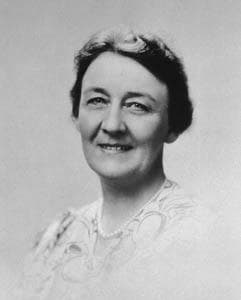
Marguerite de Angeli was an American author and illustrator known for her children's literature. She is best recognized for her book "The Door in the Wall," which tells the story of a young boy in medieval England. De Angeli's works often explore themes of resilience and courage.
Similar books
- The Eagle of the Ninth
Rosemary Sutcliff
3.9 (9k) average on GoodreadsFantasySutcliff's book also features a protagonist with a physical impairment (Marcus Aquila's leg injury), but it primarily serves as a catalyst for an external quest and adventure to recover a lost Roman eagle. In contrast, 'The Door in the Wall' centers the disability itself as the primary challenge and internal journey, with Robin's rehabilitation being the core plot rather than a means to an end.
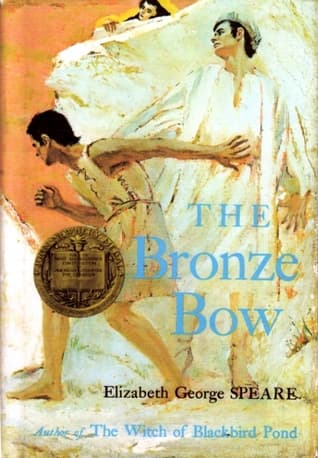
- The Bronze Bow
Elizabeth George Speare
4.0 (20k) average on GoodreadsChildren'sSpeare's novel explores themes of overcoming personal struggles (hatred, vengeance) through its protagonist, Daniel, in a historical setting. While both books feature deep internal conflict and growth, 'The Bronze Bow' focuses on moral and emotional transformation, whereas 'The Door in the Wall' specifically addresses physical disability and the psychological and practical challenges of adapting to it within a specific historical context.
- Harry Potter and the Sorcerer's Stone
J.K. Rowling
4.5 (7M) average on GoodreadsFantasyRescued from a miserable life under the stairs, an orphaned boy discovers he's a wizard destined for a magical school, where he uncovers a dangerous secret tied to the dark wizard who murdered his parents.
- The Hunger Games
Suzanne Collins
4.3 (6.4M) average on GoodreadsFantasyIn a future where children fight to the death on live television, Katniss Everdeen volunteers for the arena, turning a death sentence into a fight for survival and a spark of rebellion.
- 1984
George Orwell
4.2 (3.1M) average on GoodreadsPoliticsIn a future where surveillance and thought control are absolute, a man's search for truth clashes with the Party, showing that hope can be a form of rebellion.
- Divergent
Veronica Roth
4.2 (2.9M) average on GoodreadsFantasyIn a society divided by virtues, a sixteen-year-old's difference from the norm starts a rebellion that threatens her world.





Enjoyed the summary?
A summary gives you the shape of the book. The book itself has the detail, the examples and the voice.
Find The Door in the Wall on AmazonAs an Amazon Associate, BookBrief earns from qualifying purchases. How we're funded