

Synopsis
Covers the whole plot, including the ending.
- Difficulty
- Medium
- Pacing
- Slow
- Mood
- Introspective, Melancholy, Tender, Romantic
- Read it if
- You enjoy slow-burn, character-driven romances exploring unconventional relationships and societal judgment.
- Skip it if
- You prefer fast-paced plots or lighthearted romance without significant emotional depth and conflict.
The Dove Keeper Plot Summary
Covers the whole plot, including the ending.
A Chance Encounter
Seventeen-year-old Thomas spends his days aimlessly in his small, rundown town, often outside the local liquor store with his friends, Mark and Gary. He resents his mother, who works long hours to support them, and has no interest in his future. One afternoon, while looking for change, he is approached by Bernard, an older, well-dressed man with an artistic air, known locally as "the fag artist." Bernard, intrigued by Thomas's defiance and appearance, offers him a job: cleaning his studio and caring for his pigeons, for a surprisingly good wage. Thomas, at first suspicious and wary of Bernard's reputation, is tempted by the money and the chance to escape his boring life.
The Dovecote and the Studio
Thomas accepts Bernard's offer and begins his new routine at Bernard's large, somewhat dilapidated house and studio. His main duties are cleaning the studio, which has Bernard's colorful and often unsettling artwork, and tending to the dovecote in the backyard. The pigeons, beautiful and well-cared for, become a surprising source of interest for Thomas. He observes Bernard's dedication to his art and his birds, a contrast to his own lack of direction. Bernard, in turn, watches Thomas with an almost paternal interest, often sketching him secretly. Thomas finds himself drawn into Bernard's world, a world of unexpected order and beauty despite the artist's perceived strangeness.
Unveiling the Past
As Thomas spends more time at Bernard's, he starts to learn about the artist's past. He learns that Bernard was once a celebrated artist in another city, who experienced a personal tragedy involving a lost love. Bernard's art, especially his large portraits of young men, seems to explore this grief and longing. Thomas begins to see the vulnerability beneath Bernard's eccentric exterior. Bernard, sensing Thomas's growing curiosity and trust, starts to open up, sharing stories of his youth and the impact of his past relationships. This helps Thomas understand Bernard better, moving beyond the town's simple labels.
A Developing Connection
The relationship between Thomas and Bernard slowly changes from professional to something more complex and intimate. Bernard, seeing Thomas's intelligence and potential, encourages him to read and to think about art and life. He shares his extensive library and talks with Thomas in ways that challenge his limited worldview. Thomas, in turn, confides in Bernard, revealing his frustrations with his home life and his worries about the future. Bernard becomes a mentor, a confidante, and a source of stability Thomas has never known. Their conversations often last late into the night, building a deep, unspoken bond between them.
Town Gossip and Suspicion
The town, always prone to gossip, notices Thomas's frequent presence at Bernard's house. Whispers about Bernard's sexuality and his intentions towards Thomas begin to spread more openly. Thomas's friends, Mark and Gary, tease him, using insults and questioning his masculinity. Even Thomas's mother expresses concern, though she focuses more on the practical benefit of his income. Thomas finds himself defending Bernard, a man he once viewed with suspicion, and dealing with his own feelings of loyalty and confusion. The societal prejudice against Bernard forces Thomas to confront his own biases and the narrow-mindedness of his community.
The Portrait and the Revelation
Bernard eventually asks Thomas to sit for a portrait. At first uncomfortable and self-conscious, Thomas slowly relaxes under Bernard's patient gaze. During these sittings, Bernard's questions and observations about Thomas's inner life and goals make Thomas look at himself in a new way. The experience of being seen and painted by Bernard transforms Thomas, forcing him to confront his identity, desires, and the emotional walls he has built. He begins to understand the connection between Bernard's art and his own growing self-awareness, realizing that Bernard sees past his rough exterior.
A Moment of Tenderness
One evening, after an intense painting session, a moment of deep emotional intimacy occurs between Thomas and Bernard. It is a quiet, non-sexual moment, but full of unspoken affection and understanding. Bernard shares a poignant memory of his lost love, and Thomas, for the first time, truly empathizes with Bernard's enduring sorrow. Thomas, in turn, expresses his own deep loneliness and his longing for connection. This shared vulnerability strengthens their bond, moving beyond age and societal expectations. Thomas feels a sense of belonging and acceptance he has never experienced before, realizing the depth of his feelings for Bernard.
The Confrontation
Driven by his new confidence and loyalty to Bernard, Thomas confronts Mark and Gary, who have been increasingly hostile and verbally abusive. He fiercely defends Bernard against their homophobic insults and ignorant remarks, stating his respect and affection for the artist. This confrontation marks a turning point for Thomas, as he publicly aligns himself with Bernard and rejects the narrow-mindedness of his peers. He understands that his connection with Bernard is more valuable than fitting in with his old crowd. This act of defiance shows his personal growth and commitment to his own values, regardless of societal pressure.
A Glimmer of Future
Bernard, seeing Thomas's artistic talent and intelligence, offers to help him pursue an education or an artistic path outside their small town. He sees potential in Thomas that no one else has, and genuinely wants to see him succeed. This offer gives Thomas a real hope for a future beyond the dead-end he once imagined. It is a chance to escape the limitations of his upbringing and explore a world of possibilities Bernard has opened for him. Thomas, though daunted, feels excitement and gratitude, knowing he has a mentor who believes in him.
The Departure
After much thought, Thomas decides to accept Bernard's offer and pursue a new life. He knows it means leaving his mother and his old friends, but he feels a sense of purpose and a desire for growth he can no longer ignore. The decision is bittersweet, but ultimately freeing. He says a heartfelt goodbye to Bernard, promising to stay in touch, and carries with him not just the memory of their time together, but the self-discovery and love he found in Bernard's care. The pigeons, symbols of freedom and return, watch as Thomas begins his new journey, forever changed by the dove keeper.
The Dove Keeper Characters
Thomas
Protagonist
A seventeen-year-old struggling with apathy and a lack of direction, who finds purpose and love.
Thomas is initially portrayed as a disaffected and somewhat aimless teenager, resentful of his circumstances and prone to self-destructive behaviors. He lacks ambition and is deeply cynical about the future. Beneath his rough exterior, however, lies a sensitive and intelligent young man yearning for connection and meaning. He is observant, though initially guarded, and possesses an innate curiosity that Bernard eventually unlocks. His initial suspicion of Bernard slowly transforms into deep respect and affection, revealing his capacity for loyalty and love.
Relationships: Bernard (Employer/Mentor/Lover – a complex relationship that becomes the central focus of his emotional and personal development.); Mark (Childhood friend, later becomes antagonistic due to homophobic bullying.); Gary (Childhood friend, follows Mark's lead in bullying Thomas.); Thomas's Mother (Strained and distant; he resents her perceived lack of understanding and their difficult financial situation.)
Bernard
Supporting/Mentor/Lover
An aging, eccentric artist who offers Thomas a job and a path to self-discovery.
Bernard is an enigmatic and highly artistic older man, known in the town as "the fag artist." He carries a profound sadness stemming from a past tragedy and channels his emotions into his vibrant, often melancholic artwork. Despite his reclusive nature and the town's prejudice, he possesses a keen intellect, deep empathy, and a gentle demeanor. He is a patient observer of human nature, particularly drawn to the raw potential he sees in Thomas. Bernard is a mentor figure who offers not just employment, but intellectual and emotional nourishment, guiding Thomas towards self-acceptance and a brighter future.
Relationships: Thomas (Employer/Mentor/Lover – his deep affection and belief in Thomas drive much of the plot and Thomas's development.)
Mark
Supporting/Antagonist
Thomas's childhood friend who embodies the town's prejudice and bullies Thomas.
Mark is one of Thomas's closest childhood friends, but his character embodies the narrow-mindedness and homophobia prevalent in their small town. He is boorish, prone to teasing, and quickly becomes hostile towards Thomas once Thomas begins working for Bernard. Mark's actions stem from a combination of ignorance, insecurity, and a desire to maintain the status quo of their social group. He represents the societal pressures and prejudices Thomas must overcome.
Relationships: Thomas (Childhood friend, later becomes an antagonist due to prejudice.); Gary (Friend, they share similar views and behaviors.)
Gary
Supporting
Thomas's other childhood friend who follows Mark's lead in bullying.
Gary is Mark's less assertive but equally prejudiced friend. He often echoes Mark's sentiments and participates in the teasing and bullying of Thomas. He doesn't possess Mark's overt aggression but contributes to the negative atmosphere surrounding Thomas's relationship with Bernard. Gary represents the passive acceptance of prejudice within the community and the difficulty of breaking free from peer influence.
Relationships: Thomas (Childhood friend, later participates in bullying.); Mark (Friend, they share similar views and behaviors.)
Thomas's Mother
Supporting
A hardworking but emotionally distant mother, struggling to make ends meet.
Thomas's mother is a hardworking woman, burdened by financial struggles and long hours. She cares for Thomas in a practical sense, but their emotional connection is strained and distant. She is largely unaware of Thomas's inner turmoil and the deeper significance of his relationship with Bernard, viewing it primarily through the lens of income and safety. While she expresses concern about Bernard's reputation, her focus is more on protecting Thomas from perceived danger than understanding his emotional growth.
Relationships: Thomas (Mother-son, strained and emotionally distant.)
The Dove Keeper Themes
The Search for Identity and Belonging
Thomas's journey is about finding his place and understanding himself. At first adrift and alienated from his family and friends, he finds belonging and self-worth in Bernard's unconventional home. Posing for the portrait forces him to confront his inner self, and Bernard's acceptance allows him to embrace his true identity, including his capacity for love and connection, regardless of societal norms. His decision to leave his hometown shows his self-acceptance and his pursuit of a future where he can truly belong.
“He saw a version of himself in Bernard’s eyes that he had never dared to imagine, a self worthy of more than just existing.”
Love and Acceptance Beyond Societal Norms
The novel explores the power of love and acceptance, especially when facing prejudice. Bernard, an outcast due to his sexuality and artistic lifestyle, offers Thomas unconditional acceptance, which allows Thomas to grow. Their relationship challenges the narrow-minded views of the small town, showing that love can appear in diverse forms and move past age, social status, and conventional expectations. Thomas's defense of Bernard against his friends' homophobia highlights the theme of choosing love and loyalty over societal pressure, showing the deep impact of being truly seen and valued.
“Love wasn't about labels or what the town whispered; it was about the quiet understanding that grew between two souls.”
Art as a Reflection of Life and Healing
Art, especially Bernard's painting and his care for the doves, is a metaphor for life, memory, and healing. Bernard's art is deeply connected to his past grief and his enduring love, allowing him to process and express deep emotions. The pigeons, carefully tended, symbolize the beauty and fragility of life, and the potential for return and renewal. For Thomas, being the subject of Bernard's art is a transforming experience, helping him see himself through a new lens and aiding his emotional growth. Art becomes a way for understanding, connection, and ultimately, a path to healing for both characters.
“Every brushstroke was a memory, every color a feeling he couldn't speak, but could paint.”
The Clash of Generations and Worldviews
The story shows the tension between the stagnant, prejudiced worldview of the small town and the expansive, empathetic perspective Bernard offers. Thomas, caught between these two worlds, represents a younger generation dealing with inherited biases and the desire for personal freedom. Bernard, as an older, experienced artist, embodies a more open and nuanced understanding of life, challenging Thomas to question his upbringing's assumptions. This generational clash highlights the novel's exploration of societal progress and the courage needed to create one's own path, separate from the limitations of the past.
“The town saw only what it wanted to see, a shadow of a man. Bernard saw the world in vibrant, challenging hues.”
Plot Devices & Literary Techniques
The Dovecote and Pigeons
A symbol of freedom, connection, and the potential for return.
The dovecote and Bernard's pigeons serve as a powerful recurring symbol. Pigeons are often associated with peace, love, and messengers, reflecting the profound, unspoken communication and affection that develops between Thomas and Bernard. Their ability to fly freely and then return home can also symbolize Thomas's eventual journey away from his hometown and the hope of finding a place to belong. The meticulous care Bernard gives them highlights his own capacity for nurturing and his connection to the natural world, contrasting with the chaotic lives of the town's inhabitants.
Bernard's Artwork (specifically the portraits)
A catalyst for self-discovery and a mirror of Bernard's past.
Bernard's artwork, especially his portraits of young men, functions as a crucial plot device. Initially, they are an object of Thomas's curiosity and a source of the town's gossip. However, when Bernard begins to paint Thomas, the act of being depicted becomes a transformative experience for Thomas, forcing him to confront his own identity and inner world. The portraits also serve as a window into Bernard's past, revealing his enduring grief and his capacity for deep love, making his history tangible and emotionally resonant for Thomas and the reader.
The Small Town Setting
A microcosm of societal prejudice and a barrier to personal growth.
The unnamed small town serves as a crucial plot device by acting as a restrictive and judgmental environment. Its insular nature and pervasive gossip create an oppressive atmosphere that highlights the challenges faced by characters who deviate from societal norms, particularly Bernard. The town's prejudice against Bernard acts as an external conflict for Thomas, forcing him to choose between fitting in and embracing a more authentic connection. It ultimately serves as the oppressive force Thomas must escape to achieve personal freedom and growth.
The Dove Keeper Quotes
“My heart, a caged bird, longed for the open sky, even if the flight was brief and fraught with danger.”
“He saw not a dove keeper, but a woman with fire in her eyes and a song in her soul.”
“Love, like a well-tended garden, requires both sunlight and shadow to truly flourish.”
“The world outside my aviary walls seemed to beckon with a thousand whispered promises.”
“Every touch was a spark, every glance a flame, igniting a fire I hadn't known I possessed.”
“To truly live is to risk, to open oneself to both joy and sorrow, without reservation.”
“His smile was a sunrise after a long, lonely night.”
“The silence between them was not empty, but filled with unspoken words and shared understanding.”
“Sometimes, the greatest strength lies not in fighting, but in choosing to love.”
“He taught me that freedom wasn't just a place, but a state of mind, found within one's own heart.”
“Our paths diverged, only to intertwine again, proving that some destinies are simply meant to be.”
“The weight of expectation can be heavier than any physical chain.”
“He was the storm, and I, the calm eye within it, finding peace in his intensity.”
“To be truly seen, truly known, is the most profound form of love.”
Quiz
10 questions on the plot and the characters. Each answer comes with a short explanation.
Question 1
What is Thomas's primary aspiration at the beginning of 'The Dove Keeper'?
- To become a famous artist like Bernard.
- To leave his hometown and travel the world.
- To continue loitering outside the liquor store and getting drunk.
- To find a stable job and settle down.
Show answer
C. To continue loitering outside the liquor store and getting drunk. The book describes Thomas as having 'little aspirations for anything beyond standing outside the local liquor store and getting drunk' at the story's outset.
Question 2
What is Bernard's profession or reputation within the community?
- He is a retired school teacher.
- He is a well-known 'fag artist'.
- He owns the local liquor store where Thomas hangs out.
- He is a local politician.
Show answer
B. He is a well-known 'fag artist'. The synopsis explicitly states Bernard is 'the old, aging, and well known fag artist'.
Question 3
How old is Thomas at the start of the novel?
- Fifteen
- Sixteen
- Seventeen
- Eighteen
Show answer
C. Seventeen The description clearly states, 'Thomas is a seventeen-year-old'.
Question 4
What initial offer does Bernard make to Thomas that Thomas 'cannot turn down'?
- A large sum of money to leave town.
- A job as an apprentice at his art studio.
- The synopsis does not specify the exact offer, only that he is 'offered something he cannot turn down'.
- A place to live, away from his current environment.
Show answer
C. The synopsis does not specify the exact offer, only that he is 'offered something he cannot turn down'. The provided synopsis states 'he is offered something he cannot turn down' but does not detail what that specific offer is.
Question 5
What is Thomas's attitude towards growing up at the beginning of the story?
- He is eager to grow up and take on adult responsibilities.
- He doesn't want to grow up.
- He is indifferent to the idea of growing up.
- He is actively seeking ways to accelerate his entry into adulthood.
Show answer
B. He doesn't want to grow up. The text explicitly states Thomas 'doesn't want to grow up'.
Question 6
The title 'The Dove Keeper' likely alludes to a central theme or symbol. Based on the synopsis, which theme is most strongly suggested by the contrast between Thomas and Bernard?
- The struggle for economic stability.
- The clash between nature and technology.
- Guidance, mentorship, and the preservation of innocence or potential.
- The dangers of artistic expression.
Show answer
C. Guidance, mentorship, and the preservation of innocence or potential. Given Thomas's arrested development and Bernard's role as an older, established figure offering him an opportunity, 'The Dove Keeper' could symbolize Bernard's role in guiding or protecting Thomas's potential, much like a keeper nurtures doves.
Question 7
What kind of relationship is hinted at between Thomas and Bernard by the genre 'Romance' and Bernard's identifier as a 'fag artist'?
- A purely professional artist-apprentice relationship.
- A platonic friendship that develops into a father-son bond.
- A romantic or sexually charged relationship, likely between two men.
- A rivalry between two artists.
Show answer
C. A romantic or sexually charged relationship, likely between two men. The genre 'Romance' combined with Bernard being explicitly called a 'fag artist' strongly implies a queer romance will develop between Bernard and Thomas.
Question 8
How does Thomas's initial characterization as someone with 'little aspirations' set up potential for conflict or character development?
- It suggests he will stubbornly resist any attempts at change throughout the story.
- It creates a blank slate, allowing Bernard's influence to profoundly shape his future and challenge his stagnant worldview.
- It implies he is inherently lazy and will fail to take advantage of any opportunities.
- It foreshadows a tragic end where he never escapes his current situation.
Show answer
B. It creates a blank slate, allowing Bernard's influence to profoundly shape his future and challenge his stagnant worldview. Thomas's lack of aspiration provides a strong foundation for character growth. Bernard's offer acts as a catalyst, pulling Thomas out of his stagnation and into a new path, creating a transformative journey.
Question 9
Considering Bernard is described as 'old, aging, and well known,' and Thomas is seventeen, what potential power dynamics or challenges might this age gap introduce into their romantic relationship?
- It suggests an equal partnership where both characters contribute equally from the start.
- It could lead to Bernard exerting undue influence over Thomas, or Thomas feeling overwhelmed by Bernard's experience and reputation.
- The age gap will primarily be a source of humor and lighthearted conflict.
- It implies a purely platonic, mentor-mentee relationship with no romantic undertones.
Show answer
B. It could lead to Bernard exerting undue influence over Thomas, or Thomas feeling overwhelmed by Bernard's experience and reputation. A significant age gap, especially with one party being 'old and aging' and the other 'seventeen' and lacking direction, often introduces complex power dynamics, potential for influence, and challenges related to differing life stages and experiences, especially in a romance.
Question 10
The phrase 'something he cannot turn down' implies what about Thomas's current situation or internal state?
- He is desperate for any opportunity to escape his family.
- Despite his lack of aspirations, he secretly desires change, and Bernard's offer resonates with an unacknowledged need.
- He is easily manipulated and will accept any offer, regardless of its true value.
- The offer is so financially lucrative that he cannot refuse it.
Show answer
B. Despite his lack of aspirations, he secretly desires change, and Bernard's offer resonates with an unacknowledged need. For someone with 'little aspirations' to receive an offer they 'cannot turn down' suggests it taps into a deeper, perhaps subconscious, desire for something more than his current stagnant existence, hinting at an internal conflict or readiness for change.
The Dove Keeper FAQ
What is the central premise of 'The Dove Keeper'?
'The Dove Keeper' centers on Thomas, a seventeen-year-old drifting through life without ambition, who encounters Bernard, an elderly and renowned 'fag artist.' Bernard offers Thomas an opportunity that pulls him into a new world, challenging his perspectives and forcing him to confront his future.
Who is Thomas and what are his initial motivations?
Thomas is a seventeen-year-old protagonist characterized by his lack of ambition and a desire to avoid adulthood. His primary motivation at the story's outset is to get drunk outside the local liquor store, indicating a strong escapist tendency and a disinterest in conventional societal expectations.
Who is Bernard and what is his reputation?
Bernard is introduced as an old, aging, and well-known 'fag artist,' suggesting he is an established figure in the art world, particularly within queer art circles. His reputation likely precedes him, hinting at a history of influential work and a life lived openly as a gay man.
What kind of 'offer' does Bernard extend to Thomas?
While the specific nature of Bernard's offer isn't detailed, it is described as something Thomas 'cannot turn down,' implying it's either highly enticing, deeply necessary, or represents a significant turning point. It likely involves a mentorship, an artistic collaboration, or a personal transformation that promises to alter Thomas's aimless trajectory.
How does the title 'The Dove Keeper' relate to the story's themes?
The title 'The Dove Keeper' could symbolize themes of innocence, guardianship, freedom, or perhaps even confinement. Doves often represent peace or purity, and a 'keeper' might imply someone who protects these qualities, or perhaps someone who restricts them, suggesting a complex dynamic in the relationship between Thomas and Bernard.
Are there any subtle hints about Bernard's past or his specific artistic medium?
The description of Bernard as an 'aging' and 'well known' artist suggests a long and possibly controversial career, hinting at a rich backstory that influences his present actions. While his specific medium isn't stated, being a 'fag artist' implies his work likely explores themes of queer identity, sexuality, and social commentary, possibly through painting, sculpture, or photography.
What might be the significance of Thomas's age (seventeen) in the narrative?
Thomas's age of seventeen places him at a critical juncture between adolescence and adulthood, a period often marked by identity formation and rebellion. This age makes him particularly susceptible to Bernard's influence and the opportunities presented, highlighting a coming-of-age narrative where choices have profound implications for his future.
Does the novel suggest any specific reasons for Thomas's lack of aspiration?
While not explicitly stated, Thomas's lack of aspiration could stem from various factors such as societal disillusionment, a challenging home environment, or an inherent struggle with finding purpose. His preference for getting drunk suggests a coping mechanism for underlying dissatisfaction or a desire to escape responsibility, which Bernard's offer might challenge.
What kind of 'local liquor store' setting is implied, and how does it contribute to Thomas's characterization?
The 'local liquor store' likely evokes a sense of mundane despair or a common hangout for those seeking escape, painting a picture of Thomas's routine and limited horizons. It reinforces his aimless existence and highlights the stark contrast between his current environment and the world Bernard represents, making the offer even more compelling.
How does Thomas's initial resistance to 'growing up' inform his psychological state?
Thomas's resistance to 'growing up' suggests a fear of responsibility, a desire to cling to the perceived freedoms of youth, or perhaps an anxiety about the unknown future. Psychologically, this indicates a struggle with individuation and a potential avoidance of the challenges associated with adult life, making him ripe for a transformative mentor figure.
What psychological needs might Bernard be fulfilling for Thomas, beyond the explicit offer?
Beyond the explicit offer, Bernard might be fulfilling Thomas's psychological needs for guidance, validation, or a sense of belonging. Thomas's aimlessness suggests a lack of direction, and Bernard, as an established artist, could provide a surrogate father figure or a mentor who sees potential in him that others, or Thomas himself, do not.
How might the power dynamic between an aging, established artist and a young, aimless teenager play out psychologically?
The power dynamic is likely complex, with Bernard holding significant influence due to his age, experience, and reputation, while Thomas is in a vulnerable, impressionable state. This dynamic could lead to a relationship built on mentorship and trust, but also carries the psychological risk of manipulation or an unequal exchange, depending on Bernard's intentions.
What psychological impact might Bernard's identity as a 'fag artist' have on Thomas?
Bernard's identity as a 'fag artist' could expose Thomas to a world of queer identity and artistic expression he may not have encountered, challenging his preconceived notions of masculinity and sexuality. This exposure could be psychologically liberating for Thomas, helping him explore his own identity, or it could be initially unsettling, pushing him out of his comfort zone.
Could Thomas's attraction to Bernard's offer be interpreted as a search for identity rather than just opportunity?
Absolutely. Thomas's attraction to Bernard's offer can be strongly interpreted as a search for identity. His aimless existence and avoidance of adulthood suggest a void that he's subconsciously trying to fill. Bernard, with his established identity and artistic world, offers a potential path for Thomas to discover who he is and what he wants to become.
Is Bernard's interest in Thomas purely altruistic, or could there be other motivations at play?
While Bernard's offer appears to be a lifeline for Thomas, it's open to interpretation whether his interest is purely altruistic. An aging artist might seek a muse, a successor, or simply companionship. His motivations could be complex, perhaps a mix of genuine mentorship and a desire to leave a legacy or find renewed inspiration through youth.
How might the 'romance' genre classification influence our understanding of the relationship between Thomas and Bernard?
The 'romance' genre classification suggests that the relationship between Thomas and Bernard will develop beyond a simple mentorship, implying an emotional and possibly intimate connection. This classification sets an expectation for romantic tension, development of feelings, and exploration of love in its various forms, challenging conventional age or societal norms.
What moral or ethical dilemmas might arise from the relationship between a seventeen-year-old and an 'aging' artist?
The age difference and the power dynamic between Thomas and Bernard could introduce significant moral and ethical dilemmas. Questions of consent, exploitation, appropriate boundaries, and the potential for Bernard to exert undue influence over a vulnerable minor are likely to be central. The narrative may explore the complexities of unconventional relationships.
Could 'The Dove Keeper' be a metaphor for something larger than a simple coming-of-age story?
Yes, 'The Dove Keeper' could be a metaphor for the broader search for meaning and purpose in a world that often leaves young individuals feeling lost. It might also symbolize the struggle between societal expectations and individual desires, or the transformative power of art and connection in breaking free from self-imposed limitations, making it more than just a simple coming-of-age tale.
Similar books
- A Little Life
Hanya Yanagihara
4.3 (212k) average on GoodreadsLiterary FictionFeatures complex character relationships, delves into difficult themes, and has a melancholic, introspective tone.
- Maurice
E.M. Forster
4.0 (28k) average on GoodreadsHistorical FictionA classic romance exploring forbidden love and societal pressures in a historical context.
- Devil in Winter
Lisa Kleypas
4.3 (58k) average on GoodreadsHistorical FictionWhile Kleypas's historical romances often feature grand gestures, dramatic societal conflicts, and witty banter, 'The Dove Keeper' offers a quieter, more reflective romance. Deshane prioritizes emotional depth and a slower burn, focusing on internal journeys rather than overt societal commentary or rapid plot progression.
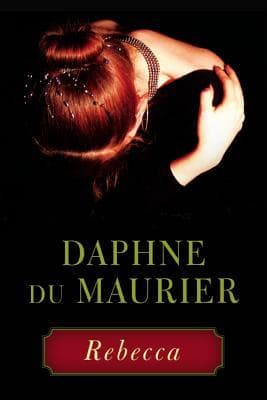
- Rebecca
Daphne du Maurier
4.2 (450k) average on GoodreadsThrillerBoth novels utilize a strong sense of place (the dovecote/studio vs. Manderley) to reflect psychological states and externalize internal conflicts. However, Deshane's primary focus is on romantic development and resolution, while du Maurier leans more heavily into psychological thriller elements and an underlying sense of dread.
- The Hunger Games
Suzanne Collins
4.3 (6.4M) average on GoodreadsFantasyIn a future where children fight to the death on live television, Katniss Everdeen volunteers for the arena, turning a death sentence into a fight for survival and a spark of rebellion.
- The Great Gatsby
F. Scott Fitzgerald
3.9 (3.8M) average on GoodreadsHistorical FictionIn the opulent Roaring Twenties, a mysterious millionaire's lavish parties hide his desperate, tragic pursuit of a lost love, exposing the emptiness within the American Dream.





Enjoyed the summary?
A summary gives you the shape of the book. The book itself has the detail, the examples and the voice.
Find The Dove Keeper on AmazonAs an Amazon Associate, BookBrief earns from qualifying purchases. How we're funded