

Synopsis
Covers the whole plot, including the ending.
- Difficulty
- Medium
- Pacing
- Moderate
- Mood
- Gritty, Suspenseful, Investigative, Dark
- Read it if
- You enjoy complex police procedurals with a seasoned, morally driven detective, intricate mysteries, and political intrigue.
- Skip it if
- You prefer lighthearted reads or are not interested in detailed crime investigations and police politics.
The Drop Plot Summary
Covers the whole plot, including the ending.
The Cold Case DNA Match
Detective Harry Bosch, facing mandatory retirement from the LAPD's Open-Unsolved Unit, receives a new cold case. DNA from the 1989 rape and murder of sixteen-year-old Lily Price matches twenty-nine-year-old Clayton Pell, a convicted rapist already in prison. The age difference – Pell would have been eight at the time – immediately concerns Bosch and his partner, David Chu. They suspect a possible error in the new Regional Crime Lab, which could affect many cases relying on its DNA. Bosch starts by reviewing the original files and considering a planted sample or a lab mistake.
The Chateau Marmont Jump
At the same time, Bosch and Chu are called to the Chateau Marmont after George Irving, son of powerful City Councilman Irvin Irving, falls to his death from a fifth-floor window. Initial reports suggest suicide, but the situation seems suspicious. Irvin Irving, Bosch's long-time rival and former LAPD Chief, specifically asks Bosch to handle the investigation, a surprising move given their past. This assignment immediately puts Bosch under political pressure, as any finding other than suicide could greatly affect the councilman and the police department. Bosch begins by examining the scene and interviewing witnesses, including George Irving's girlfriend.
Lab Errors and Suspect Interrogation
Bosch and Chu investigate the Regional Crime Lab's procedures, questioning technicians and supervisors about the Lily Price DNA match. They find that the lab's new automated system, while efficient, might have a problem with sample handling and identification. Meanwhile, Bosch interviews Clayton Pell in prison. Pell strongly denies involvement in Lily Price's murder, claiming innocence and confusion about the DNA match. His alibi for 1989 is vague, but his genuine surprise about the DNA convinces Bosch that Pell might not be the killer, making the lab's findings even more mysterious.
George Irving's Hidden Life
Bosch's investigation into George Irving's death reveals a more complex situation. George, a seemingly successful architect, had large gambling debts and was involved in questionable real estate deals. He was also secretly gay, a fact he hid from his conservative father. Bosch learns that George had a secret relationship with a man named David St. Croix. These discoveries suggest George's death may not have been a simple suicide, introducing motives for foul play and raising questions about who might have wanted him dead or pushed him to a desperate act.
The Real Killer's Signature
As Bosch re-examines the Lily Price cold case, he notices similarities between her murder and other unsolved cases from the late 1980s and early 1990s. The victims were young women, often found in isolated areas, with specific ligature marks and signs of prolonged torture. This pattern suggests a serial killer, called 'The Dollmaker' by detectives, who has operated unnoticed in Los Angeles for decades. This discovery means the DNA match to Clayton Pell is either a major error or a deliberate misdirection, and the real killer is still at large, having claimed many victims over the years.
Confronting Irvin Irving
Bosch confronts Councilman Irvin Irving with the difficult truths about George's life, including his gambling debts, his involvement with shady figures, and his homosexuality. Irvin Irving, at first defensive, must face the reality of his son's hidden life. The councilman's grief and anger are clear, but Bosch pushes him for any information that might explain George's death. This tough conversation highlights the long-standing tension between the two men, but also a fragile, unspoken understanding as they both deal with loss and the search for truth.
The Dollmaker's Identity
Following the trail of 'The Dollmaker,' Bosch and Chu cross-reference various cold cases and carefully review evidence. They focus on geographic patterns and witness statements from past decades. Their investigation eventually leads them to a former LAPD evidence technician, Dr. Arlen Griggs, who had access to the original evidence for Lily Price and other victims. Griggs, a seemingly ordinary person, held a dark secret and had tampered with evidence to frame Clayton Pell, while continuing his horrific crimes for years. Bosch realizes the depth of the betrayal within the department.
The Political Cover-Up
The investigation into George Irving's death uncovers a deeper political conspiracy. Bosch discovers that George was involved in a land development deal with powerful individuals, including a prominent developer and a corrupt city official. George had found evidence of their illegal activities and planned to expose them. His 'suicide' was staged to silence him and prevent a scandal. Bosch realizes that Irvin Irving's request for him to handle the case was a calculated move, possibly to ensure a cover-up or, conversely, to ensure the truth, knowing Bosch's honesty.
The Confrontation and Resolution
Bosch sets up a tense confrontation with Dr. Arlen Griggs, presenting him with strong evidence linking him to the Dollmaker murders and the framing of Clayton Pell. Griggs, trapped, eventually confesses his crimes. At the same time, Bosch carefully builds a case against the corrupt individuals responsible for George Irving's death, exposing their scheme. He brings justice to both victims, navigating the difficult world of police internal politics and civic corruption. The resolutions of both cases, though separate, are connected by Bosch's determined search for truth and justice, no matter the personal or political cost.
Aftermath and Reflection
With both cases closed, Bosch thinks about justice, the flaws in the system, and his upcoming retirement. Clayton Pell is cleared, and the real killer, Arlen Griggs, faces justice. The corrupt figures involved in George Irving's death face legal consequences, though the full extent of their punishment is uncertain. Irvin Irving, devastated by his son's death, shows a grudging respect for Bosch's dedication. Harry Bosch, though tired, feels a sense of accomplishment, knowing he has served justice one last time before his forced departure from the LAPD, considering what comes next.
The Drop Characters
Harry Bosch
Protagonist
A relentless LAPD homicide detective facing forced retirement.
Harry Bosch is a veteran detective in the LAPD's Open-Unsolved Unit, known for his unwavering commitment to justice, even if it means clashing with authority. Haunted by his past and driven by a deep empathy for victims, he adheres to a personal code: 'Everybody counts or nobody counts.' He is meticulous, intuitive, and often solitary, preferring to work outside the bureaucratic confines. His nearing mandatory retirement fuels a fierce desire to solve every case he can before his time runs out.
Relationships: David Chu (Partner and trusted colleague); Irvin Irving (Long-standing nemesis and political adversary); Clayton Pell (Suspect in one case, later a victim of a frame-up)
David Chu
Supporting
Bosch's younger, tech-savvy partner in the Open-Unsolved Unit.
David Chu is Harry Bosch's partner, a younger detective who brings a modern sensibility and technological expertise to their investigations. While initially more deferential to procedure, he learns to appreciate Bosch's unconventional methods and deep intuition. Chu acts as a foil to Bosch's jaded worldview, offering a fresh perspective and often handling the more technical aspects of their cases, such as crime lab liaison and database searches. He is loyal and reliable, developing a strong professional bond with Bosch.
Relationships: Harry Bosch (Partner and mentor)
Irvin Irving
Antagonist/Supporting
A powerful City Councilman and Bosch's former LAPD Chief and long-time adversary.
Irvin Irving is a formidable political figure, a former LAPD Chief, and a man who has consistently been a thorn in Bosch's side. He is shrewd, ambitious, and deeply ingrained in the political machinations of Los Angeles. Despite his adversarial relationship with Bosch, he possesses a complex sense of duty, especially when his own son is involved. His request for Bosch to investigate George's death is a testament to his understanding of Bosch's integrity, even if it serves his own political interests.
Relationships: Harry Bosch (Long-standing adversary and political rival); George Irving (His deceased son)
George Irving
Mentioned
The deceased son of Irvin Irving, whose death triggers a political investigation.
George Irving is the catalyst for one of Bosch's two main cases. An architect by profession, he appears to have led a respectable life, but his death reveals a hidden world of gambling debts, illicit real estate dealings, and a secret homosexual relationship. His life was one of carefully constructed facades, designed to protect his image and avoid disappointing his powerful father. His secrets become crucial clues in Bosch's investigation into whether his death was suicide or murder.
Relationships: Irvin Irving (His father); David St. Croix (His secret lover)
Clayton Pell
Supporting
A convicted rapist whose DNA is controversially linked to a cold case.
Clayton Pell is a twenty-nine-year-old convicted rapist currently serving time. His DNA is a shocking match to the 1989 murder of Lily Price, a crime committed when he would have been only eight years old. Pell maintains his innocence regarding the Price murder, expressing genuine confusion and fear about the DNA evidence. He becomes a central figure in the cold case, as Bosch investigates the veracity of the DNA match and the possibility of a frame-up. His predicament highlights the fragility of justice when technology can be manipulated.
Relationships: Harry Bosch (Investigator of his DNA match and eventual advocate for his innocence)
Dr. Arlen Griggs
Antagonist
A former LAPD evidence technician and the true 'Dollmaker' serial killer.
Dr. Arlen Griggs is the unassuming, chilling antagonist behind 'The Dollmaker' serial murders. A former LAPD evidence technician, he used his access and knowledge of police procedures to commit heinous crimes over decades, meticulously covering his tracks and even planting evidence to frame others, like Clayton Pell. He embodies a profound betrayal of public trust and the justice system, operating under the radar while contributing to the very system meant to catch him. His careful planning and ability to evade capture for so long make him a formidable adversary.
Relationships: Harry Bosch (His ultimate pursuer and captor)
Lily Price
Mentioned
The victim of the 1989 cold case murder.
Lily Price is the sixteen-year-old victim whose 1989 rape and murder forms the core of one of Bosch's cold cases. Her brutal death, initially unsolved, is brought back into focus by a controversial DNA match. Her story represents the countless victims whose cases linger for years, and whose families desperately seek justice. Her murder's details, particularly the specific ligature marks, become critical in identifying 'The Dollmaker' and linking him to other unsolved cases.
David St. Croix
Supporting
George Irving's secret lover.
David St. Croix is George Irving's secret lover, a man who shared a hidden life with George away from his public persona and his father's scrutiny. He provides Bosch with crucial insights into George's emotional state, his financial troubles, and the pressures he was under. St. Croix's testimony helps Bosch piece together the complex tapestry of George's life and the potential motives for his death, offering a perspective that the official investigation might otherwise miss due to the carefully constructed facade George maintained.
Relationships: George Irving (His secret lover)
The Drop Themes
Justice vs. The System
This theme explores the conflict between Harry Bosch's personal code of justice ('Everybody counts or nobody counts') and the often-flawed, bureaucratic, and politically influenced justice system. Bosch constantly fights internal politics, department cover-ups, and evidence limitations. The DNA lab's potential error and the political maneuvering around George Irving's death show how institutional failures or corruption can block true justice. Bosch fights not just for victims, but against the system he serves. He seeks truth even when it is inconvenient for those in power, as seen in his relentless pursuit of Lily Price's real killer, despite the DNA match to Clayton Pell, and his uncovering of the conspiracy behind George Irving's 'suicide.'
“Everybody counts or nobody counts.”
The Weight of the Past
The novel strongly emphasizes how past actions, both personal and institutional, continue to affect the present. The cold case of Lily Price, unsolved for over two decades, is a direct example. Similarly, the long-standing animosity between Bosch and Irvin Irving, rooted in their shared history within the LAPD, shapes their interactions and the George Irving investigation. The discovery of 'The Dollmaker,' a serial killer operating for decades, highlights how past crimes can remain hidden. Bosch's impending retirement also makes him confront his past career and legacy, driving his urgency to solve cases.
“The past is a monster. It can eat you alive if you let it.”
Truth and Deception
This theme is central to both of Bosch's investigations. In the Lily Price case, the initial DNA match to Clayton Pell is a deception, either accidental or deliberate, hiding the real killer. In the George Irving case, George himself lived a life of deception, hiding his gambling debts, his real estate dealings, and his sexual orientation from his father and the public. The 'suicide' is also a deception, a cover-up for murder. Bosch's role is to remove these layers of falsehoods and reveal the difficult truths, often at great personal and professional risk, showing how hard but important it is to find what is real.
“The truth was a slippery thing, always just out of reach, always hiding behind a lie.”
Legacy and Retirement
As Bosch faces mandatory retirement, the theme of legacy becomes important. He is very aware of the ticking clock, which increases his drive to solve cases and leave a lasting mark. He wants to ensure justice is served for as many victims as possible before he is forced out. This pressure influences his decisions and his relentless search for the truth, especially in the cold case of Lily Price and the politically charged death of George Irving. His final cases show his career-long dedication, and he considers what his life will be like without his badge.
“Three years. That's all he had left. Three years to do what he was born to do.”
Plot Devices & Literary Techniques
The Cold Case DNA Match
A seemingly definitive piece of evidence that is later revealed to be misleading.
This device serves as the initial hook for one of the main plots. The DNA match to Clayton Pell, an eight-year-old at the time of the murder, immediately introduces a compelling paradox. It acts as a red herring, forcing Bosch to question the reliability of forensic science and the integrity of the crime lab, ultimately leading him to uncover a deeper, more sinister truth about the actual killer and a deliberate frame-up. It highlights the potential for technology to be misused or misinterpreted, driving the investigation into the past.
The Unreliable Narrator (Implicit)
Information presented as fact by official sources is later revealed to be false or manipulated.
While not a traditional unreliable narrator in terms of a character's perspective, this device manifests through the unreliable nature of official reports and evidence. The initial police assessment of George Irving's death as a suicide, and the crime lab's initial DNA findings, are presented as institutional truths that Bosch must dismantle. This forces the reader, alongside Bosch, to question what is presented as fact, creating suspense and emphasizing Bosch's role as a truth-seeker who digs beneath surface appearances and official narratives.
The Personal Connection
The case involves a figure from the protagonist's past, complicating the investigation.
The direct involvement of Irvin Irving, Bosch's long-standing nemesis, in the George Irving death investigation is a key plot device. This personal connection immediately injects political tension and emotional complexity into the case. It forces Bosch to navigate not just the facts of the crime, but also his fraught history with Irving, adding a layer of personal challenge and moral dilemma to his professional duties. Irving's complex motivations for selecting Bosch further deepen the intrigue, making the investigation more than just a search for facts.
The Ticking Clock
The protagonist is under a strict time limit, adding urgency to the narrative.
Harry Bosch's impending mandatory retirement in three years serves as a constant ticking clock throughout the novel. This deadline intensifies his drive and sense of urgency to solve cases, particularly the complex and politically charged ones he's assigned. It underscores his desire to leave a legacy and ensure justice before his career ends, adding a layer of personal stakes to every decision he makes and every lead he pursues. The time limit forces him to be even more relentless and efficient.
The Drop Quotes
“Everybody counts or nobody counts. That's the American ideal.”
“The past is a monster. And it will always find you.”
“There are no coincidences in murder. Only connections.”
“The dead don't talk, but they leave signs.”
“Every victim deserves a voice.”
“The truth is a slippery thing, especially when people don't want to hear it.”
“He knew the drill. The slow, methodical chipping away at the walls people put up.”
“Sometimes the biggest monsters are the ones who wear the best suits.”
“Old cases never really die, they just go dormant.”
“He lived in the gray, where the rules were bent but never broken, not really.”
“Fear was a constant companion in his line of work, but he never let it lead.”
“The city was a beast, always hungry, always taking.”
“He was a man who understood the geometry of sorrow.”
“You can't save everyone, but you can try to save one.”
Quiz
10 questions on the plot and the characters. Each answer comes with a short explanation.
Question 1
What is the primary reason Harry Bosch is fiercely pursuing cases at the beginning of the book?
- He is trying to get a promotion.
- He has been given three years before he must retire from the LAPD.
- He needs to solve a high-profile case to clear his name.
- His partner is about to retire and he wants to solve cases with him.
Show answer
B. He has been given three years before he must retire from the LAPD. The book states that Bosch has been given three years before he must retire, which fuels his desire to work cases fiercely.
Question 2
What is the initial concern regarding the DNA match in the 1989 rape and murder case?
- The DNA sample was too degraded to be reliable.
- The suspect was only eight years old at the time of the original crime.
- The victim was related to the suspect.
- The DNA matched an officer from the LAPD.
Show answer
B. The suspect was only eight years old at the time of the original crime. The DNA from a 1989 case matches a 29-year-old, raising the question of whether he was an eight-year-old killer, or if the lab made an error.
Question 3
Who is Irvin Irving to Harry Bosch?
- His long-time partner.
- A former mentor.
- His long-time nemesis.
- The police chief.
Show answer
C. His long-time nemesis. The summary explicitly states that Irvin Irving is Bosch's 'longtime nemesis'.
Question 4
Where did Councilman Irvin Irving's son's death occur?
- His home in Beverly Hills.
- The Chateau Marmont.
- A downtown office building.
- The LAPD headquarters.
Show answer
B. The Chateau Marmont. Bosch and his partner are called to the Chateau Marmont where Irving's son either jumped or was pushed from a window.
Question 5
What is the potential broader consequence if something went wrong in the new Regional Crime Lab regarding the DNA case?
- The lab would be shut down permanently.
- All of the lab's DNA cases currently in court could be compromised.
- The LAPD would lose all its funding.
- Harry Bosch would be forced to retire immediately.
Show answer
B. All of the lab's DNA cases currently in court could be compromised. The summary notes that if something went wrong in the lab, it 'could compromise all of the lab's DNA cases currently in court'.
Question 6
What kind of political situation surrounds the investigation into Irving's son's death?
- It is a straightforward case with no political implications.
- It is fraught with internal politics due to Irving's position and history with Bosch.
- The mayor has taken personal control of the investigation.
- It is being handled by an outside agency to avoid conflicts of interest.
Show answer
B. It is fraught with internal politics due to Irving's position and history with Bosch. The text states the death scene is 'fraught with internal politics', especially since Irving, Bosch's nemesis, demanded Harry handle it.
Question 7
What is one of the chilling discoveries Bosch makes while pursuing both cases?
- That his partner is secretly working against him.
- A killer operating unknown in the city for as many as three decades.
- Evidence that his own career was built on false pretenses.
- A foreign intelligence plot to destabilize the city.
Show answer
B. A killer operating unknown in the city for as many as three decades. One of Bosch's chilling discoveries is 'a killer operating unknown in the city for as many as three decades'.
Question 8
What is the second major chilling discovery Bosch makes?
- That the police department is under federal investigation.
- A political conspiracy that goes back into the dark history of the police department.
- That Irvin Irving's son was a secret informant.
- Evidence of widespread corruption in the city council.
Show answer
B. A political conspiracy that goes back into the dark history of the police department. The summary lists the second chilling discovery as 'a political conspiracy that goes back into the dark history of the police department'.
Question 9
Why is the possibility of an error in the new Regional Crime Lab particularly problematic?
- It would mean the lab's funding would be immediately cut.
- It could compromise all DNA cases currently in court, implying a systemic failure.
- It would lead to the immediate release of all convicted felons.
- It would force Harry Bosch to personally re-examine every past DNA case.
Show answer
B. It could compromise all DNA cases currently in court, implying a systemic failure. The core problem with a lab error is the potential to 'compromise all of the lab's DNA cases currently in court', indicating a significant and widespread issue.
Question 10
What is the overarching theme suggested by Bosch's two major discoveries?
- The triumph of justice in all circumstances.
- The persistent presence of hidden darkness and corruption within the city and its institutions.
- The ease with which old cases can be solved with new technology.
- The importance of inter-departmental cooperation in law enforcement.
Show answer
B. The persistent presence of hidden darkness and corruption within the city and its institutions. Discoveries of a decades-long killer and a deep-seated political conspiracy within the police department strongly suggest a theme of persistent, hidden darkness and corruption.
The Drop FAQ
What are the two primary cases Harry Bosch is assigned at the beginning of 'The Drop'?
Harry Bosch is assigned two major cases: a cold case from 1989 where DNA evidence points to a 29-year-old convicted rapist, raising questions about the new Regional Crime Lab's accuracy, and the suspicious death of Councilman Irvin Irving's son, George Irving, who either jumped or was pushed from a window at the Chateau Marmont.
What is the central dilemma surrounding the 1989 cold case with the DNA evidence?
The central dilemma is that DNA from a 1989 rape and murder matches a 29-year-old convicted rapist, Samuel Delacroix. This implies he would have been only eight years old at the time of the original crime, leading Bosch to investigate whether the new Regional Crime Lab made a critical error or if there's a more sinister explanation.
Why does Irvin Irving specifically request Harry Bosch to investigate his son's death, despite their adversarial history?
Irvin Irving, despite being Bosch's longtime nemesis, requests Harry because he trusts Bosch's integrity and relentless pursuit of the truth, even if it uncovers uncomfortable facts. Irving believes Bosch is the only one who won't be swayed by political pressure or internal departmental agendas.
What is Harry Bosch's professional situation at the start of the book, and how does it influence his approach to these cases?
Bosch is nearing mandatory retirement from the LAPD, with only three years left. This impending deadline makes him more fiercely determined than ever to solve cases, driving him to push boundaries and pursue every lead with an intensity fueled by the knowledge his time is running out.
What significant discovery does Bosch make regarding the 1989 cold case victim, Martha Gessler?
Bosch discovers that Martha Gessler, the 1989 victim, was not just a random target but had a connection to a specific abortion clinic and a network of individuals involved in anti-abortion activism. This connection suggests a motive beyond a random sexual assault, hinting at a more organized conspiracy.
How does the 'drop' in the title relate to both cases Bosch is investigating?
The 'drop' refers to both the physical act of George Irving falling or being pushed from the Chateau Marmont window, and metaphorically to the drop in the integrity of the DNA evidence, or the dropping of the ball by the police department in past investigations, leading to a killer operating for decades.
What is the crucial role of the Regional Crime Lab in the 1989 case, and what are the implications of its potential error?
The Regional Crime Lab's DNA analysis is crucial because it links Samuel Delacroix to the 1989 murder. If the lab made an error, it could compromise the validity of all other DNA cases currently in court, leading to a massive legal and public relations crisis for the LAPD and the justice system.
Who is the 'killer operating unknown in the city for as many as three decades' that Bosch uncovers?
Bosch uncovers Julian Ciotti, a former LAPD officer turned private investigator, as the long-undetected killer. Ciotti was responsible for the 1989 murder of Martha Gessler and potentially other related crimes, having manipulated evidence and operated under the radar due to his connections and knowledge of police procedures.
What is the political conspiracy Bosch uncovers that goes back into the dark history of the police department?
Bosch uncovers a conspiracy involving former and current LAPD officers who were part of an extreme anti-abortion group. This group was responsible for orchestrating attacks and murders related to abortion clinics, and their actions were covered up or ignored by elements within the department, extending the conspiracy for decades.
How does Bosch's relationship with Irvin Irving evolve throughout the investigation of George Irving's death?
Despite their long-standing animosity, Bosch and Irving develop a grudging respect during the investigation. Irving's grief and his trust in Bosch force them to work together, revealing a shared commitment to justice, even if it means confronting uncomfortable truths about their own pasts and the department.
How does Bosch's impending retirement affect his psychological state and decision-making in 'The Drop'?
Bosch's impending retirement intensifies his drive for justice, making him more willing to take risks and challenge authority. He feels a sense of urgency to make his remaining time count, leading him to dig deeper and confront powerful figures, unburdened by concerns for his career longevity.
What psychological impact does discovering the true nature of the 'cold case' killer have on Bosch?
Discovering that Julian Ciotti, a former officer, is the killer, and that the conspiracy involves elements within the LAPD, deeply affects Bosch. It reinforces his cynical view of institutional corruption and the betrayal of public trust, solidifying his resolve to hold the powerful accountable, regardless of their badges.
How does the theme of 'justice delayed' manifest in both of Bosch's investigations?
In the 1989 case, justice for Martha Gessler was delayed for decades due to a cover-up and an undetected killer. In George Irving's case, the political machinations and the attempt to frame his death as a suicide are efforts to delay or deny true justice, which Bosch vehemently fights against.
What is the significance of the Chateau Marmont as the setting for George Irving's death?
The Chateau Marmont is a legendary Hollywood landmark, known for its secretive nature and celebrity scandals. Its choice as the death scene adds a layer of glamour and intrigue, contrasting with the dark political conspiracy, and highlighting the hidden lives of powerful individuals.
How does the novel explore the concept of police accountability and corruption?
The novel deeply explores police accountability by exposing a decades-long conspiracy within the LAPD, where officers either participated in or covered up criminal acts related to anti-abortion extremism. It questions the integrity of the institution and highlights the internal struggle Bosch faces against corruption in his own ranks.
What role does Bosch's partner, David Chu, play in the investigations?
David Chu serves as Bosch's dedicated partner, providing support, legwork, and a different perspective. While often following Bosch's lead, Chu's presence grounds Bosch and offers a sounding board, especially when Bosch delves into the more politically sensitive and dangerous aspects of the cases.
How does the investigation into George Irving's death connect to the wider political landscape of Los Angeles?
George Irving's death, initially appearing as a personal tragedy, quickly escalates into a political hot potato due to his father's prominent councilman status. The investigation uncovers layers of political maneuvering, power struggles, and attempts to manipulate the narrative to protect powerful figures and their careers.
What is the ultimate resolution regarding the validity of the Regional Crime Lab's DNA evidence in the 1989 case?
The DNA evidence from the Regional Crime Lab is ultimately validated, but the initial misinterpretation regarding Samuel Delacroix's age is clarified. It is revealed that the DNA belonged to the actual killer, Julian Ciotti, who had manipulated the scene, and Delacroix's sample was a red herring, cleverly planted or misinterpreted, but the lab's core accuracy was upheld.
About the author

Michael Connelly is an American author known for his crime fiction novels. His notable works include The Lincoln Lawyer, The Black Echo, The Poet, The Gods of Guilt, The Black Ice, and The Brass Verdict, which often feature complex characters and intricate plots. Connelly's writing frequently explores themes of justice and morality within the legal system.
Similar books
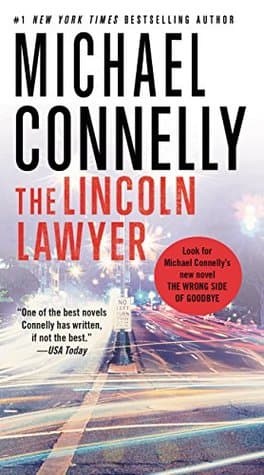
- The Lincoln Lawyer
Michael Connelly
4.2 (193k) average on GoodreadsThrillerFeatures another compelling Connelly protagonist and legal/crime themes.
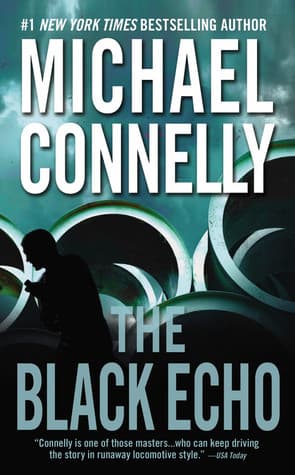
- The Black Echo
Michael Connelly
4.1 (155k) average on GoodreadsThrillerAn earlier Harry Bosch novel, offering more of his classic investigative style.
- Dark Sacred Night
Michael Connelly
4.1 (43k) average on GoodreadsThrillerLater Harry Bosch novel, continuing his character development and complex cases.
- The Likeness
Tana French
4.0 (126k) average on GoodreadsThrillerWhile both are crime novels, French's 'The Likeness' prioritizes psychological depth, atmospheric tension, and character introspection over the detailed procedural aspects that Connelly excels at in 'The Drop'. French's focus is on identity and deception within a closed community, whereas Connelly's is on forensic evidence and methodical police work.
- Knots and Crosses
Ian Rankin
3.8 (42k) average on GoodreadsThrillerRankin's Rebus novels, including 'Knots and Crosses,' often delve into the darker aspects of society, police corruption, and the personal struggles of the detective with a grittier, more socially critical lens. 'The Drop' by Connelly, while featuring political intrigue, maintains a more focused procedural narrative, emphasizing Bosch's individual pursuit of justice rather than a broader societal critique of the justice system.
- Angels & Demons
Dan Brown
3.9 (2.7M) average on GoodreadsThrillerA Harvard symbologist races through Rome's ancient sites, deciphering cryptic clues to unmask the Illuminati and stop a vengeful plot to destroy the Vatican with a stolen antimatter weapon.



Enjoyed the summary?
A summary gives you the shape of the book. The book itself has the detail, the examples and the voice.
Find The Drop on AmazonAs an Amazon Associate, BookBrief earns from qualifying purchases. How we're funded