

Synopsis
Covers the whole plot, including the ending.
- Difficulty
- Easy
- Pacing
- Slow
- Mood
- Atmospheric, Heartwarming, Reflective, Charming
- Read it if
- You enjoy gentle, character-driven stories about personal transformation, the redemptive power of nature, and the charm of historical settings.
- Skip it if
- You prefer fast-paced plots, high stakes, or stories with significant conflict and drama.
The Enchanted April Plot Summary
Covers the whole plot, including the ending.
The Advertisement and Initial Stirrings
In a dreary, rainy London, Mrs. Lotty Wilkins, feeling neglected by her solicitor husband Mellersh, sees an advertisement in the Times for a small medieval Italian castle to let for April. She immediately yearns for escape. Coincidentally, Mrs. Rose Arbuthnot, a devout but equally unhappy woman married to the popular novelist Frederick Arbuthnot, also sees the ad and is drawn to the idea of a spiritual retreat. Despite their vastly different personalities and never having met, Lotty, driven by an impulsive optimism, approaches Rose in a tea shop and proposes they share the cost and the holiday. Rose, initially hesitant due to Lotty's enthusiasm, eventually agrees, seeing it as a chance for solitude and reflection away from her husband's admirers.
Seeking More Companions
After securing the castle, San Salvatore, Lotty and Rose realize they cannot afford the full rent on their own. Lotty, ever practical, suggests finding two more women to share the expenses. They place their own advertisement, attracting two very different applicants. The first is Mrs. Caroline Dester, a beautiful and much-admired young socialite, who is exhausted by the constant attention and flattery from men. She seeks refuge from society's demands and the relentless pursuit of suitors. The second is the elderly Mrs. Fisher, a grand dame of Victorian society who still clings to the memory of literary giants she once knew, and who sees the trip as a chance to escape her dull family and find some peace.
Arrival at San Salvatore
The four women, Lotty Wilkins, Rose Arbuthnot, Caroline Dester, and Mrs. Fisher, arrive at San Salvatore, a medieval castle nestled on a hillside overlooking the Bay of Portofino. The villa is covered in fragrant wisteria and bathed in Italian sunshine, a stark contrast to the grey London they left behind. Almost immediately, the enchanting atmosphere begins to work its magic. Lotty is the first to shed her inhibitions, embracing the beauty and warmth with childlike joy. Rose, though still reserved, feels a tentative stirring of peace. Caroline, initially wary, starts to relax, and even Mrs. Fisher, despite her initial complaints about the lack of modern conveniences, finds herself subtly affected by the pervasive sense of beauty and tranquility.
Initial Tensions and Personalities Clashing
Despite the idyllic setting, the women's distinct personalities initially lead to some friction. Mrs. Fisher, with her aristocratic airs and constant allusions to her esteemed literary past, often criticizes the others and demands deference. Caroline Dester, while outwardly composed, maintains a cool distance, wary of forming attachments. Lotty's enthusiastic, almost childlike nature can be overwhelming for Rose, who prefers quiet contemplation. Rose, in turn, finds Lotty's lack of spiritual depth somewhat trying. However, the sheer beauty and peacefulness of San Salvatore gradually begin to soften these edges, encouraging a tentative camaraderie as they share meals and explore the grounds, though true intimacy is still elusive.
The Softening Influence of Italy
As the days pass, the Italian sun, the flowers, and the tranquil atmosphere of San Salvatore change the women. Lotty blossoms entirely, her natural joy and kindness becoming infectious. Rose finds solace in the garden, her rigid piety slowly giving way to a more natural, less guilt-ridden happiness. Caroline, initially guarded, finds herself shedding the burden of her beauty and the constant male attention, reveling in the freedom of being herself. Even Mrs. Fisher, though she continues to grumble, finds herself less inclined to criticize and more open to the simple pleasures of her surroundings, her sharp edges slowly softening under the pervasive enchantment.
Unexpected Visitors and Old Ties
Driven by her newfound happiness and a desire to share it, Lotty Wilkins, without consulting the others, sends an impulsive telegram to her husband, Mellersh, inviting him to San Salvatore. Surprisingly, he accepts. Shortly after, Rose Arbuthnot, feeling a surprising pang of longing and a desire to rekindle her connection with her husband, Frederick, also invites him to join them. The arrival of the men threatens to disrupt the peaceful, women-only sanctuary the castle has become. The women, especially Caroline and Mrs. Fisher, are apprehensive about the intrusion of the male world, fearing it will shatter the fragile peace they have cultivated.
The Men Arrive
Mellersh Wilkins, Lotty's dull and somewhat pompous husband, and Frederick Arbuthnot, Rose's charming but emotionally distant novelist husband, arrive at San Salvatore. Their presence immediately creates tension. Mellersh is critical and business-minded, initially unimpressed by the castle's rustic charm, while Frederick, though outwardly agreeable, seems more interested in the beautiful Caroline Dester than his own wife. The men bring with them the very societal constraints and personal frustrations the women had sought to escape. The women, having shed many of their inhibitions, find themselves momentarily falling back into old roles, unsure how to integrate their 'new selves' with their old lives.
The Men's Transformation
Just as the women had, Mellersh and Frederick gradually succumb to the atmosphere of San Salvatore. Mellersh, initially annoyed by the lack of modern comforts, finds himself relaxing, his stiff demeanor softening as he witnesses Lotty's happiness. Frederick, who had been pursuing Caroline with polite but persistent attention, is gently rebuffed by her and, more importantly, is struck by Rose's newfound inner glow and quiet confidence. He begins to see his wife anew, appreciating her depth and beauty that he had long overlooked. The men, too, shed their societal masks and expectations, becoming more open and authentic versions of themselves, mirroring the women's transformations.
Love Rekindled and New Beginnings
The transformations at San Salvatore lead to significant personal and relational breakthroughs. Lotty and Mellersh rediscover their affection for each other, with Mellersh finally seeing and appreciating Lotty's unique spirit. Rose and Frederick experience a reconciliation; Frederick apologizes for his neglect, and Rose, having found her own inner peace, is able to forgive him and rekindle their love with renewed passion. Caroline, having found respite from male attention, meets Mr. Briggs, the owner of San Salvatore, who visits towards the end of their stay. She finds him genuinely kind and unassuming, a refreshing change from her usual suitors, suggesting a potential new, unburdened connection.
Mrs. Fisher's Acceptance and Departure
Even Mrs. Fisher, who had initially resisted the changes, finds herself softened by the end of the month. She observes the rekindled loves and newfound joys around her, and though she maintains her dignified air, she is no longer as critical or isolated. She even offers a rare compliment, acknowledging the impact the place and the company have had. As the month draws to a close, the four women, now deeply bonded and changed, prepare to leave San Salvatore. They depart with a renewed sense of self, revitalized relationships, and the lasting memory of their enchanted April, carrying the warmth and beauty of Italy back into their lives.
The Enchanted April Characters
Mrs. Lotty Wilkins
Protagonist
A timid, unhappily married woman who finds her true, joyful self in Italy.
Lotty is initially presented as a meek, downtrodden woman, neglected by her husband Mellersh and living a dull existence. She possesses a childlike innocence and an impulsive, optimistic spirit that is stifled by her circumstances. She longs for beauty and happiness. In Italy, she sheds her timidity, becoming effervescent, kind, and observant, acting as a catalyst for others' transformations. Her simple joy and ability to see the best in people are her defining traits.
Relationships: Mellersh Wilkins (Husband; initially neglected by him, later rekindles their love.); Mrs. Rose Arbuthnot (Friend; initially finds Lotty overwhelming, later values her warmth.); Mrs. Caroline Dester (Acquaintance; Lotty is kind and open towards her.); Mrs. Fisher (Acquaintance; Lotty tries to befriend her despite her aloofness.)
Mrs. Rose Arbuthnot
Protagonist
A devout, melancholic woman who rediscovers joy and her marriage in Italy.
Rose is a beautiful, religious woman trapped in a loveless marriage to a popular novelist. She is initially depicted as serious, self-sacrificing, and somewhat melancholic, burdened by her piety and her husband's infidelities. She seeks spiritual solace and solitude. In Italy, the oppressive weight of her religion lifts, and she reconnects with her sensuality and capacity for joy, becoming more radiant and confident. She learns to forgive and embrace happiness.
Relationships: Frederick Arbuthnot (Husband; initially estranged, later reconciles deeply.); Mrs. Lotty Wilkins (Friend; initially finds Lotty's effusiveness challenging, later appreciates her.); Mrs. Caroline Dester (Acquaintance; they share a quiet understanding.); Mrs. Fisher (Acquaintance; largely ignores her criticisms.)
Mrs. Caroline Dester
Supporting
A stunningly beautiful socialite seeking refuge from constant male attention.
Caroline is a famously beautiful young woman, weary of the relentless flattery and pursuit of men. She is elegant, poised, and initially aloof, using her reserve as a shield against the world's demands. She longs for peace and to be valued for more than her looks. In Italy, she finds the anonymity and solitude she craves, allowing her to relax, shed her defenses, and enjoy simple pleasures, opening herself to genuine connection rather than superficial admiration.
Relationships: Mrs. Lotty Wilkins (Acquaintance; Caroline finds Lotty's kindness refreshing.); Mrs. Rose Arbuthnot (Acquaintance; they share a quiet companionship.); Mrs. Fisher (Acquaintance; largely ignores her.); Frederick Arbuthnot (Briefly pursued by him, but she gently rebuffs him.); Mr. Briggs (Potential romantic interest; finds his unassuming nature appealing.)
Mrs. Fisher
Supporting
An elderly, aristocratic woman clinging to her past and critical of the present.
Mrs. Fisher is an elderly widow, a relic of Victorian society who prides herself on her connections to famous literary figures of the past. She is initially presented as formidable, critical, and self-important, often complaining about modern life and demanding deference. She uses her cane and her memories as tools of authority. Despite her initial resistance, the beauty of San Salvatore and the kindness of the other women subtly soften her, allowing her to find a measure of peace and even a hint of warmth.
Relationships: Mrs. Lotty Wilkins (Acquaintance; often critical of Lotty's exuberance.); Mrs. Rose Arbuthnot (Acquaintance; she observes Rose with a degree of respect.); Mrs. Caroline Dester (Acquaintance; she finds Caroline's beauty tiresome but respects her aloofness.)
Mr. Mellersh Wilkins
Supporting
Lotty's dull, conventional husband who learns to appreciate her and joy.
Mellersh is a solicitor, initially portrayed as rather stiff, conventional, and preoccupied with practical matters. He is somewhat oblivious to his wife Lotty's emotional needs and takes her for granted. He values order and routine. When he arrives at San Salvatore, he is initially critical of its rustic charm but gradually, under the influence of the Italian setting and Lotty's radiant happiness, he softens. He learns to appreciate beauty, joy, and his wife's unique spirit, leading to a rekindling of their affection.
Relationships: Mrs. Lotty Wilkins (Husband; initially neglects her, later rekindles their love.); Frederick Arbuthnot (Acquaintance; they form a tentative male bond.)
Mr. Frederick Arbuthnot
Supporting
Rose's charming but emotionally detached novelist husband.
Frederick is a popular novelist, known for his romantic books, but ironically, he is emotionally distant from his own wife, Rose. He is charming, handsome, and accustomed to female admiration. He initially pursues Caroline Dester, but is gently rebuffed. His true transformation comes when he witnesses Rose's newfound radiance and inner peace. He realizes his neglect and apologizes, leading to a profound reconciliation and rediscovery of his love for her. He learns to look beyond superficial beauty to deeper connection.
Relationships: Mrs. Rose Arbuthnot (Husband; initially estranged, later deeply reconciles.); Mrs. Caroline Dester (Briefly pursues her, but is gently rejected.); Mr. Mellersh Wilkins (Acquaintance; they form a tentative male bond.)
Mr. Briggs
Mentioned
The unassuming owner of San Salvatore, who offers Caroline a different kind of male attention.
Mr. Briggs is the kind and unassuming owner of San Salvatore. He is briefly introduced when he visits the castle towards the end of the women's stay. He is depicted as a gentle, somewhat shy man who genuinely loves his home and its beauty. His quiet demeanor and lack of pretension are a refreshing contrast to the type of men Caroline Dester usually encounters, suggesting a potential for a more genuine and less burdened connection for her.
Relationships: Mrs. Caroline Dester (Potential romantic interest; his unassuming nature appeals to her.)
The Enchanted April Themes
Transformation and Self-Discovery
The central theme is the personal transformations experienced by the four women (and later, the men) under the influence of the Italian setting. Each character arrives burdened by societal expectations, unhappy marriages, or personal frustrations. Lotty sheds her timidity, Rose finds joy beyond rigid piety, Caroline escapes the burden of her beauty, and Mrs. Fisher softens her critical edges. San Salvatore helps them shed superficial selves and allows their true, happier natures to emerge, exemplified by Lotty's blossoming joy and Rose's radiant peace.
“And the sun was so hot and the air so soft, and the flowers so many and so brilliant, that Lotty, after a few minutes, found herself laughing out loud for no reason whatever.”
The Healing Power of Nature and Beauty
The novel shows how the natural beauty and serene atmosphere of the Italian Riviera, particularly San Salvatore with its wisteria and sunshine, act as a therapeutic force. The environment itself plays a role in the characters' healing. The flowers, the warm sun, the views of the sea, and the rustic charm of the medieval castle contrast with the dreary London lives the women left behind. This immersive beauty allows them to relax, shed their inhibitions, and reconnect with their inner selves, bringing joy and peace where only dissatisfaction existed before. The setting is almost a character in itself.
“It was as if the place were a great, warm, welcoming hand, holding them gently.”
Marital Discontent and Reconciliation
Both Lotty Wilkins and Rose Arbuthnot arrive at San Salvatore deeply unhappy in their marriages, feeling neglected and misunderstood. Lotty's husband Mellersh is dull and oblivious, while Rose's husband Frederick is charming but emotionally distant. The distance from their husbands, coupled with their individual changes, allows them to re-evaluate their relationships and, upon their husbands' arrival, to approach them from a place of renewed self-awareness and strength. The idyllic setting then helps a reconciliation, where the men, too, are affected by the 'enchantment' and learn to see and appreciate their wives anew, leading to revitalized and happier unions.
“She looked at him, and saw a stranger, but a stranger she could love.”
The Search for Authenticity and Freedom
Each woman, in her own way, seeks freedom from the constraints and expectations of her life. Lotty wants to escape her dullness, Rose her rigid piety and unhappy marriage, Caroline the burden of her beauty and constant male attention, and Mrs. Fisher her dull family and the decline of her social standing. San Salvatore offers them a space where they can be their authentic selves, unburdened by societal roles or the need to impress. This freedom allows them to shed their facades, express their true emotions, and find genuine happiness and connection, both with themselves and with others.
“She was free, she was free. The world could not touch her here.”
Plot Devices & Literary Techniques
The Classified Advertisement
The catalyst that brings the disparate women together.
The advertisement for San Salvatore in the London newspaper serves as the initial, crucial plot device. It acts as a beacon of hope and escape for Lotty Wilkins and Rose Arbuthnot, two women who would otherwise never have met. It symbolizes the yearning for change and beauty in their drab lives. Its placement in a mundane newspaper highlights the contrast between their ordinary existence and the extraordinary adventure awaiting them, setting the entire plot in motion by uniting the main characters.
The Setting: San Salvatore
The enchanted Italian castle that acts as a transformative force.
San Salvatore is more than just a location; it is a powerful plot device that actively facilitates the characters' transformations. Its beauty, warmth, wisteria, and isolation create an almost magical atmosphere that strips away inhibitions and encourages self-discovery. The castle's rustic charm, lack of modern conveniences, and stunning natural surroundings force the characters to slow down, appreciate simplicity, and reconnect with nature and themselves. It acts as a catalyst for emotional and spiritual healing, directly influencing character development and plot progression.
Contrasting Personalities
The juxtaposition of diverse characters to highlight individual growth and foster conflict/camaraderie.
The careful selection of four vastly different women – the timid Lotty, the pious Rose, the beautiful Caroline, and the aristocratic Mrs. Fisher – serves as a deliberate plot device. Their contrasting personalities initially create friction and humorous misunderstandings, driving early interactions. However, as the story progresses, these differences highlight each character's individual growth and how they influence each other. The group dynamic allows for varied perspectives on the same experiences and ultimately fosters a sense of unexpected camaraderie and mutual support, demonstrating the power of shared experience in a unique environment.
The Enchanted April Quotes
“When one is in a beautiful place, one ought to be beautiful oneself.”
“And the sun was so bright, and the air so soft, and the flowers so many, and the world so beautiful, that it seemed as though all the ugliness and unhappiness and dreariness of their lives had been a bad dream.”
“For a woman with a mind, the world is a narrow place.”
“It was as if the sun had melted some hard shell which had been encasing her heart.”
“Give us a little beauty in our lives, and we'll give you a lot of love.”
“What she wanted was to be alone, to be herself, to be free.”
“The great thing about the country is that it doesn't try to be clever.”
“She had become a different person, a person who was happy, a person who was alive.”
“The sun made her feel that she could do anything, be anything, have anything.”
“It was a place where one could forget everything that was tiresome and remember everything that was beautiful.”
“One can't be in Italy in April and not feel a little bit in love.”
“She felt as if she had been holding her breath for years and was only now beginning to breathe again.”
“The flowers, the scents, the quiet, the sun – it was all a balm.”
“Happiness, after all, is not a station you arrive at, but a manner of traveling.”
Quiz
10 questions on the plot and the characters. Each answer comes with a short explanation.
Question 1
Which two women initially decide to rent San Salvatore after seeing an advertisement in a London newspaper?
- Mrs. Wilkins and Lady Caroline Dester
- Mrs. Arbuthnot and Mrs. Fisher
- Mrs. Wilkins and Mrs. Arbuthnot
- Lady Caroline Dester and Mrs. Fisher
Show answer
C. Mrs. Wilkins and Mrs. Arbuthnot Lottie Wilkins and Rose Arbuthnot are the first two to meet and agree to rent the Italian castle together, despite hardly knowing each other.
Question 2
What is the primary reason Mrs. Wilkins (Lottie) feels dissatisfied with her life at the beginning of the novel?
- Her husband is too demanding and critical of her.
- She feels overlooked and unappreciated by her husband, who is focused on his club and work.
- She longs for a more active social life and fewer domestic responsibilities.
- She is bored with her routine and wishes to travel the world.
Show answer
B. She feels overlooked and unappreciated by her husband, who is focused on his club and work. Lottie feels neglected by her husband, Mellersh, who is often preoccupied with his club and his work, leading to her quiet desperation.
Question 3
What is Mrs. Arbuthnot's (Rose's) primary occupation or passion before her trip to Italy?
- She is a celebrated author of romance novels.
- She dedicates her time to charitable work, particularly with fallen women.
- She is a talented painter who exhibits her work in London.
- She is a socialite who hosts many parties.
Show answer
B. She dedicates her time to charitable work, particularly with fallen women. Rose Arbuthnot spends much of her time engaged in religious and charitable work, particularly helping 'fallen women', which contributes to her severe and self-sacrificing demeanor.
Question 4
Why does Lady Caroline Dester initially decide to join the group at San Salvatore?
- She is seeking a quiet place to write her memoirs.
- She is overwhelmed by the constant attention she receives in society and desires solitude.
- She wants to escape a scandal involving a secret admirer.
- She is hoping to find a wealthy husband in Italy.
Show answer
B. She is overwhelmed by the constant attention she receives in society and desires solitude. Lady Caroline, despite her beauty and social standing, is exhausted by the relentless attention of men and the demands of society, seeking peace and anonymity in Italy.
Question 5
What is the initial dynamic between Mrs. Fisher and the other three women upon her arrival at San Salvatore?
- She immediately bonds with Lottie, finding Rose and Caroline aloof.
- She attempts to assert her authority and often criticizes the others' behavior and choices.
- She is shy and withdrawn, struggling to participate in conversations.
- She tries to mediate disputes and keep harmony among the group.
Show answer
B. She attempts to assert her authority and often criticizes the others' behavior and choices. Mrs. Fisher, a formidable and elderly woman, immediately tries to take charge, often reminiscing about her past literary acquaintances and finding fault with the others, particularly Lottie and Rose.
Question 6
How does the setting of San Salvatore and the Italian landscape primarily affect the women?
- It inspires them to pursue new artistic hobbies like painting and writing.
- It leads to a heightened sense of competition and rivalry among them.
- Its beauty and tranquility gradually soften their dispositions and open them to joy and self-discovery.
- It makes them nostalgic for their lives in England and eager to return home.
Show answer
C. Its beauty and tranquility gradually soften their dispositions and open them to joy and self-discovery. The idyllic setting of Portofino, with its wisteria and sunshine, acts as a catalyst for the women's personal transformations, allowing them to shed their English inhibitions and rediscover their true selves.
Question 7
What is the initial reason Mr. Wilkins (Mellersh) comes to San Salvatore?
- He is on a business trip and decides to surprise Lottie.
- Lottie sends him an urgent telegram asking him to join her.
- He is concerned about Lottie's extravagance and comes to check on her.
- He is invited by Lady Caroline, who has taken a liking to him.
Show answer
C. He is concerned about Lottie's extravagance and comes to check on her. Mellersh, ever conscious of expenses and his wife's perceived improvidence, comes to Portofino largely to keep an eye on Lottie and the money being spent.
Question 8
What is the significant internal change that occurs in Mrs. Arbuthnot (Rose) during her time in Italy?
- She realizes her calling is to become a successful writer.
- She sheds her rigid piety and finds joy in simple pleasures, rediscovering her love for her husband.
- She decides to leave her husband and pursue a new life of independence.
- She develops a deep friendship with Mrs. Fisher, becoming her confidante.
Show answer
B. She sheds her rigid piety and finds joy in simple pleasures, rediscovering her love for her husband. Rose initially believes herself too good for physical affection and is consumed by her religious work. The beauty of Italy helps her to soften, embrace sensuality, and reconnect with her husband, Frederick, on a deeper, more loving level.
Question 9
What role does Mr. Briggs play in the overall narrative and the lives of the women?
- He is the charming Italian landlord who manages San Salvatore.
- He is a potential suitor for Lady Caroline, adding romantic tension.
- He is a local artist who befriends the women and teaches them about Italian culture.
- He is Mrs. Fisher's long-lost nephew, who reunites with her in Italy.
Show answer
B. He is a potential suitor for Lady Caroline, adding romantic tension. Mr. Briggs is the owner of San Salvatore and becomes attracted to Lady Caroline Dester, eventually proposing to her, which forces her to confront her desire for solitude versus companionship.
Question 10
What is the ultimate 'enchantment' or transformation that the novel suggests is complete by the end?
- All four women decide to permanently move to Italy and live together.
- The women not only find personal happiness but also mend and strengthen their relationships with their respective husbands/lovers.
- They all discover hidden talents and embark on new, successful careers.
- They collectively decide to buy San Salvatore and turn it into a women's retreat.
Show answer
B. The women not only find personal happiness but also mend and strengthen their relationships with their respective husbands/lovers. The 'enchantment' is not just the women's individual transformations, but the positive impact this has on their relationships, leading to reconciliation and renewed love with their husbands and prospective partners.
The Enchanted April FAQ
What is the central premise of 'The Enchanted April'?
The novel follows four disparate English women – Mrs. Arbuthnot, Mrs. Wilkins, Lady Caroline Dester, and Mrs. Fisher – who, dissatisfied with their lives, decide to rent a medieval Italian castle in Portofino for a month-long holiday. They hope the escape will offer them respite and a chance to rediscover themselves, away from their dreary London routines and unfulfilling relationships.
Who are the four main women who rent San Salvatore, and what initially motivates them?
The four women are Lottie Wilkins and Rose Arbuthnot, who are unhappy in their marriages and initiate the plan; Lady Caroline Dester, a beautiful but jaded socialite seeking solitude from unwanted male attention; and Mrs. Fisher, an elderly, formidable widow who lives in the past. Their shared motivation is a yearning for escape from their mundane or overwhelming lives in London.
How do the women come to find and rent the Italian castle, San Salvatore?
Lottie Wilkins, feeling particularly downcast, spots a classified advertisement in 'The Times' newspaper for a medieval Italian castle to let for the month of April. She then approaches Rose Arbuthnot, a fellow churchgoer whom she barely knows but senses a similar unhappiness in, to share the cost and the experience.
What role does the setting of Portofino and San Salvatore play in the women's transformations?
The picturesque beauty of Portofino, with its wisteria and sunshine, acts as a catalyst for the women's emotional and spiritual rebirth. The castle's tranquil isolation and natural splendor strip away their social facades and allow them to connect with their true selves, fostering introspection and healing.
Which of the husbands eventually join their wives in Italy, and what impact does this have?
Both Frederick Arbuthnot and Mellersh Wilkins eventually travel to San Salvatore. Their arrival initially causes some tension as the women fear their newfound peace will be disrupted, but the enchanting atmosphere of Portofino subtly works its magic on the men too, leading to reconciliation and rekindled affection with their wives.
What is the significance of the wisteria motif throughout the novel?
The pervasive wisteria, with its fragrant blossoms and climbing nature, symbolizes the burgeoning joy and beauty that unfurls for the women in Portofino. It represents growth, transformation, and the overwhelming sensory experience of the Italian spring, contrasting sharply with the bleak London winter they left behind.
How does Elizabeth von Arnim subtly use Mrs. Fisher's character to comment on societal expectations and aging?
Mrs. Fisher, with her constant references to famous literary figures and her rigid adherence to past social norms, embodies the stifling effect of living in the past and societal expectations. Her gradual softening in Portofino highlights the liberating power of nature and present-moment living, even for the most set-in-their-ways individuals.
Is there a specific moment or observation that marks a turning point in Lady Caroline Dester's character arc?
A significant turning point for Lady Caroline is when she begins to appreciate the simple beauty of her surroundings and the genuine companionship of the other women, rather than solely seeking solitude to escape tiresome admirers. Her willingness to converse and eventually connect with Mr. Briggs also signals her opening up to genuine human connection.
What is the underlying reason for Lottie Wilkins's initial timidity and 'mouse-like' demeanor?
Lottie Wilkins's timidity stems largely from her husband Mellersh's constant criticism and lack of appreciation, which has eroded her self-confidence over the years. His overbearing nature has suppressed her naturally cheerful and optimistic spirit, making her feel small and insignificant.
How does the novel explore the concept of happiness as an internal state, rather than dependent on external circumstances?
While the beautiful setting of Portofino is a catalyst, the women's transformations are ultimately internal. Lottie finds her inner joy, Rose reconnects with her capacity for love, and Lady Caroline sheds her cynicism. The novel suggests that happiness is about rediscovering one's true self and choosing to embrace joy, rather than relying on others or material comforts.
Analyze the psychological impact of the 'solitude' the women initially crave versus the 'companionship' they ultimately find.
Initially, each woman seeks solitude to escape their respective burdens – Lottie from her husband, Rose from her spiritual crisis, Caroline from society, and Mrs. Fisher from the present. However, the shared experience in Portofino, though allowing for individual introspection, gradually fosters unexpected companionship and mutual support. This balance proves more healing than absolute isolation, as they learn to connect authentically.
How does Rose Arbuthnot's religious devotion evolve or change during her time in Italy?
Rose Arbuthnot, initially devout but joyless, finds her faith revitalized and broadened in Portofino. Her rigid, almost punitive Christianity softens into a more expansive, joyful spirituality, deeply connected to nature and human kindness. She realizes that true godliness can be found in beauty, love, and happiness, not just in self-denial.
Is 'The Enchanted April' primarily a romance novel, or does it transcend this genre?
While it contains elements of romance, particularly in the reconciliation of the married couples, 'The Enchanted April' transcends being a typical romance novel. It is more deeply a story about self-discovery, female friendship, and the transformative power of nature and beauty. The rekindled romances are a consequence of the women's individual growth, not the sole focus.
What is the novel's stance on the institution of marriage, as depicted through the two main couples?
The novel portrays marriage as something that can become stale and stifling if not nurtured, as seen in the relationships of Lottie and Mellersh, and Rose and Frederick. However, it ultimately offers an optimistic view, suggesting that with renewed effort, understanding, and individual growth, love can be rekindled and marriages can be revitalized, finding a more balanced and affectionate foundation.
How does the novel challenge or reinforce traditional gender roles of its time?
The novel subtly challenges traditional gender roles by showing women taking initiative for their own happiness and personal growth, independent of their husbands. However, it also reinforces some aspects by ultimately bringing the husbands into the narrative and concluding with revitalized marital relationships, suggesting a harmonious domestic ideal, albeit one where women have found their voice.
Could San Salvatore be considered a character in itself? If so, what personality traits does it possess?
Yes, San Salvatore definitely functions as a character. It possesses a personality that is both ancient and nurturing, serene and subtly transformative. It acts as a silent, benevolent host, its beauty and tranquility drawing out the best in its inhabitants, encouraging introspection and healing, almost like a wise, old mentor.
What message does the novel convey about the importance of environment on one's well-being?
The novel strongly emphasizes the profound impact of environment on well-being. The stark contrast between the dreary, socially constrained London and the vibrant, liberating Portofino highlights how surroundings can either stifle or foster personal growth, joy, and spiritual renewal. It suggests that a beautiful, peaceful environment can act as a powerful catalyst for internal transformation.
How does the novel use humor to convey its deeper themes?
The novel uses gentle, observational humor, often stemming from the characters' foibles and misunderstandings, particularly Lottie's naive optimism and Mrs. Fisher's rigid pronouncements. This humor lightens the narrative while subtly underscoring the absurdities of social conventions and the human condition, making the characters' transformations all the more poignant and relatable.
About the author
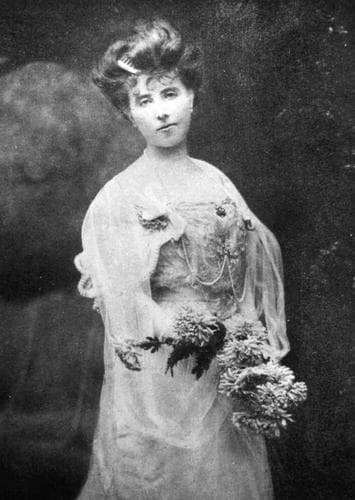
Elizabeth von Arnim was a British author known for her novels that often explore themes of nature and personal freedom. Her notable works include "The Enchanted April," which tells the story of four women who find renewal in Italy, and "Elizabeth and Her German Garden," a semi-autobiographical account of her gardening experiences in Germany.
Similar books
- A Room With a View
E.M. Forster
3.9 (152k) average on GoodreadsHistorical FictionFeatures English characters finding love and self-discovery in Italy, with a focus on social conventions and personal freedom.
- Major Pettigrew's Last Stand
Helen Simonson
3.9 (132k) average on GoodreadsLiterary FictionExplores themes of aging, societal expectations, and unexpected romance in a charming, character-focused narrative.
- Mrs Dalloway
Virginia Woolf
3.8 (361k) average on GoodreadsFictionWhile both novels feature a strong female focus and themes of personal reflection, The Enchanted April is significantly lighter in tone and more overtly optimistic. Woolf's Mrs Dalloway employs modernist techniques, stream of consciousness, and delves into deeper psychological introspection and societal critique with a more melancholic and complex edge, whereas von Arnim's novel offers a gentler, more comedic exploration of self-discovery.
- Eat, Pray, Love
Elizabeth Gilbert
3.6 (1.5M) average on GoodreadsLifestyleA heartbroken writer leaves her conventional life for a year-long global search for pleasure in Italy, spiritual devotion in India, and unexpected love and balance in Bali.
- Wild: From Lost to Found on the Pacific Crest Trail
Cheryl Strayed
4.0 (615k) average on GoodreadsLifestyleAfter losing her mother and her marriage, a young woman impulsively hikes over a thousand miles of the Pacific Crest Trail alone, finding strength and healing in the unforgiving wilderness.
- Into Thin Air: A Personal Account of the Mount Everest Disaster
Jon Krakauer
4.2 (395k) average on GoodreadsLifestyleOn May 10, 1996, ambition and a sudden, violent storm turned Mount Everest into a deadly trap, leaving Jon Krakauer to tell the harrowing story of a disaster that took lives and shattered climbers' dreams.






Enjoyed the summary?
A summary gives you the shape of the book. The book itself has the detail, the examples and the voice.
Find The Enchanted April on AmazonAs an Amazon Associate, BookBrief earns from qualifying purchases. How we're funded