

Synopsis
Covers the whole plot, including the ending.
- Difficulty
- Medium
- Pacing
- Fast
- Mood
- Dark, Suspenseful, Gritty, Desperate, Action-packed
- Read it if
- You enjoy post-apocalyptic survival stories with a unique twist on the zombie genre and don't mind a dark, gritty tone.
- Skip it if
- You prefer lighthearted reads or are sensitive to violence and disturbing imagery involving children.
The Enemy Plot Summary
Covers the whole plot, including the ending.
The Supermarket Sanctuary
The story begins with a group of children, all under fourteen, living in a fortified Waitrose supermarket in London. Months have passed since a mysterious illness, 'the sickness,' turned all adults into zombie-like creatures called 'grown-ups' or 'sickos.' DogNut, a thirteen-year-old boy, is part of a scavenging team led by the practical Small Sam, also thirteen. Other members include the tough Freak, the kind Courtney, and younger, more vulnerable kids. Their daily life is a struggle for food and safety, constantly threatened by 'grown-ups' who roam the streets, driven by hunger. The supermarket is a temporary refuge, but supplies are low, and the children face internal conflicts and the constant fear of outside attack.
The Arrival of the Newcomers
One day, a new group of survivors arrives at the supermarket, led by David, a charismatic and somewhat ruthless boy. His group is larger and includes Jester, who quickly connects with DogNut, and Fred, a cynical older boy. David's group brings valuable supplies but also tension and different survival methods. They say they came from another camp and, more importantly, have heard rumors of a safe place for children, a sanctuary somewhere far west, possibly Buckingham Palace. This news sparks hope and debate among the supermarket children. The journey would be dangerous but offers a chance at a better future than their current uncertain life.
The Decision to Depart
The leaders of the supermarket group, Small Sam and Fred, along with David, discuss the rumors and the possibility of the journey. Small Sam, always cautious, is hesitant to leave their relatively secure, though shrinking, stronghold. Fred is more adventurous and sees the journey as their only real hope for long-term survival. David, confident and persuasive, pushes for the expedition, highlighting the potential for a larger, safer community. Ultimately, dwindling food supplies and an increasing number of 'grown-ups' in the area force their decision. They decide to prepare for the journey west, knowing the risks are huge but the alternative is slow starvation or being overrun.
The Perilous Journey Begins
The combined groups, now a large convoy of children, leave the supermarket and begin their trek across London. The city is a desolate and dangerous maze, filled with 'grown-ups' in every shadow. They navigate ruined streets, abandoned buildings, and dark alleys, always on high alert. Early in their journey, they encounter a terrifying swarm of 'grown-ups' in a park, forcing them to scatter and fight for their lives. This first fight shows the brutality of their new world and the constant danger they face. They quickly learn that stealth and speed are vital for survival, and that every decision has serious consequences.
Encounters at the Natural History Museum
Looking for temporary shelter and a safer route, the children go to the Natural History Museum. The vast, echoing halls offer a sense of eerie grandeur but also potential hiding spots for 'grown-ups.' Inside, they encounter a particularly grotesque and aggressive 'grown-up' that lives there. A tense battle follows, showing the children's growing resourcefulness and their ability to work together under pressure. During this encounter, the differences in leadership styles between Small Sam and David become clearer, leading to arguments about tactics and safety. Jester's empathy and quick thinking are valuable, while DogNut struggles with his own fears and a desire to prove himself.
The Underground Gauntlet
To avoid the most dangerous streets, the group decides to travel through parts of the London Underground. The dark, cramped tunnels present new challenges, including unexpected 'grown-ups' and the psychological toll of being so far underground. They encounter a frightening 'grown-up' who seems more cunning and less mindless than others they have met, leading to a harrowing chase. This section also introduces a mysterious figure, 'the Collector,' rumored to be a 'grown-up' who hoards children's belongings, adding another layer of fear to their journey through the underground. The constant tension pushes the children to their limits, both physically and mentally.
The Safe House and the Betrayal
After days of constant travel, the children find a seemingly safe house, a well-stocked and fortified dwelling that appears to have been recently abandoned. They find rest, clean water, and food, allowing them a moment to recover. However, the peace is short-lived. David, driven by his own goals and a desire for control, makes a shocking decision. He intentionally sabotages their supplies and leaves a smaller, more vulnerable group behind, including some younger children and those he considers 'weak,' to lighten their load and speed up his favored group. This act of betrayal deeply affects DogNut and the others, showing the harsh realities of survival and the moral compromises some are willing to make.
The Search for the Sanctuary
DogNut, Small Sam, Jester, Freak, and the remaining children, upset but determined, continue their journey west. David's betrayal weighs heavily on them, forcing them to confront the darker side of human nature even among children. They face increasingly cunning 'grown-ups' and the psychological toll of constant fear and loss. Food and water become very scarce, and their morale drops. They pass through increasingly desolate and dangerous areas of London, the rumors of Buckingham Palace as a sanctuary becoming their only motivation. The children must rely on each other more than ever, their bonds strengthening, even as hope begins to fade.
The Tower of London
As they near what they believe is their destination, the group finds the Tower of London, which has been fortified and is inhabited by another group of child survivors. This community is led by Greg and his older, more experienced sister, Emily. Unlike their own group, the Tower children have established a more structured, almost military society, with clear roles and a strict defense system. They are wary of outsiders but offer the protagonists temporary refuge. This encounter shows a clear difference in survival methods and philosophies, making DogNut and his friends consider what kind of society they want to build, if they ever reach the sanctuary. There is tension between the two groups, fueled by different experiences and a lack of resources.
The Final Push to Buckingham Palace
Leaving the Tower of London, DogNut's group, now somewhat refreshed but still cautious, makes their final push towards Buckingham Palace. The journey is filled with the most intense dangers yet, as the 'grown-ups' seem to be more concentrated and aggressive in the city center. They have several desperate fights, losing more children along the way. The physical and emotional exhaustion is immense, but the tempting idea of a truly safe place, a sanctuary where they can rebuild, keeps them going. The story builds to a climax as they finally reach the massive gates of Buckingham Palace, unsure of what awaits them inside, or if the rumors of a sanctuary are even true.
The Truth of the Sanctuary
Upon reaching Buckingham Palace, the children find not a thriving sanctuary, but a desolate, overgrown fortress. The gates are open, and inside, they discover a small, desperate group of survivors, much like themselves, who have been holding out, clinging to the same false hope. They learn that the rumors of a grand, organized sanctuary were largely exaggerated or simply false. However, they also uncover a deeper truth: not all 'grown-ups' are mindless. They discover a 'grown-up' who, while still infected, shows moments of lucidity and appears to be trying to protect a group of children. This revelation shatters their understanding of the sickness and the 'grown-ups,' opening up a terrifying new possibility – that some adults might retain parts of their former selves, making them even more unpredictable and dangerous.
A New Beginning, A New Threat
The children at Buckingham Palace, now joined by DogNut's group, must accept the devastating truth: there is no easy sanctuary. They are still alone, still fighting for survival. However, the discovery of the 'grown-up' with lingering lucidity changes everything. It suggests the 'sickness' is not as absolute as they believed, and that the 'grown-ups' are not a single, mindless threat. This new understanding brings both terrifying uncertainty and a glimmer of potential hope for understanding the disease. The book ends with the combined group making plans to fortify Buckingham Palace, realizing that their fight is far from over, but now with a more complex, and perhaps more dangerous, understanding of their enemy.
The Enemy Characters
DogNut
Protagonist
A thirteen-year-old boy struggling with fear and a desire to prove himself.
DogNut is the primary protagonist, a thirteen-year-old boy who often feels inadequate and fearful, especially when compared to the more confident leaders around him. He is observant and possesses a strong moral compass, often questioning the harsh decisions made by others. While not physically the strongest, he is resourceful and shows surprising courage when pushed. His internal struggles with fear and his longing for a sense of belonging are central to his character. He develops a close bond with Jester and looks up to Small Sam.
Relationships: Small Sam (mentor/leader and friend); Jester (love interest and close companion); Freak (loyal friend and fellow scavenger); David (rival, later antagonist due to betrayal)
Small Sam
Supporting/Leader
The pragmatic and cautious leader of the supermarket children.
Small Sam is a thirteen-year-old boy who leads the original group of children in the supermarket. He is highly intelligent, pragmatic, and cautious, always prioritizing the safety and survival of his group. He is a natural leader, though sometimes burdened by the weight of his responsibilities. He possesses a strong sense of duty and tries to make fair decisions, often clashing with David's more ruthless approach. His resourcefulness and strategic thinking are crucial for the group's early survival.
Relationships: DogNut (follower and trusted friend); Fred (fellow leader, often in disagreement); David (rival leader, often in conflict over strategy)
Jester
Supporting/Love Interest
A compassionate and quick-witted girl from David's group.
Jester is a girl from David's original group who quickly forms a bond with DogNut. She is compassionate, empathetic, and possesses a sharp wit. Despite the harsh realities of their world, she tries to maintain a sense of humanity and kindness. She is also resourceful and brave, often using her intelligence to help the group. Her presence provides emotional support and a moral compass, especially for DogNut.
Relationships: DogNut (love interest and close companion); David (originally part of his group, later distances herself); Small Sam (allied through shared goals)
David
Antagonist/Supporting
A charismatic but ruthless leader from another survivor group.
David is a charismatic and persuasive boy who leads a larger group of survivors that joins the supermarket children. He is ambitious, cunning, and often ruthless, prioritizing his own survival and control above all else. While initially appearing helpful, his true nature is revealed through his willingness to make morally questionable decisions, including abandoning others for his own gain. He represents a darker, more pragmatic approach to survival, driven by a desire for power and self-preservation.
Relationships: Small Sam (rival leader); DogNut (initial ally, later antagonist); Jester (originally part of his group, later estranged)
Freak
Supporting
A loyal and tough member of Small Sam's original group.
Freak is a loyal and physically capable member of Small Sam's original supermarket group. He is tough, often aggressive when protecting his friends, and acts as a sort of enforcer. While not the most articulate, his loyalty to Small Sam and DogNut is unwavering. He is good in a fight and provides a crucial defensive presence for the group, often acting on instinct.
Relationships: DogNut (close friend and fellow scavenger); Small Sam (loyal follower)
Fred
Supporting
A cynical and adventurous older boy from the supermarket group.
Fred is an older boy in Small Sam's group, characterized by his cynicism and adventurous spirit. He is often the one pushing for more aggressive actions or for taking risks, believing that staying put is a death sentence. He is intelligent and observant, though his outlook can be grim. He often clashes with Small Sam's cautious nature but ultimately shares the goal of survival.
Relationships: Small Sam (fellow leader, often in disagreement); DogNut (acquaintance, sometimes a source of tension)
Courtney
Supporting
A kind and caring girl in Small Sam's group.
Courtney is one of the girls in Small Sam's original group, known for her kindness and caring nature, particularly towards the younger children. She embodies the struggle to maintain humanity in a brutal world. She is not a leader but provides emotional support and a sense of normalcy when possible.
Relationships: Small Sam (fellow survivor); Younger Children (caretaker)
The Sickos / Grown-ups
Antagonist
Adults infected by the 'sickness,' turned into zombie-like creatures.
The 'grown-ups' are the primary antagonists of the story, adults who have succumbed to a mysterious illness that transforms them into mindless, aggressive, and hungry creatures. They are the constant, pervasive threat, driven by an instinct to devour. They are depicted as grotesque, decaying figures, but also surprisingly resilient and numerous. Their presence defines the children's world, forcing them to live in constant fear and adapt to a brutal reality. Later in the book, a shocking discovery reveals that not all 'grown-ups' are entirely mindless, adding a terrifying new layer to their threat.
Relationships: Children (predator to prey)
The Enemy Themes
Loss of Innocence and Childhood
The most common theme is the abrupt and brutal end of childhood. The children must shed their innocence and take on adult responsibilities for survival. They scavenge for food, fight for their lives, and make serious decisions, all while dealing with the trauma of losing their families and the world they knew. Scenes like the children fortifying a supermarket or DogNut having to kill a 'grown-up' clearly show this loss. Their games are now survival tactics, and their fears are no longer monsters under the bed, but actual predatory adults.
“We were children, but we weren't. We were just... survivors.”
Survival vs. Morality
The book constantly explores the tension between doing what is necessary to survive and keeping one's humanity. Characters like Small Sam and DogNut struggle with moral dilemmas, while David embodies the ruthless practicality that sacrifices others for self-preservation. David's betrayal, where he abandons vulnerable children, is a prime example of this theme. The children must confront how far they will go to stay alive, and whether certain actions make them as monstrous as the 'grown-ups' they fight.
“How much of yourself do you have to lose to stay alive?”
The Nature of Leadership
Different leadership styles appear through Small Sam (cautious, democratic), David (charismatic, ruthless), and even Fred (cynical, adventurous). The story examines the qualities needed to lead in a post-apocalyptic world – strategic thinking, courage, empathy, or sheer force of will. The clashes between Small Sam and David highlight the strengths and weaknesses of each approach, and how leadership can inspire hope or lead to betrayal. DogNut's own journey shows him grappling with what it means to be a leader.
“Some lead with a map, others with a whip. Both can get you killed.”
Hope and Despair
The children's journey is driven by the rumor of a sanctuary, representing their desperate hope for a better future. This hope pushes them through incredible dangers and helps them endure great suffering. However, the constant threat, the loss of friends, and the ultimate revelation about the 'sanctuary' at Buckingham Palace plunge them into despair. The theme explores how hope can be a powerful motivator but also a fragile illusion, and how true resilience means finding a way forward even when hope seems lost. The end of the book leaves them with a new, more complex understanding of their situation, balancing despair with a new kind of resolve.
“Hope was a dangerous thing, a fragile thing. But without it, what did you have left?”
Identity and Belonging
Without their families and familiar structures, the children struggle to form new identities and find a sense of belonging within their makeshift groups. DogNut, in particular, battles with his self-perception and his place within the group. The formation of new 'families' and alliances, and the devastating impact of betrayal, underscore the basic human need for connection and purpose, even in the most desolate circumstances. Their shared trauma creates a unique bond, but also highlights individual struggles to define themselves in a world without adults.
“We were a gang, a family, a broken mess of kids clinging to each other.”
Plot Devices & Literary Techniques
The 'Sickness' and 'Grown-ups'
A mysterious plague that turns adults into zombie-like predators.
The 'sickness' is the inciting incident and the primary antagonist force, an unexplained virus that transforms all adults over fourteen into mindless, aggressive, and cannibalistic creatures. This device establishes the post-apocalyptic setting and the central conflict. The 'grown-ups' are not merely monsters; they represent the loss of the old world, the betrayal of parental figures, and a constant, pervasive threat that forces the children to mature rapidly. The ambiguity of the sickness's origin and the later revelation about some 'grown-ups' retaining lucidity adds depth and horror to the device.
The Sanctuary Rumor (Buckingham Palace)
A persistent rumor of a safe haven for children that drives the plot.
The rumor of a safe place, specifically Buckingham Palace, functions as the central MacGuffin. It provides the children with a goal, a sense of hope, and a direction for their perilous journey across London. This device is crucial for initiating the main plot, forcing the children out of their relatively stable supermarket sanctuary and into the dangerous unknown. Its ultimate reveal as a less-than-ideal reality serves as a powerful plot twist, challenging the children's perceptions and forcing them to confront a harsher truth about their world.
Scavenging Expeditions
Regular forays into dangerous territory for supplies.
Scavenging expeditions are a recurring plot device that drives immediate action and creates tension. These trips into the 'grown-up'-infested streets are essential for the children's survival, providing food, water, and other necessities. Each expedition is a mini-adventure, filled with suspense, close calls, and opportunities for character development (e.g., DogNut's fear, Freak's bravery). This device constantly reminds the reader of the ever-present danger and the ingenuity required for daily survival, illustrating the children's resourcefulness and the brutal reality of their existence.
Internal Group Conflict
Disagreements and power struggles among the child survivors.
Internal group conflict, particularly between leaders like Small Sam and David, and within DogNut's own moral compass, serves as a significant plot device. These conflicts create dramatic tension beyond the external threat of the 'grown-ups.' They highlight the moral ambiguities of survival, the struggle for leadership, and the breakdown of trust. David's betrayal is the most impactful instance, demonstrating how internal strife can be as dangerous, if not more so, than the external enemy. This device explores the darker aspects of human nature under extreme pressure.
The Enemy Quotes
“The thing about being a kid is that you don't know anything. You don't know what's coming. You just live it.”
“There were no rules anymore, not really. Only the ones you made up for yourself, and the ones you could enforce.”
“You could get used to anything, given enough time. Even the end of the world.”
“Fear was a good thing, sometimes. It kept you alive. But too much fear, that just made you stupid.”
“They were kids playing at being adults, but the game was real, and the stakes were their lives.”
“The monsters weren't just outside. Sometimes they were inside too, in the things you had to do to stay alive.”
“Hope was a dangerous thing. It could make you do stupid stuff. But without it, what was the point?”
“Food was everything. More than money, more than power. It was life itself.”
“They were all just trying to make it to tomorrow. That was the only goal that mattered.”
“The silence was the worst. The silence where all the grown-ups used to be.”
“You had to be hard. You had to be tougher than anyone else, or you were dead.”
“Every day was a victory. Every night was a battle.”
“The past was gone. The future was a question mark. Only now mattered.”
“They were like ants, scrambling over the ruins of a picnic, picking up what they could find.”
Quiz
10 questions on the plot and the characters. Each answer comes with a short explanation.
Question 1
What age is the cutoff for people who succumbed to the zombie virus?
- Thirteen
- Fourteen
- Fifteen
- Twelve
Show answer
B. Fourteen The book states that 'Everyone over the age of fourteen has succumbed to a deadly zombie virus,' meaning children fourteen and under are immune.
Question 2
What is the primary goal of the children in the story?
- To find a cure for the virus
- To establish a new government
- To reach a rumored safe place to hide
- To defeat all the infected adults
Show answer
C. To reach a rumored safe place to hide The synopsis clearly states, 'Now there are rumours of a safe place to hide. And so a gang of children begin their quest across London.'
Question 3
What city serves as the setting for the children's journey?
- Paris
- New York
- London
- Rome
Show answer
C. London The book description explicitly mentions, 'And so a gang of children begin their quest across London.'
Question 4
What is the primary state of the adults who contracted the sickness?
- They are mostly dead or have recovered fully.
- They are crazed, confused, and hungry.
- They are in a deep coma, awaiting a cure.
- They have reverted to a childlike innocence.
Show answer
B. They are crazed, confused, and hungry. The description states, 'The lucky ones died. The others are crazed, confused and hungry.'
Question 5
What is the main challenge the children face on their journey to the safe place?
- Lack of food and water
- The threat of other uninfected children
- The infected grown-ups lying in wait
- Natural disasters like floods and earthquakes
Show answer
C. The infected grown-ups lying in wait The synopsis highlights, 'where all through the city - down alleyways, in deserted houses, underground - the grown-ups lie in wait.'
Question 6
What distinguishes the 'lucky ones' among the adults who fell ill?
- They managed to find a cure.
- They died rather than becoming crazed and hungry.
- They retained their sanity.
- They were able to protect their children.
Show answer
B. They died rather than becoming crazed and hungry. The text states, 'The lucky ones died. The others are crazed, confused and hungry,' implying death was preferable to the infected state.
Question 7
What does the presence of 'The Dead' as the title of the second book suggest about the series' overarching theme?
- The children eventually find a way to revive the adults.
- The primary threat will continue to be the deceased or undead adults.
- The focus shifts to the children dealing with their own mortality.
- The series explores the history of the virus and its origins.
Show answer
B. The primary threat will continue to be the deceased or undead adults. Given the first book's premise of 'zombie horror' and the infected adults, 'The Dead' strongly implies the continuation of the undead threat as a central theme.
Question 8
How does the book establish the immediate danger and isolation of the children?
- By showing them fighting off military forces.
- By stating 'every parent, police officer, politician - every adult fell ill.'
- By describing a world where technology has failed completely.
- By depicting a global communication blackout.
Show answer
B. By stating 'every parent, police officer, politician - every adult fell ill.' The statement 'every parent, police officer, politician - every adult fell ill' immediately establishes that all authority figures and protectors are gone, leaving the children completely alone and vulnerable.
Question 9
What genre elements are explicitly highlighted in the description for 'The Enemy'?
- Science Fiction and Romance
- Fantasy and Adventure
- Thriller, Mystery, and Zombie Horror
- Historical Fiction and Drama
Show answer
C. Thriller, Mystery, and Zombie Horror The description explicitly labels the book as 'Thriller, Mystery' and 'jaw-dropping zombie horror series for teens.'
Question 10
What is the implied psychological impact on the surviving children, given the nature of the infected adults?
- They feel a strong sense of responsibility to cure their parents.
- They are forced to view their former caregivers as dangerous predators.
- They develop a deep empathy for the adults' suffering.
- They quickly forget about their parents and move on.
Show answer
B. They are forced to view their former caregivers as dangerous predators. The adults are described as 'crazed, confused and hungry' and 'lie in wait' to attack. This forces the children to confront their former protectors as immediate threats, fundamentally altering their perception of family and safety.
The Enemy FAQ
What is the core premise of 'The Enemy'?
The core premise of 'The Enemy' is a post-apocalyptic London where a deadly virus has turned everyone over the age of fourteen into flesh-eating zombies, referred to as 'grown-ups' or 'sickos'. Children under fourteen are left to survive on their own, forming gangs and scavenging for resources while avoiding the infected adults.
Who are the main characters introduced in the book?
The main characters include DogNut, the pragmatic leader of the kids at Waitrose; Arran, his younger brother; Maxie, a tough girl who becomes a key fighter; and Blue, a resourceful and intelligent girl. Other notable characters include Small Sam, Jester, and the enigmatic Mr. Smith.
What is the initial goal of the Waitrose gang?
The initial goal of the Waitrose gang is survival, primarily by scavenging for food and supplies within their fortified supermarket. However, their objective shifts when news arrives of a potential safe haven in Buckingham Palace, prompting them to embark on a perilous journey across London.
How do the 'grown-ups' differ from traditional zombies?
The 'grown-ups' in 'The Enemy' are not typical Romero-style zombies; they retain some fragmented memories, can use basic tools, and are often driven by primal urges like hunger and a distorted sense of their former lives. Some even show fleeting moments of recognition or distress, making them more disturbing than mindless undead.
What role does the 'safe place' rumor play in the plot?
The rumor of a safe place, specifically Buckingham Palace, serves as the primary catalyst for the Waitrose gang's journey and the central narrative drive of the book. It offers a glimmer of hope and a destination, pushing the children to face the dangers of London head-on in search of sanctuary.
What is the significance of the character Mr. Smith?
Mr. Smith is a mysterious and seemingly uninfected adult who offers help to the children but harbors a sinister agenda. He represents the continued danger and corruption that can exist even among the uninfected, blurring the lines between who is truly safe or good in this new world.
Are there any clues about the origin of the virus within the first book?
While the first book doesn't explicitly reveal the virus's origin, there are subtle hints. The rapid spread and the specific age cutoff suggest it might be a man-made pathogen or an environmental trigger. The 'grown-ups' retaining some intelligence also hints at a more complex biological mechanism than a simple reanimation.
What deeper connections exist between the various child gangs encountered?
The book subtly highlights common struggles and shared humanity among the different child gangs, despite their initial mistrust or rivalry. They all face the same threats and often share similar strategies for survival, suggesting a broader, interconnected fight for existence across London.
How does the book explore the loss of innocence in its child protagonists?
The book profoundly explores the loss of innocence as characters like Arran and Small Sam are forced to commit violent acts and witness horrific events. They quickly adapt to a brutal world, shedding childhood naivety in favor of survival instincts, often leading to emotional scarring and hardened personalities.
What psychological impact does living without adults have on the children?
Living without adults forces the children to mature rapidly, taking on leadership roles and making life-or-death decisions. It fosters a sense of self-reliance but also leads to trauma, emotional suppression, and the development of a 'kill or be killed' mentality, as seen in Maxie's hardened demeanor and DogNut's difficult choices.
How do the children cope with the psychological burden of killing 'grown-ups' who were once their parents or neighbors?
The children cope by dehumanizing the 'grown-ups,' referring to them as 'sickos' or 'freds,' and by focusing on survival. While some, like Arran, struggle with the emotional weight, most develop a necessary detachment, viewing the infected as threats rather than former loved ones, a psychological defense mechanism.
What psychological traits make certain children better leaders or survivors?
Effective leaders like DogNut exhibit pragmatism, strategic thinking, and the ability to make tough decisions for the group's benefit. Survivors often possess adaptability, resilience, and a strong will to live, coupled with a capacity for violence when necessary, as exemplified by Maxie's fighting prowess.
Is the ending of 'The Enemy' optimistic or pessimistic?
The ending of 'The Enemy' is arguably more pessimistic than optimistic. While the Waitrose gang reaches Buckingham Palace, they discover it is not the safe haven they hoped for and faces new, equally dangerous threats, leaving their future uncertain and hinting at ongoing struggles.
What is the symbolic meaning of the 'grown-ups' retaining some intelligence and memory?
The 'grown-ups' retaining intelligence and memory adds a layer of psychological horror, symbolizing the loss of humanity and the corruption of parental figures. It forces the children to confront distorted versions of what they once knew, making the conflict more personal and tragic than a simple zombie apocalypse.
Does the book imply any deeper societal critique beyond the immediate horror?
Yes, the book can be interpreted as a critique of adult society, showing how the collapse of the adult world leaves children vulnerable and exposed to its inherent flaws. It highlights themes of neglect, the breakdown of order, and the children's desperate attempts to rebuild a semblance of society from the ruins.
How does the author use the setting of London to enhance the story's themes?
The author uses iconic London landmarks, now derelict and dangerous, to amplify the sense of desolation and loss. The familiar cityscape transformed into a deadly labyrinth underscores the theme of a world turned upside down, making the children's journey feel both epic and terrifyingly real within a recognizable context.
What is the significance of the age cut-off at fourteen?
The age cut-off at fourteen is crucial, as it creates a clear delineation between the infected and the survivors, emphasizing the vulnerability of the children. It also symbolically represents the moment of transition from childhood to adolescence, making the loss of that transition a central theme.
About the author

Charlie Higson is a British author, best known for his thrilling Young Adult horror series, 'The Enemy'. He also penned the popular 'Young Bond' series, including titles like 'SilverFin' and 'Hurricane Gold'. Higson's work often features suspenseful plots and relatable teenage protagonists facing extreme situations.
Similar books
- The Road
Cormac McCarthy
4.0 (716k) average on GoodreadsScience FictionBleak post-apocalyptic setting and a desperate journey for survival.
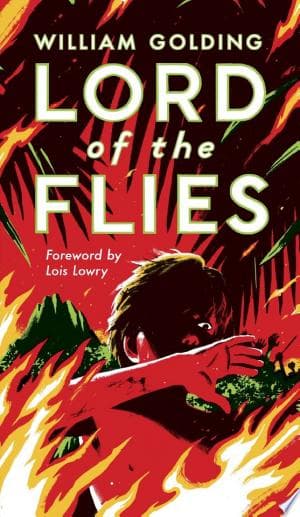
- Lord of the Flies
William Golding
3.7 (2.3M) average on GoodreadsYoung AdultFocuses on children forming their own societies and confronting human nature in a crisis.
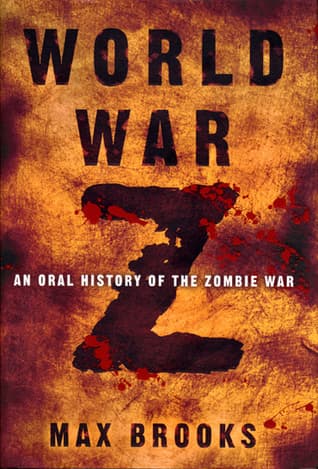
- World War Z: An Oral History of the Zombie War
Max Brooks
4.0 (440k) average on GoodreadsFantasyIntense zombie survival scenarios and the grim reality of a global epidemic.
- Angels & Demons
Dan Brown
3.9 (2.7M) average on GoodreadsThrillerA Harvard symbologist races through Rome's ancient sites, deciphering cryptic clues to unmask the Illuminati and stop a vengeful plot to destroy the Vatican with a stolen antimatter weapon.
- Gone Girl
Gillian Flynn
4.1 (2.3M) average on GoodreadsThrillerA wife's sudden disappearance on her fifth anniversary reveals a web of lies and psychological warfare, exposing the secrets within a seemingly perfect marriage.
- The Girl on the Train
Paula Hawkins
3.9 (2.1M) average on GoodreadsThrillerA woman’s fascination with a seemingly perfect couple she watches from her daily train commute leads her into a dark investigation when she witnesses something that shatters their idyllic image.




Enjoyed the summary?
A summary gives you the shape of the book. The book itself has the detail, the examples and the voice.
Find The Enemy on AmazonAs an Amazon Associate, BookBrief earns from qualifying purchases. How we're funded