
Synopsis
Covers the whole plot, including the ending.
- Difficulty
- Easy
- Pacing
- Moderate
- Mood
- Atmospheric, Suspenseful, Spooky, Mysterious
- Read it if
- You enjoy classic ghost stories with a strong sense of atmosphere, a determined young protagonist, and a touch of historical fiction perfect for middle-grade readers.
- Skip it if
- You prefer fast-paced horror or stories without supernatural elements, or find jump scares too intense.
The Ghost of Crutchfield Hall Plot Summary
Covers the whole plot, including the ending.
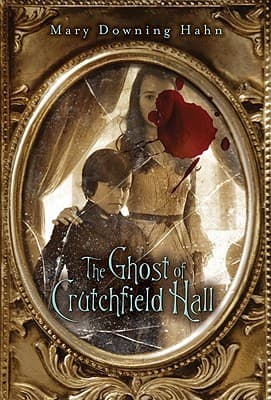
A New Home at Crutchfield Hall
Twelve-year-old Florence Crofton, an orphan from a London workhouse, travels by coach to Crutchfield Hall, the country estate of her great-aunt and great-uncle, Mrs. and Mr. Crofton. She hopes this new life will be better than the orphanage. Upon arrival, she is greeted by the stern Mrs. Crofton and the quiet, distant Mr. Crofton. The house is large, old, and gloomy. Florence is shown to her room, which is surprisingly well-furnished and seems to have been recently occupied. She soon learns that her cousin, Sophia, died only a year prior, and the household is still in mourning.
The Unsettling Presence
Florence begins to notice odd things: objects moving, whispers in empty rooms, and a coldness. She hears tales from the servants, particularly the maid, Sally, about Sophia's difficult nature and her death by falling down the stairs. The family refuses to speak much about Sophia, only saying she was a 'difficult' child. Florence feels a strong, unseen presence in the house, particularly in her room and in Sophia's old nursery. She finds a locket containing Sophia's picture, which seems to make the strange occurrences more intense, making her believe a ghost is present.
Sophia's Ghost Appears
One night, Florence clearly sees the ghost of a girl, Sophia, in her room. Sophia is pale, with dark eyes, and a malevolent aura. Sophia reveals that Florence is sleeping in her old room and that she resents Florence's presence. Sophia, unable to leave Crutchfield Hall, begins to communicate with Florence, initially through whispers and later more directly. She tells Florence that her younger brother, Julian, pushed her down the stairs, and demands Florence help her get revenge. Florence is terrified but also somewhat intrigued by the ghost's pleas.
Julian's Fear and Sophia's Influence
Florence finally meets her cousin, Julian, a quiet, pale boy who is often ill and seems afraid. He avoids Florence and is nervous, especially when Sophia's name is mentioned. Sophia's ghost continues to appear to Florence, growing more insistent and menacing. She describes Julian as a cruel, jealous brother who caused her death. Sophia begins to influence Florence, making her feel cold and unwell, and urging her to believe Julian is dangerous. Florence struggles with the ghost's demands, torn between fear and a desire to help.
The Truth Unveiled
As Florence spends more time with Julian, she realizes he is not the monster Sophia describes. Julian confesses to Florence that Sophia was a cruel and manipulative sister who tormented him. He reveals that Sophia did not fall, but jumped down the stairs, pretending injury, after he refused to obey her. Later, she fell again during a fit of rage and died, but Julian believes she intended to blame him. This revelation disturbs Florence, as she understands Sophia has been lying and manipulating her. Florence tries to warn her great-aunt and uncle, but they dismiss her stories as childish imagination.
Sophia's Malicious Plan
Sophia, enraged by Florence's growing skepticism and her bond with Julian, reveals her intentions. She admits she wants Julian dead, just as she believes he wanted her dead. She plans to use Florence as her instrument, intending to possess Florence's body to carry out the murder. Florence is horrified and realizes the danger she and Julian are in. Sophia's presence becomes stronger and more oppressive, causing Florence physical discomfort and mental anguish. Florence feels isolated, as no one else believes in the ghost.
A Desperate Warning
Florence, desperate to protect Julian, tries again to warn her great-aunt and uncle, and even the servants, about Sophia's ghost and her plan to harm Julian. She explains everything, from the whispers to Sophia's direct threats. However, they all dismiss her, attributing her stories to an overactive imagination or the strangeness of the old house. Mrs. Crofton becomes even more stern, believing Florence is either lying or going mad. Mr. Crofton remains distant. Florence feels alone and helpless against the powerful ghost.
The Attack on Julian
Sophia's influence over Florence reaches its peak. One evening, Sophia possesses Florence's body, compelling her to lead Julian to the top of the grand staircase. Florence struggles against the possession, feeling her own will being overwhelmed. As Sophia, through Florence, attempts to push Julian down the stairs, Julian cries out, recognizing the malicious intent. Florence fights back with all her might, managing to regain control and resist Sophia's final push. The struggle is intense and terrifying for both children.
Mr. Crofton's Intervention
Just as Sophia, acting through Florence, is about to succeed, Mr. Crofton, who has been quietly observing the strange happenings and Julian's distress, rushes forward. He pulls Florence and Julian away from the top of the stairs. The sudden intervention, combined with Florence's resistance, breaks Sophia's hold. Mr. Crofton, seeing the terror in both children's eyes and the unnatural pallor of Florence, finally understands the truth about the ghost. His years of quiet grief and denial shatter as he acknowledges the presence of his deceased daughter.
Sophia's Banishment and Peace
Mr. Crofton, now convinced, confronts the unseen Sophia, commanding her to leave and find peace. He expresses his love for her but insists she must move on. The combined wills of Florence, Julian, and Mr. Crofton, along with the breaking of the emotional ties that bound Sophia, cause her ghost to dissipate. A sense of warmth and peace replaces the coldness in Crutchfield Hall. The family, particularly Mr. Crofton, begins to heal. Florence and Julian are safe, and the house is free from Sophia's ghost, allowing them all to start anew.
The Ghost of Crutchfield Hall Characters
Florence Crofton
Protagonist
An orphaned girl seeking a home, who becomes entangled with a malevolent ghost.
Florence is a twelve-year-old orphan, initially timid and eager to please, who arrives at Crutchfield Hall hoping for a stable, loving home. She is observant, empathetic, and possesses a strong moral compass. Despite her initial fear, she demonstrates immense courage in confronting Sophia's ghost and protecting Julian. Her experiences force her to mature quickly, developing resilience and a strong sense of justice. She is initially vulnerable to Sophia's manipulations due to her desire for acceptance but ultimately sees through the deceit.
Relationships: Sophia Crofton (Tormented and manipulated by Sophia's ghost, then defies her.); Julian Crofton (Protector and friend to Julian.); Mr. Crofton (Initially distant, later earns his trust and understanding.); Mrs. Crofton (Often at odds, as Mrs. Crofton dismisses her claims.)
Sophia Crofton
Antagonist
The malevolent ghost of Florence's deceased cousin, seeking revenge.
Sophia is the ghost of Florence's cousin, who died a year before Florence's arrival. She is manipulative, cruel, and deeply jealous, even in death. She was a difficult child in life, constantly tormenting her younger brother, Julian. As a ghost, she is bound to Crutchfield Hall, unable to find peace. She fabricates a story of Julian pushing her to manipulate Florence into helping her achieve her ultimate goal: Julian's death. Her presence brings coldness and fear to the house, and her power grows through others' fear and her family's unresolved grief.
Relationships: Florence Crofton (Manipulates and attempts to possess Florence.); Julian Crofton (Tormented and attempts to murder Julian.); Mr. Crofton (Daughter, whose death he grieves, but whose malevolence he eventually confronts.); Mrs. Crofton (Daughter, whose difficult nature she tries to ignore/deny.)
Julian Crofton
Supporting
Florence's young, timid cousin, tormented by Sophia in life and death.
Julian is Florence's younger cousin, a pale and often sickly boy. He is shy, withdrawn, and lives in constant fear, haunted by the memory of Sophia's cruelty and the belief that he was responsible for her death. He carries the emotional scars of Sophia's bullying and struggles to articulate his experiences. He finds a protector and friend in Florence, who eventually helps him confront his fears and reveals the truth about Sophia. His vulnerability makes him Sophia's primary target.
Relationships: Florence Crofton (Friend and protected by Florence.); Sophia Crofton (Victim of Sophia's bullying and murderous intent.)
Mr. Crofton
Supporting
Florence's great-uncle, a quiet man burdened by grief and denial.
Mr. Crofton is Florence's great-uncle, a quiet, melancholic man. He is deeply affected by Sophia's death and withdraws into himself, rarely speaking. He initially dismisses Florence's claims about the ghost, but unlike his wife, he observes more closely and eventually recognizes the truth of the danger. His quiet nature masks a deep love for his children and a sense of responsibility. It is his love and eventual acknowledgment of Sophia's malevolence that ultimately helps banish her ghost.
Relationships: Florence Crofton (Initially distant, later believes and protects Florence.); Sophia Crofton (Grieving father who ultimately banishes his daughter's ghost.); Mrs. Crofton (Husband to Mrs. Crofton, with a different approach to grief.)
Mrs. Crofton
Supporting
Florence's great-aunt, a stern woman in deep denial about her daughter's true nature.
Mrs. Crofton is Florence's great-aunt, a stern and unyielding woman who runs Crutchfield Hall with an iron fist. She is in deep denial about Sophia's true, difficult nature, preferring to remember her as a sweet, if mischievous, child. This denial makes her dismiss Florence's stories about Sophia's ghost as childish fantasy or outright lies. Her inability to face the truth about her daughter perpetuates Sophia's haunting, contributing to the oppressive atmosphere of the house. She values appearances and order above emotional honesty.
Relationships: Florence Crofton (Often critical and dismissive of Florence.); Sophia Crofton (Mother in denial about her daughter's character.)
Sally
Supporting
A maid at Crutchfield Hall who shares local gossip and warnings.
Sally is one of the maids at Crutchfield Hall. She is more open and friendly than the Croftons, and less afraid to speak about Sophia's past, albeit in hushed tones. She provides Florence with initial insights into Sophia's reputation as a difficult child and the general unease surrounding her death. While she doesn't explicitly believe in ghosts, her tales and superstitions contribute to Florence's growing understanding of the house's supernatural elements. She represents the common folk's awareness of the unspoken truths.
Relationships: Florence Crofton (Provides Florence with information and a degree of comfort.)
Martha
Mentioned
Another maid at Crutchfield Hall, less open than Sally.
Martha is another maid at Crutchfield Hall, who is more reserved and less willing to discuss the family's past or the strange occurrences than Sally. She represents the general household staff who are aware of the underlying tension but prefer to keep silent, reflecting the societal norms of the time and the family's desire to suppress unpleasant truths.
The Ghost of Crutchfield Hall Themes
Grief and Denial
The novel explores how unresolved grief and denial can fester and manifest destructively. The Croftons' inability to openly mourn Sophia or acknowledge her difficult nature creates an emotional vacuum that allows Sophia's ghost to persist and gain power. Mrs. Crofton's refusal to believe Florence's accounts of the ghost stems from her denial of Sophia's true character, believing her daughter was merely 'mischievous.' Mr. Crofton's silent, withdrawn grief prevents him from confronting the truth until the very end, showing how suppressing emotions can have dire consequences for the living.
“They never talked about her. It was as if she had never existed, except for the portraits and the empty rooms.”
The Nature of Evil
The book looks at the nature of evil. It portrays evil not as a grand, supernatural force, but as a personal and manipulative entity embodied by Sophia's ghost. Sophia's evil is rooted in jealousy, cruelty, and a desire for control, traits she exhibited in life. Her malevolence as a ghost is a direct continuation of her living personality, amplified by her unresolved anger and inability to move on. Florence's struggle is not just against a ghost, but against the insidious evil that seeks to corrupt and destroy, showing how inner darkness can persist even after death.
“She isn't sad, Florence thought. She's angry. And she wants me to be angry too.”
Truth vs. Deception
A central theme is the battle between truth and deception. Sophia's ghost relies entirely on deception, fabricating a story of being pushed down the stairs to manipulate Florence. The family's denial about Sophia's past adds to this theme, as they perpetuate a false narrative of their daughter. Florence's journey involves uncovering the truth about Sophia's character and the actual circumstances of her death, a truth that is painful but ultimately liberating. The novel suggests that confronting and accepting difficult truths, however uncomfortable, is essential for healing and breaking free from oppressive forces.
“She lied to me, Florence thought. She lied about everything.”
Courage and Resilience
Florence's character arc shows courage and resilience. As an orphan, she is initially vulnerable and seeking acceptance, but she finds inner strength when faced with the reality of Sophia's ghost. Despite being dismissed and disbelieved by the adults, Florence persists in her attempts to protect Julian and expose Sophia's true nature. Her act of fighting off Sophia's possession shows bravery and a refusal to succumb to evil, showing the power of a child's will against supernatural forces.
“I won't let you hurt him, Florence thought. Not now, not ever.”
Plot Devices & Literary Techniques
The Unreliable Narrator (Ghost's Perspective)
Sophia's ghost provides a deceptive account of her death.
Sophia's ghost initially presents herself to Florence as a victim, claiming Julian pushed her down the stairs. This makes Sophia an unreliable narrator within the story, as her account is later proven false by Julian's confession and Florence's growing understanding of Sophia's true, manipulative nature. This device creates suspense and forces Florence (and the reader) to question appearances and seek out the real truth behind the haunting, highlighting the theme of deception.
The Haunted House Trope
Crutchfield Hall itself is a character, reflecting the family's grief and secrets.
Crutchfield Hall is more than just a setting; it's a character in itself. Its old, gloomy, and cavernous rooms, dimly lit hallways, and pervasive coldness reflect the family's suppressed grief and the lingering presence of Sophia's malevolent spirit. The house acts as a prison for Sophia's ghost and a canvas for her manipulations. The oppressive atmosphere of the house intensifies Florence's isolation and fear, making the setting integral to the psychological impact of the haunting.
Symbolism of Coldness
The supernatural chill represents Sophia's malevolence and emotional emptiness.
The recurring motif of coldness is a significant symbol in the novel. The supernatural chill that accompanies Sophia's presence signifies her malevolence, her emotional emptiness, and the chilling effect of her unresolved anger and denial. As Sophia's power grows, so does the cold within the house, affecting Florence physically and emotionally. The dissipation of the coldness at the end of the story symbolizes Sophia's banishment and the return of warmth, peace, and emotional healing to Crutchfield Hall.
The Locket
A physical object that links Florence to Sophia and amplifies the haunting.
The locket containing Sophia's picture acts as a tangible link between Florence and the ghost. Florence finds it and keeps it, almost unconsciously inviting Sophia's presence. The locket serves as a focal point for Sophia's energy, and its presence seems to intensify the supernatural occurrences. It symbolizes the unresolved attachment and the way material objects can hold emotional energy, drawing Florence deeper into the mystery and danger of the haunting until she realizes the true nature of the spirit.
The Ghost of Crutchfield Hall Quotes
“I was an orphan, and that was that.”
“There was a chill in the air, not just from the weather, but from something else, something unseen.”
“Secrets, I was beginning to learn, were like ghosts themselves, haunting the living.”
“The past, I discovered, was not always dead and buried. Sometimes it lived on, right beside you.”
“I was not alone in that house, not really. There were others, watching, waiting.”
“A whisper, faint as a breath, seemed to coil around me.”
“It was a strange sort of comfort, knowing I wasn't entirely mad, even if the alternative was far more frightening.”
“Some things are better left undisturbed, child. Some doors, once closed, should remain so.”
“The silence of the house was not empty; it was filled with unspoken words, with sorrow.”
“A ghost is not always a terrifying thing. Sometimes, it is merely a sorrowful echo.”
“You can't run from your past, Anna. It always catches up.”
“The truth, when it finally emerged, was colder than any draft in that old house.”
“I had found a family, not of blood, but of understanding and shared secrets.”
“Even in the darkest corners, there is often a flicker of light, if you only look for it.”
Quiz
10 questions on the plot and the characters. Each answer comes with a short explanation.
Question 1
Where has Florence lived since her parents' death before moving to Crutchfield Hall?
- With her grandparents in the countryside
- A boarding school in London
- A grim London orphanage
- With a foster family in a nearby village
Show answer
C. A grim London orphanage The book explicitly states that Florence has lived in a grim London orphanage since her parents' death, making her look forward to a new life at Crutchfield Hall.
Question 2
Who is the ghost that haunts Crutchfield Hall and begins to interact with Florence?
- The former lady of the house
- Florence's deceased mother
- Her cousin Sophia
- A distant ancestor named Eleanor
Show answer
C. Her cousin Sophia The central ghost in the story is Florence's cousin, Sophia, who died under mysterious circumstances and now haunts the hall.
Question 3
What is Sophia's primary goal that she tries to use Florence to achieve?
- To find her hidden treasure
- To reveal the true cause of her death
- To take revenge on her family
- To cause harm or death to others in the household
Show answer
D. To cause harm or death to others in the household Sophia's malevolent plan involves using Florence to help her achieve 'murderous goals' against the living members of the household.
Question 4
What is Florence's initial feeling about moving to Crutchfield Hall?
- Fear and apprehension
- Excitement for a new life
- Indifference
- Sadness about leaving London
Show answer
B. Excitement for a new life Florence 'looks forward to a new life' and believes 'anything will be better' than the orphanage, indicating an initial feeling of hope and excitement.
Question 5
How does Sophia typically communicate with Florence?
- Through written messages that appear mysteriously
- By speaking aloud in a ghostly voice
- Through dreams and subtle physical manifestations
- By possessing objects and moving them
Show answer
C. Through dreams and subtle physical manifestations Sophia's interactions are often subtle at first, involving whispers, cold spots, dreams, and a growing sense of presence that gradually becomes more direct and manipulative.
Question 6
What is the primary challenge Florence faces in stopping Sophia's plans?
- Lack of physical strength to fight Sophia
- Sophia's ability to disappear and reappear at will
- Convincing the other household members that Sophia is real and dangerous
- Finding a magical artifact to banish Sophia
Show answer
C. Convincing the other household members that Sophia is real and dangerous The synopsis highlights Florence's struggle to 'convince the others in the household of the imminent danger,' which is a common challenge when a child encounters a ghost that adults refuse to believe in.
Question 7
What aspect of the setting contributes most to the eerie atmosphere of Crutchfield Hall?
- Its isolated location far from any towns
- Its modern architecture contrasting with old furnishings
- Its cavernous rooms and dimly lit hallways
- The constant sound of wind howling through its broken windows
Show answer
C. Its cavernous rooms and dimly lit hallways The description specifically mentions 'cavernous rooms and dimly lit hallways' as contributing to the haunting atmosphere created by Sophia's presence.
Question 8
Why is Florence particularly vulnerable to Sophia's influence?
- She has a natural psychic ability that attracts ghosts.
- She is new to the house and emotionally isolated, making her an easy target.
- Sophia is her direct blood relative, giving the ghost more power.
- Florence secretly wishes to cause harm to her new family.
Show answer
B. She is new to the house and emotionally isolated, making her an easy target. Florence's recent arrival, orphan status, and the initial isolation in a new, strange home make her susceptible to Sophia's manipulative influence, as she seeks connection and understanding.
Question 9
What is the implied consequence if Florence fails to stop Sophia?
- Sophia will simply vanish from the house.
- Florence will be forced to leave Crutchfield Hall.
- Sophia's murderous goals will be achieved, harming or killing family members.
- The house will become permanently cursed and uninhabitable.
Show answer
C. Sophia's murderous goals will be achieved, harming or killing family members. The phrase 'stop Sophia before it's too late' in conjunction with Sophia's 'murderous goals' clearly implies that failure would result in physical harm or death to the living residents.
Question 10
What genre elements are most prominent in 'The Ghost of Crutchfield Hall' based on the description?
- Science Fiction and Romance
- Mystery and Horror
- Comedy and Adventure
- Thriller and Dystopian
Show answer
B. Mystery and Horror The story involves a ghost (fantasy/horror element), a 'plan to use Florence' and 'imminent danger' (mystery/thriller), and the need to 'stop Sophia' (mystery/suspense), making Mystery and Horror the most fitting combination.
The Ghost of Crutchfield Hall FAQ
What is "The Ghost of Crutchfield Hall" about?
The book follows twelve-year-old orphan Florence, who moves from a London orphanage to the isolated Crutchfield Hall to live with her great uncle and aunt. She soon discovers the manor is haunted by the manipulative ghost of her deceased cousin, Sophia, who seeks to enact a sinister plan involving Florence and her living twin sister, Sophia.
Why should I read "The Ghost of Crutchfield Hall"?
You should read it for its suspenseful atmosphere, classic gothic children's horror elements, and its exploration of themes like jealousy, identity, and the power of family bonds. It offers a thrilling mystery as Florence tries to uncover Sophia's intentions and save herself and her new family.
What is the background/setting of "The Ghost of Crutchfield Hall"?
The story is set in an old, isolated manor house called Crutchfield Hall in the English countryside during the Victorian era. The gloomy architecture, dimly lit hallways, and remote location contribute significantly to the eerie and suspenseful atmosphere, typical of gothic fiction.
What writing style does the author use?
Mary Downing Hahn employs a clear, engaging, and atmospheric writing style that is accessible to young readers while effectively building suspense. She uses vivid descriptions of the manor and the ghostly encounters, creating a chilling yet compelling narrative voice through Florence's perspective.
What minor details add significant meaning?
The recurring motif of Sophia's diary, initially dismissed as childish ramblings, becomes crucial as Florence deciphers its true meaning and Sophia's malevolent intentions. Also, the physical resemblance between Florence and the living Sophia, though initially coincidental, becomes a key element in the ghost's plan.
What are some subtle foreshadowing moments?
Early on, the servants' hushed tones and reluctance to discuss the deceased Sophia, along with the aunt's palpable grief and avoidance of certain rooms, subtly hint at the tragic history and the enduring presence of the ghost. Florence's initial feelings of being watched also serve as early warnings.
What unexpected character connections exist?
The most significant unexpected connection is Florence's striking resemblance to the living Sophia, which the ghost Sophia exploits. Florence is essentially a stand-in, an unwitting pawn in the ghost's plot to reclaim her life and identity through her living twin sister, creating a twisted sibling dynamic.
What are unspoken character motivations?
The ghost Sophia's unspoken motivation is a deep-seated jealousy and resentment towards her living twin, Sophia, who survived while she died. She yearns to regain her life and the affection of her family, driving her to extreme, murderous measures through Florence.
What psychological complexities do characters exhibit?
Florence exhibits a complex mix of fear, curiosity, and a strong sense of justice, battling her own doubts about her sanity as she interacts with Sophia's ghost. The aunt and uncle grapple with profound grief and denial, which blinds them to the supernatural threat within their own home.
What are the major emotional turning points?
A major turning point is when Florence realizes Sophia is not a benevolent spirit but a malevolent entity with a sinister agenda. Another is when the aunt finally confronts her grief and believes Florence, leading to a united effort to protect the living Sophia from the ghost.
How do relationship dynamics evolve?
Florence's relationship with the ghost Sophia evolves from cautious curiosity to outright fear and opposition. Her bond with her great aunt and uncle deepens as they initially dismiss her claims but eventually come to trust and protect her, transforming from distant relatives to a true family unit.
Which parts remain ambiguous or open-ended?
While the immediate threat is resolved, the long-term emotional recovery of the family, particularly the aunt, from the trauma of Sophia's haunting is left somewhat open-ended. The lingering presence or potential return of the ghost is also subtly hinted at, leaving a sense of unease.
What are controversial scenes or decisions?
One potentially controversial aspect is the ghost Sophia's extreme malice and her willingness to harm her own twin sister. Her purely evil nature, with little room for redemption, might be a strong element for some younger readers, contrasting with more nuanced ghostly figures in other stories.
"The Ghost of Crutchfield Hall" ending explained: how it ends & what it means
The book ends with Florence and the family successfully thwarting the ghost Sophia's plan to possess her living twin. Through a climactic confrontation, the ghost is banished, and the family is finally safe. It signifies the triumph of love and vigilance over jealousy and malevolence, solidifying Florence's place as a cherished member of the family.
About the author

Mary Downing Hahn is an American author known for her contributions to children's and young adult literature, particularly in the genre of ghost stories. Some of her notable works include "Wait Till Helen Comes," "The Old Willis Place," and "The Ghost of Crutchfield Hall," which often explore themes of friendship and the supernatural. Her writing has garnered a dedicated readership and critical attention over the years.
Similar books
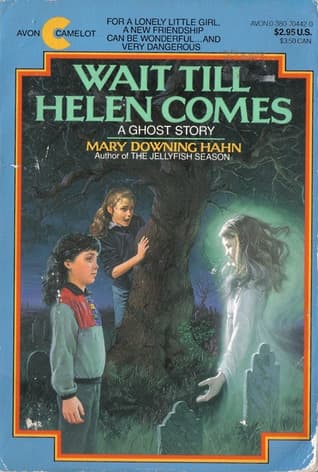
- Wait Till Helen Comes
Mary Downing Hahn
4.1 (20k) average on GoodreadsFantasyAnother classic ghost story for children by the same author, featuring a malevolent child ghost and a young protagonist trying to protect a sibling.
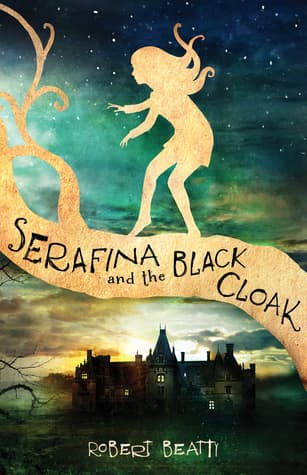
- Serafina and the Black Cloak
Robert Beatty
3.9 (29k) average on GoodreadsFantasySet in a grand, mysterious estate with a young protagonist uncovering dark secrets and supernatural threats.
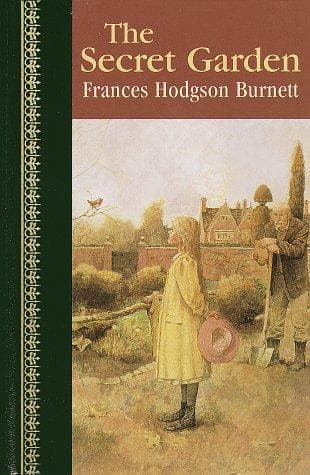
- The Secret Garden
Frances Hodgson Burnett
4.1 (891k) average on GoodreadsFantasyBoth books feature an orphan protagonist discovering secrets in a large, old house. However, The Secret Garden emphasizes growth, nature, and self-discovery through the literal and metaphorical 'garden,' with no supernatural elements. Crutchfield Hall is a supernatural mystery, using gothic tropes to drive its plot and explore historical family secrets.
- Harry Potter and the Sorcerer's Stone
J.K. Rowling
4.5 (7M) average on GoodreadsFantasyRescued from a miserable life under the stairs, an orphaned boy discovers he's a wizard destined for a magical school, where he uncovers a dangerous secret tied to the dark wizard who murdered his parents.
- The Hunger Games
Suzanne Collins
4.3 (6.4M) average on GoodreadsFantasyIn a future where children fight to the death on live television, Katniss Everdeen volunteers for the arena, turning a death sentence into a fight for survival and a spark of rebellion.
- 1984
George Orwell
4.2 (3.1M) average on GoodreadsPoliticsIn a future where surveillance and thought control are absolute, a man's search for truth clashes with the Party, showing that hope can be a form of rebellion.



Enjoyed the summary?
A summary gives you the shape of the book. The book itself has the detail, the examples and the voice.
Find The Ghost of Crutchfield Hall on AmazonAs an Amazon Associate, BookBrief earns from qualifying purchases. How we're funded