

Synopsis
Covers the whole plot, including the ending.
- Difficulty
- Easy
- Pacing
- Moderate
- Mood
- Romantic, Mythological, Reflective, Dramatic
- Read it if
- You're a fan of Greek mythology, enjoy origin stories, or want to deepen your understanding of the characters from Aimee Carter's 'Goddess Test' series.
- Skip it if
- You prefer continuous narratives over interconnected novellas or aren't interested in Young Adult romance with a mythological twist.
The Goddess Legacy Plot Summary
Covers the whole plot, including the ending.
The Goddess Queen: Calliope's Rise to Hera
Calliope, a beautiful and loyal nymph, serves the Titaness Rhea during the war between the Titans and the Olympians. She falls in love with Zeus, the charismatic leader of the Olympians, and they have a secret romance. As Zeus becomes king of the gods, Calliope struggles with his infidelity and Olympus's politics. Despite her heartbreak, she stays by his side, becoming his queen, Hera. Her journey shows her devotion and her transformation into the formidable, often vengeful, goddess we know, always battling Zeus's wandering eye and her position's challenges.
The Lovestruck Goddess: Ava's Path to Aphrodite
Ava is a mortal girl in ancient Greece, with an ability to inspire love and attraction in others. She falls in love with a kind and artistic young man named Lyros. Their happiness ends when Lyros is killed in a war, leaving Ava heartbroken. Her grief and the power of her love and loss affect both mortal and immortal realms. This intense experience, combined with her ability, draws the gods' attention, leading to her transformation as Aphrodite, the goddess of love, born from the sea foam and embodying its beauty and turbulence.
Goddess of the Underworld: Persephone's Choice
Persephone, the goddess of spring and daughter of Demeter, is pressured by her mother and Zeus to marry Apollo. While Apollo is a suitable match, Persephone feels no true affection for him. Her heart, however, is drawn to Henry, the god of the Underworld, Hades. She finds herself fascinated by his quiet strength and character, despite his grim domain. Their secret meetings and growing connection lead to deep love. This novella describes the events leading to her abduction by Hades, exploring her conflict between duty and desire, and her choice to become queen of the Underworld.
God of Thieves: James's Reckoning
James, later known as Hermes, is a young, energetic god, prone to trickery and mischief. He often plays pranks on other gods and mortals, causing chaos but rarely facing serious consequences. He is close to his mortal friend, Lyra, who often calms his wilder impulses. When a dangerous situation he causes accidentally leads to Lyra's death, James is devastated. This loss forces him to confront the impact of his actions and his irresponsibility. He experiences true grief for the first time, leading to a change in his character, making him more empathetic and aware of his powers' consequences.
God of Darkness: Henry's Longing
Henry, the stoic god of the Underworld, Hades, has spent ages in his dark domain, burdened by his duties and how other gods see him. He has accepted his solitary existence, believing he is destined for an eternity without love. The novella looks at his deep loneliness and his quiet wish for understanding. He observes the lives and loves of other gods and mortals from afar, a silent observer of a world he feels separate from. His story ends in the present day, where he meets Kate Winters, a mortal girl with a unique connection to the gods. Her presence sparks hope in his ancient heart, offering him a chance at the companionship and love he thought impossible.
Calliope's Struggle with Zeus's Infidelity
After becoming Hera, Calliope's devotion to Zeus is tested by his constant infidelity. She endures countless affairs, each one hurting her pride and heart. The novella details specific instances of Zeus's betrayals, showing her internal struggle between her love for him and her growing rage. Her reactions range from quiet despair to public fury, often aimed at Zeus's lovers and their children. This constant battle with his unfaithfulness hardens her, changing her into the jealous and vengeful goddess known in mythology, driven by a desperate need to protect her marriage and her position as queen.
Ava's Embrace of Her Divinity
Upon becoming Aphrodite, Ava initially struggles to balance her mortal past and her grief for Lyros with her new identity as the goddess of love. She finds her divinity's expectations overwhelming, especially given the superficiality often linked to love in the immortal realm. The novella explores her self-discovery as she learns to use her power, understanding that love includes passion, desire, heartbreak, and resilience. She gradually accepts her role, using her influence to inspire both fleeting romances and lasting bonds, while still remembering her first true love.
Persephone's Life in the Underworld
Following her choice to be with Henry, Persephone navigates her new life as queen of the Underworld. She initially feels the weight of her separation from the upper world and her mother, Demeter. However, the novella highlights her growing comfort and happiness in the dark realm. She learns to appreciate the Underworld's solemn beauty and her role's responsibility. Her relationship with Henry deepens, becoming a steady and loving partnership. She finds her own strength, not just as a goddess of spring, but as a compassionate ruler of the dead, bringing her unique perspective to Henry's domain.
James's Redemption and Role as Hermes
The tragic loss of Lyra deeply affects James, forcing him to shed his carefree persona. The novella details his period of mourning and reflection, during which he deals with guilt and remorse. This experience changes him, giving him empathy and a greater understanding of his actions' consequences. He begins to channel his energy and cleverness into more constructive things. He takes on the role of messenger for the gods, using his speed and wit for communication and diplomacy rather than mischief. This marks his change into Hermes, the god of travelers, merchants, and heralds, still mischievous but now responsible.
Henry's Enduring Hope for Love
Henry's story emphasizes his isolation and the burden of his role as ruler of the Underworld. He sees the joy and connection of other gods and mortals, yet believes such happiness is not for him. Despite this, a quiet longing for companionship remains within him. The novella shows his observations of the mortal world and the gods' lives, highlighting his detached yet yearning perspective. His story is one of enduring hope, showing the need for connection. His meeting with Kate Winters, a mortal with a unique destiny, represents the end of this long hope, offering him the promise of a future where he is not alone.
Principal Figures
Calliope/Hera
Protagonist
The loyal nymph who becomes the queen of the gods, Hera.
Calliope is initially a devoted and loving nymph, deeply committed to Zeus. She possesses immense strength of character and an unwavering loyalty, but also a deep capacity for pain. As Hera, she evolves into a formidable and often vengeful goddess, driven by her love for Zeus and her fierce desire to protect the sanctity of marriage, despite his constant infidelities. Her pride and power are central to her identity.
Relationships: Zeus (Husband, lover, source of both joy and profound heartbreak); Rhea (Mentor and protector during the Titanomachy)
Ava/Aphrodite
Protagonist
A mortal girl with a unique gift who becomes the goddess of love, Aphrodite.
Ava is a gentle and empathetic mortal, uniquely attuned to the emotions of others and possessing an innate ability to inspire love. She is capable of deep, pure affection, as evidenced by her love for Lyros. After her ascension, she carries the weight of her mortal grief, but ultimately embraces her role as Aphrodite, understanding the multifaceted nature of love – from its purest forms to its most destructive. She embodies beauty, passion, and the enduring power of emotion.
Relationships: Lyros (First and true love, a mortal whose death profoundly impacts her); Other gods (Initially a new and somewhat overwhelmed member of the Olympian pantheon)
Persephone
Protagonist
The vibrant goddess of spring who chooses love and becomes queen of the Underworld.
Persephone is portrayed as a spirited and independent goddess, full of life and connected to the natural world. Despite societal and familial pressures to conform, she possesses a strong will and a deep capacity for genuine affection. She is drawn to the enigmatic and often misunderstood, valuing true connection over superficial appearances. Her journey is about finding her own path and embracing a destiny that initially seems daunting.
Relationships: Henry (Hades) (Forbidden love, eventually husband and partner); Demeter (Overprotective mother, source of conflict); Apollo (Prospective arranged husband, but not her true love)
James/Hermes
Protagonist
The mischievous young god who learns responsibility through loss and becomes the messenger of the gods.
James is initially characterized by his boundless energy, quick wit, and a penchant for mischief. He is clever and charming but lacks a deep understanding of consequences. He values freedom and fun above all else. His defining trait, however, becomes his capacity for profound grief and remorse after a tragic event. This experience forges him into a more empathetic and responsible figure, still quick-witted but now with a sense of purpose and duty.
Relationships: Lyra (Close mortal friend, her death is a catalyst for his change); Other gods (Frequent target and perpetrator of pranks, later their trusted messenger)
Henry/Hades
Protagonist
The solitary and misunderstood ruler of the Underworld who longs for companionship.
Henry is a stoic, quiet, and profoundly lonely god, burdened by the responsibilities of his grim domain. He is often perceived as cold or unfeeling by other gods, but beneath his reserved exterior lies a deep capacity for love, loyalty, and a quiet yearning for connection. He is patient and observant, having endured millennia of solitude. His character is defined by his inherent goodness and his enduring hope for someone to share his eternal existence.
Relationships: Persephone (Wife and partner, brings light to his dark world); Kate Winters (Future love interest, a source of hope in the present timeline); Other gods (Often isolated from and misunderstood by them)
Zeus
Supporting
The powerful king of the gods, known for his charisma and infidelity.
Zeus is depicted as charismatic, powerful, and a natural leader, but also notoriously unfaithful and impulsive. He loves Calliope/Hera but struggles with fidelity, causing her immense pain. He embodies both the majestic authority and the flawed, human-like weaknesses of the Olympian gods, often prioritizing his desires over the feelings of others.
Relationships: Calliope/Hera (Wife, but frequently betrays her with numerous affairs); Other gods (King and often a source of authority and conflict)
Lyros
Supporting
Ava's mortal true love, whose death leads to her ascension as Aphrodite.
Lyros is a kind, artistic, and deeply loving mortal who captures Ava's heart. He represents pure, untainted love and happiness. His tragic, premature death serves as the catalyst for Ava's transformation into Aphrodite, highlighting the profound impact of mortal love and loss on the divine realm. He is a symbol of the beauty and fragility of mortal existence.
Relationships: Ava (True love, his memory profoundly shapes her identity)
Demeter
Supporting
Persephone's overprotective mother, the goddess of the harvest.
Demeter is a powerful and loving mother, but also intensely overprotective of Persephone. She desires a safe and respectable match for her daughter, prioritizing stability and tradition over Persephone's personal desires. Her actions, though well-intentioned, often create conflict and pressure for Persephone, highlighting the generational differences and expectations within the divine family.
Relationships: Persephone (Daughter, whom she fiercely loves and tries to control)
Lyra
Supporting
James's close mortal friend, whose death teaches him responsibility.
Lyra is a spirited and intelligent mortal girl, a close companion to the young, mischievous James. She often serves as a moral compass for him, tempering his wilder impulses. Her character represents the innocence and vulnerability of mortals in the face of divine power. Her tragic death, caused by James's recklessness, is the pivotal event that forces him to mature and understand the weight of his actions.
Relationships: James (Close mortal friend, her death deeply impacts him)
Kate Winters
Mentioned
A mortal girl from the future, who sparks hope in Henry's lonely existence.
Kate Winters is a mortal girl who appears in the 'God of Darkness' novella as a future hope for Henry. While not a central character in these origin stories, her presence in Henry's thoughts signifies a turning point for him. She represents the possibility of a new beginning and an end to his millennia of solitude, embodying the promise of love and companionship for the lonely god of the Underworld.
Relationships: Henry (Future love interest, a symbol of hope)
Themes & Insights
Love and Loss as Catalysts for Transformation
The novellas consistently show how deep experiences of love and loss drive the characters' transformations into gods and goddesses. Ava's grief over Lyros's death is the very essence from which Aphrodite is born. Similarly, James's carefree nature is broken by Lyra's death, making him responsible and turning him into Hermes. Persephone's choice to follow her love for Henry, despite losing her former life, solidifies her role as queen of the Underworld. Even Hera's constant heartbreak from Zeus's infidelities shapes her into the formidable and vengeful goddess she becomes, driven by a twisted love and the pain of its betrayal.
“For love, even lost, leaves an indelible mark, shaping the very essence of who we are, mortal or divine.”
The Burden of Immortality and Solitude
Immortality is often shown not as a blessing, but as a heavy burden, especially for Henry/Hades. His ages of solitude and his domain's grim nature lead to deep loneliness and a quiet wish for connection. For Hera, immortality means enduring Zeus's betrayals forever. This theme explores how endless life can increase suffering and the desire for companionship, making moments of connection even more precious. It highlights the human-like struggles of the gods, despite their divine powers, showing that even gods can feel isolated and long for belonging.
“To live forever is to witness endless cycles, but for some, it is simply to endure an endless silence.”
Duty vs. Desire
Many characters deal with the conflict between their personal desires and the duties or expectations placed on them. Persephone's story is a main example, as she is urged to marry Apollo for political stability but loves Henry. Hera, as queen, constantly battles her heartbreak with her duty to maintain a united Olympus. This theme explores the sacrifices characters make, or refuse to make, for love, power, or societal roles. It questions whether true happiness can be found when one's heart and responsibilities clash, and how these choices define their divine identities.
“Her heart pulled in one direction, her destiny in another, a choice that would forever define her reign.”
The Nature of Love (Diverse Forms)
The collection explores love in its many forms: the pure, tragic first love of Ava and Lyros; the devoted, yet painful love of Calliope for Zeus; the deep, forbidden love between Persephone and Henry; and the close friendship James feels for Lyra. It shows love as a powerful, transformative force, capable of inspiring creation, devotion, heartbreak, and even vengeance. The novellas look at love's complexities, showing that it is not always perfect or easy, but it is always impactful, shaping destinies and defining the gods' very essence.
“Love, in all its forms, is the most potent magic, capable of both creation and utter devastation.”
Plot Devices & Literary Techniques
Origin Story Arc
Each novella serves as an origin story for a specific god or goddess.
This device allows the author to explore the formative experiences and emotional journeys that shape the mythological figures into their familiar forms. By focusing on their pre-Olympian lives or early divine struggles, the novellas provide a deeper understanding of their motivations, flaws, and powers. For instance, we see how Calliope becomes Hera, not just a jealous wife, but a woman deeply wounded by betrayal, or how Ava's human grief gives birth to Aphrodite's divine essence. This structure enriches the existing mythology by giving psychological depth to well-known characters.
Catalytic Event
A significant, often tragic, event that triggers a major character transformation.
This device is crucial for driving character development, particularly in the stories of Ava and James. Lyros's death is the catalytic event that transforms Ava's human love and grief into her divine essence as Aphrodite. Similarly, Lyra's death serves as the devastating catalyst for James to shed his recklessness and embrace responsibility as Hermes. These events are not merely plot points; they are the emotional crucible through which the characters are forged, directly leading to their ascension or fundamental change in their divine identities and roles.
Dual Identity/Name
Characters are known by both their original names and their future divine names.
This device, such as Calliope/Hera or James/Hermes, explicitly signals the character's journey from their initial state to their eventual divine identity. It emphasizes the transformative process, allowing the reader to connect the person they are reading about to the mythological figure they already know. It highlights the 'becoming' of the god, rather than simply presenting them as fully formed, and underscores the idea that their past experiences directly contribute to their divine persona and domain.
Foreshadowing (Henry/Kate)
Hints at future events and relationships, particularly in Henry's story.
In 'God of Darkness,' the inclusion of Kate Winters as a future hope for Henry serves as a significant foreshadowing device. It connects this collection of origin stories to the broader narrative of the 'Goddess Test' series (which 'The Goddess Legacy' complements). This not only offers a glimpse into Henry's future happiness, providing a poignant end to his millennia of loneliness, but also creates anticipation and a sense of continuity for readers familiar with the larger universe, hinting at the resolution of his character arc.
The Goddess Legacy Quotes
“I was born to be a goddess. It was my birthright, my destiny. But I was also born to be a weapon, and weapons are meant to be used.”
“Sometimes the greatest strength is not in fighting, but in choosing what to fight for.”
“Love isn't a weakness. It's the only thing that makes us truly strong.”
“We are all just stories in the end, make yours a good one.”
“The past is a stubborn beast. It holds on, even when you try to let go.”
“There's a difference between being immortal and being alive.”
“Hope is a dangerous thing. It can give you strength, but it can also break your heart.”
“Sometimes the answers you seek are not in grand prophecies, but in the quiet whispers of your own heart.”
“A true leader doesn't just command, they inspire.”
“The greatest battles are not always fought with swords and magic, but within ourselves.”
“Even goddesses can bleed. Even gods can fall.”
“Forgiveness is not about forgetting, but about letting go of the anger.”
“Fate is not a road we are forced to walk, but a tapestry we weave with every choice.”
Quiz
10 questions on the plot and the characters. Each answer comes with a short explanation.
Question 1
Which goddess is described as representing 'constancy' despite having an unfaithful husband?
- Ava/Aphrodite
- Persephone
- Calliope/Hera
- Kate Winters
Show answer
C. Calliope/Hera The synopsis explicitly states, 'Calliope/Hera represented constancy and yet had a husband who never matched her faithfulness....'
Question 2
Which character is associated with making 'trouble for others' and never knowing true loss before?
- Henry/Hades
- James/Hermes
- Persephone
- Kate Winters
Show answer
B. James/Hermes The description for James/Hermes notes, 'James/Hermes loved to make trouble for others - but never knew true loss before....'
Question 3
What is the primary genre of 'The Goddess Legacy' as described?
- Science Fiction, Dystopian
- Fantasy, Young Adult, Romance
- Historical Fiction, Mystery
- Thriller, Horror
Show answer
B. Fantasy, Young Adult, Romance The provided information explicitly lists the genres as 'Fantasy, Young Adult, Romance.'
Question 4
Which goddess, despite being the goddess of love, struggles with commitment?
- Persephone
- Calliope/Hera
- Ava/Aphrodite
- Kate Winters
Show answer
C. Ava/Aphrodite The synopsis states, 'Ava/Aphrodite was the goddess of love and yet commitment was a totally different deal....'
Question 5
What specifically gave Henry/Hades 'new hope' according to the synopsis?
- Marrying Persephone
- Overthrowing Zeus
- Meeting Kate Winters
- Ending his solitary existence
Show answer
C. Meeting Kate Winters The text states, 'Henry/Hades's solitary existence had grown too wearisome to continue. But meeting Kate Winters gave him a new hope....'
Question 6
What is the primary conflict described for Persephone in her novella?
- Her struggle with commitment as the goddess of love.
- Being urged to marry one man, but longing for another.
- Her husband's unfaithfulness.
- Her solitary existence becoming too wearisome.
Show answer
B. Being urged to marry one man, but longing for another. The synopsis states, 'Persephone was urged to marry one man, yet longed for another....'
Question 7
How many original novellas are included in 'The Goddess Legacy' collection?
- Three
- Four
- Five
- Ten
Show answer
C. Five The text explicitly states, 'Five original novellas of love, loss and longing and the will to survive throughout the ages.'
Question 8
The collection 'The Goddess Legacy' pulls back the curtain on 'how they became the powerful, petty, loving and dangerous immortals that Kate Winters knows.' What does this imply about Kate Winters' role in the broader series context?
- She is a minor character with no significant connection to the gods.
- She is an ancient goddess whose past is being revealed.
- She is a contemporary character who has existing knowledge or interaction with these gods.
- She is the author of these novellas.
Show answer
C. She is a contemporary character who has existing knowledge or interaction with these gods. The phrase 'immortals that Kate Winters knows' implies she is a character within the overarching narrative who is aware of or interacts with these gods, suggesting a contemporary or connected role rather than being one of the ancient gods herself or a detached observer.
Question 9
Based on the provided novella titles, which god's story is NOT explicitly listed?
- Hera
- Aphrodite
- Demeter
- Hermes
Show answer
C. Demeter The titles are 'The Goddess Queen' (Hera), 'The Lovestruck Goddess' (Aphrodite), 'Goddess of the Underworld' (Persephone), 'God of Thieves' (Hermes), and 'God of Darkness' (Hades). Demeter is not explicitly named or clearly represented by a title, though Persephone's story often involves her.
Question 10
Considering the themes of 'love, loss and longing and the will to survive throughout the ages,' what overarching narrative purpose do these novellas serve?
- To present isolated, unrelated stories of minor mythological figures.
- To explore the origins and personal struggles that shaped the well-known Olympian gods.
- To critique the historical accuracy of ancient Greek myths.
- To introduce entirely new gods and goddesses to the mythological canon.
Show answer
B. To explore the origins and personal struggles that shaped the well-known Olympian gods. The introduction states the book 'pulls back the curtain on how they became the powerful, petty, loving and dangerous immortals that Kate Winters knows,' directly aligning with exploring the origins and personal struggles that shaped these gods.
The Goddess Legacy FAQ
What is the overarching premise of 'The Goddess Legacy' and how does it connect to Kate Winters' story?
The Goddess Legacy delves into the origins and formative experiences of the Olympian gods before they became the deities Kate Winters knows in the original series. It explores the pivotal moments, loves, and losses that shaped their personalities and relationships, providing a deeper understanding of the mythology that underpins Kate's own journey and destiny.
Which specific gods and goddesses are featured in this collection of novellas?
The collection features five key Olympian figures. Readers get insights into Calliope/Hera, Ava/Aphrodite, Persephone, James/Hermes, and Henry/Hades, each receiving their own dedicated novella exploring their pasts and the events that defined them.
What themes are explored across the five novellas in 'The Goddess Legacy'?
Common themes include the complexities of love, the pain of loss, the longing for connection, and the sheer will to survive through millennia. Each story examines how these powerful emotions and experiences molded the gods into the figures of power, pettiness, and love that they are known to be.
How does 'The Goddess Queen' explore Calliope/Hera's early life and her relationship with Zeus?
'The Goddess Queen' focuses on Calliope's initial experiences and her journey to becoming Hera, the queen of the gods. It likely details her early interactions with Zeus, establishing the foundation of their famously tumultuous and unfaithful marriage, and her innate desire for constancy despite his nature.
What is the central conflict or journey for Persephone in 'Goddess of the Underworld'?
Persephone's novella centers on her internal struggle between societal expectations and her own desires. She is urged to marry one specific man, likely a powerful figure, but her heart yearns for another, presumably Henry/Hades, leading to a conflict that shapes her destiny as the Goddess of the Underworld.
Are there any subtle foreshadowing elements in Ava/Aphrodite's story that hint at her later complexities with love?
Ava's story, 'The Lovestruck Goddess,' likely foreshadows her future struggles with commitment despite being the goddess of love. Her early experiences with romance and passion probably reveal a distinction between fleeting desire and lasting devotion, setting the stage for her often fickle romantic history.
How does James/Hermes's experience of 'true loss' in 'God of Thieves' impact his character development?
James/Hermes, known for making trouble, likely confronts a profound personal loss in 'God of Thieves' that fundamentally alters his perspective. This experience probably forces him to mature beyond his mischievous nature, adding depth and empathy to his character that wasn't present when he only caused trouble for others.
What specific details in Henry/Hades's novella, 'God of Darkness,' reveal why his solitary existence had become 'wearisome'?
'God of Darkness' likely details the crushing loneliness and existential ennui that plagued Henry/Hades in his solitary realm. It probably showcases his yearning for companionship and purpose beyond his duties, setting the stage for the transformative hope he finds upon meeting Kate Winters.
Do any of the novellas reveal early interactions or rivalries between the gods that become significant in the main series?
It is highly probable that these origin stories subtly introduce or deepen early interactions and rivalries between the gods. For instance, the dynamics between Calliope/Hera and Zeus, or the initial perceptions of Henry/Hades by other Olympians, would lay the groundwork for their complex relationships in the main series.
How does Calliope/Hera's deep desire for 'constancy' in 'The Goddess Queen' psychologically affect her response to Zeus's infidelity?
Calliope/Hera's innate need for constancy likely makes Zeus's infidelities particularly devastating to her psyche. This deep-seated desire, when repeatedly betrayed, could fuel her legendary jealousy and vengefulness, as it represents a constant assault on her core values and emotional stability.
What psychological journey does Ava/Aphrodite undergo in 'The Lovestruck Goddess' regarding her understanding of love versus commitment?
Ava/Aphrodite's journey likely explores the psychological distinction between the intoxicating rush of love and the enduring demands of commitment. Her experiences probably teach her that while love can be easily found, true commitment requires a deeper level of sacrifice and vulnerability, which she may struggle to embrace.
How does Henry/Hades's long-term 'solitary existence' psychologically prepare or hinder him for a relationship with Kate Winters?
Henry/Hades's prolonged solitude likely fostered a deep sense of independence and self-reliance, but also a profound loneliness. This could make him initially hesitant and awkward in forming deep connections, yet also intensely value the companionship and hope that Kate Winters eventually brings into his life.
In what ways does Persephone's internal conflict between obligation and desire in 'Goddess of the Underworld' reflect common human psychological struggles?
Persephone's struggle between marrying for duty versus marrying for love mirrors universal human psychological conflicts. Her story highlights the tension between external pressures and personal autonomy, and the emotional toll of choosing between what is expected and what one truly desires in matters of the heart.
Is 'The Goddess Legacy' intended to redeem the gods or simply provide context for their flaws?
The collection seems to aim more at providing context rather than outright redemption. By exploring their origins and formative experiences, it allows readers to understand *why* the gods are the way they are—their pettiness, love, and danger—without necessarily excusing their later actions, offering a more nuanced perspective.
How might understanding the pre-Kate Winters lives of the gods change a reader's perception of their actions in the main series?
Understanding their pasts can drastically alter a reader's perception. For instance, Hera's jealousy might seem less arbitrary, Hades's intensity more understandable, and Aphrodite's fickleness rooted in early experiences, adding layers of empathy or critique to their roles in Kate's story.
Does the collection suggest that the gods' destinies were predetermined, or that their choices shaped who they became?
The collection likely suggests a blend of both. While certain mythic roles might be predetermined, the novellas focus on the individual choices, loves, and losses that shaped their personalities and how they embodied those roles, implying that character was forged through experience as much as fate.
What does 'The Goddess Legacy' imply about the nature of immortality and its effect on psychological development?
'The Goddess Legacy' implies that immortality doesn't halt psychological development but rather prolongs and intensifies it. Millennia of experiences, losses, and unchanging patterns can lead to deep-seated personality traits, profound loneliness, or a hardened perspective, showcasing the unique burdens of eternal life.
How does the focus on 'love, loss, and longing' in these novellas contrast with the more action-driven aspects of the main series?
While the main series features action, 'The Goddess Legacy' delves into the foundational emotional core of the gods, focusing on their internal lives and the profound impact of love, loss, and longing. This contrast enriches the main narrative by providing a deep emotional backstory, making the gods' later actions resonate more profoundly.
About the author

Aimee Carter is a "New York Times" bestselling author known for her "Goddess" series, including "The Goddess Legacy" and "The Goddess Inheritance." Her young adult fantasy novels often explore themes of mythology and destiny, captivating readers with intricate plots and compelling characters. Carter's work has established her as a prominent voice in contemporary fantasy fiction.
Similar books
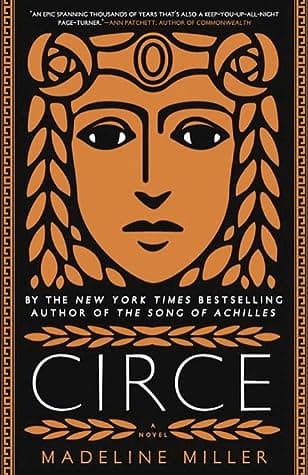
- Circe
Madeline Miller
4.3 (343k) average on GoodreadsFantasyExplores the life and struggles of a mythological figure with depth and character focus.
- Harry Potter and the Sorcerer's Stone
J.K. Rowling
4.5 (7M) average on GoodreadsFantasyRescued from a miserable life under the stairs, an orphaned boy discovers he's a wizard destined for a magical school, where he uncovers a dangerous secret tied to the dark wizard who murdered his parents.
- The Hunger Games
Suzanne Collins
4.3 (6.4M) average on GoodreadsFantasyIn a future where children fight to the death on live television, Katniss Everdeen volunteers for the arena, turning a death sentence into a fight for survival and a spark of rebellion.
- 1984
George Orwell
4.2 (3.1M) average on GoodreadsPoliticsIn a future where surveillance and thought control are absolute, a man's search for truth clashes with the Party, showing that hope can be a form of rebellion.
- Divergent
Veronica Roth
4.2 (2.9M) average on GoodreadsFantasyIn a society divided by virtues, a sixteen-year-old's difference from the norm starts a rebellion that threatens her world.
- The Hobbit, or There and Back Again
J.R.R. Tolkien
4.3 (2.9M) average on GoodreadsFantasyA comfort-loving hobbit named Bilbo Baggins is whisked away by a mischievous wizard and a band of dwarves on an unexpected journey to reclaim stolen treasure from a fearsome dragon, discovering courage and a magical ring along the way.





Enjoyed the summary?
A summary gives you the shape of the book. The book itself has the detail, the examples and the voice.
Find The Goddess Legacy on AmazonAs an Amazon Associate, BookBrief earns from qualifying purchases. How we're funded