
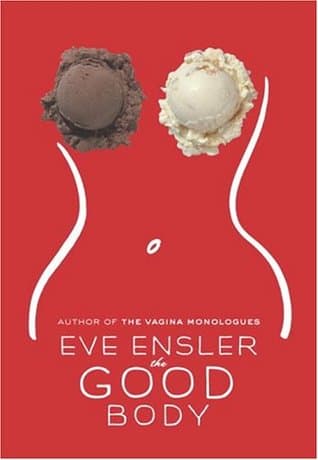
Core Idea
- Difficulty
- Easy
Key Takeaways from The Good Body
The Tyranny of the 'Good Body' Ideal
Society's shifting beauty standards create an unattainable and self-destructive pursuit of physical perfection.
Ensler shows how the idea of a 'good body' changes based on culture and history, not on health or self-worth. This ideal, whether it's the tiny waist of the 1950s or today's super-fit, thin look, always pushes women to change themselves physically and mentally. The main point is that this pursuit is pointless and harmful, causing women to lose touch with who they really are. The book argues that this constant chase is not about getting better, but about fitting an outside standard that makes women hate themselves and feel anxious.
“In the 1950s, girls were 'pretty, perky. They had a blond Clairol wave in their hair. They wore girdles and waist-pinchers.' In recent years good girls join the army. They climb the corporate ladder. They go to the gym. They wear painful pointy shoes. They don’t eat too much. They don’t eat at all. They stay perfect. They stay thin. I could never be good.”
In the book: Ensler's opening personal narrative contrasting 1950s ideals with contemporary expectations, coupled with her own struggles with her 'post-forties' stomach and various fad diets and trainers.
Try this: Recognize and deconstruct the external pressures shaping your body image. Question where these ideals originate and whether they serve your well-being or simply an arbitrary cultural norm. Challenge the notion that your body needs to be 'fixed' to be 'good.'
The Body as a Site of Trauma and Control
Personal and societal traumas often manifest as self-hatred and obsessive control over one's physical form.
Ensler best connects body image issues to deeper emotional pain, often from past trauma, abuse, or societal pressure. Focusing on 'fixing' a perceived body flaw becomes a way to cope, a desperate effort to regain control where it was lost. The book shows how the body displays these unresolved issues, as women project anxieties and self-worth onto their appearance. The Latina woman's 'spread' and the plastic surgeon's wife's many surgeries are examples of how outside criticism or inner shame can lead to big, often harmful, changes.
“A young Latina candidly critiques her humiliating 'spread,' a stubborn layer of fat that she calls 'a second pair of thighs.' The wife of a plastic surgeon recounts being systematically reconstructed—inch by inch—by her 'perfectionist' husband.”
In the book: Stories of the young Latina woman's self-critique of her 'spread,' the plastic surgeon's wife undergoing continuous reconstruction by her husband, and the aging magazine executive haunted by her mother's criticism.
Try this: Explore the emotional roots of body dissatisfaction. Instead of focusing solely on physical changes, consider how past experiences or unaddressed emotions might be driving your need for control or 'perfection' over your body. Seek therapy or journaling to process these underlying issues.
The Global Nature of Body Dissatisfaction
Despite cultural differences, the pressure to conform to an ideal body type transcends geographical boundaries.
Ensler's travels show that while specific beauty ideals differ, the underlying anxiety and pressure to conform are the same everywhere. Women from Los Angeles to Kabul feel inadequate about their bodies. This shared experience means body dissatisfaction is not just a personal problem but a widespread societal one, often made worse by media and cultural stories. Yet, the book also presents stories from women in different cultures who have found peace, suggesting that cultural context can also help women accept themselves, challenging the single 'good body' idea common in Western societies.
“Along the way, Eve also introduces us to women who have found a hard-won peace with their bodies: an African mother who celebrates each individual body as signs of nature’s diversity; an Indian woman who transcends 'treadmill mania' and delights in her plump cheeks and curves; and a veiled Afghani woman who is willing to risk imprisonment for a taste of ice cream.”
In the book: Ensler's interviews with women from diverse backgrounds, including the young Latina, the plastic surgeon's wife, the African mother, the Indian woman, and the Afghani woman.
Try this: Recognize that your struggles are not isolated. Seek out diverse perspectives on beauty and body image from different cultures. This broader understanding can help de-normalize restrictive beauty standards and foster a more inclusive view of what constitutes a 'good body.'
Reclaiming Pleasure and Embodiment
True body acceptance involves rejecting deprivation and rediscovering the joy of sensory experience and physical freedom.
This is one of the book's most hopeful messages. Ensler shows that freedom from body obsession is not about having a perfect body, but about taking back the body as a source of pleasure and power, instead of a place for constant criticism and punishment. The examples of the Indian woman enjoying her curves and the Afghani woman risking everything for ice cream show a strong act of self-love and resistance against strict rules. It's a call to move past constant dieting and exercise, to enjoy the senses, and to find joy in simply being in one's body, no matter its shape or size. This change from discipline to delight is key for real self-acceptance.
“An Indian woman who transcends 'treadmill mania' and delights in her plump cheeks and curves; and a veiled Afghani woman who is willing to risk imprisonment for a taste of ice cream.”
In the book: The stories of the Indian woman's self-acceptance and the Afghani woman's act of rebellion through enjoying ice cream.
Try this: Consciously engage in activities that bring you physical pleasure and sensory delight, rather than focusing solely on exercise or food restriction for aesthetic goals. Allow yourself to enjoy food without guilt, move your body in ways that feel good, and appreciate your physical sensations.
The Internalized Critic and Mother-Daughter Dynamics
Negative body image is often deeply intertwined with internalized parental criticism, particularly from mothers.
Ensler reveals the lasting impact of early messages from parents, especially mothers, on a woman's body image. The magazine executive's endless pursuit of youth, driven by her mother's old criticism, is a strong reminder that these words can stay with someone for a lifetime, becoming an inner critic. This suggests that healing body image issues often means facing and processing these early relationships and the unconscious ways family expectations and judgments are absorbed. It highlights how body shame can pass from one generation to the next and how a mother's own body relationship affects her daughter's.
“An aging magazine executive, still haunted by her mother’s long-ago criticism, describes her desperate pursuit of youth as she relentlessly does sit-ups.”
In the book: The story of the aging magazine executive's lifelong struggle, stemming from her mother's past criticism.
Try this: Reflect on the messages you received about your body and appearance during childhood, especially from your primary caregivers. Identify any internalized criticisms and actively work to reframe or challenge them. Consider journaling about these memories or seeking support to process them.
Beyond the Surface: The Body as a Vessel for Life
Shifting focus from appearance to the body's functionality and capacity for life fosters deeper appreciation.
This offers a strong alternative to common beliefs. Ensler introduces women, like the African mother, who see bodies not as things to be judged or perfected, but as varied expressions of life itself, each with its own beauty and purpose. This view encourages moving away from superficial looks and towards appreciating the body's amazing abilities—its capacity to breathe, move, feel, and live. It's a call to respect the body's natural wisdom and its connection to nature, seeing variety as a strength rather than a flaw. This change in thinking is important for building a truly good relationship with one's body.
“An African mother who celebrates each individual body as signs of nature’s diversity.”
In the book: The African mother's philosophy of celebrating individual bodies as natural diversity.
Try this: Practice gratitude for your body's functions rather than its appearance. Focus on what your body allows you to do—walk, laugh, hug, experience the world—rather than how it looks. Engage in activities that highlight its capabilities and resilience.
The Performance of Femininity and Body Shame
The pressure to embody a specific feminine ideal often leads to physical and emotional suffering.
Ensler points out that having a 'good body' is not just about looks, but about acting out a certain kind of femininity that often means self-denial and discomfort. The painful shoes, strict eating, and constant watchfulness are all part of a performance meant to gain social approval, often at the expense of one's own comfort and health. This argument is powerful in its look at female societal pressures. It exposes how these expectations trick women into believing self-inflicted discomfort is a good thing.
“They wear painful pointy shoes. They don’t eat too much. They… don’t eat at all. They stay perfect. They stay thin. I could never be good.”
In the book: Ensler's description of contemporary 'good girls' and their practices: 'painful pointy shoes,' 'don't eat too much,' 'stay perfect,' 'stay thin.'
Try this: Question the 'rules' you follow regarding your appearance and consider whether they genuinely serve you or are simply part of a performance for others. Prioritize your comfort, health, and authentic self-expression over societal expectations of femininity.
The Power of Collective Storytelling for Healing
Sharing personal narratives of body image struggles fosters empathy and collective liberation.
After 'The Vagina Monologues,' Ensler again shows how powerful it is to share deep, often unspoken, personal experiences. By combining her own struggles with those of women worldwide, she creates a sense of shared vulnerability and strength. This collective storytelling validates individual experiences, reduces feelings of isolation, and prompts a 'wake-up call' towards self-acceptance. The book itself, through its structure, embodies this idea, suggesting that true healing from body shame often starts when individual stories are shared and seen as part of a larger human experience.
“Ultimately, these monologues become a personal wake-up call from Eve to love the 'good bodies' we inhabit.”
In the book: The entire structure of the book, which interweaves Ensler's personal narrative with the monologues of diverse women from various backgrounds.
Try this: Seek out communities or safe spaces (online or in person) where you can share your own experiences with body image and listen to others. This can be incredibly validating and help you realize you are not alone in your struggles.
Self-Acceptance as an Ongoing Journey, Not a Destination
Achieving peace with one's body is a continuous process of awareness, challenge, and compassion.
Ensler's own path, starting with her difficult relationship with her stomach, shows that self-acceptance is not a sudden realization but an ongoing, active process. The book does not offer a simple 'cure' but rather a series of awakenings and challenges to ingrained beliefs. The women who found 'hard-won peace' highlight that this peace is earned through conscious effort and often means questioning deep-seated societal and personal stories. This view is important because it sets realistic expectations, encouraging persistence and self-compassion even when old insecurities return.
“As Eve hungrily seeks self-acceptance, she is joined by the voices of women from L.A. to Kabul, whose obsessions are also laid bare.”
In the book: Ensler's personal struggle throughout the book, and the description of women who found 'hard-won peace,' implying effort and time.
Try this: View body acceptance as a practice, like mindfulness or meditation, rather than a fixed state. Be patient and compassionate with yourself when self-critical thoughts arise, and gently redirect your focus towards gratitude and self-care.
The Body as a Political Statement
Embracing one's authentic body is an act of resistance against patriarchal and consumerist pressures.
This book, like much of Ensler's work, implies that personal experiences are political. The constant pursuit of an ideal body is often driven by industries (beauty, diet, fashion) that profit from insecurity, and by systems that aim to control women's bodies and attention. To reject these pressures and embrace one's natural form, to enjoy simple pleasures like ice cream against strict rules, becomes an act of strong self-affirmation and a political statement. The Afghani woman's story is especially moving here, showing how even small acts of bodily pleasure can be profound acts of rebellion against systemic control.
“A veiled Afghani woman who is willing to risk imprisonment for a taste of ice cream.”
In the book: The contrast between societal pressures (e.g., diet industry, plastic surgery) and acts of self-acceptance, particularly the Afghani woman's defiance.
Try this: Consciously resist consumerist messages that promote dissatisfaction with your body. Understand that when you embrace your body as it is, you are challenging systems that benefit from your insecurity. Advocate for body diversity and acceptance in your own spheres of influence.
Quiz
10 questions on the main ideas. Each answer comes with a short explanation.
Question 1
What is the primary theme explored in Eve Ensler's "The Good Body"?
- The challenges of maintaining a healthy diet and exercise routine.
- Societal pressures and personal struggles related to body image and self-acceptance.
- The evolution of fashion trends for women from the 1950s to the present.
- The impact of global politics on women's health and well-being.
Show answer
B. Societal pressures and personal struggles related to body image and self-acceptance. The book delves into the author's personal struggles with her body and explores the stories of various women dealing with societal expectations and their own insecurities about their physical appearance.
Question 2
According to the text, what did Eve Ensler write about girls in the 1950s?
- They were encouraged to be athletic and join the army.
- They focused on academic achievements and climbing the corporate ladder.
- They were expected to be pretty, perky, wear girdles, and waist-pinchers.
- They embraced natural body shapes and rejected artificial enhancements.
Show answer
C. They were expected to be pretty, perky, wear girdles, and waist-pinchers. The excerpt explicitly states, 'In the 1950s, Eve writes, girls were “pretty, perky. They had a blond Clairol wave in their hair. They wore girdles and waist-pinchers.”'
Question 3
What does Eve Ensler describe as her initial struggle in "The Good Body"?
- Her dissatisfaction with her post-forties stomach and efforts to fix it.
- Her inability to keep up with the latest fashion trends.
- Her desire to join the army like modern good girls.
- Her conflict with her mother over body image.
Show answer
A. Her dissatisfaction with her post-forties stomach and efforts to fix it. The book begins with Ensler's personal battle, as she writes: 'The Good Body starts with Eve’s tortured relationship with her own “post-forties” stomach and her skirmishes with everything from Ab Rollers to fad diets and fascistic trainers.'
Question 4
Which of the following women's stories is NOT mentioned in the provided excerpt as a contributor to "The Good Body"?
- A young Latina critiquing her 'second pair of thighs.'
- The wife of a plastic surgeon reconstructed by her husband.
- An aging magazine executive doing relentless sit-ups.
- A young girl struggling with early-onset arthritis.
Show answer
D. A young girl struggling with early-onset arthritis. The excerpt details stories of a Latina woman, the wife of a plastic surgeon, and an aging magazine executive, all of whom are struggling with body image. A young girl with arthritis is not mentioned.
Question 5
What does the excerpt suggest about the 'good girls' of recent years compared to those of the 1950s?
- They are more focused on domesticity and family.
- They are more career-oriented, physically fit, and often have extreme body consciousness.
- They have abandoned traditional beauty standards entirely.
- They are less concerned with their appearance and more with inner peace.
Show answer
B. They are more career-oriented, physically fit, and often have extreme body consciousness. The text contrasts the 1950s 'pretty, perky' ideal with recent years where 'good girls join the army. They climb the corporate ladder. They go to the gym. . . . They wear painful pointy shoes. They don’t eat too much. They . . . don’t eat at all. They stay perfect. They stay thin.' This highlights a more demanding and appearance-focused ideal.
Question 6
Which of the following is an example of a woman who has found a 'hard-won peace with her body' as described in the book?
- A woman who undergoes extensive plastic surgery to achieve a specific look.
- A woman who obsessively diets and exercises to stay thin.
- An Afghani woman willing to risk imprisonment for ice cream, symbolizing a simple pleasure.
- A young Latina who calls her extra fat 'a second pair of thighs.'
Show answer
C. An Afghani woman willing to risk imprisonment for ice cream, symbolizing a simple pleasure. The Afghani woman's story, where she risks imprisonment for a taste of ice cream, represents a defiance of extreme control and a reclaiming of simple joys, aligning with the 'hard-won peace' narrative. The other options describe women still struggling with obsession or societal pressures.
Question 7
The excerpt mentions women whose obsessions are 'laid bare.' What does this phrase imply about their relationship with their bodies?
- They are openly proud of their physical attributes.
- Their struggles and insecurities are intensely felt and revealed.
- They have successfully overcome all body image issues.
- They are indifferent to societal beauty standards.
Show answer
B. Their struggles and insecurities are intensely felt and revealed. To have obsessions 'laid bare' suggests that their deep-seated, often private, struggles and preoccupations with their bodies are exposed and examined within the book.
Question 8
What overarching journey does Eve Ensler undertake in "The Good Body," as suggested by the text?
- From societal critique to political activism.
- From physical fitness to athletic competition.
- From personal obsession with her body to enlightenment and self-acceptance.
- From childhood insecurities to adult confidence.
Show answer
C. From personal obsession with her body to enlightenment and self-acceptance. The excerpt states, 'These are just a few of the inspiring stories woven through Eve’s global journey from obsession to enlightenment.' This clearly indicates her personal transformation from being consumed by body image issues to achieving a state of understanding and acceptance.
Question 9
The phrase 'fascistic trainers' used to describe some of Ensler's experiences suggests:
- Trainers who were overly polite and gentle.
- Trainers who imposed extremely rigid, demanding, and potentially unhealthy regimens.
- Trainers who focused on the psychological aspects of fitness.
- Trainers who were primarily interested in bodybuilding.
Show answer
B. Trainers who imposed extremely rigid, demanding, and potentially unhealthy regimens. The term 'fascistic' implies an authoritarian, controlling, and uncompromising approach. In the context of fitness, it suggests trainers who enforce extreme and possibly detrimental methods with absolute rigor.
Question 10
What is the ultimate message or call to action from Eve Ensler in "The Good Body," according to the provided text?
- To strive for unattainable perfection in body shape and size.
- To embrace and love the bodies we inhabit, recognizing their inherent worth.
- To reject all forms of physical exercise and dieting.
- To seek constant self-improvement through extreme measures.
Show answer
B. To embrace and love the bodies we inhabit, recognizing their inherent worth. The final sentence of the excerpt summarizes the book's core message: 'Ultimately, these monologues become a personal wake-up call from Eve to love the “good bodies” we inhabit.' This emphasizes acceptance and love for one's own body.
The Good Body FAQ
What is "The Good Body" by Eve Ensler about?
"The Good Body" is a memoir by Eve Ensler, author of "The Vagina Monologues." It explores her personal struggles with body image and societal pressures on women's bodies, weaving in stories from women around the world who grapple with similar obsessions and those who have found acceptance.
What societal pressures on women's bodies does Eve Ensler discuss?
Ensler critiques the evolving and often unattainable standards of the 'good body' throughout different eras, from the idealized thinness and 'perfection' of recent decades to the pressures of diet, exercise, and cosmetic procedures like Botox and breast implants.
How does "The Good Body" compare to "The Vagina Monologues"?
While "The Vagina Monologues" focused on female sexuality and experience through monologues, "The Good Body" shifts the focus to the complex and often fraught relationship women have with their physical selves and the external pressures that shape these perceptions.
What personal struggles does Eve Ensler share in the book?
Ensler candidly shares her own 'post-forties' anxieties about her stomach and her battles with fad diets, exercise equipment, and trainers in her quest for self-acceptance and to overcome her 'flabby badness.'
What kind of stories from other women are featured in the book?
The book includes diverse stories from women worldwide, such as a Latina woman discussing her body fat, a plastic surgeon's wife detailing reconstructive procedures, and an aging executive's pursuit of youth, alongside women who have found peace with their bodies.
Does the book offer solutions or a message of hope?
Yes, the book highlights inspiring stories of women who have achieved hard-won peace with their bodies, celebrating diversity and transcending obsessive behaviors, ultimately encouraging readers to love the bodies they inhabit.
What is the central message of "The Good Body"?
The central message is a call to action for women to move beyond societal obsessions with physical perfection and to embrace self-acceptance and love for their own unique 'good bodies.'
Who is the intended audience for "The Good Body"?
The book is intended for anyone, particularly women, who have struggled with body image, societal pressures related to appearance, or the pursuit of physical perfection, and are seeking a more accepting relationship with their bodies.
About the author
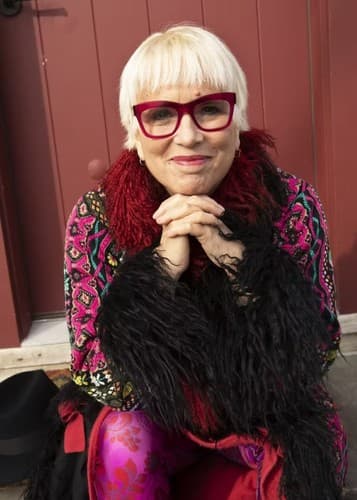
Eve Ensler is an American playwright, feminist, and activist, best known for her work addressing issues of women's rights and body image. Her notable work, "The Good Body," explores the complexities of women's relationships with their bodies and societal expectations. Ensler is also widely recognized for her play "The Vagina Monologues," which has had a significant impact on feminist discourse.
Similar books
- The Diary of a Young Girl
Anne Frank
4.2 (2.7M) average on GoodreadsBiographyDuring the Nazi occupation, a teenage girl's diary, written from a secret annex, shares observations on humanity, hope, and the wait for freedom.
- Eat, Pray, Love
Elizabeth Gilbert
3.6 (1.5M) average on GoodreadsLifestyleA heartbroken writer leaves her conventional life for a year-long global search for pleasure in Italy, spiritual devotion in India, and unexpected love and balance in Bali.
- Night
Elie Wiesel
4.3 (970k) average on GoodreadsBiographyIn the darkness of Auschwitz and Buchenwald, a teenage Elie Wiesel faces the extermination of his family, the loss of his faith, and the lasting scars of humanity's deepest cruelty.
- The Glass Castle
Jeannette Walls
4.3 (903k) average on GoodreadsBiographyJeannette Walls's memoir describes her unusual childhood with brilliant, free-spirited parents whose poverty-stricken life shaped her independence and love despite family problems.
- Bossypants
Tina Fey
4.0 (848k) average on GoodreadsBiographyFrom a 'vicious nerd' with stress dreams to the comedic force behind Liz Lemon and 'Weekend Update,' Tina Fey chronicles her journey to proving that 'you're no one until someone calls you bossy.'
- Educated
Tara Westover
4.5 (796k) average on GoodreadsBiographyRaised in the Idaho mountains by fundamentalist survivalists, a young woman forges her own path to education, battling fierce family loyalty and personal demons to discover a world beyond her isolated upbringing.






Enjoyed the summary?
A summary gives you the shape of the book. The book itself has the detail, the examples and the voice.
Find The Good Body on AmazonAs an Amazon Associate, BookBrief earns from qualifying purchases. How we're funded