
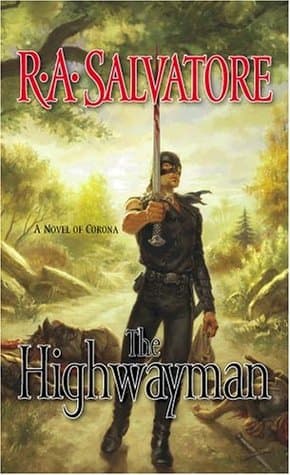
Synopsis
Covers the whole plot, including the ending.
- Difficulty
- Medium
- Pacing
- Variable
- Mood
- Epic, Adventurous, Dark, Heroic
- Read it if
- You enjoy classic high fantasy with a strong focus on character development, epic battles, and a clear good-vs-evil narrative.
- Skip it if
- You prefer morally gray characters or plots with minimal magic and more political intrigue.
The Highwayman Plot Summary
Covers the whole plot, including the ending.
The Boy of the Woods
Bransen Garibond, a young man of unknown parents, lives in the Honce-the-Bear region, specifically in the wilderness near Timberline village. He is unusually fast and strong, and skilled with a sword, having taught himself in isolation. His only companion is a large black stallion, Midnight, who seems to share a deep, almost telepathic connection with him. Bransen is troubled by broken memories of a past trauma and the knowledge that he is different, having inherited the blood of two distinct, powerful peoples. He feels like an outsider and longs to belong, often watching the villagers from a distance without approaching.
The Attack on Timberline
One night, the quiet village of Timberline is attacked by monstrous creatures known as 'goblins' or 'demons' – agents of the dark sorcerer, Korbil. The villagers, including Captain Kage of the Guard, are overwhelmed. Bransen, watching from the shadows, cannot stand by. He rides into the fight on Midnight, using his sword with supernatural speed and accuracy, killing the creatures easily. His help saves many lives, but also reveals his extraordinary abilities and the unusual nature of his sword, which seems to absorb the essence of his enemies. Though he fights bravely, he remains a mystery to the grateful but cautious villagers.
A Mysterious Inheritance
After the attack, Bransen is sought out by an ancient, mysterious woman named Elbryan, a reclusive sorceress who has been observing him. Elbryan tells Bransen that he is a child of two powerful, magical bloodlines: the Touel'alfar, an ancient elven-like people, and the Abellican, a human order dedicated to justice and magic. She explains that his unique sword is a Touel'alfar relic, capable of absorbing magical energy, and that his speed and strength come from his dual heritage. Elbryan further informs him that Korbil, the dark sorcerer, wants to use Bransen's power for his own evil plans, and that Bransen will play a key role in the coming conflict.
The Road to Callidyrran
Following Elbryan's advice, Bransen, now calling himself 'The Highwayman' to protect the innocent and punish the wicked, heads towards Callidyrran, a center of Abellican power. On his journey, he meets various people who test his resolve and shape his understanding of the world. He fights bandits and Korbil's agents, further improving his combat skills and control over his growing magical abilities. He also starts to gain the attention of common people, who see him as a symbol of hope against the increasing darkness. His path is dangerous, forcing him to face the moral complexities of his actions.
The Abellican Order and the Princess
Upon reaching Callidyrran, Bransen, still an outsider, eventually meets King Amadeus and his daughter, Princess Jilseponie. The King, recognizing Bransen's unique power, offers him a place in the Abellican Order, a group of knights dedicated to justice and using magic for good. Bransen finds an unexpected connection with Jilseponie, who has a sharp mind and a strong sense of duty. This meeting is a turning point for Bransen, as he begins to leave his solitary life and embrace a larger purpose, finding a community that values his abilities and offers him a sense of belonging he has long wanted.
Korbil's Growing Threat
While Bransen finds his place, Korbil's power grows. His dark magic spreads a blight across the land, twisting creatures into grotesque forms and corrupting human hearts. Villages are destroyed, and common people live in constant fear. Korbil's ultimate goal is to completely control Honce-the-Bear, and he sees Bransen's unique bloodline as a way to unlock even greater power. The threat increases, pushing the Abellican Order and King Amadeus to desperate measures, as they realize that Bransen might be their only hope against the coming darkness.
Training and Revelation
Bransen trains hard with the Abellican knights, learning to improve his swordplay and, more importantly, to control the raw magical energy flowing through him. He struggles with his dual heritage, the wild, untamed power of the Touel'alfar clashing with the disciplined magic of the Abellicans. During this time, he experiences vivid flashbacks and visions, slowly putting together the traumatic events of his past and the true extent of Korbil's cruelty. He learns that his parents were Korbil's victims, and that his existence challenges the dark sorcerer's ambitions.
The Siege of Callidyrran
Korbil, now at his strongest, gathers his monstrous army and launches a destructive siege against Callidyrran. The city's defenses are pushed to their limits, and the Abellican knights, led by King Amadeus, fight bravely but are outnumbered. Bransen, now a key figure in the defense, uses his full power, wielding his sword and magic with a ferocity born of his dual heritage. He faces some of Korbil's most fearsome lieutenants, showing his growth as both a warrior and a leader. The battle is a brutal, desperate fight for survival, with the future of Honce-the-Bear in the balance.
Confrontation with Korbil
In the middle of the siege, Bransen, guided by a strong sense of purpose, confronts Korbil directly. The battle is a clash of titans, with Korbil using ancient, dark magic and Bransen channeling the combined powers of the Touel'alfar and Abellicans. Bransen's sword, having absorbed countless magical energies throughout his journey, proves to be a vital weapon. He uses his speed and agility to dodge Korbil's spells, while his sword drains the sorcerer's power with each hit. The fate of Honce-the-Bear, and Bransen's own soul, hangs in the balance as the two powerful beings engage in a deadly dance.
The Price of Victory
Bransen, through his inherent power, his training, and his sword's unique abilities, defeats Korbil. The dark sorcerer is vanquished, and his oppressive magic disappears, bringing a fragile peace back to Honce-the-Bear. However, the victory comes at a cost. Bransen is deeply scarred by the conflict, both physically and emotionally. He has seen immense suffering and made difficult choices, forcing him to accept the darker parts of his power and the responsibilities that come with it. He emerges from the battle a hero, but also a changed man, forever marked by the struggle.
A New Beginning
After Korbil's defeat, Bransen is hailed as a hero. He has saved Honce-the-Bear from destruction, and the people look up to him. While he still carries the weight of his past and his power, he no longer feels like an outsider. He has found a home among the Abellicans and a deep connection with Princess Jilseponie. Bransen understands that his journey is far from over, but he now faces it with a clearer purpose and a deeper understanding of who he is. He is no longer just the boy from the woods, but a true protector, ready for whatever challenges lie ahead.
Principal Figures
Bransen Garibond (The Highwayman)
Protagonist
A young man of dual heritage, destined to fight a dark sorcerer.
Bransen is a solitary, introspective young man haunted by a mysterious past. He possesses superhuman speed, strength, and a natural proficiency with a sword, all stemming from his unique heritage as a blend of Touel'alfar and Abellican blood. Initially an outsider, he struggles with his identity and the raw power within him. He is driven by an innate sense of justice and a longing for belonging, which eventually leads him to embrace his destiny as a protector.
Relationships: Midnight (Deep, telepathic bond with his black stallion.); Elbryan (Mentor and guide, revealing his past and destiny.); Princess Jilseponie (Developing romantic interest and intellectual companion.); King Amadeus (Adoptive father figure and leader of the Abellican Order.); Korbil (Arch-nemesis and the source of his parents' trauma.)
Korbil
Antagonist
A powerful dark sorcerer seeking to dominate Honce-the-Bear.
Korbil is a malevolent sorcerer driven by an insatiable lust for power. He commands armies of monstrous creatures and wields ancient, corrupting magic. His ambition knows no bounds, and he seeks to exploit Bransen's unique bloodline to further his own dark ends. Korbil is cunning and cruel, responsible for the destruction of Bransen's family and the widespread suffering across Honce-the-Bear. He represents the ultimate evil that Bransen must overcome.
Relationships: Bransen Garibond (Mortal enemy, target for his power and the son of his victims.)
Princess Jilseponie
Supporting
The intelligent and strong-willed princess of Callidyrran.
Jilseponie is King Amadeus's daughter, a woman of sharp intellect, courage, and a strong sense of duty. She is not merely a princess but an active participant in the defense of her kingdom and a keen observer of people. She quickly recognizes Bransen's potential and, despite his outsider status, trusts in his character. She provides emotional support and intellectual companionship to Bransen, helping him to understand the world beyond the wilderness and his place within it. She represents hope and a potential future for Bransen.
Relationships: Bransen Garibond (Developing romantic interest and trusted ally.); King Amadeus (Her father, whom she deeply respects and supports.)
Elbryan
Supporting
An ancient sorceress and mentor to Bransen.
Elbryan is a reclusive and enigmatic sorceress, possessing ancient knowledge of the Touel'alfar and Abellican bloodlines. She acts as Bransen's initial guide, revealing his true heritage and the looming threat of Korbil. Her wisdom is often delivered in cryptic prophecies, pushing Bransen to discover his own path rather than simply dictating it. She represents the ancient wisdom and magical heritage that Bransen is a part of, and her guidance is crucial in his early development.
Relationships: Bransen Garibond (Mentor and revealer of his heritage.)
King Amadeus
Supporting
The wise and just ruler of Callidyrran and leader of the Abellican Order.
King Amadeus is the benevolent ruler of Callidyrran and the head of the Abellican Order. He is a man of honor, wisdom, and courage, dedicated to protecting his people from the encroaching darkness. He recognizes the extraordinary nature of Bransen and offers him a place within his kingdom and the Abellican knights, acting as a surrogate father figure. He embodies the ideals of justice and leadership that Bransen strives to uphold.
Relationships: Bransen Garibond (Respected leader and mentor figure.); Princess Jilseponie (His daughter, whom he loves and protects.)
Midnight
Supporting
Bransen's loyal and powerful black stallion.
Midnight is Bransen's magnificent black stallion, his most trusted companion and a creature of remarkable intelligence and loyalty. He shares an almost telepathic bond with Bransen, understanding his commands and emotions without words. Midnight is more than just a horse; he is a symbol of Bransen's untamed spirit and a constant presence during his solitary years. He aids Bransen in countless battles, demonstrating incredible speed and courage.
Relationships: Bransen Garibond (Deep, telepathic bond and loyal companion.)
Captain Kage
Supporting
A gruff but honorable captain of the guard from Timberline.
Captain Kage is a seasoned and pragmatic captain of the guard from the village of Timberline. Initially wary of Bransen due to his mysterious nature, he comes to respect the young man's fighting prowess and commitment to protecting the innocent. Kage represents the common folk and their initial distrust of the unknown, but also their capacity for gratitude and recognition of true heroism. He is a brave and dedicated soldier, serving his community with unwavering loyalty.
Relationships: Bransen Garibond (Initial distrust turns to respect and alliance.)
Themes & Insights
Identity and Belonging
Bransen's journey is about finding out who he is and where he belongs. As a child of two powerful, warring bloodlines (Touel'alfar and Abellican), he feels like an outsider, living alone and haunted by an unknown past. His adoption of 'The Highwayman' identity is an attempt to define himself through his actions. His eventual place in the Abellican Order and his bond with Princess Jilseponie give him the community and purpose he deeply desires, helping him to combine his dual nature. This theme is clear from his solitary life in Timberline to his acceptance in Callidyrran.
“He was neither of the woods nor of the towns, neither human nor elf, but something new, something born of conflict and destined for it.”
The Nature of Power
The novel explores how power can be used for both good and evil. Bransen has strong physical and magical abilities, an inheritance that could be used for destruction, as Korbil shows. Bransen constantly struggles to control his raw power, fearing its darker impulses, especially the wild Touel'alfar magic. The Abellican Order teaches him discipline and how to use his gifts ethically, which contrasts sharply with Korbil's uncontrolled, corrupting power. The story shows that true power is not just having it, but in the moral choices made when using it.
“The sword drank magic, but it was Bransen who chose what it would drink, and what it would become.”
Destiny vs. Free Will
Bransen is repeatedly told of his 'destiny' by figures like Elbryan, who hint at his key role in the fight against Korbil. However, the story highlights Bransen's active choices and struggles, suggesting that while he may be meant for greatness, the path he takes and the hero he becomes result from his own will and moral decisions. His choice to help in Timberline, to seek out Callidyrran, and to confront Korbil are all acts of free will that shape his destiny, rather than simply fulfilling a prophecy. He chooses to be a protector instead of giving in to darkness.
“Destiny was a road, but it was the traveler who chose the steps he took upon it.”
Good vs. Evil
This is a core theme, seen in the clear conflict between Bransen and the defenders of Honce-the-Bear against Korbil and his demonic army. Korbil embodies pure, destructive evil, wanting to corrupt and control, while Bransen, the Abellicans, and the people of Honce-the-Bear represent the fight for justice, freedom, and light. The novel shows the brutal realities of this conflict, including the sacrifices and suffering endured in the struggle against overwhelming darkness. It is a classic epic fantasy depiction of good versus evil.
“Some battles were fought for land, others for gold, but this one, this was for the very soul of the world.”
Plot Devices & Literary Techniques
The Sword of Power (Magical Artifact)
Bransen's unique sword that absorbs magical energy.
Bransen's sword is not merely a weapon; it's a magical artifact of Touel'alfar origin. It possesses the unique ability to absorb the magical energy of foes it strikes, making it grow stronger and allowing Bransen to channel that absorbed energy. This device serves multiple functions: it enhances Bransen's combat effectiveness, provides a tangible link to his Touel'alfar heritage, and acts as a plot catalyst by making him a target for Korbil who seeks to control its power. Its evolving capabilities mirror Bransen's own growth in power and understanding.
Dual Heritage (Character Trait/Conflict)
Bransen's mixed bloodline of Touel'alfar and Abellican.
Bransen's dual heritage is a core plot device that drives his internal and external conflicts. His Touel'alfar blood grants him superhuman speed and raw magical potential, while his Abellican heritage provides a moral compass and a connection to an order of justice. This internal struggle between wild power and disciplined control defines his character arc. It also makes him uniquely powerful – and uniquely vulnerable – as Korbil seeks to exploit this blend of magic. It's the source of his identity crisis and his ultimate strength.
Mysterious Past/Amnesia (Narrative Hook)
Bransen's fragmented memories of his traumatic origins.
Bransen begins the story with fragmented memories of a traumatic past, his true parentage and the circumstances of his early life shrouded in mystery. This serves as a powerful narrative hook, compelling both Bransen and the reader to uncover the truth. The gradual revelation of his past, particularly through flashbacks and Elbryan's guidance, not only explains his unique abilities but also provides crucial backstory about Korbil's cruelty and the larger conflict. It fuels Bransen's personal motivation and deepens the emotional stakes of his quest.
Prophecy/Foreboding (Foreshadowing)
Elbryan's cryptic pronouncements about Bransen's destiny.
Elbryan's character is largely defined by her role in delivering cryptic prophecies and foreboding warnings about Bransen's destiny and the escalating threat of Korbil. These pronouncements serve as a powerful form of foreshadowing, hinting at future events and the immense challenges Bransen will face. They build suspense and provide a sense of epic scope to the narrative, suggesting that Bransen is part of a larger, ancient struggle, while also motivating him to confront his fears and embrace his role.
The Highwayman Quotes
“The wind howled a mournful dirge, a fitting accompaniment to the desolation that had become my life.”
“Justice, I have learned, is a fickle mistress, often swayed by the glint of gold or the whisper of power.”
“A man without a cause is a ship without a rudder, adrift on an endless sea.”
“The greatest battles are not always fought with steel, but within the confines of one's own heart.”
“Hope is a fragile thing, easily crushed, yet it is the only light that guides us through the darkest nights.”
“Sometimes, to find your way, you must first get lost.”
“The road less traveled is often the one that leads to true freedom.”
“Revenge is a bitter feast, and those who partake often find themselves consumed by it.”
“True strength lies not in never falling, but in rising every time you fall.”
“The whispers of the past can haunt you, but they can also serve as a compass to your future.”
“Loyalty, once earned, is a bond stronger than any chain.”
“Even in the darkest of shadows, a hero can emerge, if only they dare to believe.”
“The world may try to break you, but it is in the mending that you become truly whole.”
Quiz
10 questions on the plot and the characters. Each answer comes with a short explanation.
Question 1
What is the name of the protagonist in 'The Highwayman'?
- Jilseponie
- Cadderly
- Dante
- Wigg
Show answer
C. Dante The main character, who is a lonely young man struggling with his identity, is named Dante.
Question 2
What unique weapon does Dante wield that possesses 'unimaginable power'?
- A magical bow
- A sentient staff
- A sword
- Twin daggers
Show answer
C. A sword The book description explicitly mentions Dante carrying 'a sword of unimaginable power'.
Question 3
What two types of heritage does Dante possess that contribute to his magical abilities?
- Human and Elf
- Dwarf and Gnome
- The blood and magic of two people
- Celestial and Demonic
Show answer
C. The blood and magic of two people The book description states, 'He carries the blood and magic of two people,' which refers to his unique heritage.
Question 4
What is the primary internal conflict Dante faces throughout the story, as described in the synopsis?
- His struggle to gain political power
- His quest for immense wealth
- Discovering who he is and where he belongs
- Overcoming a physical disability
Show answer
C. Discovering who he is and where he belongs The synopsis clearly states, 'a lonely young man struggles to discover who he is and where he belongs.'
Question 5
What is the name of the organization of 'highwaymen' Dante eventually becomes associated with or leads?
- The Emerald Riders
- The Night Blades
- The Cloaked Band
- The Brotherhood of the Highway
Show answer
D. The Brotherhood of the Highway Dante's journey leads him to become a prominent figure within The Brotherhood of the Highway, the titular group.
Question 6
Dante's potential is described as leading to 'great good, or greater evil.' What specific philosophical or thematic concept does this dichotomy represent within the narrative?
- The nature of free will versus destiny
- The corrupting influence of power
- The balance of light and shadow within an individual
- The necessity of sacrifice for the greater good
Show answer
C. The balance of light and shadow within an individual The description highlights the 'staggering potential for great good, or greater evil,' directly addressing the internal struggle and balance of moral choices within Dante.
Question 7
Which of these characters is Dante's primary mentor figure early in his journey, teaching him about his abilities and the world?
- The Lady of the Lake
- The enigmatic wizard, Wigg
- A seasoned warrior named Kellen
- His long-lost father
Show answer
B. The enigmatic wizard, Wigg Wigg, a mysterious and powerful wizard, serves as a crucial mentor for Dante, guiding him in understanding his magic and heritage.
Question 8
What is the name of the ancient, powerful artifact that is intrinsically linked to Dante's sword and his unique magical heritage, hinting at its true origin?
- The Heart of the World
- The Stone of Aethel
- The Eye of the Dragon
- The Mark of the Tyr
Show answer
D. The Mark of the Tyr The Mark of the Tyr is a significant artifact and symbol tied deeply to Dante's lineage and the power of his sword, revealing the true nature of his magic.
Question 9
The primary antagonist's goal is often tied to controlling or eradicating the 'wild magic' that Dante embodies. What is the name of the oppressive religious order that seeks to impose strict control over all magic?
- The Holy Inquisition
- The Abellican Church
- The Order of the Cleansing Flame
- The Priory of the Sacred Word
Show answer
B. The Abellican Church The Abellican Church, with its rigid dogma and fear of wild magic, stands as a major antagonistic force against Dante and those who wield uncontrolled magical abilities.
Question 10
Which of the following best describes the ultimate revelation regarding Dante's dual heritage and its significance to the larger world's balance of power?
- He is the rightful heir to a forgotten kingdom.
- He is a prophesied destroyer, destined to end an age.
- He embodies a unique fusion of two ancient magical bloodlines, representing a potential new era of magic or its ultimate destruction.
- His heritage marks him as an outcast, forever unable to find acceptance.
Show answer
C. He embodies a unique fusion of two ancient magical bloodlines, representing a potential new era of magic or its ultimate destruction. Dante's heritage isn't just about two bloodlines; it's about the unique and unprecedented fusion that makes him a pivotal figure in the magical history and future of the world, capable of ushering in new eras or catastrophic change.
The Highwayman FAQ
What is the core premise of 'The Highwayman' by R.A. Salvatore?
The Highwayman follows the journey of a young man named Liriel, who is grappling with his dual heritage and the immense magical power he possesses. He is a product of two warring peoples, carrying both the blood of the elves and the humans, and must decide whether to use his abilities for good or succumb to the darker temptations of his past.
Who is Liriel and what makes him unique?
Liriel is the protagonist, a half-elven, half-human hybrid, which is a rare and often ostracized combination in his world. He wields a sentient magical sword, Khazid'hea, and possesses an innate talent for both human and elven magic, making him a powerful but conflicted individual.
What role does the sword, Khazid'hea, play in Liriel's journey?
Khazid'hea, often referred to as 'Cutter,' is more than just a weapon; it is a sentient magical artifact with its own personality and desires. It guides Liriel, offers advice, and sometimes even challenges his decisions, acting as both a powerful ally and a complex, sometimes manipulative, companion.
What are the primary conflicts Liriel faces throughout the story?
Liriel faces external conflicts with the oppressive human empire, the distrustful elven communities, and various monstrous threats. Internally, he struggles with his identity, the weight of his power, and the constant temptation to embrace the destructive aspects of his heritage, particularly when influenced by Khazid'hea's darker impulses.
Who are some of the key supporting characters Liriel encounters?
Liriel meets a diverse cast, including the pragmatic and loyal human ranger, Kiera, who becomes a close ally. He also encounters various elven leaders, human lords, and mystical figures, each of whom plays a role in shaping his understanding of the world and his own destiny.
Are there any subtle references to other works by R.A. Salvatore or broader fantasy lore within 'The Highwayman'?
While 'The Highwayman' is largely a standalone narrative, Salvatore often weaves in thematic elements common to his other works, such as the struggle between good and evil, the nature of heroism, and complex magical systems. Sharp-eyed readers might notice echoes of his Drizzt Do'Urden novels in the portrayal of a conflicted, powerful protagonist seeking his place in a prejudiced world.
What is the significance of Liriel's 'two bloods' beyond simple heritage?
The 'two bloods' represent more than just his parentage; they symbolize the clash of two distinct magical traditions, cultural perspectives, and moral codes. Liriel's ability to tap into both human and elven magic grants him unique power but also forces him to reconcile their often-opposing philosophies and societal expectations.
Is there a deeper meaning behind Khazid'hea's sentience and its influence on Liriel?
Khazid'hea's sentience can be interpreted as an externalization of Liriel's own inner struggles and potential for darkness. The sword often tempts him towards more violent or ruthless solutions, reflecting the destructive impulses Liriel must overcome, making it a powerful metaphor for the corrupting influence of unchecked power.
How does Liriel's isolation contribute to his psychological development?
Liriel's early isolation, being an outcast from both human and elven societies, fosters a deep sense of loneliness and a desperate search for belonging. This isolation forces him to rely heavily on his own judgment and the counsel of Khazid'hea, shaping him into a fiercely independent but often emotionally vulnerable individual.
What psychological impact does the constant pressure of 'great good, or greater evil' have on Liriel?
The immense potential for both good and evil creates a profound psychological burden on Liriel, leading to self-doubt, anxiety, and a fear of his own power. He constantly grapples with the ethical implications of his actions, fearing that one wrong choice could unleash catastrophic consequences, which often paralyzes him with indecision.
How does Liriel's relationship with Khazid'hea reflect his internal conflict?
Liriel's dynamic with Khazid'hea is a direct mirror of his internal battle between his virtuous intentions and his darker, more aggressive impulses. The sword often vocalizes the brutal efficiency that Liriel sometimes wishes to employ, forcing him to actively resist or embrace those aspects of his personality.
In what ways does Liriel's journey challenge traditional notions of heroism?
Liriel's path deviates from typical heroic tropes because he is not inherently 'good' or 'evil'; he is a being of immense potential caught between extremes. His heroism often comes from resisting the easier, more destructive path offered by his power and Khazid'hea, choosing empathy and restraint over raw force, even when it's harder.
Is Liriel's destiny predetermined, or does he truly have free will in shaping his future?
This is a central interpretive question. While prophecies and ancient bloodlines seem to steer Liriel, the narrative strongly emphasizes his choices at critical junctures. His internal struggles and the decisions he makes regarding Khazid'hea and his own power suggest that his free will ultimately dictates whether he becomes a force for good or evil.
Could Khazid'hea be considered the true antagonist, or merely a powerful tool?
Khazid'hea's role is complex and open to debate. While it often pushes Liriel towards violence and can be seen as a corrupting influence, it also provides invaluable assistance and protection. Some might argue it's a sentient entity with its own agenda, making it an antagonist, while others see it as a reflection of Liriel's inner demons, a powerful tool that amplifies existing traits.
How does the book portray the concept of 'good' and 'evil' through Liriel's eyes?
The book presents 'good' and 'evil' not as absolute forces, but as choices Liriel makes daily. He witnesses injustices from both human and elven sides, blurring traditional lines. His struggle demonstrates that 'good' often requires immense personal sacrifice and resistance to easy solutions, while 'evil' can be a seductive path of power and control.
What is the ultimate message or theme Salvatore conveys through 'The Highwayman'?
A core theme is the power of choice and the responsibility that comes with great power. The book suggests that true heroism lies not in inherent strength, but in the conscious decision to wield that strength for compassion and justice, even when tempted by easier, darker paths. It's a story about self-discovery and defining one's own destiny.
Does Liriel ever fully reconcile his dual heritage, or does it remain a source of conflict?
By the end of the narrative, Liriel achieves a significant degree of acceptance regarding his dual heritage, understanding that it is a source of unique strength rather than a weakness. While the internal conflict may never entirely vanish, he learns to integrate both aspects of his identity, forging a path that transcends the limitations of either side.
About the author

R.A. Salvatore is an American author primarily known for his fantasy novels. His notable works include "Homeland," "The Crystal Shard," "The Two Swords," and "The Highwayman," which often explore themes of adventure and heroism within richly developed worlds. Salvatore's writing is particularly associated with the Dungeons & Dragons universe and the Forgotten Realms setting.
Similar books
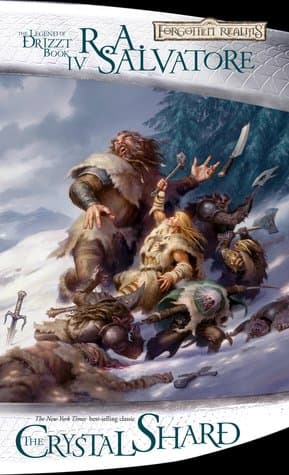
- The Crystal Shard
R.A. Salvatore
4.1 (48k) average on GoodreadsFantasyShares similar character archetypes, fast-paced action, and clear fantasy world-building by the same author.
- The Fellowship of the Ring
J.R.R. Tolkien
4.4 (2.4M) average on GoodreadsFantasyClassic quest narrative with a clear struggle against a dark lord, epic scope, and a focus on heroism and sacrifice.
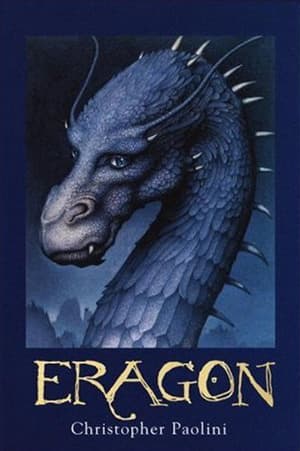
- Eragon
Christopher Paolini
3.9 (1.4M) average on GoodreadsFantasy"The Highwayman" shares many structural similarities with "Eragon," particularly in the 'Boy of the Woods' trope and the protagonist's discovery of a mysterious inheritance and subsequent training. Both books feature a young, seemingly ordinary protagonist thrust into a grand conflict, guided by mentors, and facing a powerful, evil empire. Salvatore's prose is arguably more polished and less prone to descriptive excesses than Paolini's debut, but both suffer from a reliance on well-worn fantasy tropes without significant subversion.
- Harry Potter and the Sorcerer's Stone
J.K. Rowling
4.5 (7M) average on GoodreadsFantasyRescued from a miserable life under the stairs, an orphaned boy discovers he's a wizard destined for a magical school, where he uncovers a dangerous secret tied to the dark wizard who murdered his parents.
- The Hunger Games
Suzanne Collins
4.3 (6.4M) average on GoodreadsFantasyIn a future where children fight to the death on live television, Katniss Everdeen volunteers for the arena, turning a death sentence into a fight for survival and a spark of rebellion.
- 1984
George Orwell
4.2 (3.1M) average on GoodreadsPoliticsIn a future where surveillance and thought control are absolute, a man's search for truth clashes with the Party, showing that hope can be a form of rebellion.




Enjoyed the summary?
A summary gives you the shape of the book. The book itself has the detail, the examples and the voice.
Find The Highwayman on AmazonAs an Amazon Associate, BookBrief earns from qualifying purchases. How we're funded